Understanding Graphite Granules: A Tiny Material with Global Impact
If you’ve ever pondered the role of raw materials in today’s high-tech and sustainable industries, graphite granules may not have popped up on your radar. Yet these small, often overlooked particles pack quite a punch. They form the invisible backbone of everything from batteries powering electric cars to advanced refractories in steel production. Getting to know graphite granules isn’t just a technical exercise—it’s a glimpse into the future of greener, smarter manufacturing worldwide.
Introduction: Why Graphite Granules Matter Globally
The global demand for graphite granules is climbing steadily. According to recent reports from the United Nations Industrial Development Organization (UNIDO), graphite’s annual market size is expected to grow by roughly 6% over the next decade, driven largely by energy storage and electronics sectors. These tiny graphite granules act as a critical raw commodity, especially in the era of clean energy transitions. But here's the rub—extracting and processing them sustainably remains a challenge.
To put it bluntly, the world needs more graphite, but also cleaner, more ethical ways to source and use it. Balancing supply constraints, environmental impact, and growing industrial demand defines today’s graphite landscape.
What Exactly Are Graphite Granules?
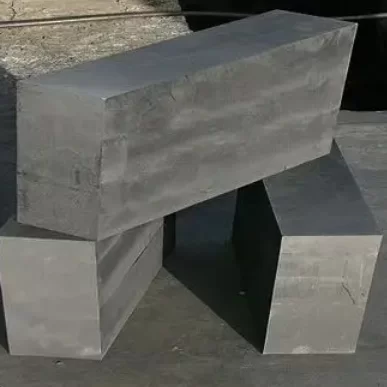
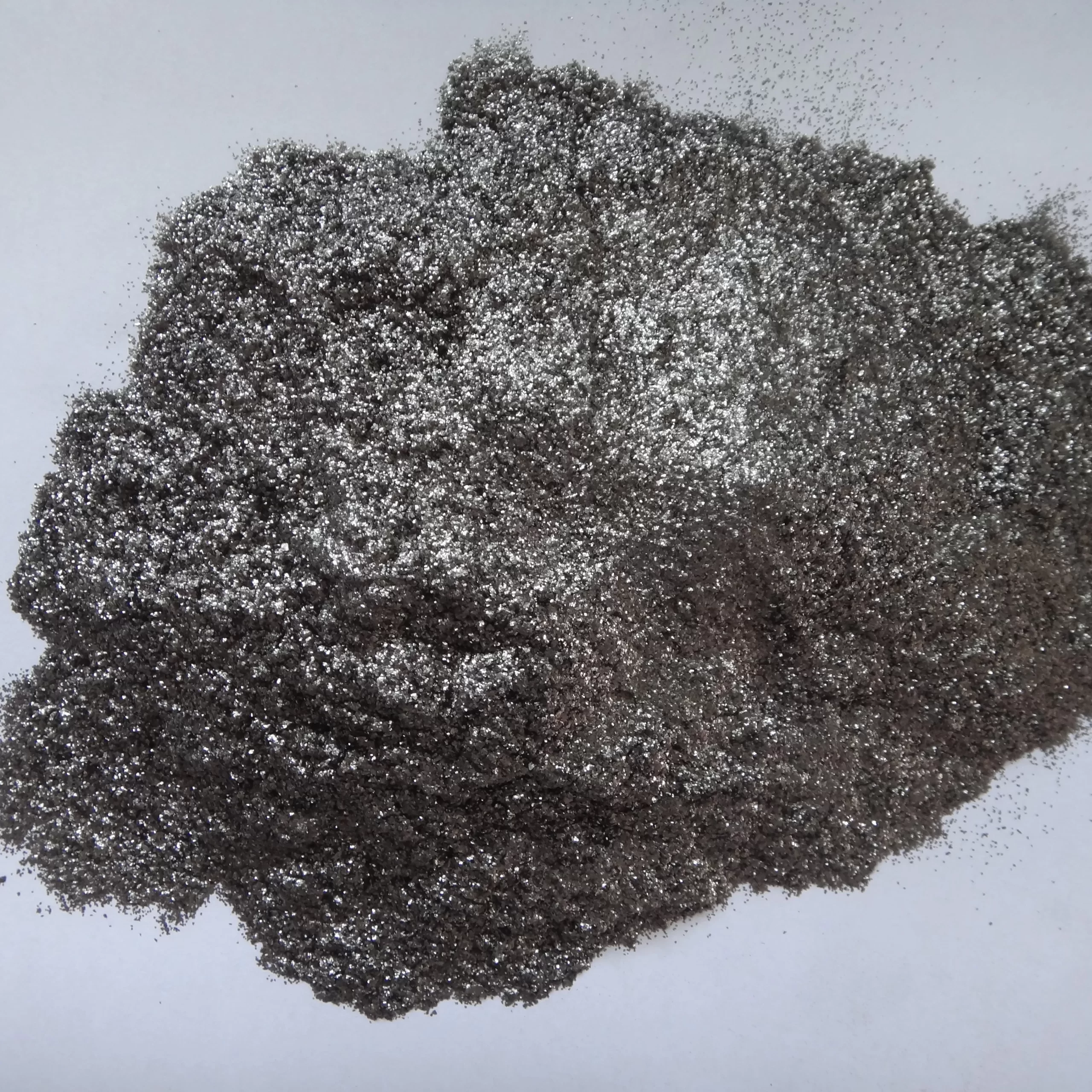
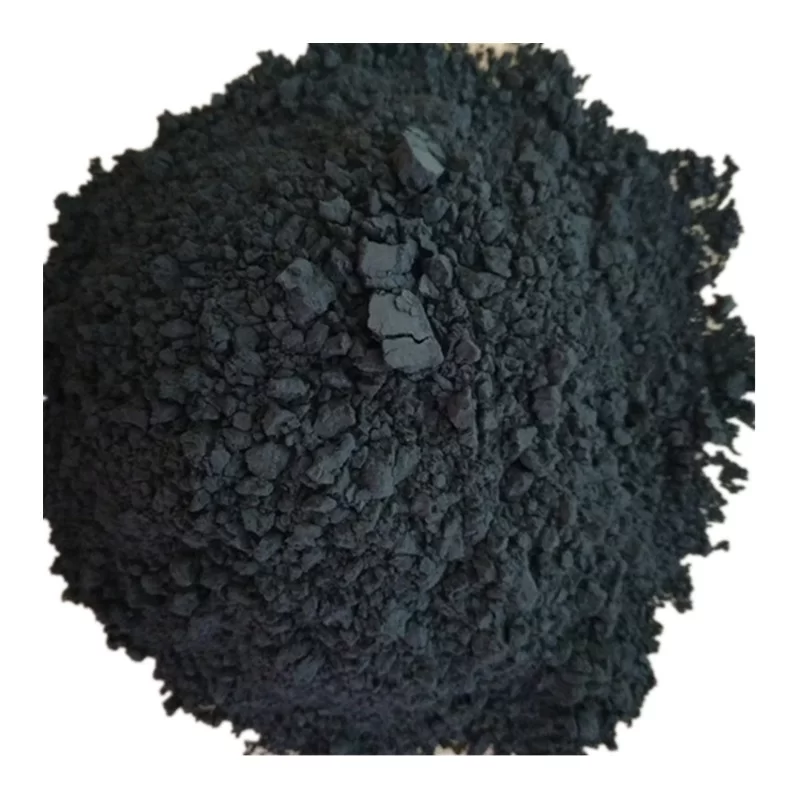
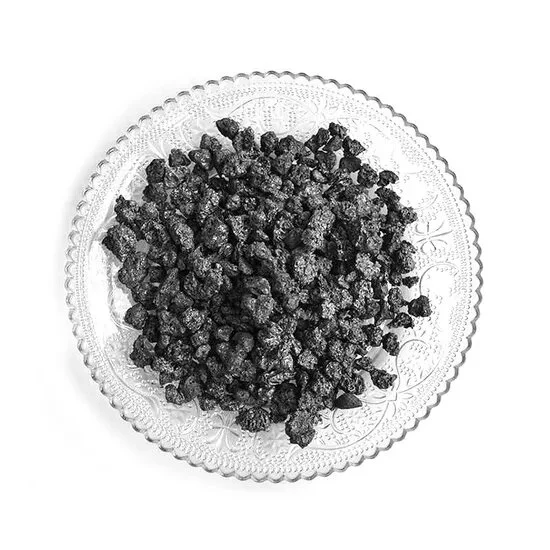
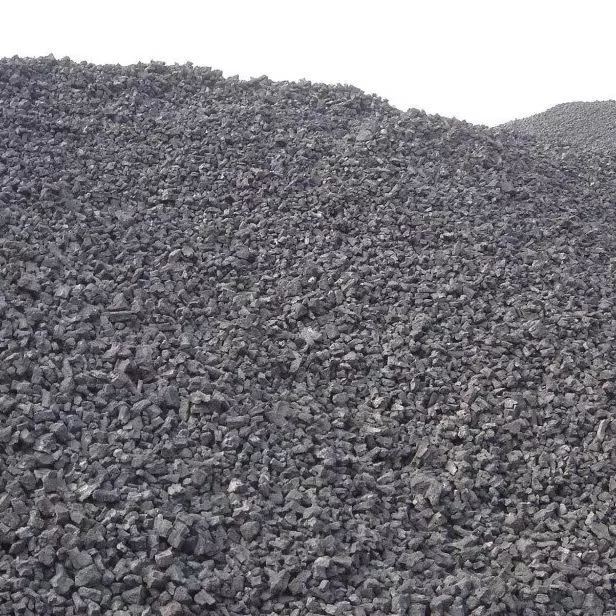
In simple terms, graphite granules are small, granular forms of natural or synthetic graphite powder. Unlike flaky or block forms, granules are processed to be more uniform in size and shape—think of them as raw pellets that can easily be blended into other materials or handled mechanically. Because of their size and purity, they’re a preferred choice in many industrial applications where consistency and performance are paramount.
Graphite itself is a pure form of carbon with layered crystal structures, prized for its electrical conductivity, thermal stability, and lubricating properties. In modern industry, the granule form facilitates integrating graphite into composite materials, electrodes, and even fire-resistant coatings that help keep people and infrastructure safe.
Key Characteristics of Graphite Granules
1. Purity & Composition
Purity levels in graphite granules typically range from 90% up to 99.9%. Higher purity often means better conductivity and heat resistance, critical for batteries and aerospace applications. But reaching ultra-high purity requires more processing steps, influencing costs and energy use.
2. Particle Size & Distribution
Particle sizes usually vary between 50 to 500 microns, tailored to application needs. Narrow size distribution ensures predictable behavior, such as fluidity in molding or uniform reaction rates in chemical uses. Many manufacturers fine-tune granule size for specific industries.
3. Thermal & Electrical Conductivity
Graphite granules are known for their excellent thermal conductivity (up to ~150 W/mK) and electrical conductivity, which empowers their usage in EV batteries and industrial electrodes. This dual ability makes them versatile in energy and manufacturing fields alike.
4. Mechanical Durability
Granules hold up well under mechanical stress but aren’t invincible. Durability influences transport losses and processing efficiency. Many producers test granulometry and abrasion resistance carefully to minimize waste.
5. Environmental Footprint
Both natural and synthetic graphite granules carry an environmental cost. Synthetic variants are often cleaner but more energy-intensive to produce. Sustainable sourcing and carbon footprint reduction are hot topics across the supply chain.
Global Applications & Use Cases of Graphite Granules
Thinking about real-world impact, here’s where graphite granules show their muscle:
- Electrochemical Industry: Anode materials in lithium-ion batteries, central to electric vehicles and renewable energy storage.
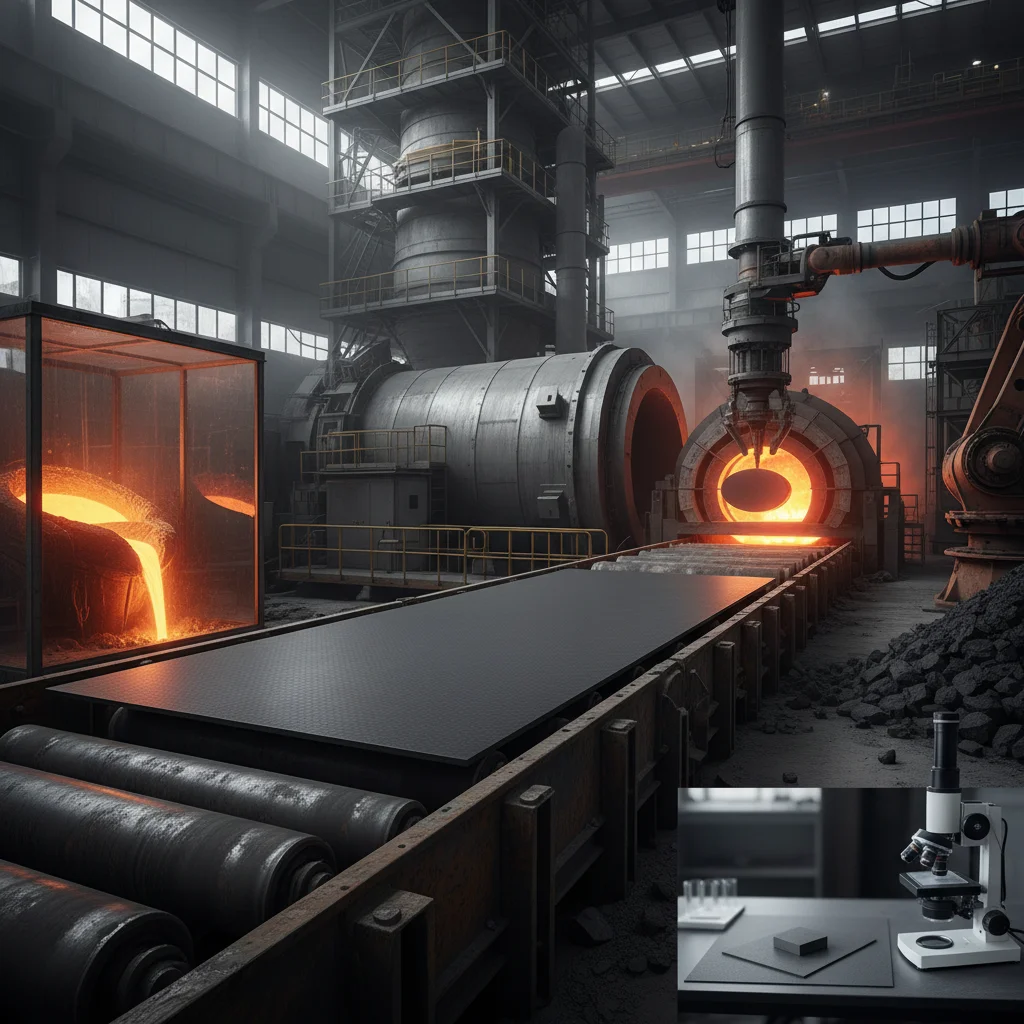
- Steelmaking & Refractories: As a component in furnace linings, graphite granules withstand extreme temperatures while protecting structural integrity.
- Lubricants & Seals: Their layered nature reduces friction in heavy machinery across mining, agriculture, and transport.
- Foundries & Casting: Used in mold patterns to improve finish quality and durability.
- Emerging Green Tech: Fuel cells and graphene production often start with high-quality graphite granules.
Regions like China, Russia, Brazil, and Canada dominate production, but high-tech hubs in Europe, Japan, and the USA heavily rely on imports and refinement. For example, many EV battery makers in Europe turn to graphite granules suppliers worldwide to meet stringent purity and consistency specs.
Advantages & Long-Term Value of Graphite Granules
There’s a mix of logical and emotional incentives here:
- Cost Efficiency: Graphite granules are relatively inexpensive compared to other conductive materials, which translates to more affordable end products.
- Sustainability: Using graphite with responsibly sourced granules can reduce CO2 emissions in battery and steel manufacturing.
- Technical Reliability: Stability under harsh conditions translates to safer industrial processes and longer product life.
- Social Impact: Cleaner material sourcing avoids some of the ethical pitfalls seen with rare earth metals or cobalt.
- Innovation Boost: Enables breakthrough materials like graphene, unlocking new possibilities in electronics and composites.
Future Trends & Innovations in Graphite Granules
The graphite granule story doesn’t end here. Frankly, it’s just starting. Take a look:
- Green Mining & Recycling: Efforts to recycle graphite from spent batteries and reduce mining footprints are scaling up.
- Advanced Coatings: Research into coatings that optimize granule dispersion and durability in composites.
- Nanographite & Graphene Precursor: Tailoring granules to serve as building blocks for graphene, which promises ultra-light, ultra-strong materials.
- AI-Driven Quality Control: Using sensors and machine learning to maintain granule consistency and minimize waste.
Common Challenges & How Industry Tackles Them
Of course, things aren’t always smooth. Major hurdles include:
- Supply Chain Volatility: Political and environmental instability in mining regions causes disruptions.
- Environmental Impact: Energy-intensive synthetic graphite production still needs breakthroughs in efficiency.
- Purity vs. Cost: Demanding high purity often conflicts with budget constraints.
Leading manufacturers mitigate these by investing in diversified sourcing, improving processing technologies, and embracing circular economy principles like recycling raw materials.
Product Specification Table: Typical Graphite Granules
| Specification | Range / Value | Notes |
|---|---|---|
| Purity | 90–99.9% | Natural & synthetic grades available |
| Particle Size | 50–500 microns | Tailored to specific applications |
| Bulk Density | 0.6–1.4 g/cm³ | Influences packing and flow |
| Electrical Conductivity | >1000 S/cm | Critical for electrodes |
| Thermal Conductivity | 100–150 W/mK | Useful in heat management |
| Moisture Content | Low moisture preferred |
Vendor Comparison: Leading Graphite Granule Suppliers
| Supplier | Purity Range | Global Reach | Sustainability Initiatives | Pricing Tier |
|---|---|---|---|---|
| Dahcarbon | 95–99.9% | International (Asia, Europe, Americas) | Recycling & Low-Carbon Powders | Mid-High |
| GrafTech | 90–99% | North America, Europe | Energy Efficiency Focused | Mid |
| Imerys Graphite & Carbon | 92–99.5% | Worldwide | Circular Economy Programs | Mid-High |
| SGL Carbon | 90–99.7% | Global | Renewable Energy Supply Chain | High |
FAQ: Practical Questions About Graphite Granules
- Q1: How do graphite granules enhance battery performance compared to other forms?
- Graphite granules, due to their controlled particle size and high purity, provide a consistent conductive matrix essential for lithium-ion battery anodes. This enables better electron flow, higher energy density, and longer battery life compared to flaky or irregular graphite forms.
- Q2: Are graphite granules eco-friendly, and can they be recycled?
- Yes, while natural graphite mining has environmental impacts, recycling strategies for graphite from spent batteries and refining synthetic graphite granules are advancing rapidly, reducing waste and carbon footprint.
- Q3: What industries benefit most from graphite granules?
- Besides energy storage and steelmaking, automotive, aerospace, electronics, and lubricant manufacturing rely heavily on graphite granules for their stability, conductivity, and thermal properties.
- Q4: How can companies ensure they get high-quality graphite granules?
- Look for suppliers that provide detailed technical specifications, certifications, and sustainability commitments, like Dahcarbon. Request samples and conduct application-specific tests to confirm compatibility.
Conclusion: The Lasting Power of Graphite Granules
It’s fascinating, really, how such tiny granules of graphite quietly power the shift toward cleaner technology, smarter manufacturing, and more sustainable materials. Their flexibility, performance, and evolving green credentials make them key players in shaping industries and global supply chains.
If you’re interested in sourcing reliable and innovative graphite granules, don’t hesitate to visit our website and find out how these mighty little particles can elevate your products.
1. United Nations Industrial Development Organization (UNIDO). “Graphite Market Outlook,” 2023.
2. International Organization for Standardization (ISO) Standards on Graphite Materials.
3. Wikipedia contributors, “Graphite,” Wikipedia, The Free Encyclopedia, 2024.