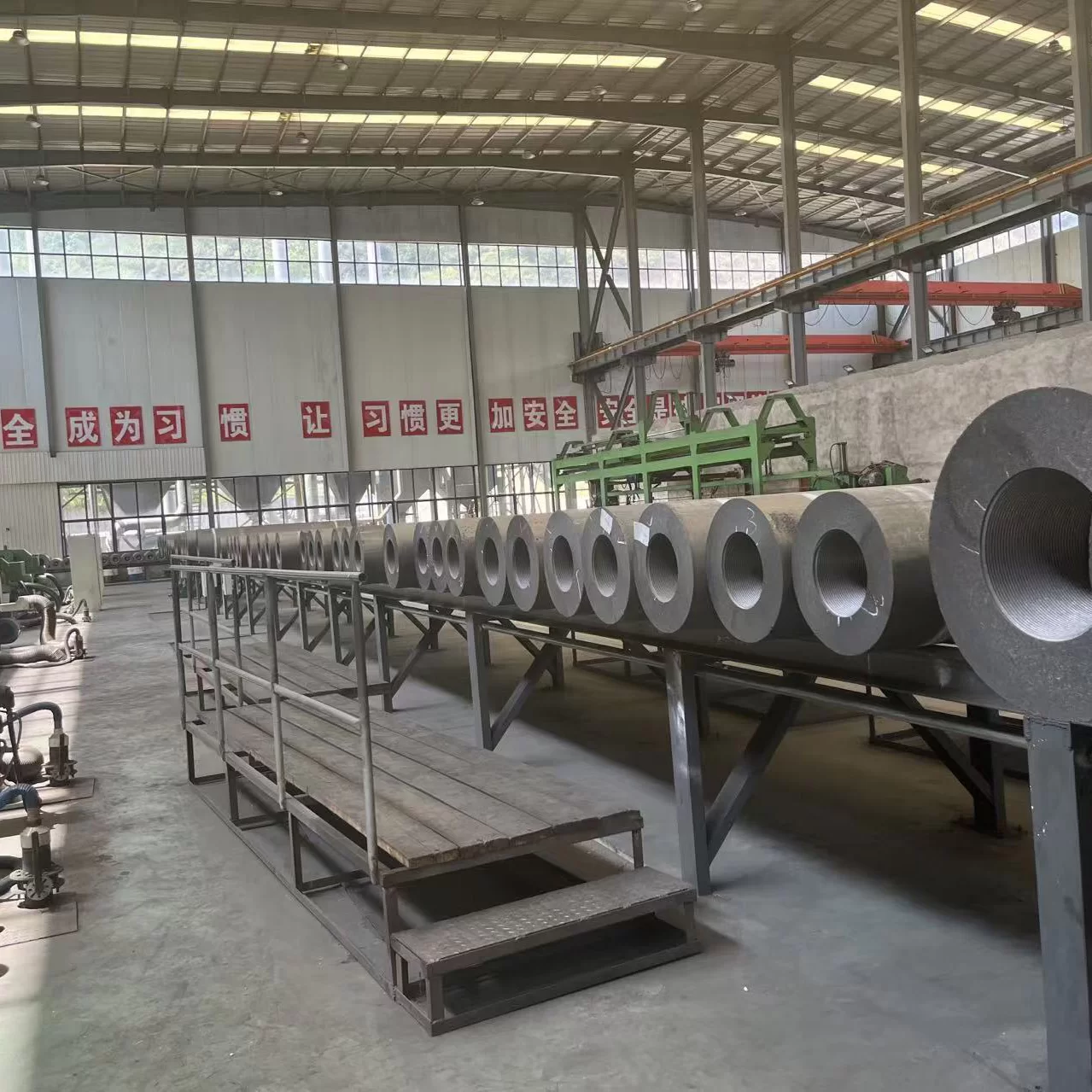
How to Make Synthetic Graphite: A Closer Look at This Critical Material
You might not realize it, but synthetic graphite is quietly powering major innovations around the globe—from lithium-ion batteries in electric cars to specialized electrodes for steel manufacturing. So, how to make synthetic graphite is not just an industrial procedure; it’s a cornerstone for many technologies shaping our future. Understanding this process matters not only for engineers or materials scientists, but also for anyone curious about sustainable energy, advanced manufacturing, or even space exploration.
Introduction: Why Synthetic Graphite Matters Globally
Synthetic graphite production has exploded in response to soaring demand, especially from the battery industry. According to the International Energy Agency, the global EV market is expected to grow at a compound annual rate above 30%, which will drive unprecedented graphite consumption. Graphite—natural or synthetic—is unique in its electrical conductivity, thermal resistance, and chemical stability. However, natural graphite deposits are limited, unevenly distributed, and often environmentally taxing to mine.
This is where synthetic graphite steps in. Knowing how to make synthetic graphite not only lessens reliance on raw mineral extraction but also offers a way to customize graphite’s properties to suit specific applications, from aerospace to industrial manufacturing. However, its production is energy-intensive, raising questions about cost and environmental impact that the industry is still tackling.
What Is Synthetic Graphite, and How Is It Made?
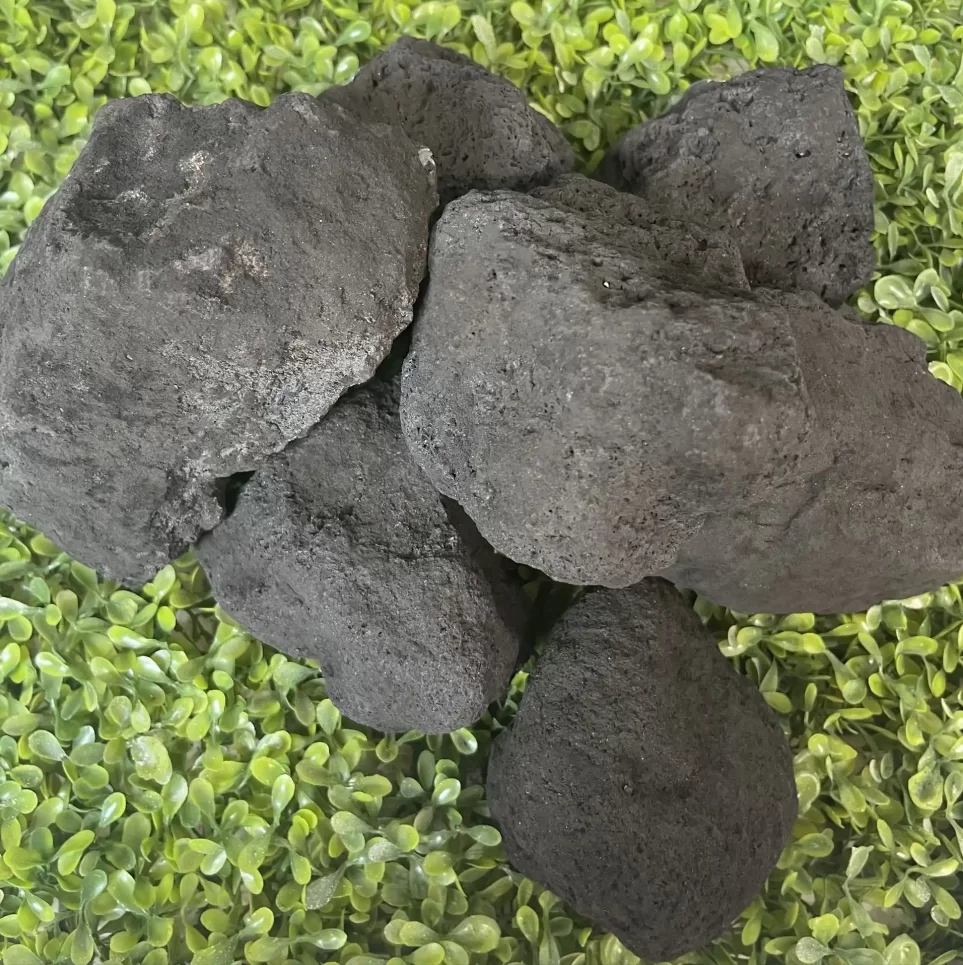
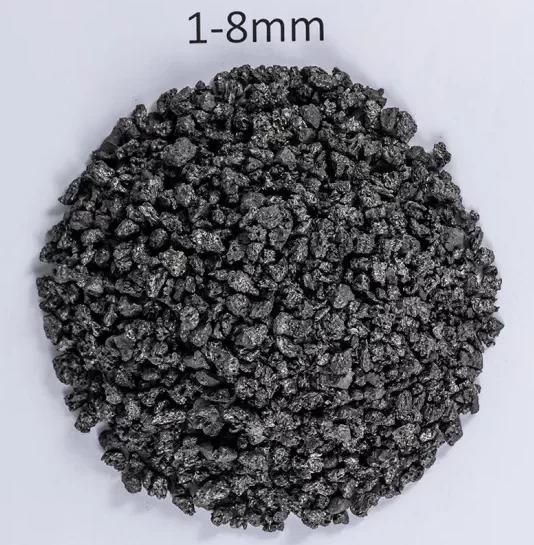
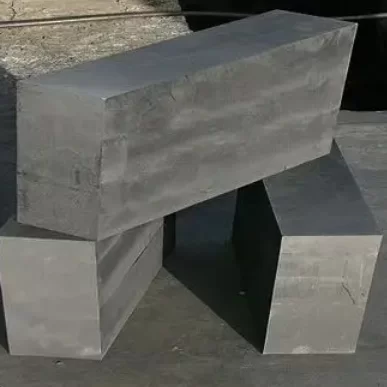
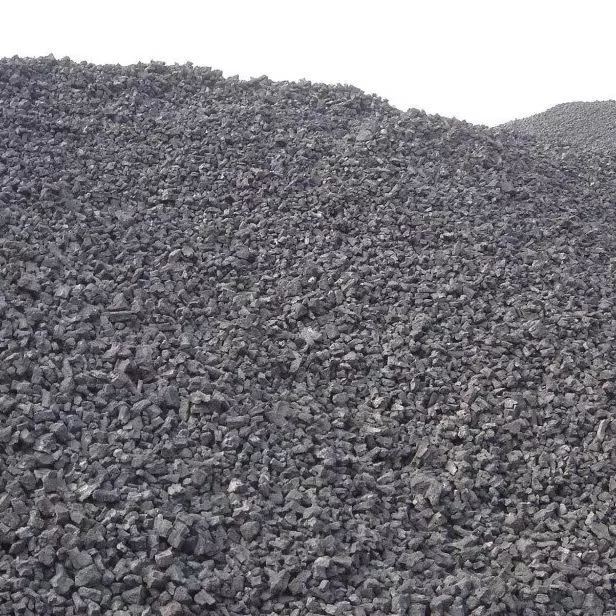
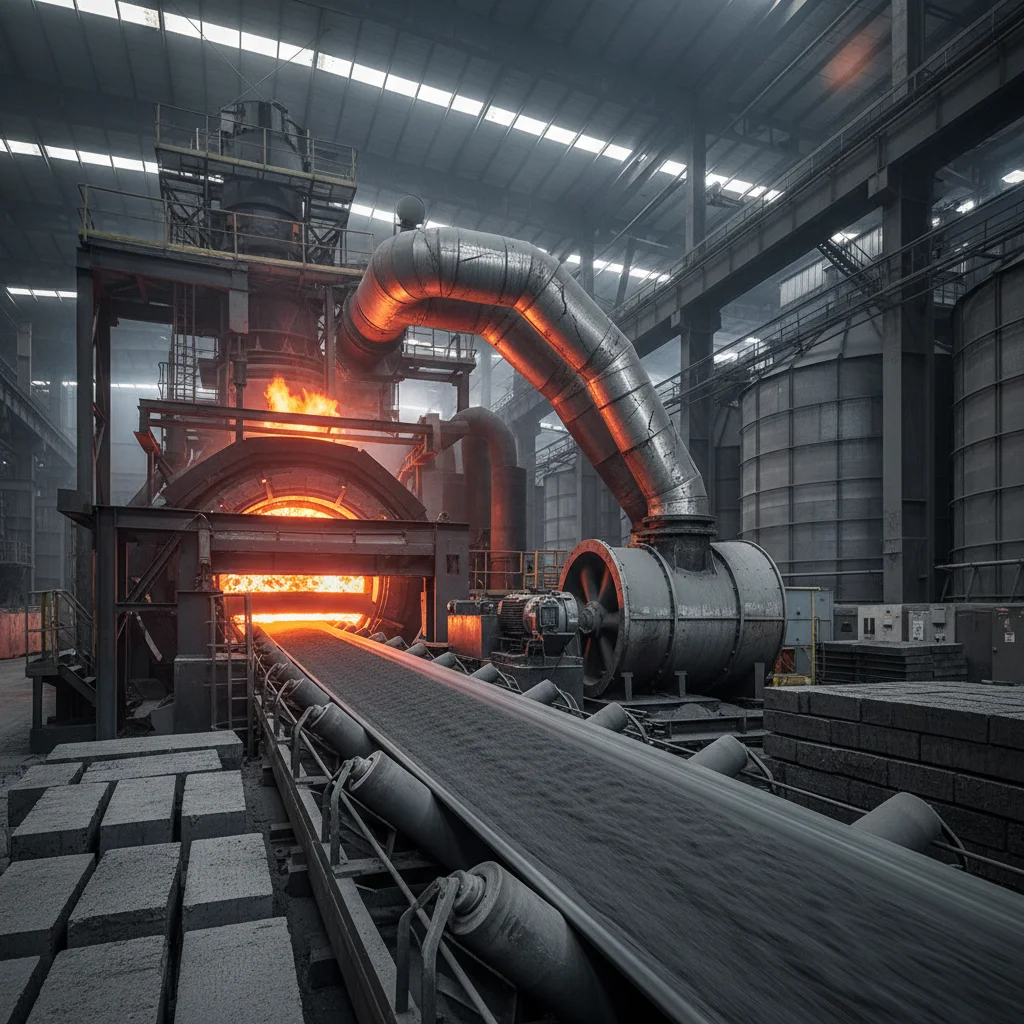
Put simply, synthetic graphite is an engineered form of carbon shaped and treated to possess a crystalline structure similar to that of natural graphite but without the impurities. It starts with carbon-rich precursors such as petroleum coke or coal tar pitch, which are purified and then subjected to high temperatures—in the range of 2500°C to 3000°C—in electric furnaces to induce graphitization.
This transformation aligns carbon atoms into layered structures, granting synthetic graphite unique properties: excellent electrical and thermal conductivity, high chemical resistance, and mechanical durability. These features make it indispensable for industries like battery manufacturing or electric arc steelmaking, where performance and reliability count.
Key Factors in the Production of Synthetic Graphite
1. Precursor Material Quality
The choice of precursor—commonly petroleum coke or coal tar pitch—largely determines the purity and performance of the final graphite. Higher purity precursors lead to fewer impurities, which impacts conductivity and strength. Oddly enough, some research projects explore bio-based carbons, hinting at future greener alternatives.
2. High-Temperature Graphitization
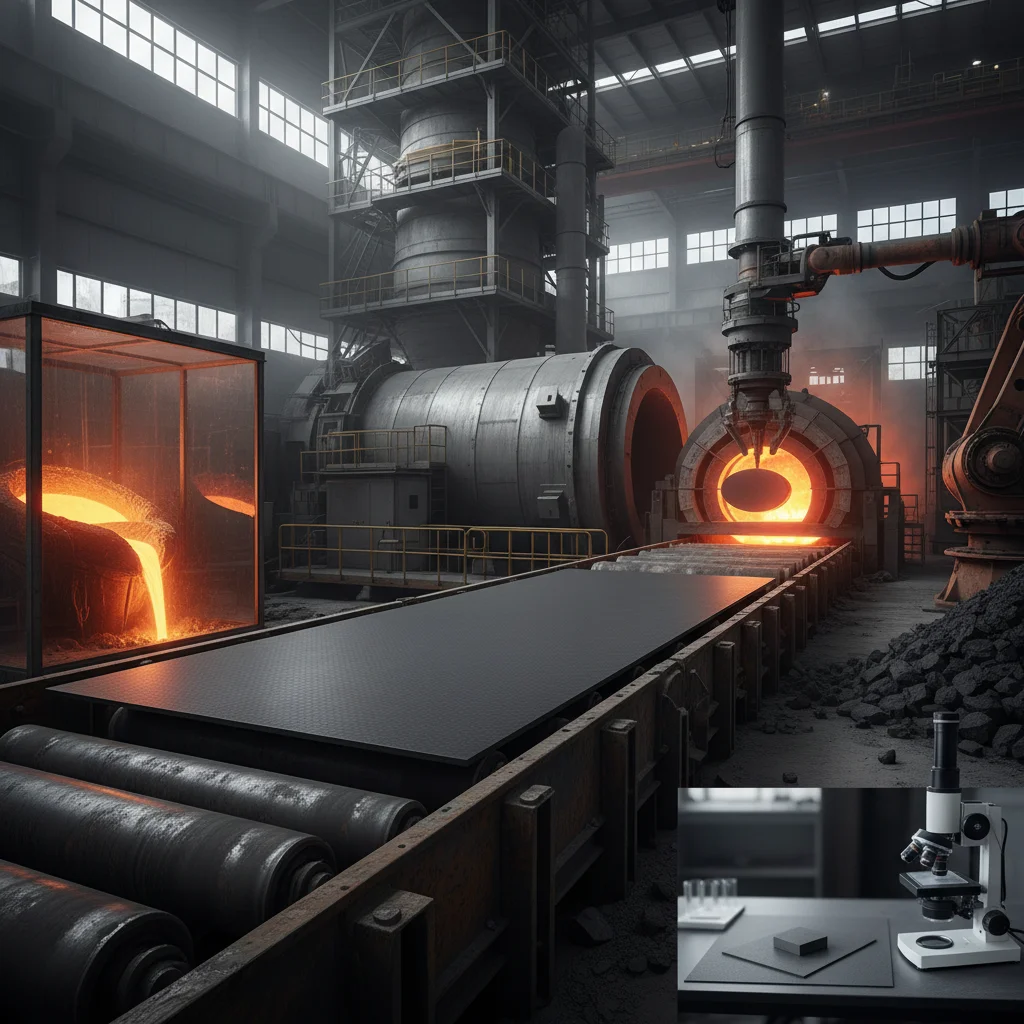
Achieving the graphitic crystal structure requires exposure to incredibly high temperatures. Furnaces must maintain precise heat control during the process, which can last several days. Energy consumption is hefty, making efficiency a persistent challenge here.
3. Impurity Control and Processing
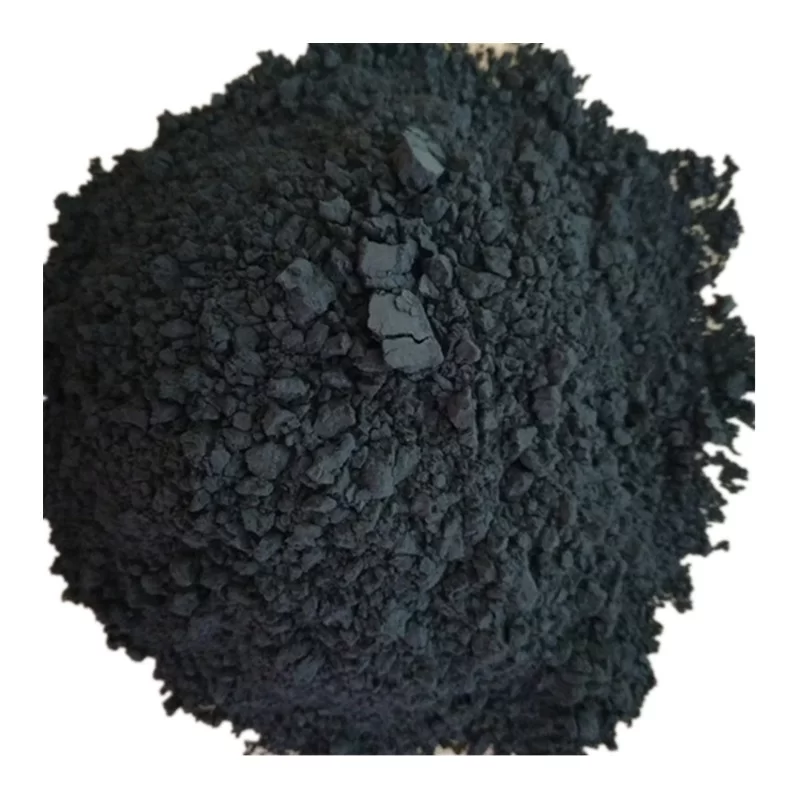
Removing or minimizing metallic and non-carbon impurities is critical to ensure desired electrical and mechanical properties. Techniques like chemical purification and advanced milling refine the graphite further.
4. Scalability and Manufacturing Techniques
Scaling production while maintaining product consistency is a tough balancing act. Researchers deploy different shaping methods—extrusion, molding, or isostatic pressing—to tailor graphite forms depending on the application.
Typical Product Specifications for Synthetic Graphite
| Parameter | Typical Value | Notes |
|---|---|---|
| Carbon Content | >99% | Highly pure carbon for conductivity |
| Bulk Density | 1.6–1.9 g/cm³ | Impacts mechanical strength |
| Electrical Resistivity | 5–15 μΩ·m | Low resistivity ideal for batteries, electrodes |
| Thermal Conductivity | 100–200 W/m·K | Good heat dissipation properties |
| Operating Temperature Range | Up to 3000°C | Suitable for extreme heat applications |
Global Applications: Where Synthetic Graphite Shines
Synthetic graphite’s versatility means you’ll find it quietly enabling a multitude of high-tech and industrial uses worldwide.
- Electric Vehicle Batteries: As the heart of lithium-ion batteries, synthetic graphite anodes ensure longer battery life and safer performance.
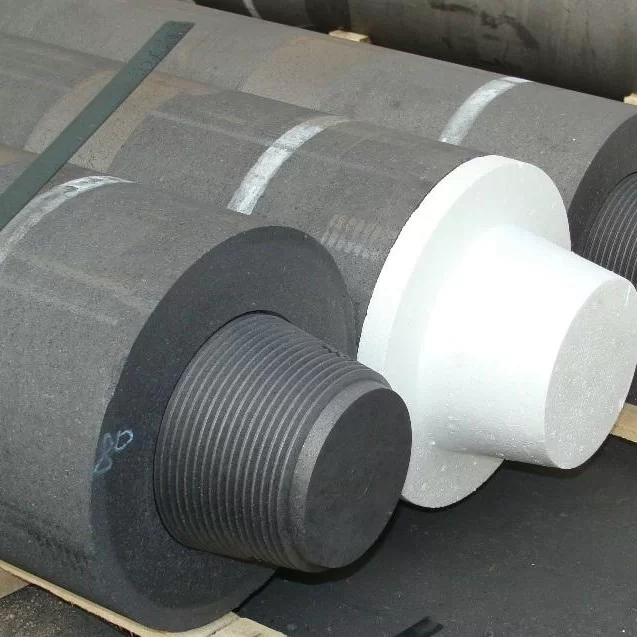
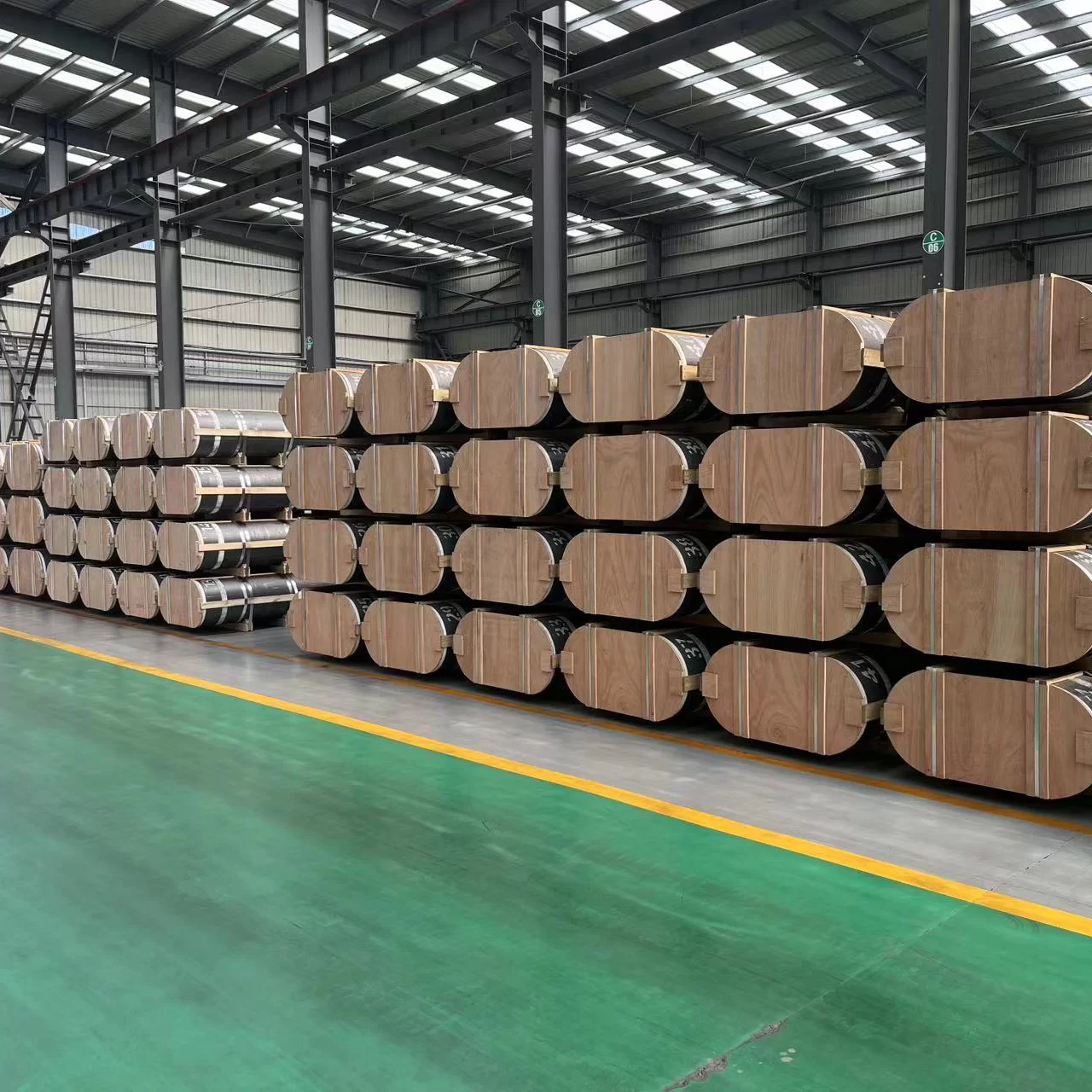
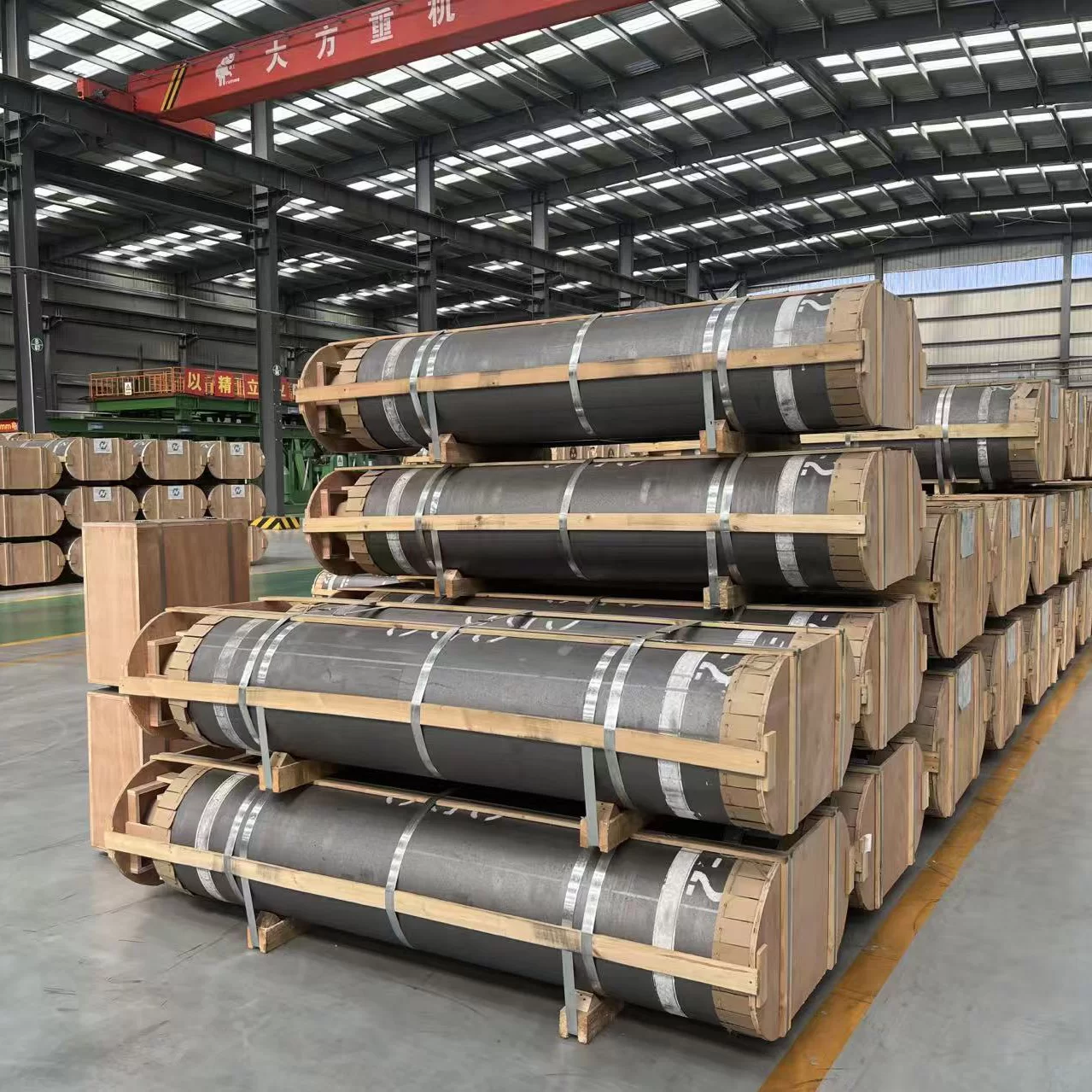
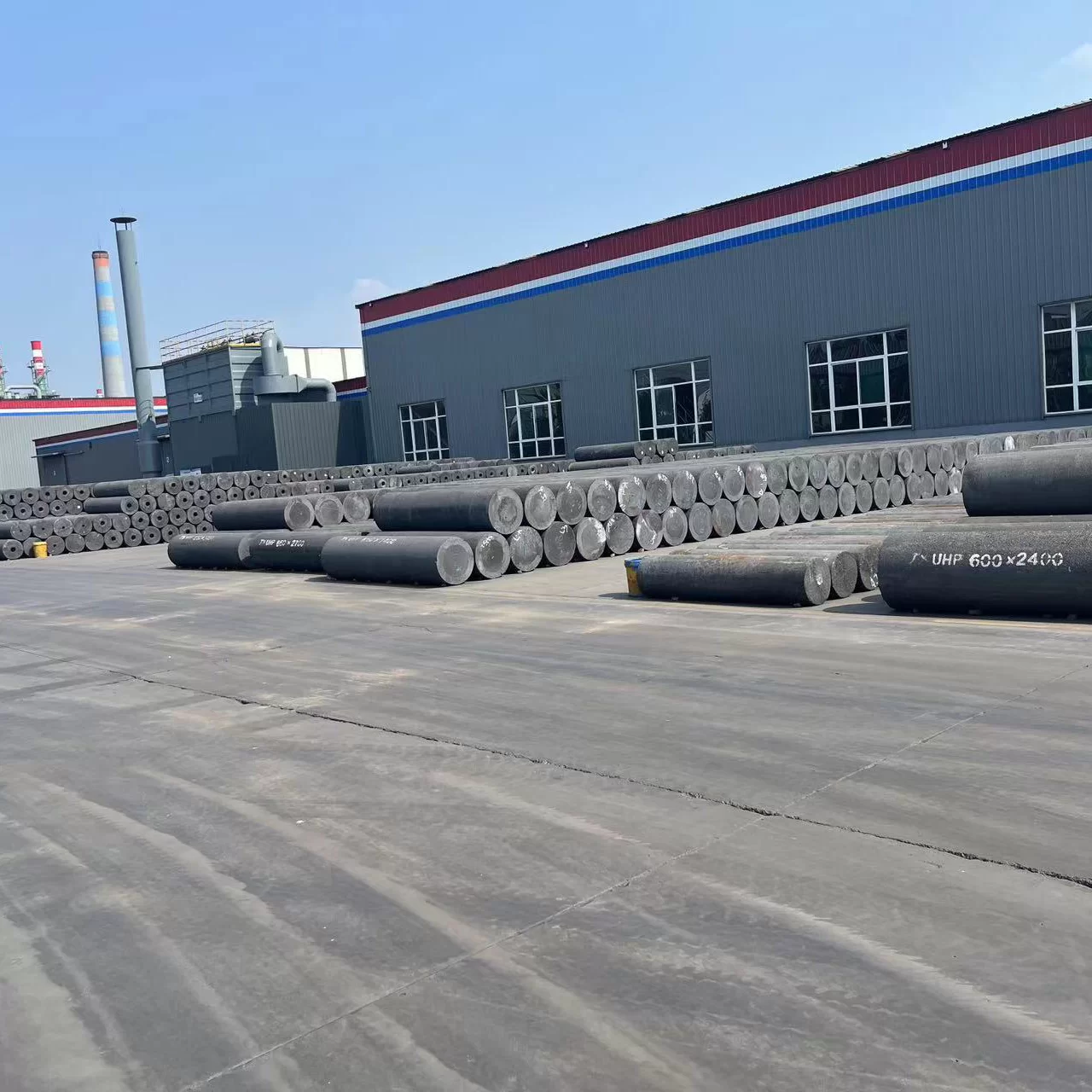
- Steel Production: Used as electrodes in electric arc furnaces especially in steel mills located in China, the US, and Europe, supporting sustainable metal production.
- Energy Storage & Solar Cells: It plays a key role in emerging energy storage technologies, enhancing efficiency.
- Aerospace & Defense: Its heat resistance is critical in high-temperature components.
- Semiconductor Industry: Synthetic graphite serves as a component in semiconductor manufacturing and cooling applications.
In remote industrial zones or countries with limited natural graphite deposits, synthetic graphite production reduces dependency on imports, bolstering local manufacturing resilience.
Vendor Comparison: Synthetic Graphite Providers
| Company | Product Range | Typical Purity | Lead Time | Region |
|---|---|---|---|---|
| Dah Carbon | Anodes, Electrodes, Powders | >99.9% | 4–6 weeks | Global |
| GrafTech International | Electrodes, Crucibles | >99.5% | 6–8 weeks | North America, Asia |
| Tokai Carbon | Graphite Electrodes & Powders | >99.8% | 5–7 weeks | Asia, Europe |
Advantages and Long-Term Value of Synthetic Graphite
Synthetic graphite’s value goes beyond sheer performance numbers. Its consistency and purity translate into reliable and safer products—whether it’s a battery that won’t catch fire or a steel electrode that withstands extreme conditions without degrading. From an environmental standpoint, synthetic graphite helps mitigate the ecological damage caused by natural graphite mining, although the energy cost of production remains a concern. There’s also emotional reassurance here—using thoughtfully engineered materials fosters innovation and sustainability, safeguarding dignity and safety in workplaces and even in critical humanitarian tech.
Emerging Trends in Synthetic Graphite Production
Industry players and researchers are exploring novel precursors like biomass-derived carbons to reduce fossil fuel dependence. Automation and AI-driven furnace controls promise enhanced energy efficiency. Additionally, next-generation battery technologies may demand specialized synthetic graphite with tailored microstructures, prompting new manufacturing methods. What’s striking is the synergy between environmental goals and digital transformation—synthetic graphite is right at that crossroads.
Current Challenges and How Experts Are Tackling Them
The high energy consumption of graphite graphitization remains a bottleneck, both economically and environmentally. Some companies invest in green energy-powered furnaces, while innovations in chemical vapor deposition (CVD) offer thinner, more uniform graphite layers. However, scaling these new methods remains tricky. On the supply side, consistent precursor quality requires close supplier relationships and cutting-edge quality controls.
FAQs: Your Questions on How to Make Synthetic Graphite
- What raw materials are best suited for synthetic graphite production?
Typically, petroleum coke and coal tar pitch are standard precursors due to their carbon richness and availability. However, experimental bio-based carbons are gaining attention as sustainable alternatives. - How long does the graphitization process take?
It varies but generally lasts from several days up to a week at temperatures above 2500°C. Longer durations improve crystalline alignment but increase costs. - Is synthetic graphite more expensive than natural graphite?
Yes, primarily due to energy-intensive manufacturing. However, synthetic graphite’s purity and tailored properties often justify the cost in high-performance applications. - Can production be scaled to meet growing EV battery demand?
Scaling is possible but requires substantial capital investment and supply chain logistics. Many companies are expanding capacity globally to keep up.
Conclusion
In real terms, how to make synthetic graphite is a blend of art and science that unlocks countless modern technologies. Its production remains a vital piece in the puzzle of sustainable energy, manufacturing resilience, and innovation. If you want to learn more about the nuances of synthetic graphite or explore professional-grade products, please visit how to make synthetic graphite.
Understanding synthetic graphite production is a subtle journey—one that reminds us how much of our modern world depends on materials often overlooked yet remarkably vital.