Unlocking the Potential of Lock Ease Graphite Lubricant: Why It Matters Globally
If you've ever struggled with a stubborn lock, you know how frustrating it can be. Now, multiply that moment by millions of locks around the world, including crucial industrial machinery components. That's where lock ease graphite lubricant plays a starring role. Essentially, it’s the unsung hero helping mechanisms slide smoothly without the mess of greases or oils. But this isn’t just about ease of use. Globally, industries ranging from manufacturing to humanitarian aid rely on such lubricants to reduce downtime, prevent corrosion, and save costs.
By understanding what lock ease graphite lubricant is and why it's becoming essential across fields, we unlock smoother operations, enhanced safety, and more sustainable practices worldwide.
Setting the Stage: The Global Context of Lock Ease Graphite Lubricants
Here’s a stat that might surprise you: according to the International Organization for Standardization (ISO), machinery downtime can cost up to 5% of global GDP annually. In harsh or variable environments — think dusty deserts, humid tropical zones, or remote industrial sites — maintaining equipment is a battle. Locks and hinges, often overlooked, suffer wear and gumming that interrupts entire workflows.
Lock ease graphite lubricants are increasingly favored because their dry film minimizes dirt attraction and water resistance. The market is expected to grow with increased industrial automation and infrastructure development, particularly in emerging markets. Oddly enough, places with limited maintenance resources find graphite lubricants especially valuable since they reduce the need for frequent reapplication.
What Exactly Is Lock Ease Graphite Lubricant?
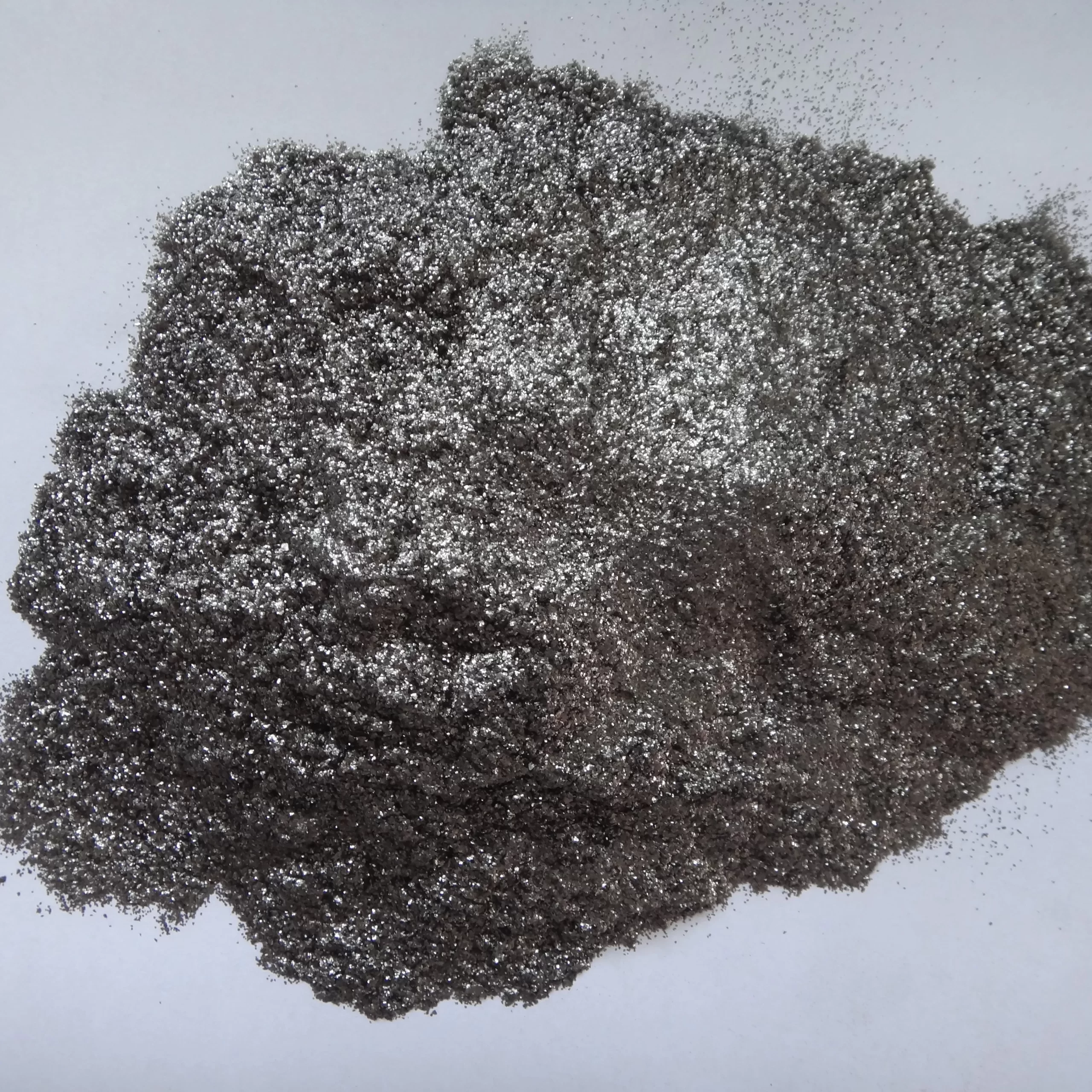
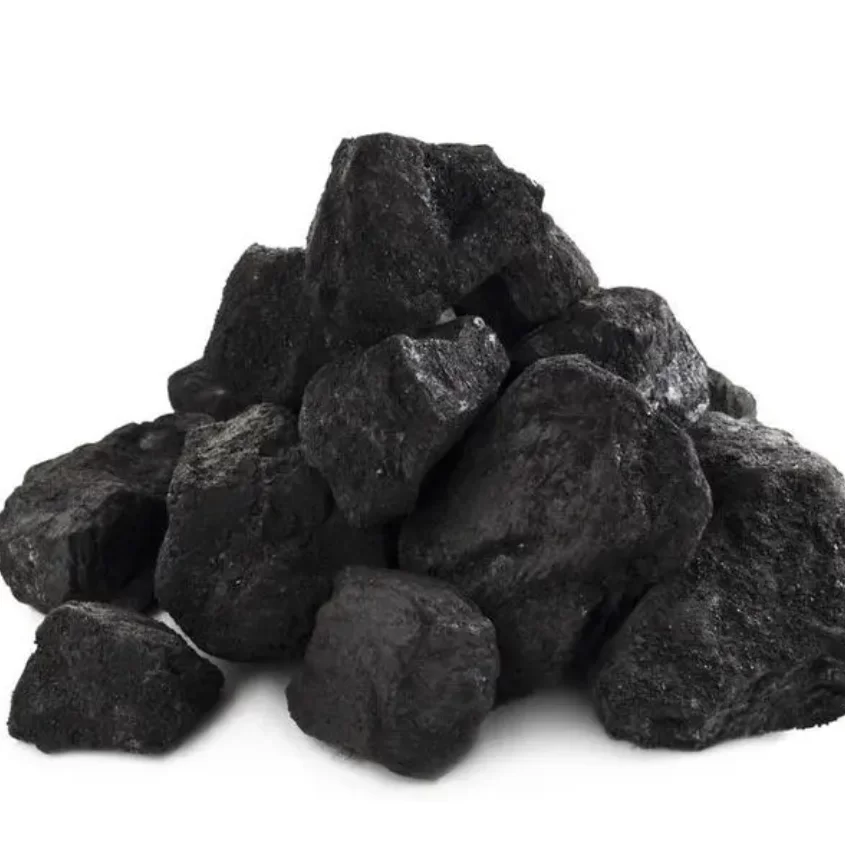
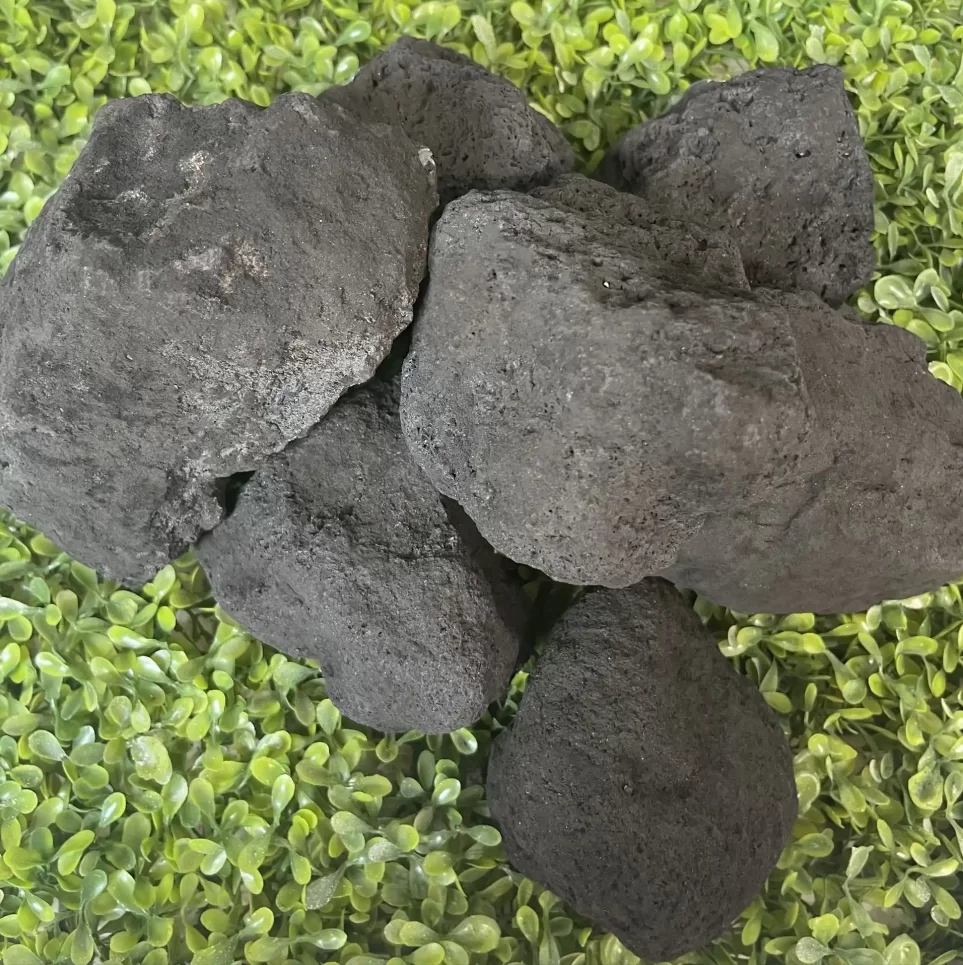
Simply put, lock ease graphite lubricant is a powder or paste containing fine graphite particles — a form of carbon known for its greaseless, stable lubricating properties. When applied, it forms a dry, slick layer on surfaces that reduces friction without sticky residue. Unlike traditional oil lubricants, it doesn't attract dust or grime, making it ideal for locks, electrical contacts, and precision instruments.
In modern industry, it’s indispensable for sealing mechanisms, aerospace components, and even humanitarian warehouse management, where reliable, clean lubrication prevents equipment failure and costly delays.
Core Components & Key Factors That Define Its Performance
1. Dry Lubrication and Clean Operation
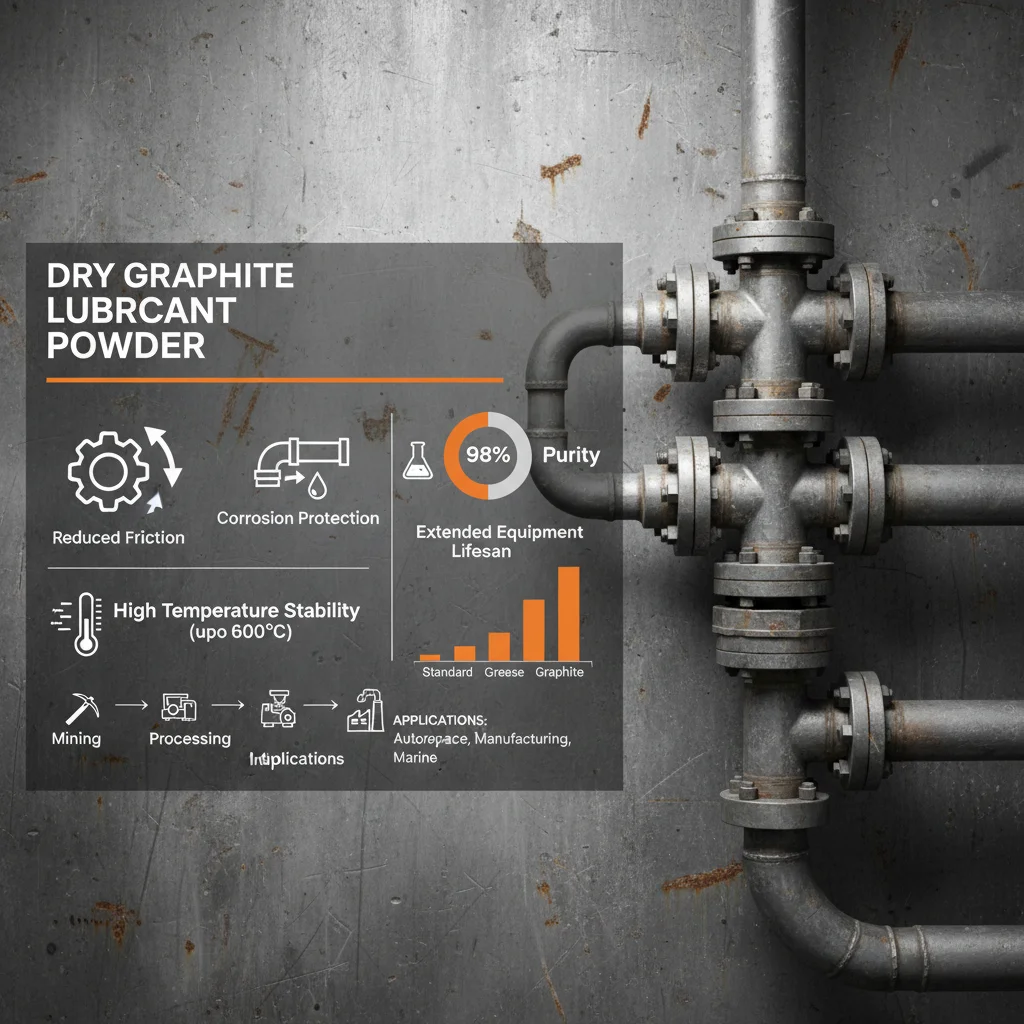
Graphite’s layered molecular structure allows its sheets to slide over each other effortlessly, creating a slick interface. This dry lubrication avoids messy oil spills or gumming, crucial in sensitive environments.
2. Temperature and Chemical Resistance
Unlike organic lubricants, graphite withstands extreme temperature swings from below freezing to above 450°C, without breaking down or evaporating. This keeps locks and machinery functional in desert heat or freezing high-altitude climates.
3. Corrosion and Wear Protection
By blocking moisture and acting as a physical barrier, graphite lubricants reduce rust formation and metal degradation. That’s a big plus for extending the life of tools and industrial parts.
4. Easy Application and Low Maintenance
Many formulations come as aerosols or powders easily sprayed or dusted directly onto hard-to-reach locks and hinges — ideal for rapid maintenance, often performed by non-specialists.
Mini Takeaway
The unique chemistry and physical properties of lock ease graphite lubricant give it an edge where cleanliness, longevity, and environmental adaptability matter — a combination tough to beat.
Global Applications & Real-World Use Cases of Lock Ease Graphite Lubricants
Whether in urban transit systems or remote humanitarian projects, lock ease graphite lubricant has found diverse roles:
- Transportation & Automotive: In major metro railways of Europe and Asia, the dry lubricant keeps door locks and electrical contacts functional despite heavy use and weather exposure.
- Industrial Manufacturing: Factories worldwide rely on it to maintain assembly line locks and robotic joint movements — especially in dusty or oily conditions.
- Emergency & Relief Operations: In post-disaster zones, NGOs use graphite lubricants to keep storage and access points operational for food and medical supply distribution, where maintenance supply chains are interrupted.
- Infrastructure & Utilities: Power plants and telecommunication hubs employ it on switch locks and mechanical gearboxes prone to environmental contamination.
Interestingly, governments in arid regions like the Middle East and North Africa have standardized lock ease graphite lubricants for key infrastructure, recognizing their cost-effectiveness and durability under climate stress.
Mini Takeaway
Across climates and sectors, the reliable performance of lock ease graphite lubricant helps keep critical assets secure and operational—even when time and resources for maintenance are tight.
Lock Ease Graphite Lubricant: Product Specifications at a Glance
| Specification | Typical Range | Implication |
|---|---|---|
| Graphite Particle Size | 1–10 microns | Fine size ensures uniform dry film |
| Operating Temperature | -40°C to 450°C | Wide tolerance for harsh environments |
| Application Form | Spray, powder, paste | Versatile use cases and easy deployment |
| Humidity Resistance | Excellent | Prevents rust and corrosion effectively |
| Shelf Life | 2–3 years unopened | Stable storage for large inventories |
Comparing Popular Lock Ease Graphite Lubricant Vendors
| Vendor | Product Forms | Environmental Compliance | Price Range (USD) | Availability |
|---|---|---|---|---|
| Dah Carbon | Sprays, Powders, Pastes | ISO 14001 Certified | $$$ | Global Shipping |
| GraphitePro Inc. | Powders, Aerosols | RoHS Compliant | $$ | North America, Europe |
| EcoGlide Solutions | Liquid Sprays Only | Certified Biodegradable | $$$ | Europe, Asia |
Advantages & Long-Term Value of Using Lock Ease Graphite Lubricants
Let’s not beat around the bush — switching to graphite-based lubrication in locks and mechanisms brings clear-cut benefits. For one, it drastically cuts maintenance frequency. Less re-lubrication means fewer costly work stoppages, which companies appreciate deeply. From a sustainability standpoint, the minimal environmental impact and reduced chemical waste align well with global eco initiatives.
On the social side, operational reliability means safety too. Machinery that sticks can pose hazards, especially in emergency or healthcare settings. Using lock ease graphite lubricant boosts user confidence — you’re dealing with equipment that won’t suddenly jam or fail under stress.
Lastly, it’s innovation meeting tradition — the humble lock sees a modern upgrade that pays dividends in cost savings and trustworthiness over the long haul.
Future Trends & Innovations in Lock Ease Graphite Lubricants
Looking ahead, it feels like the future is a mashup of smart materials and greener manufacturing. Researchers are integrating nano-graphite and hybrid lubricants to boost efficiency further while reducing environmental footprints. Digital monitoring combined with advanced lubricants could automate reapplication, signaling maintenance teams ahead of time.
Additionally, legislative pushes for chemical safety and sustainability will guide development, ensuring that graphite lubricants keep pace with global environmental standards (for instance, under ISO 14001 and other frameworks).
Challenges and Ways to Overcome Them
No product is a silver bullet, and lock ease graphite lubricant comes with a couple of quirks. Because it’s a dry film, initial application can be tricky — too thick causes build-up and too thin wears off quicker. Plus, in highly dynamic mechanical systems, it may not fully replace oil-based lubricants.
Experts suggest combining graphite with specialty binders or using multi-phase lubrication techniques where graphite handles dry conditions and oils kick in under heavy loads. Training maintenance personnel on correct application can also minimize common mistakes.
Frequently Asked Questions About Lock Ease Graphite Lubricant
- Q: How long does lock ease graphite lubricant typically last once applied?
- A: Generally, it lasts several months under normal conditions. In dusty or wet environments, expect to reapply every 1–3 months. Proper surface prep can extend durability.
- Q: Can graphite lubricant be used on electronic lock components?
- A: Yes, especially where oil lubricants would attract grime or interfere with conductivity. Because graphite is conductive, care must be taken to avoid unintended short circuits.
- Q: Is lock ease graphite lubricant safe to use around food or pharmaceuticals?
- A: Specialized non-toxic grades exist for sensitive environments. Always check product certifications if your application involves direct or incidental food contact.
- Q: How do I choose the right form — spray, powder, or paste?
- A: It depends on the access and use case. Sprays and powders suit hard-to-reach locks and quick maintenance, while pastes work best for heavily worn or load-bearing joints.
Wrapping It Up: Why Investing in Lock Ease Graphite Lubricants Makes Sense
If there’s one takeaway, it’s this: embracing the unique benefits of lock ease graphite lubricant isn’t just a technical upgrade, it’s a smart long-term investment in reliability, safety, and sustainability. Whether you’re running a factory, managing a relief supply chain, or caring for infrastructure, these lubricants reduce hassle while maximizing performance.
Interested in learning more or trying advanced graphite lubricant solutions? Visit us at Dah Carbon — where innovation meets legacy in lubrication.