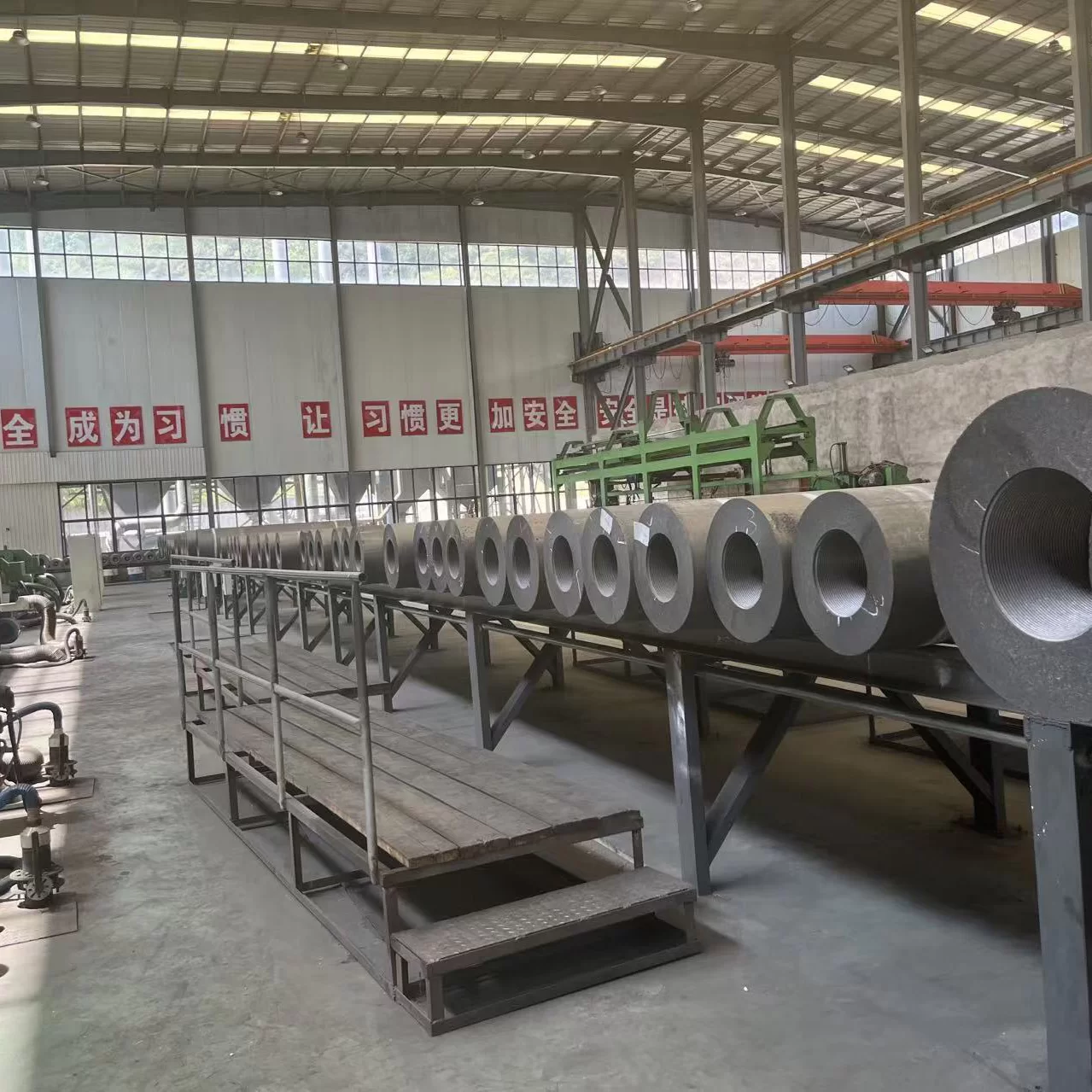
Making Graphite: Unlocking the Backbone of Modern Industry
If you’ve ever thought about how essential graphite is—from the pencil in your hand to high-tech batteries powering electric cars—you’re already touching the tip of a fascinating iceberg. Making graphite is both an art and a science, driving key technologies worldwide. But it’s not just about manufacturing a material; it’s about enabling innovation in energy, manufacturing, and even humanitarian efforts. This article lays out why understanding how graphite is made matters globally, the core components behind its production, and where the industry is heading.
Why Making Graphite Matters Globally
Graphite is irreplaceable in many technologies, including lithium-ion batteries, steel manufacturing, refractories, and emerging green energy solutions. The World Bank estimated that demand for graphite could grow by over 500% by 2050, driven mainly by electric vehicles and renewable energy storage needs. When we think about making graphite, it’s not just about producing a commodity—it’s about securing the future of clean energy, sustainable tech, and modern industries worldwide.
However, challenges such as raw material scarcity, environmental impact, and production costs also come up. These challenges raise the question: how can we perfect making graphite so it’s affordable, scalable, and sustainable?
Defining Making Graphite: What Does It Mean?
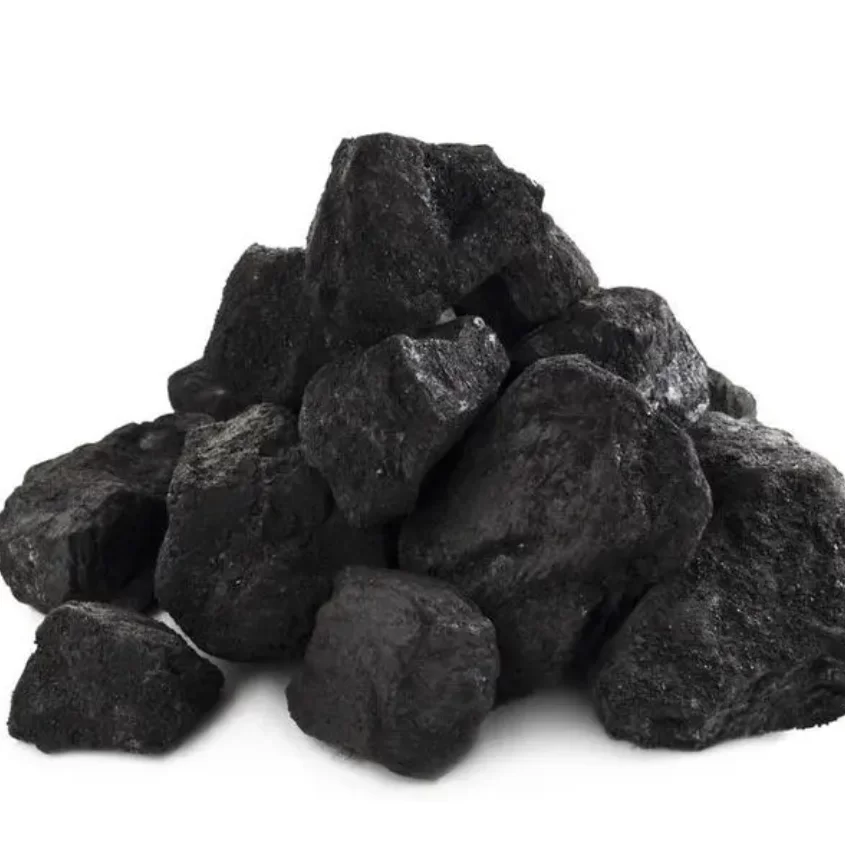
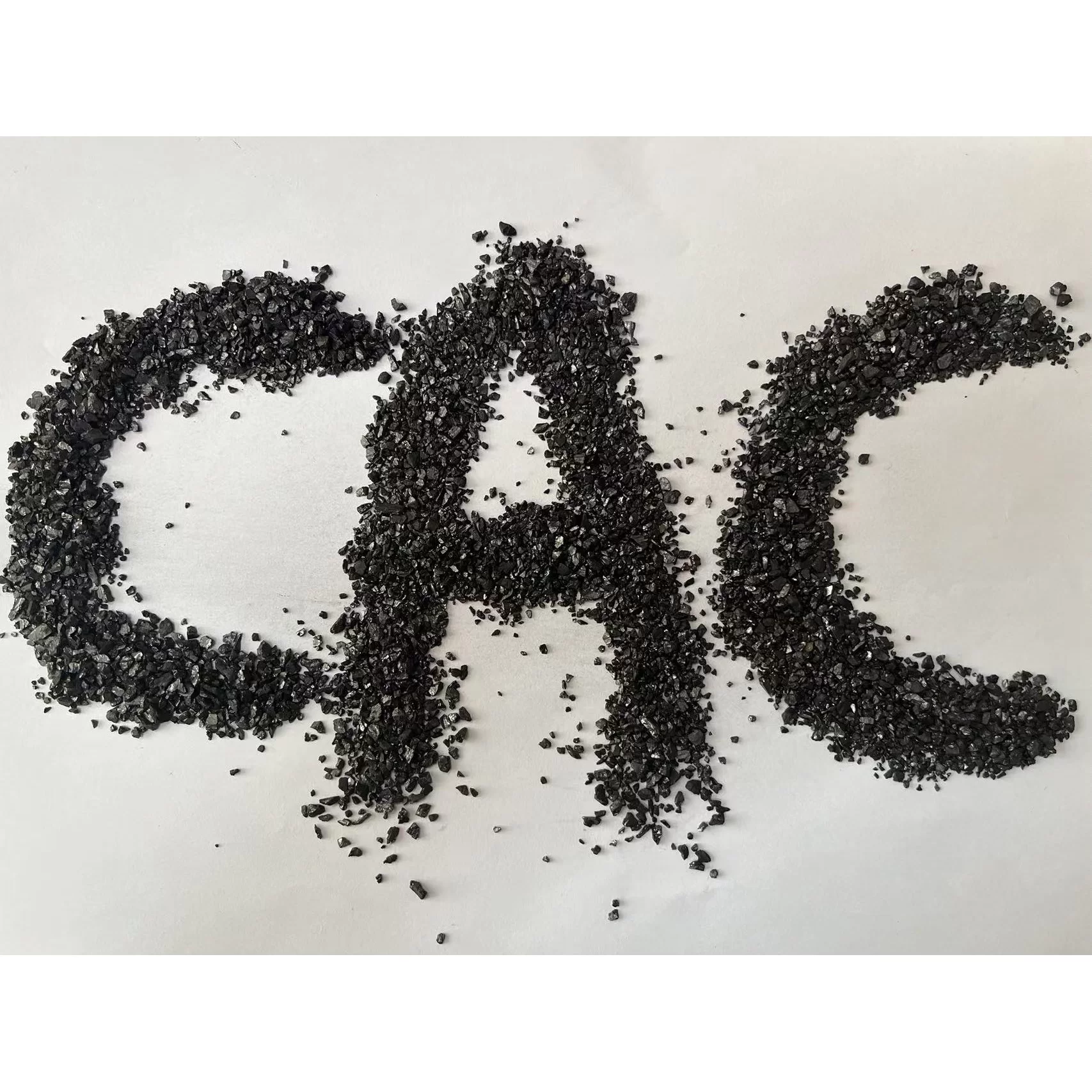
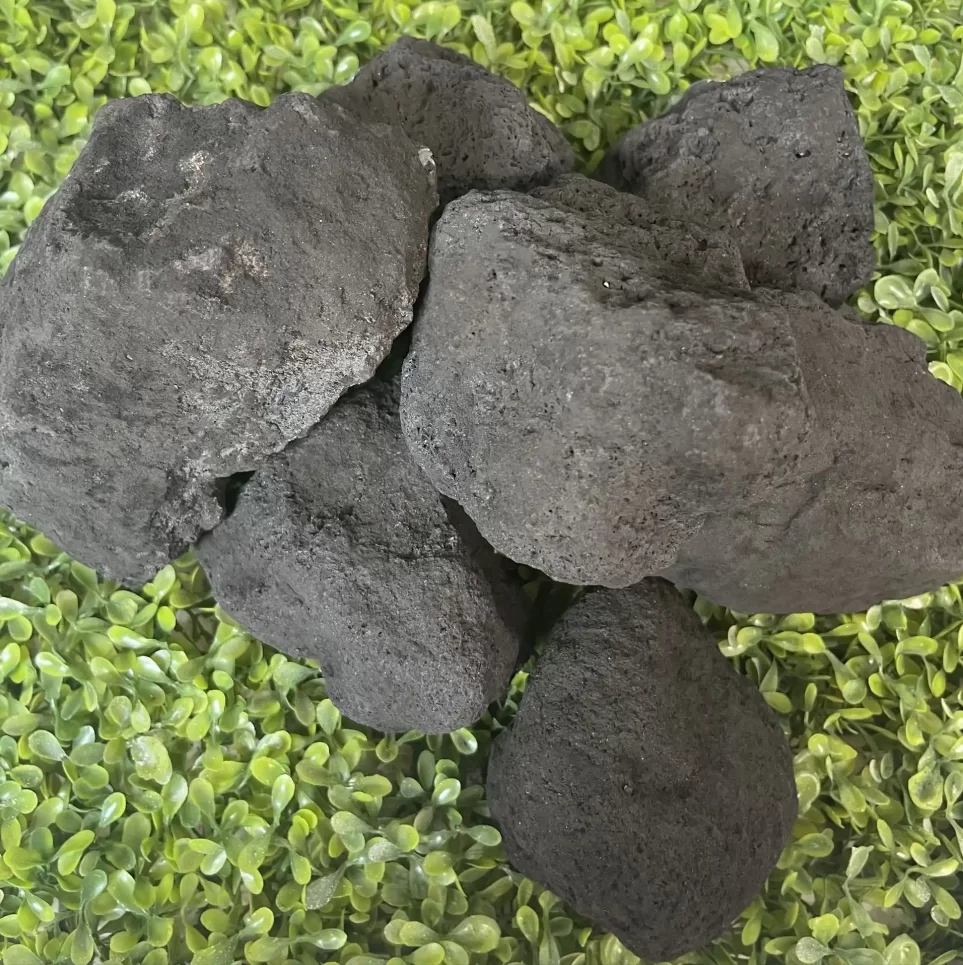
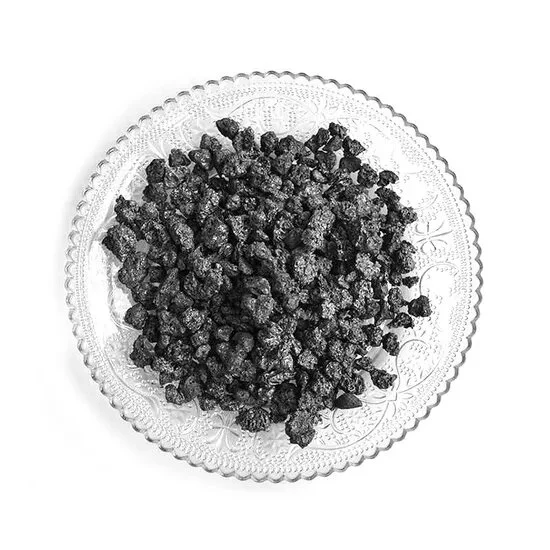
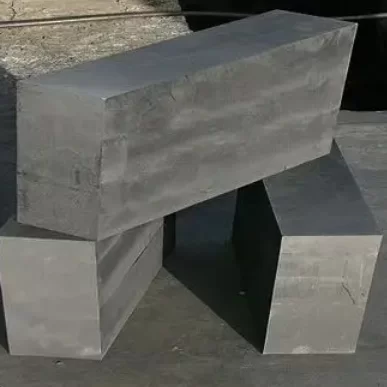
Simply put, making graphite refers to the processes used to produce graphite materials either by extracting natural graphite from mines or synthesizing artificial graphite from carbon-rich materials like petroleum coke. The goal is to create carbon allotropes with layered atomic structures that deliver unique electrical, thermal, and mechanical properties.
This process links tightly with industries ranging from aerospace to healthcare—graphite’s ability to conduct heat and electricity while being chemically inert makes it indispensable. Oddly enough, the humble graphite pencil shares the same molecular structure as the graphite used in high-tech lithium batteries.
Core Components in Making Graphite
1. Raw Materials Quality
The quality of raw materials—natural flakes or petroleum coke—dictates the purity, crystal size, and performance of the final graphite. Selecting the right feedstock is crucial for durability and efficiency.
2. Processing Techniques
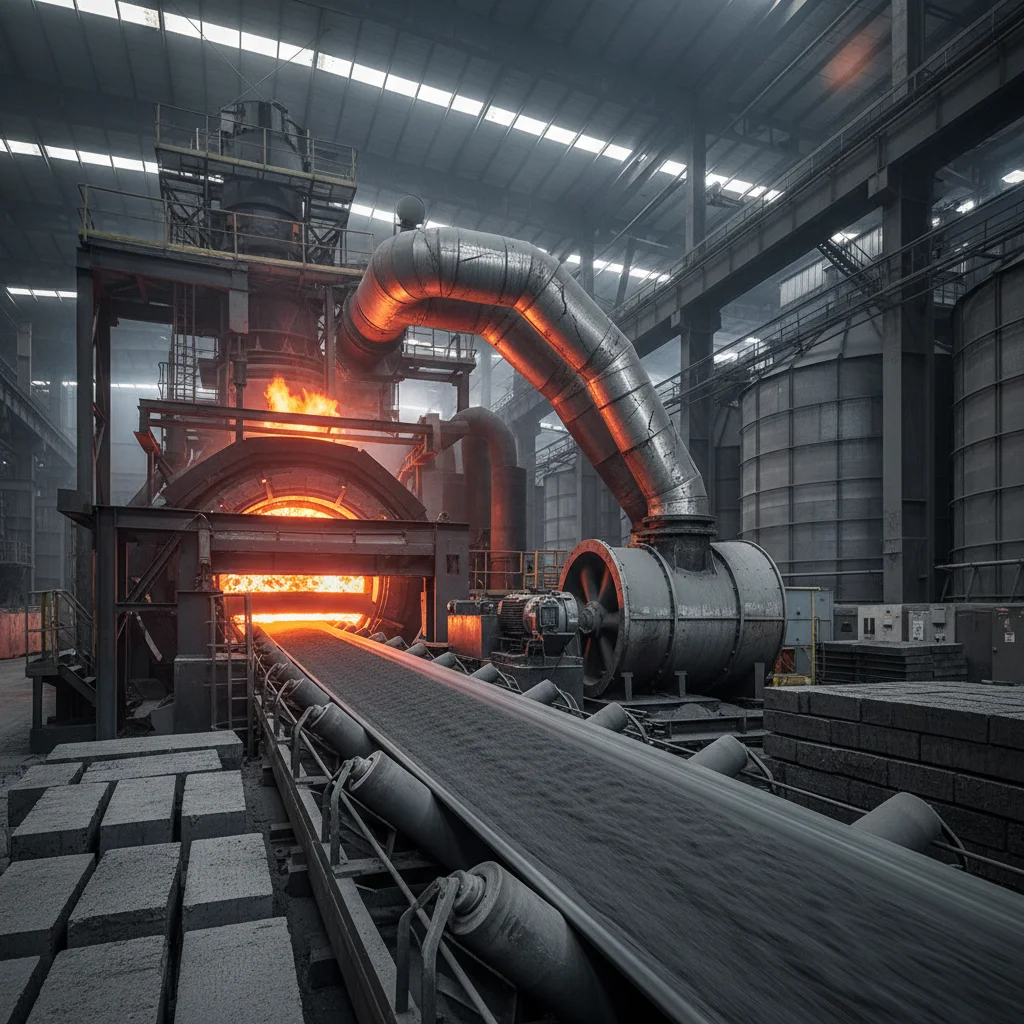
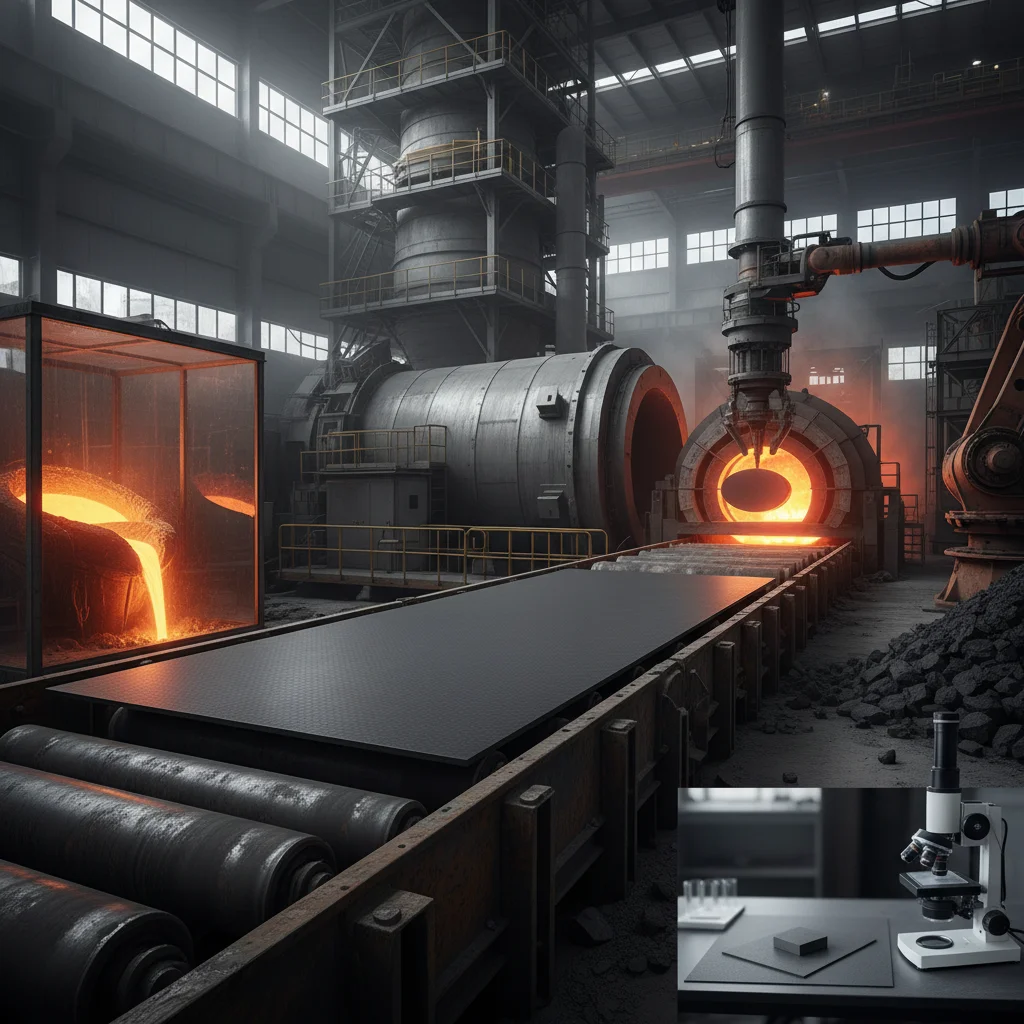
From milling and sizing to purification and graphitization, each stage transforms raw carbon into usable graphite. Heat treatment at temperatures above 2500°C aligns carbon atoms into the crystalline layers characteristic of graphite.
3. Energy Consumption
Graphitization is energy-intensive, often relying on fossil fuels. Improving energy efficiency or switching to renewable sources is a pressing focus to reduce carbon footprints.
4. Environmental Impact Controls
Emissions, waste generation, and water use must be managed carefully—particularly for synthetic graphite production where chemical reagents come into play.
5. Scalability and Cost Efficiency
Balancing production scale with cost constraints impacts how graphite can be deployed in mass-market applications like electric vehicles or industrial electrodes.
Understanding these components helps companies innovate while meeting growing global demands sustainably.
Product Specifications of Typical Artificial Graphite
| Property | Typical Value | Units |
|---|---|---|
| Purity (Carbon content) | > 99.5% | % |
| Electrical Conductivity | 3.5-5.0 x 10⁴ | S/m |
| Bulk Density | 1.5 - 1.9 | g/cm³ |
| Thermal Conductivity | 120 - 165 | W/m·K |
| Maximum Operating Temp. | 3000 | °C |
Global Applications & Use Cases of Making Graphite
- Energy Storage: Lithium-ion batteries powering EVs rely heavily on high-purity artificial graphite anodes.
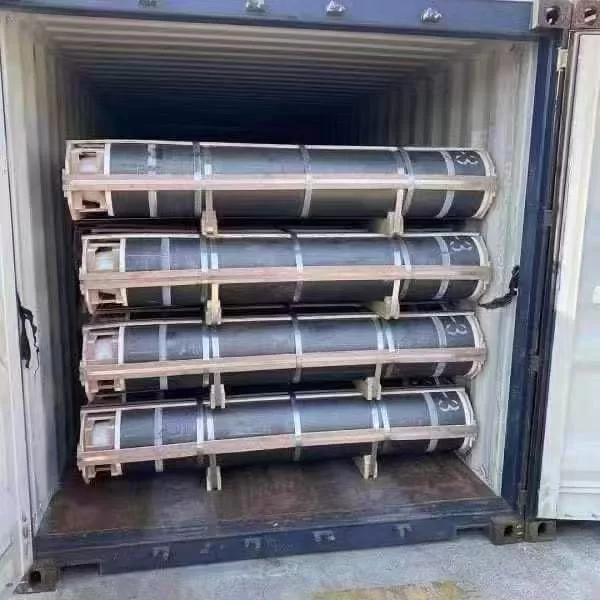
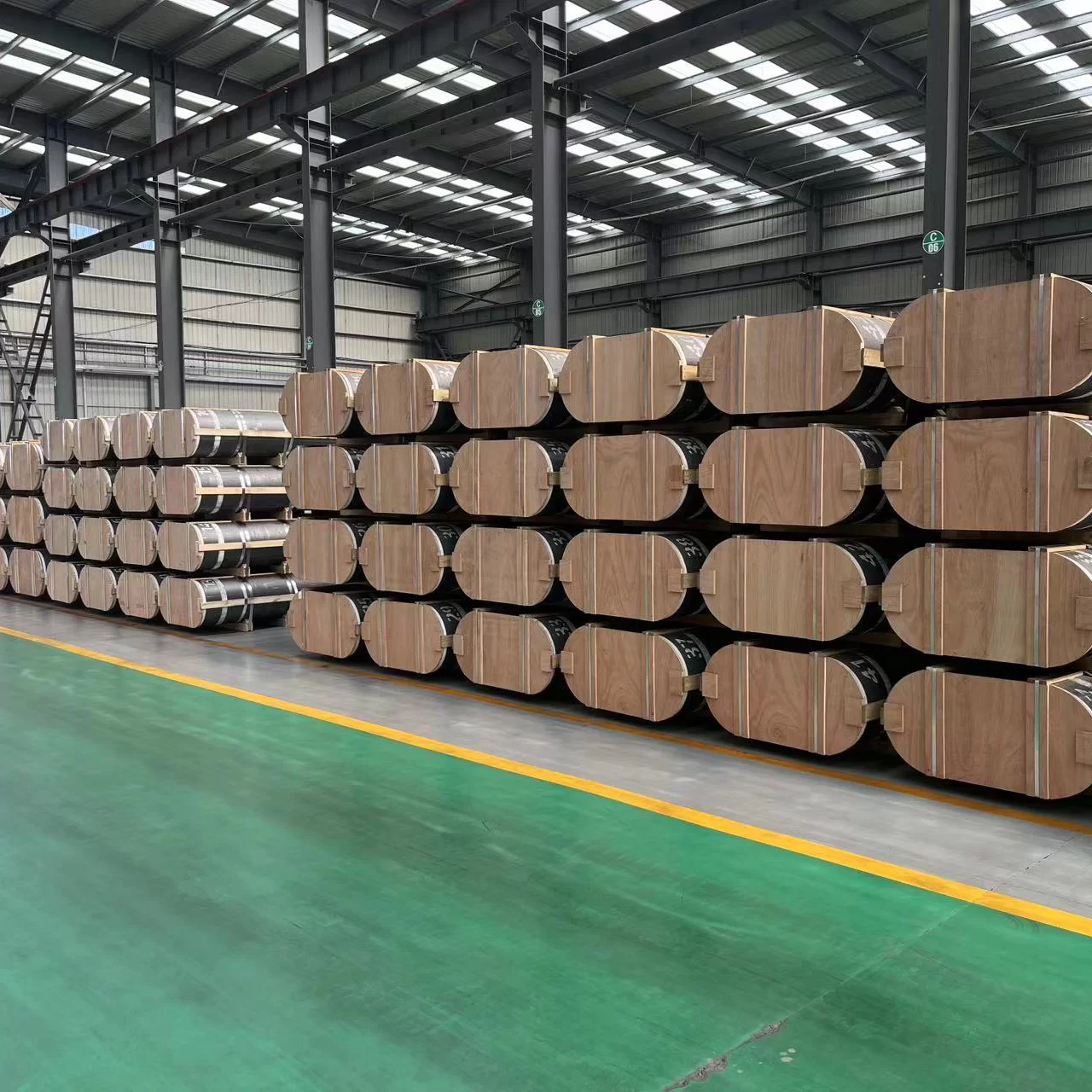
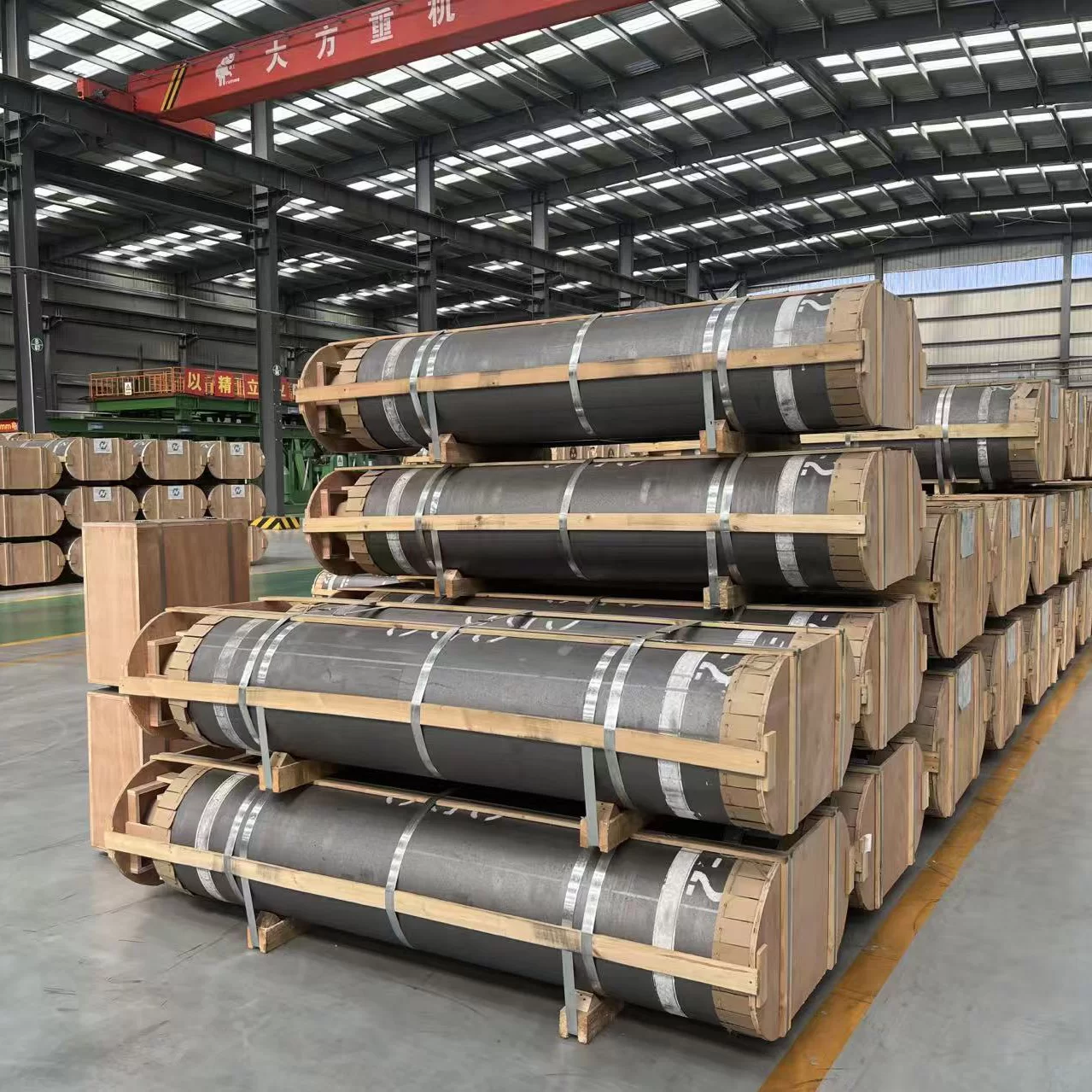
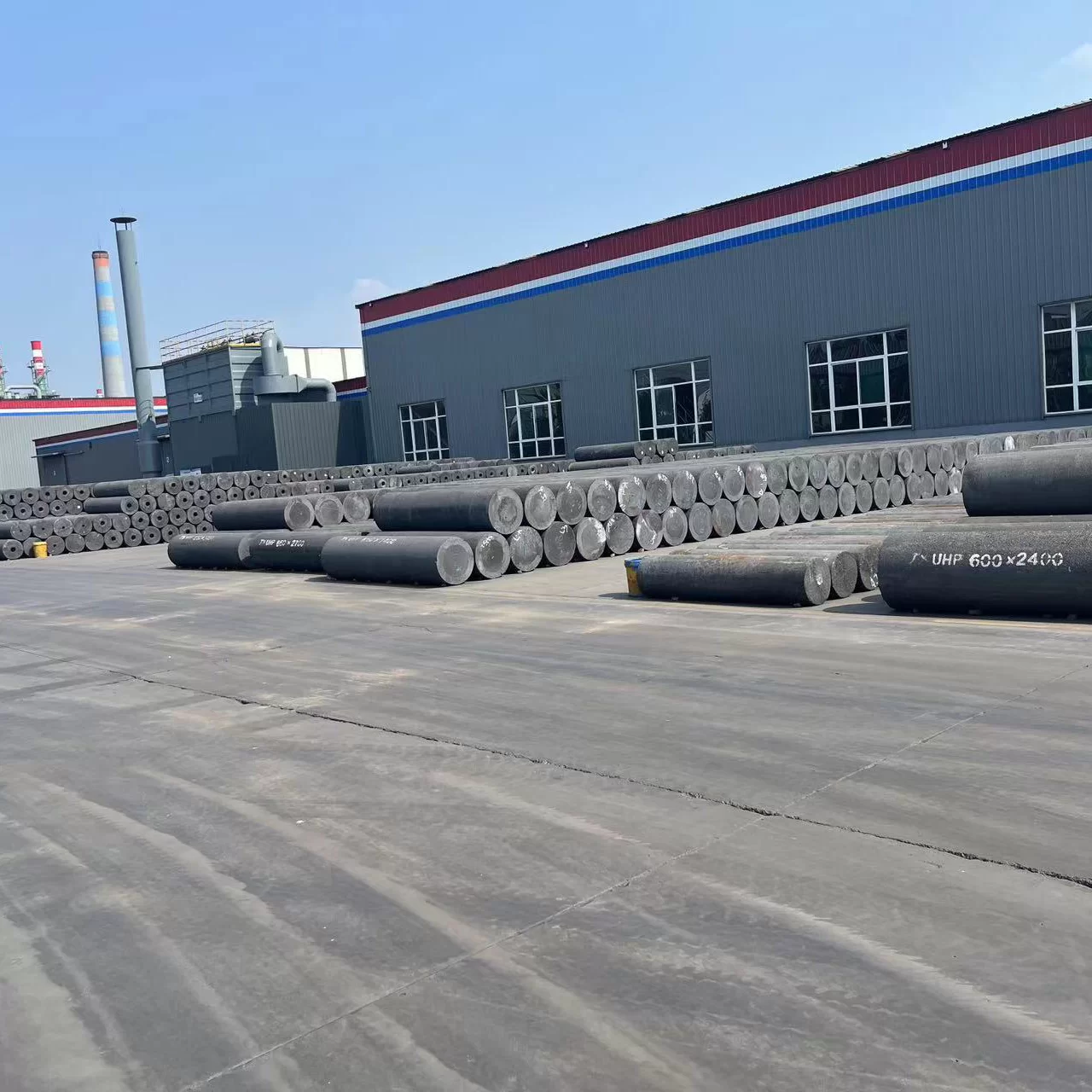
- Steel & Metallurgy: Graphite electrodes endure intense heat in electric arc furnaces worldwide.
- Electronics: Thermal management in smartphones and computers benefits from graphite’s heat conduction.
- Emerging Technologies: Nuclear reactors and aerospace parts use graphite composites owing to their stability.
From China and Brazil—leaders in natural graphite mining—to Europe and North America focusing on artificial graphite innovation, different regions tailor graphite production to their industrial strengths. In post-disaster rebuilding, companies ensure access to graphite-based materials for durable infrastructure, bearing real-world humanitarian value.
Vendor Comparison Table: Leading Graphite Producers
| Company | Focus | Graphite Type | Geographical Reach | Sustainability Measures |
|---|---|---|---|---|
| Dah Carbon | Industrial & Battery-Grade | Artificial Graphite | Global | Low-Emission Processes, Recycling |
| Imerys Graphite & Carbon | Natural Flake & Synthetic | Both | Europe, Americas, APAC | ISO 14001 Environmental Management |
| BTR New Energy Materials | Battery Anode Materials | Artificial Graphite | China, Global Exports | Green Energy Usage, Waste Minimization |
Advantages & Long-Term Value of Making Graphite
To me, the most striking benefit of mastering graphite production lies in its blend of reliability, sustainability, and innovation support. Artificial graphite's durability lowers replacement costs in industrial use, while its recyclability reduces environmental impact. It’s a material that supports dignity—whether by powering clean energy vehicles that reduce pollution or enabling resilient infrastructure in disaster-prone areas.
At a deeper level, producing high-quality graphite pluralizes economic opportunities, especially in regions with access to raw carbon materials. The logical win here is obvious: innovation drives profits, which feeds into research, creating a virtuous cycle of growth.
Future Trends & Innovations in Making Graphite
- Green Manufacturing: Energy-efficient graphitization furnaces powered by renewables are becoming more common to shrink carbon footprints.
- Graphene Derivatives: Research into graphene materials promises revolutionary electronics and composite materials, leveraging graphite's layers.
- Automation & AI Optimization: Production lines increasingly use sensors and machine learning to improve product consistency and reduce waste.
- Supply Chain Sustainability: Traceability initiatives ensure responsible sourcing of natural graphite to support ESG goals.
Challenges & Solutions in Making Graphite
Frankly, some of the biggest hurdles include the high energy demands of graphitization and the environmental impact of mining natural graphite. There’s also the technical challenge of producing consistent, defect-free graphite needed for sensitive applications like batteries.
Innovations like closed-loop water recycling, alternative carbon sources from biomass, and carbon capture technologies can help reduce impacts. Collaboration between industry, governments, and researchers also drives policy frameworks for sustainable mining and manufacturing.
FAQ: Frequently Asked Questions About Making Graphite
- Q: How does artificial graphite differ from natural graphite?
A: Artificial graphite is manufactured from carbon-rich materials under high temperatures, offering more consistent purity and properties, which is critical for high-tech uses. Natural graphite is mined and generally has variable particle sizes and impurities. Both have distinct industrial roles. - Q: Is making graphite an environmentally friendly process?
A: Traditional graphitization is energy-intensive and can produce emissions, but advances in green energy usage and recycling are making the process more sustainable. - Q: What industries most rely on graphite today?
A: Lithium-ion battery production, steelmaking, electronics thermal management, and aerospace composites are among the top industries dependent on high-grade graphite. - Q: Can synthetic graphite be customized for specific applications?
A: Yes, manufacturers tailor properties like particle size, purity, and morphology to suit battery anodes, electrodes, or thermal applications. - Q: How can companies source high-quality graphite internationally?
A: Partnering with reputable suppliers—with verified sustainability credentials—is essential. Websites like Dah Carbon provide global supply and support for tailored graphite solutions.
Conclusion: Why Making Graphite is a Key Industry to Watch
For anyone interested in future-ready, sustainable technologies, understanding making graphite opens doors to appreciating the material foundations of innovation. The material may sound niche, but it’s actually a vital thread woven through the fabric of modern life—from green energy and electronics to humanitarian infrastructure.
If you want to explore how graphite can power your industry or innovation, do check out Dah Carbon. They’re at the forefront of developing high-quality, sustainable graphite products tailored for global impact.
It’s a fascinating field, full of challenges and opportunities—one where the smallest carbon layers can create the biggest effects.
Reflections: The evolution of graphite production is a perfect example of industry meeting sustainability in real time. As global demand grows, innovation must continue—not just in the product but in how we responsibly make it. It feels like we’ve only just scratched the surface.