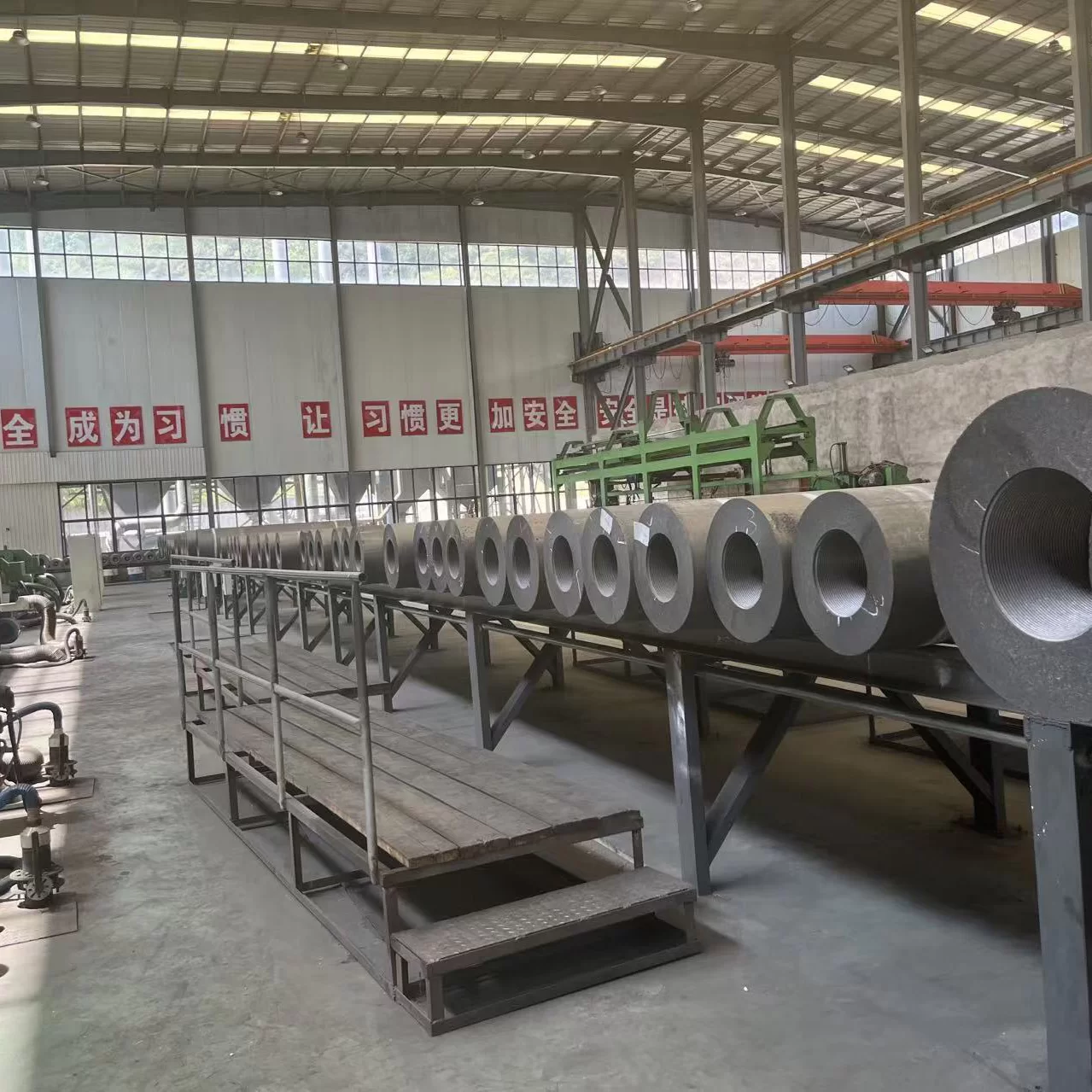
Understanding Neon Graphite Industries: A Global Perspective
Neon graphite industries — it sounds almost futuristic, doesn't it? But it's actually an evolving sector with significant implications for global manufacturing and sustainable development. As industries worldwide race toward greener materials and smarter solutions, neon graphite technologies are quietly reshaping the playing field. Understanding this emerging field isn’t just a matter of tech curiosity; it's about grasping how modern economies might pivot to new materials that offer a blend of efficiency, durability, and environmental promise.
Globally, industries are looking for materials that can improve product lifecycles, reduce carbon emissions, and increase energy efficiency. Neon graphite's unique properties position it as a key player in multiple sectors, from electronics to aerospace. Its increasing relevance can be seen in how it helps address challenges related to resource scarcity and environmental sustainability, backed by data from sources like the United Nations Environment Programme (UNEP) illustrating the urgent need for sustainable innovation in manufacturing.
Mini takeaway: Neon graphite industries are more than a buzzword—they’re shaping tomorrow’s global industrial solutions with a focus on sustainability and performance.
What Are Neon Graphite Industries?
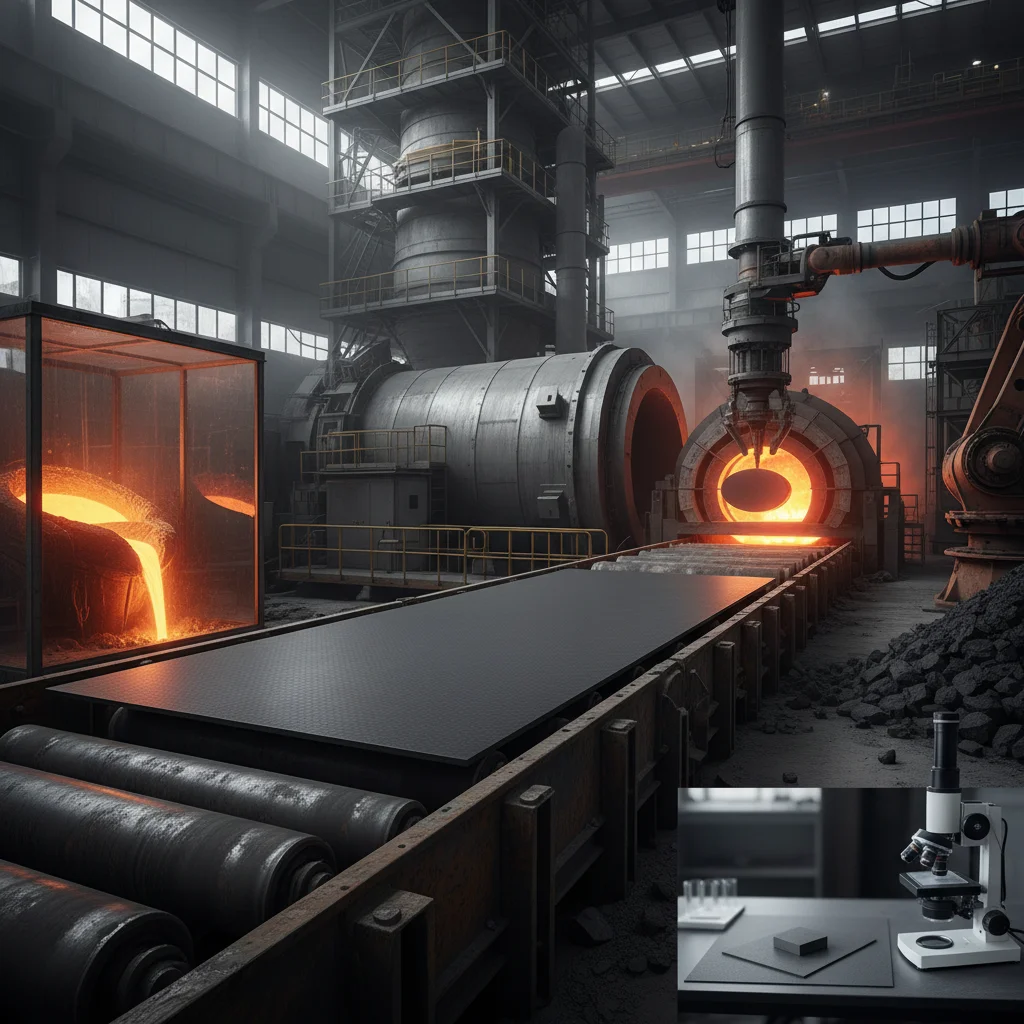
Simply put, neon graphite industries encompass businesses and technologies that explore and utilize neon-doped graphite materials. Graphite, a form of carbon, is well-known for its excellent conductivity and thermal properties. When combined with neon — an inert noble gas — under specialized processes, the resulting material exhibits unique structural and electronic characteristics. This combination has promising applications in modern electronics, energy storage, and even in humanitarian logistics where durable and lightweight materials are needed.
Think of it as a step forward in carbon-based materials science that connects industry needs with eco-conscious innovation. According to ISO standards on material properties, integrating noble gases into carbon allotropes like graphite can enhance performance without harmful environmental trade-offs.
Mini takeaway: Neon graphite industries merge advanced materials science with practical applications, offering smarter, sustainable solutions.
Key Components of Neon Graphite Materials
1. Durability
Neon-infused graphite shows improved stability under stress and heat compared to standard graphite. This makes it invaluable in sectors such as aerospace or automotive, where material failure simply isn’t an option.
2. Scalability
The production methods for neon graphite are increasingly optimized for mass manufacturing. This helps industries meet demand without sacrificing quality — a tricky balance, frankly.
3. Cost Efficiency
Though initially a premium material, advances in production technology are steadily reducing costs. This opens doors for wider industrial adoption and even use in developing regions where cost sensitivity is paramount.
4. Environmental Impact
Neon graphite has a smaller carbon footprint throughout its lifecycle compared to many synthetic composites, aligning with global climate goals.
5. Thermal and Electrical Conductivity
Its ability to conduct heat and electricity efficiently makes neon graphite useful in cutting-edge electronics and energy storage solutions, including batteries and capacitors.
Mini takeaway: The strength, scalability, and greener profile of neon graphite make it an industrial favorite in many cutting-edge applications.
Global Applications of Neon Graphite Industries
- Electronics Manufacturing: Neon graphite is increasingly used as a material in semiconductors and conductors, particularly where heat management is critical.
- Energy Sector: Battery manufacturers in Asia and Europe leverage neon graphite’s conductivity to improve performance and lifespan.
- Humanitarian and Disaster Relief: In remote or disaster-prone regions, neon graphite-based components help create durable yet lightweight shelters and equipment, outperforming traditional materials.
- Aerospace and Automotive: Here, the demand for lightweight but strong materials aligns perfectly with what neon graphite offers, enhancing fuel efficiency and vehicle longevity.
Regions like East Asia, Europe, and North America currently dominate the production and usage of neon graphite materials, but emerging markets in Africa and South America show growing interest — especially for sustainable infrastructure projects.
Mini takeaway: From electronics to emergency housing, neon graphite industries are involved in practical, impactful applications worldwide.
Product Specification: Typical Neon Graphite Composite
| Specification | Typical Value | Unit |
|---|---|---|
| Neon Concentration | 3.5 | atomic % |
| Thermal Conductivity | 180 | W·m⁻¹·K⁻¹ |
| Electrical Conductivity | 1.2 x 10^6 | S/m |
| Tensile Strength | 110 | MPa |
| Density | 1.7 | g/cm³ |
Vendor Comparison: Leading Neon Graphite Suppliers
| Vendor | Production Capacity (MT/year) | Quality Certification | Key Markets | Pricing ($/kg) |
|---|---|---|---|---|
| NeonTech Materials | 500 | ISO 9001, RoHS | North America, Europe | 120 |
| CarbonFusion Inc. | 350 | ISO 14001, REACH | Asia, Europe | 110 |
| GraphNeon Ltd. | 620 | ISO 9001, CE | Global | 130 |
Advantages and Long-Term Value of Neon Graphite Industries
The tangible benefits here are compelling. On the cost side, neon graphite products often initially come at a premium, but their durability means fewer replacements and maintenance — which ultimately saves money. Environmentally, their reduced carbon footprint appeals to corporations under pressure to meet strict sustainability targets. And then there’s the social impact: materials that last longer and perform better contribute to safer infrastructures and improve quality of life, especially in vulnerable communities.
Emotionally, there's a trust factor when industries switch to neon graphite — it signals innovation and a commitment to future-proofing products. Moreover, the enhanced safety and resilience of neon graphite-based solutions carry a dignity and reassurance that’s priceless.
Mini takeaway: Neon graphite’s strengths transcend economics, touching sustainability, social responsibility, and innovation.
Future Trends and Innovations to Watch
Looking ahead, neon graphite industries are closely tied to trends in green energy and digital transformation. Researchers are experimenting with combining neon graphite composites with renewable energy technologies like solar panels and hydrogen fuel cells. Meanwhile, automation in production promises consistent quality and further cost reductions.
Policy developments supporting carbon-neutral materials, prompted by international frameworks such as the Paris Agreement, may accelerate investments. Oddly enough, neon graphite's inert qualities also make it a candidate for next-gen quantum computing hardware — a space worth watching.
Challenges & Innovative Solutions
Despite its promise, neon graphite isn’t without challenges. The main hurdles include high upfront costs, difficulties in large-scale uniform doping of neon, and limited awareness outside specialty industries. Manufacturers are tackling these through improved synthesis techniques, collaborative R&D endeavors, and education campaigns, including partnerships with organizations such as neon graphite industries to push adoption into emerging markets.
Interestingly, some teams leverage AI to optimize material composition and reduce waste, showing how digital tech can solve material science issues.
FAQ: Frequently Asked Questions About Neon Graphite Industries
Q1: What makes neon graphite better than regular graphite?
A: Neon graphite exhibits enhanced thermal and electrical conductivity, plus greater durability under stress. This results from neon atoms trapped within graphite layers, which improve stability without compromising conductivity.
Q2: How scalable is neon graphite production for industrial use?
A: Production is increasingly scalable, with major vendors expanding capacity and refining processes. While it still demands specialized equipment, tech advances have made large-scale manufacturing more viable than before.
Q3: Are neon graphite materials environmentally sustainable?
A: Yes, compared to synthetic composites and metals, neon graphite has a lower carbon footprint and is often recyclable. This sustainability profile aligns with global emissions reduction efforts.
Q4: Can neon graphite be used in humanitarian relief setups?
A: Certainly. Its strength, light weight, and insulation properties make it ideal for portable shelters and durable equipment in disaster zones, where reliability matters most.
Conclusion & Call to Action
In summary, neon graphite industries represent a convergence of material science innovation, global sustainability goals, and practical industry needs. Their products offer long-lasting value, cutting-edge properties, and societal benefits — making them a wise investment for the future. For organizations interested in exploring neon graphite applications or partnerships, I recommend visiting neon graphite industries for detailed insights and cutting-edge solutions.
Thanks for journeying through this fascinating topic. Here’s hoping the future of neon graphite sparks brighter industrial solutions everywhere.
— Always learning, always curious.