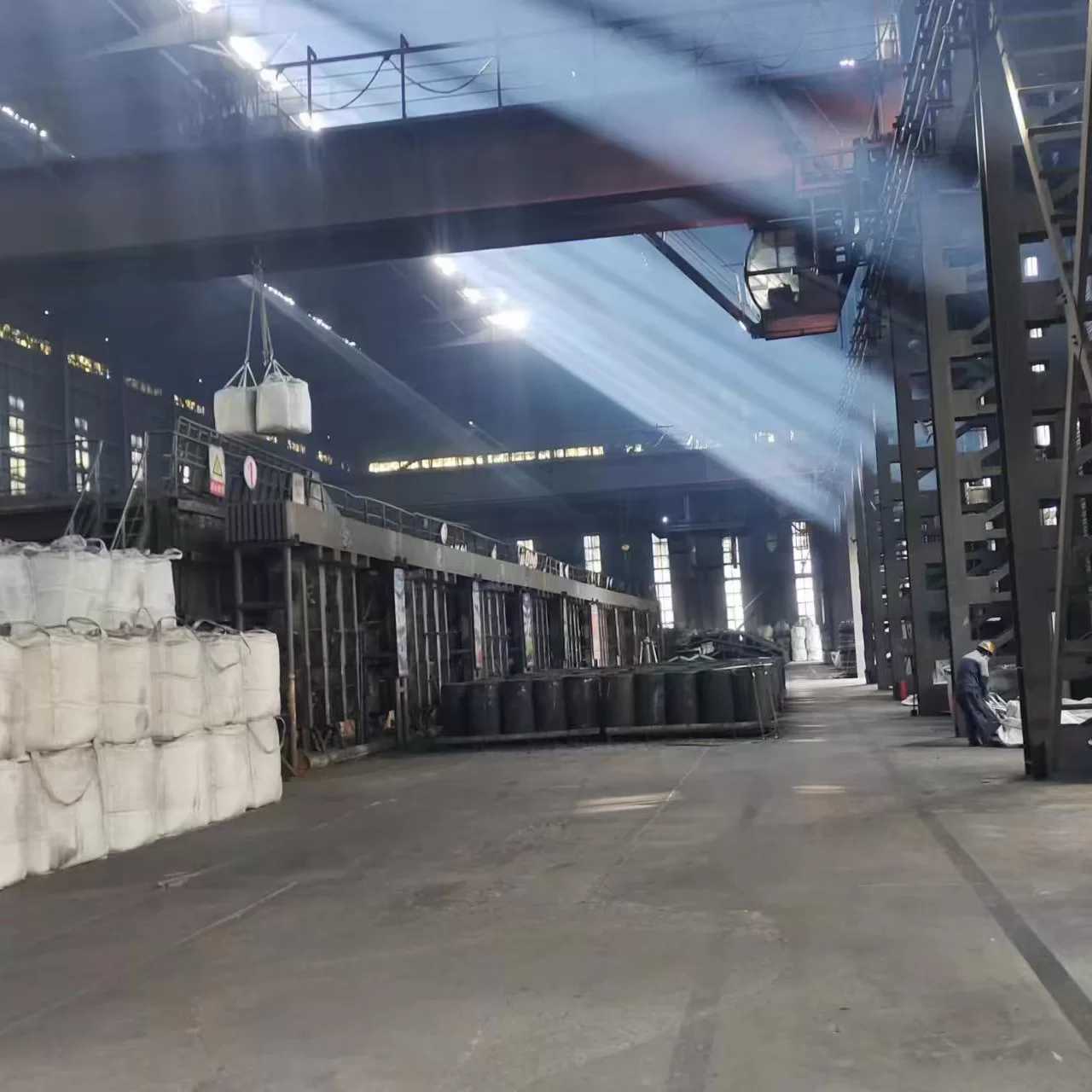
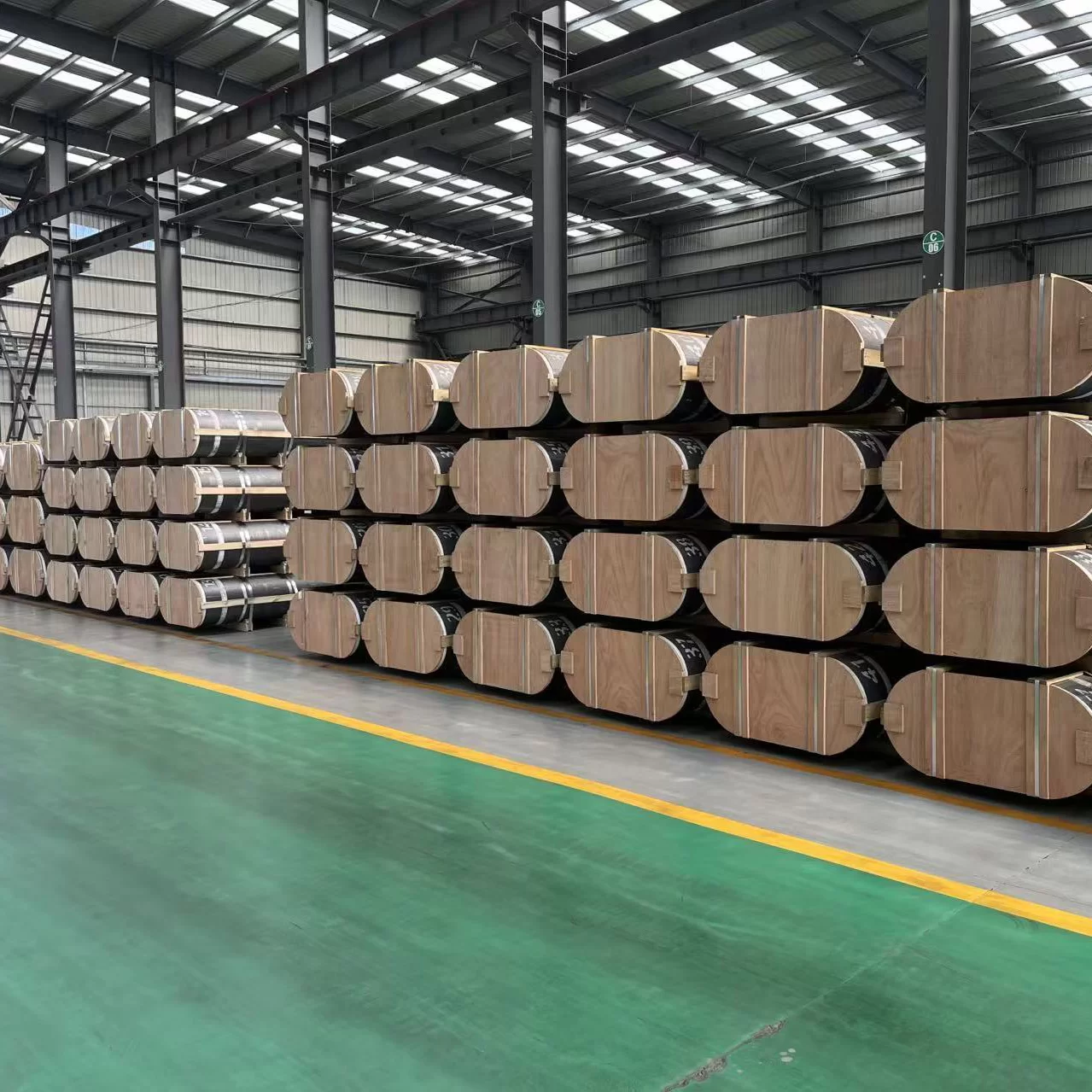
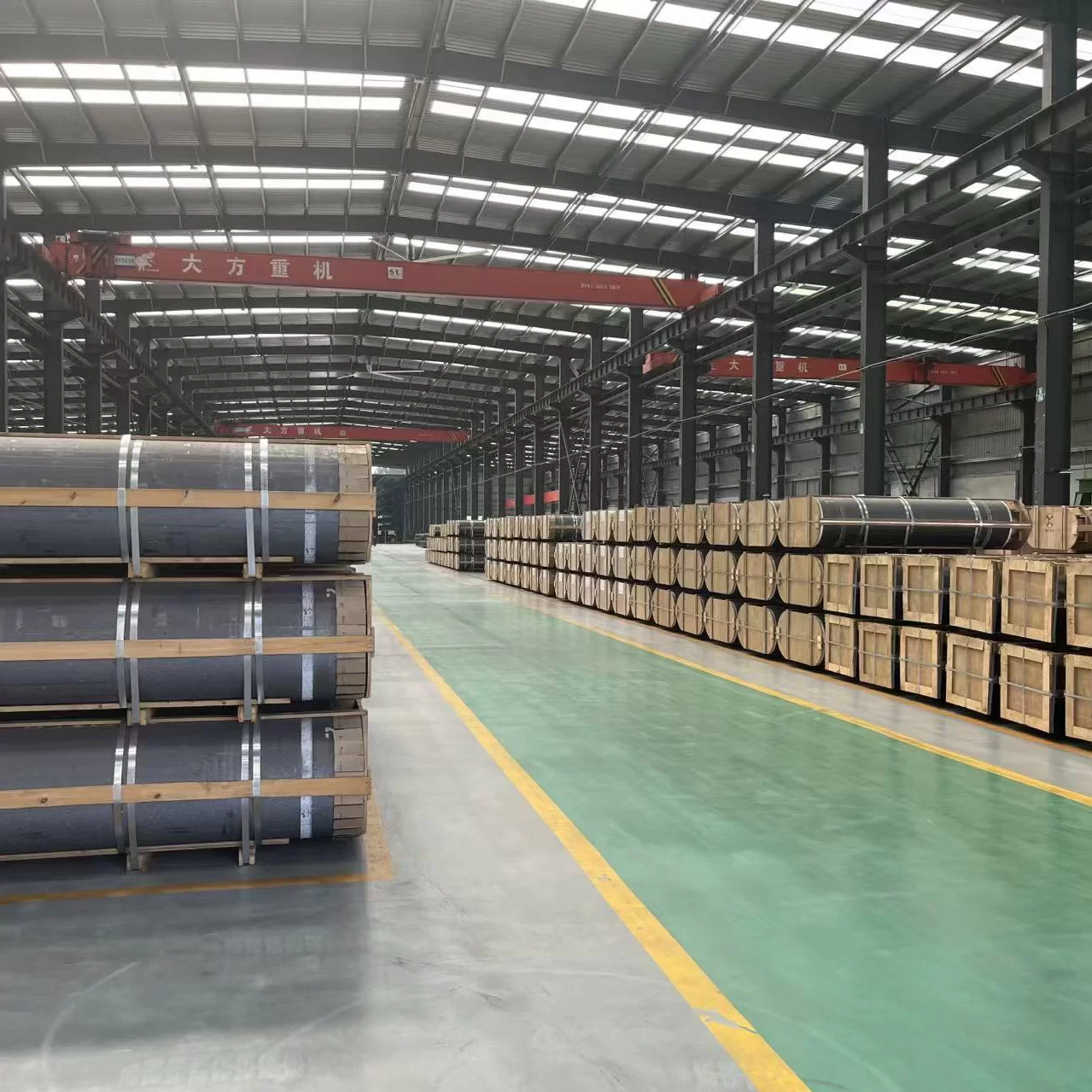
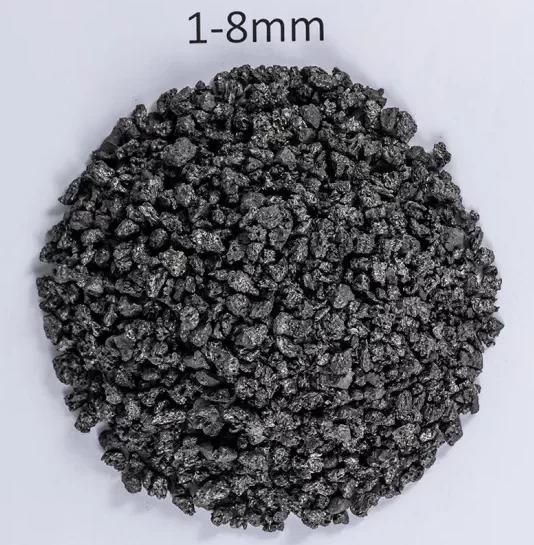
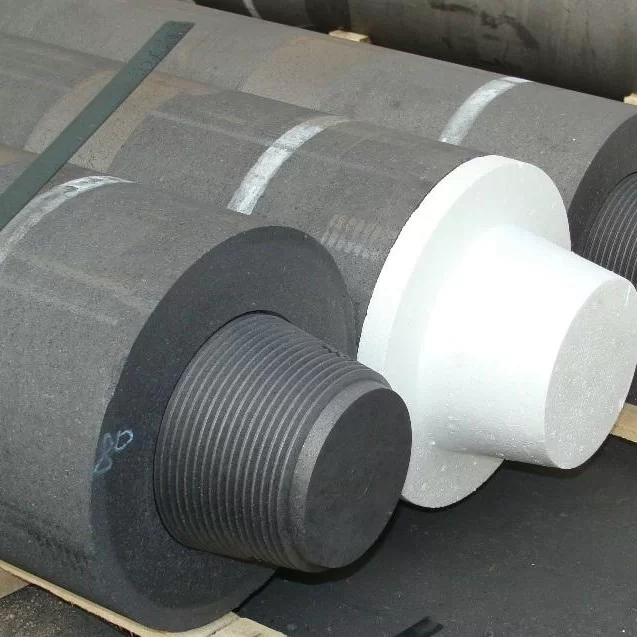
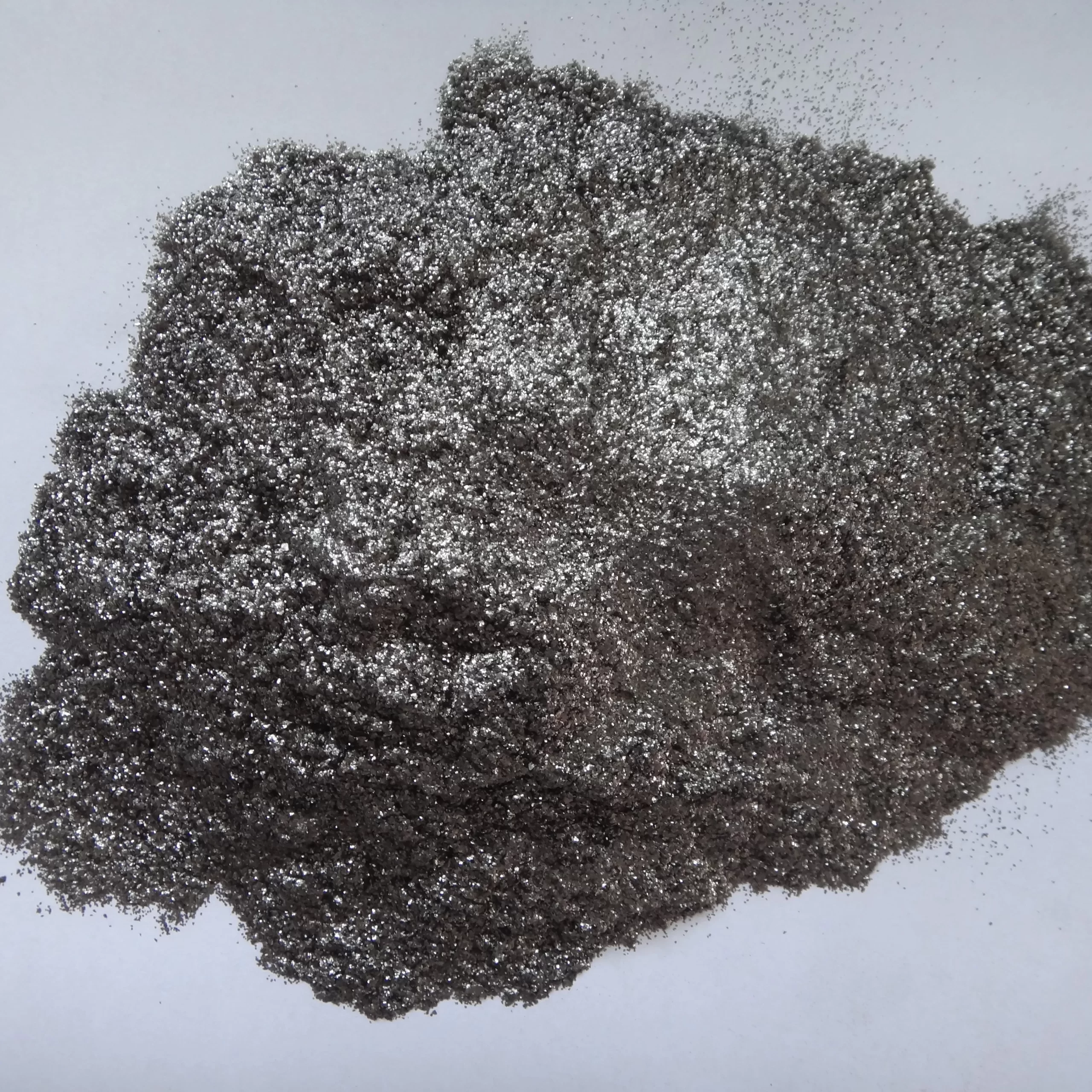
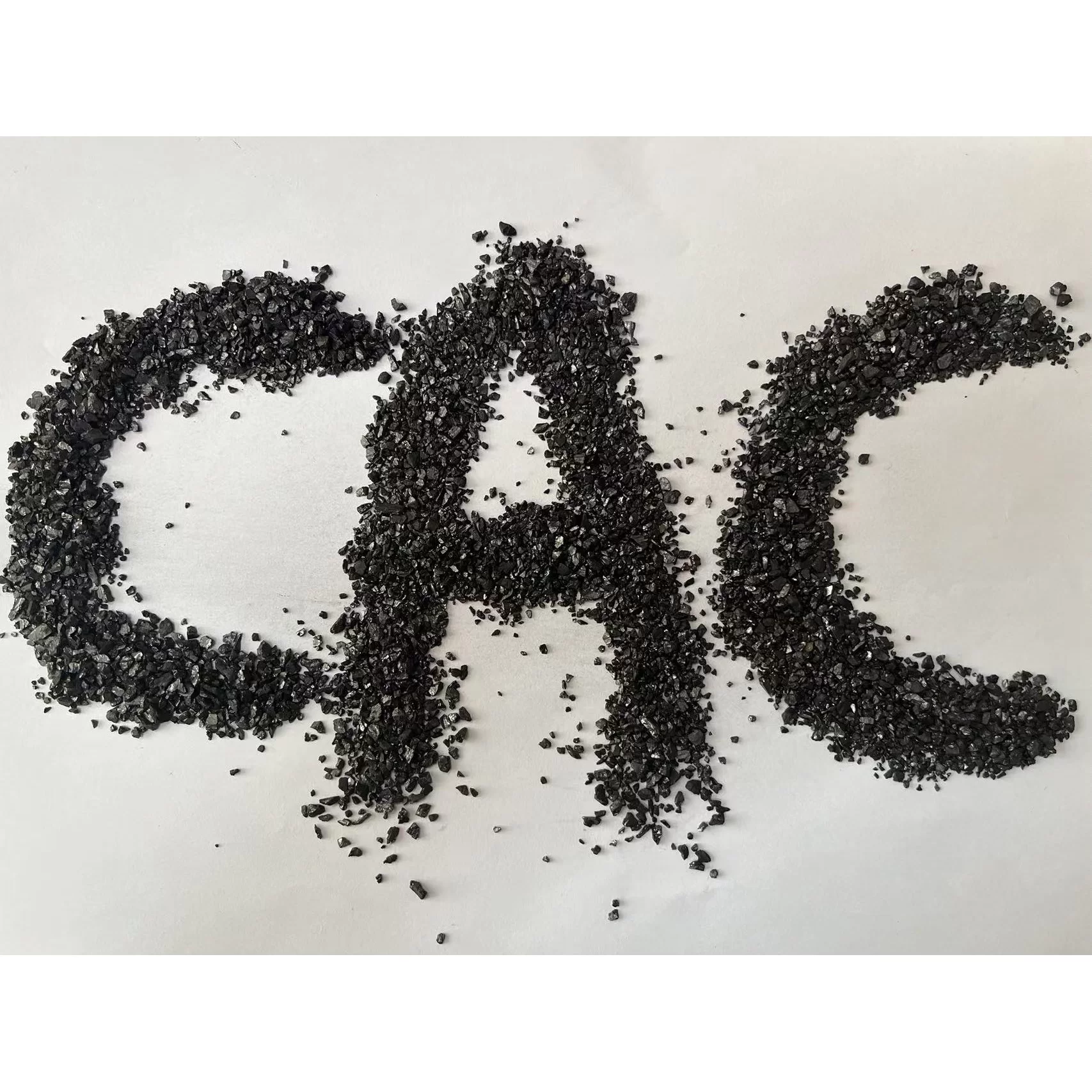
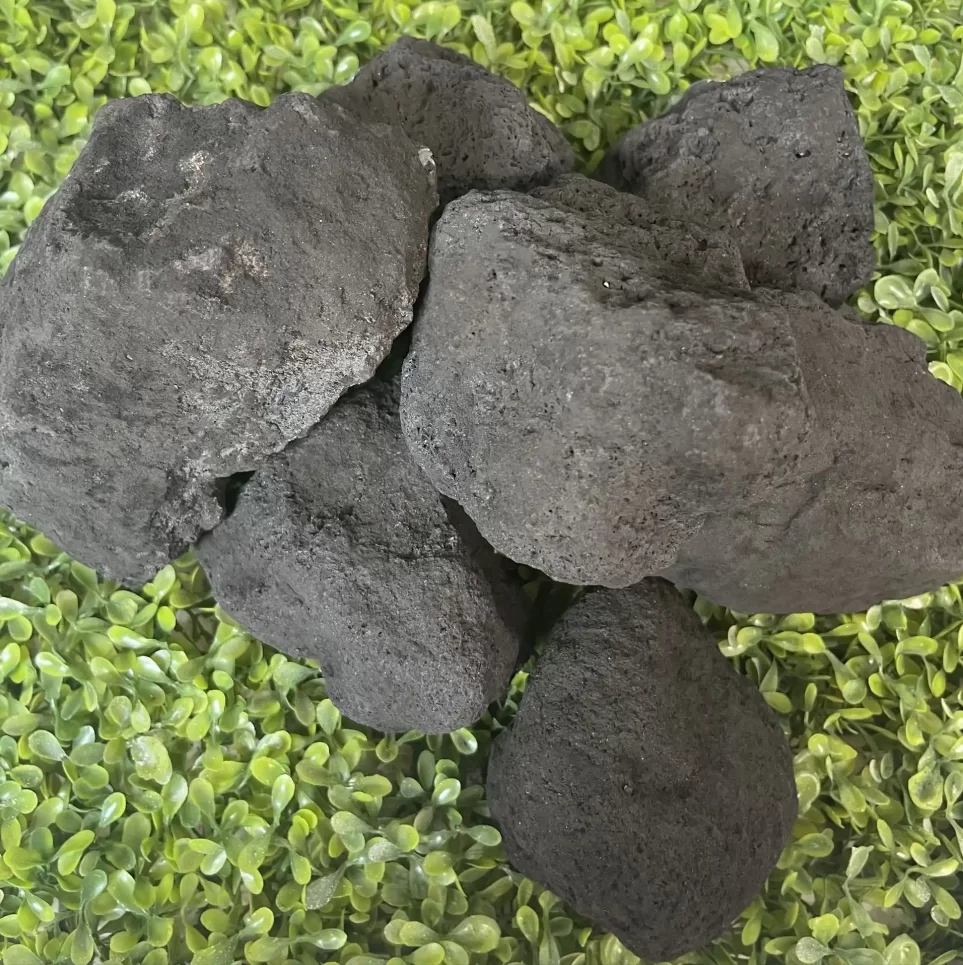
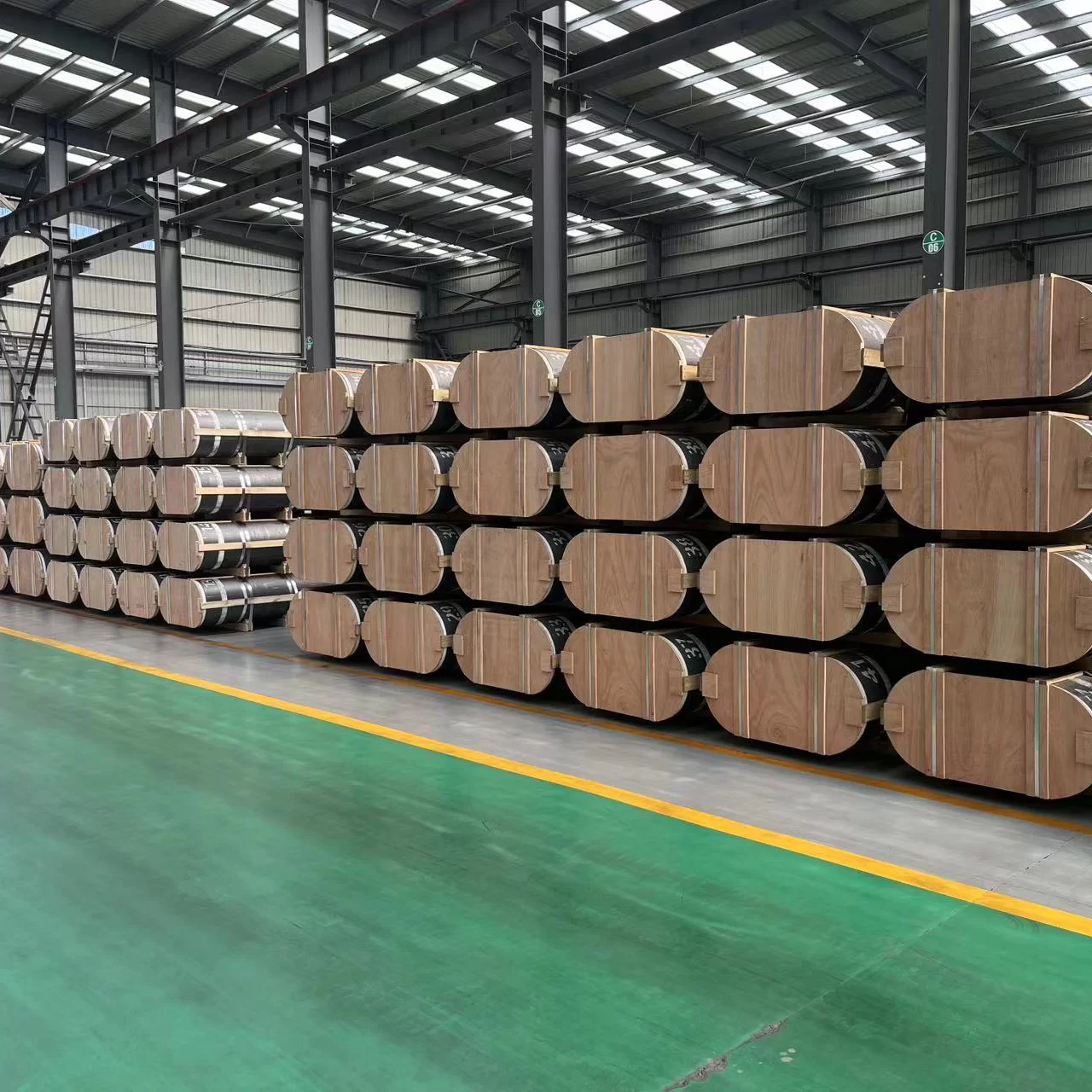
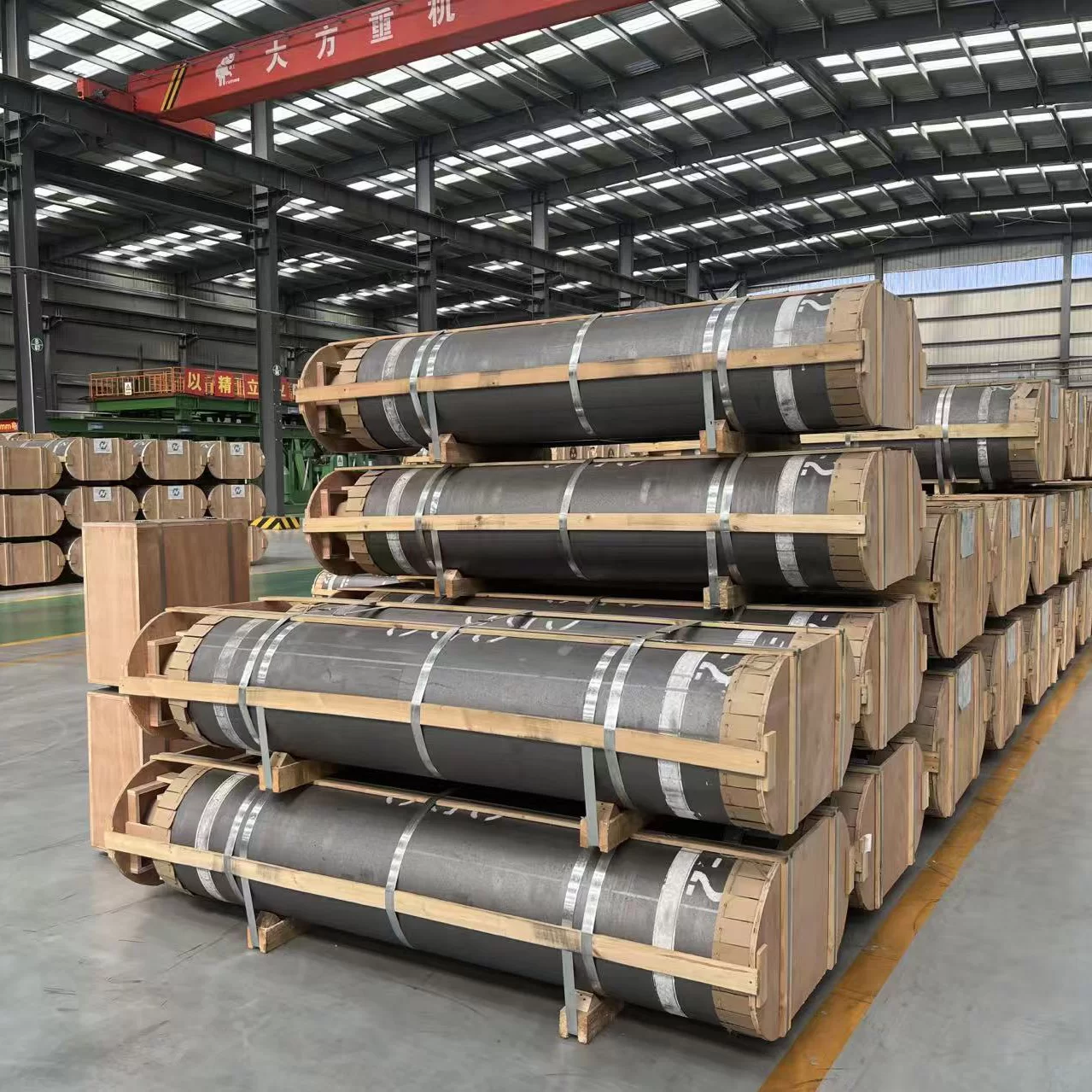
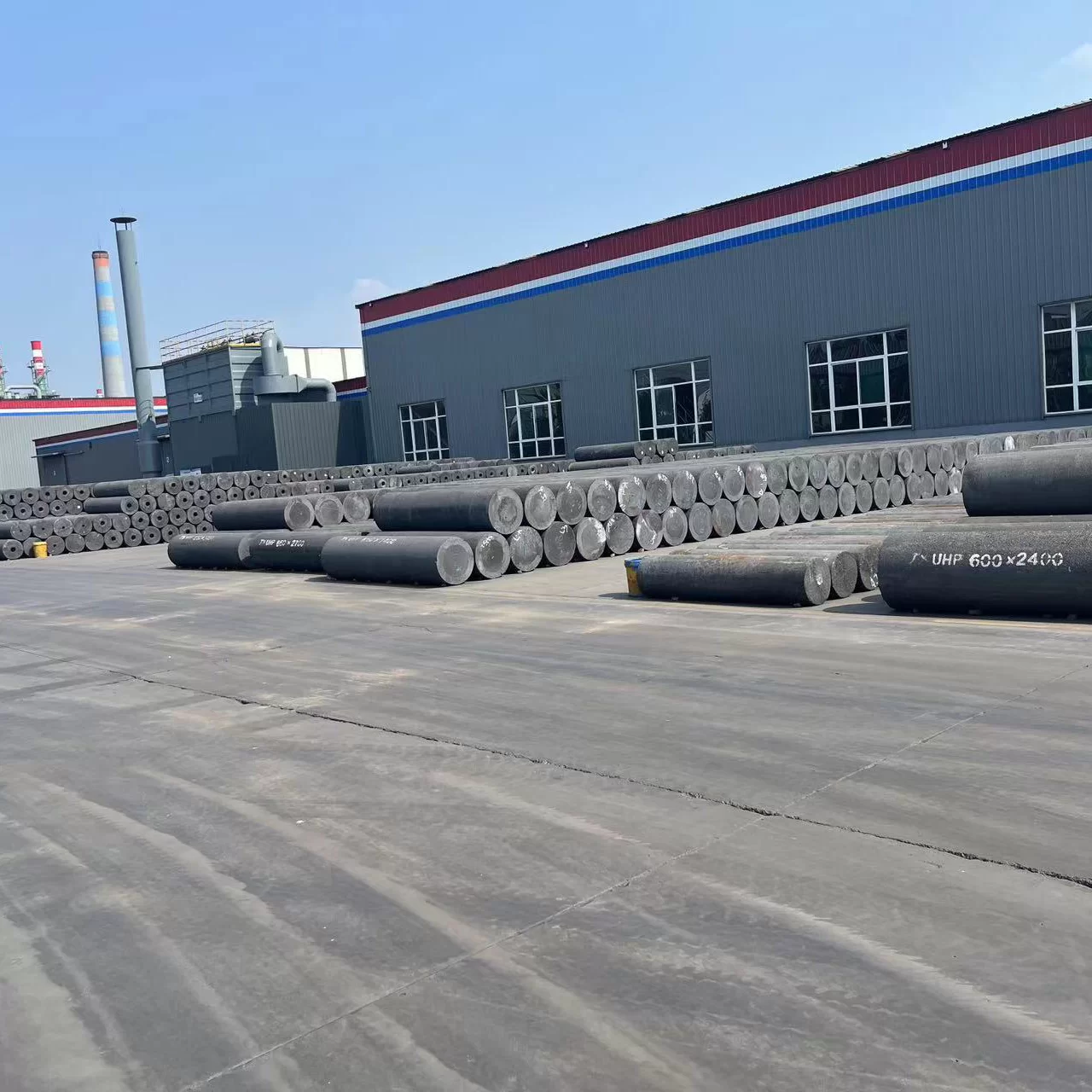
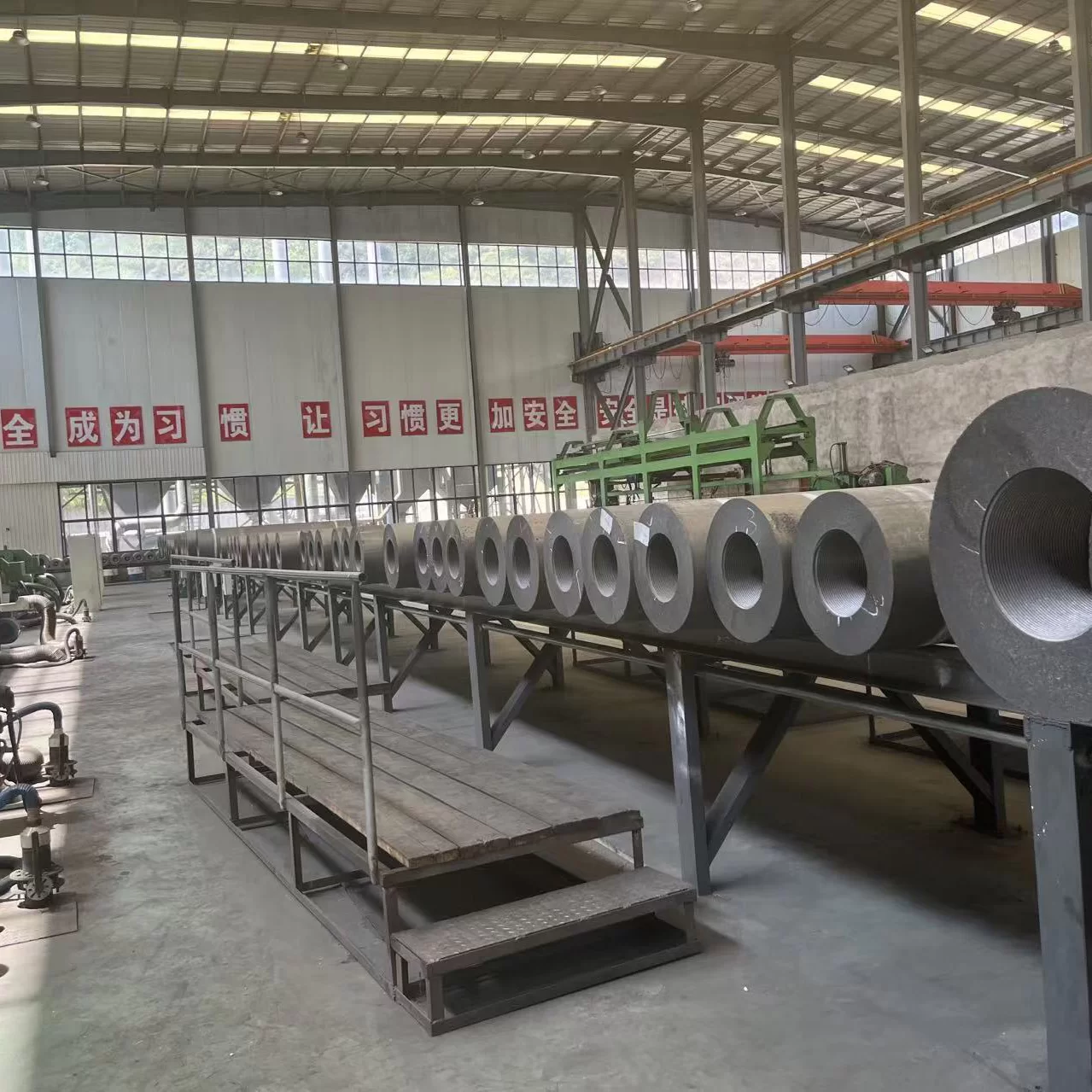
RP Graphite Electrode is a key solution in the metallurgy industry, specifically within electric arc furnace (EAF) steelmaking and foundry smelting. This article explores how RP graphite electrodes support professionals with durable, high-performance products, and explains why this product is an ideal choice for businesses in these sectors.
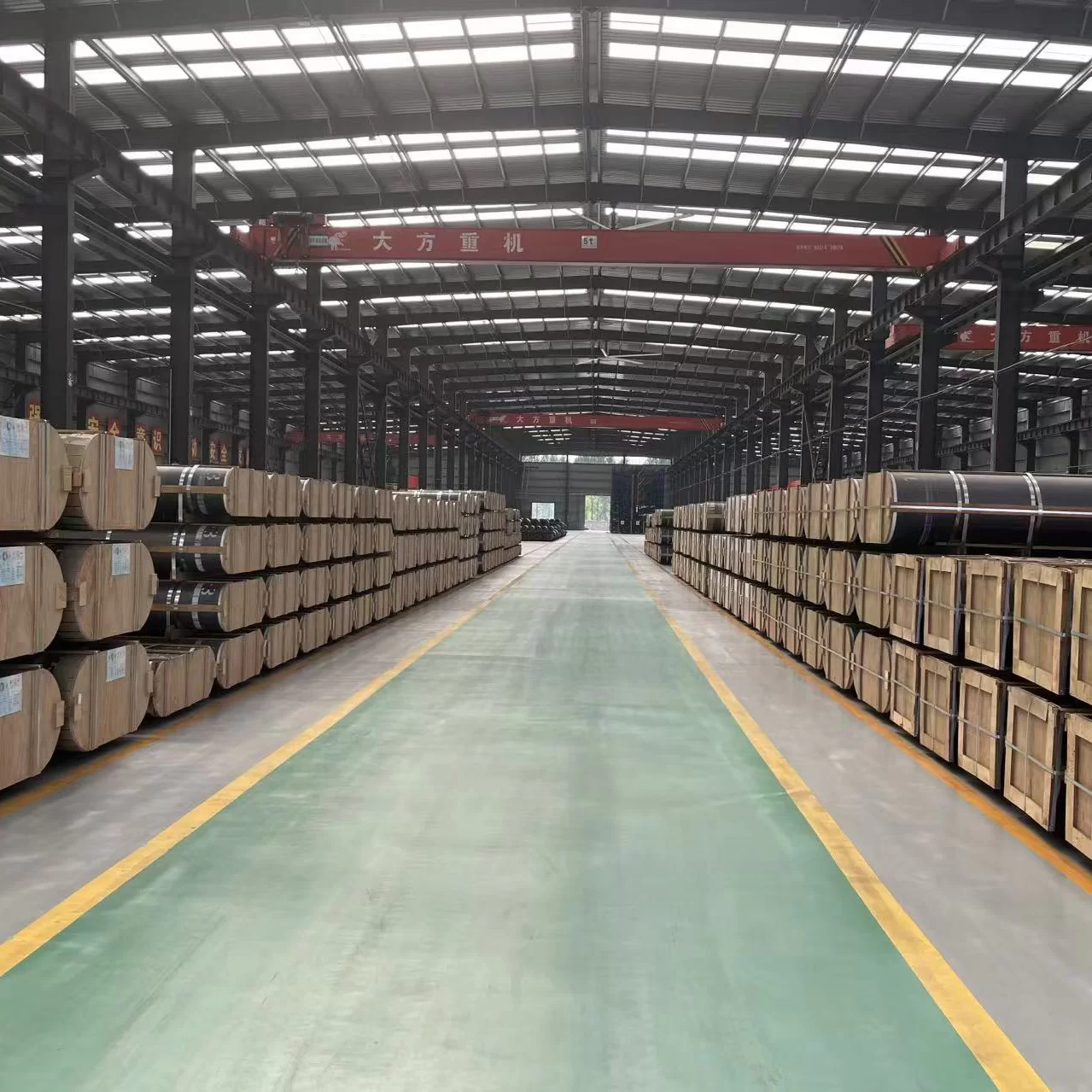
Table of Contents
- RP Graphite Electrode Overview
- Benefits & Use Cases of RP Graphite Electrode in Metallurgy
- Cost, Maintenance & User Experience
- Sustainability & Market Trends in Metallurgy
- Conclusion on RP Graphite Electrode from DAH Carbon
RP Graphite Electrode Overview
Regular Power (RP) graphite electrodes are consumable carbon products engineered to conduct high current into EAFs and ladle furnaces for steelmaking, casting, and refining. In metallurgy, RP electrodes are widely selected for small-to-medium EAFs, induction furnaces, and non-ferrous melting where stable arcs and predictable consumption are essential. Typical industry specifications include apparent resistivity of about 7.5–10 μΩ·m, bulk density around 1.55–1.65 g/cm³, flexural strength in the 8–12 MPa range, and ash content typically ≤0.5%. Standard diameters span approximately 75–500 mm with tapered, conical nipples (common 3TPI/4TPI thread systems) to ensure low-contact resistance and reliable joining in column assemblies.
- Relevance: RP graphite electrodes underpin power delivery and heat balance in EAF steelmaking, foundry melting, and secondary metallurgy.
- Technical background: Optimized petroleum coke bases, controlled graphitization, and stringent nipple-electrode pairing help deliver stable arc behavior and reduced breakage risk.
- Manufacturer: DAH Carbon supplies RP graphite electrodes with consistent quality control, traceable batches, and global logistics support.
Benefits & Use Cases of RP Graphite Electrode in Metallurgy
In steel plants, RP graphite electrodes are commonly used for melting scrap or DRI in EAFs with moderate current density and for ladle furnace refining where thermal stability matters. Foundries rely on RP electrodes for gray/ductile iron and alloy melts, balancing arc stability with controlled oxidation. Non-ferrous producers benefit from RP electrodes in smelting operations where consistent electrical properties minimize hot spots and improve furnace lining life.
- Applications: EAF steelmaking (primary melting), LF refining, foundry cupolas/EAFs, and certain non-ferrous reduction and remelting lines.
- Advantages: Predictable consumption rates, reliable nipple integrity, low contact resistance, and steady arc formation that supports energy efficiency and shorter tap-to-tap times.
- Sector expertise: DAH Carbon supports capacity planning, electrode selection by diameter/current density, and best practices for column assembly and joint torque to extend electrode life.
Cost, Maintenance & User Experience
For B2B decision makers, total cost of ownership spans purchase price, consumption per ton, downtime, breakage losses, energy use, and freight. In typical EAF operations, RP graphite electrode consumption can range around 2–5 kg per ton of liquid steel depending on practice, charge mix, and fume control. Optimized nipple torque, proper column alignment, and sound furnace parameters (oxygen/carbon injection and arc regulation) help extend life and improve ROI. DAH Carbon’s RP graphite electrodes are engineered for consistent resistivity and mechanical strength, which supports smoother heat cycles and fewer unplanned stoppages.
- TCO levers: Stable arcs reduce power fluctuations; robust joints minimize stub losses; predictable wear simplifies inventory planning and lowers working capital.
- User feedback: Steelmakers and foundries often report fewer jaw-slip incidents and more consistent joint temperatures when adhering to DAH Carbon’s assembly guidance, translating to measurable productivity gains across heats.
Sustainability & Market Trends in Metallurgy
Global steel decarbonization is accelerating EAF adoption due to its compatibility with scrap recycling and lower direct CO₂ intensity compared with traditional blast furnace routes. RP graphite electrodes play a direct role in enabling EAF growth by providing dependable current delivery and facilitating efficient heat input. Regulations emphasizing energy efficiency and emissions monitoring are prompting plants to standardize on quality-controlled electrodes that reduce breakage and stabilize energy profiles. Market demand is also trending toward tighter specification windows and enhanced nipple-electrode matching to limit wastage.
- Sustainability focus: Optimizing electrode consumption reduces material usage and transport emissions; reliable electrodes indirectly improve furnace efficiency and yield.
- DAH Carbon’s stance: A forward-thinking supplier, DAH Carbon emphasizes process control, raw material stewardship, and continuous improvement to align with the industry’s eco-performance goals.
Conclusion on RP Graphite Electrode from DAH Carbon
RP graphite electrodes remain a smart, dependable choice for EAF steelmaking, foundry melting, and non-ferrous smelting—delivering stable arcs, consistent consumption, and operational predictability. DAH Carbon’s disciplined manufacturing, nipple-electrode matching, and technical support help plants lower TCO and improve yield without compromising safety or quality. Ready to optimize your furnace performance with a proven partner? Visit our website: https://www.dahcarbon.com