Understanding Graphite Scrap: Why It Matters More Than You Think
Graphite scrap might not be the most glamorous topic, but its significance quietly stretches across global industries and sustainable development efforts. Simply put, graphite scrap refers to leftover or recycled graphite materials from manufacturing processes or end-of-life products. Recycling or reusing this material can reduce waste, save energy, and bolster critical supply chains. In a world increasingly concerned with resource scarcity and environmental impact, appreciating graphite scrap’s role opens doors to smarter, greener industry practices and cost savings. Oddly enough, this unassuming material might just be a linchpin in future tech innovations and eco-friendly manufacturing—so diving deeper makes a lot of sense.
Introduction: The Global Context of Graphite Scrap
Globally, graphite sees rising demand, especially in batteries, refractories, and lubricants. The International Energy Agency (IEA) estimates graphite demand could triple by 2040, largely driven by electric vehicles and renewable energy storage. Yet graphite mining and refining carry environmental and geopolitical challenges. This puts graphite scrap in the spotlight as a sustainable alternative to primary extraction.
According to the United Nations Environment Programme (UNEP), recycling graphite scrap not only reduces carbon emissions but also helps alleviate strain on mining ecosystems and can lessen geopolitical dependencies. Oddly enough, while graphite’s main markets are usually in Asia, Europe, and North America, their demand pushes manufacturers worldwide to rethink waste and reuse strategies. Still, the challenge is how to efficiently collect, sort, and reintroduce graphite scrap without quality loss—something that many industry players are actively tackling.
Mini Takeaway: Graphite scrap is a growing player in the global push for sustainable industry, offering both environmental and economic incentives. The question is, how do we maximize its potential?
What Exactly Is Graphite Scrap?
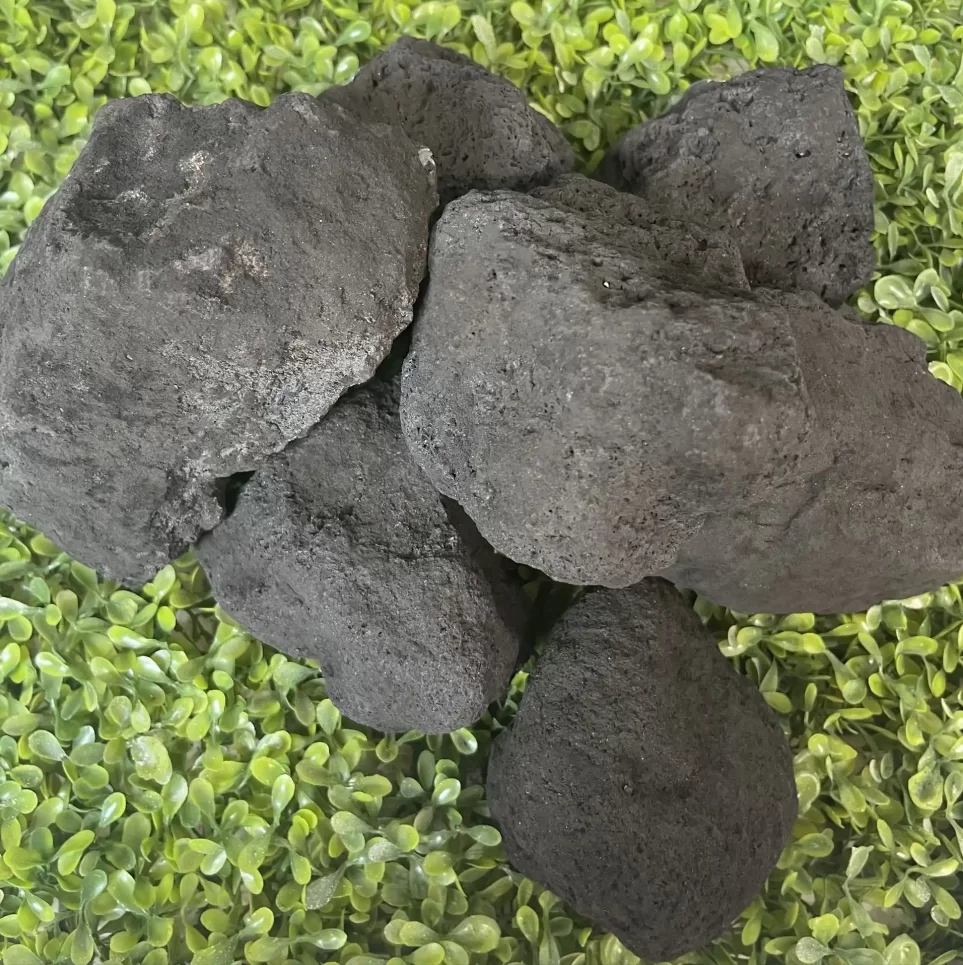
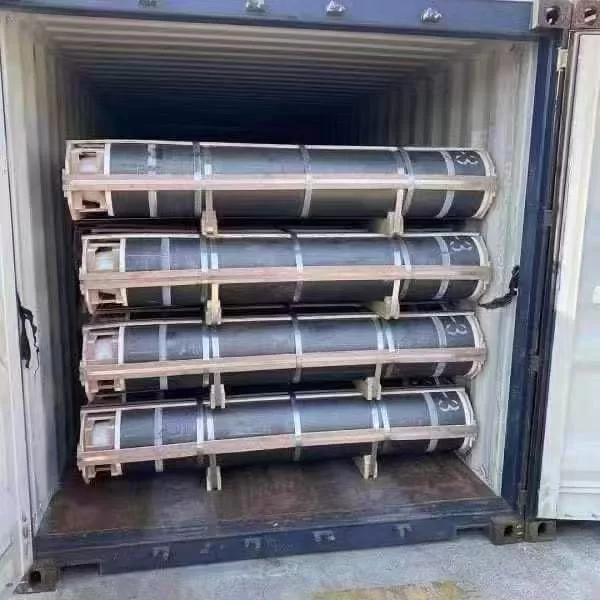
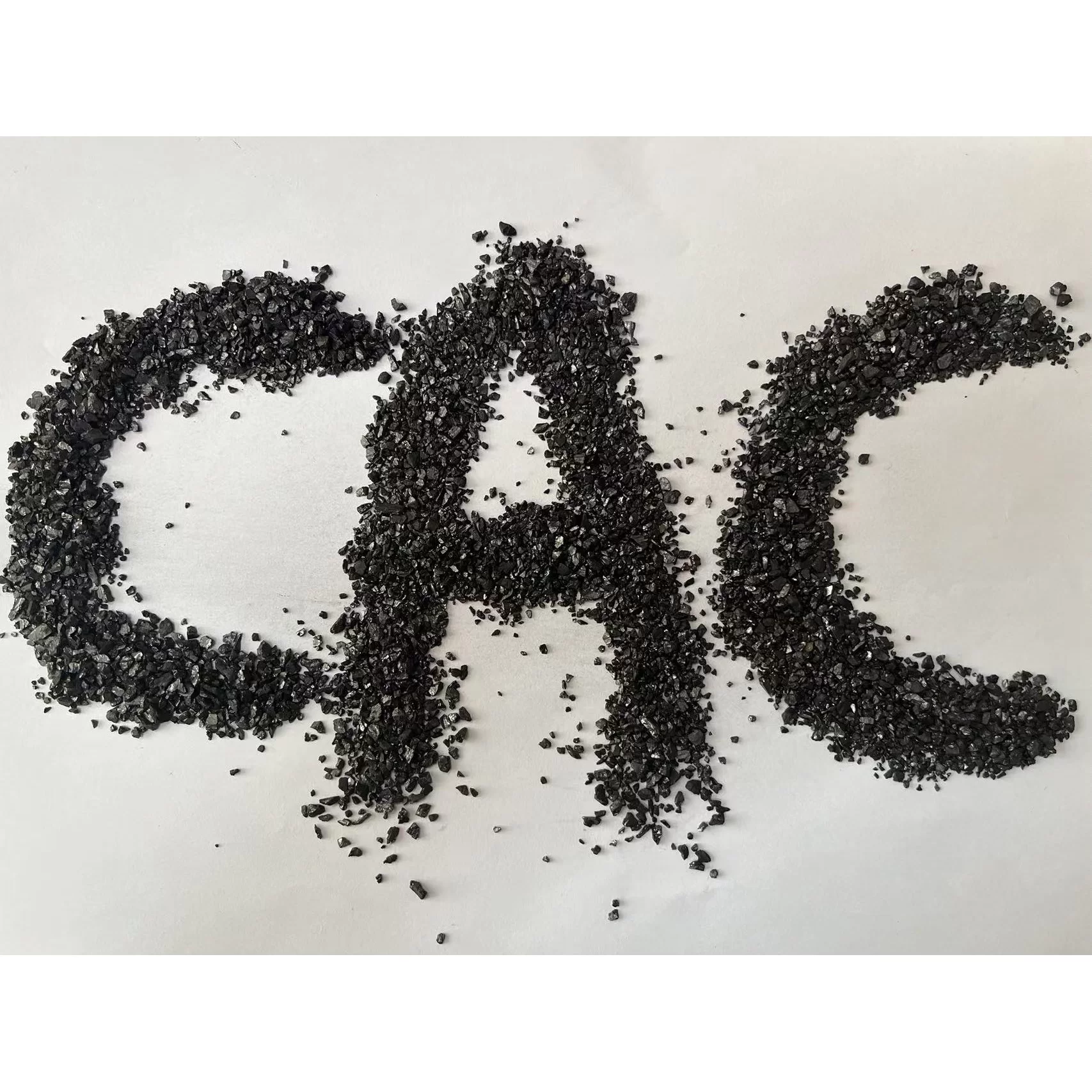
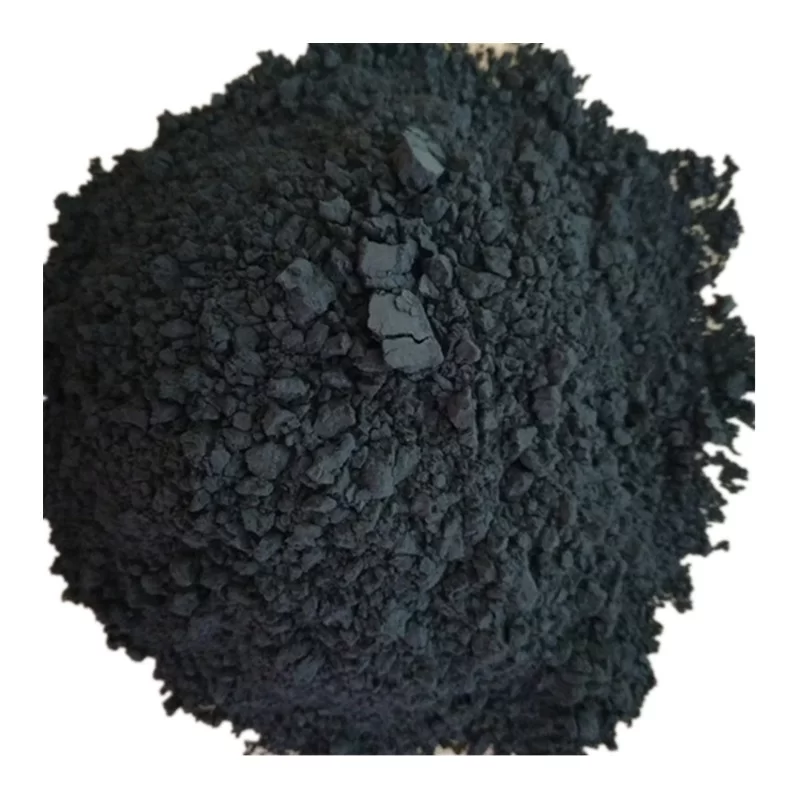
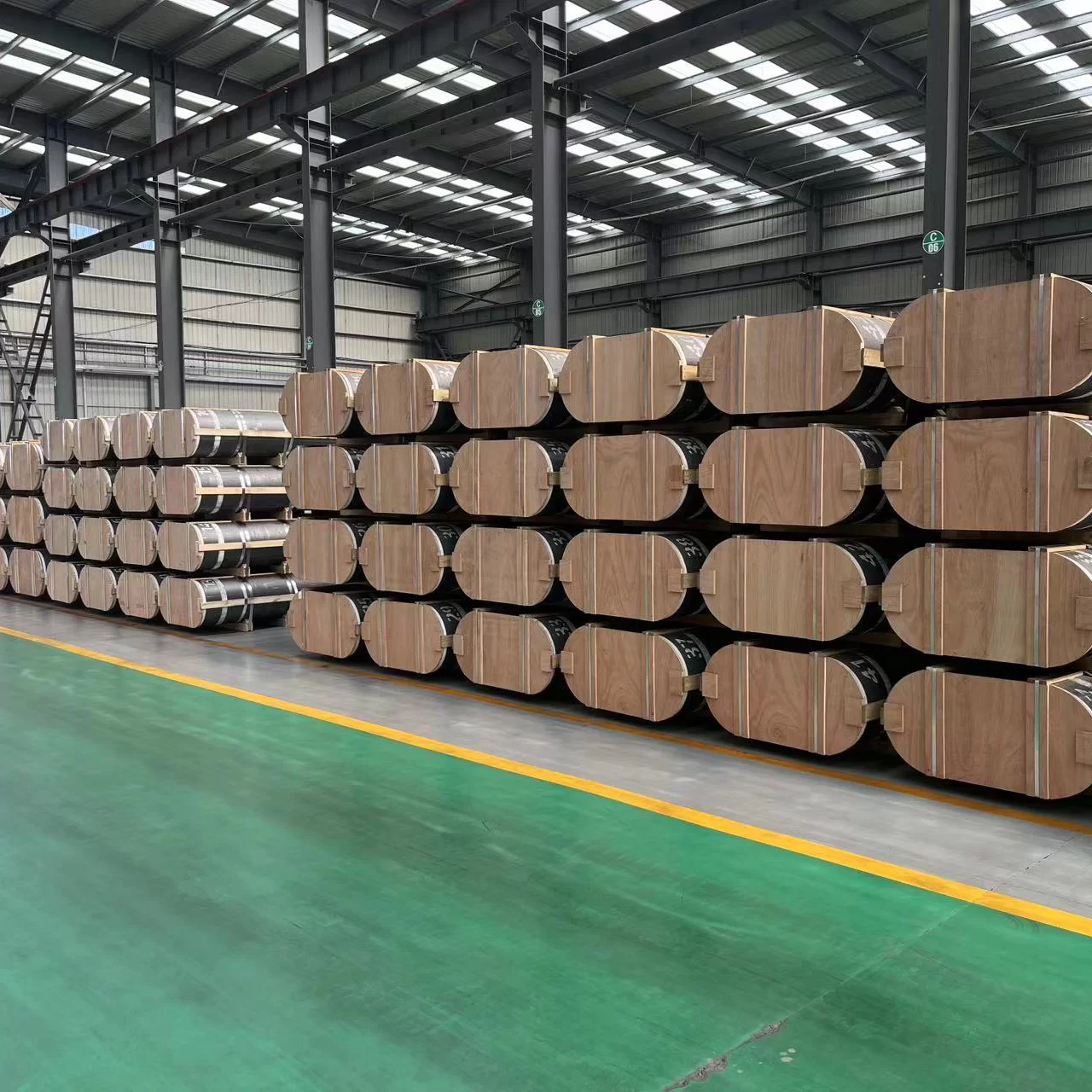
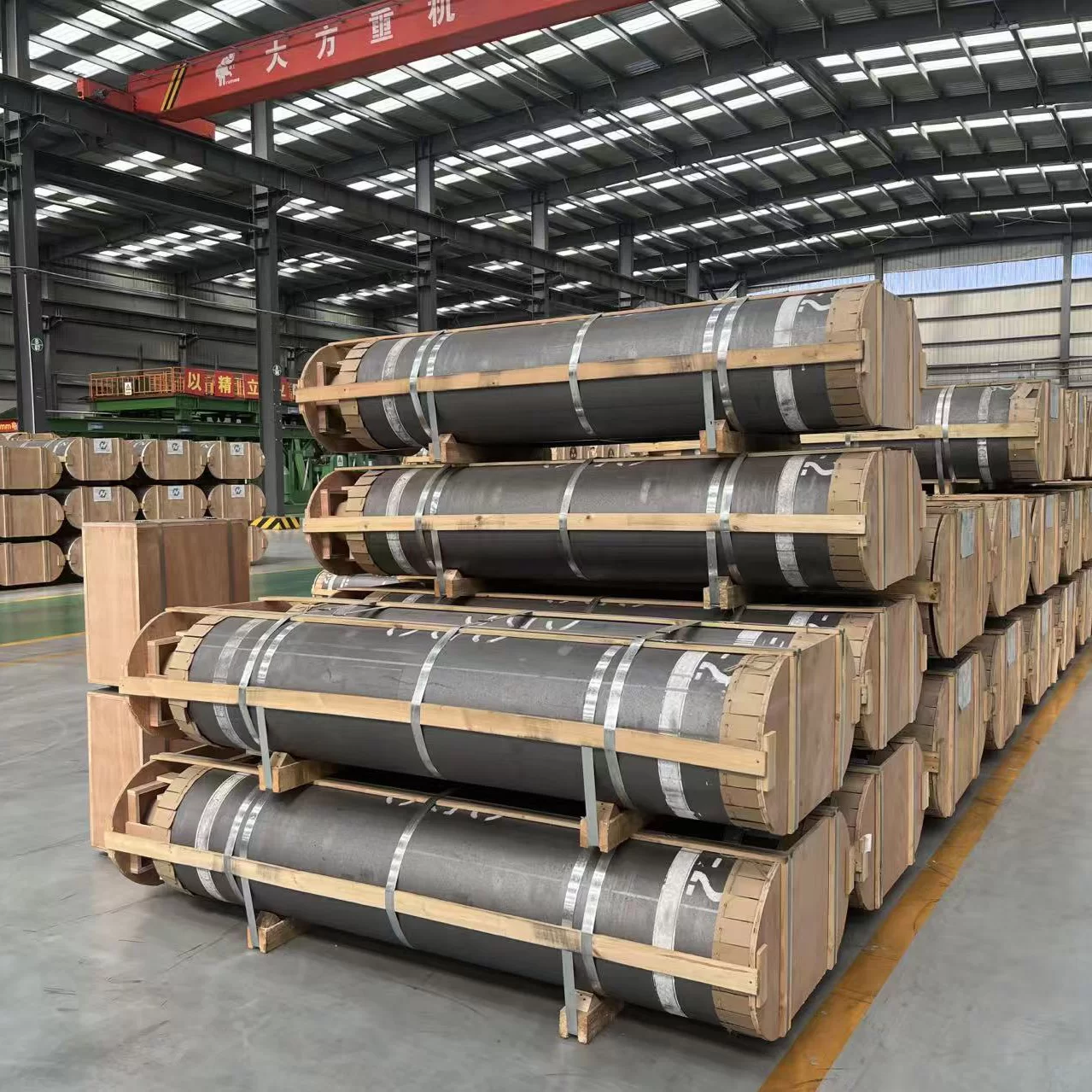
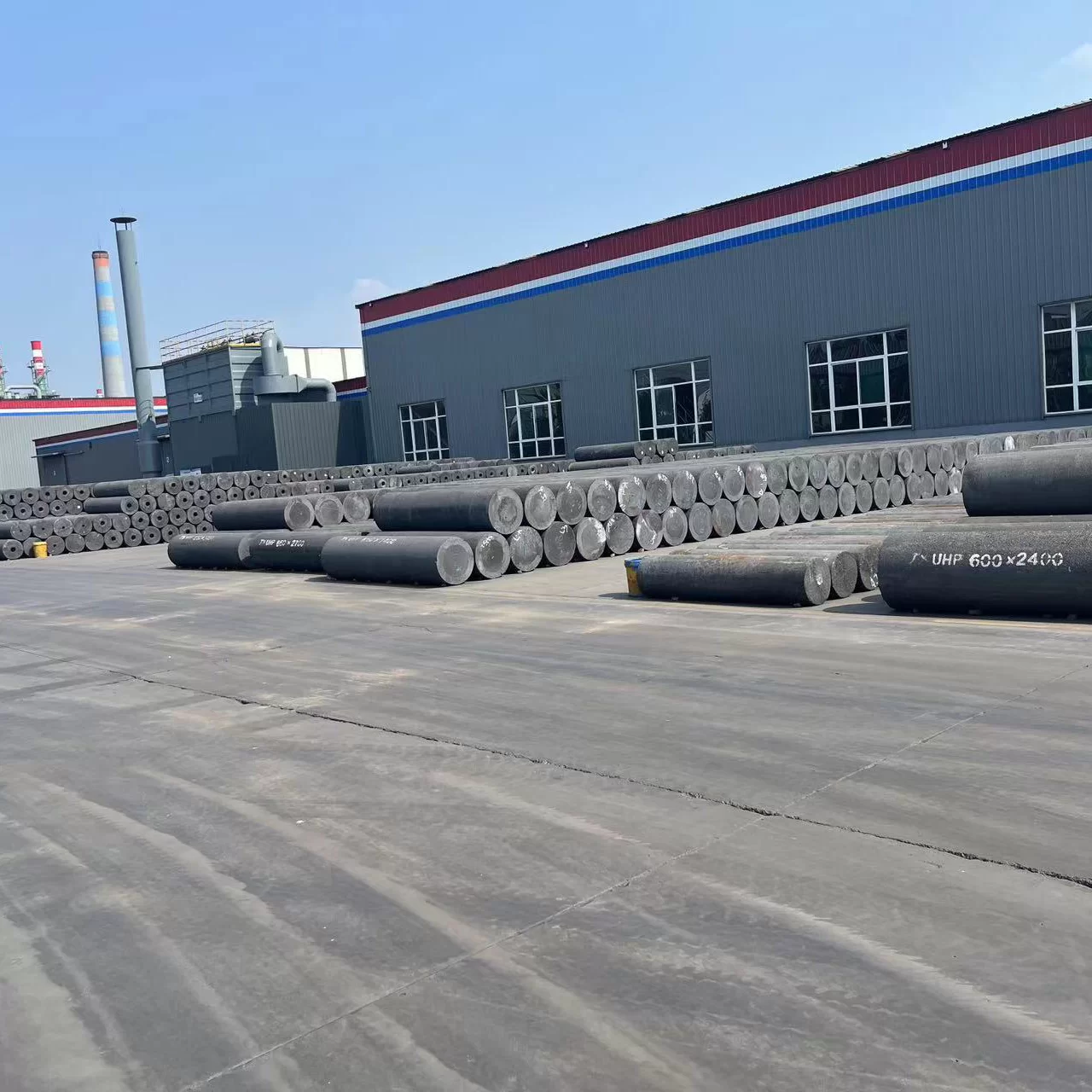
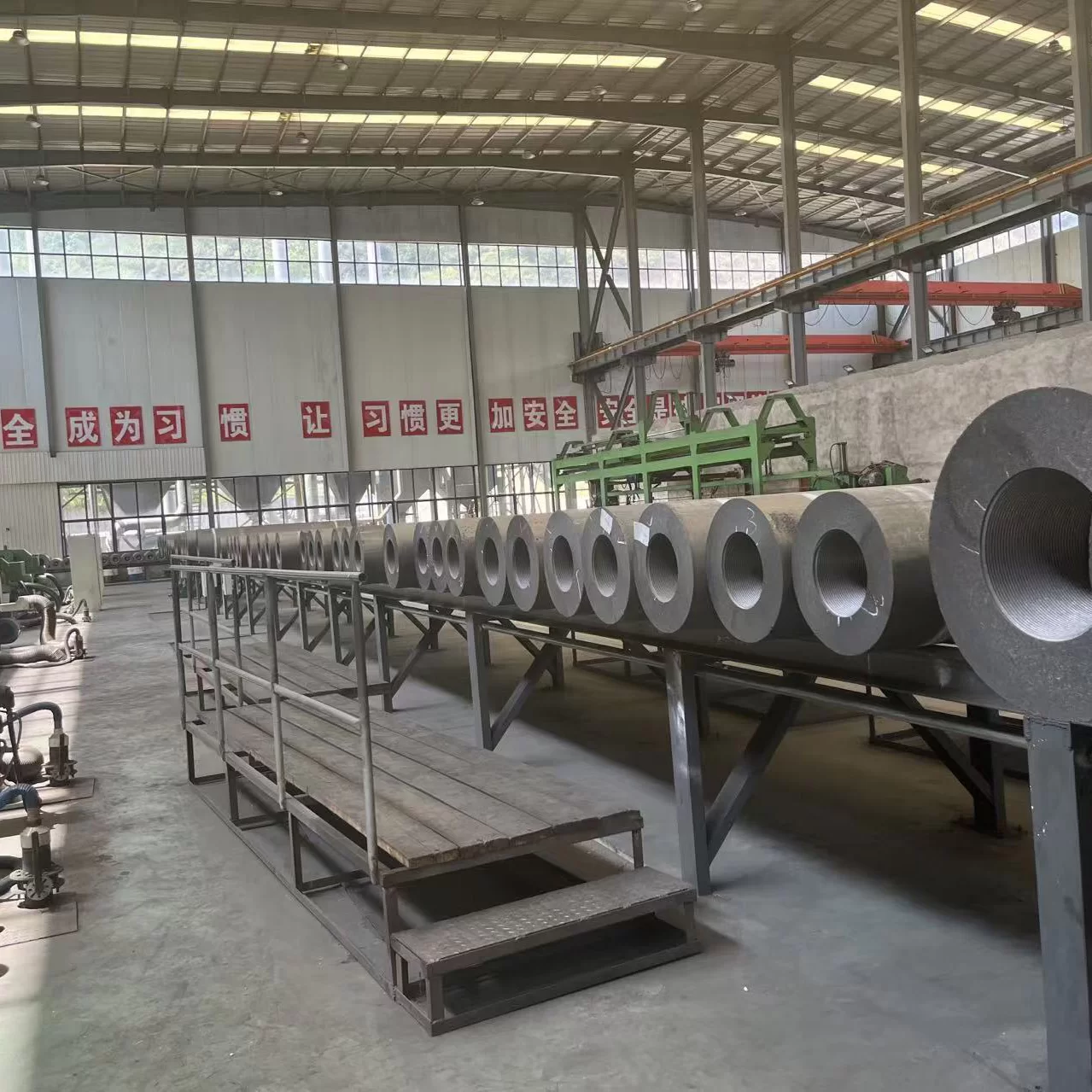
At its core, graphite scrap consists of defective, leftover, or end-of-life materials containing natural or synthetic graphite. Think of suppliers discarding bits from electrode manufacturing, or old batteries and automotive parts being shredded. Instead of treating this as mere waste, industries can reclaim and refine it, feeding it back into production cycles.
Graphite’s unique properties – excellent conductivity, heat resistance, and lubricity – make it indispensable in various high-tech and heavy industrial applications. So, recycling scrap not only reduces waste but maintains a steady supply of this critical material for industries ranging from aerospace to humanitarian tech, such as powering essential devices in disaster zones.
Key Factors Behind Graphite Scrap’s Industry Value
1. Consistency and Quality Control
Recycled graphite must meet strict purity and structural standards to substitute for virgin material, especially in sensitive applications like battery anodes or nuclear reactors. Many engineers say that keeping scrap graphite quality consistent is the linchpin for industry acceptance, which means advanced sorting and processing technologies are essential.
2. Environmental Impact Reduction
Mining graphite takes a serious environmental toll, from habitat disruption to carbon emissions. Using graphite scrap lowers this footprint, aligns with ISO 14001 environmental standards, and satisfies corporate sustainability goals. Frankly, this factor alone drives many companies to explore graphite recycling programs more aggressively.
3. Cost Efficiency
Recycling graphite scrap often reduces raw material costs. Given volatile graphite prices, leveraging scrap provides a cushion against supply shocks and price swings, especially for smaller or mid-sized manufacturers.
4. Scalability of Supply Chains
Building robust scrap collection and processing chains integrates circular economy principles into supply management, making suppliers less vulnerable to single-source mining disruptions. This is particularly important in today's volatile geopolitical climate.
Global Applications & Real-World Use Cases
Industries worldwide show increasing interest in graphite scrap, from heavy manufacturing centers in China and India to advanced technology hubs in Germany and the US. For example:
- Battery Manufacturing: Tesla and Panasonic reportedly use recycled graphite to improve sustainability in EV battery production.
- Refractory Products: Steel manufacturers in South Korea blend graphite scrap into furnace linings, enhancing durability while cutting waste.
- Disaster Relief Technologies: Portable solar panels and energy devices shipped to crisis zones often incorporate graphite scrap, keeping costs down without sacrificing performance.
Even educational organizations run pilot programs demonstrating graphite scrap’s viability for 3D printing conductive materials, hinting at a fascinating future beyond today’s conventional uses.
Mini Takeaway: Graphite scrap finds valuable new life across diverse industries, improving productivity and sustainability on multiple continents.
Advantages and Long-Term Value of Graphite Scrap
Aside from immediate cost savings, graphite scrap translates to several layered long-term benefits:
- Sustainability: Less mining means less environmental disruption. It embodies circular economy ideals by keeping materials in use longer.
- Social Responsibility: Manufacturers committed to recycling appeal more to consumers and investors increasingly focused on ethical sourcing.
- Innovation Driver: Companies pioneering graphite scrap processing often uncover new applications or improve materials science.
- Reliability: Diversified and localized supply channels reduce dependency on volatile international markets.
Many business leaders have remarked that investing in graphite scrap capabilities fosters trust among partners and end-users alike—a soft yet critical payoff in modern supply chains.
Product Specification Table: Key Graphite Scrap Grades
| Grade | Carbon Content (%) | Particle Size (μm) | Typical Applications |
|---|---|---|---|
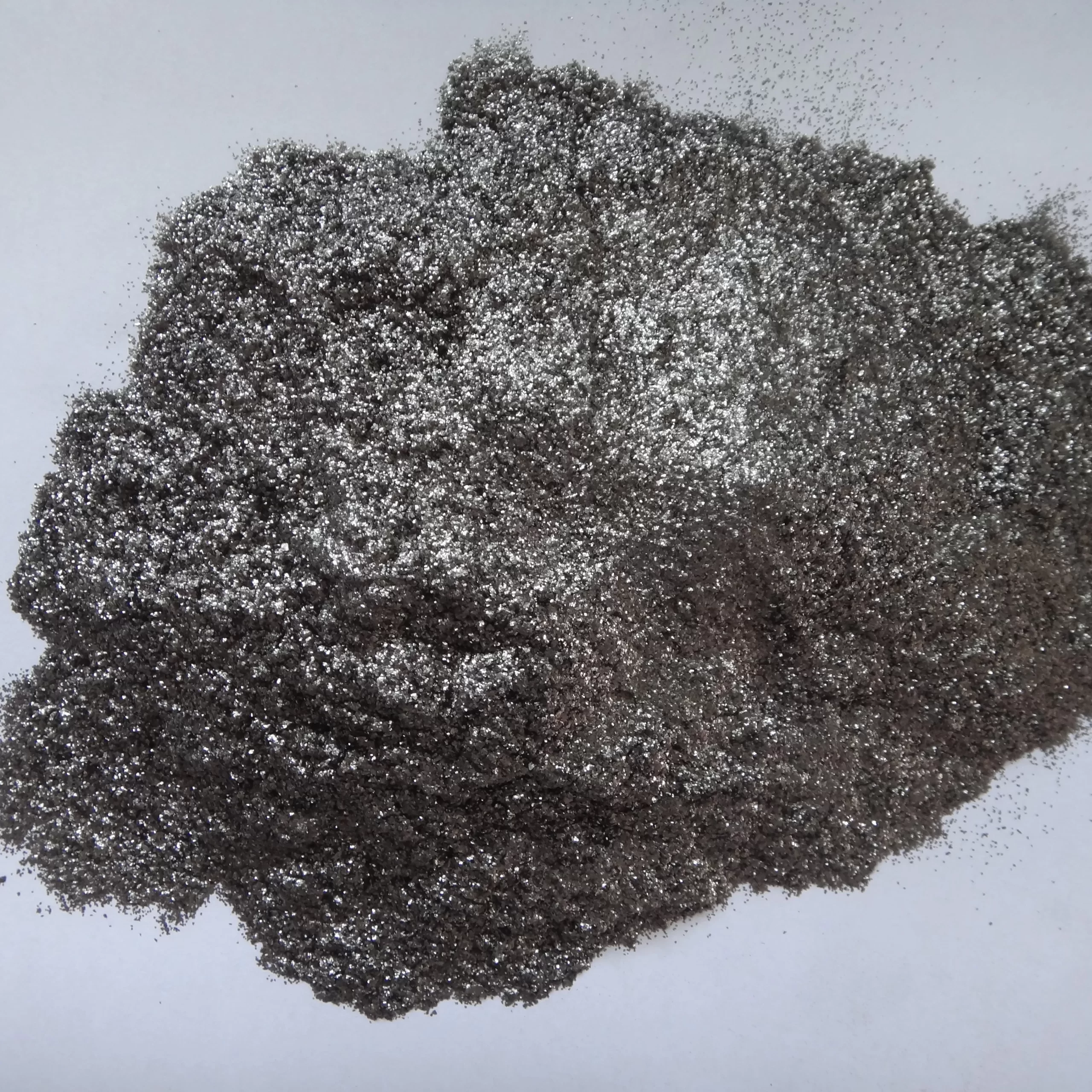
| Fine | 99.5+ | 5–50 | Battery anodes, conductive coatings |
| Medium | 97–99 | 50–150 | Refractory products, lubricants |
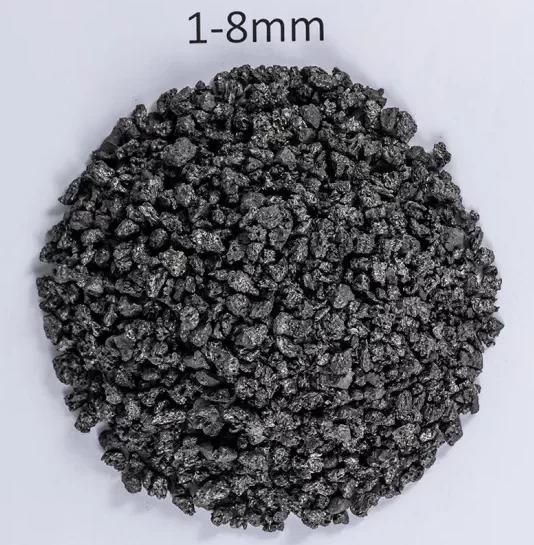
| Coarse | 90–96 | 150–500 | Foundry, brake linings |
Comparing Leading Vendors: Graphite Scrap Suppliers
| Vendor | Scrap Grades Offered | Global Reach | Special Services |
|---|---|---|---|
| Dah Carbon | Fine, Medium | Asia, Europe, North America | Custom blending, logistics support |
| Graphite Solutions Inc. | Medium, Coarse | Global | Technical consulting, quality assurance |
| EcoGraphite | Fine, Coarse | Europe, North America | Sustainability certification, traceability |
Emerging Trends & Innovations in Graphite Scrap
Right now, graphite scrap recycling sits at an exciting crossroads with technological advances. For starters, AI-powered sorting and sensor tech are refining the quality control process, making recycled graphite closer in purity to virgin material than ever before. Moreover, new chemical treatments and thermal purification methods show promise to reclaim even heavily contaminated scrap.
There’s also a growing push to integrate graphite scrap into next-gen lithium-ion and solid-state batteries, aligning with the green energy revolution. Frankly, as climate policy tightens globally, the circular use of graphite won’t just be an option, but a necessity. Some startups are even exploring bio-based or hybrid graphite composites derived partly from recycled scrap—something that feels almost futuristic.
Challenges & Practical Solutions
No silver bullets here. Quality inconsistency, collection logistics, and contamination remain hurdles. These often require partnerships between manufacturers, recyclers, and logistics providers to streamline processes.
Experts suggest collaborative industry standards for scrap classification and handling could unlock smoother supply chains. Also, boosting end-user awareness about sustainable benefits helps create stable demand for recycled graphite. Oddly enough, sometimes the biggest barrier is the resistance to change within established procurement teams who prefer familiar virgin materials.
FAQ: Frequently Asked Questions About Graphite Scrap
What industries benefit the most from recycled graphite?
Battery manufacturing, steel production (refractories), lubricants, and brake lining industries are among the biggest consumers of recycled graphite. They need consistent purity but can often accommodate varying particle sizes.
How do I ensure the quality of graphite scrap for sensitive applications?
Work with suppliers offering certification and purification services. Advanced techniques like thermal purification and chemical treatments help boost purity. Request detailed specs and trials before committing.
Is graphite scrap truly greener than mining new graphite?
Yes, recycling reduces the environmental footprint by avoiding extensive mining operations, lowering emissions, and curbing resource depletion. Plus, it aligns with international sustainability standards.
Can graphite scrap be used in high-tech battery production?
Increasingly so. Innovations allow recycled graphite to meet stringent performance requirements required for lithium-ion battery anodes, making it a viable, cost-effective alternative.
How can smaller manufacturers access graphite scrap efficiently?
Collaborations with recyclers, group purchasing, or working with vendors like graphite scrap suppliers offering smaller batch sizes and logistics support can help.
Conclusion: The Future of Graphite Scrap Looks Bright
Graphite scrap is more than just leftover waste; it’s a valuable resource poised to support sustainable, resilient supply chains globally. With its cost advantages, environmental benefits, and expanding application horizons, embracing graphite scrap could be a game changer for numerous industries. If you want to learn more about sourcing, specifications, or innovations around graphite scrap—or feel inspired to join the recycling revolution—visit our website: https://www.dahcarbon.com. Let’s build a smarter, greener future—one graphite chip at a time.