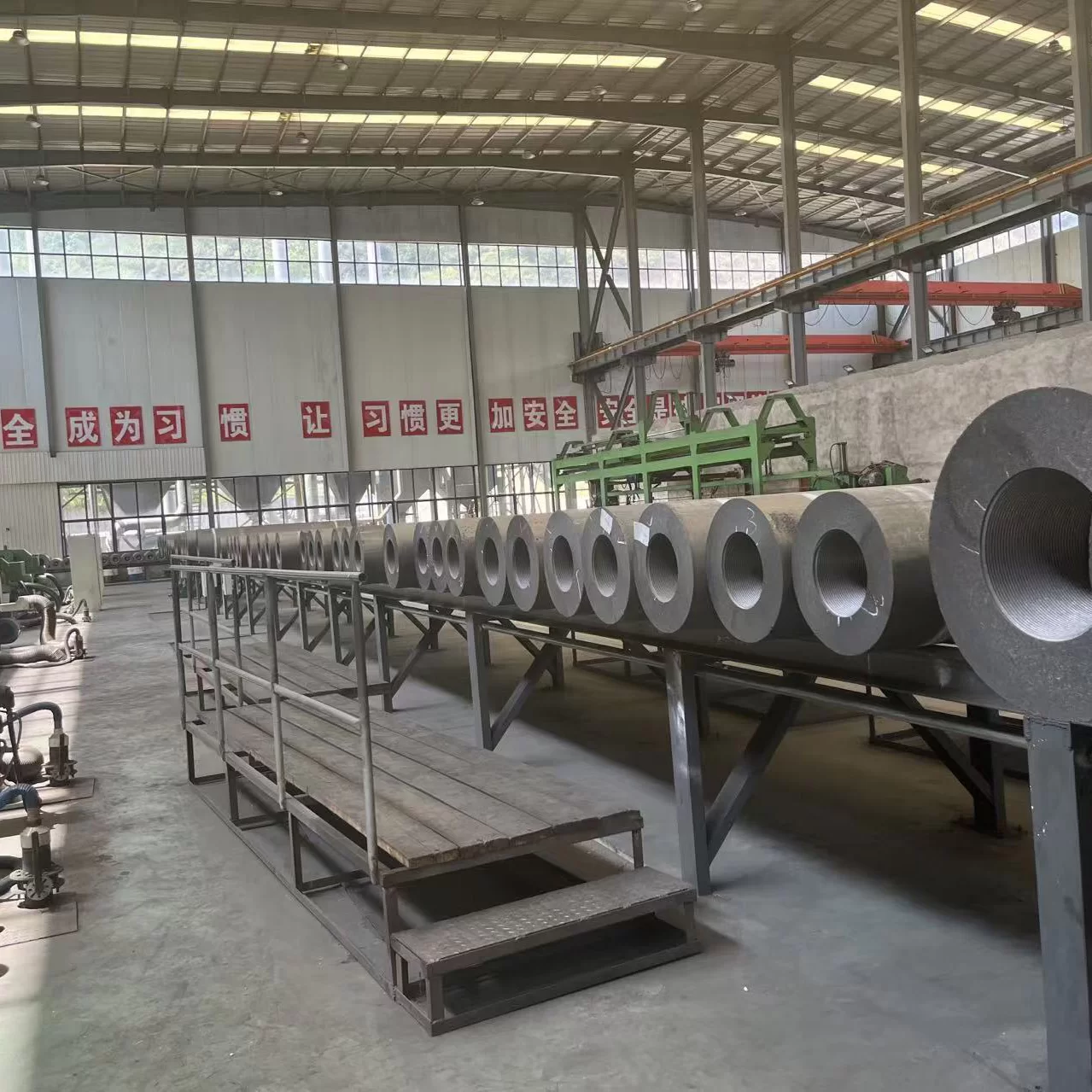
Synthetic Graphite Factory: Powering the Future of Industry and Innovation
Understanding what a synthetic graphite factory entails might sound a bit niche at first, but frankly, its global significance is pretty hard to ignore. As the backbone of advanced manufacturing for electronics, energy storage, and even aerospace, artificial graphite production is quietly shaping how we power our devices, cars, and infrastructure. Tuning into why these factories matter gives us insights into sustainability, economic growth, and technological advances that affect billions around the globe.
Global Context: Why Synthetic Graphite Factories Matter
Globally, the graphite market is booming, with demand expected to exceed 2 million metric tons annually by 2027, according to recent industry data. But here’s the catch: natural graphite sources, while plentiful, can’t always keep pace with growing technological needs, especially in electric vehicles and renewable energy sectors. This is where synthetic graphite factories step in, helping bridge supply gaps through scalable and more controlled production methods.
Moreover, with tightening ISO and environmental standards worldwide, synthetic graphite offers manufacturers high-purity materials minus some of the environmental baggage associated with natural mining. However, building and running such factories isn’t without challenges—high energy consumption and process complexity remain hurdles needing smart solutions.
Defining a Synthetic Graphite Factory
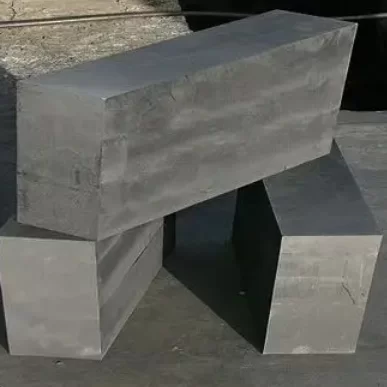
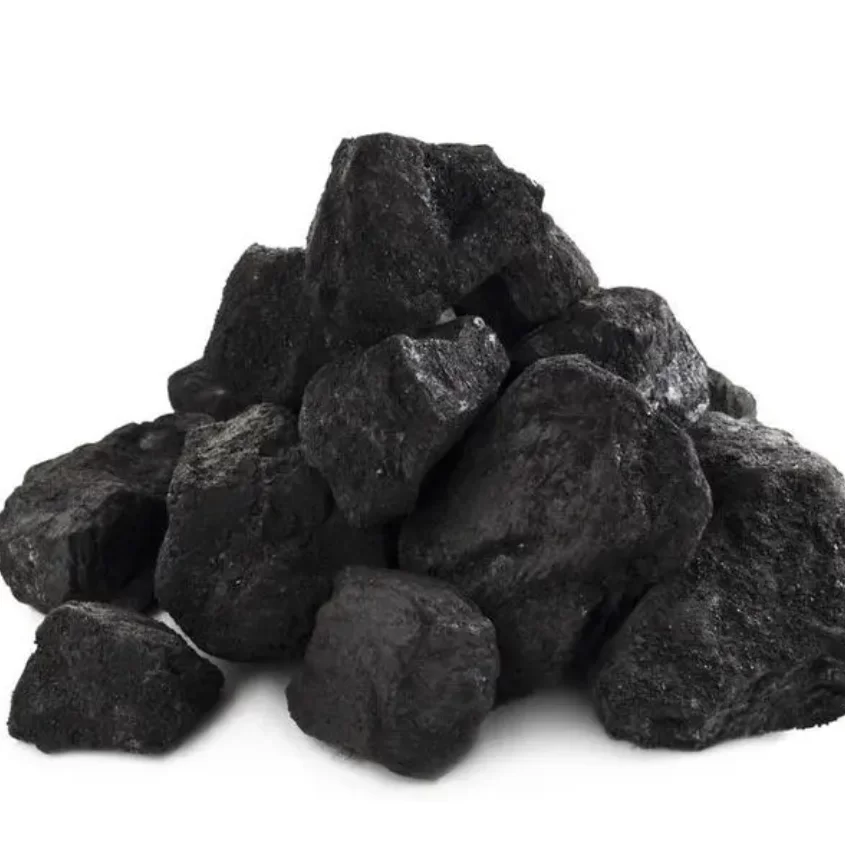
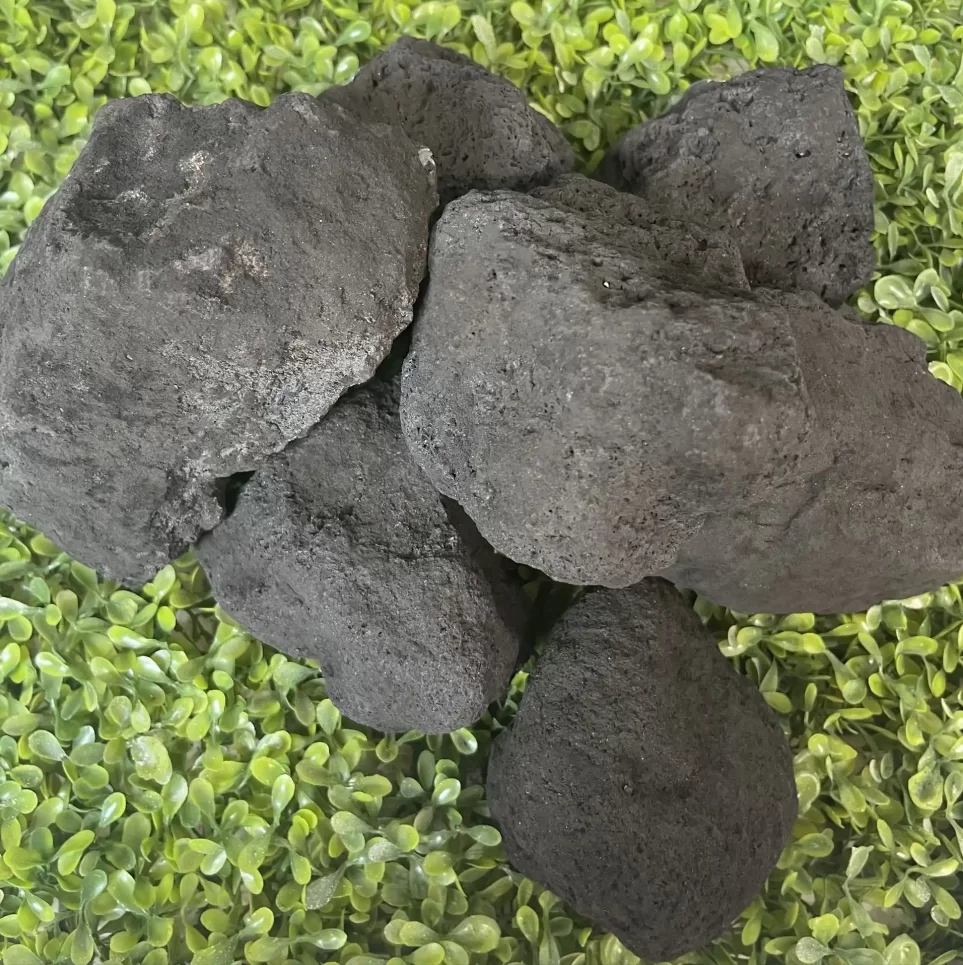
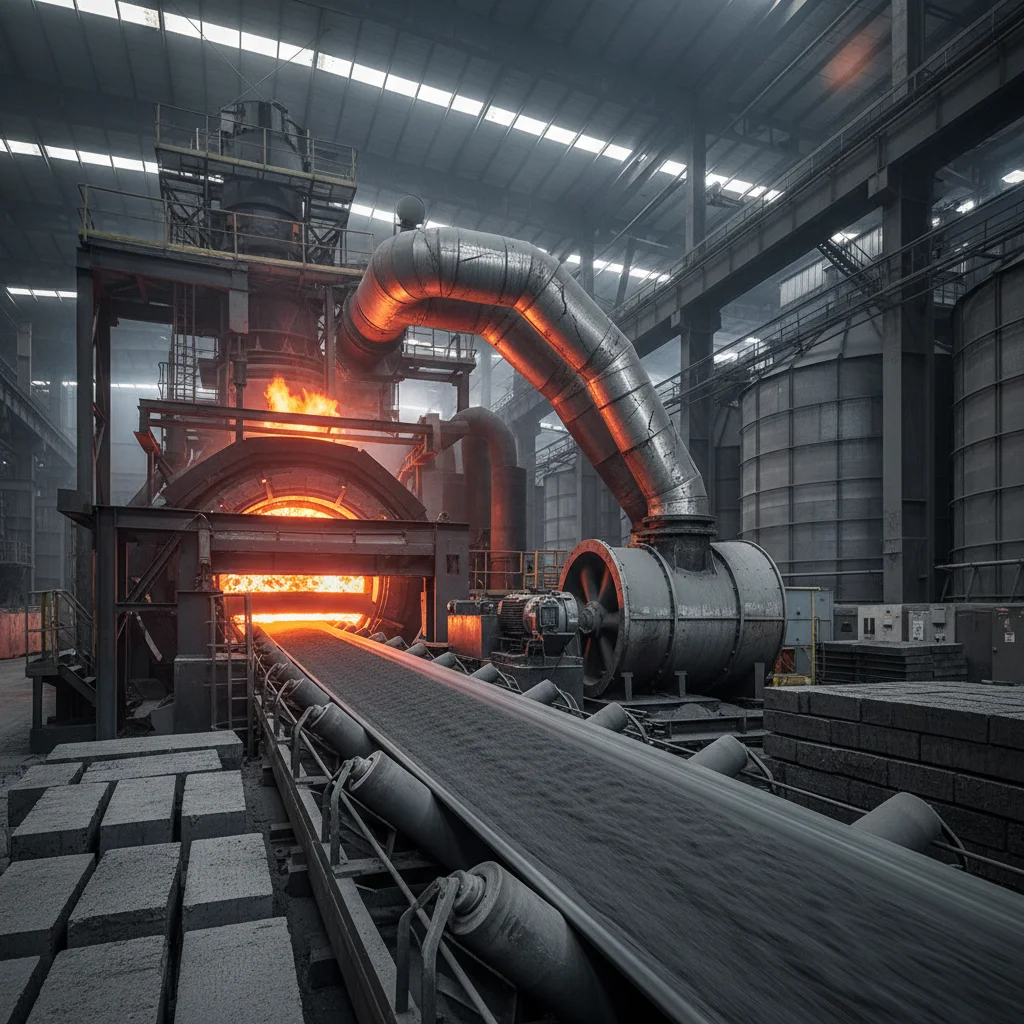
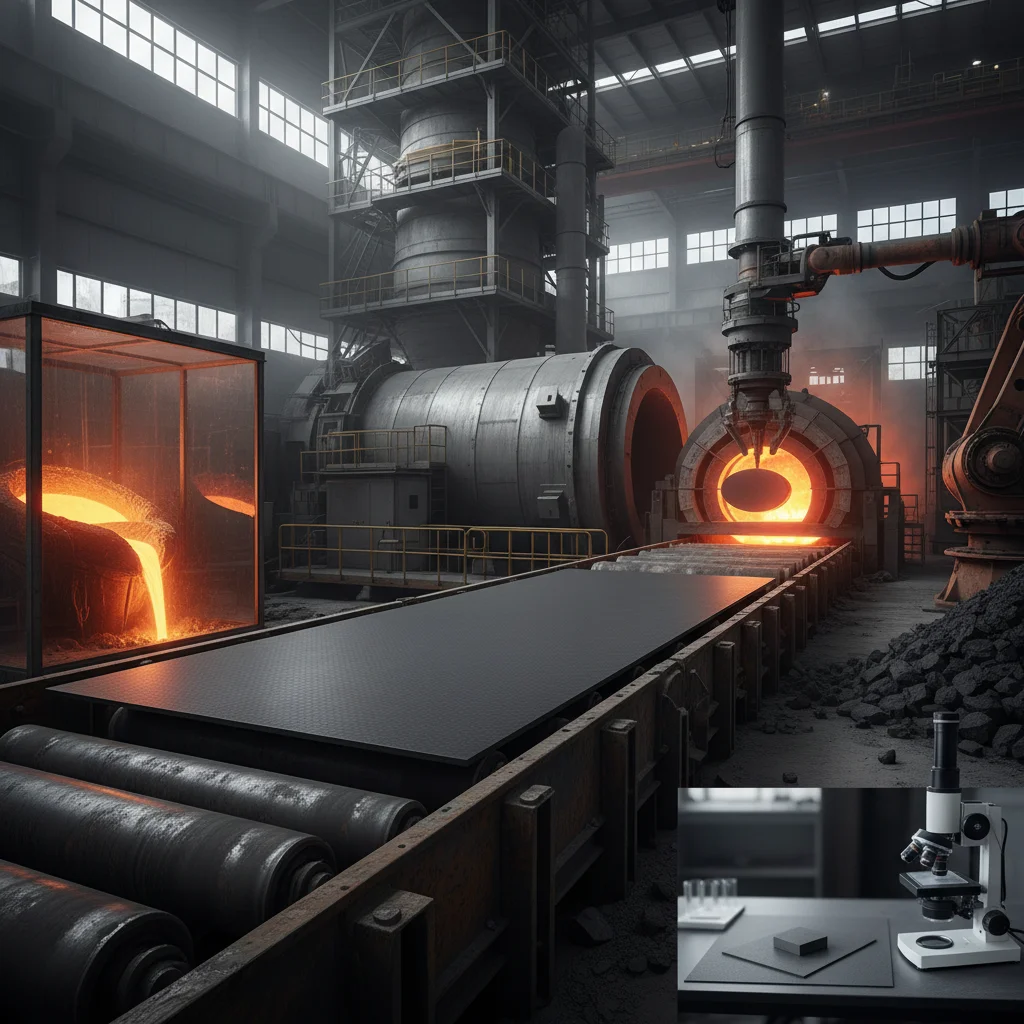
A synthetic graphite factory is a specialized industrial facility where carbon-rich materials (like petroleum coke, coal tar pitch) undergo high-temperature heat treatments (above 2500°C) to convert into graphite. Unlike mined graphite, this "artificial" product boasts uniform structure, tailored properties, and superior purity. It’s basically geology meeting engineering — you start with raw carbon, and with precise conditions, end up with a material essential for modern tech.
Industrially, these factories are the lifeblood behind batteries, electrodes, heat exchangers, and even nuclear reactors. Basically, if there’s a high-tech device needing consistent, reliable carbon materials, chances are a synthetic graphite factory is involved somewhere upstream.
Core Components and Key Factors in Synthetic Graphite Production
1. Raw Material Quality
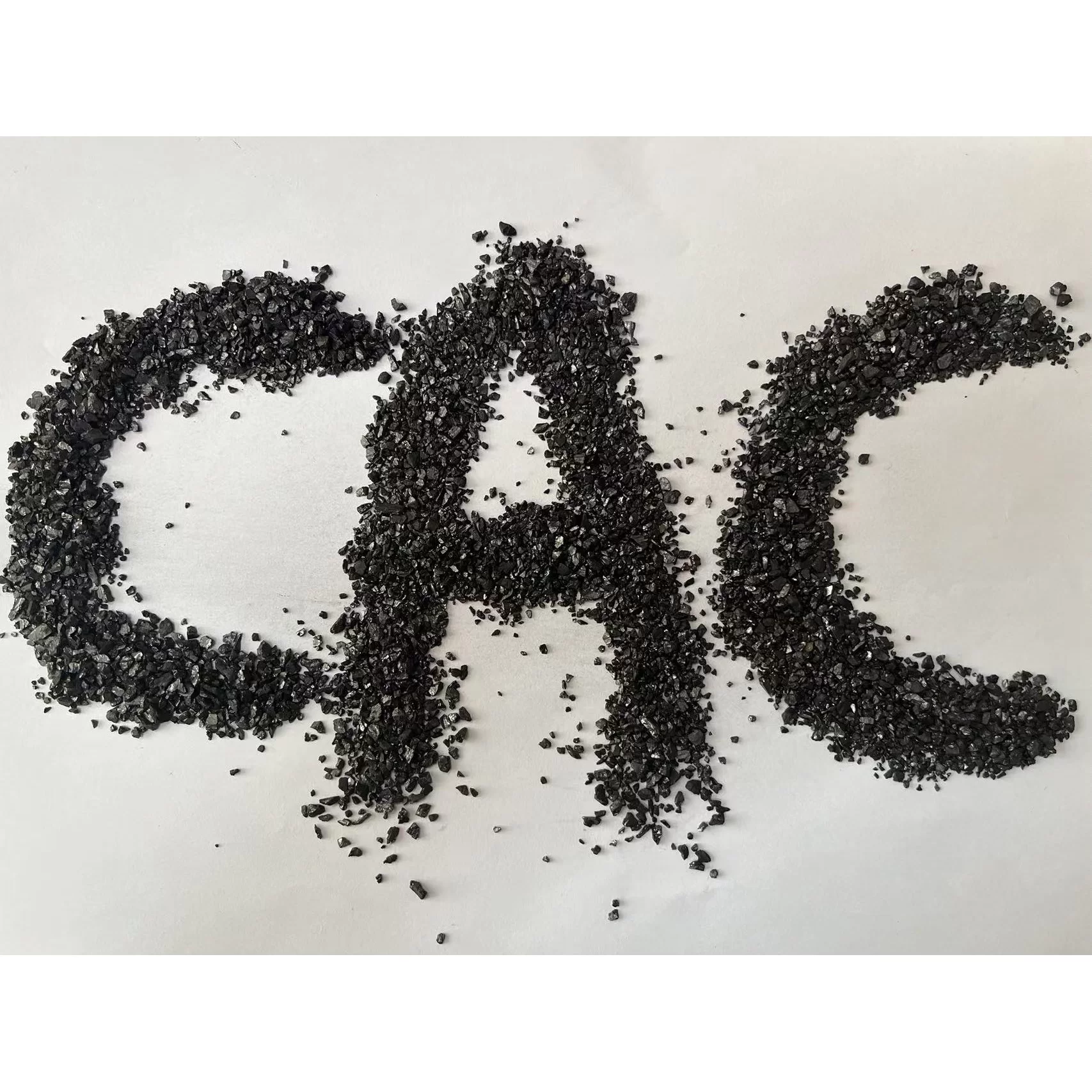
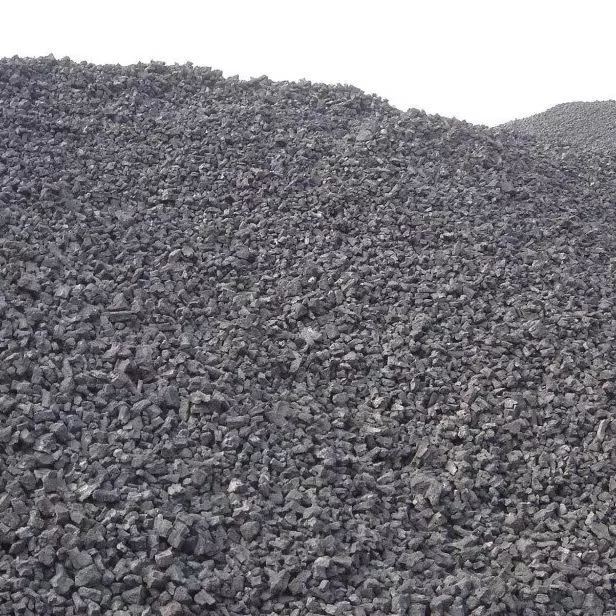
The starting point is crucial—the consistency of petroleum coke or other carbon precursors significantly affects the end-product’s properties. Suppliers’ specs vary, so selecting premium feedstock is a priority.
2. Furnace Technology
Whether using electric resistance furnaces or induction heating, controlling temperature and atmosphere is essential to achieve a uniform crystalline structure. Energy efficiency here also impacts overall costs.
3. Scalability and Production Capacity
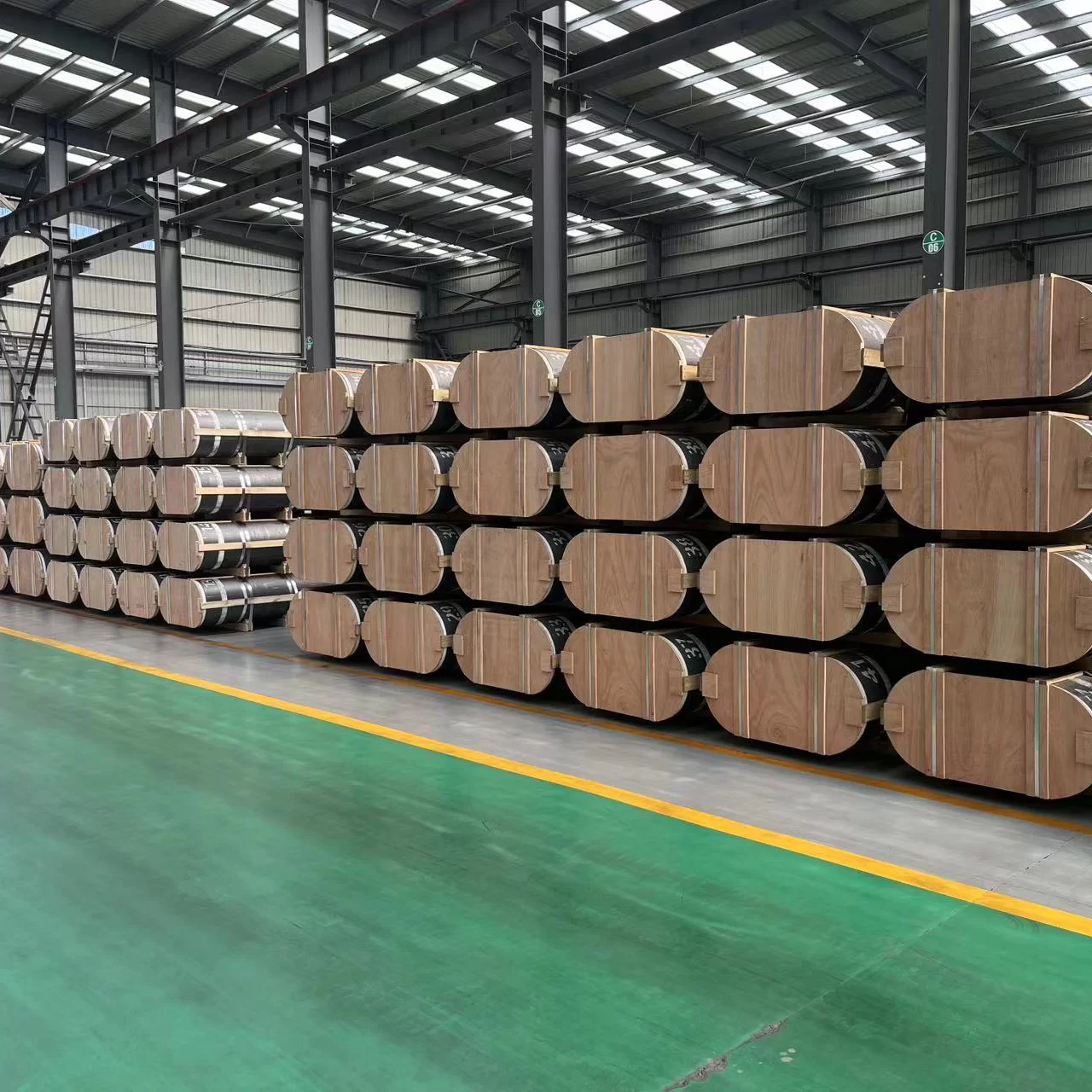
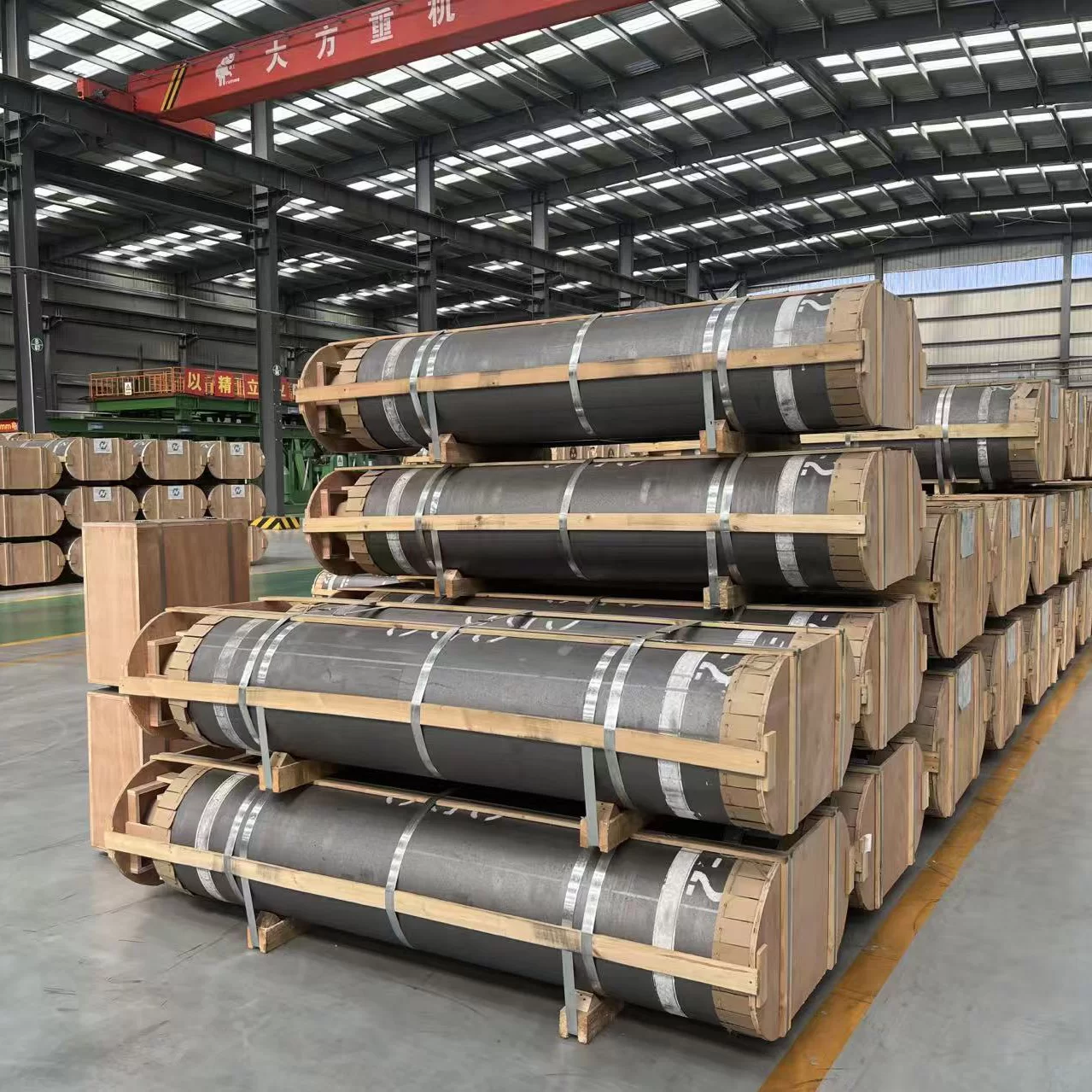
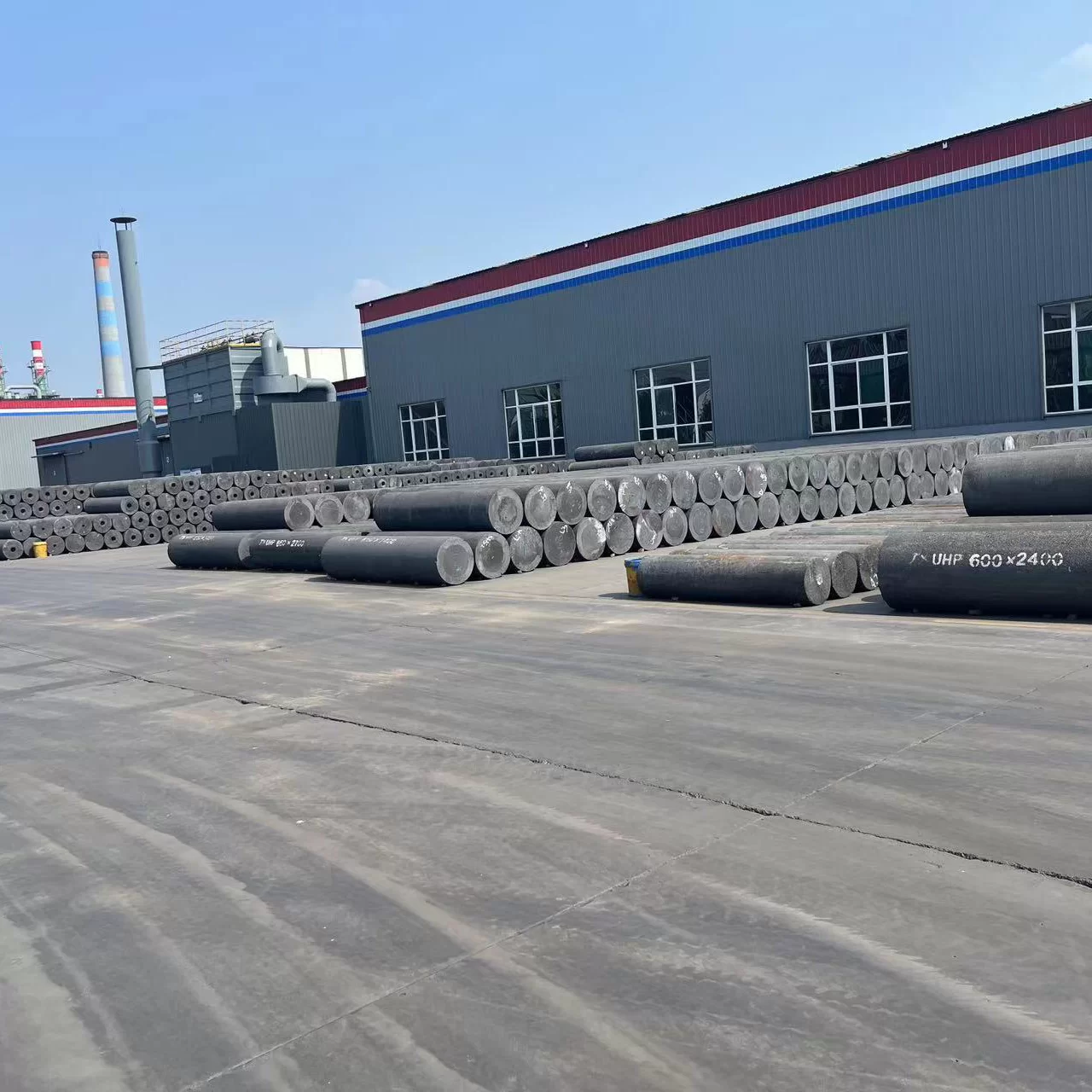
An efficient synthetic graphite factory should balance flexibility with bulk production—many industries require kilograms to tons daily. Modern plants incorporate modular designs for incremental scalability.
4. Environmental Controls
Managing emissions and waste byproducts is a big deal due to the high-temperature processing stages. Innovative filtration and recycling systems aim to mitigate environmental footprints.
5. Quality Control & Product Variation
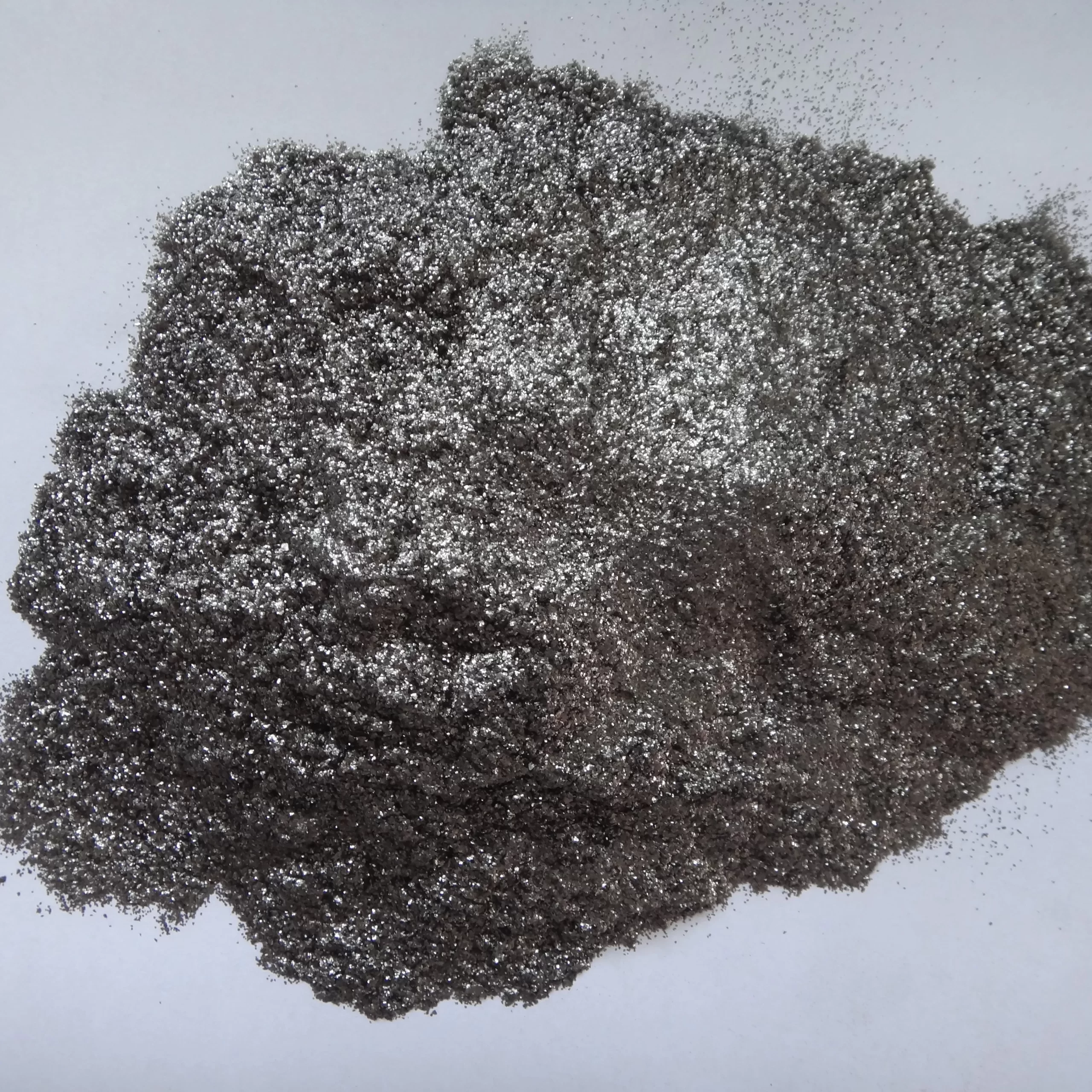
Depending on the application—say, battery anodes vs. lubricants—factories tailor crystalline properties and particle sizing. A strict QA process guarantees performance consistency across batches.
| Parameter | Typical Value | Unit |
|---|---|---|
| Purity | >99.5 | % |
| Bulk Density | 1.5 – 1.85 | g/cm³ |
| Electrical Conductivity | >1000 | S/m |
| Avg. Particle Size | 10 – 50 | μm |
| Ash Content | % |
Mini takeaway: The art and science within a synthetic graphite factory revolve around fine-tuning raw materials, heat treatment, and environmental responsibility. That delicate balance defines quality and usability downstream.
Global Applications and Use Cases
Oddly enough, you probably use synthetic graphite products daily without really knowing it. From your smartphone battery to the electrodes in steel manufacturing, where extreme heat and current flows demand reliable carbon materials. For instance, synthetic graphite factories in China, Japan, and South Korea fuel Asian tech hubs, while Europe leans on their own producers for automotive and aerospace sectors.
In post-disaster relief operations, battery-powered equipment requires dependable synthetic graphite for energy storage—highlighting its humanitarian importance too. Remote industrial zones mining rare metals need robust graphite for electrolysis and refining. It doubles as a critical component in nuclear reactors as well, given its neutron moderation abilities.
Vendor Comparison Table: Leading Synthetic Graphite Producers
| Vendor | Location | Annual Capacity (tons) | Key Markets | Notable Strengths |
|---|---|---|---|---|
| Dah Carbon | China | 50,000 | Battery, Electronics | Customization, Quality Control |
| Graphite India Ltd. | India | 30,000 | Steel, Lubricants | Large Capacity, Cost Competitive |
| Hitachi Chemical | Japan | 20,000 | High-tech, Aerospace | Precision, Innovation |
Mini takeaway: Choosing the right synthetic graphite factory partner hinges on the scale, customization needs, and the end market’s demands. It’s not one-size-fits-all, really.
Advantages and Long-Term Value
Synthetic graphite offers several clear benefits:
- Cost Predictability: Unlike natural graphite, synthetic materials come with controlled costs and reliable supply chains.
- Sustainability: Innovations reducing energy intensity and emissions are helping factories meet stricter environmental mandates.
- Performance: Purity and structural uniformity make synthetic graphite key in high-end batteries and industrial uses.
- Social Impact: Regional synthetic graphite factories spawn employment and technical upskilling in developing economies.
Emotionally, these factories instill a sense of trust and safety in technology consumers by ensuring device longevity and energy reliability. Frankly, it’s reassuring knowing these invisible heroes help keep our modern world ticking.
Future Trends and Innovations
Looking ahead, synthetic graphite factories are exploring automation, AI-driven process controls, and greener carbon sources. There’s buzz around recycling spent battery anodes to reclaim graphite and reduce raw feedstock needs. Digital twins modeling heat treatment could enhance uniformity and throughput. Plus, the rise of green energy policies is pushing factories to lower carbon footprints—solar-powered furnace systems aren’t science fiction anymore.
Challenges and Solutions
Running a synthetic graphite factory is no cakewalk. High energy consumption and costly equipment add upfront costs. Waste management is tricky with residual pitch and gases. Scaling production without sacrificing quality requires smart process engineering.
Experts recommend integrating renewable energy sources and process heat recovery to boost sustainability and cut expenses. Modular factory designs offer flexibility, addressing fluctuating market demands. International standards (like ISO 9001 and 14001) guide quality and environmental management, keeping factories competitive globally.
FAQ: Synthetic Graphite Factory Essentials
- What makes synthetic graphite different from natural graphite?
- Synthetic graphite is man-made through controlled high-temperature treatment of carbon precursors, resulting in higher purity, uniformity, and tailored features. Natural graphite is mined and often requires purification and grading.
- How energy-intensive is synthetic graphite production?
- The process does require significant high-temperature furnace operation, consuming substantial electricity. However, ongoing innovations aim to improve energy efficiency and incorporate renewable power sources.
- Can synthetic graphite factories customize products?
- Yes, factories often tailor particle size, purity, and crystalline structure to meet specific industry needs, from battery anodes to lubricants.
- Where are most synthetic graphite factories located?
- Asia dominates production, especially China, Japan, and South Korea, but India, Europe, and North America also have notable plants serving domestic and export markets.
- How does synthetic graphite impact battery technology?
- Synthetic graphite’s purity and consistent structure improve battery anode performance, extending lifespan, increasing energy density, and enhancing reliability in electric vehicles and consumer electronics.
Conclusion: Embracing the Synthetic Graphite Revolution
To wrap up, the role of a synthetic graphite factory in the current industrial fabric is hard to overstate. These facilities not only ensure the supply of critical carbon materials but also drive innovations in sustainability and quality control. The future holds exciting possibilities with greener production and smarter factories. If you want to dive deeper into this dynamic sector, I suggest visiting https://www.dahcarbon.com — a leading synthetic graphite factory ready to power tomorrow’s technologies.
Short reflection: Working in related industries, I often notice how synthetic graphite’s quiet presence underpins much of today’s tech breakthroughs. It’s sort of the unsung hero you rarely see, but can’t do without.