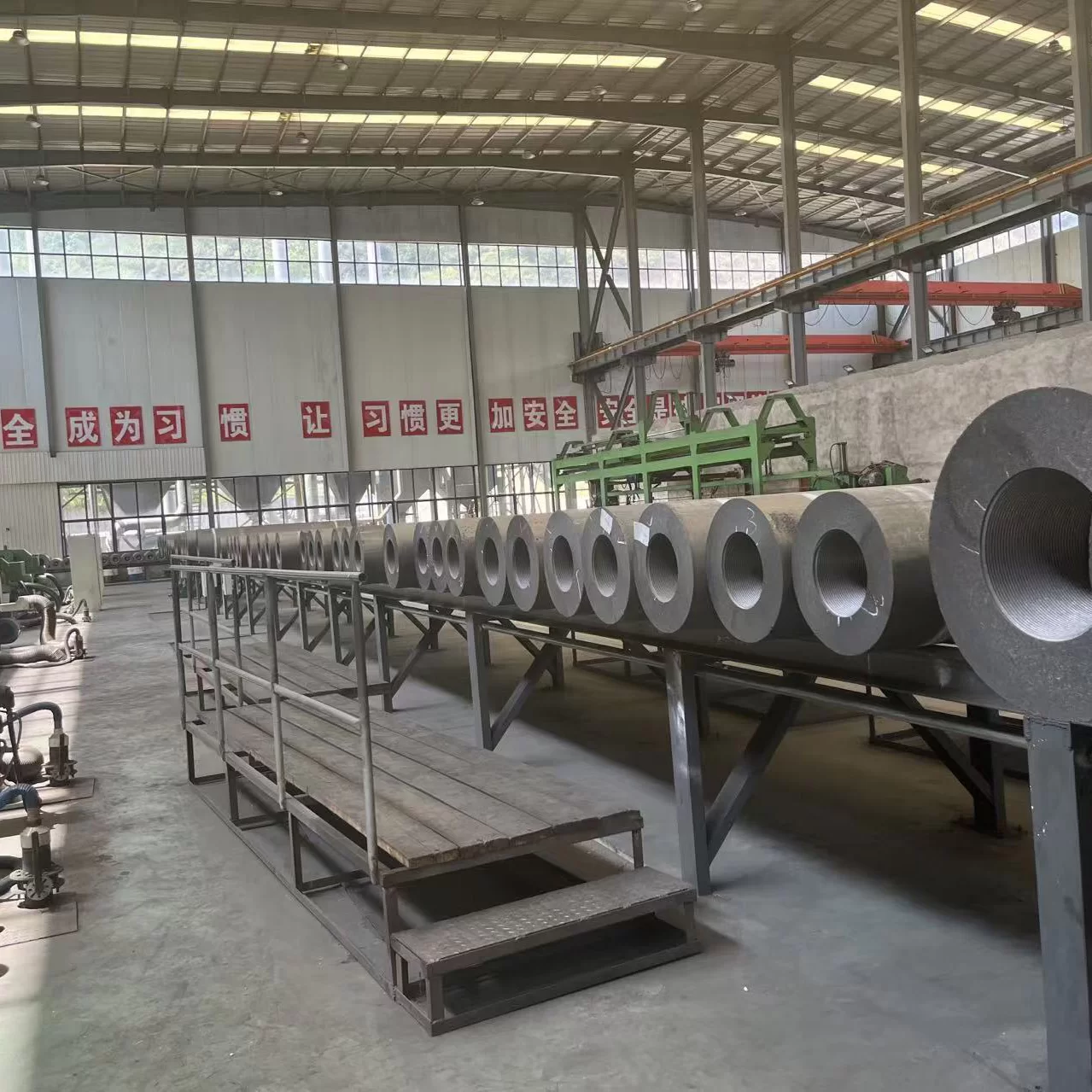
Synthetic Graphite Production: Unlocking Industrial Innovation
If you’ve ever wondered what really powers the modern energy and technological sectors, synthetic graphite production is a quiet but crucial player. Synthetic graphite, unlike its natural counterpart mined from the earth, is engineered under controlled conditions to meet strict quality and performance standards. This controlled creation makes it indispensable across a variety of industries — from lithium-ion batteries to high-temperature lubricants. Understanding how synthetic graphite is made gives insight into the backbone of electrification, green energy, and even space technologies worldwide.
Global Context: Why Synthetic Graphite Production Matters
Globally, the demand for synthetic graphite is surging. According to the International Energy Agency, the green energy transition is expected to multiply lithium-ion battery demand sixfold by 2030 — and graphite is a major raw material for those batteries. The UN’s Sustainable Development Goals indirectly hinge on such materials that enable clean energy storage and electric mobility.
Yet, a key challenge remains: natural graphite sources are geographically limited and inconsistent in purity. Synthetic graphite production offers scalability and quality control to bridge this gap, providing a more reliable and sustainable supply chain. Without it, the renewable energy revolution and advanced electronics industries would face significant bottlenecks.
What Is Synthetic Graphite Production?
Simply put, synthetic graphite production is the manufacturing of graphite material through high-temperature heat treatment of carbon-rich precursors such as petroleum coke and coal tar pitch. Unlike mined graphite, synthetic graphite is engineered to have uniform characteristics such as particle size, purity, and crystalline structure. These precise qualities make it ideal for uses where performance reliability is critical.
In practical terms, synthetic graphite’s role spans from battery anodes, to refractories in steelmaking plants, and even in aerospace components — all industries where carefully controlled material properties mean the difference between success and failure.
Core Components of Synthetic Graphite Production
1. Raw Materials and Precursors
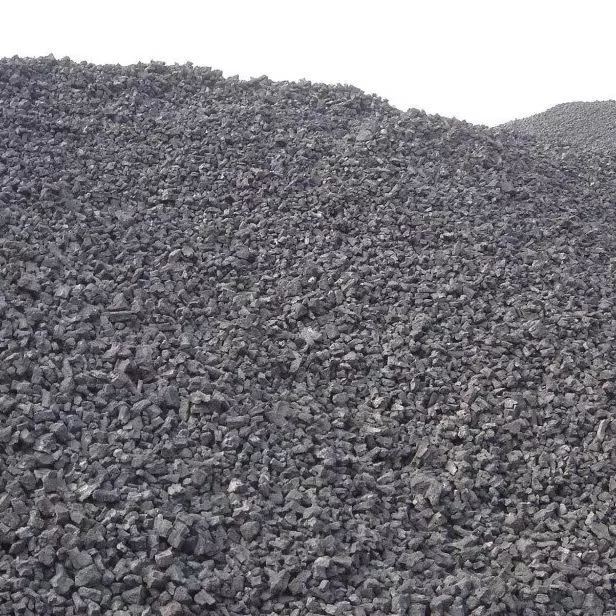
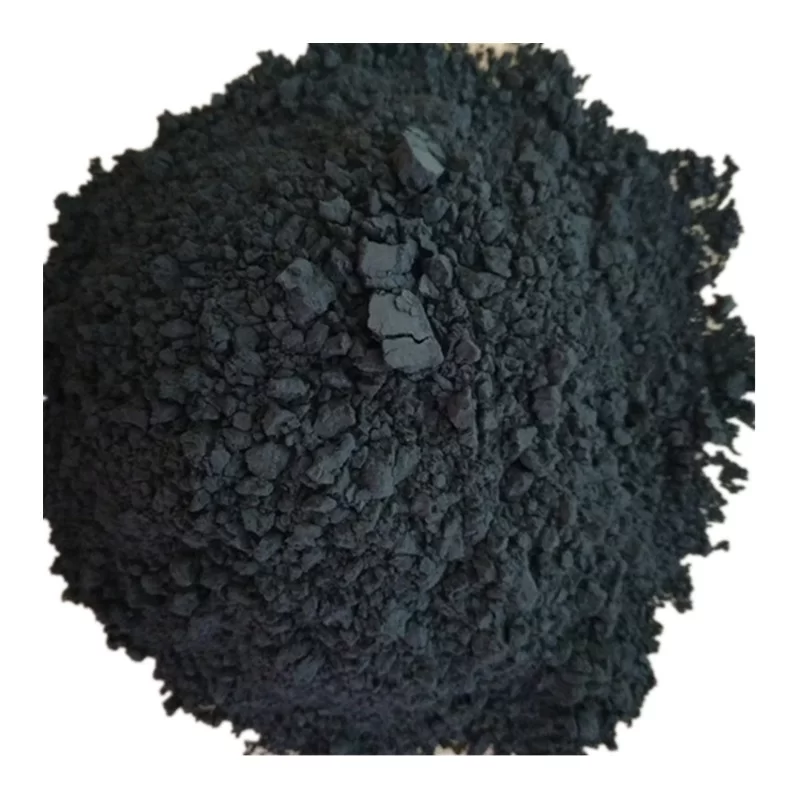
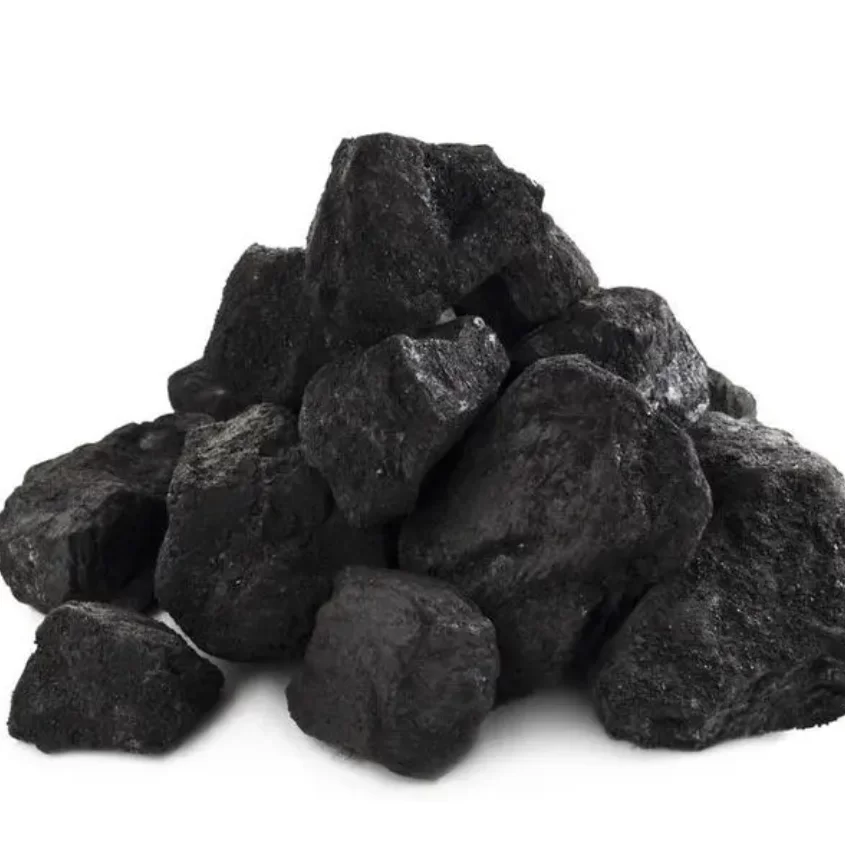
The process starts with choosing carbon-rich raw inputs — typically petroleum coke or coal tar pitch. Their quality influences the purity and performance of the final graphite.
2. Calcination and Carbonization
The raw material is heated to remove volatile compounds. This step ensures structural integrity and prepares the material for graphitization.
3. Graphitization
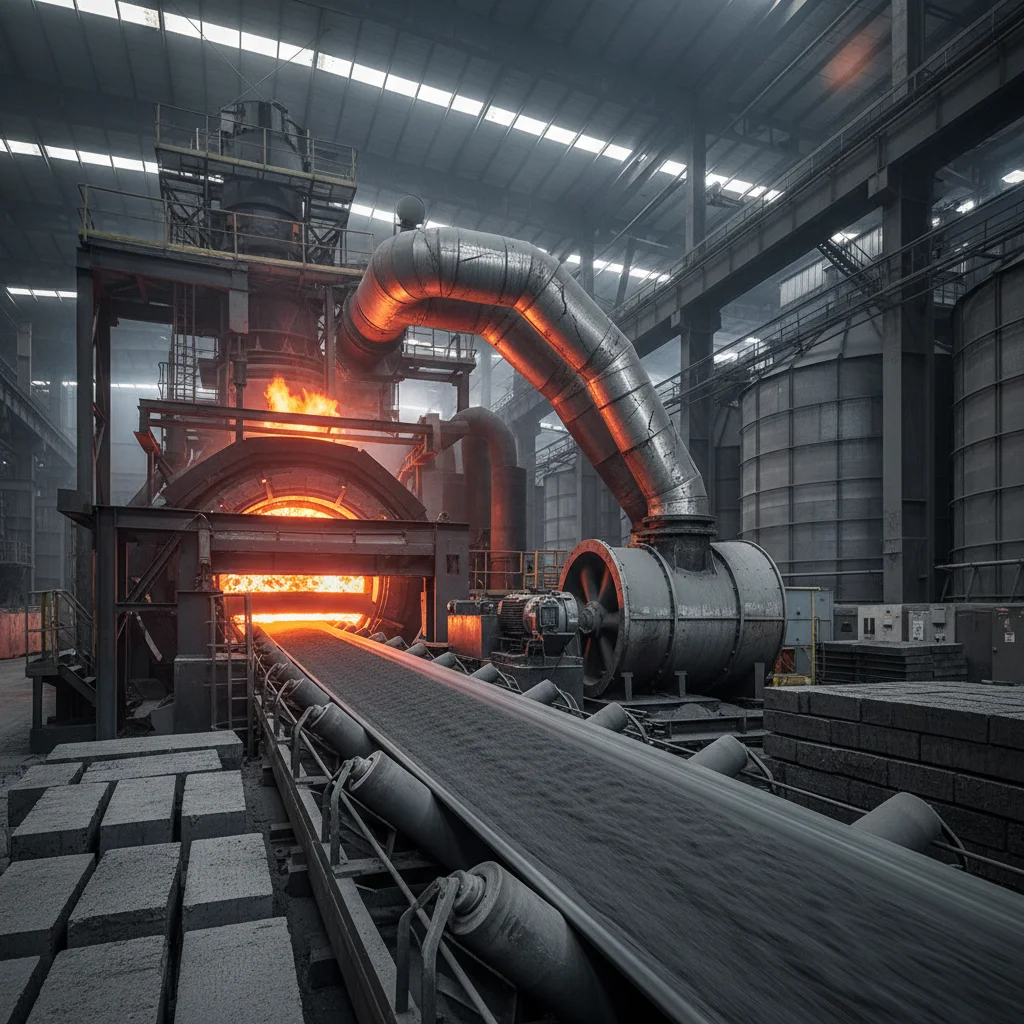
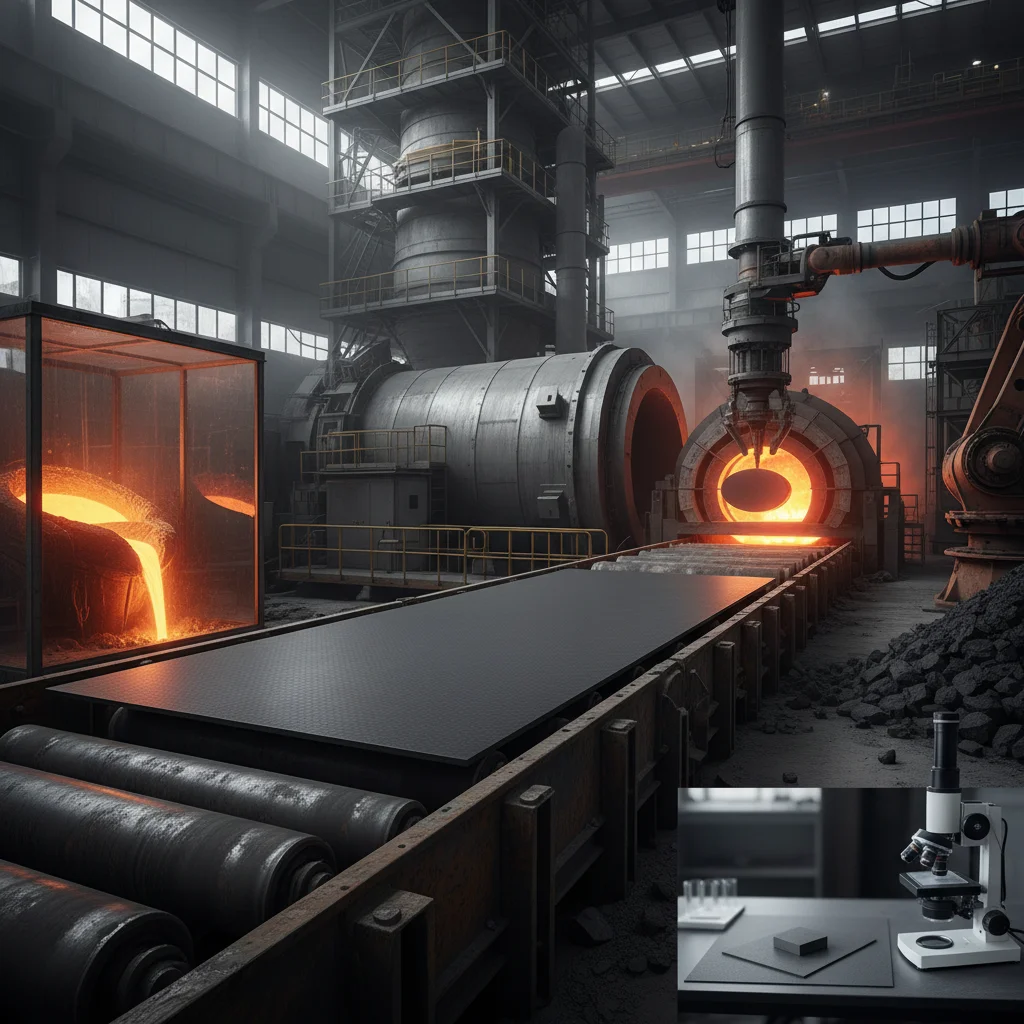
The carbonized material is then subjected to extremely high temperatures (up to 3000°C) in an inert atmosphere, converting it into crystalline graphite with excellent electrical conductivity and thermal stability.
4. Finishing and Shaping
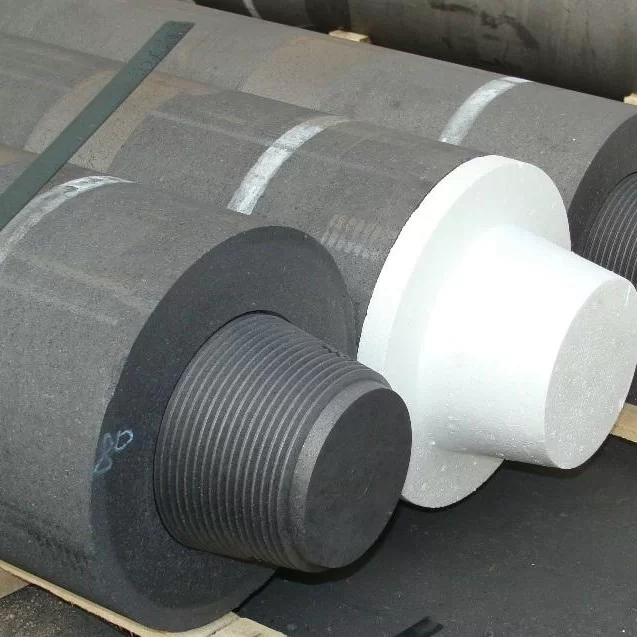
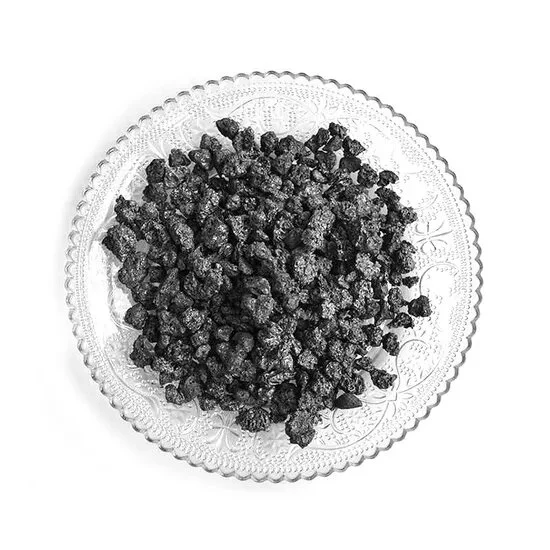
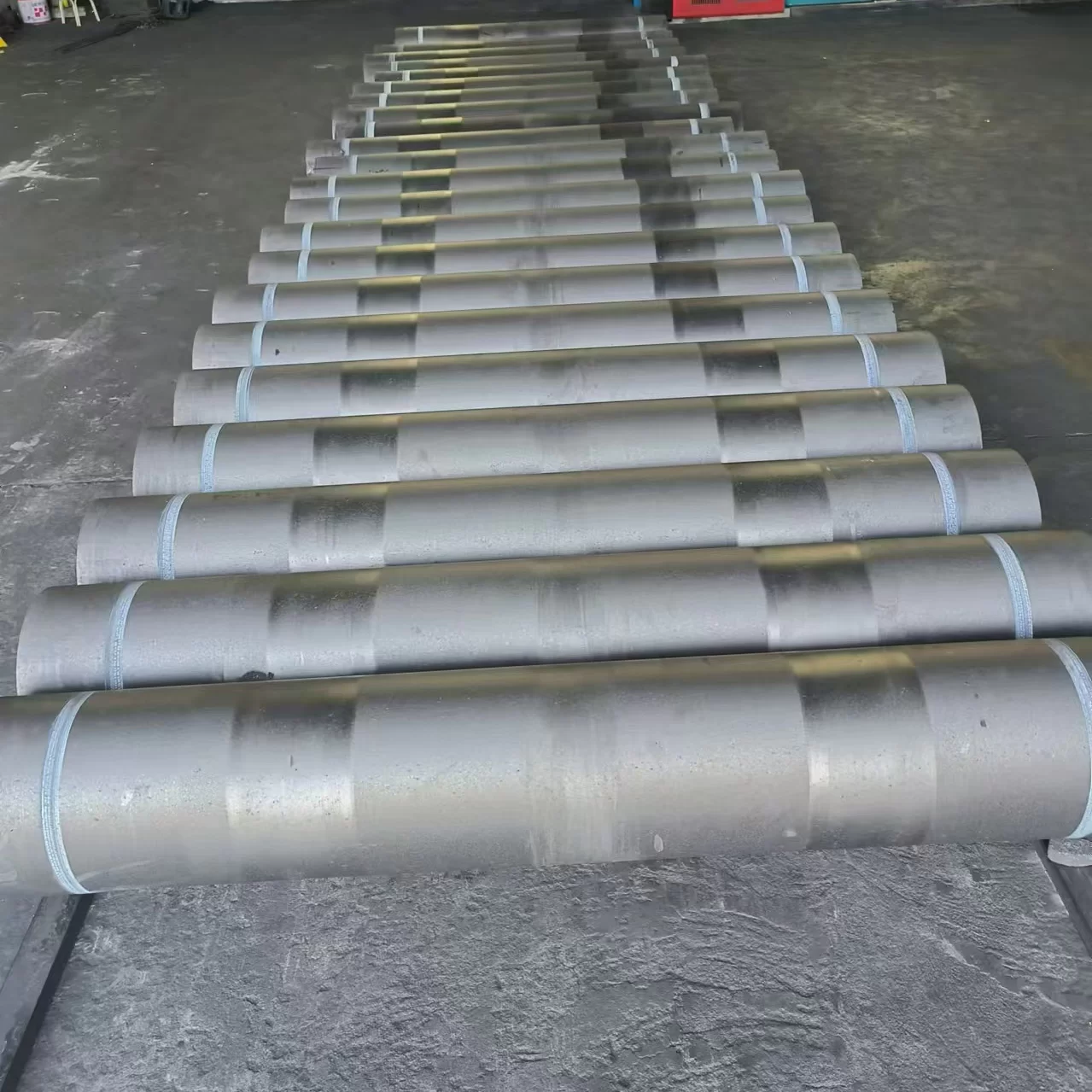
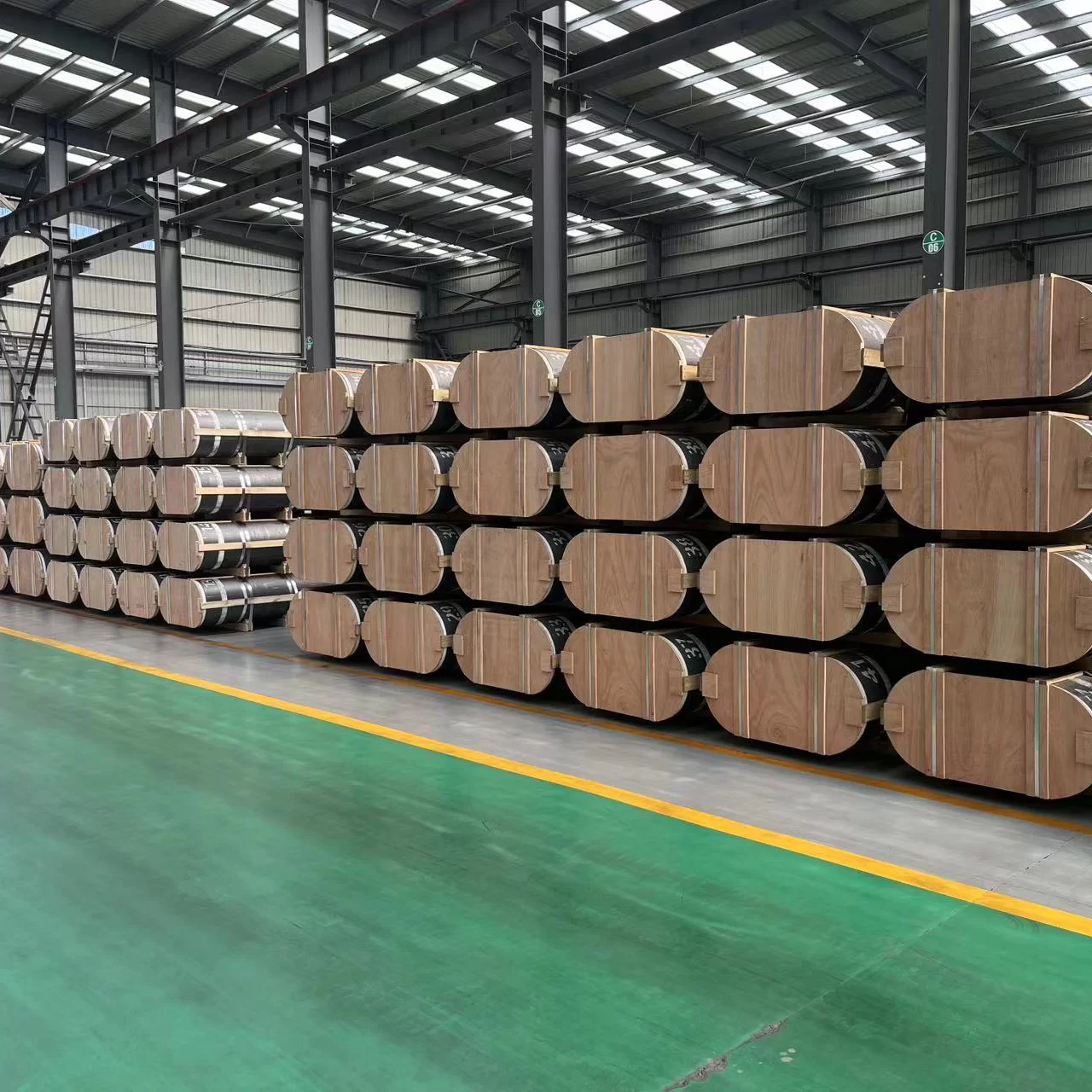
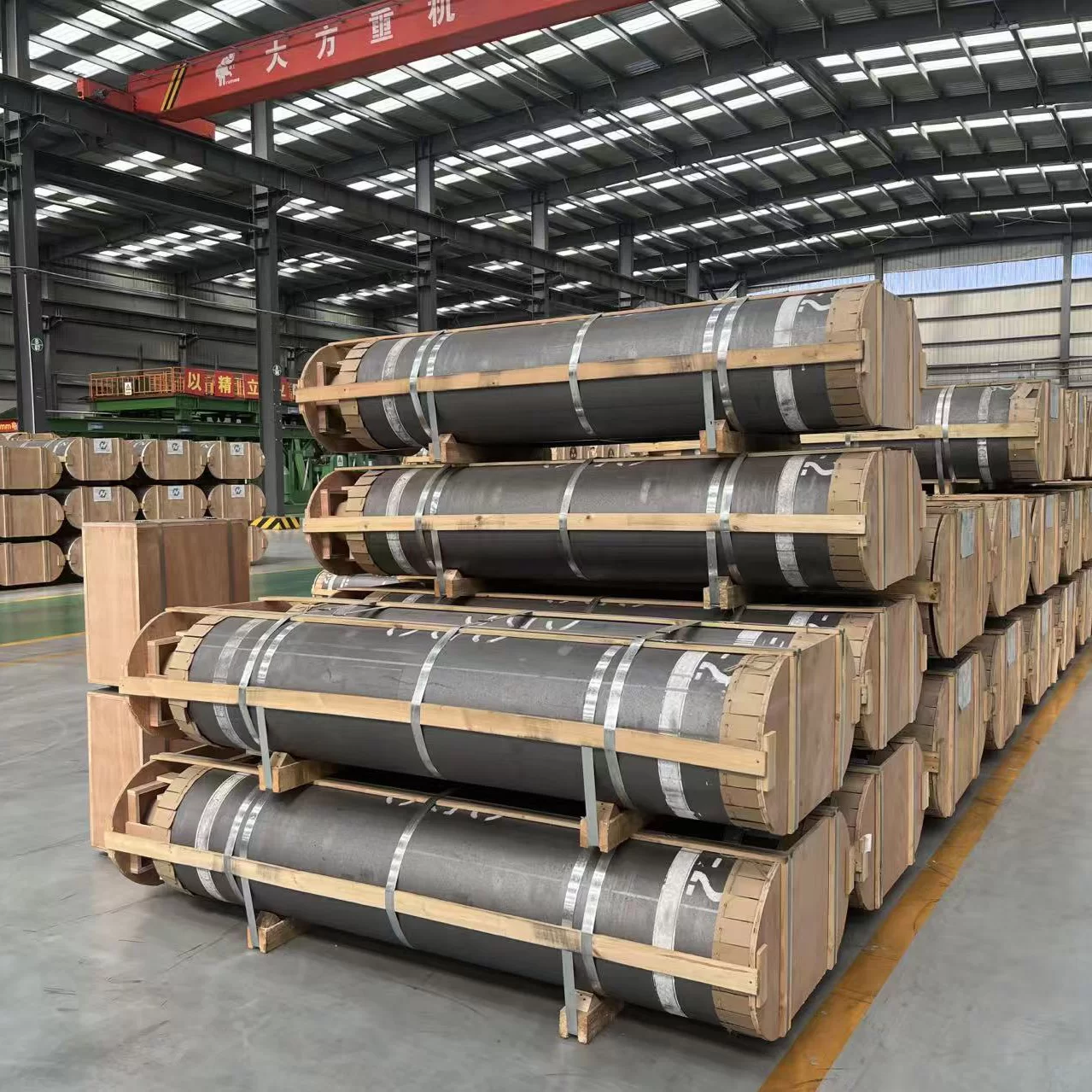
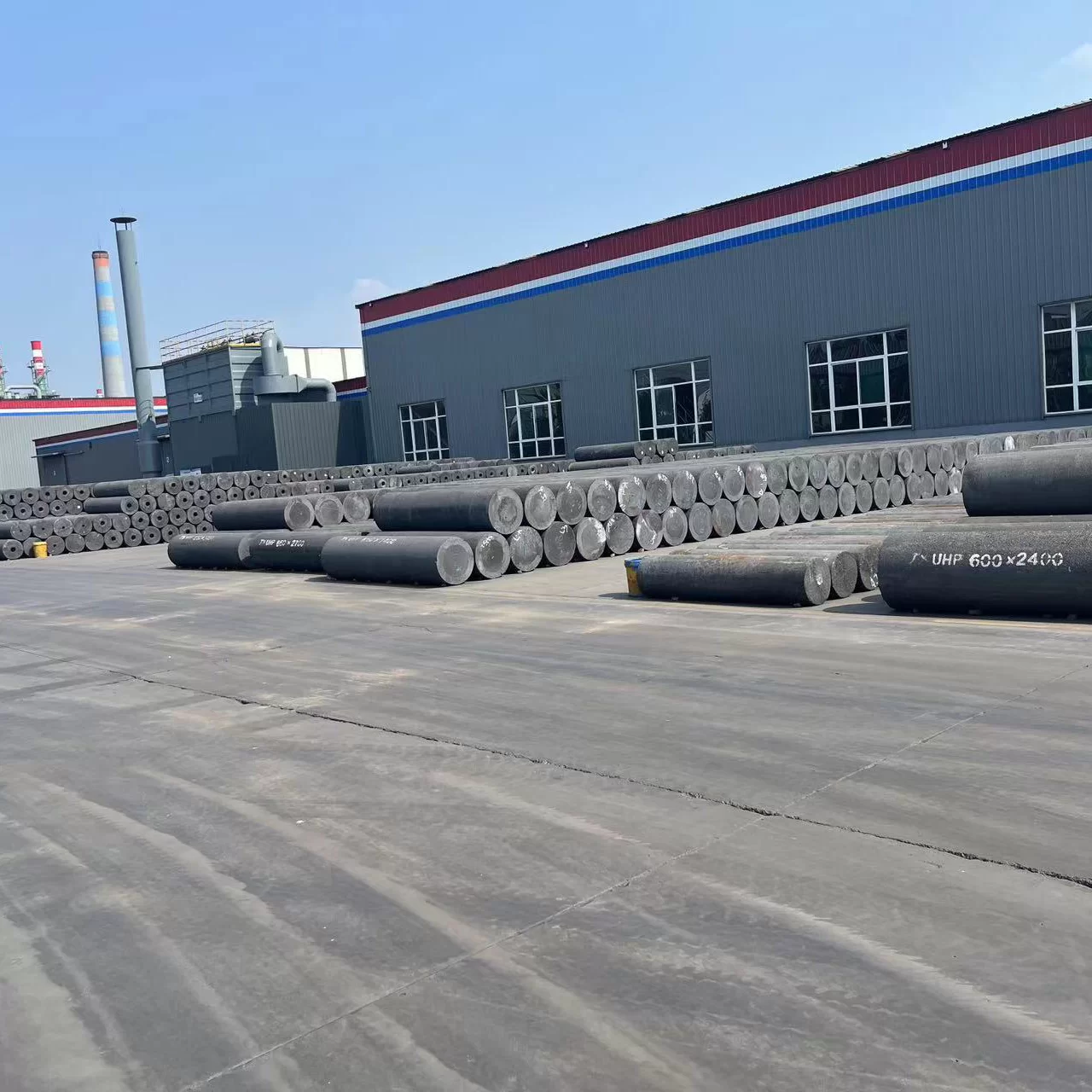
Lastly, the synthetic graphite is processed into powders, blocks, or electrodes, with particle sizes tailored for specific applications like battery anodes or industrial components.
Typical Synthetic Graphite Product Specifications
| Specification | Typical Values | Units |
|---|---|---|
| Purity (C content) | >99.9 | % |
| Bulk Density | 1.35 – 1.6 | g/cm³ |
| Particle Size | 5 – 50 | microns |
| Electrical Conductivity | 800 – 1200 | S/cm |
| Ash Content | % |
Global Applications and Use Cases for Synthetic Graphite
The spectrum of synthetic graphite’s applications is broad and evolving:
- Battery Industry: Especially in Asia and North America, synthetic graphite is a dominant anode material in lithium-ion battery cells powering electric vehicles and consumer electronics.
- Steel and Metallurgy: Used in refractory linings and electrodes, synthetic graphite supports high-temperature industrial processes worldwide.
- Electronics and Aerospace: High-purity graphite components are vital in heat sinks and as lubricants in satellites and aircraft.
- Energy Storage and Renewables: In remote regions, synthetic graphite-based batteries aid sustainable microgrids, such as in parts of Africa and Australia.
Oddly enough, some humanitarian organizations utilize synthetic graphite-enhanced batteries for off-grid power in disaster relief zones — illustrating its social value beyond strict industry confines.
Comparing Key Synthetic Graphite Vendors
| Vendor | Purity (%) | Particle Size (microns) | Typical Applications | Geographical Reach |
|---|---|---|---|---|
| Dah Carbon | >99.9 | 5–50 | Battery anodes, lubricants, refractories | Global |
| GrafTech Int’l | >99.7 | 10–40 | Electrodes, heat sinks | North America, EMEA |
| SGL Carbon | >99.5 | 15–60 | Aerospace, automotive | Europe, Asia |
Advantages and Long-Term Value of Synthetic Graphite
It’s not just about technical specs. Synthetic graphite delivers consistent quality which translates to:
- Cost Predictability: Avoids mining uncertainties.
- Sustainability: Manufacturers can optimize the energy input and source precursors responsibly over time.
- Reliability: Meets strict industry standards ensuring safety and longevity of products.
- Social Impact: Enables technologies that support green energy, reducing reliance on fossil fuels — a definite emotional win in our climate-conscious age.
One engineer recently told me, “If the graphite isn’t right, the entire battery cell is compromised.” Reliability breeds trust, which is critical when scaling emerging industries.
Future Trends in Synthetic Graphite Production
The next decade is poised for interesting advances:
- Green Synthesis: Efforts to use renewable energy in graphitization ovens aim to lower carbon footprints drastically.
- Nano-Graphite & Composite Materials: Tailoring particle sizes and shapes to boost battery capacities and thermal management.
- Automation & AI Control: Smart factories precisely monitor every production phase, reducing waste and enhancing quality.
- Legislation: Governments worldwide push for cleaner materials and transparency in sourcing, impacting production supply chains.
Challenges and Solutions in Synthetic Graphite Production
Even with advances, producers face hurdles:
- High Energy Consumption: Graphitization is energy-intensive but can be mitigated with newer high-efficiency furnaces and renewable power sources.
- Raw Material Availability: Precursor costs and feedstock quality fluctuate, pushing producers towards diversification and recycling.
- Cost Sensitivity: End-users want high performance at low prices, urging innovation in cost-efficient production steps.
Solution-wise, collaborative industry consortia and R&D investments are vital. Dah Carbon, for example, focuses extensively on raw material innovation and integrated quality controls that address common bottlenecks.
FAQ: Synthetic Graphite Production
Q1: How does synthetic graphite compare to natural graphite in performance?A: Synthetic graphite typically offers higher purity and controlled particle size, which leads to better electrical conductivity and consistency, making it preferable for high-demand applications like batteries and aerospace components.
Q2: What industries rely most heavily on synthetic graphite?
A: Lithium-ion battery manufacturing, steelmaking (refractories and electrodes), electronics, and aerospace sectors are the primary consumers of synthetic graphite.
Q3: Is synthetic graphite production environmentally friendly?
A: While traditionally energy-intensive, the industry is trending toward greener approaches through renewable energy use and more efficient processes that reduce environmental impact.
Q4: Can synthetic graphite be customized for specific applications?
A: Yes, manufacturers can tailor particle size distribution, purity, and physical form (powders, blocks, electrodes) to meet specific customer needs.
Q5: How does price fluctuating raw materials affect synthetic graphite supply?
A: Variability in precursor costs impacts final graphite prices. Producers often seek multi-source raw material strategies or recycling to stabilize supply chains.
Conclusion
In real terms, synthetic graphite production is a quiet cornerstone enabling innovations from battery tech to aerospace and beyond. Its tailored characteristics and supply security will only grow more vital as economies pivot towards cleaner and smarter technologies. Frankly, knowing a bit about this production helps understand much bigger trends shaping our industries and societies.
For those wanting to explore quality synthetic graphite solutions, consider visiting Dah Carbon's website for detailed product and service information.
In short: synthetic graphite production is the unsung hero powering tomorrow’s technologies today.