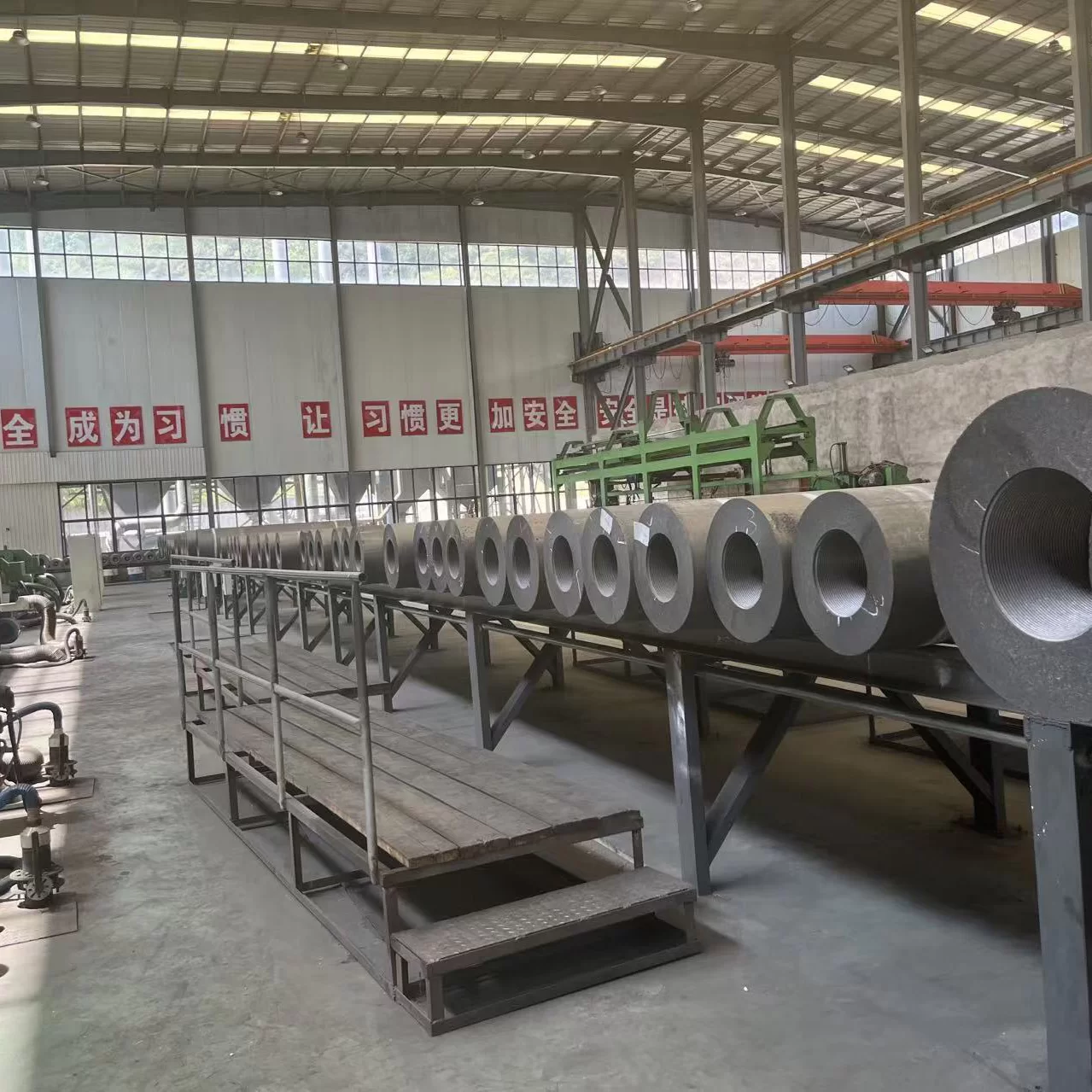
Understanding the Artificial Graphite Manufacturing Process and Its Global Impact
Artificial graphite might not be the sort of material that pops up often in everyday conversation, but its manufacturing process underpins some of the most important industries worldwide today. From electric vehicles to high-tech batteries and even nuclear reactors, this synthetic carbon form is critical. Grasping the artificial graphite manufacturing process isn't just a niche technical curiosity—it's a gateway to understanding a global shift toward sustainable, high-performance materials that keep our modern world turning.
Why Does It Matter?
The global demand for artificial graphite is booming. According to the International Energy Agency, the electric vehicle market alone exponentially increases graphite consumption due to its use in lithium-ion batteries. This surge connects to broader trends tracked by organizations like ISO and the UN, highlighting industrial sustainability and energy transition goals. However, this rise also introduces challenges like sourcing raw materials ethically and scaling production without compromising quality or environmental standards.
Mini takeaway: The artificial graphite manufacturing process is a foundational piece of the puzzle for clean energy transitions and advanced manufacturing on the world stage.
What Is the Artificial Graphite Manufacturing Process?
Simply put, artificial graphite is engineered carbon created through a series of controlled thermal and chemical treatments that convert carbon-rich precursors into highly ordered graphene layers. Unlike natural graphite mined from earth, this process allows for tailored properties and purer material — essential for cutting-edge applications.
It's closely tied to modern industry because it enables the production of materials with superior durability, conductivity, and heat resistance - all qualities vital for sectors ranging from aerospace to renewable energy.
Key Factors in the Artificial Graphite Manufacturing Process
1. Raw Material Selection
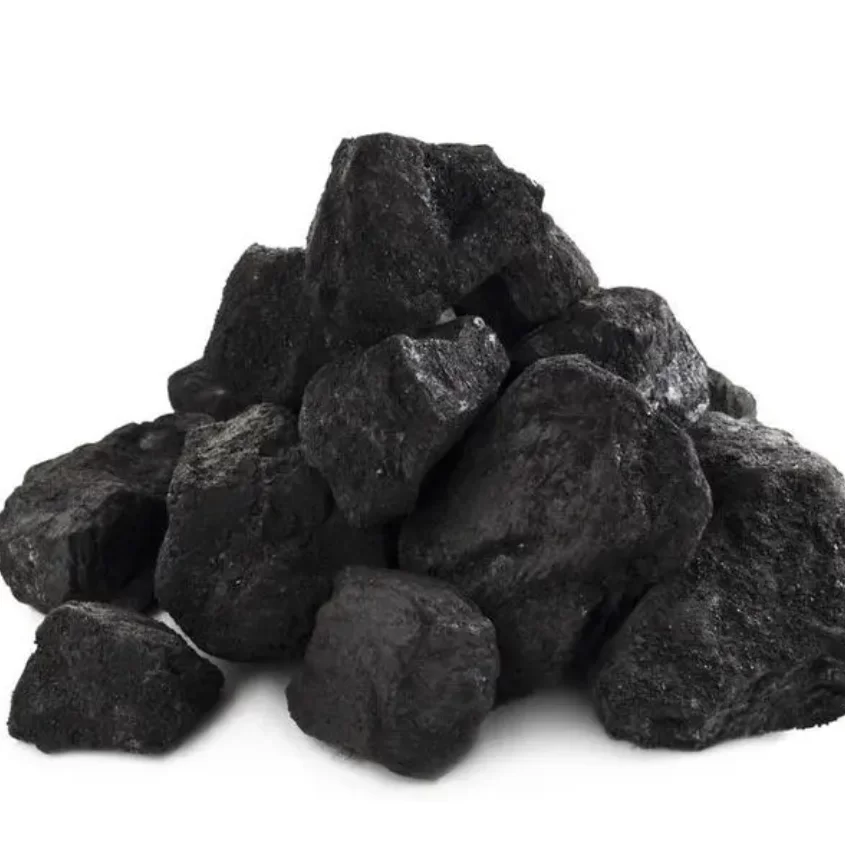
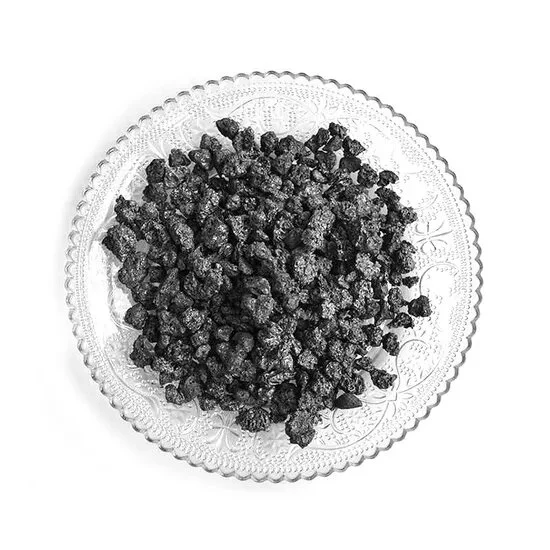
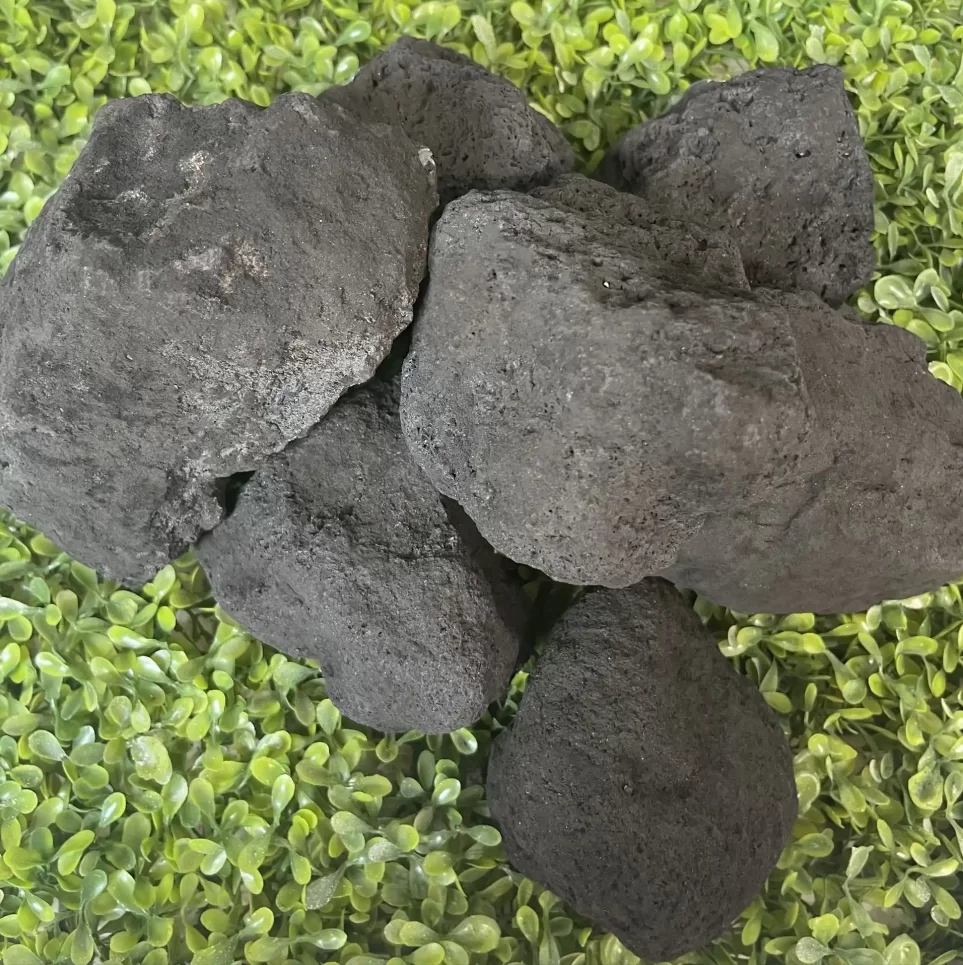
The journey begins with suitable carbon precursors like petroleum coke or needle coke. The choice affects purity and particle size, influencing the final graphite's performance.
2. Mixing and Shaping
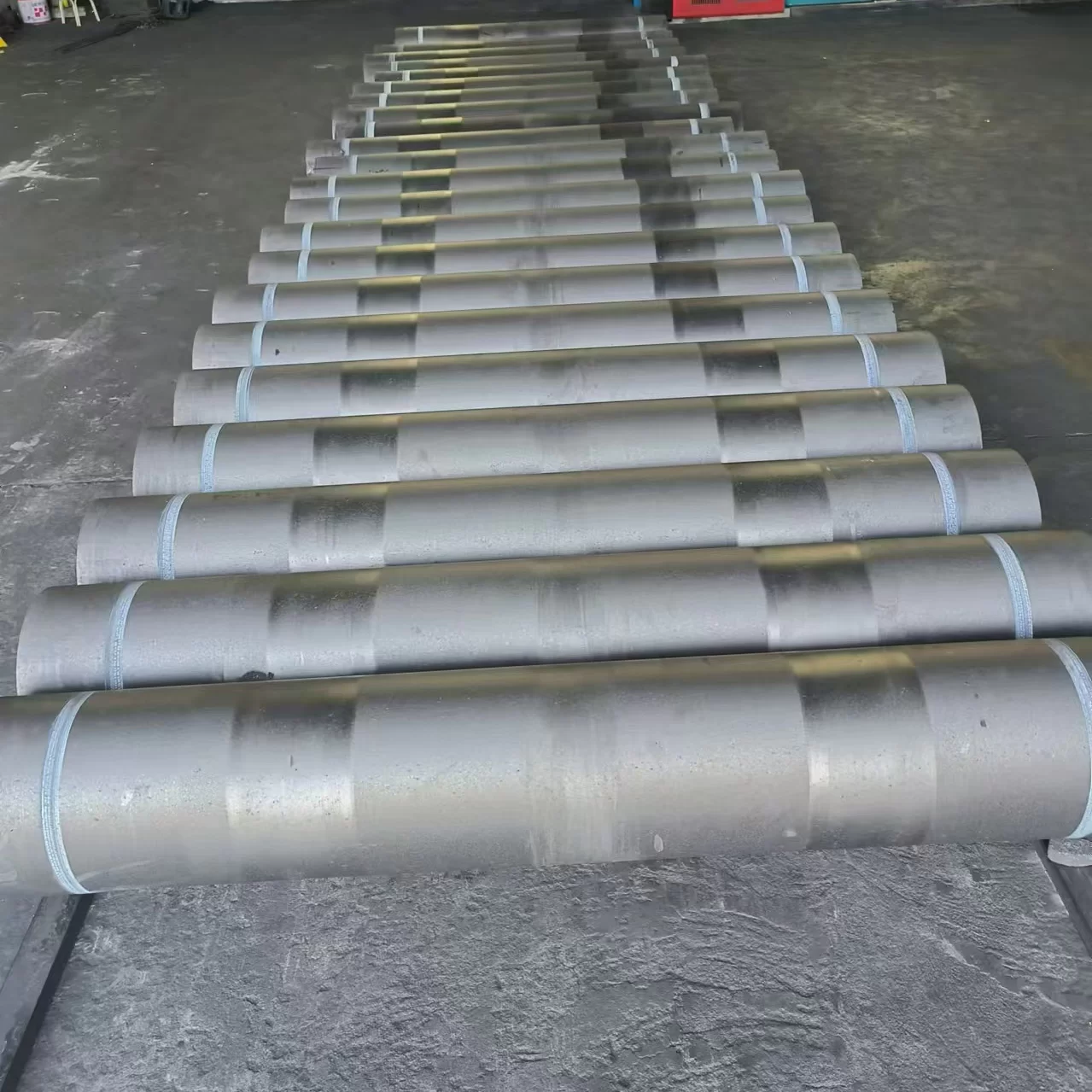
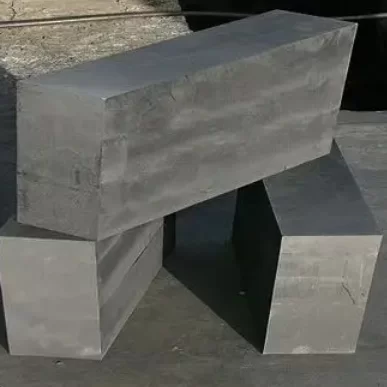
These raw materials are blended with binders, often pitch, then formed into shapes—rods, blocks, or specialized geometries—depending on the intended application.
3. Carbonization
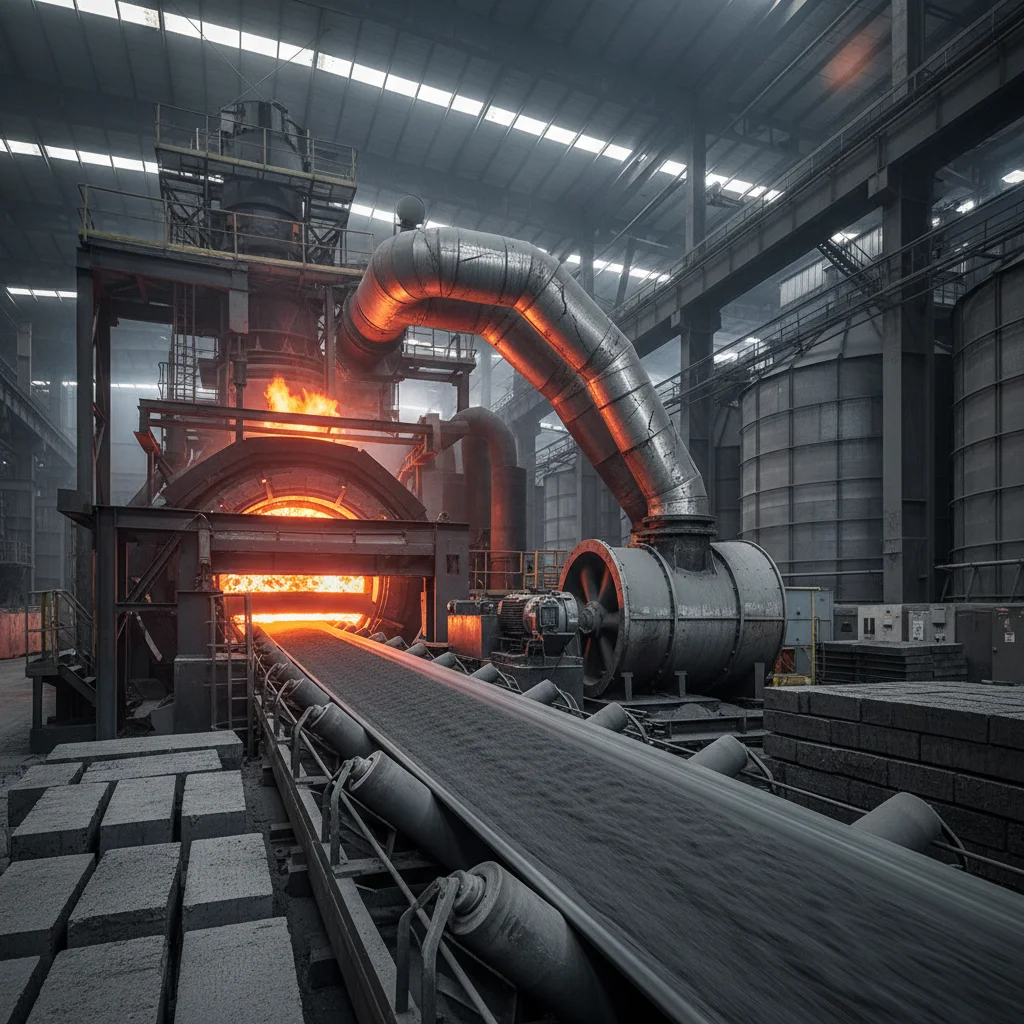
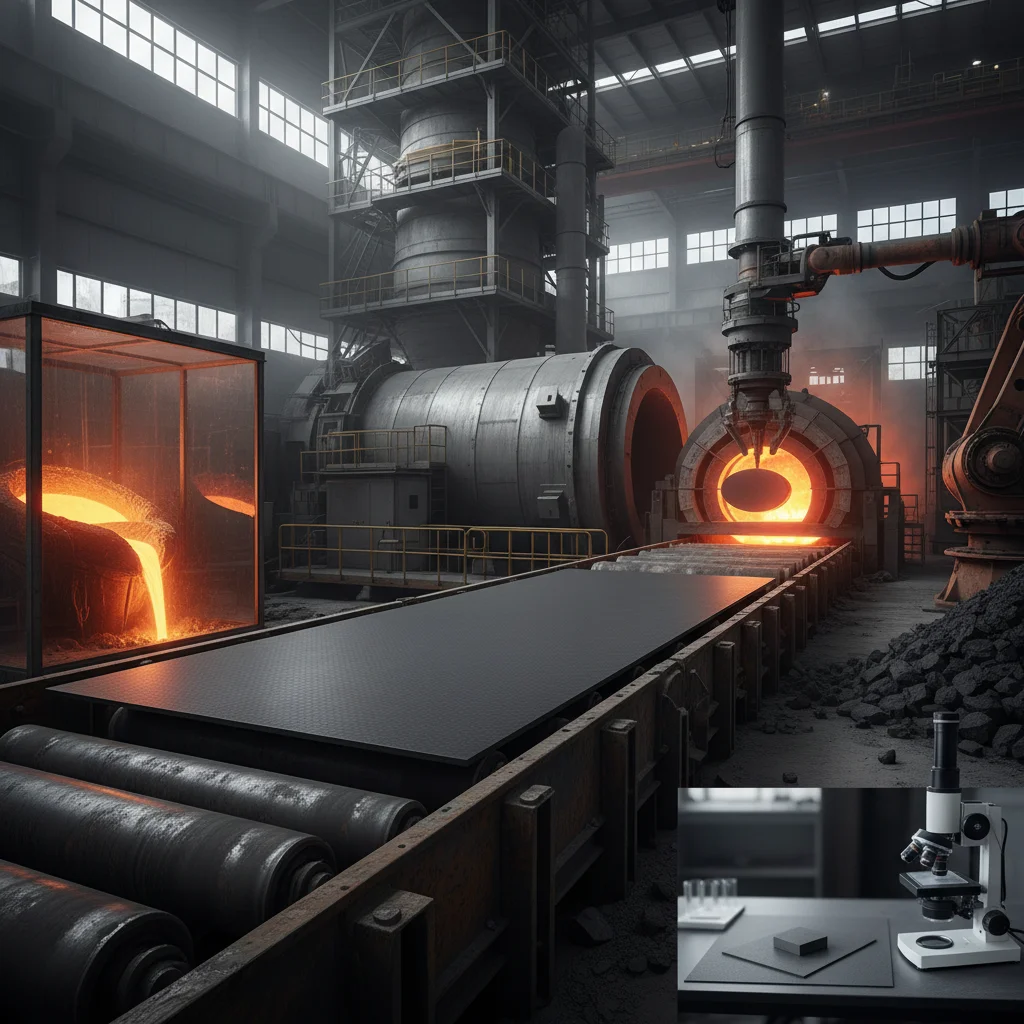
The shaped materials undergo heating in inert atmospheres (around 1000–1200°C) to carbonize the binder and matrix, creating a carbon structure but not yet fully graphitized.
4. Graphitization
This critical step elevates temperatures to above 2500°C, aligning carbon atoms into crystal-like graphite layers. This transformation dictates electrical, thermal, and mechanical properties.
5. Machining and Finishing
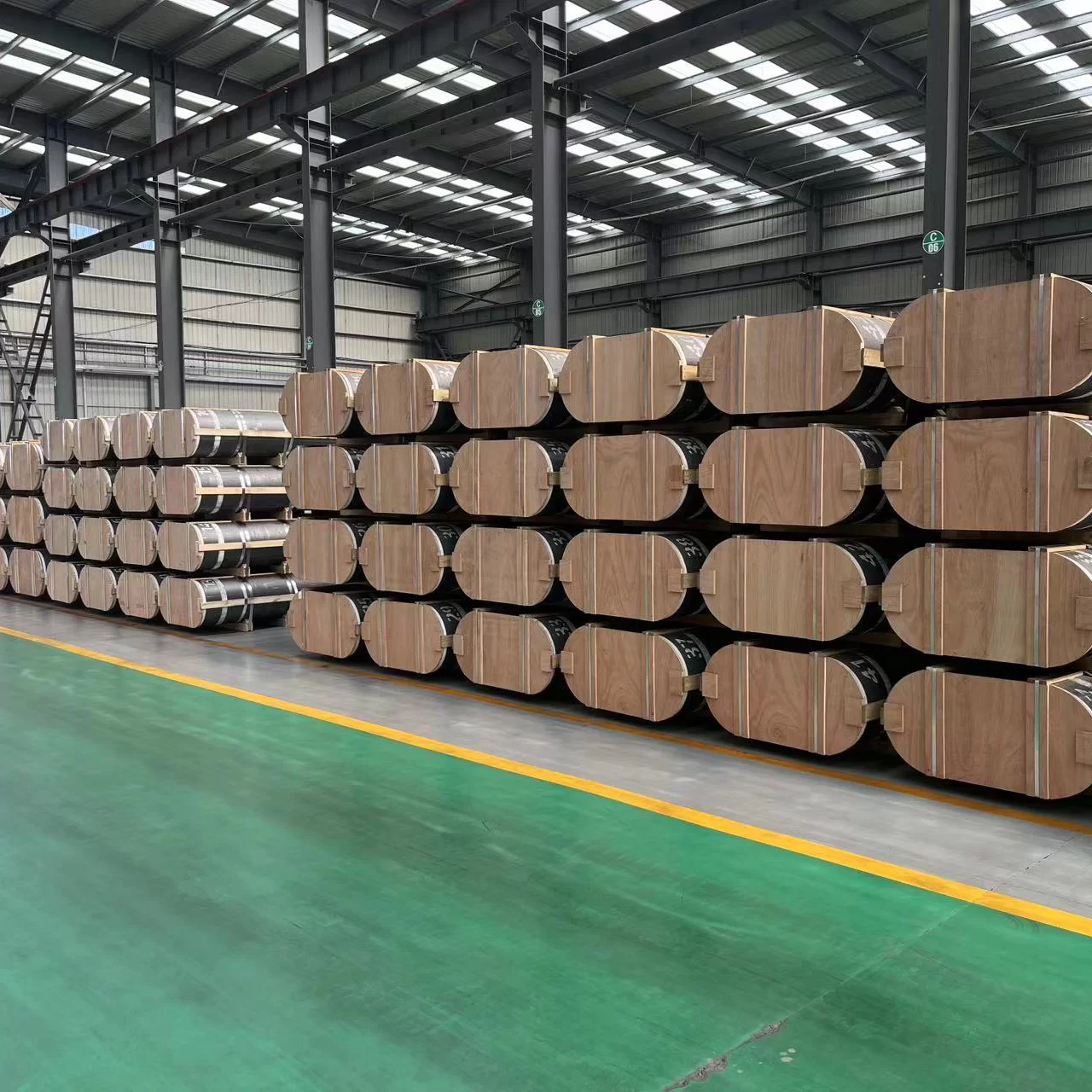
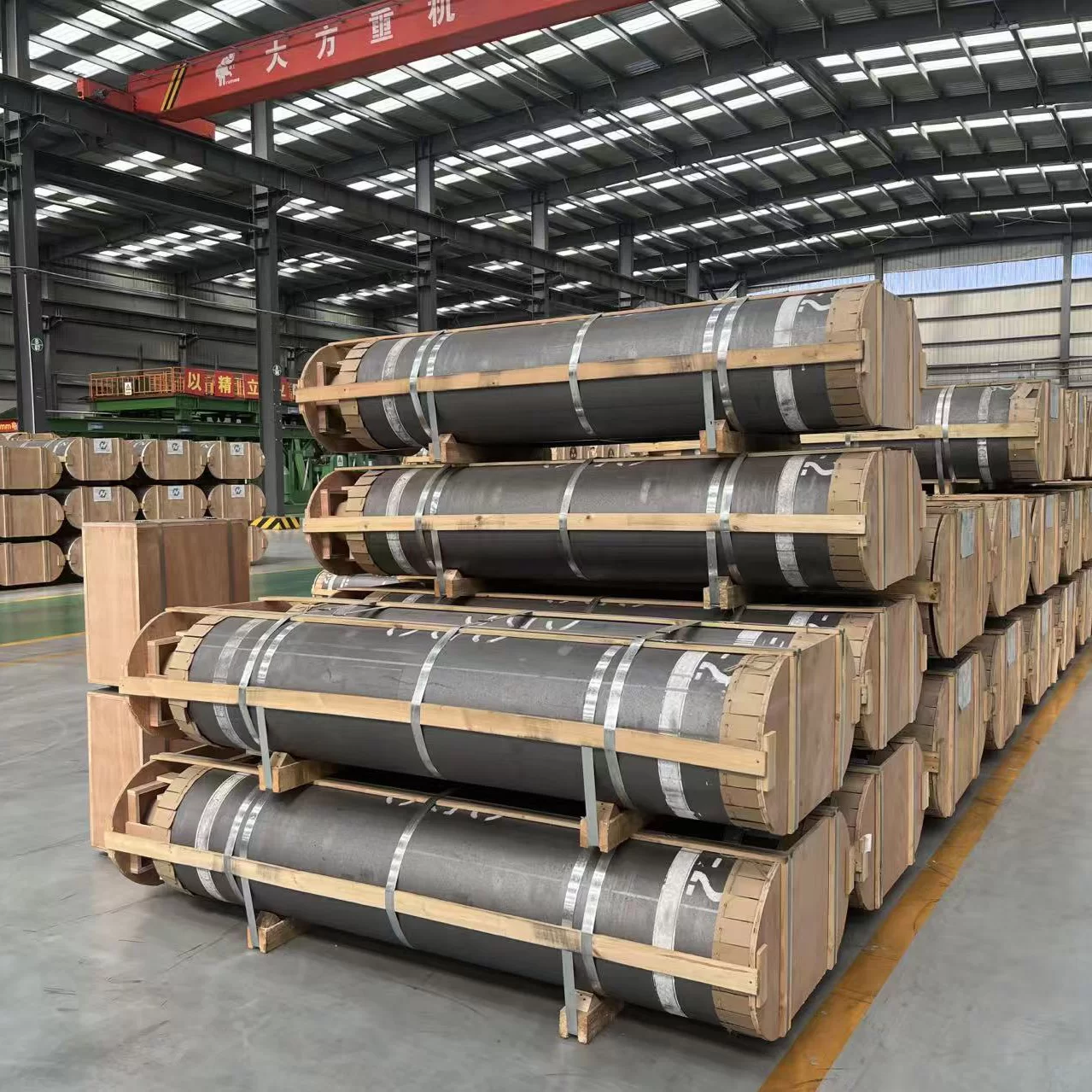
After graphitization, pieces are precision-machined to size and shape, sometimes with coatings or treatments to enhance performance or lifespan.
Mini takeaway: Each stage carefully tunes the material properties, making artificial graphite incredibly versatile for various industry needs.
Global Applications & Use Cases
The artificial graphite manufacturing process is pivotal across continents and industries:
- Electric Vehicles (EVs): Lithium-ion battery anodes require high-purity graphite; Asia-Pacific leads manufacturing steeped in innovation.
- Aerospace and Defense: Its heat resistance is critical for rocket nozzles and nuclear reactors, a sector well established in North America and Europe.
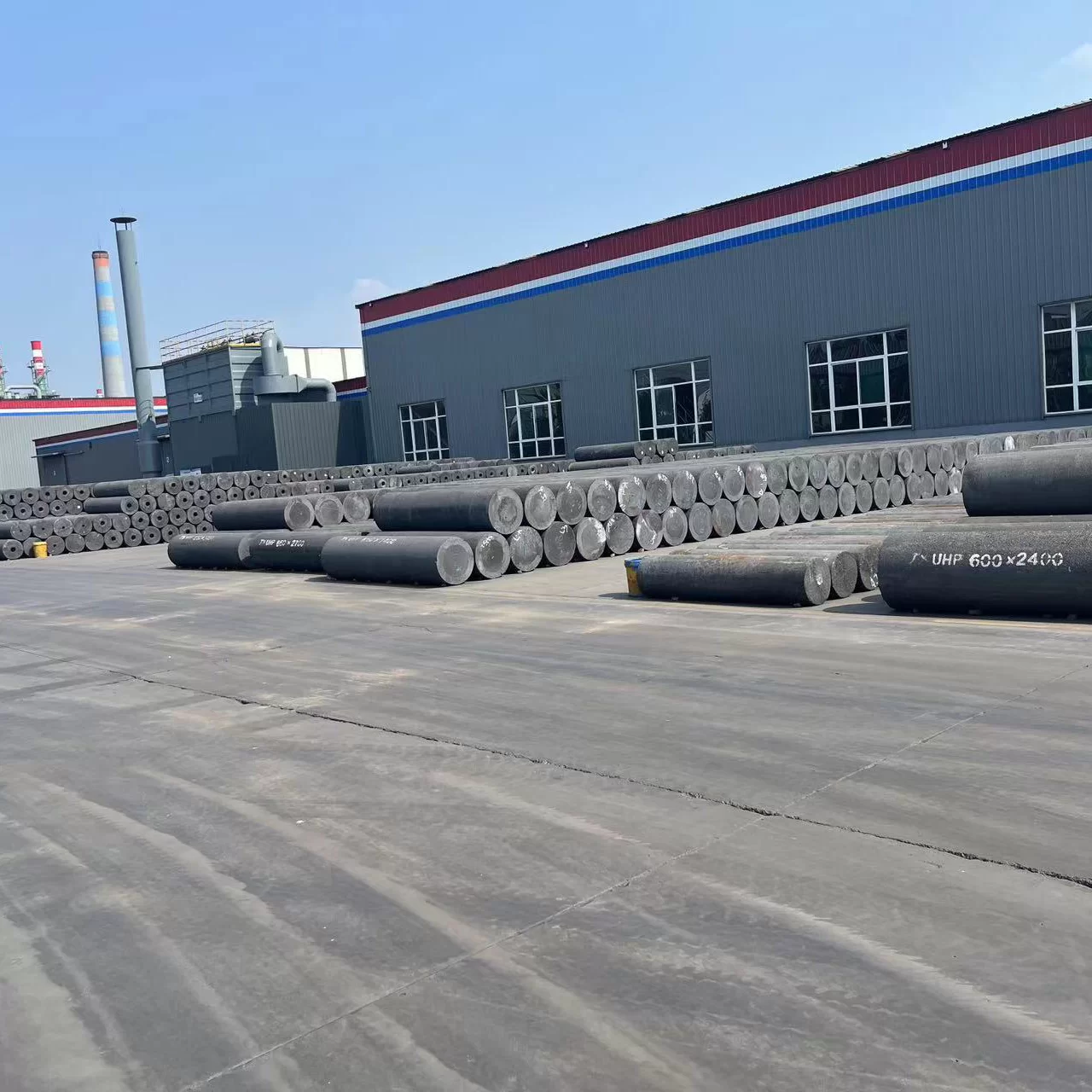
- Industrial Electrodes: Steel production and aluminum smelting rely on graphite electrodes, especially in emerging industrial zones in South America.
- Renewable Energy: Fuel cell technology and other green energy systems globally depend on this synthetic material’s reliability.
Interestingly, in disaster relief and remote industrial zones where supply chains are fragile, locally produced artificial graphite components help maintain essential equipment without long delays.
The Artificial Graphite Manufacturing Process Specs at a Glance
| Process Stage | Temperature Range | Duration | Typical Output Quality |
|---|---|---|---|
| Carbonization | 1000 - 1200°C | 24 - 48 hours | Low crystallinity carbon |
| Graphitization | 2500 - 3000°C | 12 - 72 hours | High purity, crystalline graphite |
| Finishing | Ambient to 200°C | Variable, hours to days | Precision dimensions, tailored surface |
Comparing Leading Artificial Graphite Vendors
| Vendor | Production Capacity | Specialty Products | Sustainability Practices |
|---|---|---|---|
| Dah Carbon | 50,000 tons/year | Battery-grade graphite, aerospace-grade | ISO 14001 certified, energy-efficient kilns |
| GraphiteCorp | 35,000 tons/year | Electrodes, specialty composites | Waste heat recovery programs |
| CarbonTech Ltd. | 60,000 tons/year | Custom graphite shapes, automotive uses | Carbon offset initiatives, green sourcing |
Advantages and Long-Term Value of Artificial Graphite Manufacturing Process
What's striking about artificial graphite is its unique blend of logic and emotion—it's a marvel of engineering precision that also helps us meet urgent global demands for sustainability and safety.
- Cost Efficiency: Producing graphite artificially means controlling impurities, reducing waste, and delivering consistent quality—translating to cost savings in end-user products.
- Sustainability: With innovations minimizing emissions and improving kiln efficiency, artificial graphite production is increasingly eco-friendly.
- Reliability: The material’s properties mean products last longer, perform better, and require less maintenance.
- Social Impact: Sustainable manufacturing processes improve worker safety and environmental outcomes, reinforcing corporate responsibility.
Mini takeaway: It’s not just about making a material—it’s about innovation that balances performance with responsibility.
Future Trends and Innovations
Looking ahead, the artificial graphite manufacturing process is evolving alongside digital transformation and green energy shifts. Automated monitoring systems now optimize kiln conditions, improving yield and reducing energy use. Research into alternative, biomass-based carbon precursors promises to reduce dependency on fossil-derived cokes.
Moreover, regulation is shaping the industry with tightening emissions limits and sustainability reporting, pushing companies toward cleaner, circular approaches in graphite production.
Challenges and Solutions
Despite advances, hurdles remain. High energy consumption during graphitization is a significant bottleneck. Yet, innovative uses of renewable electricity and heat recovery systems offer hope.
Scaling production rapidly without losing quality control can be tricky. Some experts advocate modular, flexible furnace designs that ramp up capacity incrementally.
FAQ: Frequently Asked Questions About Artificial Graphite Manufacturing Process
- Q: What raw materials are typically used in the artificial graphite manufacturing process?
A: The primary raw materials include petroleum coke and needle coke, alongside binders such as coal tar pitch. These materials determine graphite purity and structure after processing. - Q: How long does the graphitization step usually take?
A: Graphitization generally lasts anywhere from 12 to 72 hours at very high temperatures (above 2500°C) to achieve crystalline graphite structure. - Q: Is artificial graphite recyclable?
A: Yes, in many cases artificial graphite products can be recycled or repurposed, reducing environmental footprints and contributing to circular economy efforts. - Q: Can artificial graphite quality be customized?
A: Absolutely. Adjustments in raw materials, processing conditions, and machining allow for tailored properties suitable for everything from battery anodes to aerospace parts.
Conclusion
In real terms, the artificial graphite manufacturing process stands at the crossroads of innovation, sustainability, and industrial necessity. As we transition toward greener energy and smarter technologies, understanding and investing in this process becomes not just important but essential. For those curious to dive deeper or collaborate on custom applications, I recommend visiting https://www.dahcarbon.com for cutting-edge solutions and insights.
Oddly enough, a material that might seem obscure at first glance emerges as a quiet hero of our modern era.
— A quick thought to carry with you: The future is layered, structured, and graphite-coated.