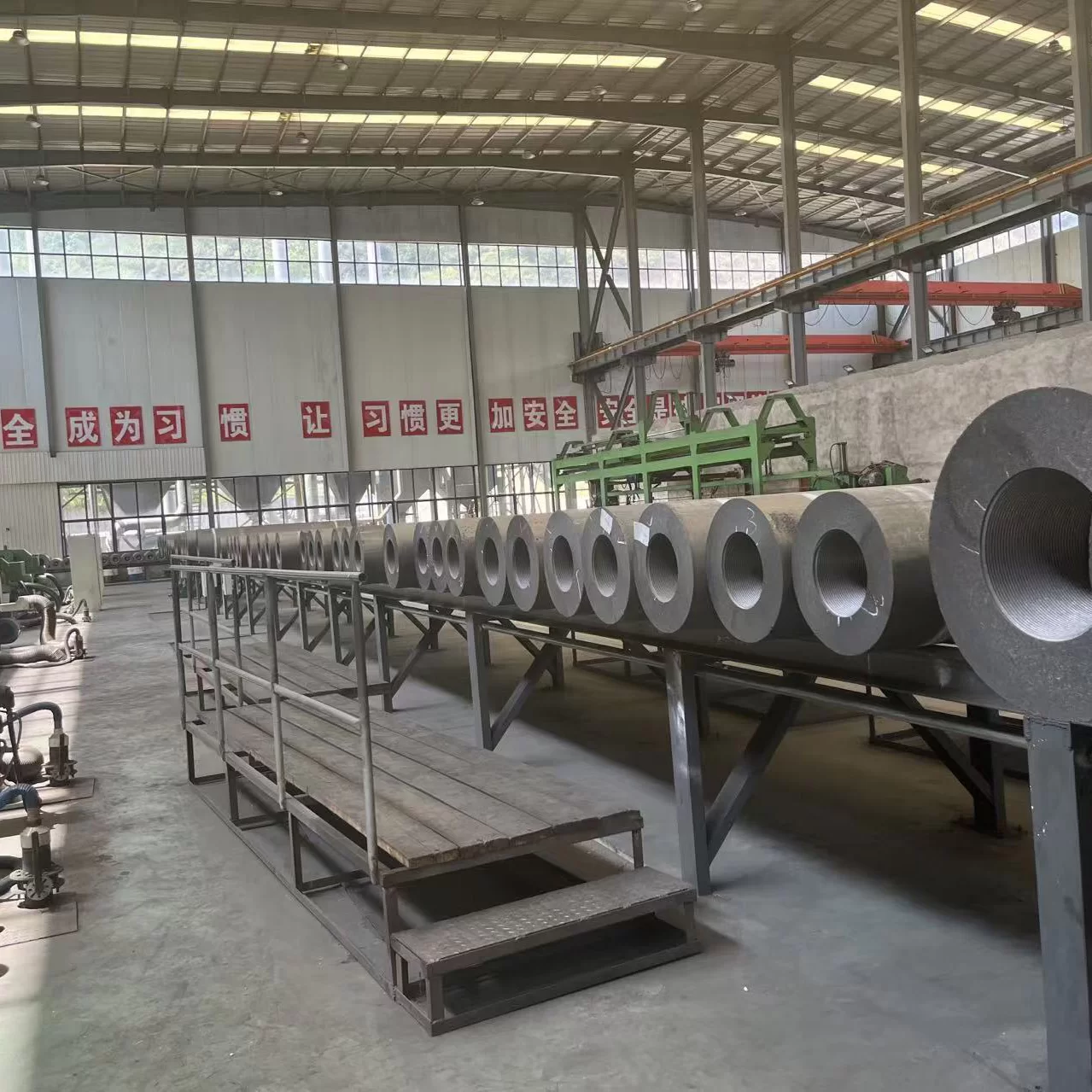
Why the Graphite Box Matters in Our Connected World
In a world buzzing with advanced materials and demanding industries, the humble graphite box quietly plays a pivotal role. Whether it's safeguarding sensitive equipment, enhancing thermal management, or providing a lightweight yet sturdy storage solution, the graphite box has grown in value — ironically, as technology strives for both simplicity and complexity simultaneously.
Globally, industries face ever-increasing challenges related to heat resistance, electrical conductivity, and durability under harsh conditions. Graphite boxes answer several of these calls beautifully. Not only that, but understanding their function and benefits sheds light on broader applications in manufacturing, aerospace, metallurgy, and even humanitarian contexts. If you’re wondering why such an obscure item commands attention, you’re in the right place.
The Global Context: A Material That Keeps Up With Modern Demands
According to data compiled by the International Organization for Standardization (ISO), materials with exceptional thermal and chemical resistance like graphite have seen a surge in adoption in the past decade. The global graphite market, for example, is projected to reach USD 15 billion by 2028, spurred by needs in electronics, automotive, and energy sectors. The United Nations Sustainable Development Goals emphasize the importance of sustainable materials, and graphite fits right in because of its recyclability and low environmental impact.
Yet, a problem remains: many traditional storage and thermal containment solutions fail under extreme temperature swings or acidic environments. This is especially troubling for sectors like aerospace, chemical processing, or emergency response units. Hence, the demand for reliable graphite boxes — able to withstand heat without warping, and offer electrical conductivity when needed without sacrificing structural integrity — is climbing rapidly.
What Exactly Is a Graphite Box?
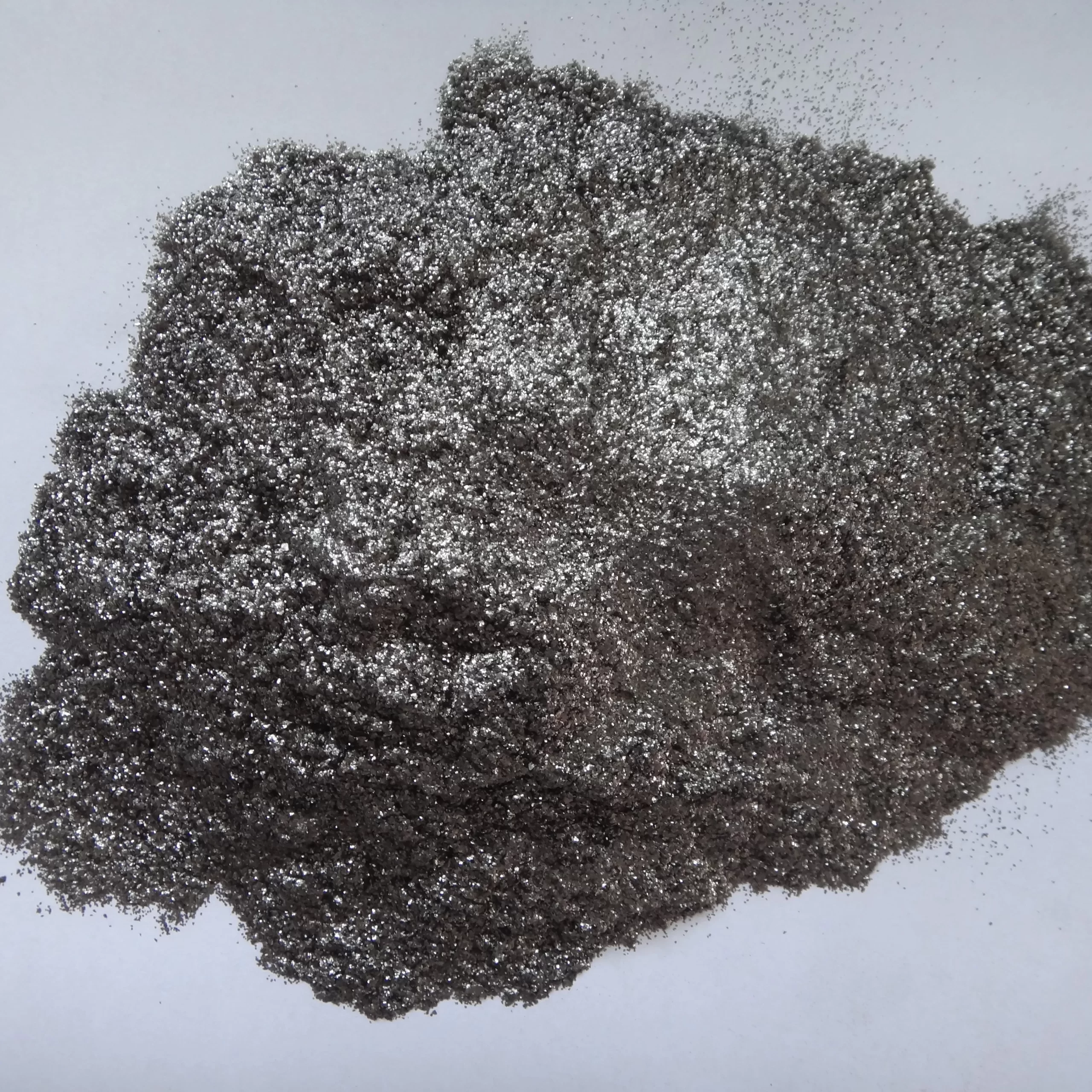
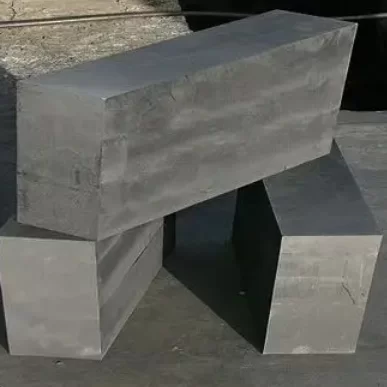
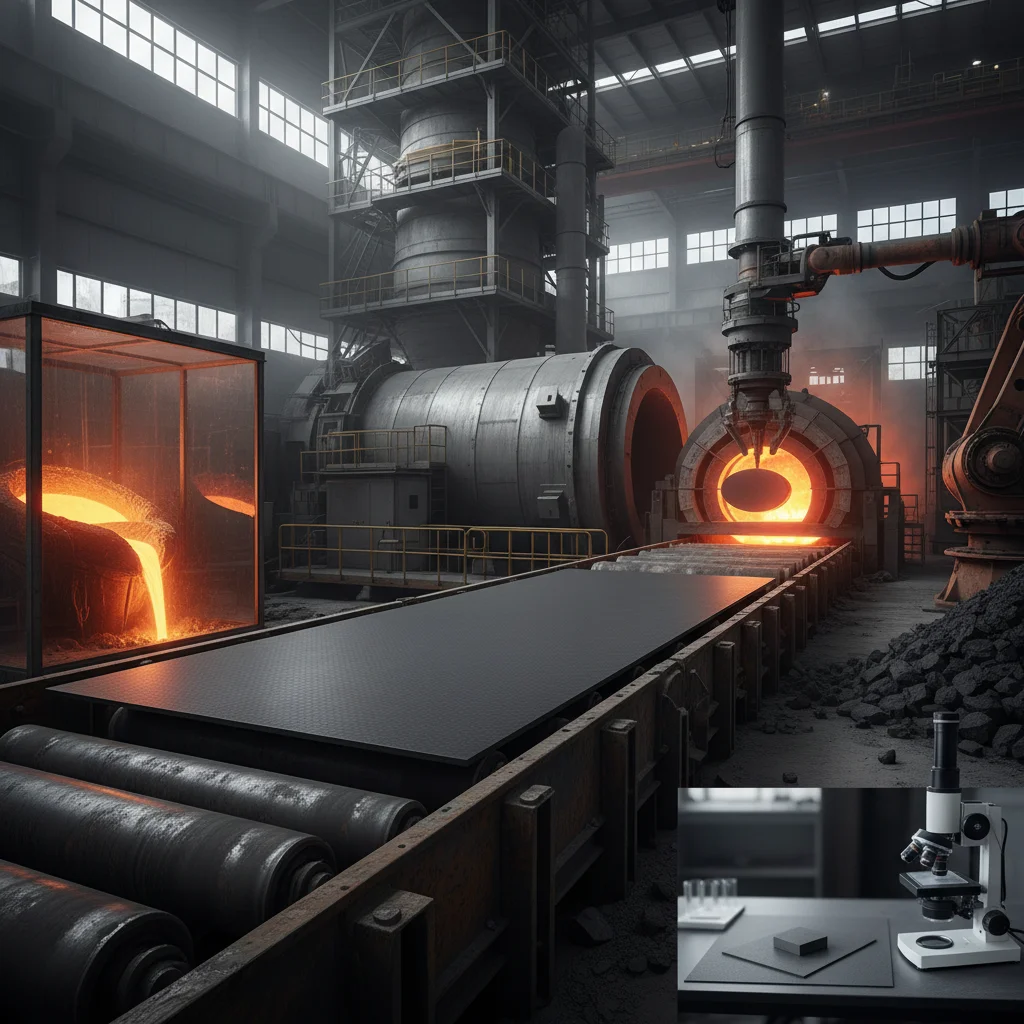
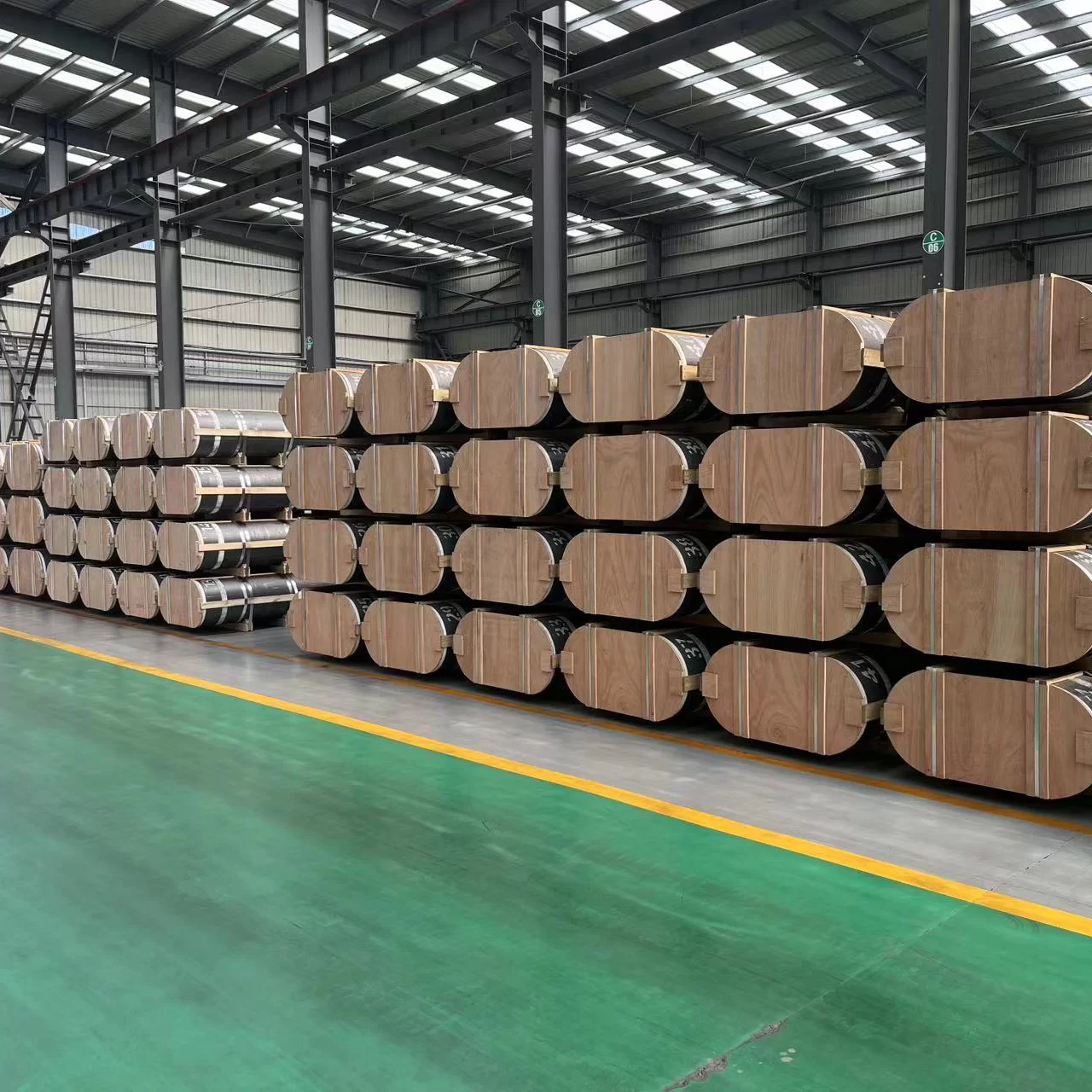
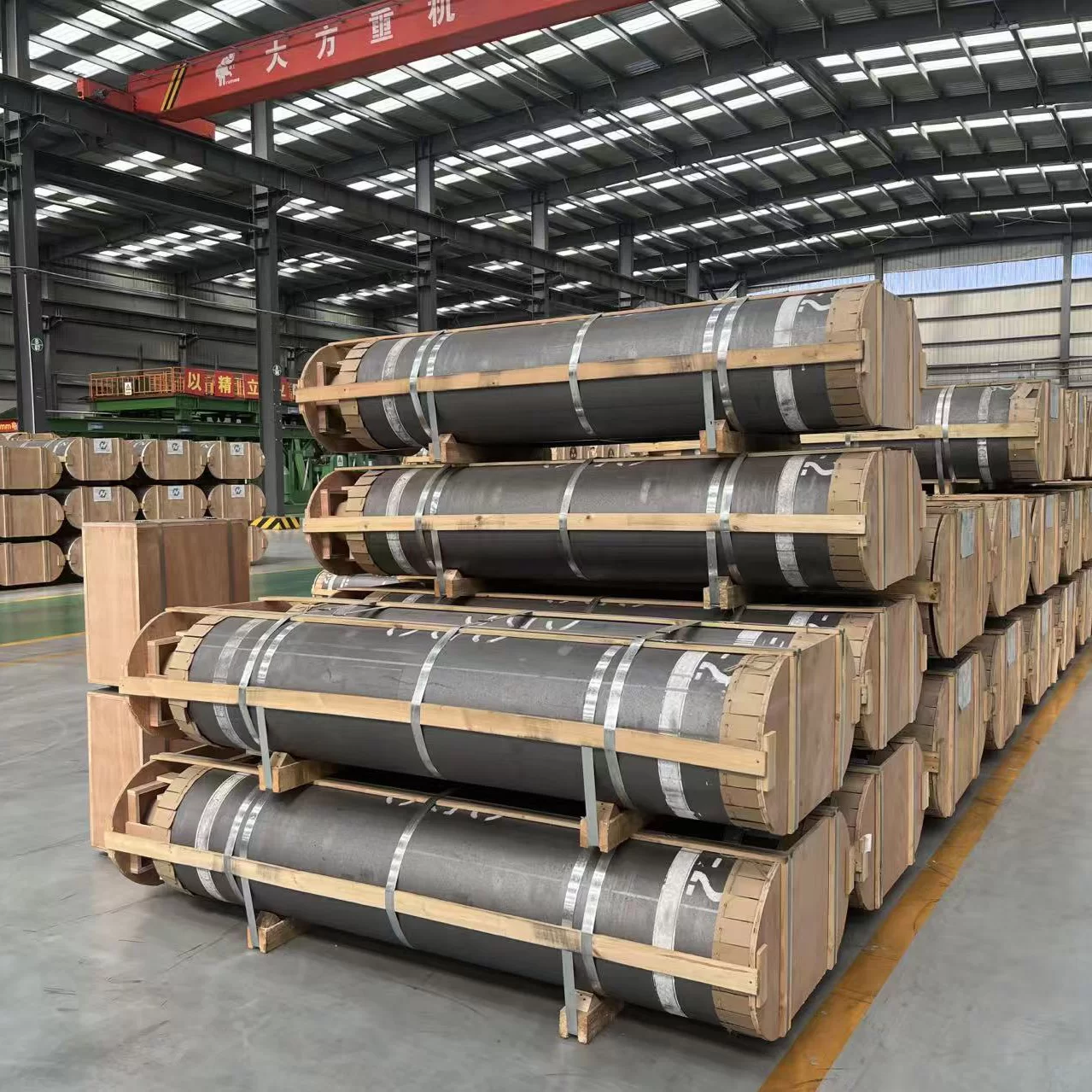
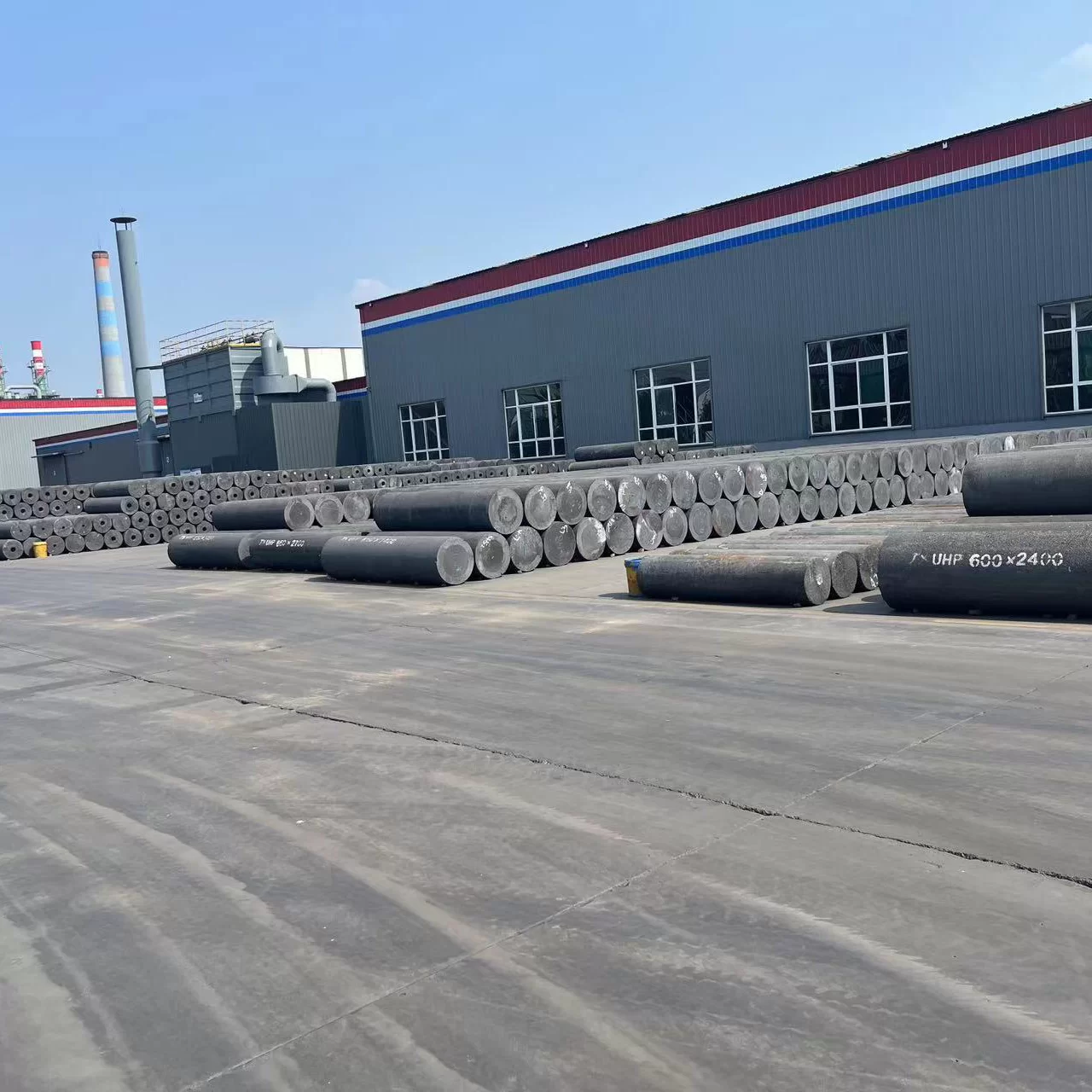
At its core, a graphite box is a container crafted primarily from high-purity graphite or graphite composites. Think of it as a heat-resistant, corrosion-proof box that can safely hold materials or components sensitive to extreme environments. They are often custom-made to fit specific industrial needs, whether it be thermal insulation, electrical grounding, or chemical containment.
In more everyday terms, imagine needing a box to safely transport molten metal samples or sensitive electronics near a furnace — typical plastic or metal containers simply wouldn’t stand up. The graphite box’s inherent properties — excellent heat tolerance, chemical inertness, and electrical conductivity — make it a go-to solution.
Interestingly, graphite boxes are not just confined to labs or factories. The design principles behind them inspire modular housing solutions, storage units in harsh environments, and even containers for critical humanitarian aid in disaster zones.
Key Attributes of Graphite Boxes Making Them Irreplaceable
Durability and Heat Resistance
Graphite resists heat up to around 3000°C in inert environments — pretty impressive compared to traditional materials. This prevents deformation or breakdown, even under intense industrial processes.
Chemical Stability
Graphite’s chemical inertness means it won’t corrode easily, even when exposed to acids or alkalis. This makes it vital in chemical processing plants or labs.
Thermal and Electrical Conductivity
While you might expect a box to be purely insulating, graphite boxes can conduct heat and electricity, allowing their use as functional parts in electrical or thermal circuits.
Lightweight and Customizable Design
Though sturdy, graphite is lightweight relative to metals, making it easier to transport and customize for specific needs, whether large or compact.
Eco-friendliness and Recyclability
Graphite’s recyclable nature and low embodied energy compared to metals align with growing sustainability directives worldwide.
Specifications: Typical Graphite Box Product Features
| Feature | Specification | Details |
|---|---|---|
| Material Grade | Ultra-Pure Synthetic Graphite | >99.9% Carbon |
| Maximum Temperature | Up to 2800°C (non-oxidizing) | Ideal for furnace environments |
| Dimensions | Customizable | Range from 10x10x10 cm to 1x1x1 m |
| Weight | 1.5 - 12 kg (approx.) | Depends on size and design |
| Chemical Resistance | Highly resistant | Withstands acids, alkalis |
| Electrical Conductivity | Excellent conductor | Useful in specialized applications |
Who Uses Graphite Boxes and How?
The applications of graphite boxes span several industries:
- Metallurgy and Foundries: For holding molten metals during quality testing or transport.
- Electronics Manufacturing: Safeguarding components sensitive to static discharge and heat.
- Chemical Industry: Containing corrosive substances in experimental setups.
- Disaster Relief Agencies: Transporting delicate equipment safely in volatile environments.
- Aerospace: Components and storage boxes needed to survive extreme conditions.
For example, during certain post-disaster relief missions in Southeast Asia, NGOs have reported using graphite boxes to securely transport chemical sensors essential for water quality testing — normal containers wouldn’t survive the tropical humidity and heat.
Oddly enough, some artisan chocolatiers even use graphite molds (essentially boxes) because of graphite’s thermal conductivity, ensuring steady cooling without cracking their delicate products.
Comparing Top Vendors of Graphite Boxes
| Vendor | Material Quality | Customization | Lead Time | Price Range |
|---|---|---|---|---|
| Dah Carbon Group | Premium synthetic graphite | Fully custom, from small to large sizes | 2–4 weeks | Mid to High |
| GraphTech Solutions | Industrial-grade natural graphite | Standard sizes, some customization | 3–5 weeks | Low to Mid |
| CarbonBox Co. | Recycled graphite composites | Limited to specific designs | 1–3 weeks | Budget |
Advantages of Using Graphite Boxes
On a practical level, graphite boxes offer:
- Cost Efficiency: Longer lifespan means fewer replacements.
- Sustainability: Recyclable and low environmental impact.
- Safety & Reliability: Minimizes risk in high-temperature or chemical environments.
- Social Impact: Enabling safer humanitarian aid and industry processes.
- Innovation Partner: Bi-product of advancements in synthetic graphite technologies.
Frankly, many engineers say working with graphite boxes feels like having a secret weapon — reliable, predictable, and just “gets the job done” when many other materials would fail miserably.
What’s Next for the Graphite Box?
Looking forward, I noticed trends such as integration with IoT sensors embedded in or around graphite boxes for real-time monitoring of temperatures and stresses. Also, greener synthesis routes for graphite precursors are reducing carbon footprints.
Add automation in manufacturing and improved composites incorporating graphene layers, and the future feels quite exciting.
This isn’t purely theoretical: countries promoting net-zero emissions and circular economies have started to incentivize more use of recyclable, high-performance materials like graphite. So the graphite box might not just be a container — but a core component in new energy and manufacturing ecosystems.
The Challenges and How to Overcome Them
Of course, graphite boxes are not without their limitations:
- Brittleness: Graphite can be fragile under mechanical shock.
- Cost: High purity graphite materials can be pricey upfront.
- Manufacturing Complexity: Needs precision machining, limiting quick turnaround.
Experts suggest combining graphite with reinforcing composites or smart packaging as solutions. Vendors like Dah Carbon Group actively research hybrid materials and precision molding to improve resilience without compromising core characteristics.
FAQs About Graphite Boxes
- What makes graphite boxes better than metal containers for high-heat applications?
- Graphite boxes withstand extreme temperatures (up to ~2800°C) without melting or deforming, unlike many metals that soften or oxidize. They’re also chemically inert, meaning no corrosion in harsh environments.
- How resistant are graphite boxes to chemical damage?
- Graphite is highly resistant to acids and alkalis, making these boxes ideal for chemical labs or industrial processes where corrosion is a concern. However, strong oxidizers can damage graphite unless properly coated or protected.
- Are graphite boxes environmentally friendly?
- Yes, graphite is recyclable and has a lower environmental impact compared to metals due to its synthetic production methods needing less mining and energy. This aligns with sustainability programs worldwide.
- Can graphite boxes be customized for unique industrial needs?
- Manufacturers often offer full customization, tailoring size, shape, and composition to suit various purposes, from tiny lab sample holders to large industrial containers.
- How do humanitarian organizations benefit from graphite boxes?
- They offer safe, durable housing for sensitive equipment transported to disaster zones or remote areas, ensuring materials don’t degrade en route or once deployed — improving aid response efficacy.
Final Thoughts and Next Steps
Graphite boxes might not grab headlines every day — but their impact quietly shapes advanced industries, humanitarian missions, and eco-conscious manufacturing. They bring a unique blend of thermal, chemical, and electrical properties that few other materials match. For anyone involved in sectors where durability and precision matter, investing in quality graphite boxes will likely pay dividends over time.
If you’re interested in exploring how graphite boxes could help your operations or projects, I warmly recommend visiting Dah Carbon Group’s website for detailed product specs and customization options. There’s a fascinating blend of traditional craftsmanship and cutting-edge tech waiting.
Sometimes, digging a little deeper into such “simple” objects reveals a world of complexity and opportunity. And that, I suppose, is the magic of materials science in action.
References: