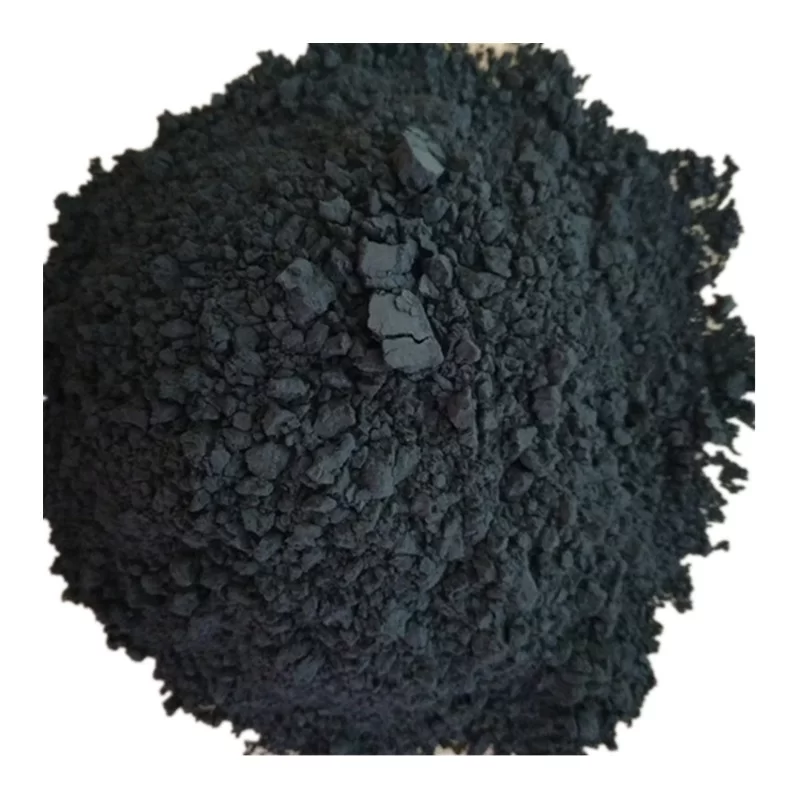
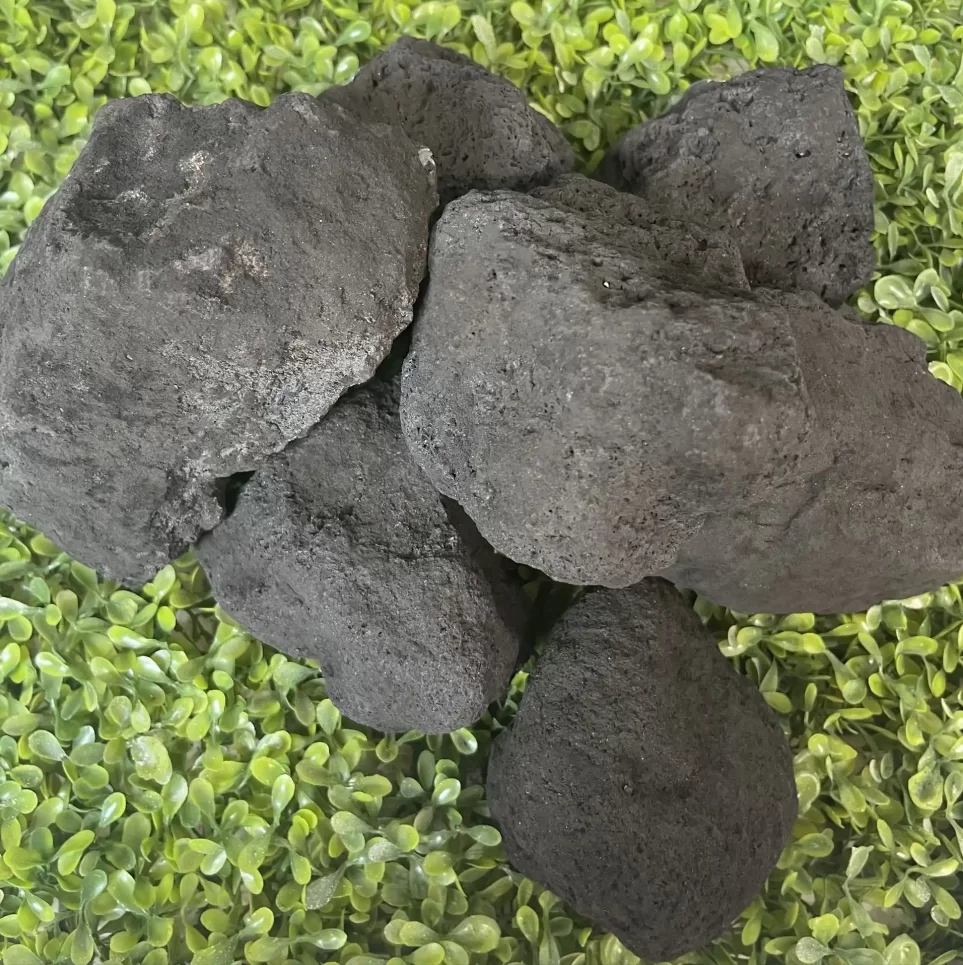
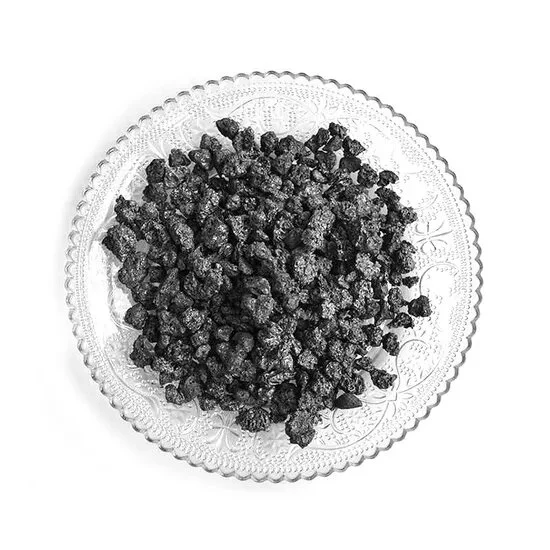
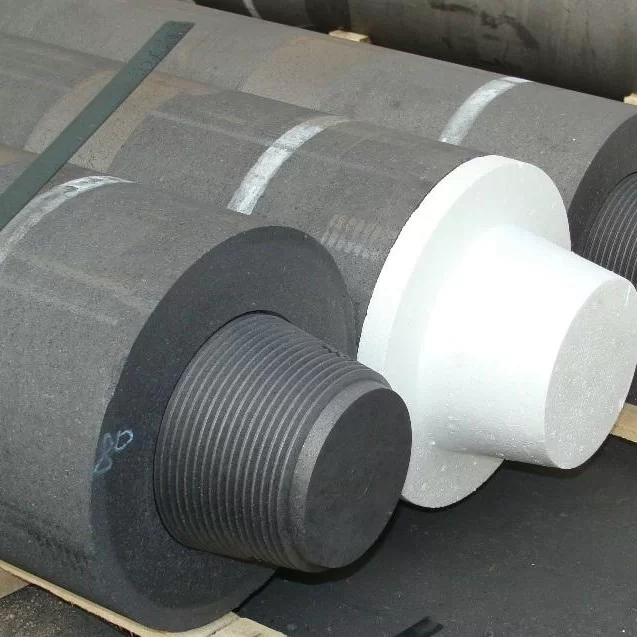
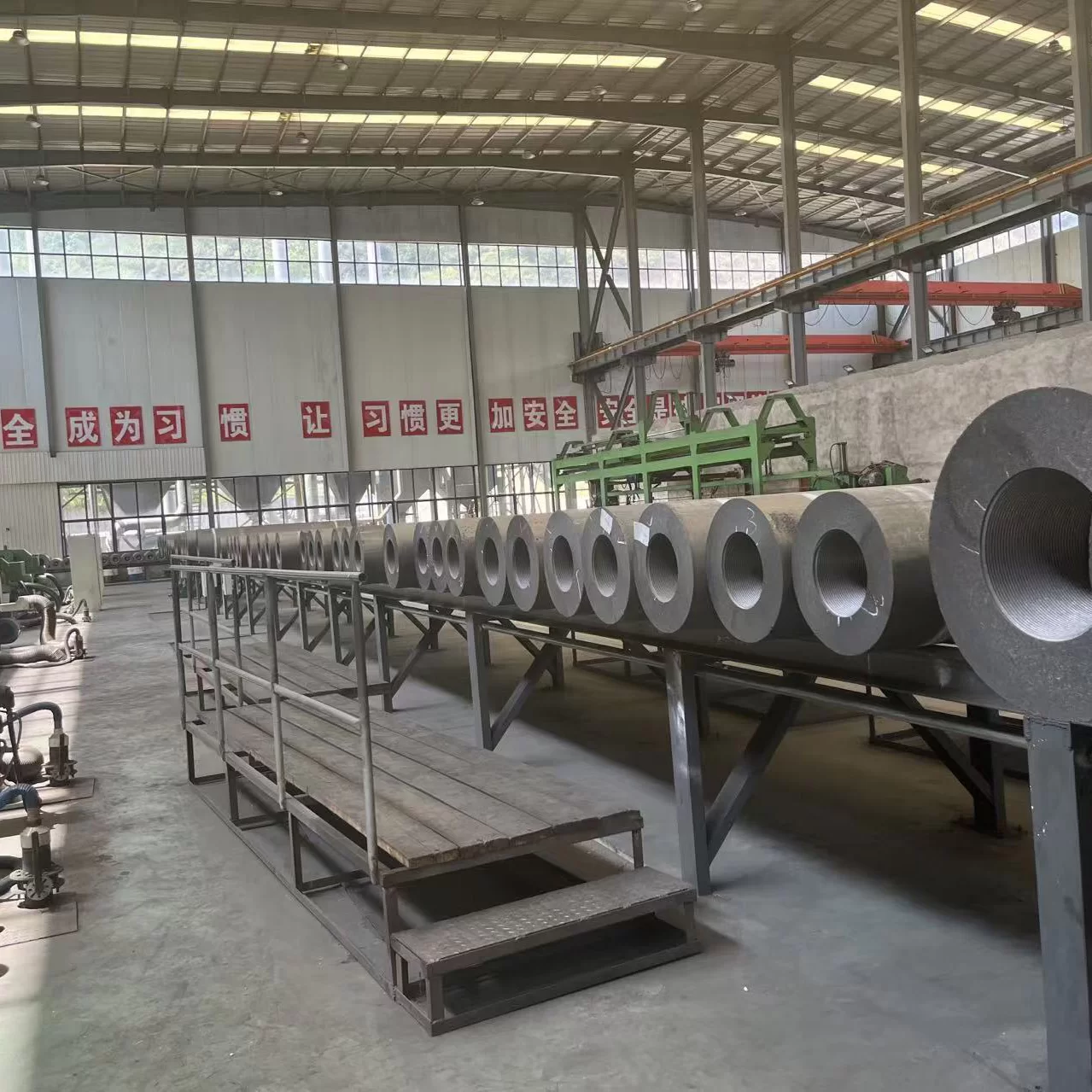
The Versatile Role of Graphite Used In Modern Industry
Graphite has quietly become one of those materials you don’t really notice until you realize just how much it powers—or protects—our modern world. From electric vehicles to thermal management in technology, graphite used in today’s industries plays an outsized role in innovation, sustainability, and even humanitarian solutions. Understanding graphite’s place globally isn’t just about materials science; it’s about grasping how a naturally occurring mineral shapes the technologies powering our future, frankly.
Introduction: Why Graphite Used In Modern Industry Matters Globally
To get the bigger picture, consider this: the World Bank estimates that the demand for graphite, especially for battery anodes, is projected to quadruple by 2030. This isn’t surprising when you look at how electric vehicles (EVs)—a cornerstone of green energy strategies worldwide—rely heavily on graphite-based components. According to the United Nations Conference on Trade and Development (UNCTAD), graphite is a strategic material critical for global supply chains.
But here’s a real-world challenge: the supply and quality of graphite often struggle to keep pace with demand, especially as new industries appear, from aerospace to high-tech manufacturing. This means industries must innovate in sourcing, recycling, and application designs involving graphite used in everything from batteries to lubricants.
What Exactly Is Graphite Used In? Defining the term
Simply put, “graphite used in” refers to the application of graphite in various industrial and commercial products. Graphite is a naturally occurring form of carbon, notable for its layered, hexagonal crystalline structure that allows it to be both slippery and a good conductor of electricity.
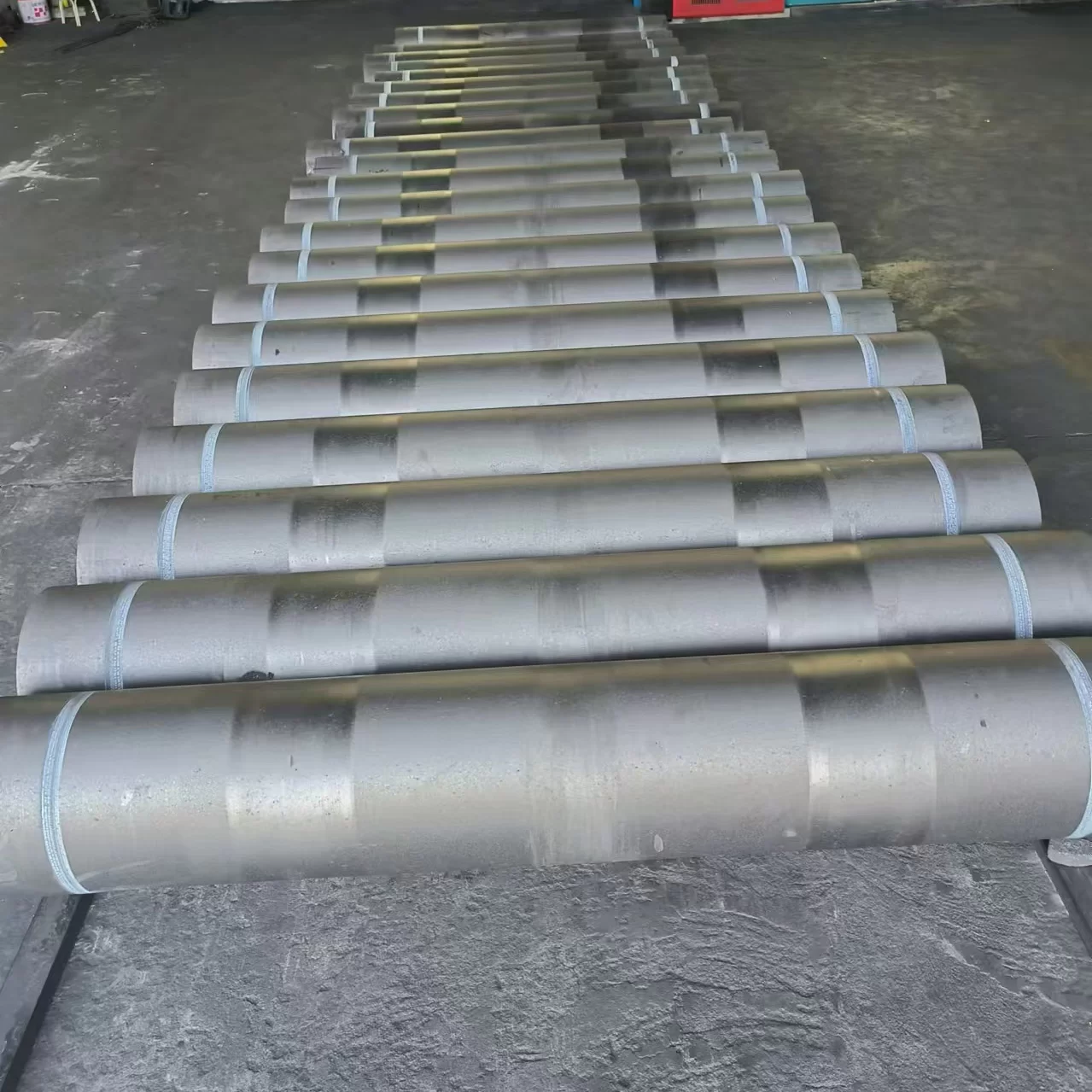
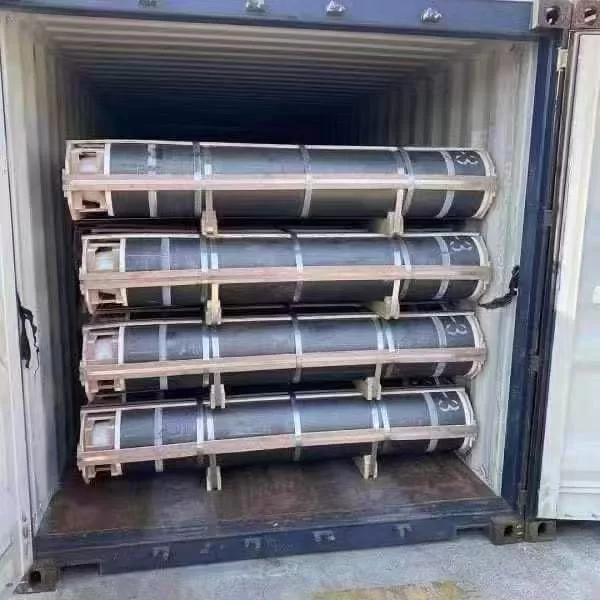
This unique combination makes graphite indispensable in industries as diverse as steel making (where it acts as a refractory material), battery technology (serving as the anode material), and lubricants for high-precision machinery. Oddly enough, it’s also used in pencils and nuclear reactors, but the industrial applications are far more impactful for global development.
Key Aspects of Graphite Used In Industry
1. Thermal and Electrical Conductivity
One major reason graphite is prized is its excellent ability to conduct heat and electricity. This quality makes it an ideal material in batteries and electronic cooling systems. For example, in lithium-ion batteries, graphite’s conductivity improves performance markedly.
2. Chemical Stability and Heat Resistance
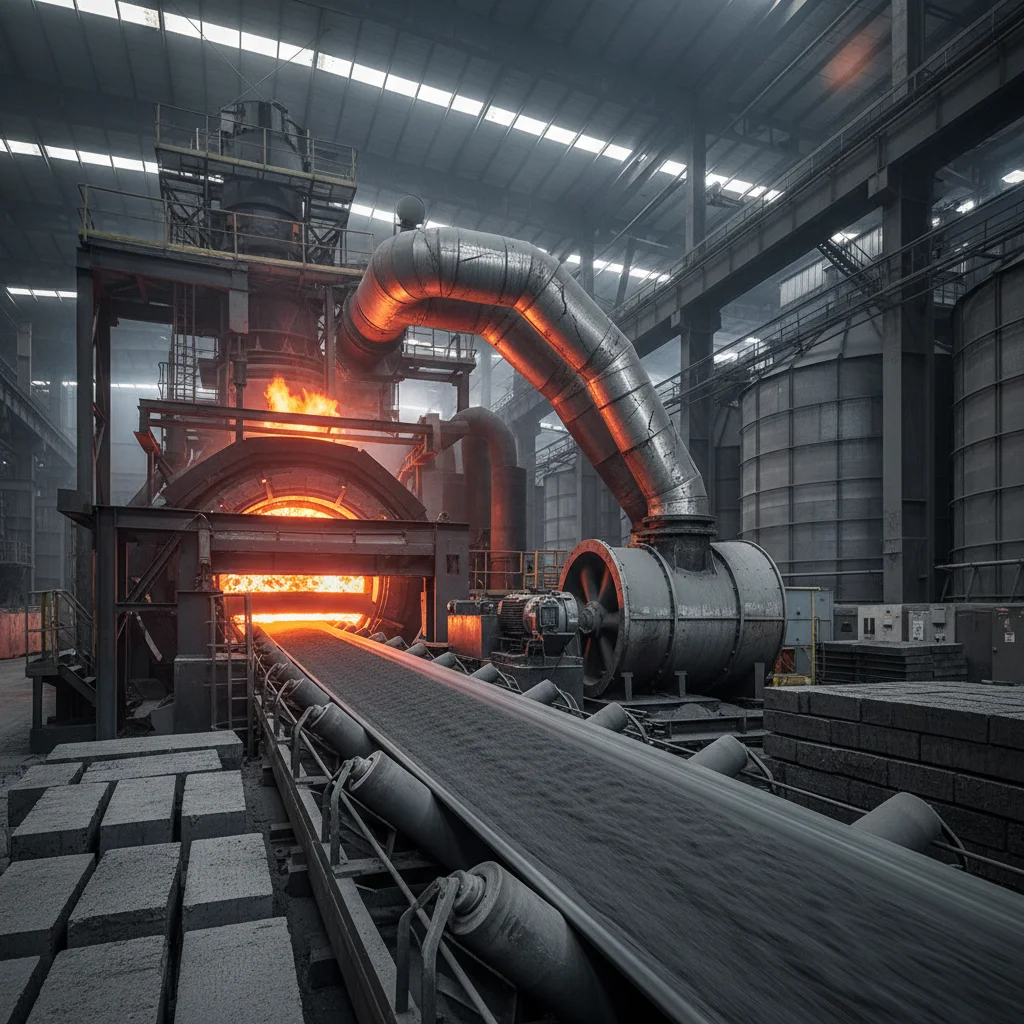
Unlike many metals, graphite can withstand extremely high temperatures without melting, thanks to its chemical composition. This is why it’s often used as a heat shield or lining in furnaces.
3. Mechanical Strength and Lubrication
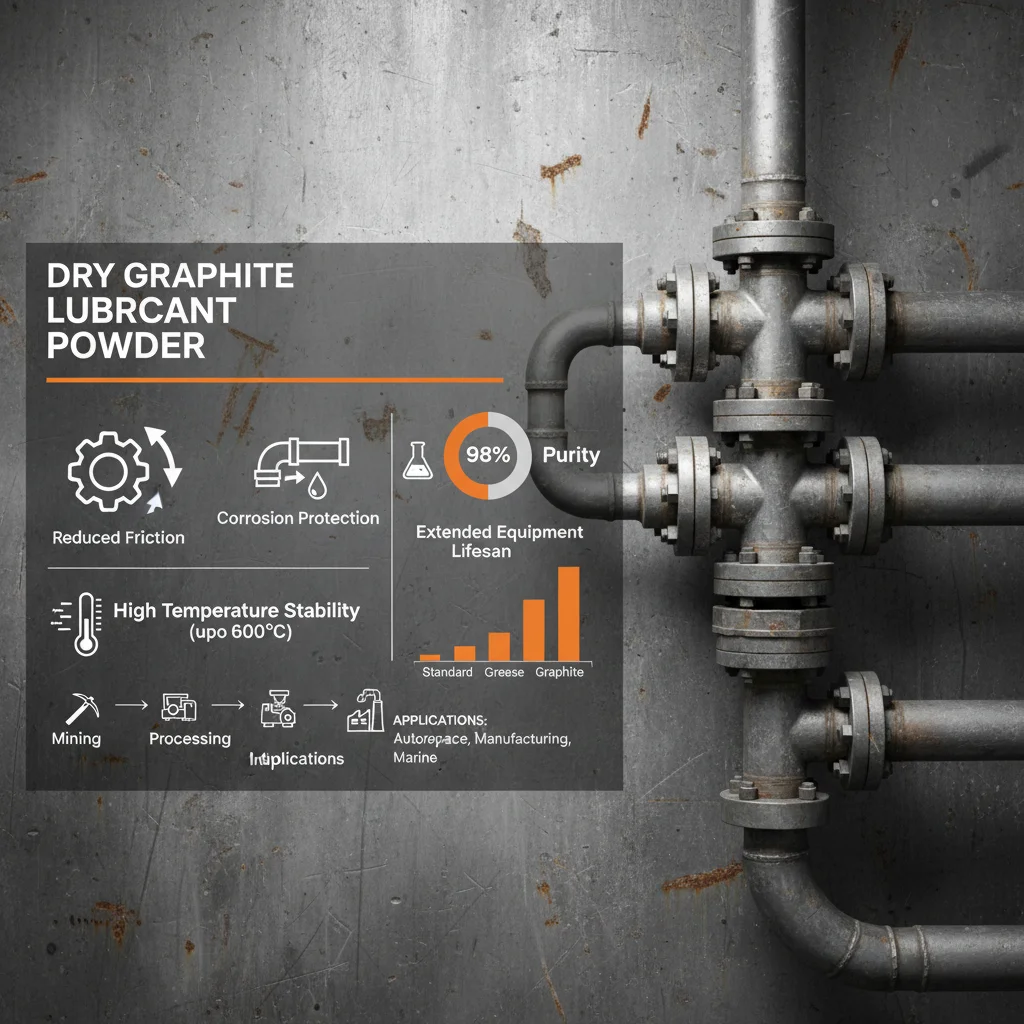
Graphite also provides remarkable lubricating properties that reduce friction in moving parts. Many engineers report using graphite in heavy machinery and automotive parts to prevent wear and avoid overheating issues.
4. Sustainability and Recyclability
More companies are turning to natural and synthetic graphite that can be recycled or sustainably mined, providing an edge for eco-conscious product design.
Global Applications and Use Cases of Graphite
Graphite used in industrial and commercial sectors spans the globe, with hot spots in regions rich in mineral deposits and advanced manufacturing capabilities. China, for example, dominates global graphite production and processing, but countries like Canada and Mozambique are investing heavily to join the race.
In real terms, the use of graphite used in battery anodes has revolutionized electric vehicles in Europe and North America. Similarly, graphite’s thermal properties have helped manufacturers in Japan and South Korea enhance semiconductor cooling, directly impacting electronics’ efficiency.
Historically, in post-disaster relief operations, graphite’s inclusion in durable, lightweight battery packs for communication devices proved invaluable. In remote industrial zones, graphite-based lubricants extend the operational lifespan of heavy equipment, reducing costly breakdowns.
Advantages and Long-Term Value of Graphite
- Cost Efficiency: Despite the soaring demand, graphite remains relatively affordable compared to other conductive or refractory materials.
- Sustainability: Its recyclable nature offers greener material cycles.
- Reliability: Products made with graphite often require less maintenance and offer longer service lives.
- Innovation Enablement: Graphite supports emerging technologies like flexible electronics and advanced battery chemistries, fostering trust and safety for end-users.
Product Specification Table: Typical Characteristics of Industrial Graphite
| Property | Value | Units | Remarks |
|---|---|---|---|
| Electrical Conductivity | 1×10^4 | S/m | Suitable for battery anodes |
| Thermal Conductivity | 120-150 | W/m·K | Excellent heat dissipation |
| Density | 1.8-2.3 | g/cm³ | Varies by synthetic vs. natural type |
| Max Operating Temp. | 3000 | °C | High heat resistance |
Vendor Comparison: Graphite Suppliers Overview
| Vendor | Product Range | Quality Standards | Sustainability Initiatives | Typical Lead Time |
|---|---|---|---|---|
| Dah Carbon | Natural & Synthetic Graphite, Battery-Grade | ISO 9001, ISO 14001 | Recycled graphite programs | 4–6 weeks |
| Graphite India Limited | Specialty Graphite Electrodes, Fine Grades | ISO 9001 | Limited sustainability disclosures | 6–8 weeks |
| Mersen Group | Graphite Components, Electrodes | ISO 9001, RoHS Compliance | Focus on green manufacturing | 3–5 weeks |
Future Trends & Innovations Involving Graphite
The next decade is shaping up to be an exciting time for graphite. Energy storage improvements are pushing companies to innovate battery-grade graphite with higher purity and better recyclability. Automation and digital monitoring systems increasingly rely on graphite components for stable thermal management.
Green policies are encouraging manufacturers to reduce environmental impacts by switching to sustainably mined or synthetic graphite and improving recycling technologies. Even emerging areas like flexible electronics and hydrogen fuel cells have discovered new uses for graphite’s unique properties.
It’s a fast-moving sector with plenty of room for surprises…
Challenges and Solutions in Using Graphite
No material is perfect, and graphite is no exception. Supply chain disruptions can cause delays. Variability in natural graphite quality requires precise testing, and environmental concerns tied to mining persist.
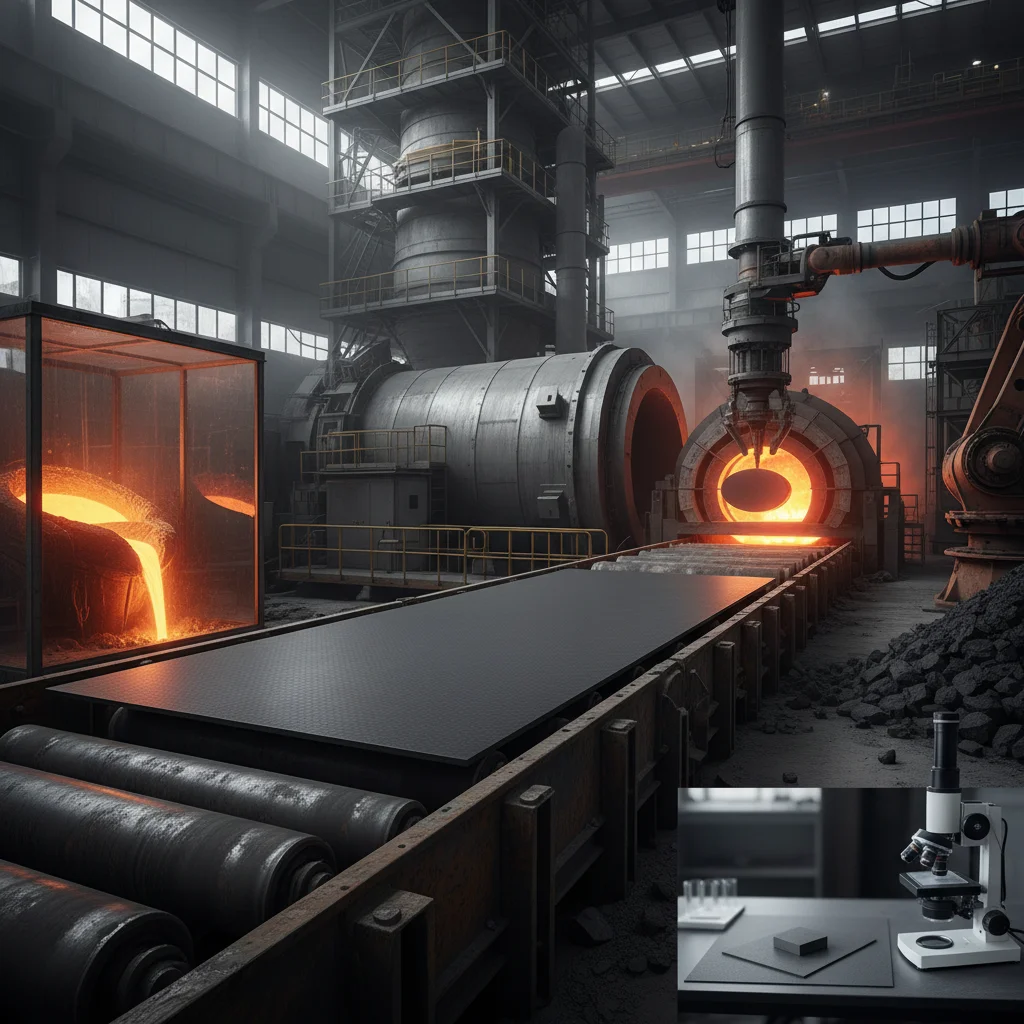
However, researchers and industry leaders are developing synthetic graphite alternatives to reduce dependence on natural sources. Improved testing—including electron microscopy and spectroscopy—helps ensure quality. Plus, international collaborations and certifications are raising ethical mining standards.
Frequently Asked Questions About Graphite Used In
- What makes graphite used in battery anodes so important?
- Graphite’s high electrical conductivity and layered structure allow lithium ions to intercalate efficiently, which boosts battery capacity and charge rates. This makes graphite a cornerstone material in electric vehicle and portable device batteries.
- Is synthetic graphite better than natural graphite for industrial use?
- It depends on the application. Synthetic graphite offers consistent quality and purity, which is valuable in high-tech applications, but natural graphite can be more cost-effective. Many industries use a blend to balance performance and price.
- Can graphite used in industrial lubricants improve machinery lifespan?
- Yes, graphite’s solid lubricating properties reduce friction and wear, especially under high temperatures where oils might fail. This can extend the service life of heavy machinery, helping businesses save on repair costs.
- How do companies ensure environmentally responsible sourcing of graphite?
- Leading suppliers adhere to international standards like ISO 14001 and engage in third-party audits to verify sustainable mining practices. Additionally, many invest in recycling graphite from spent batteries and industrial scraps.
- Where can I learn more about customized graphite solutions?
- Manufacturers like Dah Carbon offer tailored graphite products for different industries. Reaching out to suppliers directly often uncovers custom solutions that fit your specific needs.
Wrapping It Up: Why Graphite Still Matters
So, while graphite might seem like an old-school material, it’s really a modern-day workhorse. Its diverse applications—from helping cars run cleaner to enabling electronics to stay cool and efficient—make understanding graphite used in industries vital for anyone involved in supply chains or manufacturing.
If you’re interested in deepening your knowledge or sourcing top-quality industrial graphite, I’d suggest visiting https://www.dahcarbon.com, where you can explore innovative graphite products tailored to evolving industries.
Quick Takeaway
Graphite's unique physical and chemical traits keep it in high demand worldwide. Forward-looking industries are balancing cost, quality, and sustainability, making graphite not just a mineral but a critical player in global innovation.