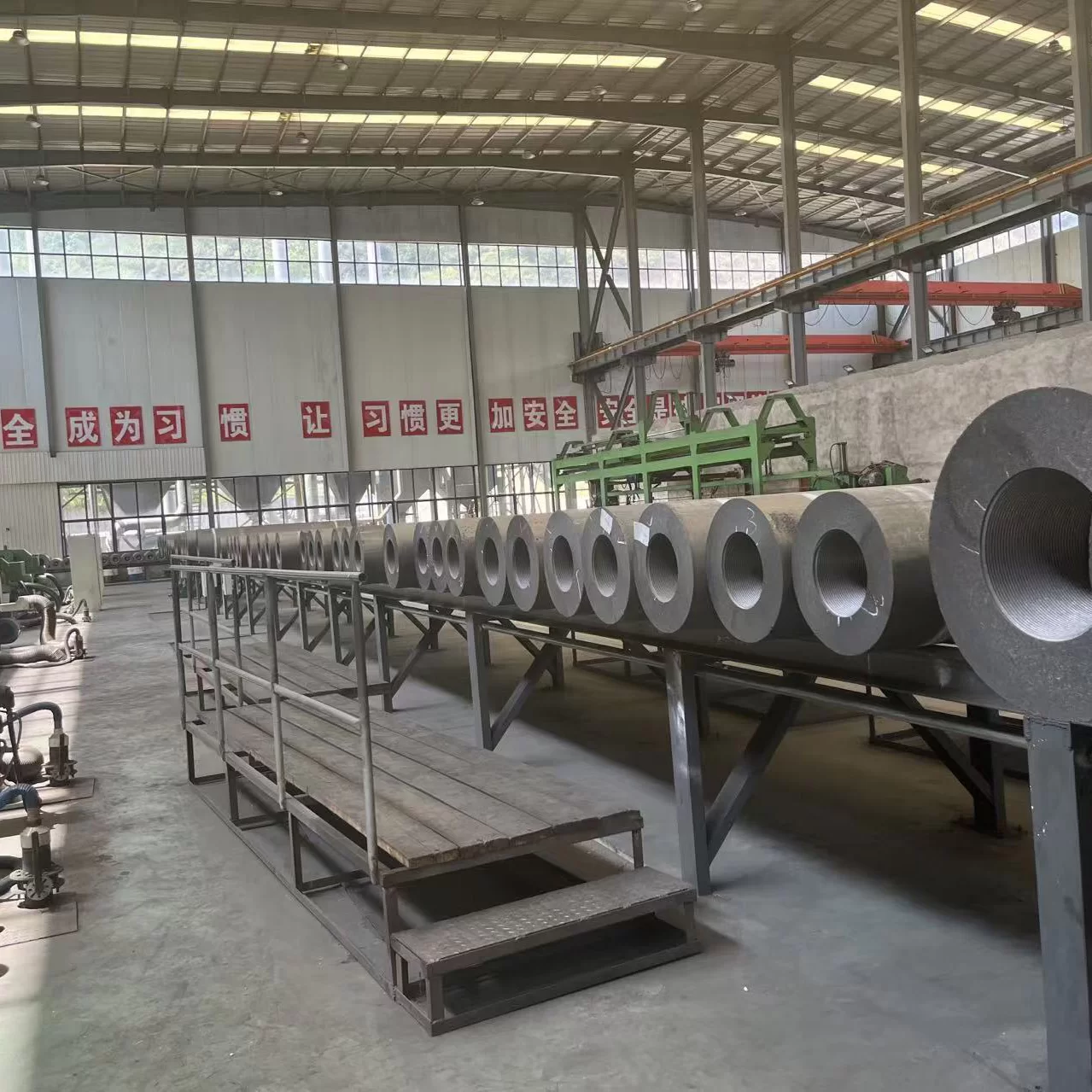
Understanding the Tube of Graphite: An Industrial Essential
When you hear “tube of graphite,” what comes to mind? Perhaps something simple and mundane, or maybe a high-tech component in advanced manufacturing? Frankly, the tube of graphite occupies a fascinating niche—bridging raw material science, industrial utility, and even sustainability ambitions on a global scale. From aerospace parts to nuclear reactors, these tubes play a pivotal role in modern industry. Understanding what they are and why they matter helps us appreciate a quiet backbone of innovation and safety.
Global Context: Why Tubes of Graphite Matter
Graphite, as a naturally occurring form of carbon, is recognized globally for its unique physical properties — excellent conductivity, high melting point, and chemical inertness. According to the United States Geological Survey, global graphite demand has been rising steadily, primarily propelled by its use in lithium-ion batteries, nuclear reactors, and high-temperature industrial components. The World Bank’s data on critical minerals highlights graphite as a key input in clean energy technologies, reflecting a growing environmental imperative. Yet, not all graphite use is equal; tube-shaped graphite parts enable precision applications, from protective vacuum tubing to heat-resistant mechanical seals.
But why tubes? Industrial challenges often revolve around materials that can withstand extreme conditions without deformation or degradation. Tubes of graphite answer these needs by combining lightweight durability with thermal stability—a factor critical in sectors like aerospace, automotive, and chemical processing.
What Exactly Is a Tube of Graphite?
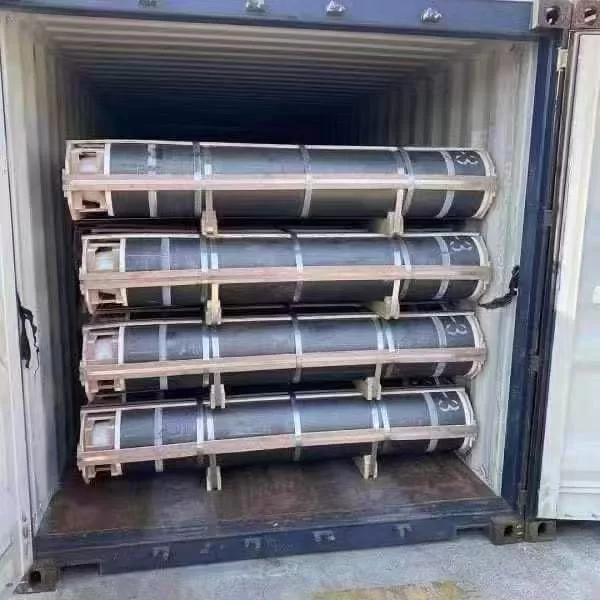
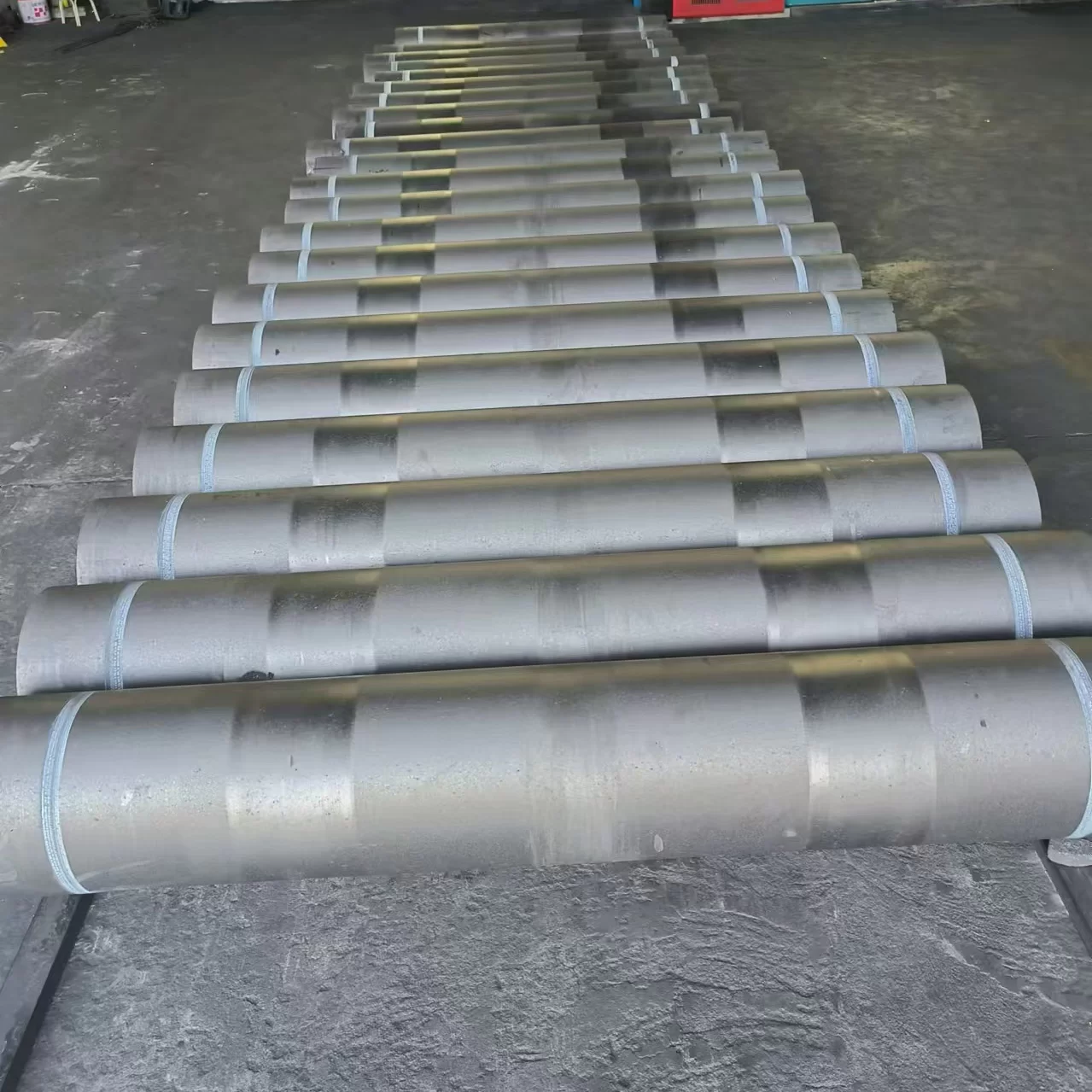
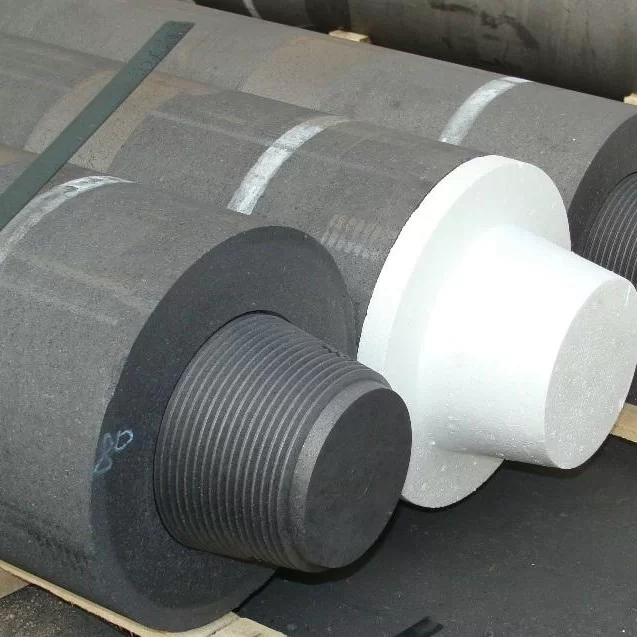
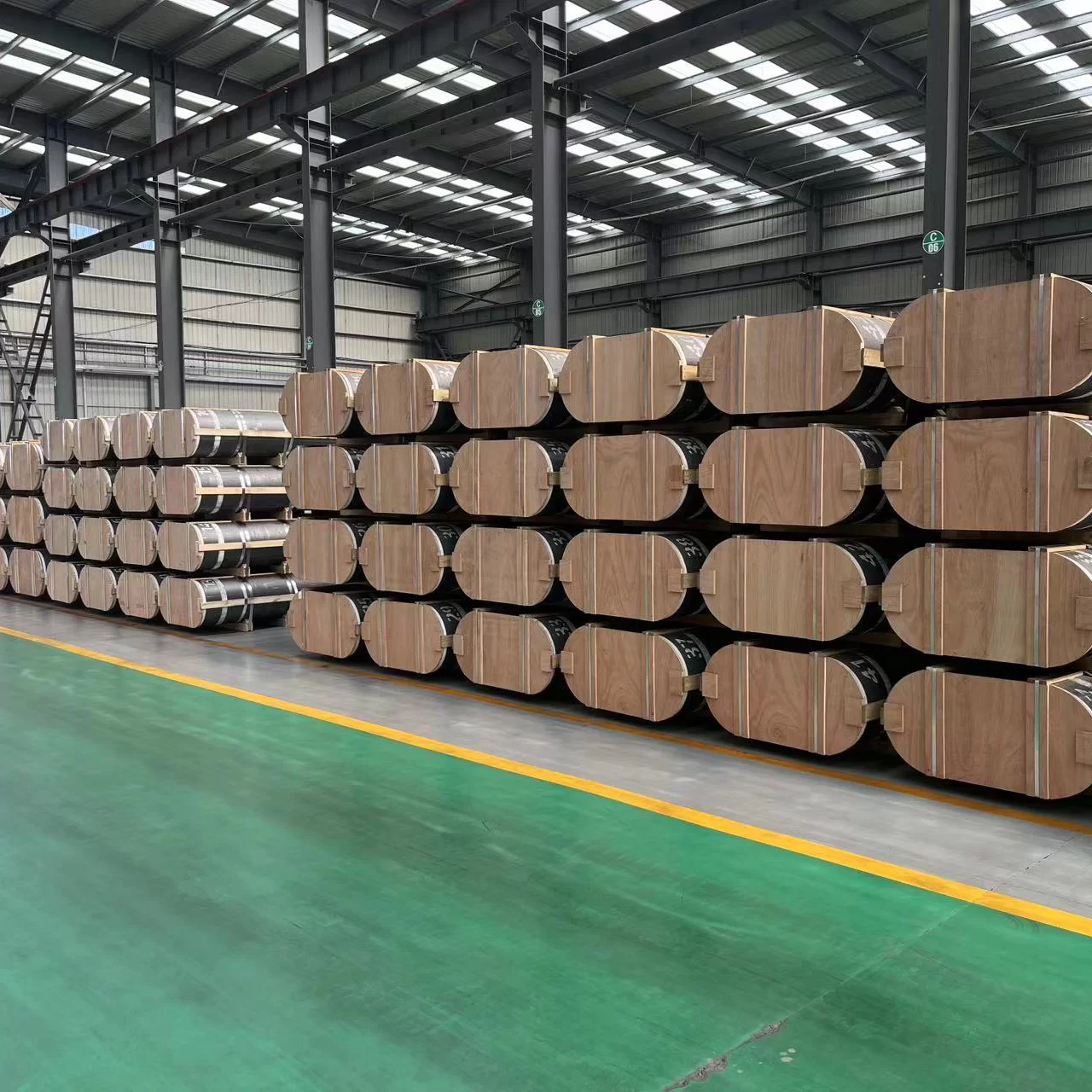
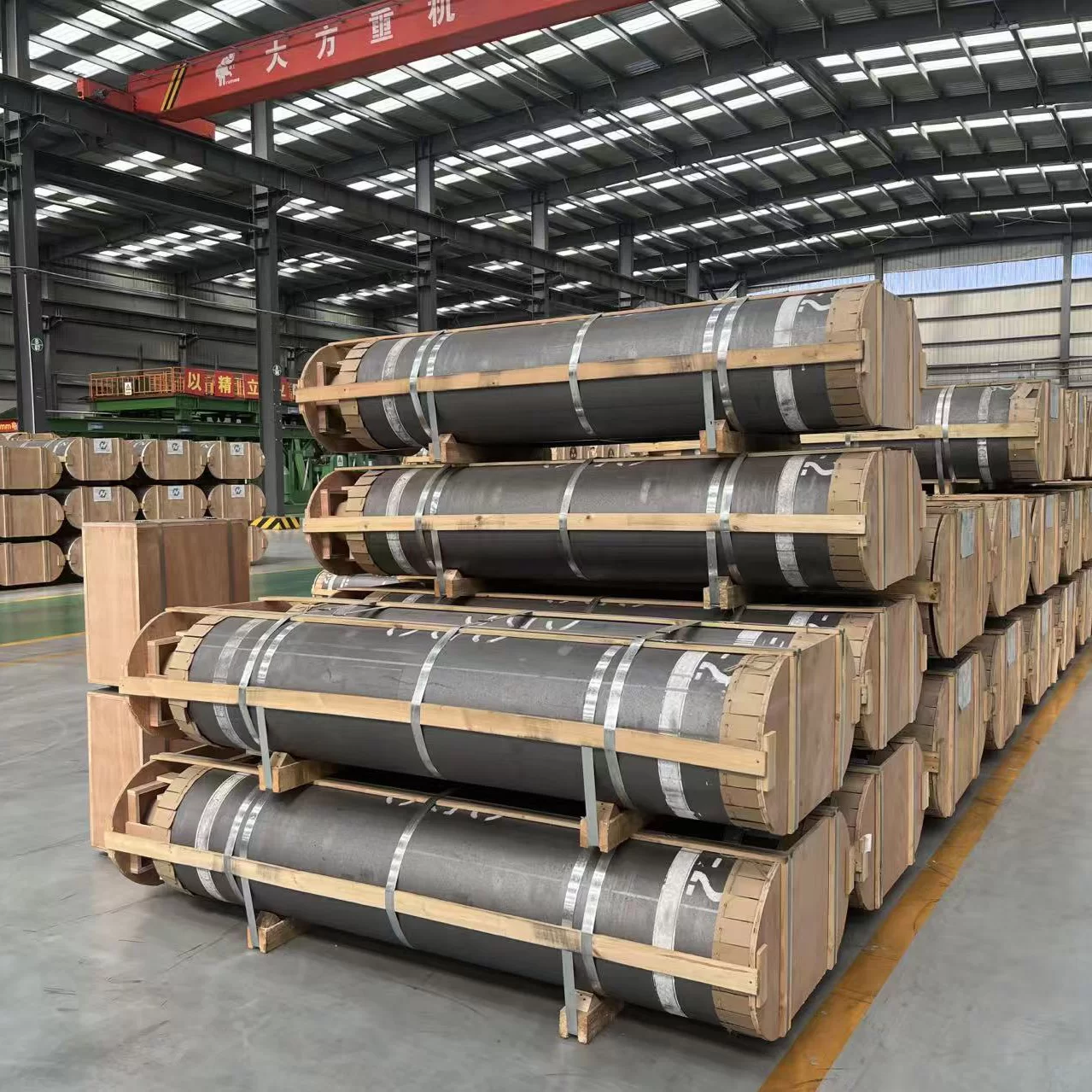
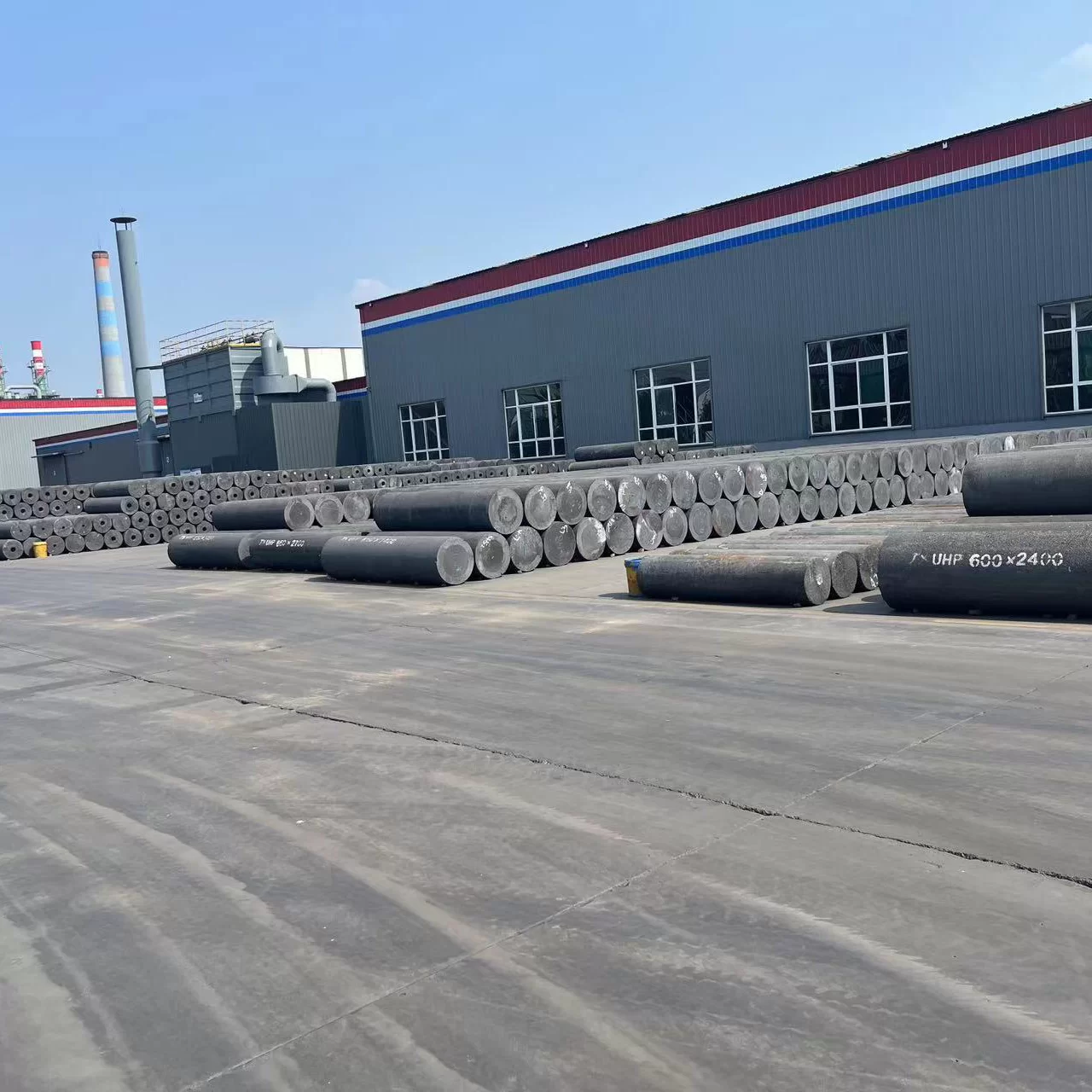
Simply put, a tube of graphite is a cylindrical component made from refined, compressed graphite—sometimes molded, extruded, or machined to precise dimensions. Unlike solid graphite blocks, tubes come hollow, which allows them to be used as conduits, protective sheaths, or structural parts in devices that face high temperatures and corrosive environments. Their utility ranges from serving as nuclear reactor core liners to acting as electrodes in electric arc furnaces.
Connecting the dots, these tubes are integral to industries focused on advanced manufacturing and sustainability. Think clean energy storage, or even humanitarian technologies where durable and safe materials are essential—such as high-performance protective housings for sensitive instruments.
Key Factors Defining the Performance of Tubes of Graphite
1. Durability and Thermal Resistance
Graphite tubes can resist temperatures upward of 3000°C in an inert atmosphere, making them ideal where metals might melt or oxidize.
2. Chemical Stability
They resist many corrosive substances, including acids and alkalis, which means longevity in harsh chemical plants or reactors.
3. Electrical Conductivity
A naturally good conductor of electricity, graphite tubes often replace metals in electromechanical parts.
4. Lightweight and Machinability
While solid and sturdy, tubes of graphite are still lighter than many metals and can be precision-machined into complex parts.
5. Environmental Compatibility
Graphite is carbon-based and can be sourced with an eye toward sustainable mining practices. Plus, its recyclability adds a green edge.
Mini takeaway: The tube of graphite is a high-performance, versatile product tailored for extreme applications where traditional materials fall short.
Specifications: Comparing Popular Tubes of Graphite
| Specification | Standard Grade Tube | High Purity Tube | Ultra-High Density Tube |
|---|---|---|---|
| Outer Diameter | 10 - 50 mm | 5 - 30 mm | 20 - 100 mm |
| Wall Thickness | 2 - 5 mm | 1 - 3 mm | 3 - 10 mm |
| Purity (%) | 95-98% | >99.9% | 98-99% |
| Max Operating Temp | 2500°C | 3000°C | 2800°C |
| Electrical Resistivity (μΩ·m) | 15-20 | 10-12 | 14-18 |
Global Applications & Use Cases for Tubes of Graphite
- Nuclear Industry: Tubes safeguard reactor cores due to their heat resistance and neutron moderation ability.
- Chemical Processing: Used in piping and protective sleeving where corrosive chemicals are handled.
- Aerospace: Structural or shielding components to survive harsh reentry conditions.
- Electronics Manufacturing: Electrodes and conduits in semiconductor fabs and arc welding.
- Renewable Energy: Critical parts in batteries, fuel cells, and solar panel production lines.
For instance, in remote industrial zones with limited infrastructure, these tubes provide durable conduits for electrical and fluid transport, minimizing maintenance and failure risks. In post-disaster relief operations, custom graphite tubes might be used in portable industrial equipment for water purification or power generation due to their resistance and longevity.
Summary note: The tube of graphite’s versatility spans diverse sectors and geographies, proving invaluable wherever longevity under stress counts.
Advantages and Long-Term Value of Tubes of Graphite
From a cost perspective, while initially more expensive than metal tubing, graphite tubes reduce downtime and replacement costs because of their resilience. Socially, they enable safer, cleaner industrial processes, helping organizations meet stringent environmental and workplace standards. Emotionally, their reliability brings trust and peace of mind to engineers and facility managers alike.
- Cost Efficiency: Longer operational life reduces total cost of ownership.
- Sustainability: Potential to recycle and source responsibly.
- Safety: Non-reactive, reducing hazardous failures or spills.
- Innovation: Facilitate cutting-edge technological developments.
Future Trends & Innovations Shaping Tube of Graphite Use
The rise of tube of graphite in clean energy efforts looks promising, with improved high-purity tubes advancing battery manufacturing and hydrogen fuel cell tech. Automation in machining and quality control brings tighter tolerances, expanding use in microelectronics. There's also an ongoing push to develop composite graphite tubes combining graphene coatings to enhance strength and corrosion resistance further.
Moreover, international standards bodies like ISO are working on new classifications and testing methods to ensure traceability and performance across global supply chains. Oddly enough, while synthetic graphite tubes capture most attention, natural graphite sourced tubes are being revisited for eco-friendly process chains.
Challenges & Expert Solutions
Despite clear benefits, challenges persist: sourcing high-quality graphite sustainably remains complex, and machining graphite tubes can generate fine dust harmful if inhaled—necessitating stringent workplace safety protocols. Also, variable manufacturing standards worldwide can affect product consistency.
To counter these, leading manufacturers invest heavily in closed-loop production, sophisticated air filtration, and ISO-compliant quality assurance. Plus, advancements in additive manufacturing hint at new ways to produce complex tube geometries with less waste.
Frequently Asked Questions About Tube of Graphite
- What is the typical lifespan of a graphite tube in high-temperature applications?
- Graphite tubes can last several years under steady, high-temperature use, depending on the operating environment and maintenance. Factors such as exposure to oxidizing atmospheres can reduce lifespan, but proper sealing and inert gases extend durability significantly.
- How do graphite tubes compare to metal tubes in corrosive chemical environments?
- Graphite tubes are often preferred over metals because they resist corrosion from acids and alkalis more effectively, avoiding rust or metal degradation common in many industrial settings.
- Can graphite tubes be customized for specific industrial needs?
- Absolutely. Manufacturers often tailor diameter, wall thickness, purity, and even composite layering to meet precise operational requirements. This flexibility is one reason their use is so widespread.
- Is it safe to machine graphite tubes onsite?
- Machining graphite creates fine dust that may be harmful if inhaled. Proper personal protective equipment, air extraction, and dust control are essential for safe handling.
- Where can businesses purchase reliable tubes of graphite?
- Trusted vendors generally certify ISO standards and provide detailed product specifications. Exploring suppliers like tube of graphite specialists is recommended to ensure quality and traceability.
Conclusion – Why the Tube of Graphite Deserves Attention
In real terms, the tube of graphite may seem an unsung hero amid shiny tech innovations, but its role underpins critical advancements across energy, manufacturing, and safety sectors. Its durability, versatility, and forward-looking sustainability make it a smart material choice. If your projects demand extreme performance and dependability, understanding graphite tubes can unlock new possibilities.
Curious to learn more or source high-quality graphite tubes? Feel free to visit our website at https://www.dahcarbon.com—a trusted partner for exploring advanced graphite solutions.
Vendor Comparison: Leading Suppliers of Tube of Graphite
| Vendor | Product Range | Certification | Global Shipping | Specializations |
|---|---|---|---|---|
| DAH Carbon | Custom graphite tubes, rods, blocks | ISO 9001, REACH compliant | Worldwide | High temperature, nuclear-grade products |
| Graphitestore | Standard tubes, pre-machined parts | ISO 14001 | Europe, Asia | Electronic & chemical industry focus |
| Carbone Lorraine | Graphite components & tubes | ISO 9001, ISO 45001 | Global | Aerospace & energy sectors |
Final takeaway: The humble tube of graphite isn’t just a product; it’s a material solution quietly powering tomorrow’s technologies today.