Understanding Artificial Graphite Price: Why It Matters Globally
Artificial graphite might not be something you think about daily, but it’s quietly shaping some of the most important industries worldwide. The artificial graphite price acts almost like a barometer—it reflects shifts in energy, tech development, and even environmental progress. This material’s cost holds significant sway because manufacturers, from battery producers to aerospace engineers, rely on it fundamentally. So, whether you’re an investor, engineer, or simply curious, understanding the cost and drivers behind artificial graphite can give you a surprising edge.
In a world increasingly pivoting towards green energy and electrification, the demand—and price—for artificial graphite isn’t just a number on a spreadsheet. It’s a pulse on how fast societies can decarbonize, innovate, and progress.
Introduction: Global Context of Artificial Graphite Pricing
Globally, the artificial graphite market is expanding hand-in-hand with clean energy trends. According to the International Energy Agency, stationary energy storage capacity is expected to triple by 2030, creating huge new demands for high-performance battery anode materials—of which artificial graphite is a key component. China, Japan, South Korea, and increasingly Europe are focal points. At the same time, production costs and supply chain constraints have periodically spiked prices, impacting everything from electric vehicles (EVs) to aerospace and foundry industries.
The crux: fluctuating artificial graphite prices can stall innovation or inflate costs across high-tech sectors, posing challenges for companies trying to keep pace with climate and performance goals.
What Exactly Is Artificial Graphite Price?
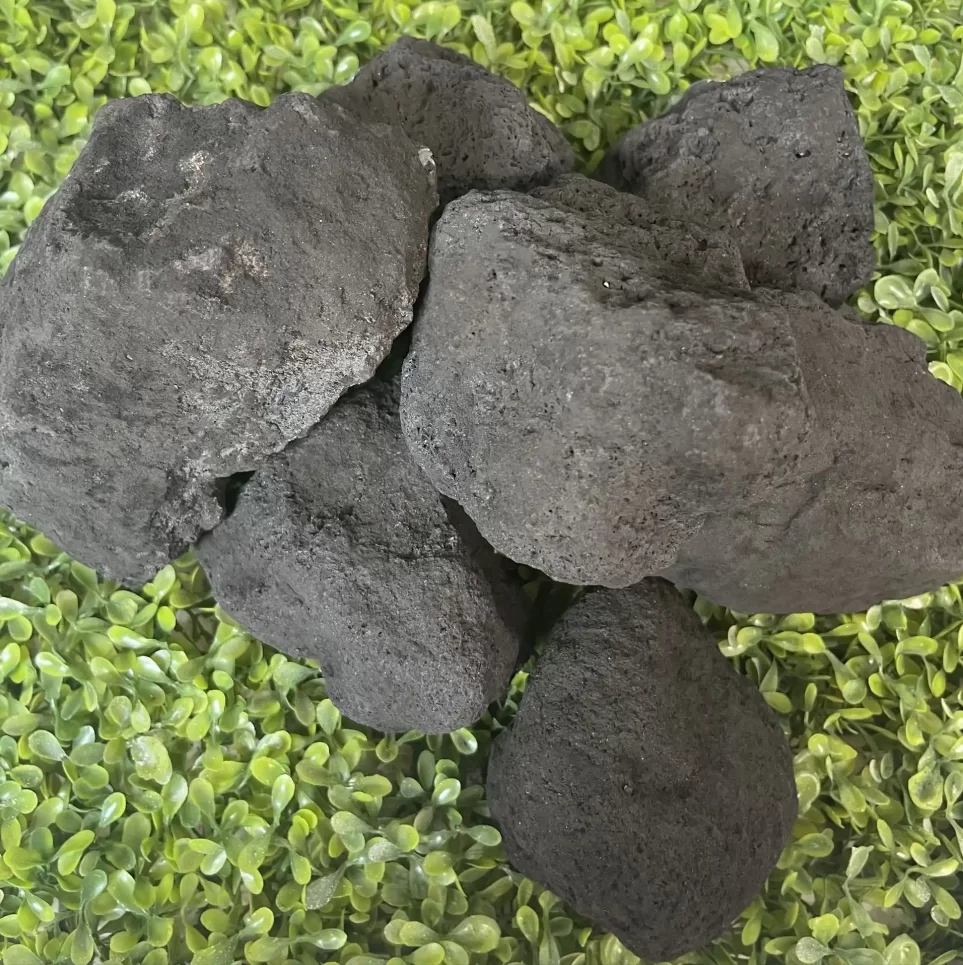
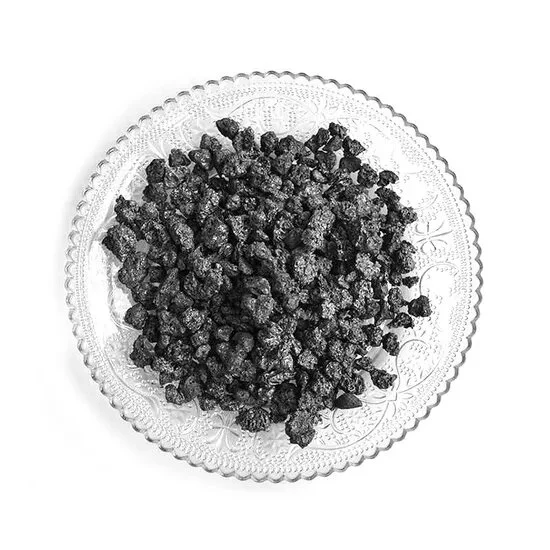
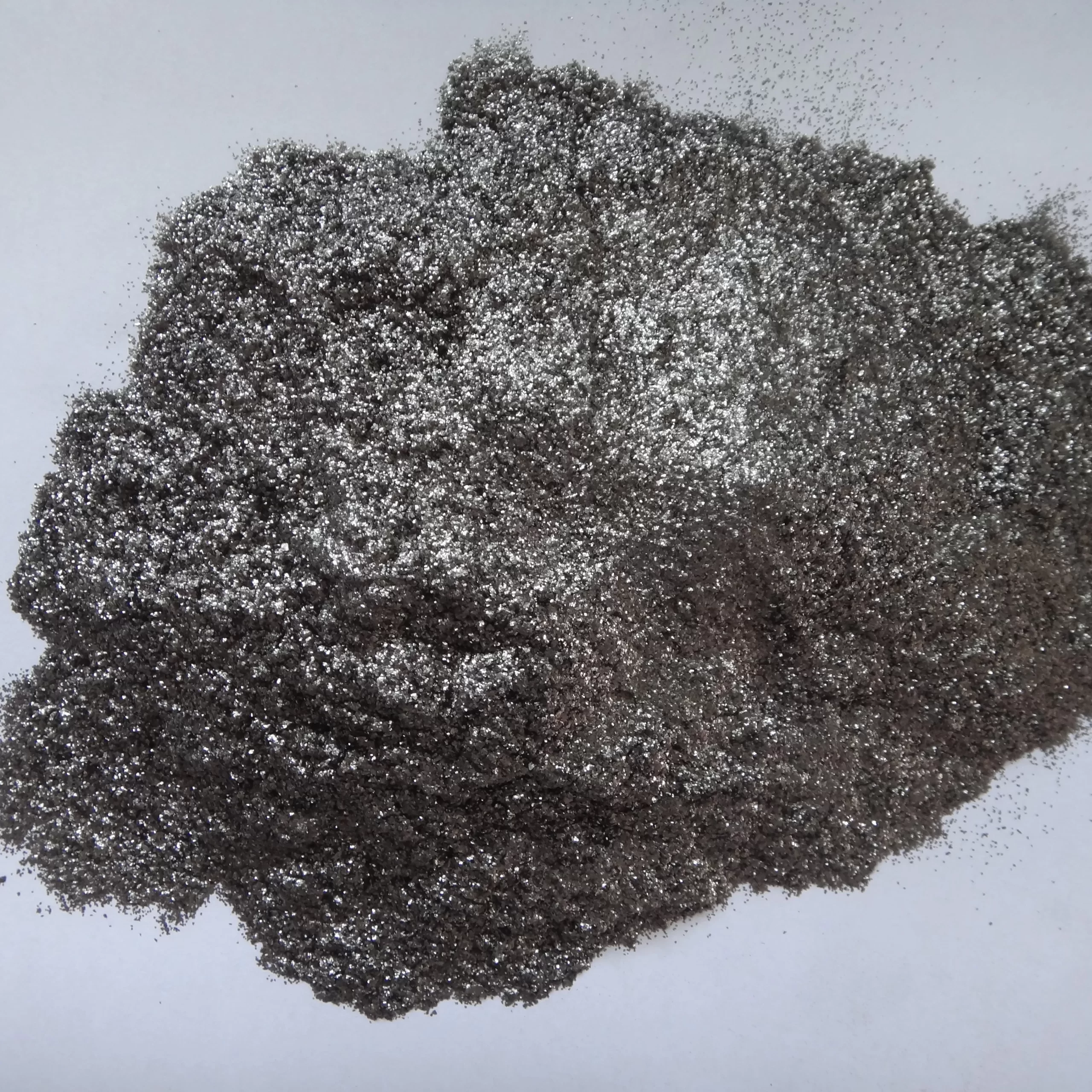
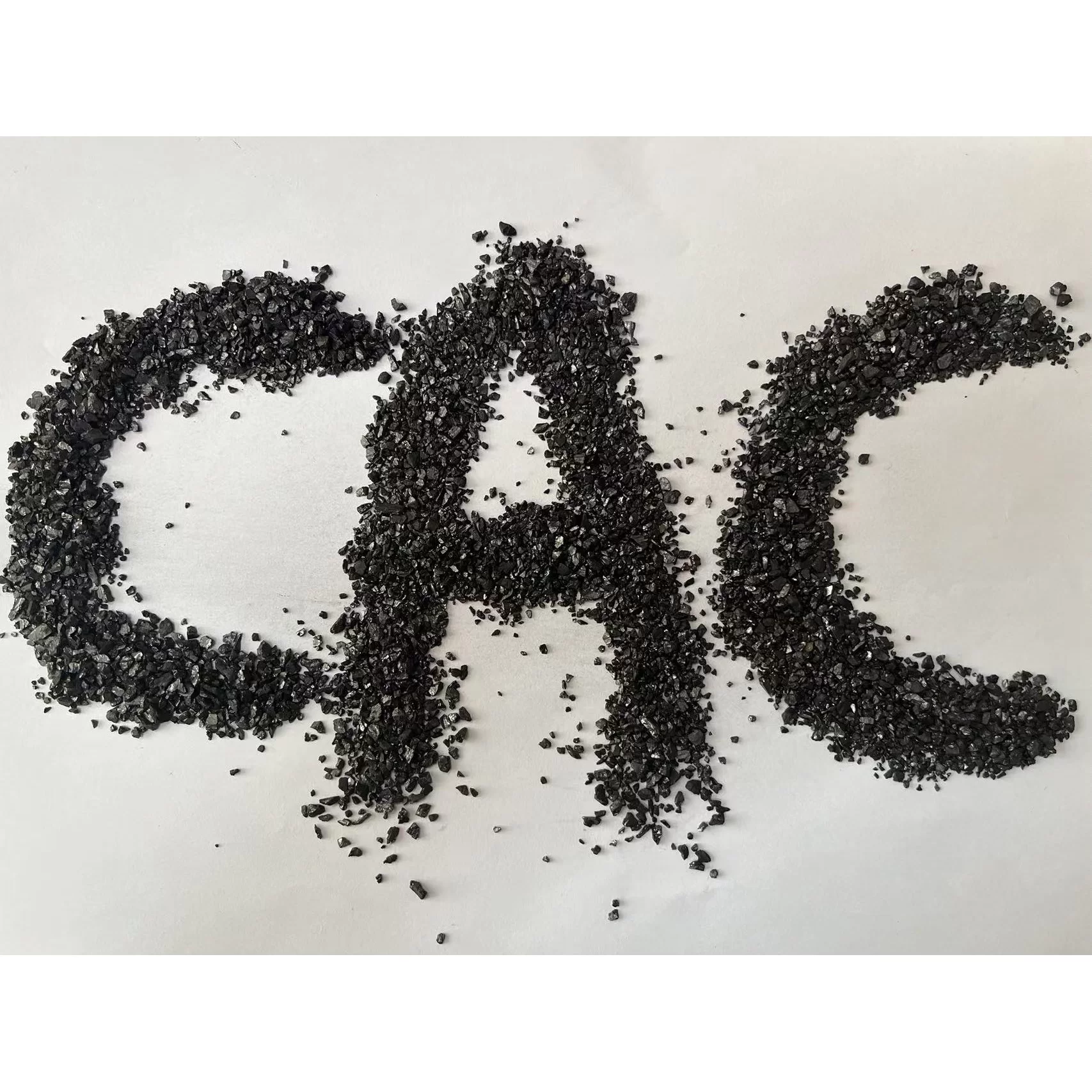
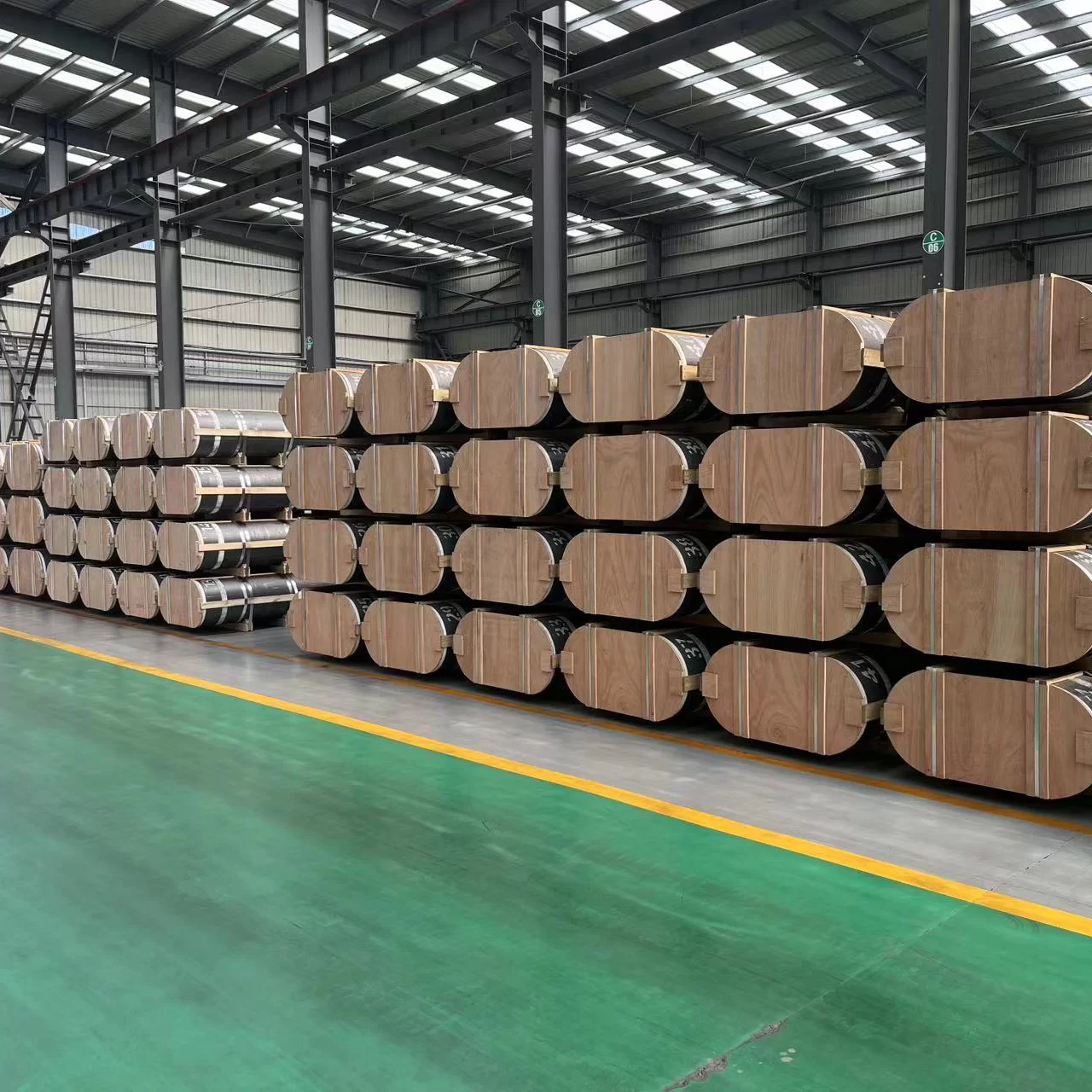
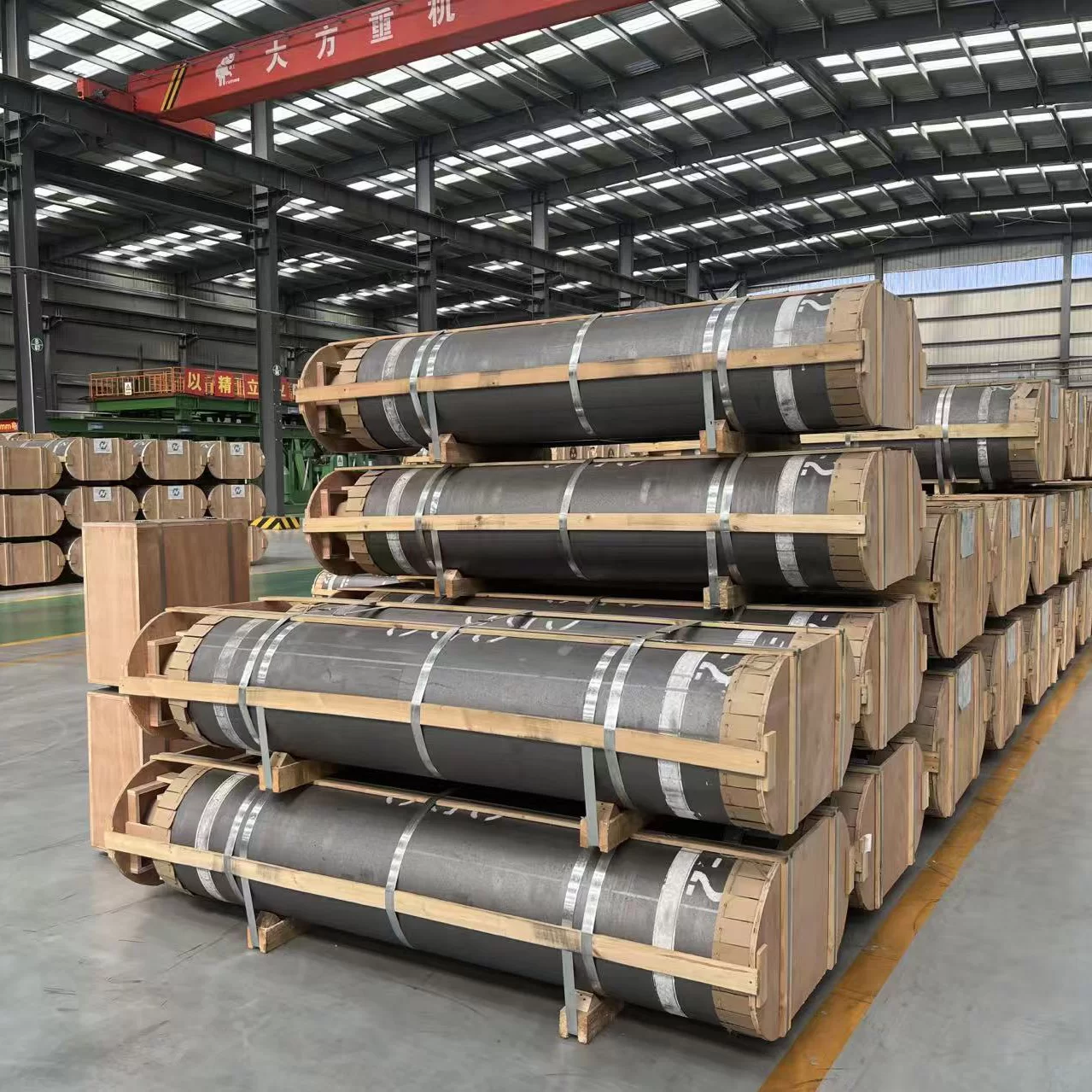
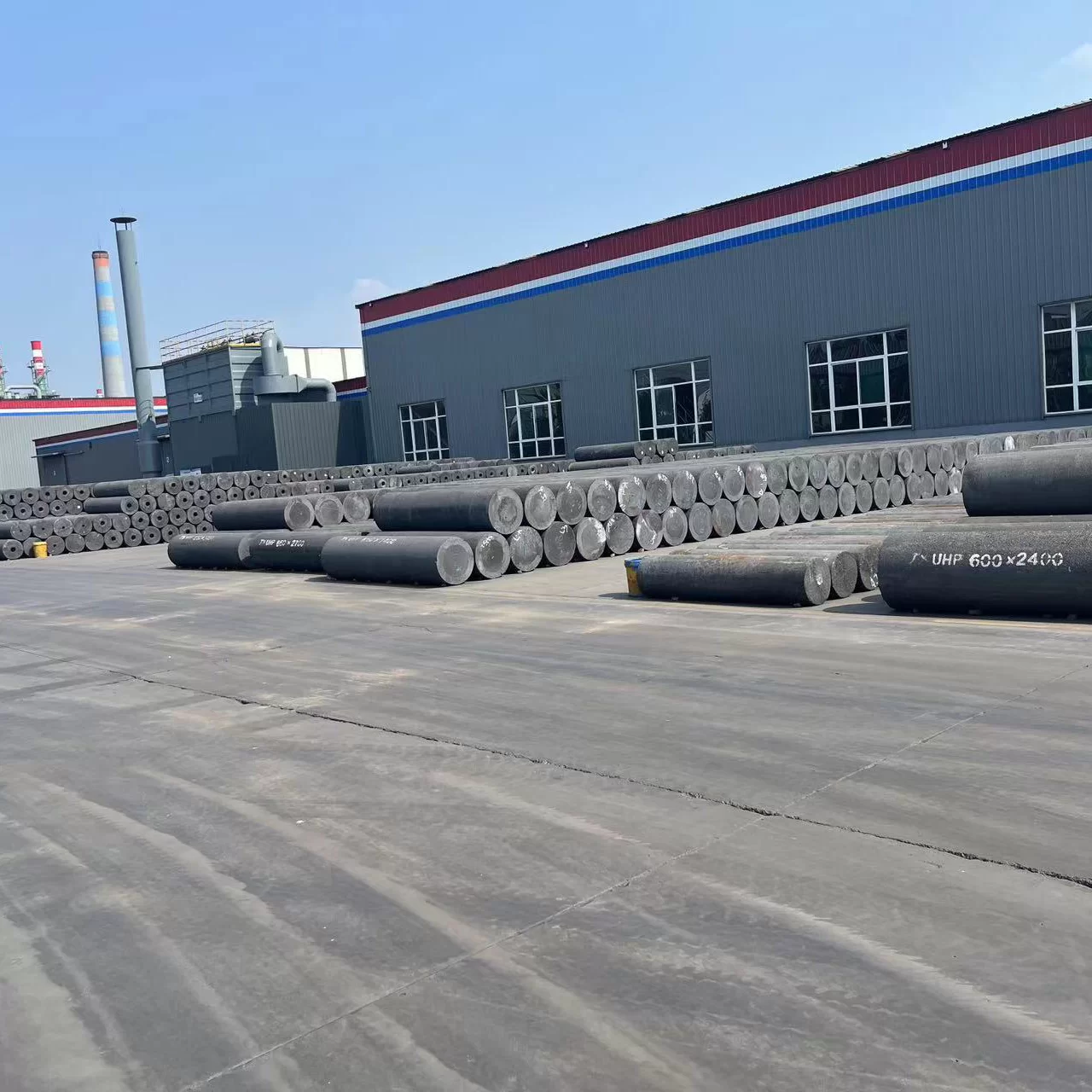
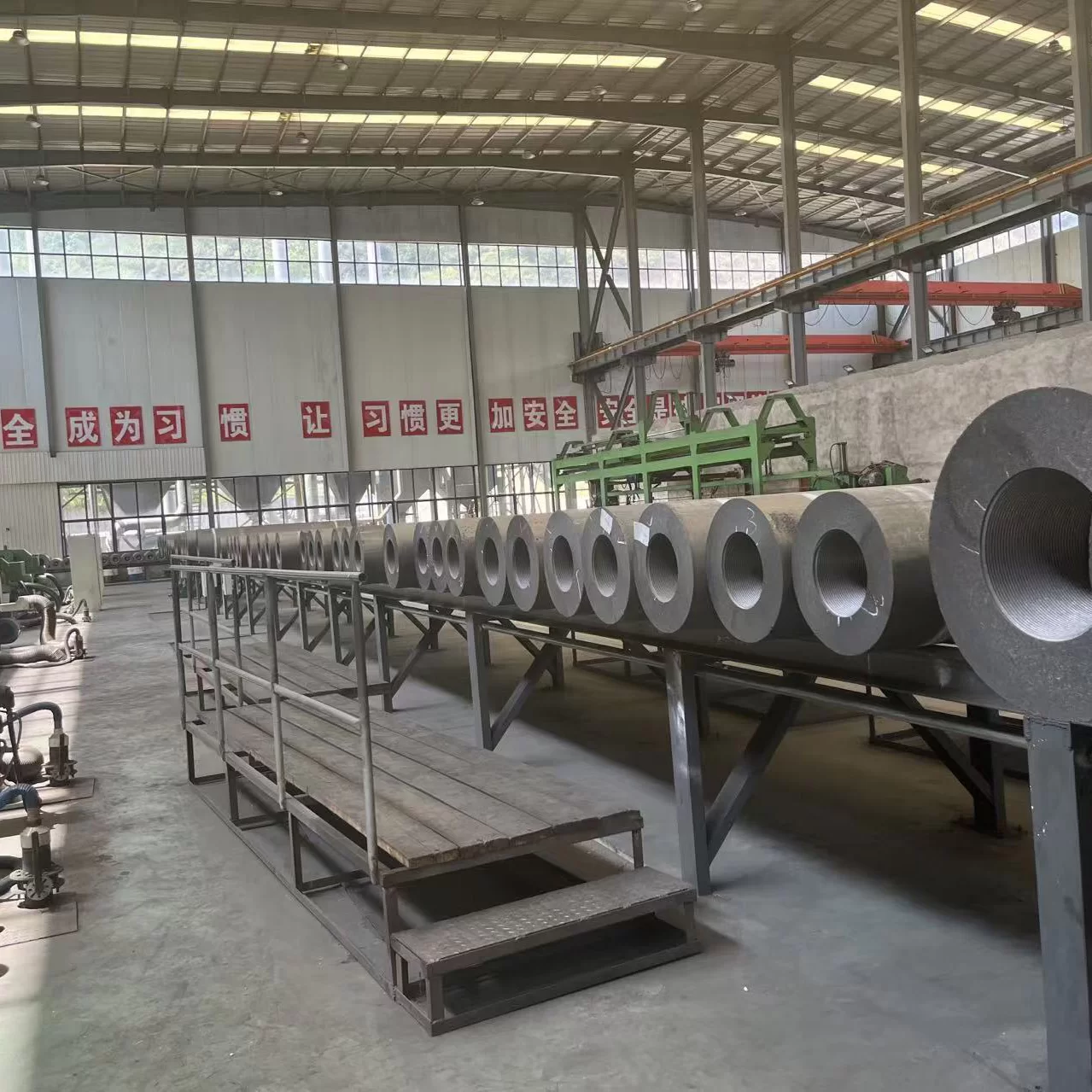
Simply put, artificial graphite price refers to the market cost per unit (often per ton or kilogram) of synthetic graphite produced industrially. Unlike natural graphite mined from the earth, artificial graphite is manufactured by high-temperature processing of carbon-rich materials like petroleum coke. This allows for purer, more uniform, and customizable graphite—ideal for demanding applications.
Its price depends on raw material costs, processing technologies, energy consumption, and global demand. In industry, the artificial graphite price directly influences production costs for batteries, lubricants, refractories, and more.
Key Factors Influencing Artificial Graphite Prices
1. Raw Material Quality and Cost
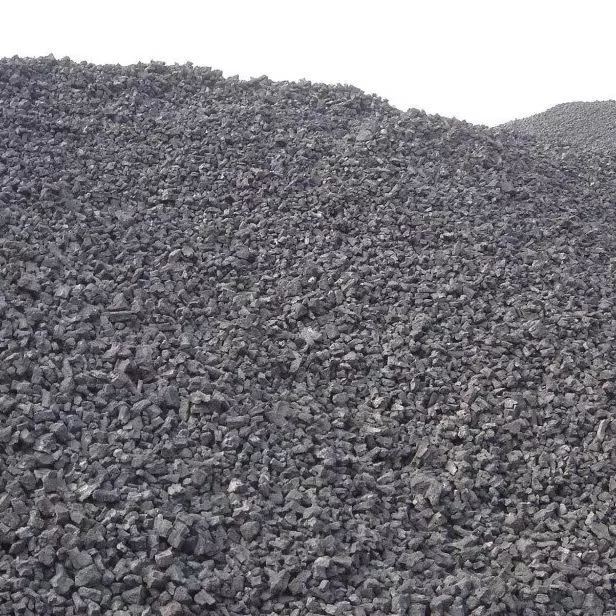
The precursor materials used—typically petroleum coke or coal tar pitch—vary in price based on supply dynamics. Oil price swings, geopolitical factors, and local extraction costs ripple through artificial graphite pricing.
2. Manufacturing Process Complexity
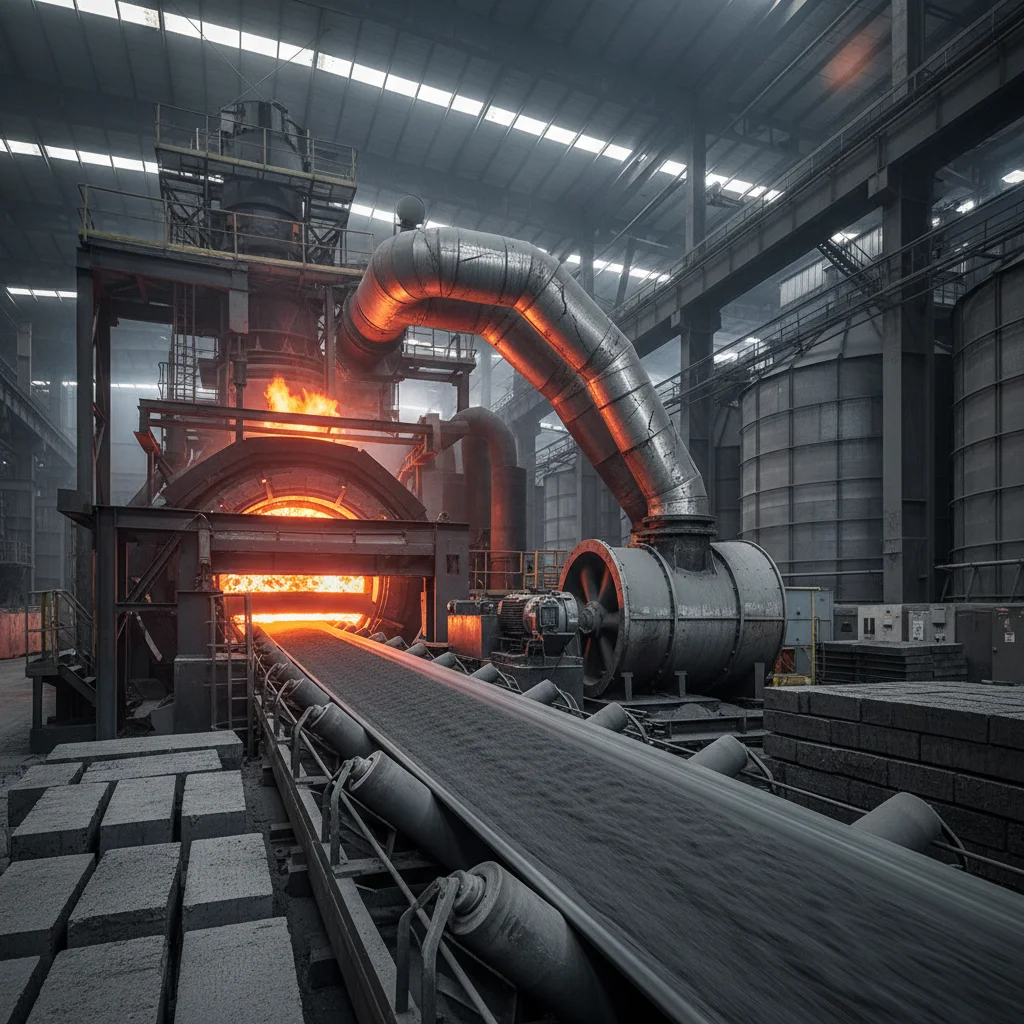
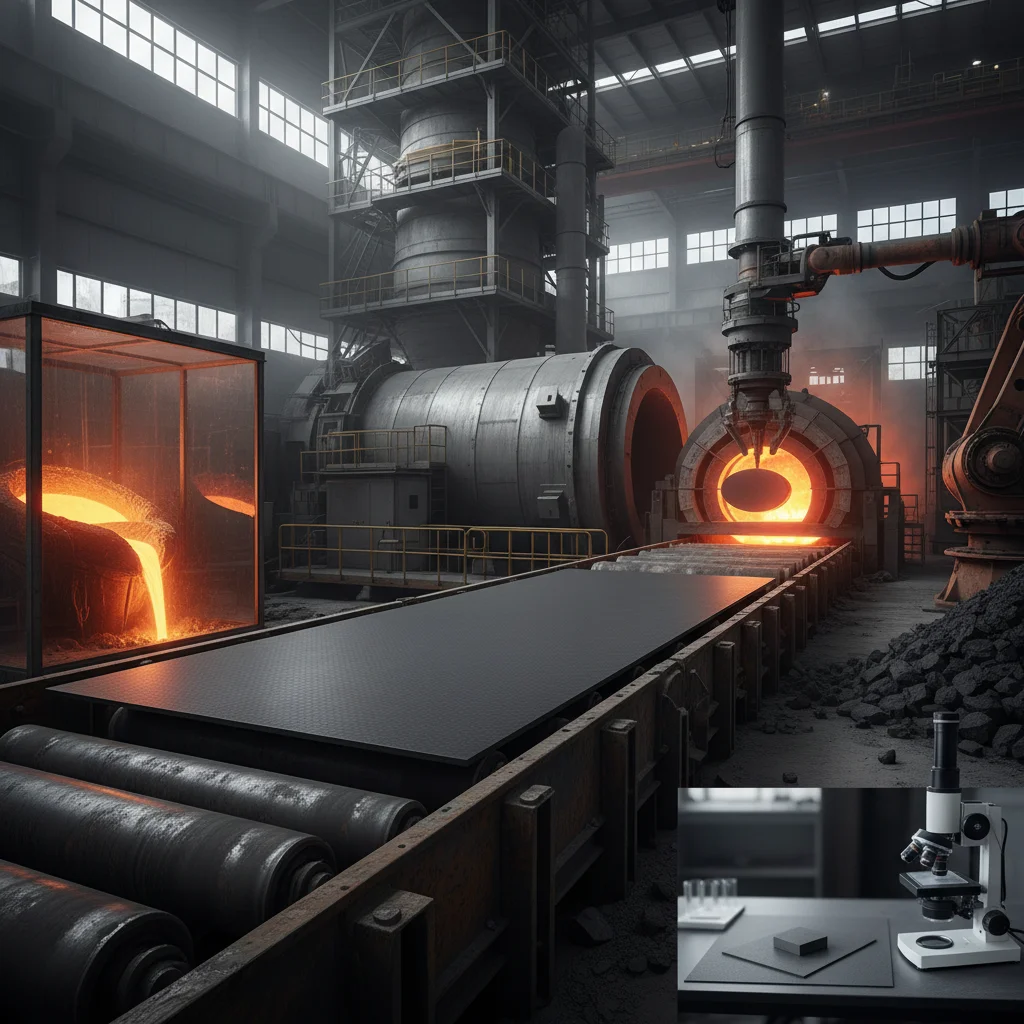
The graphitization process requires sustained temperatures around 2800°C in electric furnaces, consuming huge amounts of energy. Plants with modern, energy-efficient furnaces can reduce costs, but that investment isn’t trivial.
3. Product Specifications and Purity
Price notably depends on crystallinity, density, and electrical conductivity requirements. For example, battery-grade artificial graphite commands a premium versus lower-grade refractory graphite.
4. Supply Chain and Logistics
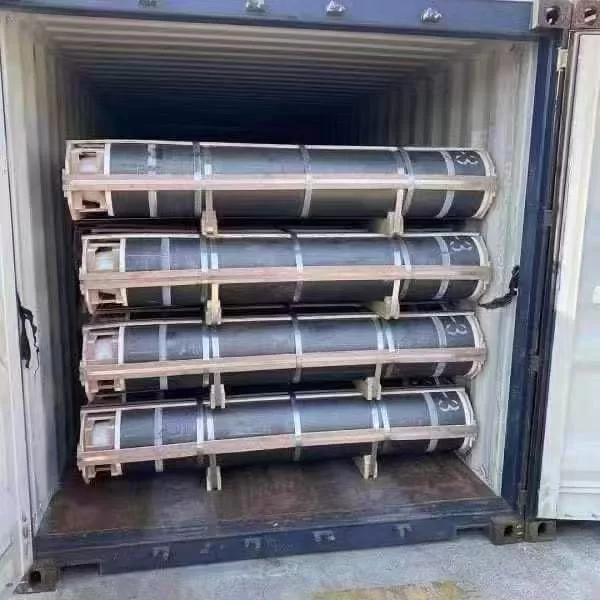
Global supply chains have been stressed recently—shipping costs, tariffs, and trade policies impact delivered prices, especially given artificial graphite’s niche yet globally dispersed manufacturing hubs.
5. Environmental and Regulatory Compliance
With sustainability on the rise, adherence to environmental standards and emissions controls can increase production costs—and thus price—but also improve long-term viability.
Artificial Graphite Price: A Quick Product Specifications Table
| Specification | Battery-Grade Graphite | Refractory Graphite | Graphene-Enhanced Graphite |
|---|---|---|---|
| Purity (%) | ≥ 99.95 | ≈ 97-99 | ≥ 99.9 |
| Bulk Density (g/cm³) | 1.55 - 1.62 | 1.50 - 1.58 | 1.60 - 1.68 |
| Electrical Conductivity (S/cm) | 1000 - 1500 | 800 - 1100 | 1500 - 2000 |
| Typical Price Range (USD/kg) | $10 - $25 | $5 - $12 | $20 - $40 |
Vendor Comparison for Artificial Graphite Products
| Vendor | Product Range | Key Markets | Pricing Competitiveness | Sustainability Practices |
|---|---|---|---|---|
| Dah Carbon | Battery & Refractory Graphite | Asia, Europe, Americas | Competitive | ISO 14001 Certified |
| Luoyang Huigu | High Purity Graphite | China, Southeast Asia | Moderate | Energy Efficiency Initiatives |
| SGL Group | Graphene-Enhanced & Specialties | Europe, NA | Premium | Strong R&D on Sustainability |
Global Applications and Use Cases
Artificial graphite’s value unfolds across a diverse array of sectors:
- Electric Vehicles (EV): Battery anodes rely heavily on high-purity artificial graphite to achieve long life and rapid charging.
- Renewable Energy Storage: Large-scale grid batteries tap into graphite’s conductivity and stability for reliable performance.
- Aerospace Industry: Lightweight and durable graphite parts are critical for high-temperature environments.
- Steel & Foundry: Used as refractory materials, artificial graphite improves furnace efficiency and product quality.
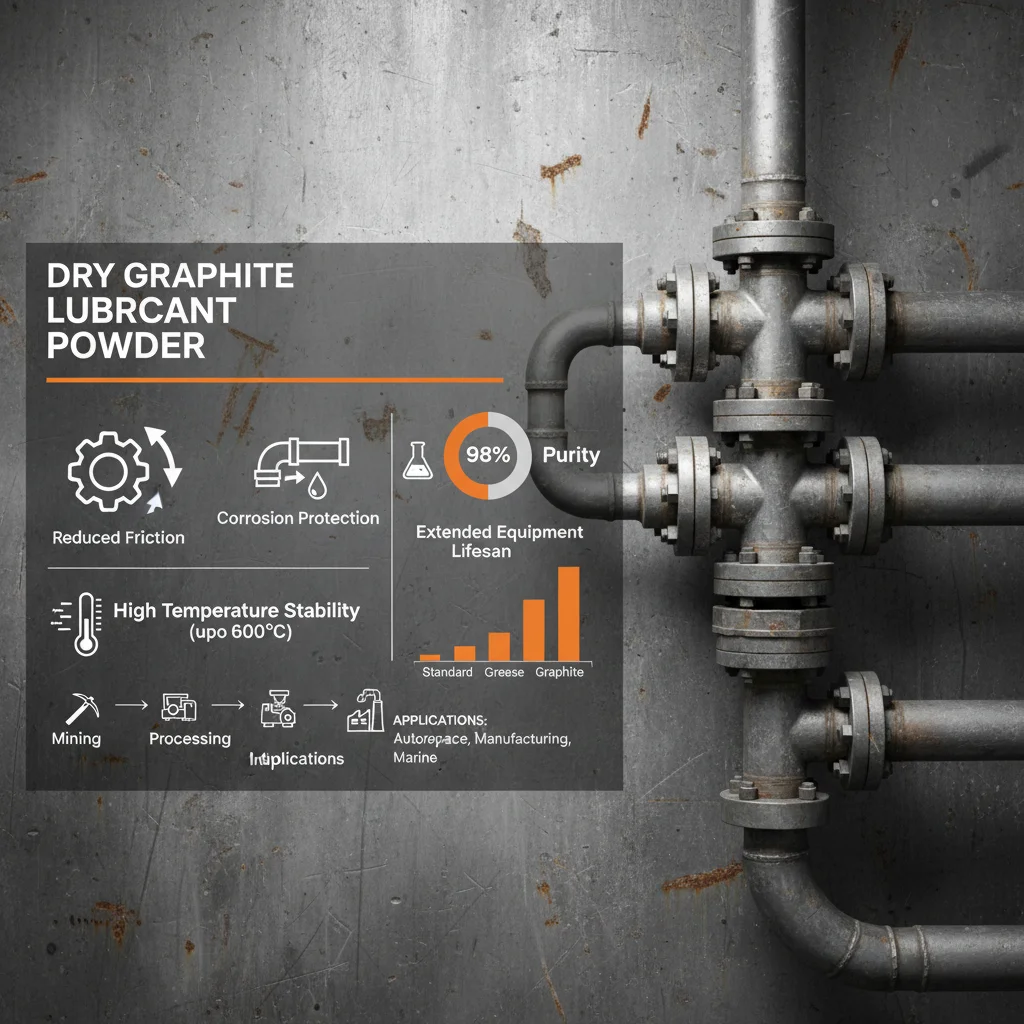
- Lubricants and Seals: In machinery that demands high endurance, graphite’s exceptional lubricity helps reduce wear.
Oddly enough, places like remote mining operations benefit from imported high-grade artificial graphite to maintain equipment and infrastructure reliability where natural graphite might be too inconsistent.
Advantages and Long-Term Value
Why is this material so vital beyond mere industrial use? Well… the benefits go beyond the balance sheet:
- Cost Efficiency: Artificial graphite’s tailored properties allow for optimized performance, lowering waste and downtime.
- Sustainability: While production is energy-intensive, efforts to improve furnace efficiency and use recycled feedstocks are underway, linking artificial graphite to greener technologies.
- Reliability: Consistent purity and performance mean trust in critical applications—think EV batteries saving lives on the road.
- Social & Economic Impact: Enabling renewable energy storage directly supports global decarbonization and equitable energy access.
On a human level, it feels reassuring that the technological backbone of safer, cleaner energy lives in something as… unassuming as a tiny carbon structure. You don’t always get to see the “invisible hands” behind progress so plainly.
Future Trends & Innovations
The artificial graphite market is on an intriguing trajectory. Here’s what to watch:
- Green Graphitization: Techs using renewable electricity and heat recovery to trim carbon footprints.
- Graphene Integration: Graphene-enhanced artificial graphite could leapfrog current battery performance.
- Automation & AI: More precise quality control to reduce defects and improve scalability.
- Policy Pressures: Stricter environmental regulations may push costs up in the short term but ultimately expand high-standard supply.
Of course, these trends depend on geopolitical stability, raw material availability, and, frankly, the pace of green funding—so it’s a fast-moving puzzle.
Challenges & Solutions
Two big challenges stick out. First, the energy intensity of manufacturing artificial graphite can conflict with sustainability goals. Second, supply chain disruptions cause price volatility that frustrates manufacturers and end-users alike.
Experts suggest adopting hybrid furnace technologies, expanding local feedstock production, and fostering transparent supplier partnerships to mitigate these issues. For instance, Dah Carbon is pioneering eco-conscious furnaces designed to cut emissions significantly—proof that innovation is underway.
FAQ: Common Questions About Artificial Graphite Price
- Q1: What influences the cost of battery-grade artificial graphite the most?
- A: Key cost drivers include raw materials like petroleum coke prices, energy-intensive graphitization processes, and strict quality control standards required by battery manufacturers. Supply chain factors also play a role.
- Q2: How does artificial graphite price affect electric vehicle production?
- A: Since artificial graphite is a primary anode material, price fluctuations can impact battery cost and, by extension, EV affordability and production scaling.
- Q3: Are there eco-friendly alternatives to traditional artificial graphite production?
- A: Yes, newer methods use renewable energy for graphitization and recycle carbon sources, reducing the carbon footprint while maintaining quality.
- Q4: How stable is the global supply of artificial graphite?
- A: While a few countries dominate production, supply occasionally faces disruption due to geopolitical or raw material constraints; diversification efforts are ongoing.
Conclusion: Why Monitoring Artificial Graphite Price Matters
To wrap up, staying informed about the artificial graphite price gives us insight not only into a specialized commodity market but also into broader industry health and environmental progress. Its price signals how quickly—and affordably—advanced technologies like EVs and renewable energy storage can expand. So, if you want to keep a finger on the pulse of tomorrow’s tech and sustainability, artificial graphite is a surprisingly good place to start.
Ready to dive deeper? Check out artificial graphite price details and products with industry-leading providers like Dah Carbon.
It feels a bit like holding an inside track on the future of clean energy, doesn’t it?
References: