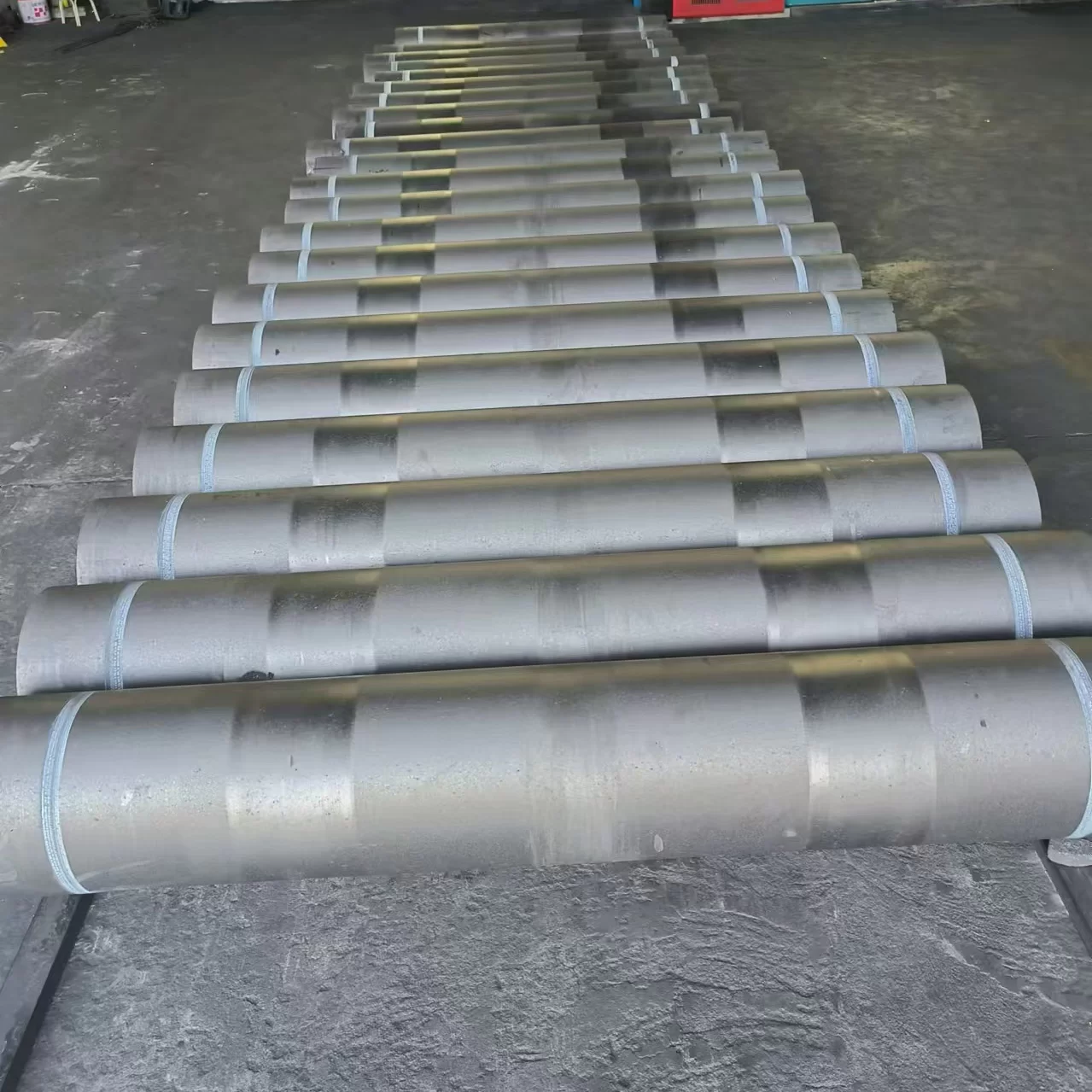
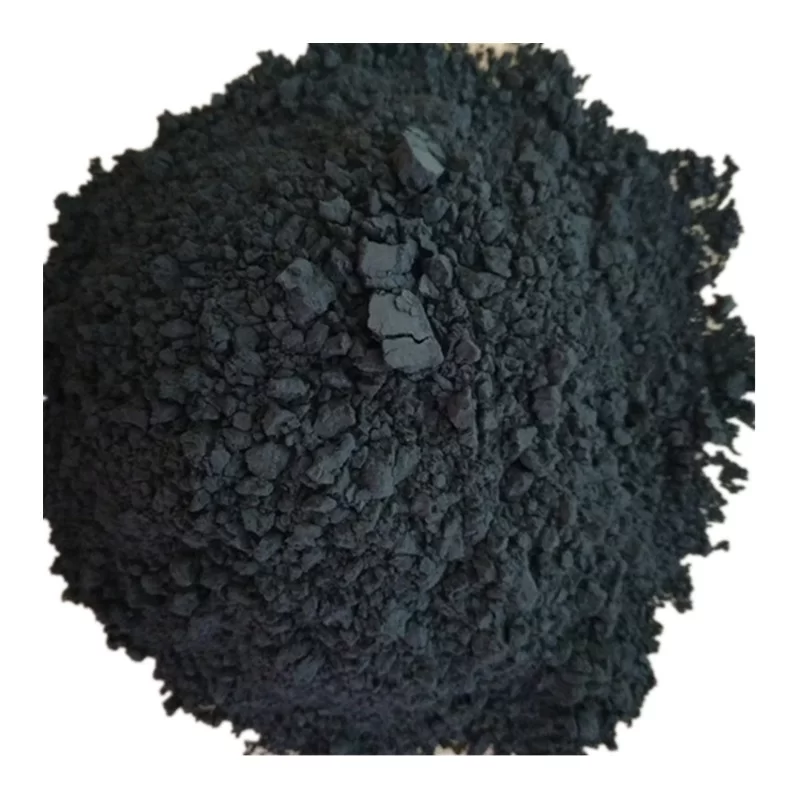
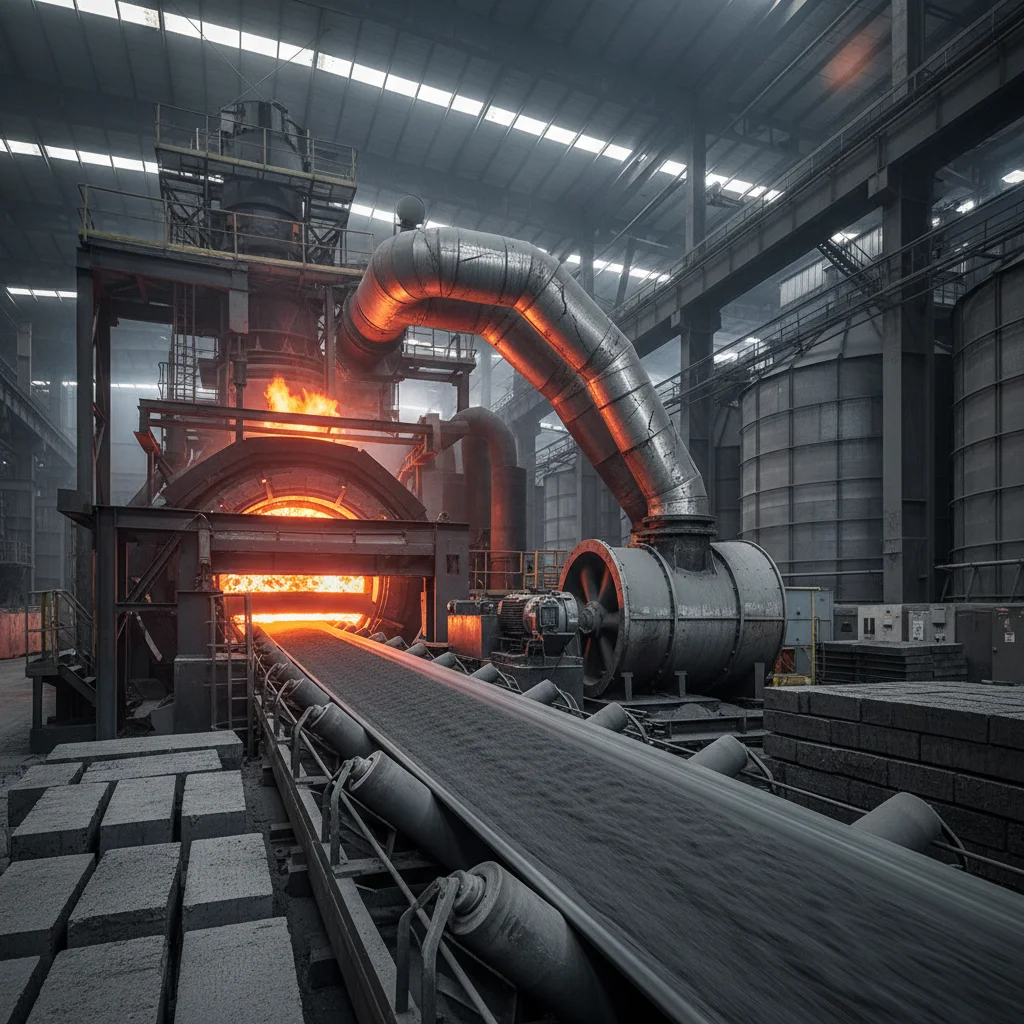
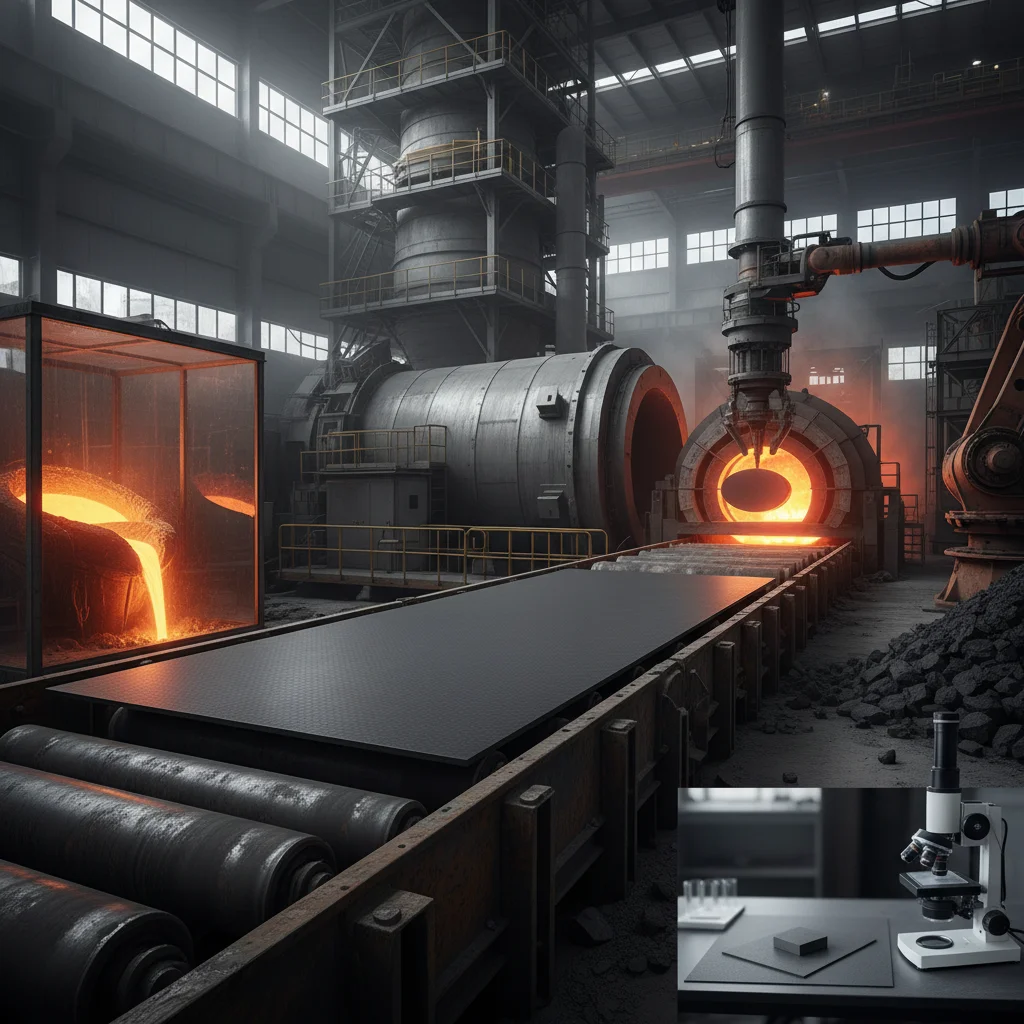
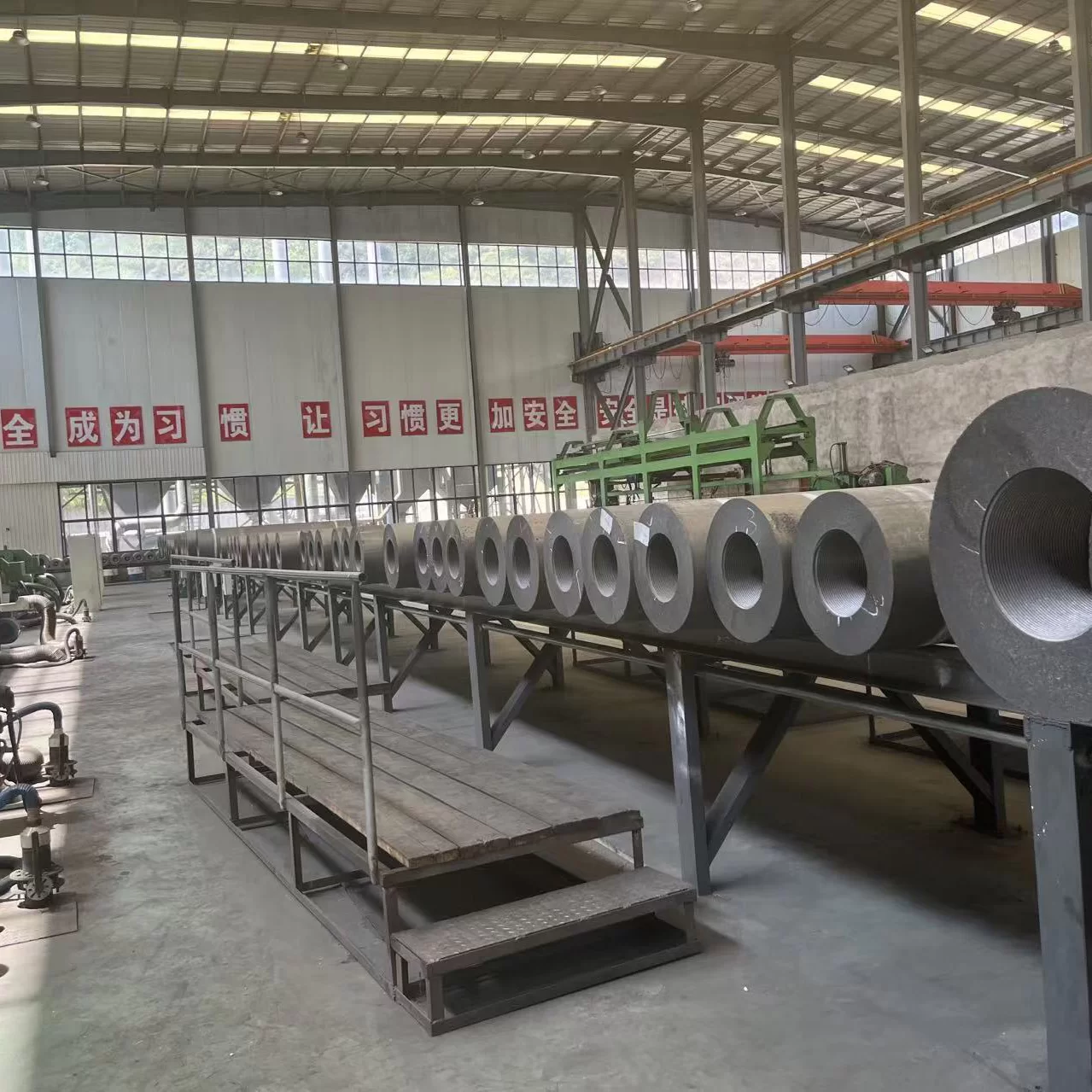
The Role of Graphite Green: Why It Matters Globally
Graphite green might sound like a fancy shade from an artist’s palette, but it’s actually a rather crucial concept gaining momentum in today’s industrial and environmental sphere. Whether you’re an engineer, a sustainability advocate, or simply curious about innovations powering green tech, knowing what graphite green means can unlock understanding of major shifts underway globally.
At its core, graphite green ties to the push for cleaner, more efficient materials and solutions—especially those involving graphite green components—that help industries reduce carbon footprints without sacrificing performance. It’s about balancing today’s pressing energy demands with tomorrow’s environmental responsibility. Frankly, in a world increasingly conscious about resource scarcity and climate change, ignoring these developments would feel like closing your eyes when the storm is upon us.
A Global Perspective: Why Graphite Green Is More Relevant Than Ever
According to recent statistics from the United Nations and the World Bank, demand for sustainable raw materials is surging worldwide, correlating with commitments to the Paris Agreement and the UN Sustainable Development Goals. Graphite, long utilized for its excellent conductivity and lubricity, is now being reinvented in “green” forms—produced or applied with minimal environmental impact—especially in key sectors like renewable energy, electronics, and battery tech.
That matters because industrial graphite has often been linked to mining challenges, pollution, and energy-intensive processing. The term “graphite green” addresses these concerns by standardizing more eco-friendly production methods, recycling protocols, and innovative applications that reduce waste. Think of it as the graphite industry’s answer to the urgent call for sustainability.
One major challenge this concept tackles is the environmental cost embedded in the rising use of graphite-based materials in electric vehicle batteries and grid storage—both critical to green energy transitions. Without “graphite green” practices, scaling these technologies risks perpetuating the very problems they seek to solve.
What Exactly Is Graphite Green?
Simply put, graphite green refers to graphite materials and products designed, sourced, or manufactured to minimize environmental impact while maintaining or enhancing performance standards. This often includes:
- Low-energy or clean energy production processes
- Use of recycled graphite materials or renewable feedstocks
- Enhanced product lifespan reducing need for replacements
- Compliance with recognized eco-certifications and regulations
More than a buzzword, “graphite green” reflects a holistic approach—where raw material sourcing, processing, product design, and end-of-life treatment all sync to reduce ecological footprints, whether that be in aerospace heat shields, battery anodes, or graphite green coatings.
Industrially, it meets humanitarian needs by enabling cleaner, more reliable energy systems and reducing harmful exposures in manufacturing. It’s kind of like having your cake and eating it too—efficient, durable materials that also don’t trash the planet as they get made or used.
Key Factors Shaping the Graphite Green Movement
1. Durability and Performance
Green graphite products don’t just tread lightly—they’re engineered to last. That means better product longevity, fewer replacements, and less waste. For example, anodes in lithium-ion batteries made from graphite green materials often show improved cycle life, helping to maximize battery lifespan and reduce environmental burden over time.
2. Scalability and Supply Chain Transparency
It’s one thing to develop a sustainable material in a lab, quite another to scale it worldwide. Companies focusing on graphite green have invested heavily in traceable, transparent sourcing strategies. This means tracking graphite ore from environmentally approved mines, using cleaner refining processes, and integrating blockchain or other tech just to prove your “green” claims aren’t just marketing fluff.
3. Cost Efficiency
Many assume being "green" means being expensive—which is often not the case here. Because durability and efficiency reduce lifetime costs, and improved recycling cuts material needs, graphite green products can be surprisingly cost-effective long-term. Some firms report up to 20% lifecycle cost savings when adopting these standards.
4. Environmental Compliance and Certification
Meeting ISO 14001 standards or securing third-party green certifications is vital. These ensure graphite green products adhere to internationally recognized environmental management practices, helping buyers trust claims and encourage widespread adoption.
5. Innovation in Materials Technology
Last but not least, ongoing R&D into nano-graphite, graphene derivatives, and hybrid composites pushes the envelope—offering even lighter, stronger, and greener options that industry insiders say will redefine future applications.
How Graphite Green Is Being Applied Across the Globe
Where is graphite green making a real difference? Practically everywhere high-tech and sustainability meet:
- Energy Storage: In Europe and Asia, graphite green battery components enable cleaner EVs and grid storage, cutting carbon emissions while ensuring reliability.
- Aerospace & Defense: Lightweight, green-certified graphite composites protect spacecraft and aircraft, notably in the US and EU programs investing in climate-smart tech.
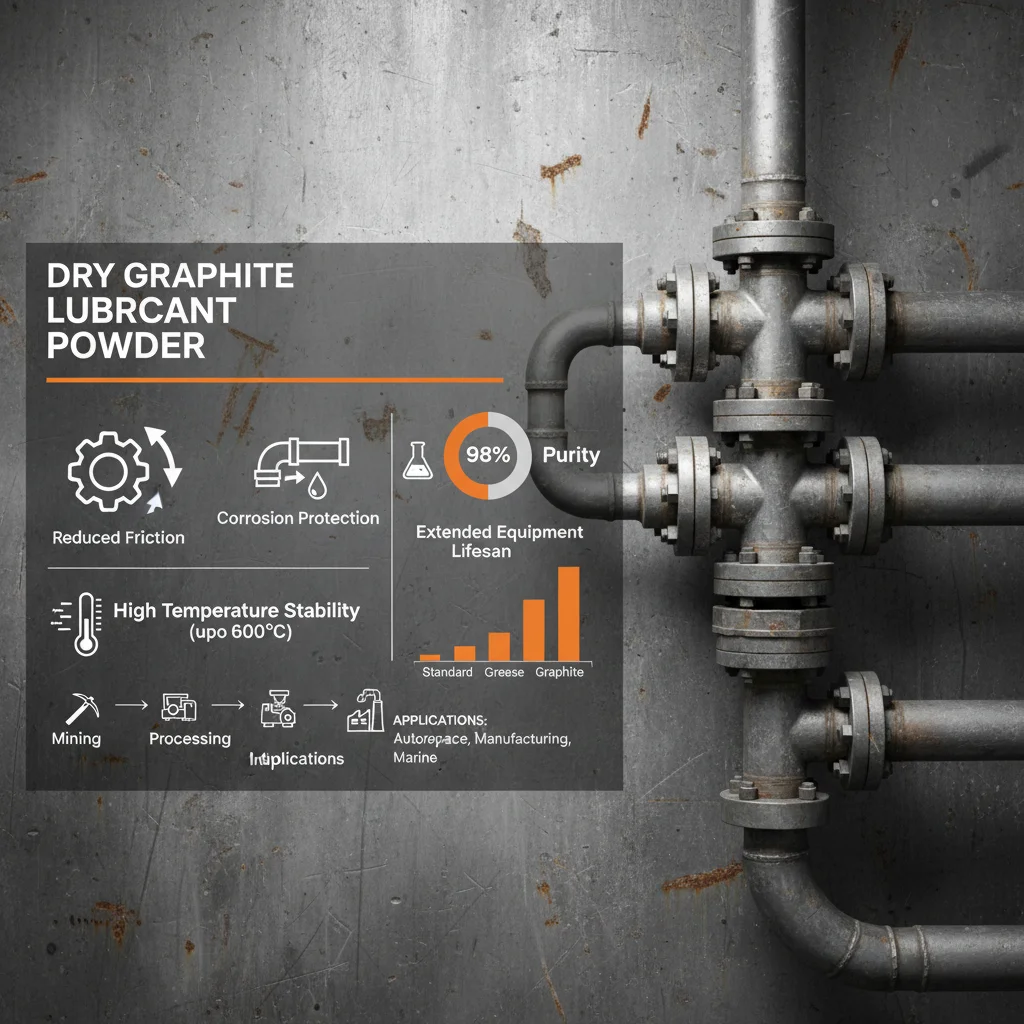
- Industrial Manufacturing: Replacing traditional graphite lubricants with eco-friendly alternatives in factories across China and India reduces hazardous waste output significantly.
- Disaster Relief and Remote Infrastructure: Graphite green materials are used to assemble rapid-deployment power systems and durable infrastructure kits in African and South American regions vulnerable to climate events.
For instance, one NGO recently adopted graphite green battery technology for off-grid clinics in rural areas, reporting enhanced power reliability and a reduction in battery waste in response to community concerns.
Graphite Green Advantages: What’s in It for Industry and Society?
- Cost Savings: Longer-lasting materials mean fewer replacements and less downtime—translating to real financial benefits over products’ entire lifetimes.
- Environmental Sustainability: Reduced mining impact and better waste handling help protect ecosystems and local communities.
- Health and Safety: Cleaner production processes cut toxic emissions and workplace hazards.
- Trust and Social Impact: Companies that invest in graphite green earn stronger reputations and customer loyalty, empowering local economies and innovation hubs.
- Innovation Enablement: The technology opens doors to new product lines and markets aligned with future regulatory demands and consumer expectations.
Emotionally, using graphite green feels like participating in a meaningful shift—one where industrial progress doesn’t come at the expense of the planet or people’s well-being.
Emerging Trends and the Future of Graphite Green
Looking ahead, three key trends are shaping graphite green's trajectory:
- Integration with Green Energy: More eco-friendly graphite is feeding into solar panels, fuel cells, and wind turbine components, crucial for net-zero aspirations.
- Digitalization & Automation: Smart supply chains powered by AI and IoT improve traceability and reduce waste in graphite material flows.
- Advanced Materials Science: Graphene and nano-engineered graphite green variants promise lighter, stronger, multifunctional composites that push new boundaries in electronics and transportation.
These innovations, combined with tightening regulations, suggest graphite green will soon be more standard than exception, driving cleaner, smarter industrial ecosystems.
Challenges & Practical Ways to Overcome Them
Despite the momentum, some hurdles persist:
- High Initial Investment: Upfront costs for certified graphite green production can be daunting—though offset by long-term gains.
- Supply Chain Complexity: Ensuring true “green” credentials from mine to product remains tricky and demands robust auditing.
- Technology Readiness: Some advanced graphite green materials require further R&D to scale economically.
Addressing these involves collaborative efforts between governments, industry consortia, and technology developers—plus advances in blockchain tracing and public-private financing models. Many engineers say a genuine “green graphite revolution” depends on cross-sector transparency and incentives.
Common Questions About Graphite Green
- What makes graphite green more sustainable than regular graphite?
- Graphite green is produced and managed to minimize environmental impact—including responsible mining, cleaner processing, and enhanced recyclability—resulting in lower emissions and waste compared to conventional graphite.
- Can graphite green materials be recycled effectively?
- Yes, enhanced recycling protocols for graphite green ensure materials can be reclaimed and reused multiple times, extending product life and reducing demand for raw mining.
- Is graphite green more expensive than traditional graphite?
- Initial costs may be higher due to certifications and cleaner processes, but better durability and lifecycle savings generally offset these, making graphite green cost-competitive long-term.
- Which industries benefit most from graphite green solutions?
- Battery manufacturers, aerospace, renewable energy, and industrial lubricant producers see significant advantages due to performance demands combined with sustainability goals.
- How do companies verify graphite green claims?
- Through third-party certifications (like ISO 14001) and increasingly via blockchain supply chain transparency tools that track material sourcing and processing.
Graphite Green Product Specifications
| Specification | Typical Value | Units | Remarks |
|---|---|---|---|
| Purity | 99.9 | % | High purity for battery-grade graphite green |
| Particle Size | 5-15 | μm | Optimized for conductivity and coating uniformity |
| Bulk Density | 1.1 | g/cm³ | Suitable for compaction in electrodes |
| CO2 Footprint | kg CO2e / ton | Reduced carbon emissions via green processing | |
| Recyclability | >90 | % | High recovery rate under current recycling systems |
Graphite Green Vendor Comparison
| Supplier | Certifications | Production Capacity (tons/year) | Sustainability Features | Pricing Level |
|---|---|---|---|---|
| EcoGraph Technologies | ISO 14001, SGS | 8,000 | Renewable energy powered plant, closed-loop water system | Medium-High |
| GreenCarbon Solutions | ISO 14001, LEED | 12,000 | Recycling focused, blockchain traceability | High |
| CarbonEco Manufacturing | ISO 14001 | 5,000 | Energy recovery from waste, green logistics | Medium |
Wrapping It Up – Why You Should Care About Graphite Green
Graphite green isn’t just a niche term for those in the graphite trade; it’s a gateway to cleaner, smarter, and more responsible use of a critical material that underpins the energy systems of today and tomorrow. From battery manufacturers to renewable energy pioneers, and from industrial suppliers to humanitarian projects relying on rugged, eco-conscious materials, the benefits reach far and wide.
If you take away one thing, let it be this: with growing ecological constraints and a shift toward circular economies, embracing graphite green technologies is no longer optional—it's essential.
Curious to explore more or source certified graphite green products? Visit our website https://www.dahcarbon.com for resources, product specs, and expert guidance.