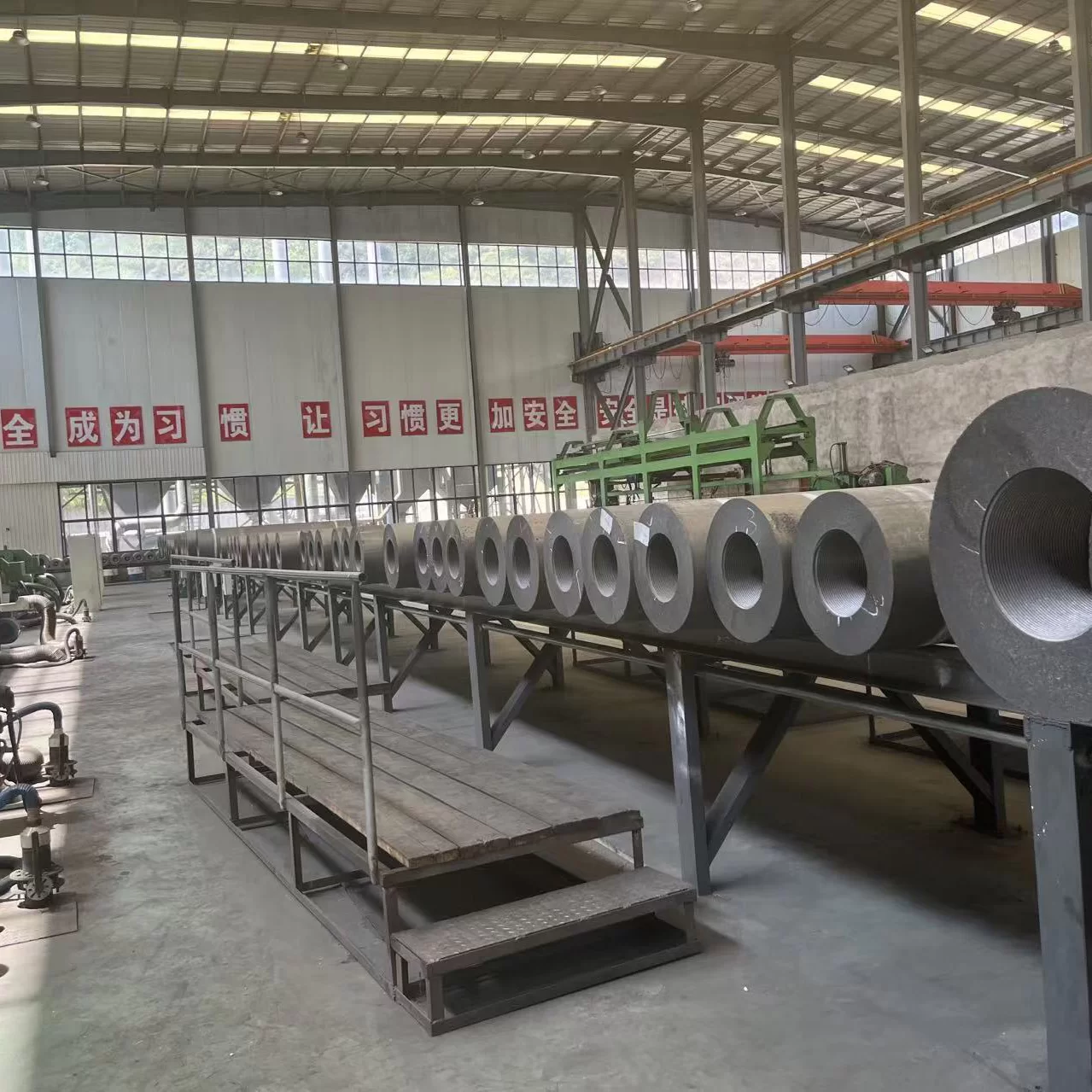
Graphite in Lithium Ion Batteries: Why This Element Matters More Than Ever
At first glance, graphite might seem like just another industrial mineral. But if you've ever held a smartphone, driven an electric vehicle, or used a power tool, you’ve indirectly benefited from graphite's role in the revolution of lithium ion batteries. Understanding graphite in lithium ion batteries is not just about chemistry — it’s about a core puzzle piece in the world’s clean energy future. With the urgent push towards sustainable technologies worldwide, graphite’s function as the primary anode material has a ripple effect on everything from renewable energy storage to global carbon emissions.
Why care? Well, the supply and quality of graphite affect battery safety, performance, and cost. Dive deeper, and you’ll see how mastering graphite's nuances could determine who wins the race for green energy dominance. Let’s unpack this fascinating element’s story and its impact on modern tech.
Global Context: The Rising Demand for Graphite in Lithium Ion Batteries
According to the International Energy Agency (IEA), the demand for lithium ion batteries is set to grow over 14-fold by 2030 — driven largely by electric vehicles and stationary energy storage systems. Much of this growth hinges on the anode component, predominantly made from graphite, which accounts for nearly 20-30% of the battery’s overall weight.
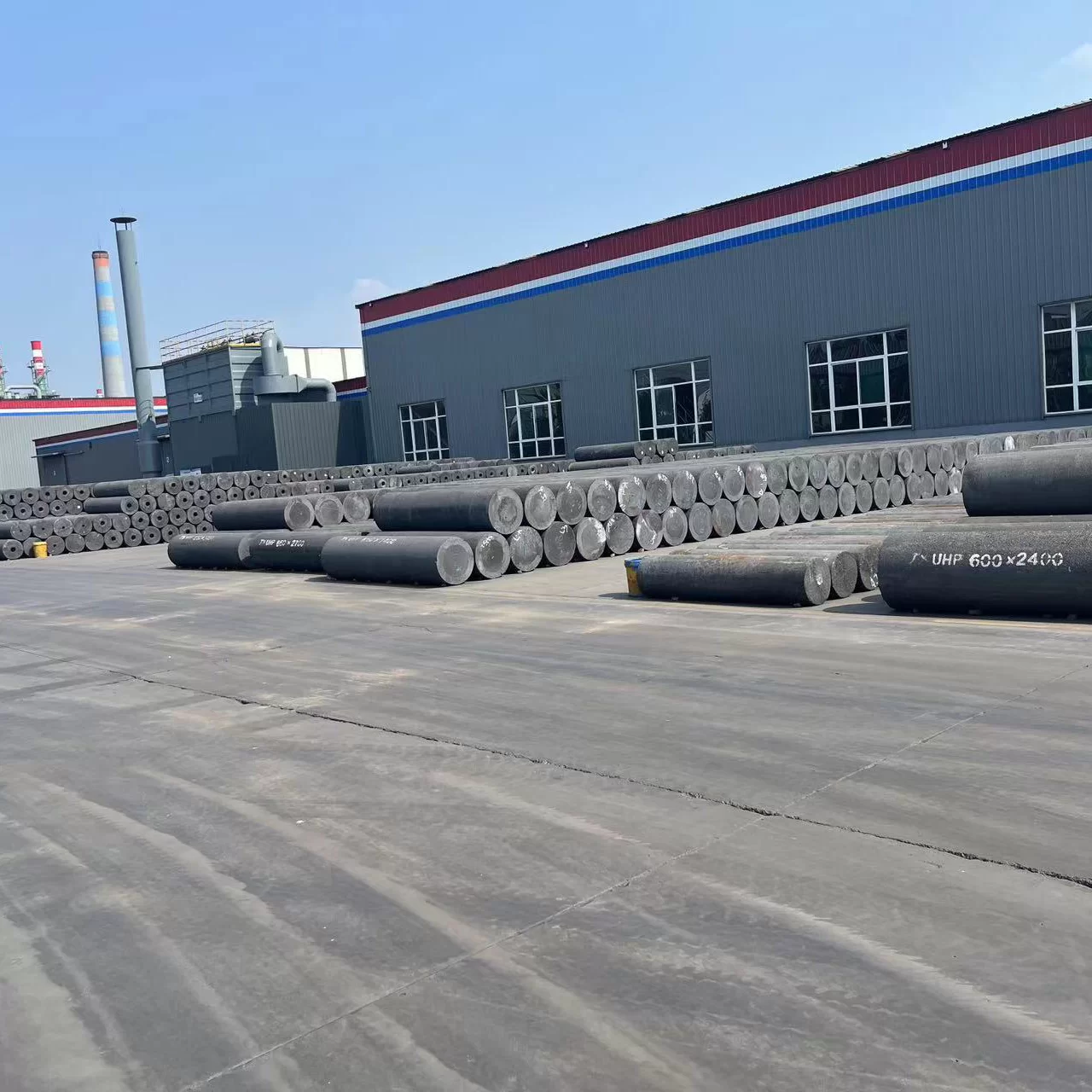
Graphite's global market is valued in billions today, with China controlling about 70% of natural graphite supply and processing capacity. This concentration raises questions around supply security, environmental concerns, and ethical sourcing — especially since the global supply chain is intricately linked to geopolitics and sustainability goals.
Yet, despite its critical importance, graphite is often overshadowed by lithium, cobalt, and nickel in media headlines. That’s a shame because the quality and innovation around graphite anodes can largely define battery efficiency, lifetime, and recyclability. The problem? Scaling up supply without compromising ecological integrity or economic feasibility.
What Exactly Is Graphite in Lithium Ion Batteries?
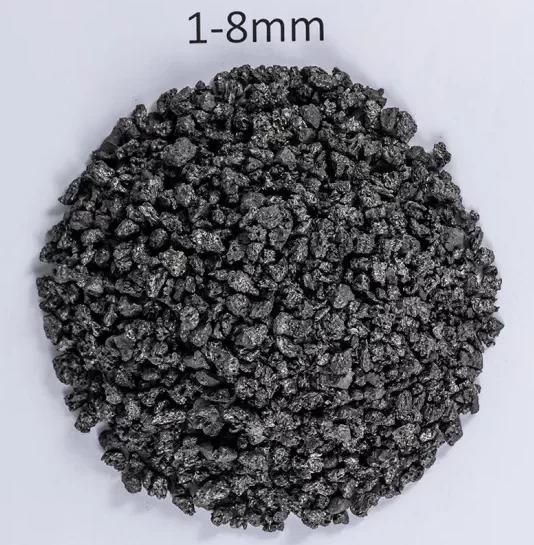
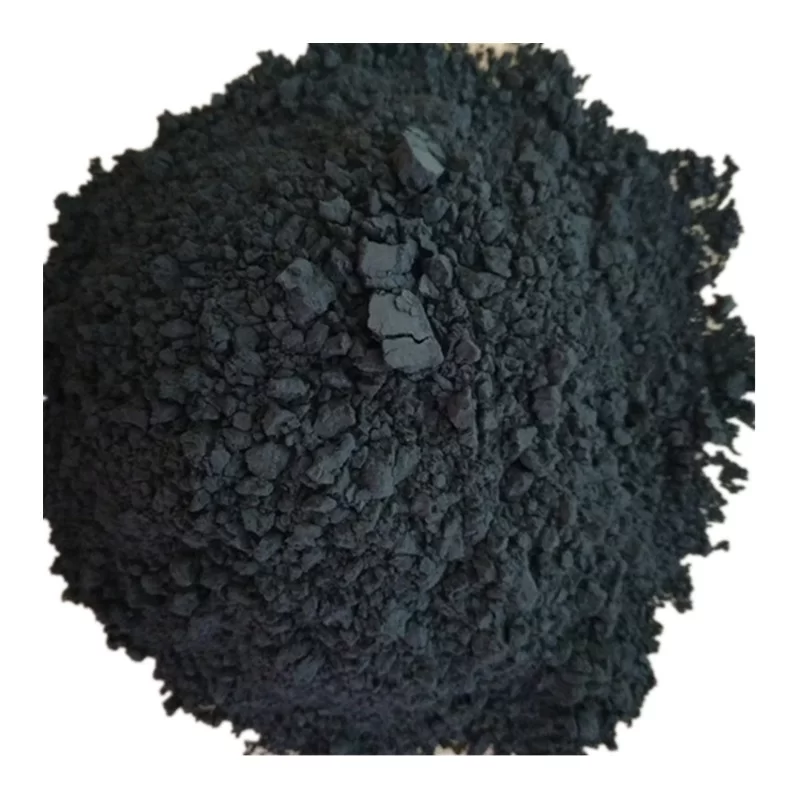
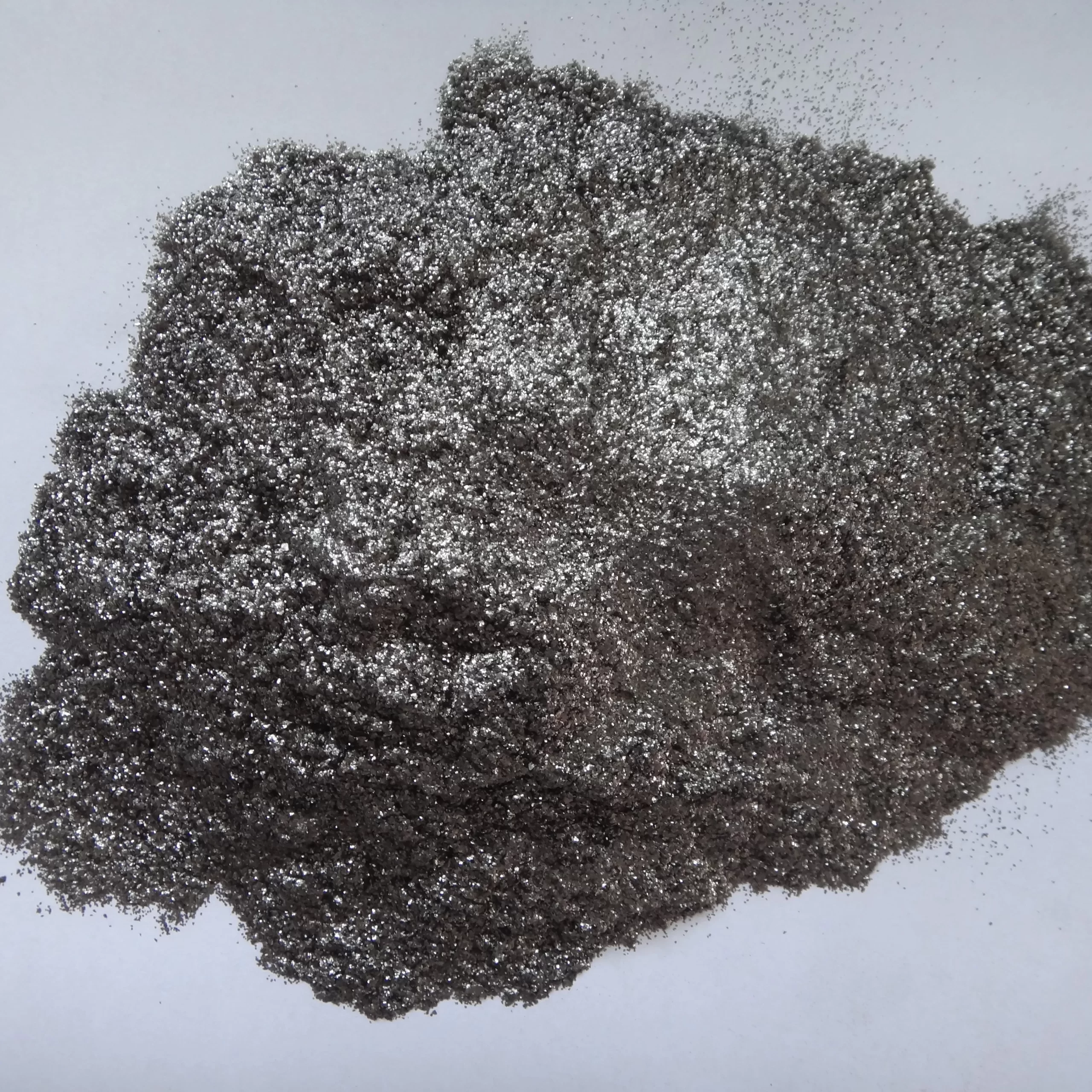
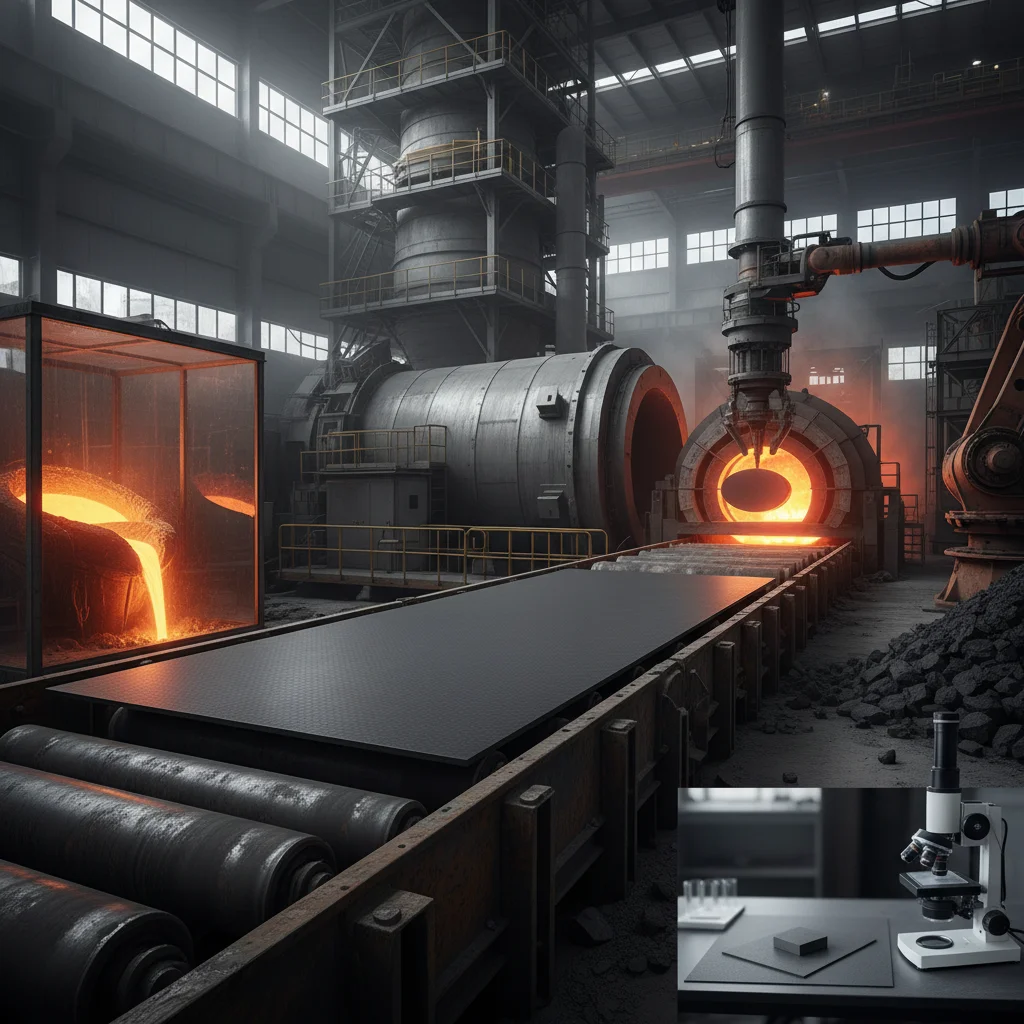
Simply put, graphite is a form of carbon arranged in layered sheets. In lithium ion batteries, graphite serves as the anode — the negative electrode that stores lithium ions during charging. It’s prized for its stability, conductivity, and ability to accommodate lithium ions effectively.
Graphite is indispensable in transforming energy from chemical to electrical form and back, powering devices big and small. Modern industries, from automotive to consumer electronics, rely heavily on this material. And it’s not just about smartphones or EVs: humanitarian and remote industrial applications increasingly depend on reliable battery technology to provide off-grid power — saving lives and boosting productivity.
Mini takeaway:
Graphite is the backbone material in lithium ion batteries’ anodes, pivotal for energy storage performance and critical to many modern industries.
Key Factors Affecting Graphite Use in Lithium Ion Batteries
Purity and Structure
Battery performance hinges largely on the purity of graphite. Low impurities translate to longer battery cycles and better safety. Graphite's layered structure also influences how well lithium ions can intercalate (slide in and out) repeatedly without damage.
Durability and Cycle Life
Graphite anodes contribute to the longevity of lithium ion batteries—many engineers mention that enhancing graphite quality directly extends cycle life, making batteries more reliable over years and thousands of charge-discharge cycles.
Cost Efficiency
Natural graphite tends to be cheaper than synthetic variants but may require more processing. Balancing cost and performance drives ongoing R&D to find the sweet spot — a cheaper, high-performance anode.
Environmental Impact
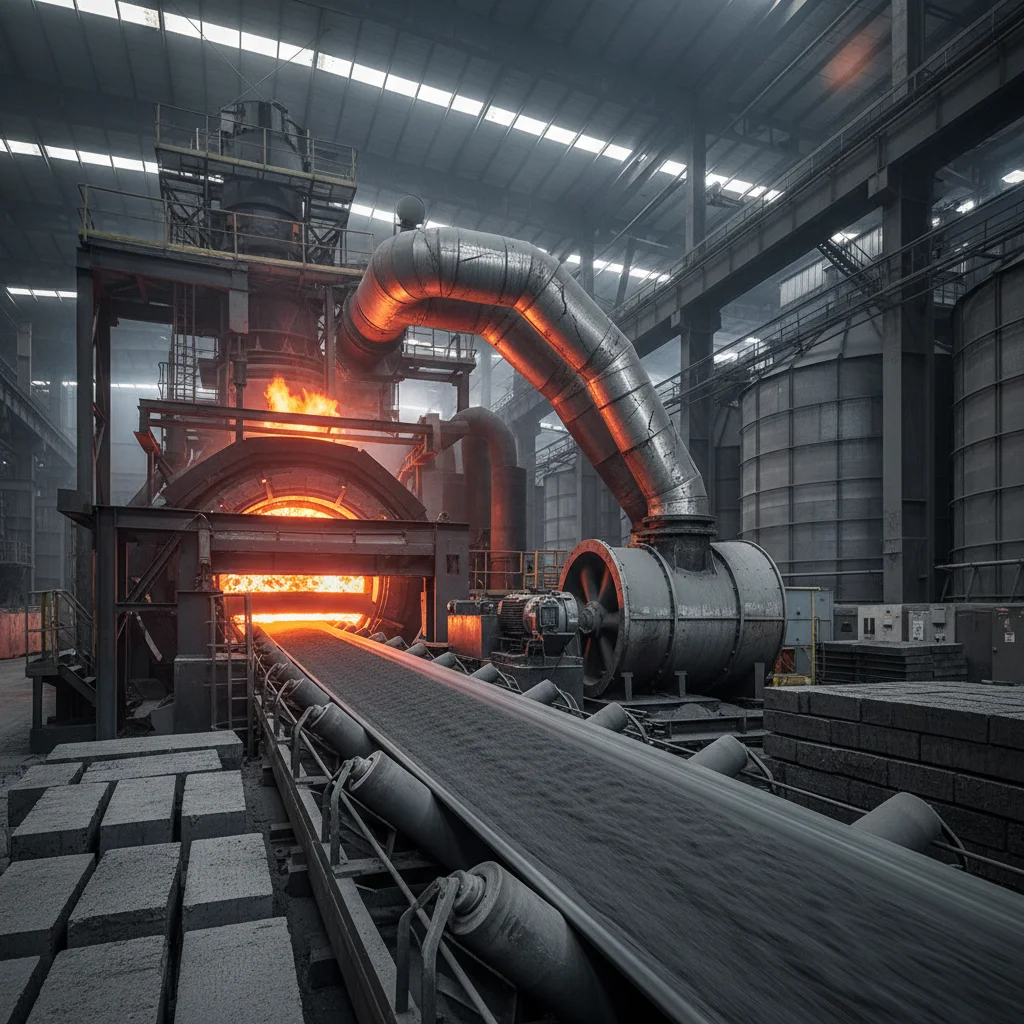
Extracting and processing graphite come with ecological footprints. Innovations like recycling and cleaner synthetic graphite production are critical to reducing emissions and waste, aligning with broader sustainability goals.
Scalability and Supply Chain Stability
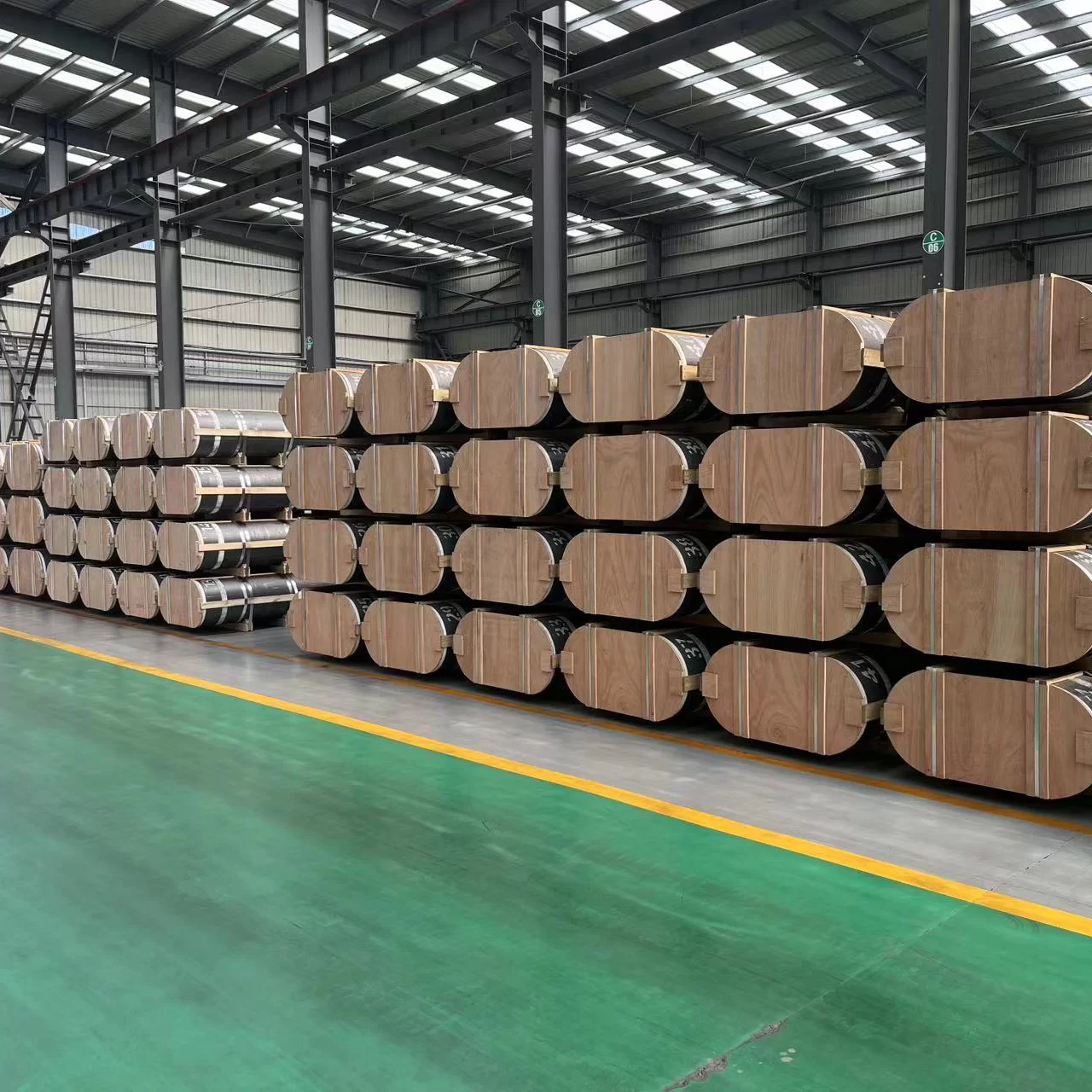
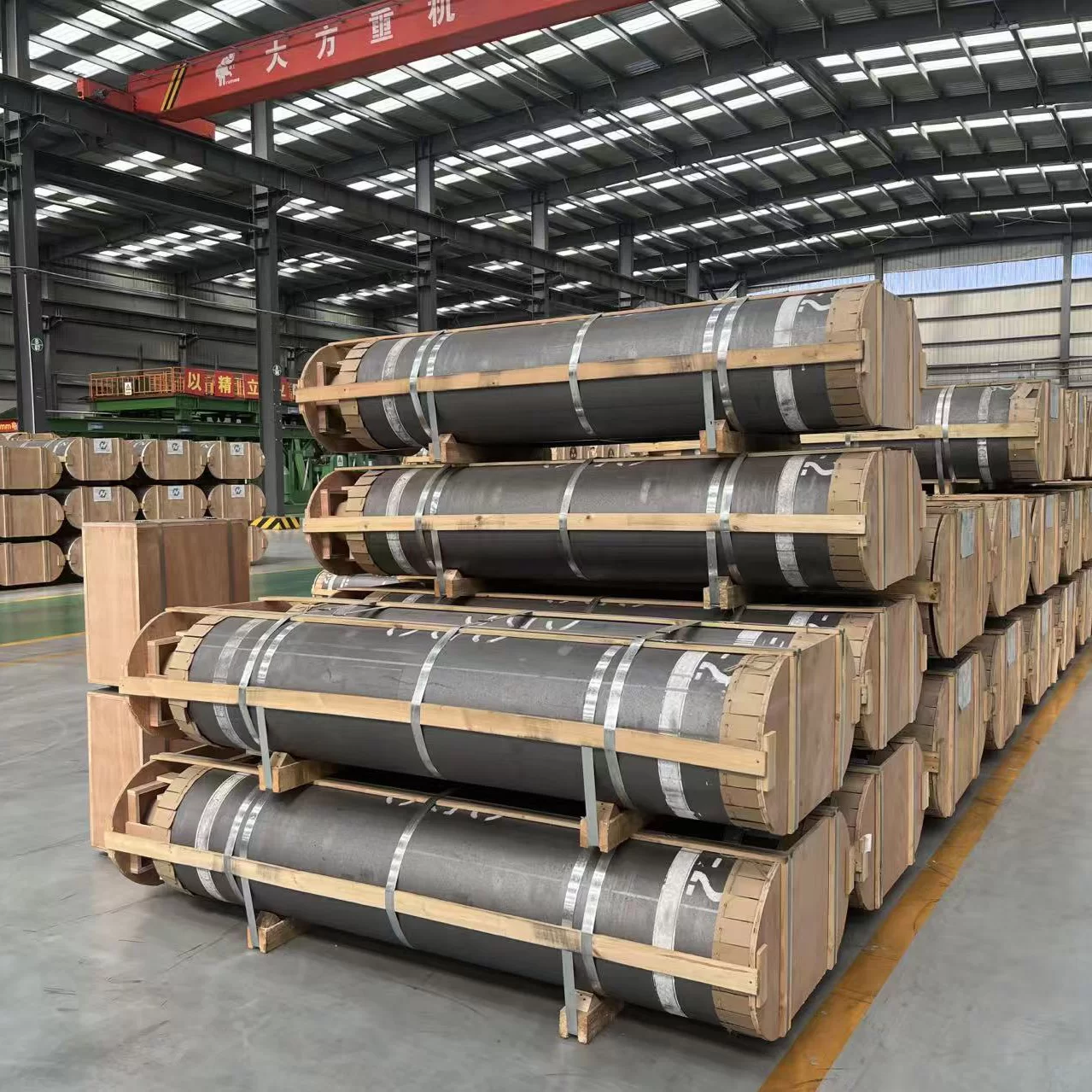
With demand skyrocketing, ensuring steady graphite supply without price spikes or supply disruptions is a growing concern. Geographic concentration of mining operations poses risks that industry players are actively managing.
Mini takeaway:
- Graphite purity and structure affect battery life and safety.
- Cost and environmental impact are balanced through innovative sourcing and production.
- Supply chain stability remains a challenge with global market dynamics.
How Graphite in Lithium Ion Batteries Powers Real-World Applications
The applications of lithium ion batteries permeate nearly every corner of modern life. From powering electric vehicles on the streets of Norway to enabling solar-powered mini-grids in sub-Saharan Africa, graphite plays a subtle yet vital role.
For example, in disaster relief scenarios where electricity access is cut off, deployable lithium ion battery systems store energy from solar panels, providing critical lighting and communication. Here, graphite's role ensures battery safety and endurance in harsh conditions.
Industries such as aerospace, telecommunications, and heavy manufacturing are adopting lithium ion batteries with graphite anodes to back up operations seamlessly—reducing downtime and enhancing sustainability.
Mini takeaway:
Graphite supports lithium ion batteries across diverse sectors, from green energy projects to disaster relief, underlining its versatility and critical nature.
Advantages and Long-Term Value of Using Graphite Anodes
- Cost-Effectiveness: Graphite offers a relatively affordable way to achieve high performance without exotic alternatives.
- Sustainability: Advances in sourcing and recycling reduce environmental impacts over the battery life cycle.
- Reliability: Robust cycle life and stability foster user trust — think about electric cars you count on daily.
- Social Impact: Cleaner energy solutions reduce reliance on fossil fuels, improving public health and quality of life.
It’s more than just numbers. Knowing the batteries inside your devices contain graphite that’s responsibly sourced and engineered well gives peace of mind — a subtle but meaningful emotional value in today’s consumer choices.
Product Specification Table: Typical Graphite Anode Materials
| Parameter | Natural Graphite | Synthetic Graphite |
|---|---|---|
| Purity | > 94% | > 99.5% |
| Particle Size (μm) | 15 – 25 | 10 – 20 |
| Specific Surface Area (m²/g) | 1.5 – 5 | 5 – 10 |
| Cost (relative) | Low | High |
| Environmental Impact | Medium | Lower (if renewable) |
Vendor Comparison Table: Leading Graphite Suppliers
| Supplier | Origin | Production Capacity (tons/year) | Sustainability Initiatives | Typical Customers |
|---|---|---|---|---|
| Dah Carbon | China | 10,000+ | Eco-friendly processing, recycling programs | Battery manufacturers, EV makers |
| Graphite Corp | Canada | 5,000 | Renewable power integration | Electronics, aerospace |
| EcoGraphite Ltd | Mozambique | 2,500 | Community development, water conservation | EV startups, stationary storage |
What’s Next? Future Trends Predicted for Graphite in Lithium Ion Batteries
Sustainability aside, the future of graphite in lithium ion batteries looks brimming with innovation. Researchers explore silicon-graphite composites to boost capacity, while others work on producing ultra-pure synthetic graphite at a fraction of today’s energy cost.
Digitally driven battery manufacturing promises better consistency in graphite particle size and morphology — critical for predictable electrochemical behavior. Policy-wise, stricter environmental guidelines and carbon taxes will push companies toward greener graphite extraction and recycling methods.
And, oddly enough, as the world moves toward automation and IoT, the demand for safe, energy-dense batteries grows exponentially — which is graphite’s moment to shine again.
Overcoming Challenges in Graphite Use
Despite its strengths, graphite isn’t perfect. Issues like limited charge rates (compared to some emerging materials), vulnerability to expansion during charging, and sourcing ethics remain. Experts suggest combining graphite with silicon or other novel materials, tweaking manufacturing processes, and improving recycling loops as key ways forward.
Producers who invest in transparent supply chains and innovate in eco-friendly refining will likely gain the trust of both manufacturers and end-users.
FAQ: Your Questions About Graphite in Lithium Ion Batteries Answered
Q1: Why is graphite preferred over other materials for lithium ion battery anodes?
A: Graphite’s layered crystalline structure enables lithium ions to insert and extract efficiently with minimal damage, delivering a stable, long-lasting battery performance. It also balances cost, availability, and safety better than many alternatives.
Q2: How does the purity of graphite affect battery life?
A: Higher purity graphite reduces side reactions in batteries, enhancing longevity and reliability. Impurities can cause unwanted chemical reactions, decreasing battery efficiency and safety.
Q3: Are synthetic graphite and natural graphite interchangeable?
A: Not exactly. Synthetic graphite offers higher purity and consistency but at a higher production cost and environmental impact. Natural graphite is cheaper but often requires more processing to reach battery-grade quality.
Q4: What are some sustainability efforts in graphite production?
A: Many suppliers are adopting cleaner processing techniques, recycling spent anodes, and investing in community programs to offset environmental impacts. Companies like Dah Carbon lead in implementing such initiatives.
Q5: How critical is graphite supply security for the battery industry?
A: Very critical. Disruptions in graphite supply can delay production and increase costs. Diversifying sources and improving recycling are strategies to mitigate these risks.
Conclusion: The Quiet Power Behind Tomorrow’s Energy Revolution
Graphite’s central role in lithium ion batteries is often taken for granted, yet it holds the key to unlocking safer, longer-lasting, and more sustainable energy solutions worldwide. As demand for lithium ion batteries skyrockets, the way we source, process, and innovate with graphite will shape not only products but global industries and everyday lives.
If you’re involved in battery manufacturing or just curious about energy materials, taking a closer look at graphite’s potential and challenges is well worth it. To explore high-quality graphite options and stay ahead in this rapidly evolving space, visit our website.