What Is Graphite Silver and Why Does It Matter Globally?
If you’ve never come across the term graphite silver, you’re not alone. But in sectors ranging from electronics to industrial manufacturing, it’s quietly gaining ground as a material that blends high conductivity with stunning durability. The term itself is almost poetic—combining the carbon-rich graphite with the lustrous quality of silver—but its actual importance goes beyond just the name.
Globally, industries depend more than ever on materials that meet stringent performance criteria, especially now, as sustainability and efficiency redefine the rules. Graphite silver, in various formulations, addresses those needs in ways that not only improve products but also help reduce environmental strain—yes, believe it or not, the right conductive materials can be eco-friendly too.
Understanding Graphite Silver: Definition and Industry Context
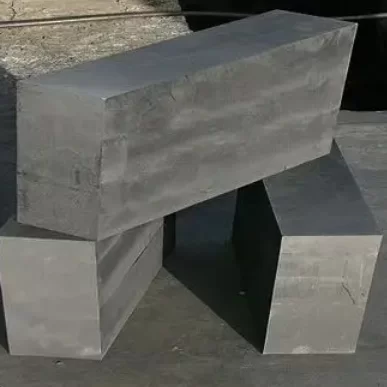
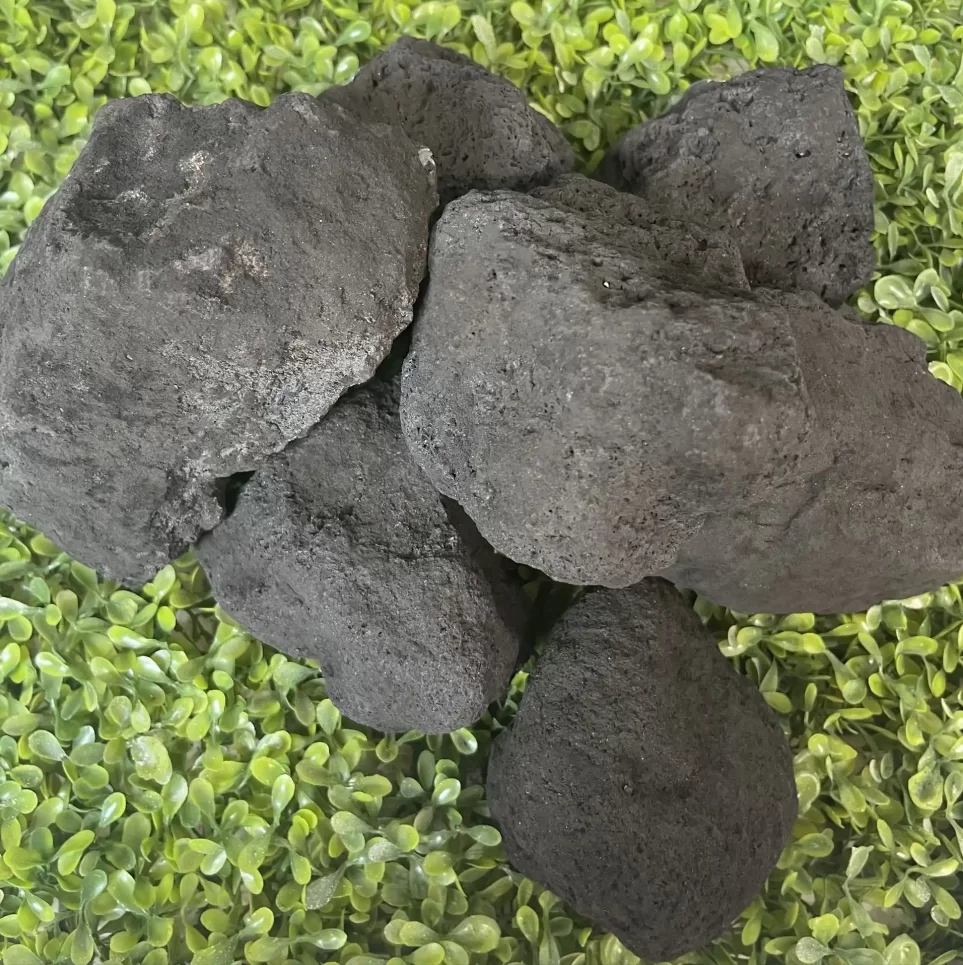
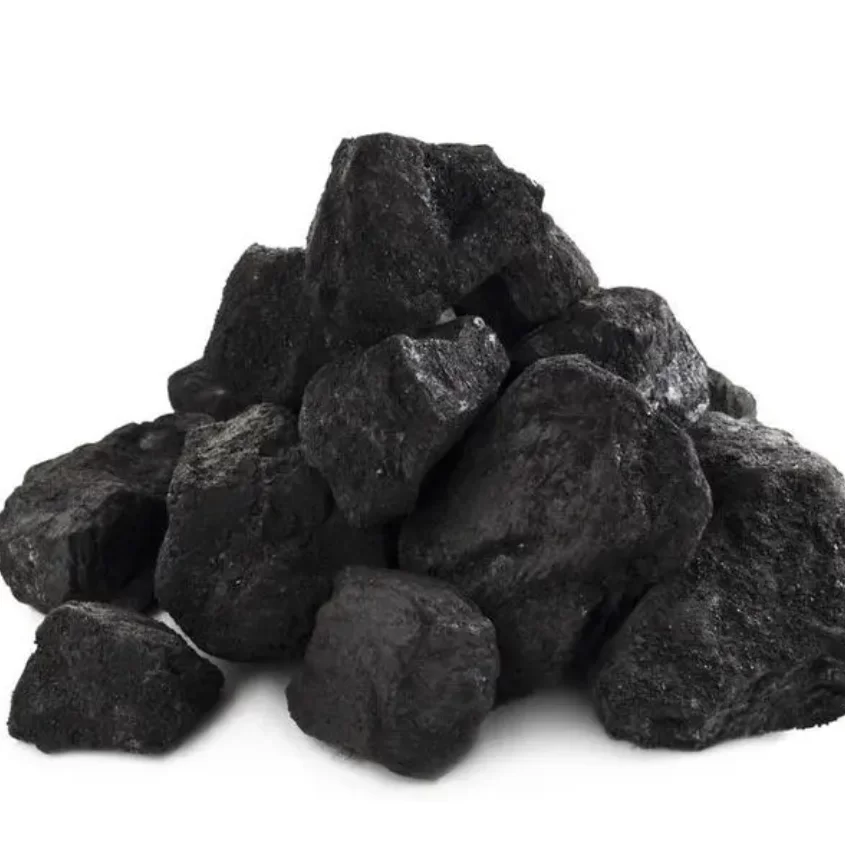
Graphite silver typically refers to composite materials or coatings that blend graphite’s excellent electrical conductivity with the reflective and conductive properties of silver. In real terms, think of it as a “super conductor” in many electronic and mechanical applications.
The global electronics market alone was worth over $2 trillion in 2023 (according to ISO data), with demand for reliable conductive materials pushing innovation toward graphite-infused silver composites that can withstand heat, corrosion, and wear better than traditional metals.
One challenge this composite tackles is the trade-off between performance and cost. Pure silver, as great as it is, comes with a steep price tag and tends to tarnish under certain conditions. Graphite, on the other hand, is cheaper but less effective alone. Graphite silver composites walk this fine line—offering affordability, longevity, and consistent results.
Key Components of Graphite Silver and Their Practical Roles
1. Electrical Conductivity
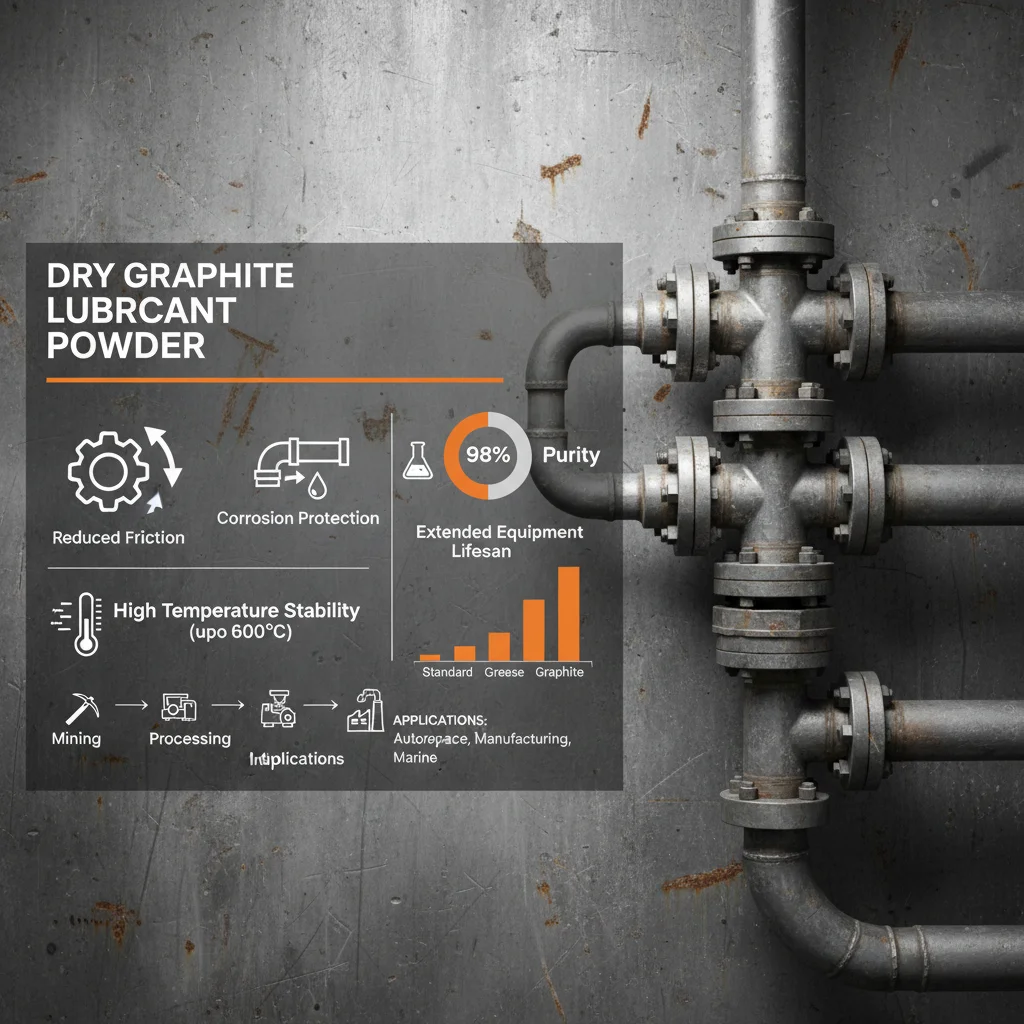
In devices where signals need to move fast and reliably, conductivity is king. Silver is already the gold standard for conductivity, but adding graphite improves performance in high-temperature or corrosive environments where silver alone might degrade.
2. Thermal Stability
Graphite silver materials resist thermal expansion and damage. For instance, in automotive electronics exposed to constant heating cycles, the composite holds up without losing conductivity.
3. Durability and Wear Resistance
The graphite component provides a robust lattice that resists abrasion much better than pure metals. Think about connectors, sliding contacts, or sensors that physically move or face friction — they need to last beyond a few cycles.
4. Cost Efficiency
Silver prices fluctuate sharply depending on market trends. Incorporating graphite lowers overall cost, making high-performance materials more accessible without compromising on key functions.
5. Environmental Friendliness
Graphite silver composites often require less rare metal mining and refining, lowering environmental impact. Their durability also contributes to longer product lifetimes, reducing waste.
How Graphite Silver Is Used Around the Globe
Real applications of graphite silver are surprisingly wide-ranging:
- Consumer Electronics: Smartphones and laptops increasingly use graphite silver conductive layers in touch screens to ensure quick response and long life.
- Renewable Energy: Solar panel connectors exploit its thermal stability to withstand outdoor conditions.
- Automotive Industry: Electric vehicle battery contacts and sensors rely on these materials for consistent conductivity during rapid charge cycles.
- Medical Devices: Durable, conductive coatings extend the life of equipment in harsh hospital environments.
- Post-Disaster Relief: NGOs use modular electronics with graphite silver components for fast, reliable communications in remote zones.
Oddly enough, you might be holding a gadget right now with graphite silver inside—processing your commands without you even noticing.
Graphite Silver Product Specifications
| Specification | Graphite Silver Composite A | Graphite Silver Coating B |
|---|---|---|
| Conductivity (S/m) | 6.5×10⁷ | 5.8×10⁷ |
| Operating Temperature | -40°C to 250°C | -20°C to 300°C |
| Abrasion Resistance | High | Moderate |
| Silver Content (%) | 30 | 50 |
| Typical Applications | Connectors, Sensors | Protective Coating, Conductive Films |
Comparing Leading Vendors of Graphite Silver Solutions
| Vendor | Product Range | Pricing | Global Reach | Sustainability Practices |
|---|---|---|---|---|
| GrafSilver Corp. | Composite sheets, coatings, powders | Mid-range | North America, Europe, Asia | ISO 14001 certified, recycling programs |
| SilverGraph Tech | High-purity graphite silver powders | Premium | Global, focused on emerging markets | Green energy powered manufacturing |
| CarbonGlow Materials | Custom blends, eco-friendly composites | Competitive | Europe, select Asia | Focus on sustainability and low emissions |
Advantages and Long-Term Value of Graphite Silver
Why invest in graphite silver? First, the cost savings compared to pure silver options can be significant, especially when buying in bulk for high-volume electronics. But even beyond money, sustainability is a powerful driver. Using graphite silver reduces reliance on scarce silver resources, which is a huge win if you’re trying to align with circular economy goals.
On an emotional level, engineers and product developers often mention the “peace of mind” that comes with a material that won’t fail unexpectedly—especially in lifesaving devices or industrial control systems. Innovation rooted in trust, that’s the promise here.
Future Trends & Innovations in Graphite Silver
Looking ahead, the fusion of graphite silver with nano-technology is gaining traction. Imagine coatings that self-heal or adapt under stress—a concept no longer science fiction. Digital twin simulations are optimizing graphite silver composites for every unique use case, cutting waste and speeding up time-to-market.
On the sustainability front, some vendors are experimenting with sourcing graphite from recycled batteries and silver from reclaimed electronics, closing critical supply loops. Plus, government policies in Europe and Asia are now mandating greener materials in electronics, pushing innovation further.
Challenges and How Experts Are Tackling Them
Of course, no material is perfect. Graphite silver composites sometimes present processing challenges during manufacturing—especially to ensure uniform distribution without clumping. Cost still remains a hurdle for smaller companies.
Innovative solutions include advanced mixing techniques, surface treatments, and co-development partnerships that are streamlining production. And interestingly, some companies are offering flexible, customizable graphite silver products tailored for different industry needs—rather than a one-size-fits-all approach.
FAQ: Frequently Asked Questions About Graphite Silver
- Q: What makes graphite silver better than pure silver in electronics?
- A: Graphite silver composites tend to resist tarnishing and high temperatures better than pure silver. This translates to longer-lasting conductivity and less maintenance in devices exposed to harsh conditions.
- Q: Is graphite silver environmentally friendly?
- A: Yes, by reducing the amount of pure silver needed and incorporating recycled graphite, this composite lowers the environmental footprint compared to traditional conductive materials.
- Q: How is graphite silver applied in manufacturing?
- A: It comes in various forms like powders, coatings, and sheets. Manufacturers can tailor the material’s thickness, silver content, and physical properties to suit specific use cases.
- Q: Can graphite silver be used in rapid-deployment electronics for disaster relief?
- A: Absolutely. Its durability, cost-effectiveness, and adaptability make graphite silver ideal for reliable, portable communication devices in emergency situations.
- Q: Where can I buy high-quality graphite silver products?
- A: Leading suppliers include GrafSilver Corp., SilverGraph Tech, and CarbonGlow Materials, who provide options suited to various industries and geographies.
Conclusion: The Last Word on Graphite Silver
Graphite silver isn’t just a trendy compound; it’s a practical, innovative material that is quietly shaping the future of electronics, energy, and more. Its blend of performance, cost savings, and sustainability can’t be overlooked. If you’re an engineer, designer, or procurement professional looking to stay ahead, it’s worth exploring further.
Curious? For more detailed specs, case studies, and the latest product innovations, make sure to visit graphite silver experts and suppliers.