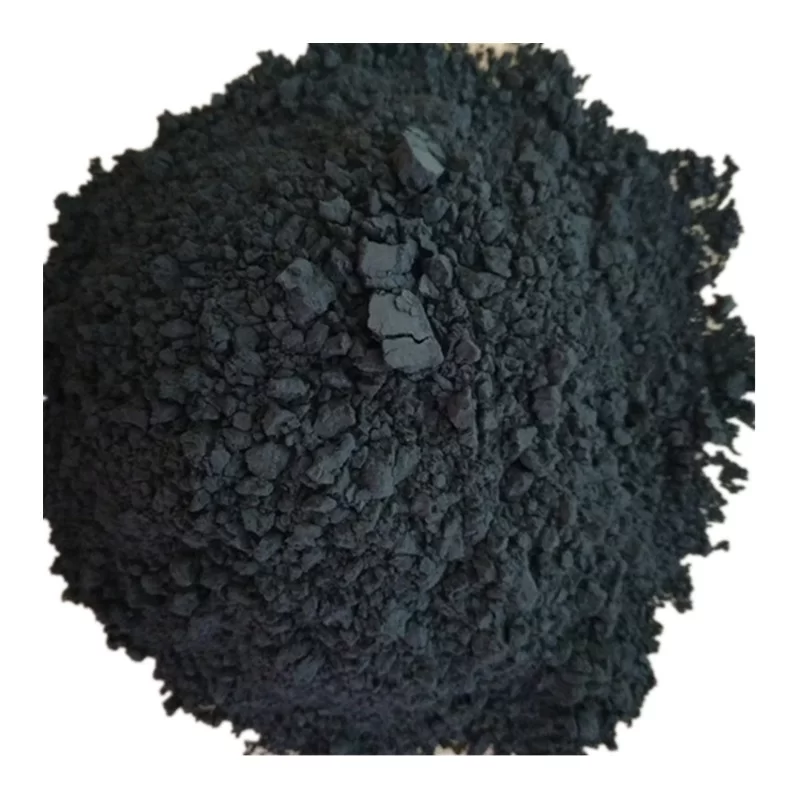
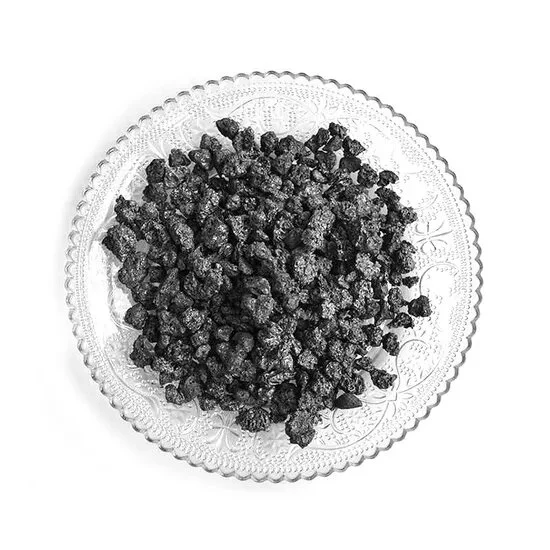
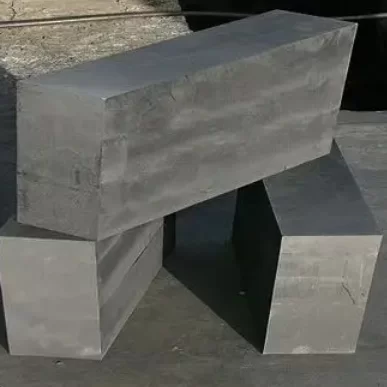
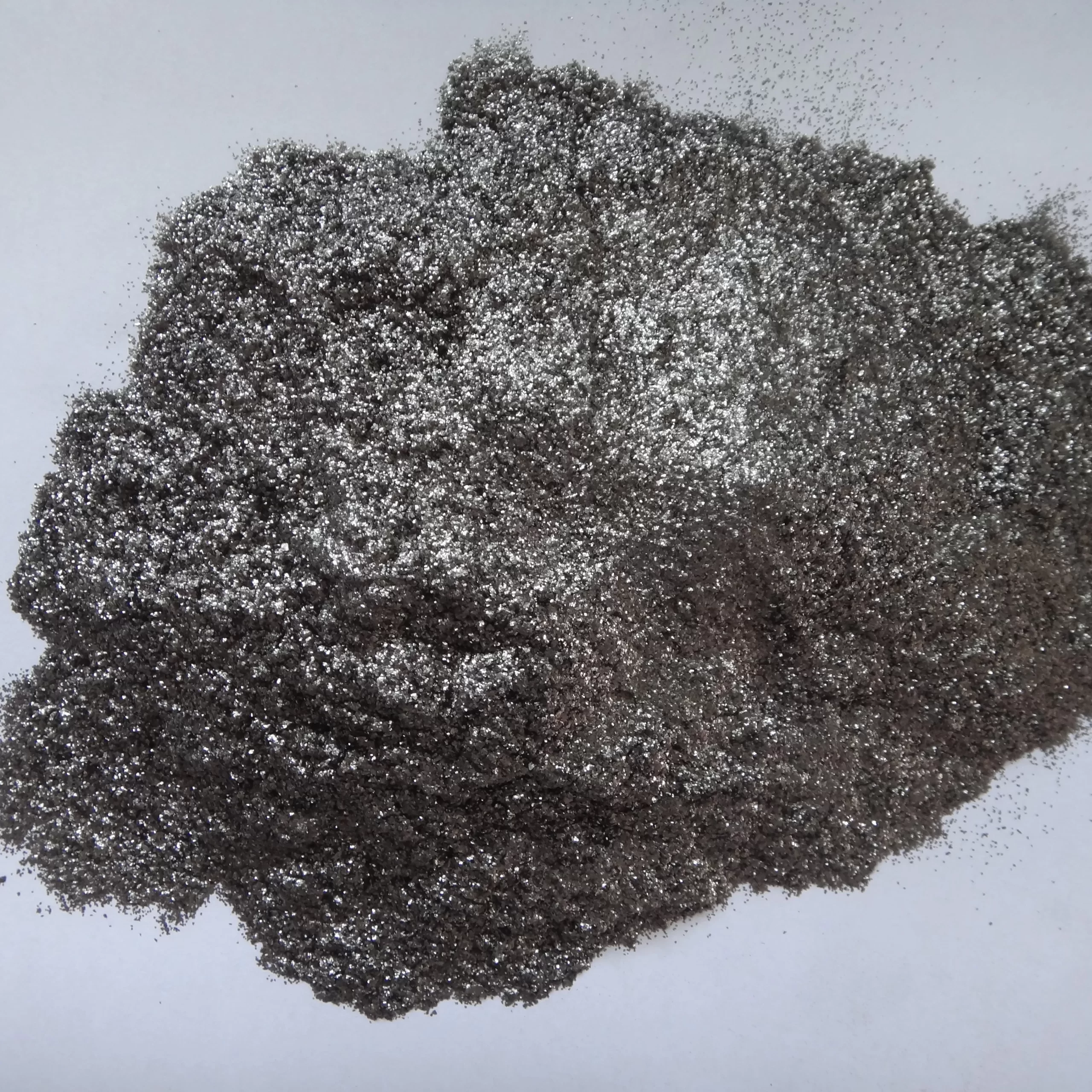
Man Made Graphite: What It Is and Why It Matters Globally
When you hear the term man made graphite, you might picture pencil leads or slick-looking carbon electrodes, but honestly, it’s much more than that. At its core, man made graphite is an engineered form of carbon that’s become a critical material in countless industries worldwide — from energy storage to aerospace, and even humanitarian relief. Understanding why it’s so important helps us appreciate the quietly powerful role this material plays in technology and sustainable development.
Roughly speaking, the global graphite market is expected to reach over $22 billion by 2028, driven largely by demand for batteries in electric vehicles and renewable energy systems (Statista). This huge growth mirrors challenges in energy transition and supply chain sustainability, which man made graphite can address. So, knowing the ins and outs of this material isn’t just a niche hobby; it’s a window into future technology and environmental stewardship.
Introduction: Why the World Needs Man Made Graphite
Across the globe, the push toward green energy and digitalization is reshaping economies. Batteries, lubricants, high-temperature resistant components—all often rely on graphite’s unique properties. Natural graphite, mined mainly in a handful of countries, has supply risks and environmental downsides, so synthetic or man made graphite steps in as a stable, controllable alternative.
Interestingly, the United Nations Environment Programme highlights that industrial carbon materials play a surprisingly big role in advancing sustainable technologies (UNEP report). Still, the scaling of man made graphite faces hurdles related to cost, technology, and raw material sourcing. These challenges bring both opportunity and urgency to better understand and optimize this resource.
Definition & Meaning: What Exactly Is Man Made Graphite?
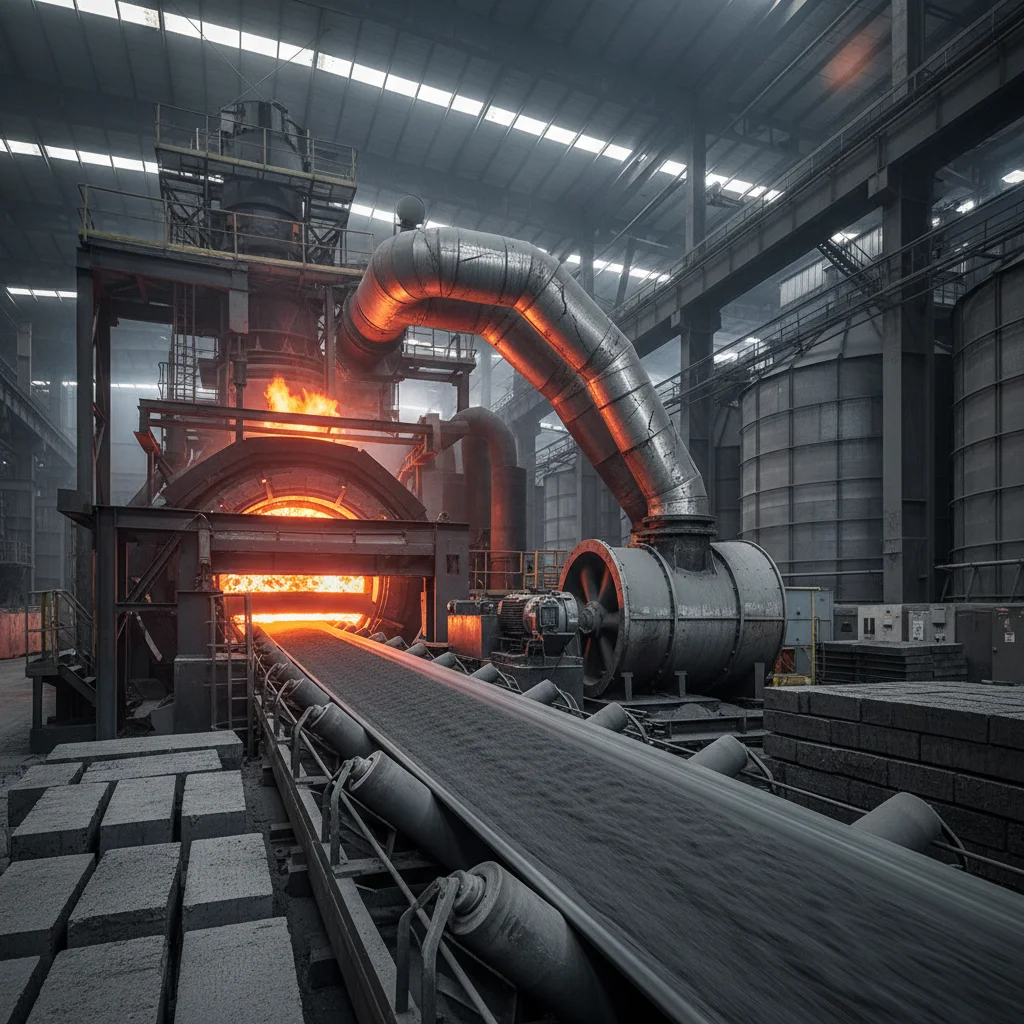
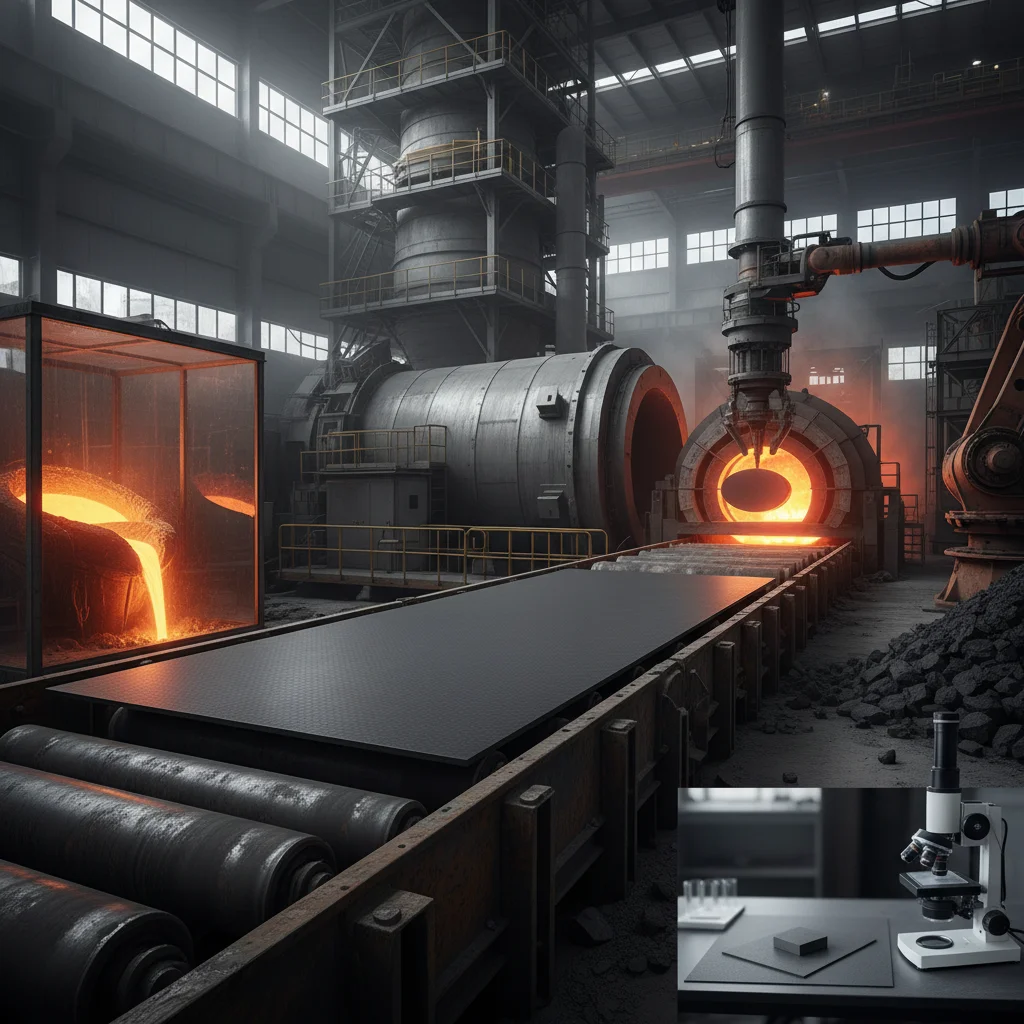
Simply put, man made graphite is carbon material produced through industrial processes like the graphitization of petroleum coke and other carbon precursors under extremely high temperatures (usually around 2500–3000°C). Unlike natural graphite, this synthetic form can be tailored for specific properties such as grain size, purity, electrical conductivity, and mechanical strength.
This versatility makes man made graphite invaluable in modern industry—think electric vehicle batteries where reliability and high conductivity are crucial, or in aerospace components that must tolerate extreme temperatures while remaining lightweight. Even in humanitarian efforts, such as portable fuel cells or rugged electronics for remote areas, man made graphite plays a subtle but essential role.
Key Factors Defining Man Made Graphite’s Value
1. Purity and Consistency
Man made graphite offers a level of purity often unattainable in natural forms. This uniformity helps industries achieve reliability in sensitive applications—electronics, semiconductors, and energy storage are some prime examples.
2. Mechanical Strength and Durability
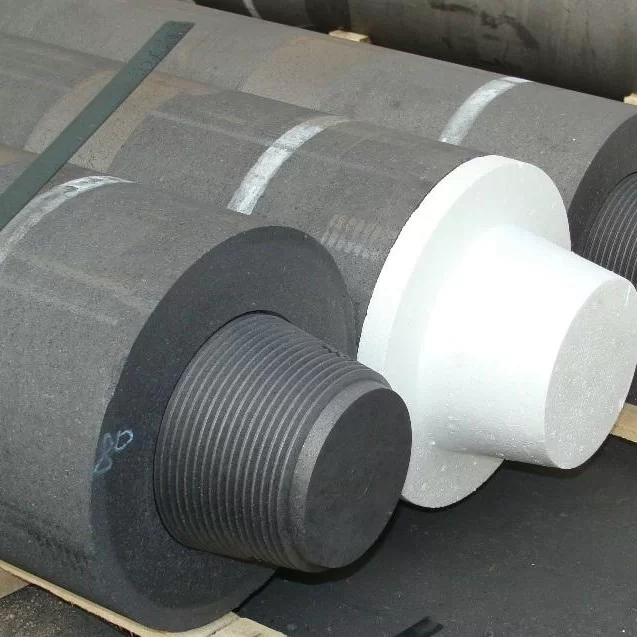
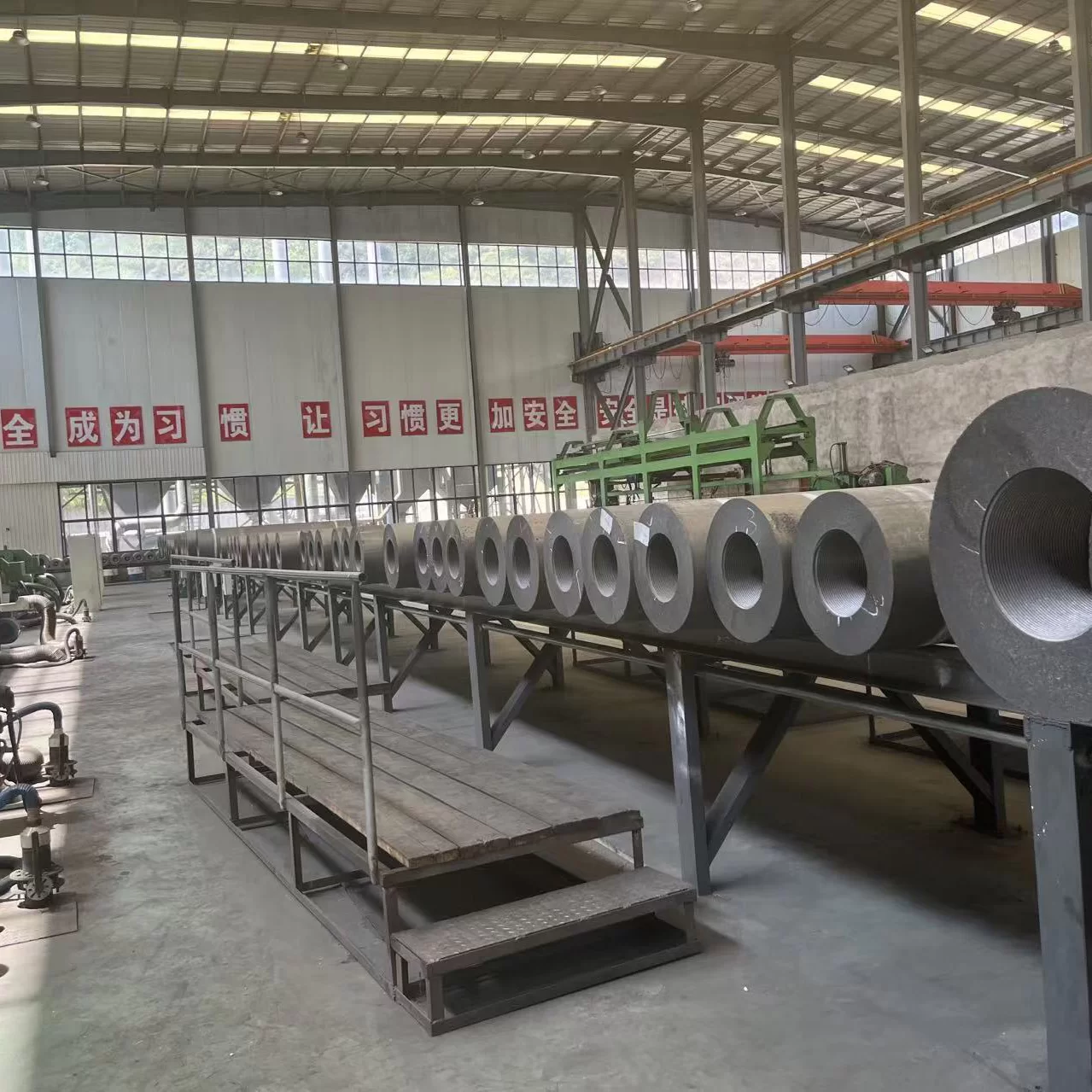
Due to controlled manufacturing, man made graphite can be engineered to resist cracking and degradation, important for components like electrodes in steel production or nuclear reactors.
3. Thermal and Electrical Conductivity
The high conductivity values make this material perfect for batteries, solar panels, and even heat management in sophisticated electronics.
4. Scalability and Customization
Unlike limited natural sources, factories can tweak recipes and processes—meaning more flexibility to meet a growing and diverse market.
Common Specifications of Man Made Graphite Products
| Parameter | Typical Range | Importance |
|---|---|---|
| Purity (%) | >99% | Critical for electrical/chemical uses |
| Electrical Conductivity (S/m) | 1,000 - 10,000 | Battery and electronic efficiency |
| Flexural Strength (MPa) | 40 - 90 | Mechanical durability |
| Grain Size (μm) | 10 - 50 | Affects conductivity and strength |
Mini takeaway: Man made graphite is a uniquely customizable, high-purity carbon material whose physical and chemical properties can be carefully controlled to meet high-demand industrial needs.
Global Applications & Use Cases for Man Made Graphite
It’s odd how such a simple material quietly influences diverse sectors worldwide. For instance:
- Energy Storage: Electric vehicle and renewable energy battery manufacturers in Asia and Europe rely heavily on synthetic graphite due to its consistency and performance.
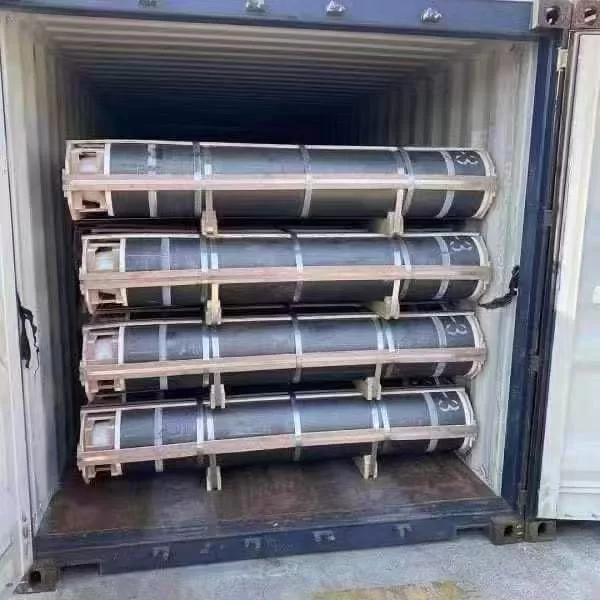
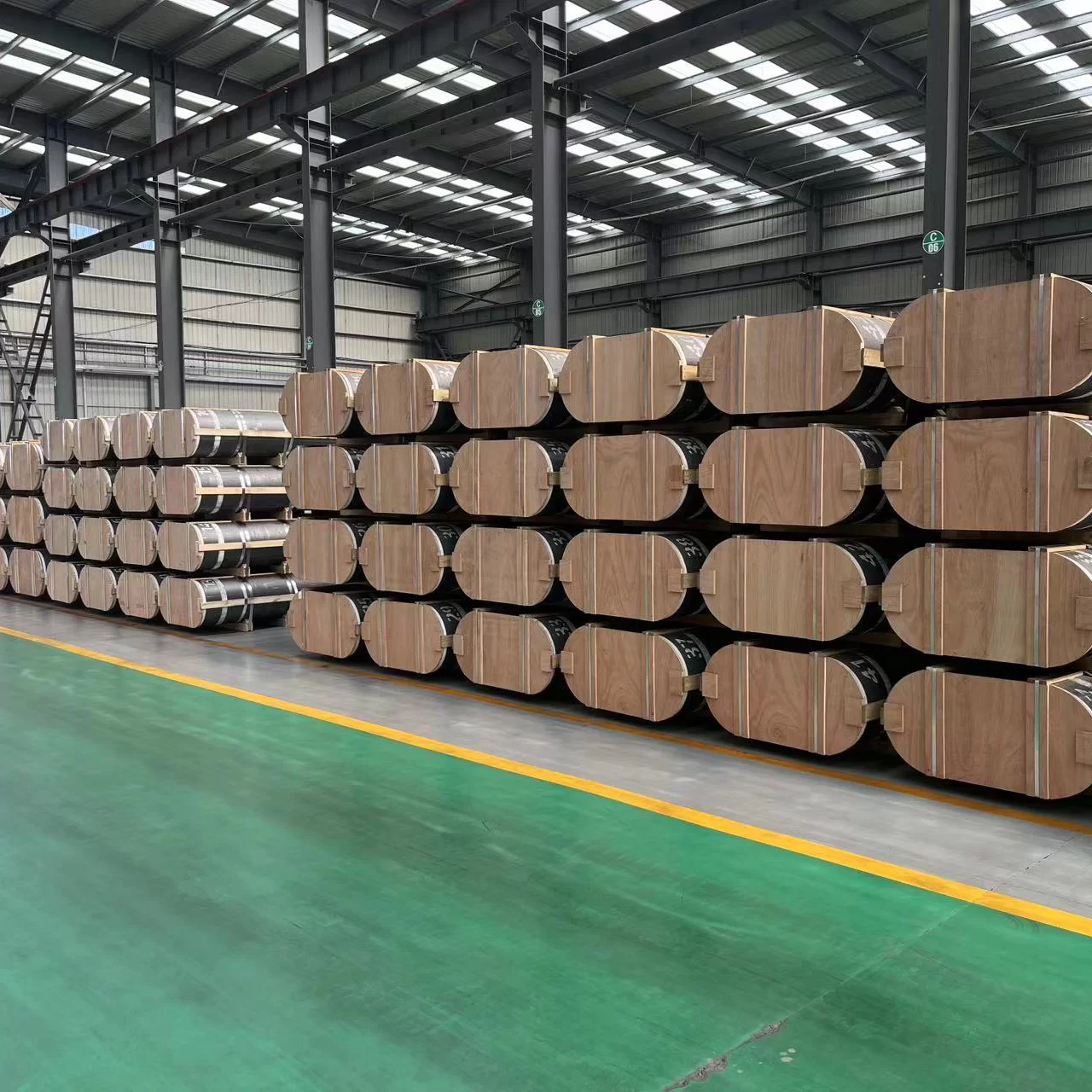
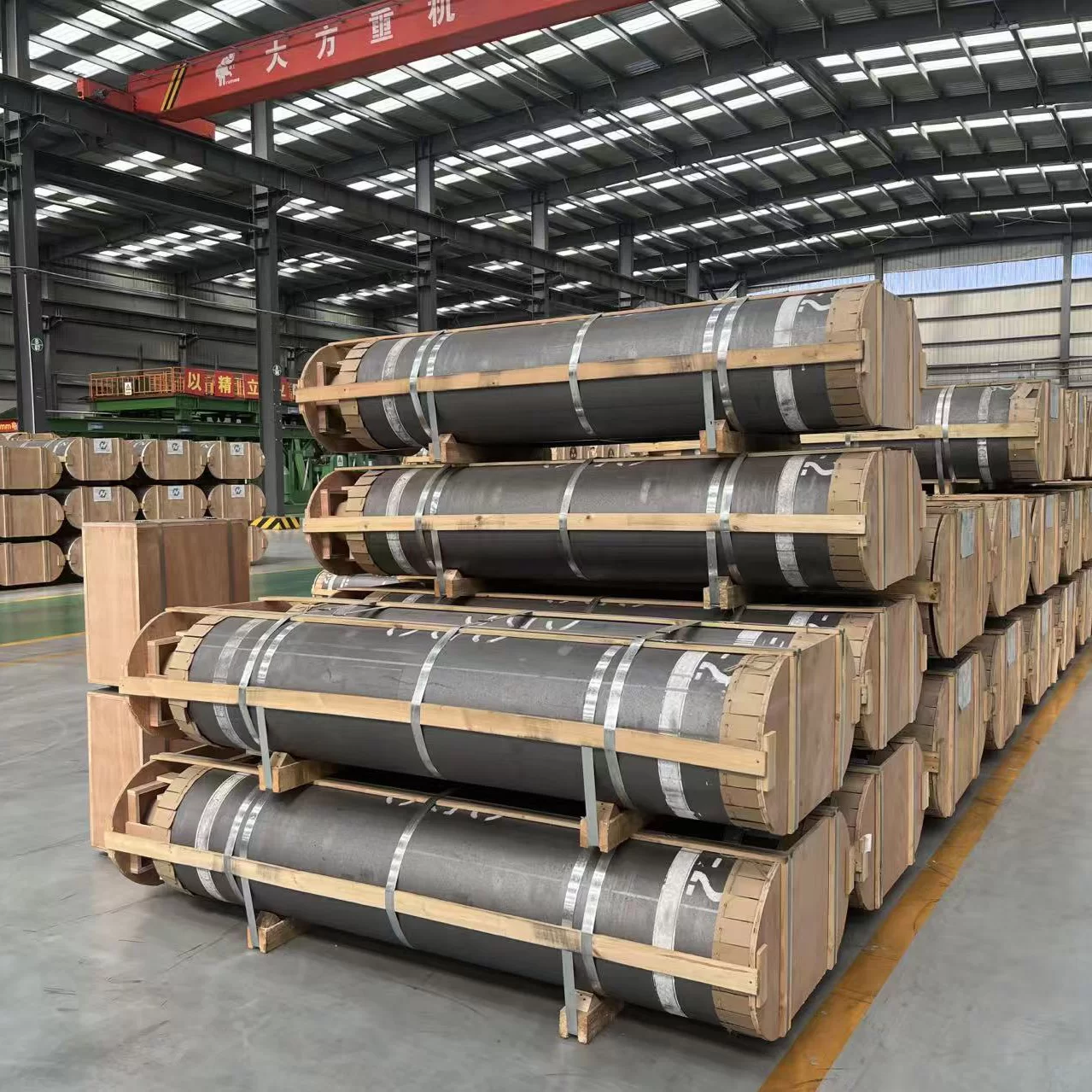
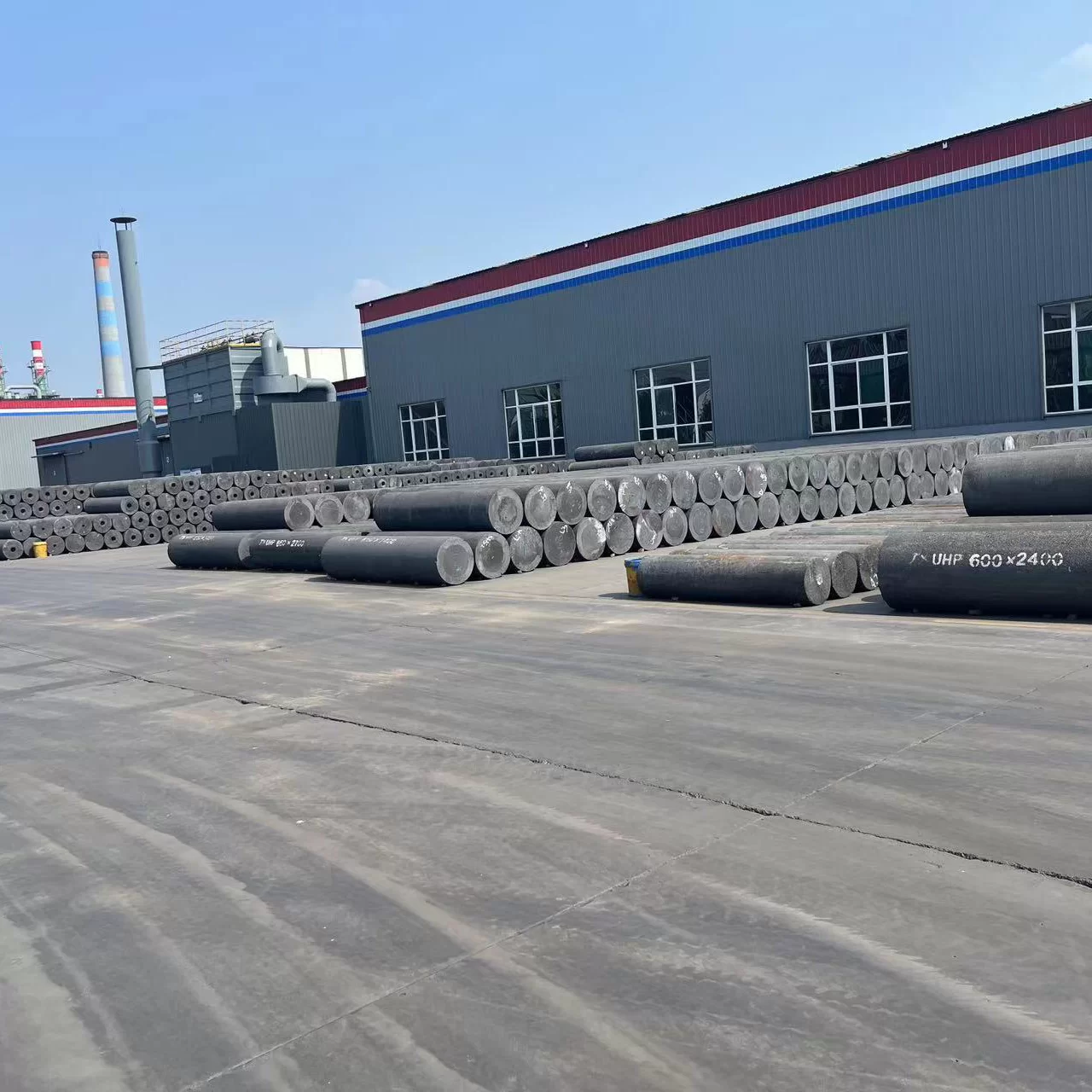
- Steel & Metal Production: Electrodes made from man made graphite are a backbone in arc furnaces globally, from North America to the Middle East.
- Aerospace & Defense: Structural components requiring heat resistance use engineered graphite composites in U.S. and European programs.
- Electronics & Semiconductors: In high-tech hubs like Taiwan and South Korea, man made graphite is essential for chips and heat dissipation.
- Humanitarian & Remote Applications: Portable fuel cells and rugged electronics powered by this graphite enable better communication in disaster zones and remote areas.
For a closer look at man made graphite in energy applications, check out man made graphite.
Vendor Comparison: Key Players in Man Made Graphite Manufacturing
| Vendor | Purity Level | Product Range | Sustainability Initiatives | Lead Times |
|---|---|---|---|---|
| Dah Carbon | >99.5% | Broad (battery, electrode, specialized parts) | ISO 14001 certified, waste recycling | 4-6 weeks |
| Mersen | >99% | Specialized graphite products | Energy-efficient production lines | 6-8 weeks |
| GrafTech | 98.5% - 99.7% | Large scale graphite electrodes | Ongoing waste reduction goals | 5-7 weeks |
Mini takeaway: Choosing the right graphite supplier means balancing purity, lead time, and sustainability—check what fits your project best.
Advantages & Long-Term Value of Man Made Graphite
So, what’s the fuss about man made graphite? The material offers unmatched combination of:
- Reliability: Consistent quality means fewer failures, which translates to trust.
- Cost-effectiveness: Though upfront costs can be higher than natural graphite, improved performance often yields lifecycle savings.
- Sustainability: Through recycling and cleaner production methods, it supports green energy goals.
- Innovation: New formulations and processes enable breakthroughs—from flexible batteries to heat-resistant automotive parts.
There’s also something to say about the quiet dignity of a material that powers clean energy and high-tech medical devices, helping lives in ways we seldom see directly.
Future Trends & Innovations
Looking ahead, the man made graphite field is evolving fast. We see breakthroughs in:
- Green manufacturing: Lower carbon footprint processes are being developed to align with global climate goals.
- Nano-engineered graphite: Enhancing conductivity and mechanical properties to create longer-lasting batteries.
- Integration with digital tech: Smart manufacturing and quality control via AI helps boost consistency.
- Circular economy approaches: Recycling graphite components from used batteries to reduce raw material dependence.
Challenges & How Experts Are Solving Them
Of course, not everything is rosy. High energy demands of graphitization, supply chain consolidation, and cost are notable challenges. Also, while performance is excellent, achieving even higher purity and larger production volumes remains tricky.
Industry leaders are tackling these with innovative technologies such as advanced plasma reactors to reduce energy input, modular production lines for flexibility, and partnerships to improve raw material sourcing transparency—all good signs for the next decade.
FAQ: Frequently Asked Questions About Man Made Graphite
- What makes man made graphite better than natural graphite for batteries?
- Man made graphite offers greater purity and consistent particle size, improving battery charge rates and lifespan. Natural graphite’s variability can cause performance issues in sensitive applications.
- How sustainable is synthetic graphite production?
- While energy-intensive, ongoing improvements in cleaner energy use and waste recycling are reducing man made graphite’s environmental impact, making it a viable component in green technologies.
- Can man made graphite be customized for specific industries?
- Absolutely. Manufacturers adjust grain size, density, and purity to tailor products for industries like aerospace, electronics, or steelmaking, balancing performance and cost.
- How do companies ensure a steady supply of synthetic graphite?
- Many rely on diversified raw material sourcing and partnership strategies alongside in-house R&D to optimize production and reduce dependency on external markets.
- Is man made graphite safe to handle and use?
- Generally yes, though like all fine powders, precautions are needed to avoid inhalation or contamination. Industrial users follow standard safety protocols to ensure worker health.
Conclusion: Embracing Man Made Graphite for a Sustainable Future
Frankly, man made graphite is a little unsung hero of modern technology. Its role in clean energy, advanced manufacturing, and humanitarian innovation is profound and growing. If you’re following energy transition, digital advances, or sustainable resource use, knowing your graphite from your coke isn’t just trivia—it’s smart business.
Curious to dive deeper? Visit https://www.dahcarbon.com for detailed insights and solutions tailored to your needs.
Man made graphite not only builds industry — it helps build a more sustainable and innovative world.