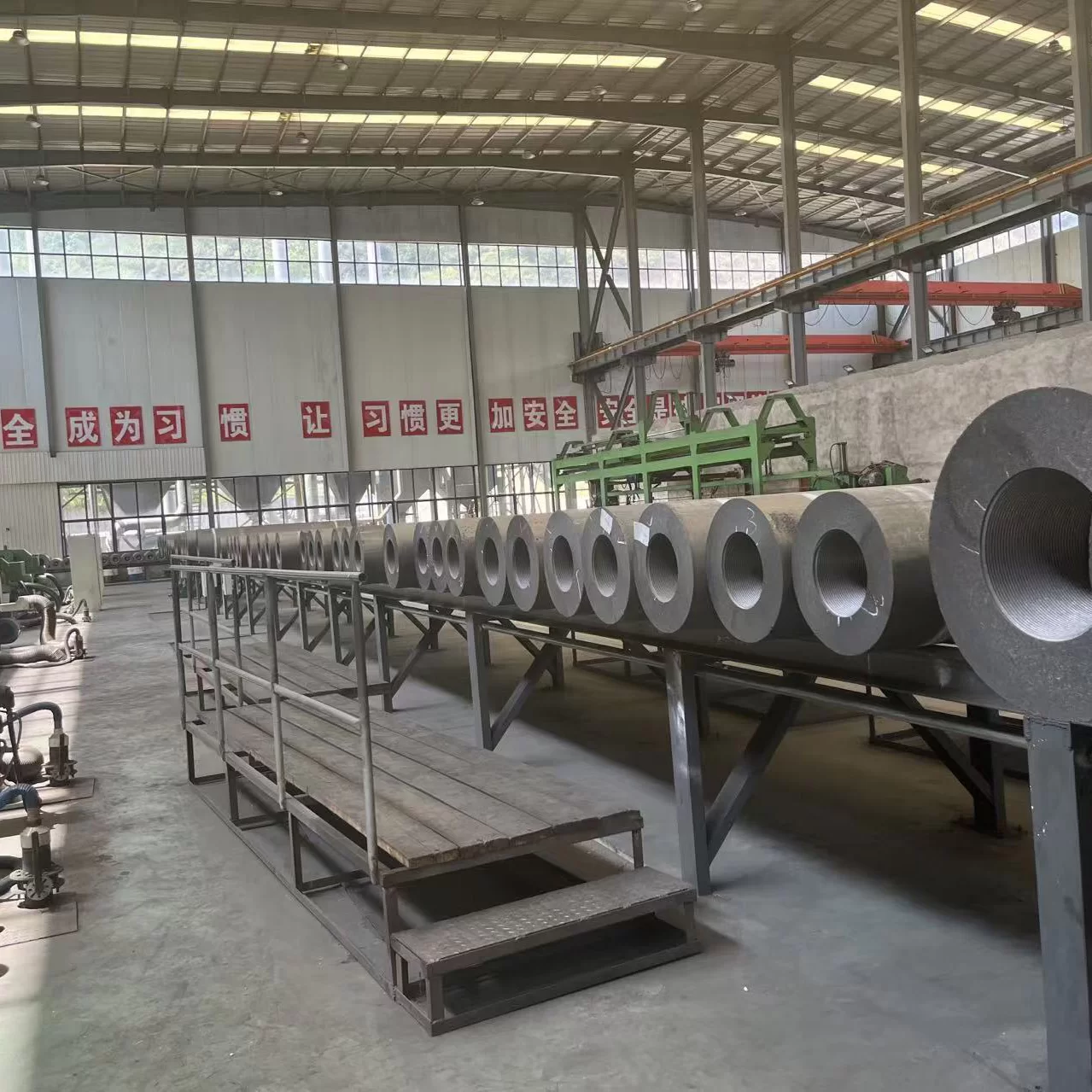
The Critical Role of Graphite Rods in Battery Technology
If you’ve ever wondered what powers everything from your smartphone to electric cars, here’s a nugget of insight: graphite rods in batteries play a pivotal role, yet they often fly under the radar. Globally, growing demand for reliable, efficient energy storage pairs perfectly with the surge in graphite rod use. But why is this so important? Understanding the makeup and influence of graphite rods doesn't just help industries innovate; it feeds into larger goals—a more sustainable energy future, enhanced battery life, and even humanitarian efforts in remote areas.
In essence, a well-crafted graphite rod may sound technical, but it’s central to the slow, ongoing revolution in clean energy storage and electronics.
Global Context: Why Graphite Rods Matter More Than Ever
The global battery market, as per the International Energy Agency (IEA), is expected to triple in demand by 2030, largely driven by electric vehicles and grid storage needs. Sort of staggering, right? The need for efficient, durable components like graphite rods grows in tandem. According to the UN Environment Program, battery waste and supply chain sustainability are emerging challenges. Graphite rods, being highly conductive and stable, are at the heart of addressing these.
One major challenge persists: sourcing quality raw materials that balance cost and environmental impact. Graphite rods have to meet high conductivity standards while being affordable for mass production—the tightrope any supplier must walk. In fact, the graphite rod industry is quietly but steadily evolving to become more sustainable with recycling and synthetic production efforts gaining traction.
Quick takeaway:
- Graphite rods are essential for expanding clean energy solutions worldwide.
- Sustainability and cost remain critical industry challenges.
What Exactly Is a Graphite Rod in Battery Use?
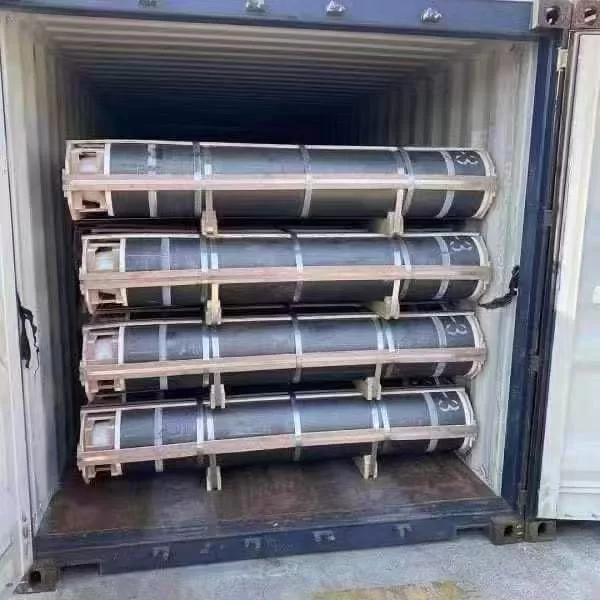
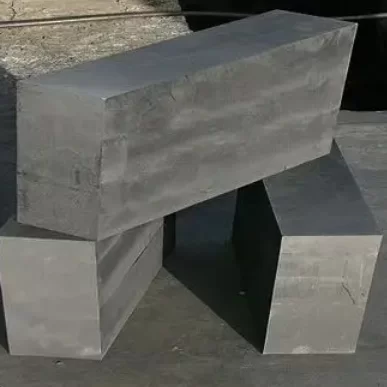
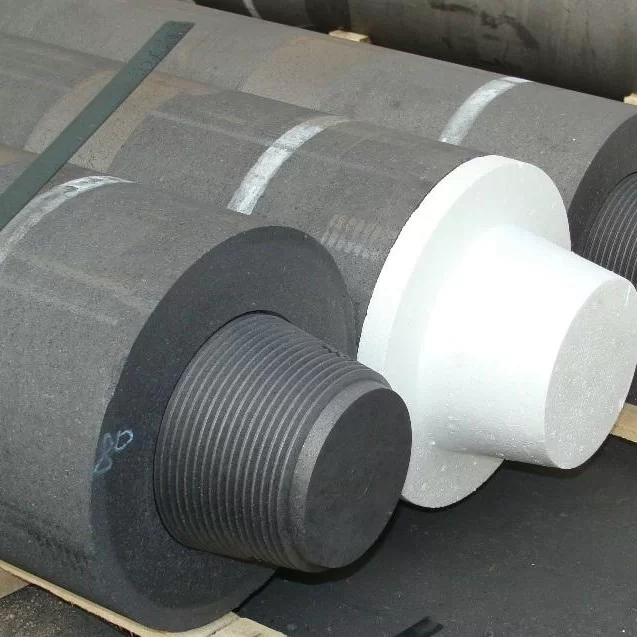
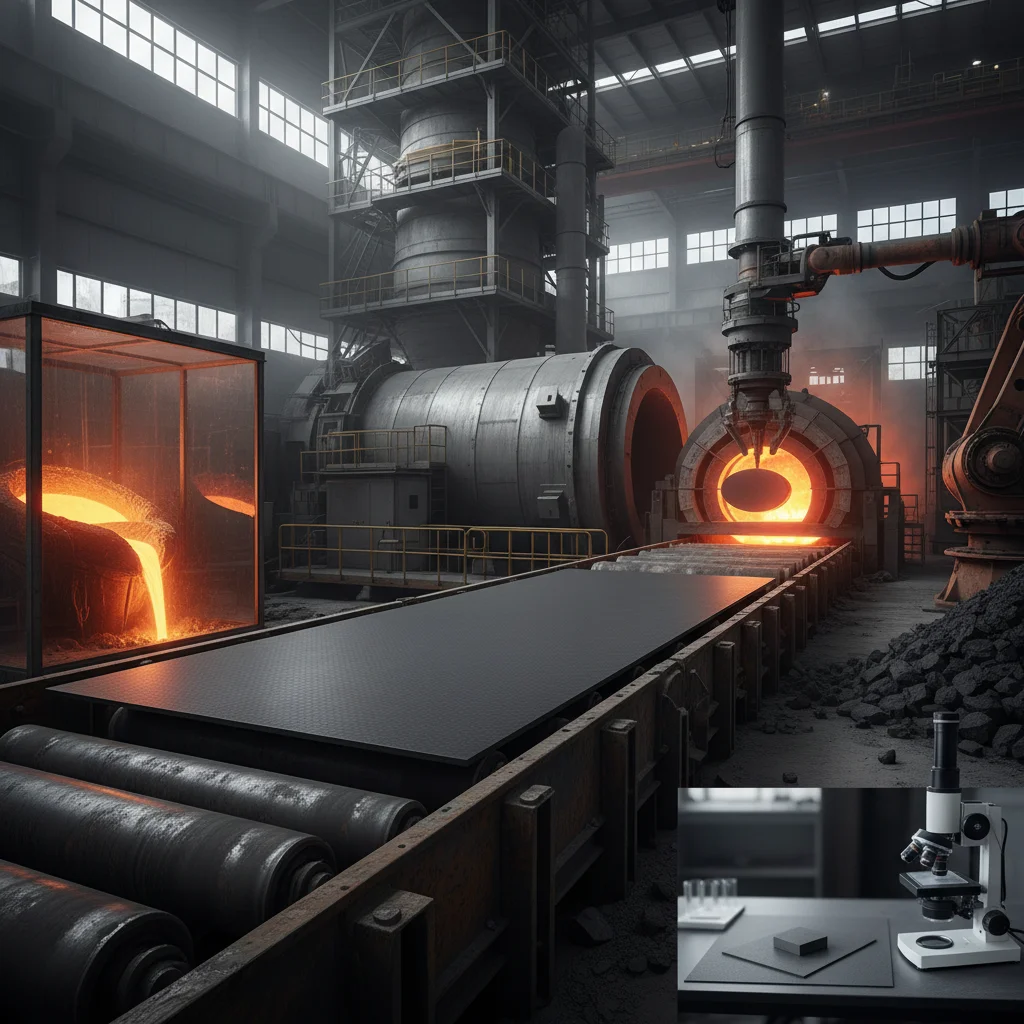
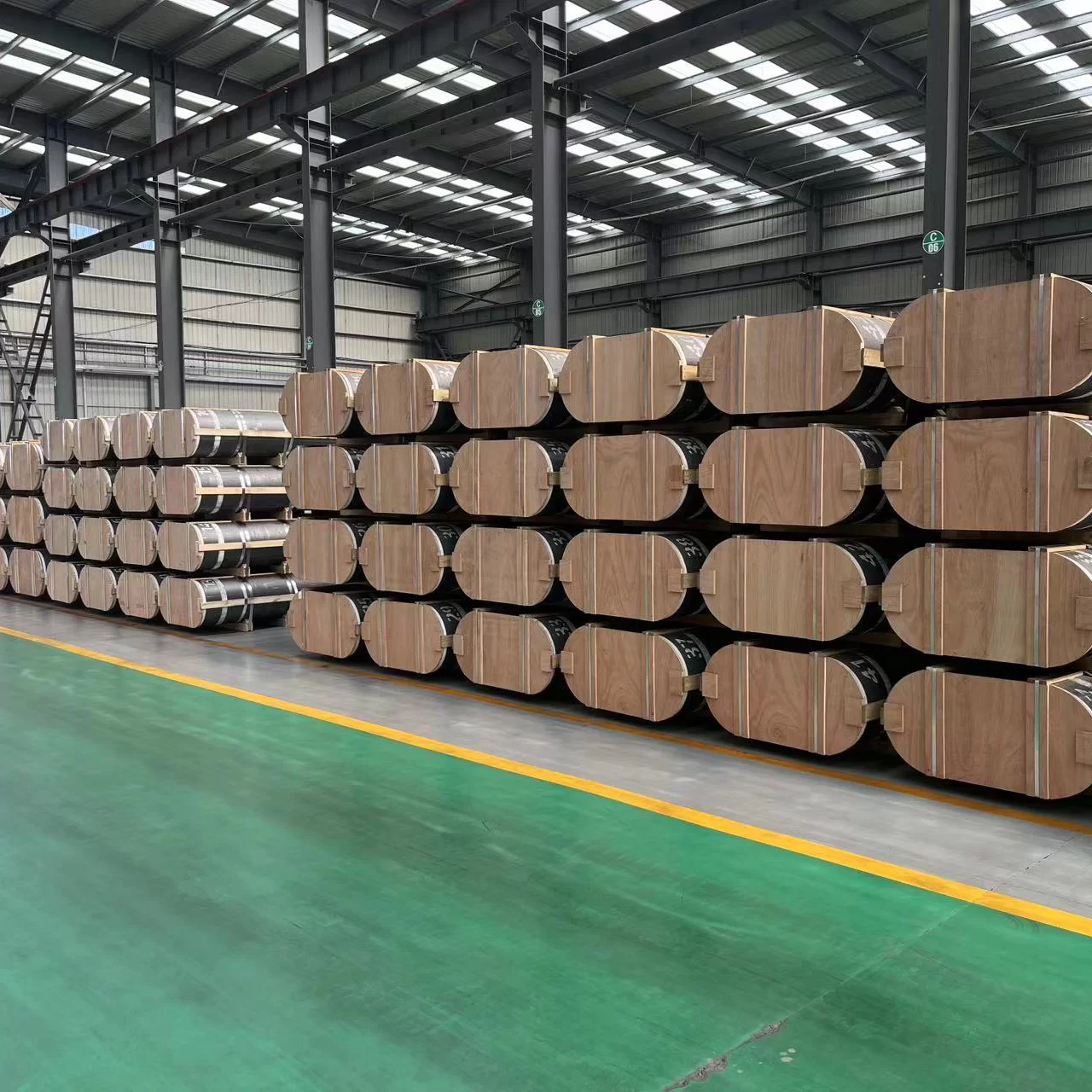
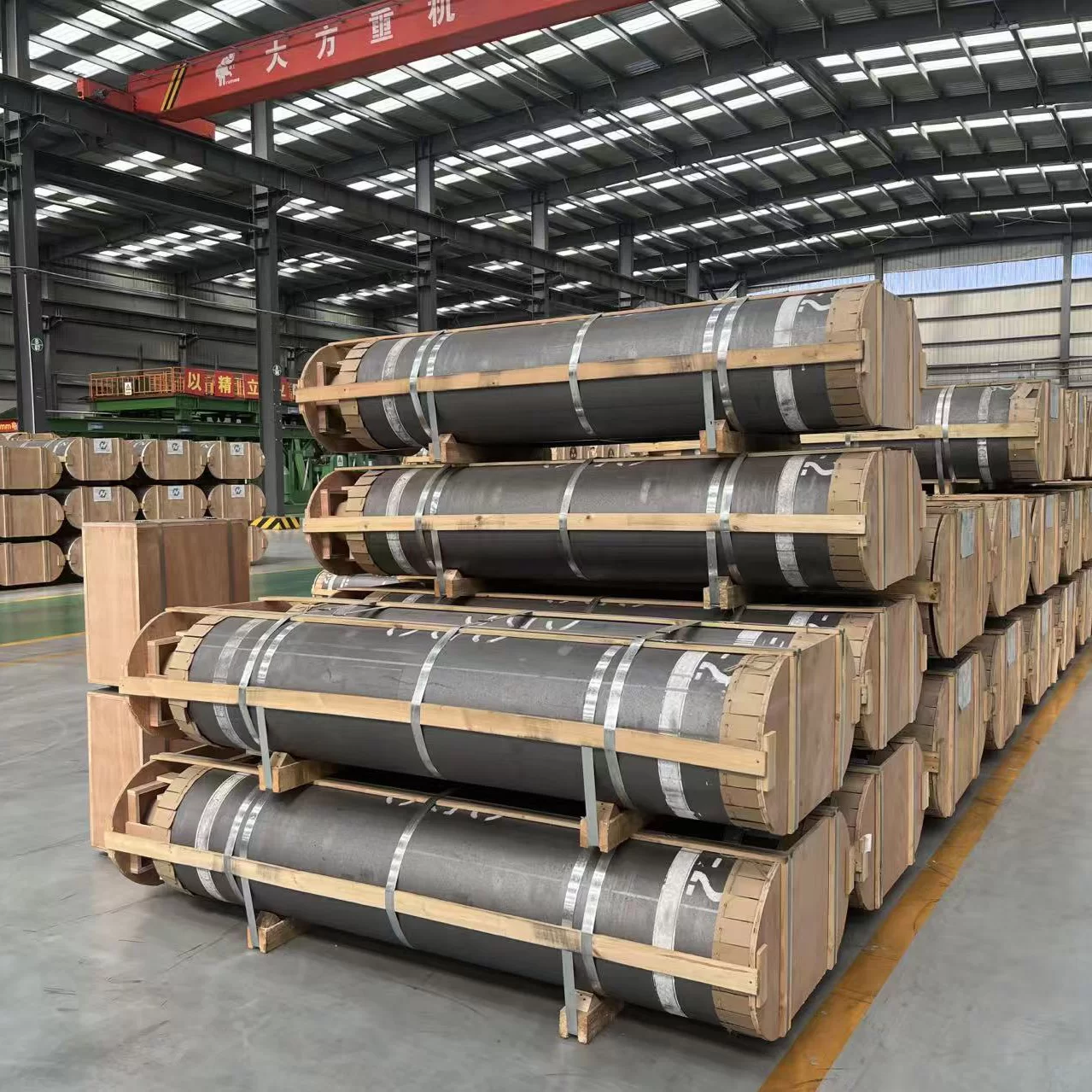
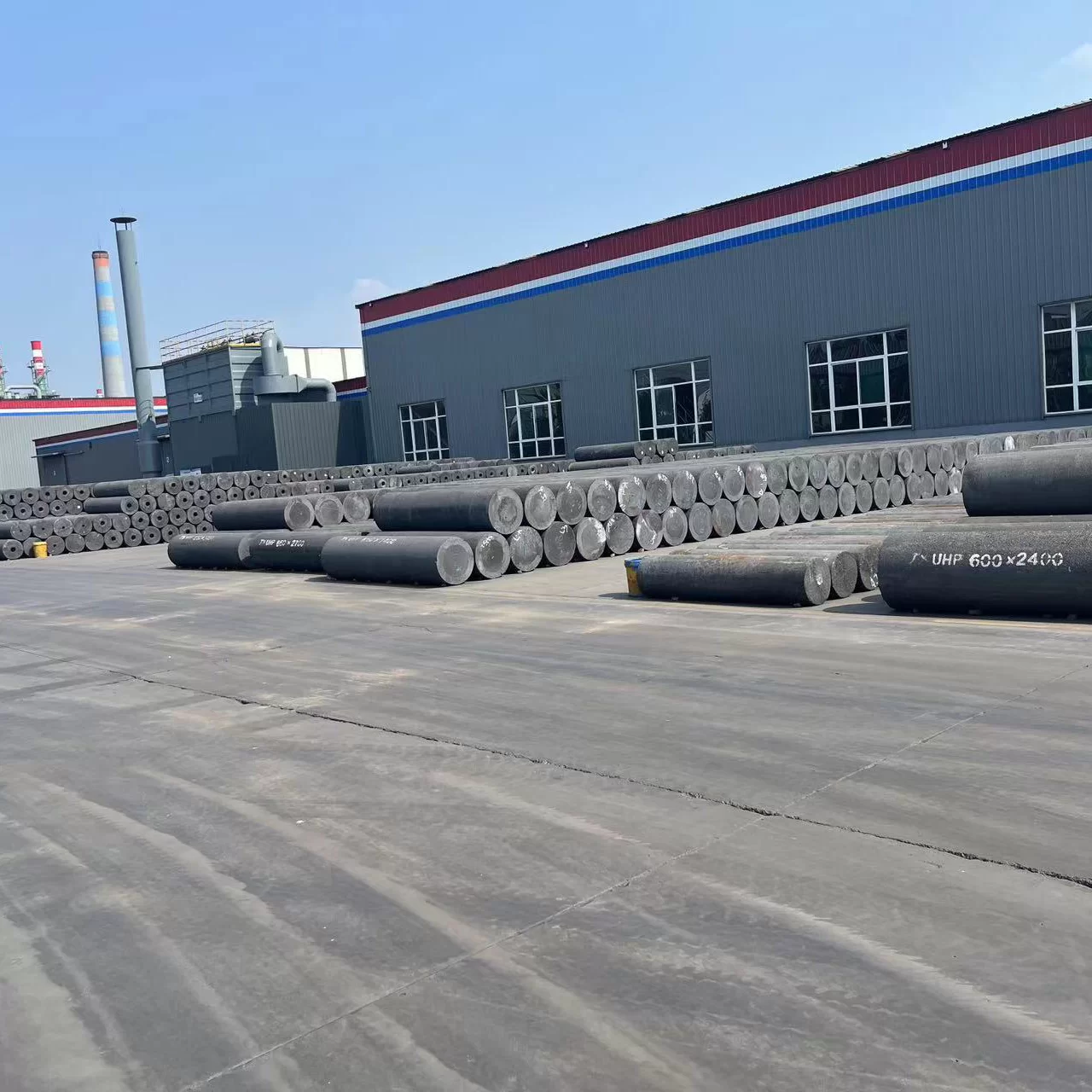
At its core, a graphite rod is a cylindrical electrode used inside the battery cells, primarily serving as an anode or cathode component depending on battery chemistry. Its excellent electrical conductivity and chemical stability make it a perfect fit. Less reactive than many metals, graphite rods help maintain battery efficiency while managing heat and chemical interactions during charge-discharge cycles.
In humanitarian and industrial applications alike, these rods enable reliable energy storage—a literal backbone for devices in hospitals, disaster zones, and isolated industries. Oddly enough, while the average user don’t see it, the graphite rod forms the unseen backbone of modern batteries powering critical infrastructure.
Mini summary:
- Graphite rods act as electrodes within batteries.
- They contribute to battery longevity and reliability.
Key Factors That Make Graphite Rods Stand Out
1. Electrical Conductivity
Graphite rods must allow electrons to flow freely—no doubt about it. Many engineers say this property is what makes them integral to efficient battery performance. Poor conductivity means less energy stored or wasted during charge cycles.
2. Thermal Stability
Heat can be a battery’s worst enemy. Graphite rods dissipate heat effectively, preventing overheating. Roughly, they maintain performance even under temperature stress, protecting batteries from failures and potential hazards.
3. Chemical Resistance
Batteries are chemical factories; the rod must resist corrosion and chemical breakdown over thousands of cycles to ensure long life. Graphite’s inert nature is the secret sauce here.
4. Scalability for Different Battery Sizes
Whether tiny button cells or large industrial batteries, graphite rods are scalable. This flexibility lets manufacturers produce everything from hearing aids to electric buses using similar core tech.
5. Cost Efficiency
While alternatives like silicon are on the rise, graphite retains a sweet spot for balancing performance and cost—crucial for mass markets in developing regions.
Short takeaway:
- The combination of conductivity, durability, and cost explains graphite rods’ widespread use.
- Technological advancements continue to improve these core factors.
Worldwide Applications: Where and How Graphite Rods Are Changing Energy Storage
Graphite rods power more than just your everyday gadgets. In Asia, especially China and India, rapidly growing EV sectors demand scalable, cost-effective graphite electrodes. Meanwhile, Europe’s push for renewable energy relies on graphite-based batteries for grid storage—smoothing out power supply from wind and solar farms.
In remote industrial zones, like mining operations in Australia or Canada, dependable battery power with graphite rods ensures machinery uptime even without direct grid access. And in humanitarian crises, portable batteries built with graphite electrodes provide reliable power for medical equipment and communication devices.
For deeper industrial insights, you might want to check out graphite rod in battery details and product ranges relevant to your needs.
Advantages & Long-Term Value of Using Graphite Rods in Batteries
From a practical perspective, graphite rods mean batteries that last longer, charge faster, and stay safer. This translates into less waste and lower costs over time—not to mention less risk of fire or malfunction. Emotionally, consumers feel more confident in devices and vehicles powered by these batteries, turning trust into brand loyalty.
Furthermore, sustainable sourcing initiatives and the potential for recycling graphite rods connect well with cleaner, greener energy ambitions worldwide. It’s not just about money saved today but creating systems that respect environmental limits tomorrow.
Product Specification Table
| Specification | Typical Range | Unit | Notes |
|---|---|---|---|
| Diameter | 0.5 - 10 | mm | Varies with battery size |
| Electrical Resistivity | ~10 µΩ·m | ohm meters | Low for efficient current flow |
| Thermal Conductivity | 80 - 120 | W/m·K | Critical for heat dispersion |
| Chemical Resistance | High | - | Resists battery electrolytes |
| Typical Lifespan | 500 - 2000 | Charge cycles | Varies by battery chemistry |
Vendor Comparison: Graphite Rod Suppliers
| Supplier | Quality Grade | Price Range (per kg) | Sustainability Practices | Lead Time |
|---|---|---|---|---|
| DahCarbon | Premium | $15–$20 | Recycled & synthetic graphite | 2-4 weeks |
| GraphX Co. | Standard | $10–$14 | Limited recycling | 3-5 weeks |
| CarbonTec | High | $12–$16 | Sustainably mined | 4-6 weeks |
Looking Ahead: Innovations Shaping the Future of Graphite Rods
Technologies like graphene-enhanced graphite rods are bubbling under the surface, promising better conductivity and lighter weight. Plus, synthetic graphite production is becoming greener, addressing environmental concerns. Battery manufacturers are flirting with hybrid electrodes too—combining graphite with silicon or other materials to push capacity and lifespan even further. The digital transformation pushing automation and AI in manufacturing also tightens quality control, ensuring every graphite rod is just right.
The Common Challenges and How They’re Overcome
Of course, no tech is perfect. While graphite rods excel in many areas, their natural brittleness can cause mechanical failure in harsh conditions. To mitigate this, composite coatings and reinforced manufacturing processes are gaining favor. Supply chain disruptions sometimes spike prices, but local synthetic graphite production attempts to stabilize markets. And then there’s the recycling challenge: battery recycling is still a patchy system globally, though progress is steady, with initiatives focusing on graphite recovery.
FAQ: Your Practical Questions About Graphite Rods in Batteries
- Q: How does the diameter of a graphite rod affect battery performance?
- A: The diameter influences the surface area and thus the current it can safely conduct. Thicker rods generally handle higher currents but take up more space, which impacts battery size. Manufacturers balance these factors based on application demands.
- Q: Are synthetic graphite rods better than natural ones?
- A: Synthetic graphite rods offer more consistency and purity, which often results in better performance. However, natural graphite may be cheaper. The choice depends on cost constraints and performance needs.
- Q: Can graphite rods be recycled from used batteries?
- A: Yes, although the process remains complex. Recycling graphite rods reduces demand for raw materials and environmental impact, but efficient recycling methods are still developing globally.
- Q: What role do graphite rods play in emerging solid-state batteries?
- A: While solid-state battery tech alters some design elements, graphite rods or graphene derivatives may still serve as conductive backbones or current collectors, though adaptations are ongoing.
- Q: How can companies verify the quality of graphite rods they receive?
- A: Quality assurance includes spectroscopic analysis, mechanical testing, and conductivity measurements. Trustworthy suppliers also provide certifications aligned with ISO 9001 and industry standards.
Wrapping It Up: Why Graphite Rods Deserve Your Attention
In the grand scheme, graphite rods might seem like a small piece in a giant puzzle, but their impact on battery performance, reliability, and sustainability is huge. As we inch toward greener, smarter energy solutions, they remain one of those quietly crucial components nobody wants to overlook.
If you’re curious about sourcing or learning more, definitely swing by our website for the latest in graphite rod technology and best-in-class products.