Understanding the Graphite Generator: A Quiet Hero of Modern Industry
What exactly is a graphite generator? At first blush, it sounds like a quirky piece of machinery from a sci-fi novel. But in reality, it's a vital component in multiple industries worldwide, quietly powering innovation and sustainability. Graphite generators harness unique properties of graphite—its conductivity, thermal stability, and resilience—to provide reliable energy solutions or specialized manufacturing capabilities. Why should we care? Because the global push towards greener, more efficient energy and materials technology depends on components like these.
As countries scramble to meet tough environmental targets (hello, UN Climate Goals), and industries demand more durable, efficient, and scalable solutions, graphite generators step into the limelight. Learning what they do means understanding a crucial slice of the energy transition puzzle.
Global Context: The Expanding Role of Graphite Generators
World energy consumption keeps climbing, with the International Energy Agency projecting a 20% increase by 2040. While renewables are growing fast, integrating them requires stable, adaptable systems—and graphite generators play a central role here. For example, they are core components in advanced fuel cells and backup power systems that are essential in areas with unreliable grids.
Moreover, regions like China, India, and parts of Europe see rising demand for graphite-based technologies in electronics, electric vehicles, and even aerospace. However, challenges persist—ranging from material sourcing to cost-efficiency and environmental impact. Efficient graphite generators help address these issues by maximizing output and durability, keeping those systems running smoothly.
What Is a Graphite Generator, Exactly?
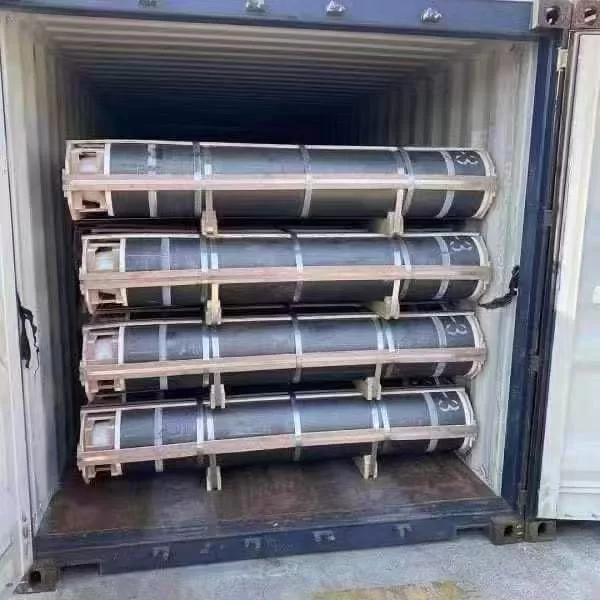
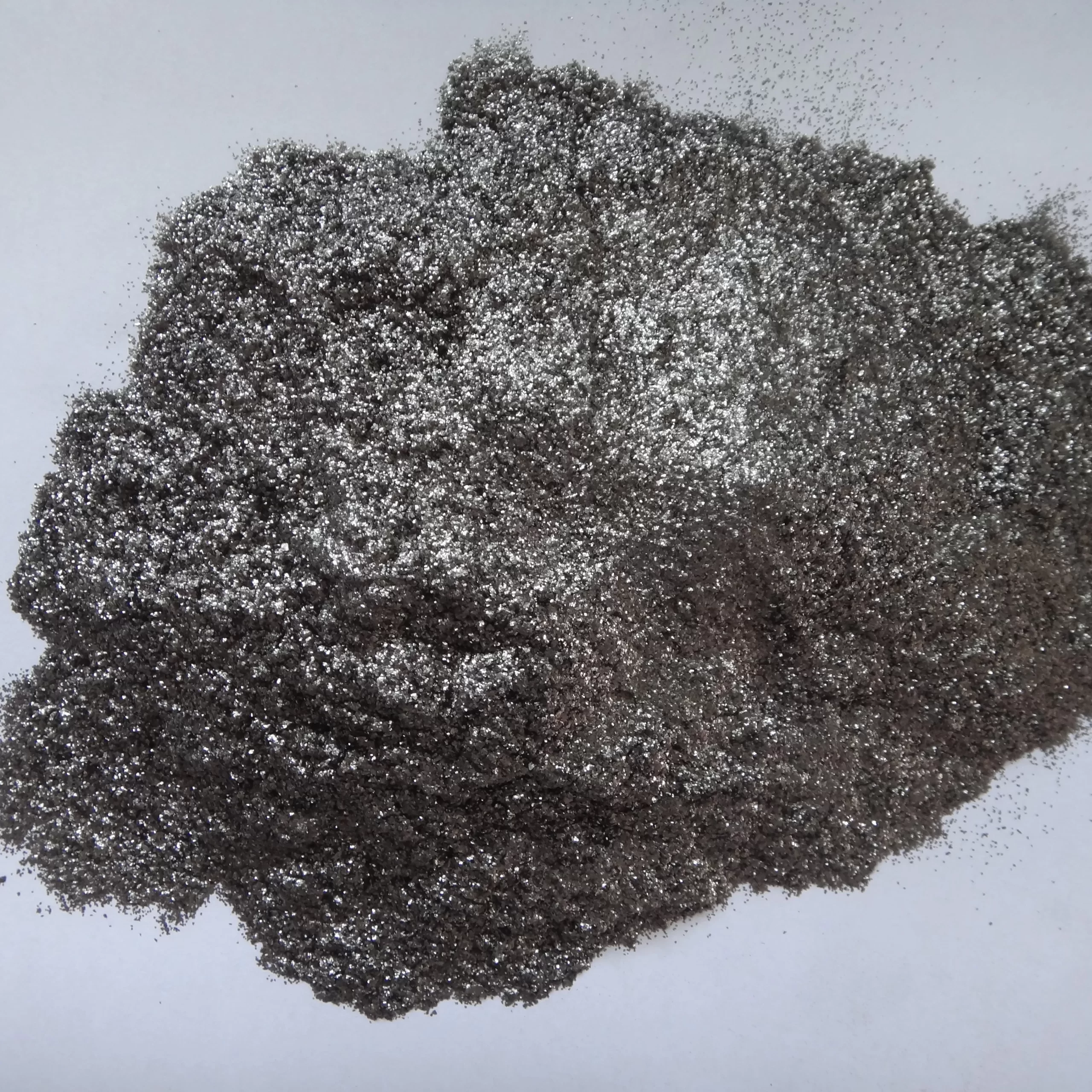
Simply put, a graphite generator is a device that utilizes graphite’s electrical and thermal properties to convert various energy inputs into usable electrical power or controls manufacturing processes with improved accuracy. Typically, this involves electrodes or graphite elements within generators or specialized equipment where heat resistance and stability matter.
Think of it as the workhorse behind technologies requiring high endurance: from large-scale power backup units to industrial machines that simply can’t afford downtime or overheating. And in humanitarian contexts—like deploying portable power in disaster relief—it’s the unsung hero ensuring critical systems stay online.
Key Components of Graphite Generators
- Durability: Graphite’s resistance to heat and chemical corrosion means generators last longer, require less maintenance, and can survive harsh environments.
- Scalability: Designs range from small portable units to full industrial-scale generators, adaptable to multiple applications.
- Cost Efficiency: Though graphite materials can be pricier initially, their longevity and performance often mean lower lifecycle costs.
- Energy Efficiency: Graphite enhances electrical conductivity in generators, reducing losses and improving output quality.
- Environmental Impact: Using graphite reduces reliance on rare or toxic metals, aligning with sustainable manufacturing goals.
Mini takeaway: Understanding these components helps industries balance performance with longevity, shaping how graphite generators fit into next-gen infrastructure.
How Are Graphite Generators Applied Worldwide?
From sprawling industrial complexes in Germany to remote mining outposts in Australia, graphite generators underpin critical operations. For instance, in post-disaster relief zones—think earthquakes or hurricanes—portable graphite generators reliably supply emergency power when the grid collapses.
Mining and metallurgy sectors also benefit. Countries like Canada and Brazil use graphite-laden equipment to improve extraction efficiency and metal refining processes. Even in the burgeoning electric vehicle market, graphite generators are vital parts of battery manufacturing lines and charging stations.
Product Specification Table
| Specification | Typical Range | Description |
|---|---|---|
| Operating Voltage | 110–480 V AC/DC | Adaptable to various power grids and systems |
| Temperature Resistance | Up to 3000 °C | Ideal for high-heat industrial environments |
| Power Output | 5 kW – 500 kW | Scalable from portable use to factory installations |
| Weight | 50 kg – 1200 kg | Varies by model and application size |
| Expected Lifespan | 10–25 years | Depend on maintenance and environment |
Advantages and Long-Term Benefits of Graphite Generators
Many engineers swear by graphite's reliability—reduced downtime and less frequent repairs lead to tangible cost savings. It’s not just about dollars and cents, though. From a sustainability standpoint, graphite uses are cleaner than some metal-heavy alternatives, reducing environmental footprints. I suppose it also brings a kind of peace of mind in critical infrastructure—knowing your generator won’t choke when you need it most.
- Cost Savings: Lower maintenance and longer service intervals cut operational expenses.
- Environmental Friendliness: Graphite mining and production have a smaller impact compared to rare earth metals.
- Reliability Under Stress: Performance under temperature extremes keeps vital systems stable.
- Safety: Stable materials reduce risks of fires or toxic emissions.
Mini takeaway: The logic and emotional reassurance wrapped in graphite generators make them a compelling choice for forward-thinking companies.
Emerging Trends and Innovations in Graphite Generator Technology
Greener energy pushes, along with digital transformation, mean modern graphite generators are getting smarter—integrated with IoT sensors for predictive maintenance and automation. Some developers experiment with composite graphite materials to improve conductivity even further or cut weight.
Policies aiming for net-zero emissions encourage manufacturers to adopt graphite-based components that support cleaner production methods. Oddly enough, the push for lightweight electric vehicles also feeds back into demand for smaller, efficient graphite generators to manage power delivery.
Challenges and Solutions: Overcoming Hurdles in Graphite Generator Deployment
Honestly, graphite isn’t perfect. Pricing volatility in raw materials, supply chain disruptions (especially recently), and the energy inputs to produce high-grade graphite can be barriers. Also, not all graphite products meet the strict quality needed for high-precision applications.
Experts recommend diversifying supply sources, investing in synthetic graphite technology, and standardizing quality assurance protocols. Collaborations between suppliers and end-users increase transparency and spur innovation focused on lifecycle sustainability.
Frequently Asked Questions About Graphite Generators
- What makes graphite generators better than traditional metal-based generators?
- Graphite generators offer superior heat resistance, reduced maintenance, and improved conductivity, making them more efficient and durable in harsh environments compared to metal-only counterparts.
- How scalable are graphite generators for different industrial needs?
- They are highly scalable, ranging from small, portable units for fieldwork to large industrial generators capable of powering entire facilities.
- Are graphite generators eco-friendly?
- Yes. While graphite mining and production require energy, the material itself is less toxic and more sustainable than many metals, especially with emerging synthetic graphite methods reducing environmental impact.
- Can these generators be used in remote or disaster-prone areas?
- Absolutely. Their durability and reliability under extreme conditions make them ideal for emergency power in remote or disaster-affected zones.
- How can companies source reliable graphite generators internationally?
- Partnering with experienced vendors who adhere to ISO quality standards is key, along with ensuring clear supply chain transparency. Visiting websites like graphite generator suppliers can provide certified options and case studies.
Conclusion: Why Graphite Generators Matter Now and Tomorrow
In sum, graphite generators are not just niche components but integral parts of a sustainable and resilient industrial future. Their unique properties marry efficiency with long-term reliability, creating systems that industries and humanitarian organizations alike can trust.
If you’re interested in exploring high-quality graphite generators that fit your unique needs, do consider visiting our dedicated supplier: https://www.dahcarbon.com. Because innovation—especially in energy and materials—rarely hits the headlines, but quietly changes everything.
Vendor Comparison Table
| Vendor | Product Range (kW) | Lead Time | Price Range (USD) | Quality Certifications | Customer Support |
|---|---|---|---|---|---|
| Dah Carbon | 5 – 500 | 4–6 weeks | $15,000 – $150,000 | ISO 9001, ISO 14001 | 24/7 Technical Support |
| GraphElec Ltd. | 10 – 400 | 6–8 weeks | $18,000 – $140,000 | ISO 9001 | Business hours only |
| Carbotech Solutions | 5 – 600 | 3–5 weeks | $20,000 – $170,000 | ISO 9001, CE | Dedicated account managers |
References:
1. International Energy Agency (IEA) – https://www.iea.org/
2. UNFCCC Climate Change Goals – https://unfccc.int/
3. ISO Standards – https://www.iso.org/