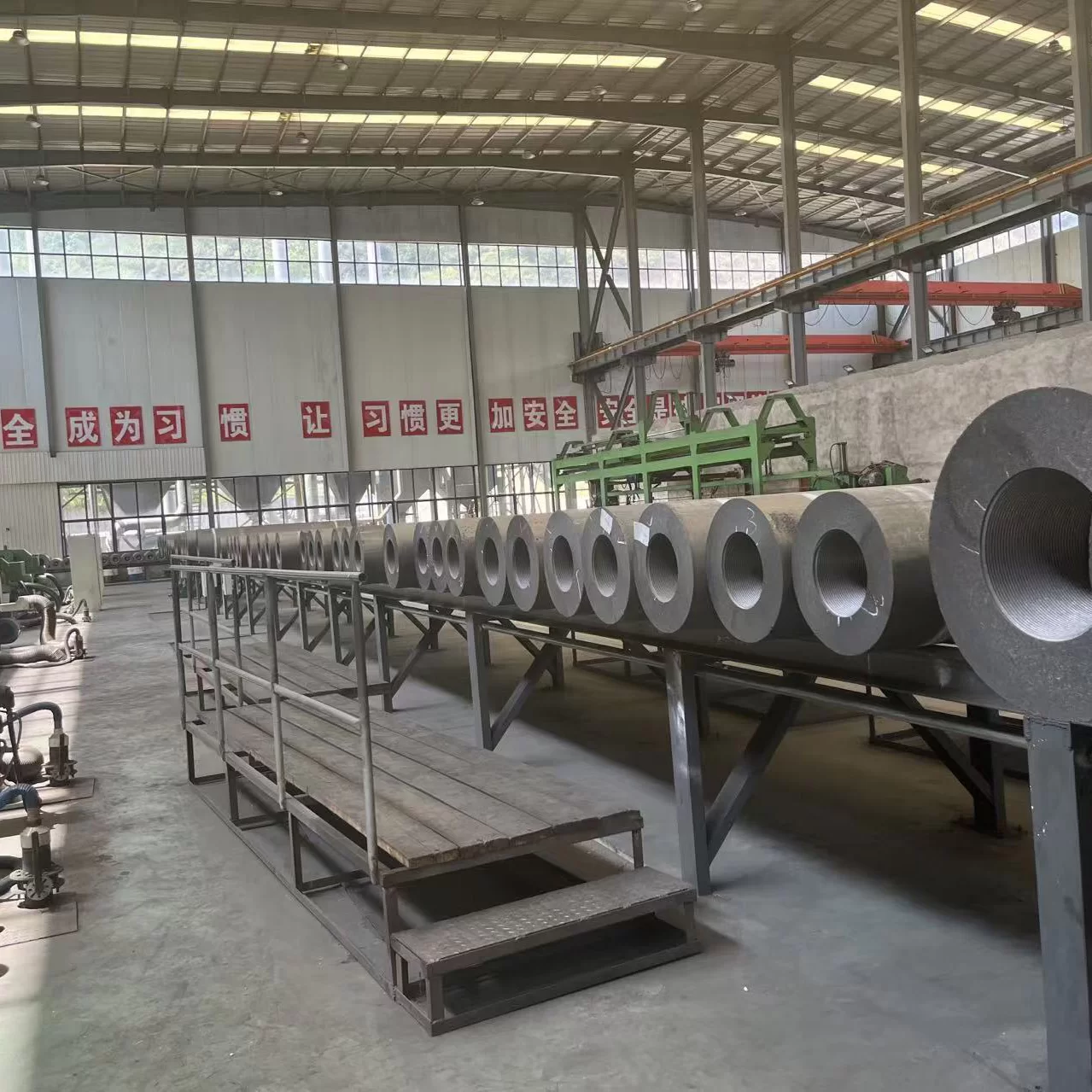
Choosing the Right Recarburizer Supplier: A Comprehensive Guide
In the dynamic world of metallurgy, securing a consistent supply of high-quality recarburizer is critical for steelmaking processes. A reliable recarburizer supplier is more than just a vendor; they are a partner in ensuring the quality, efficiency, and cost-effectiveness of your steel production. This article will explore the key factors to consider when selecting a recarburizer supplier, covering everything from product types and quality control to logistical capabilities and customer support. We’ll help you navigate the complexities of the market to find the best fit for your business needs.
Understanding Recarburizer Types and Their Applications
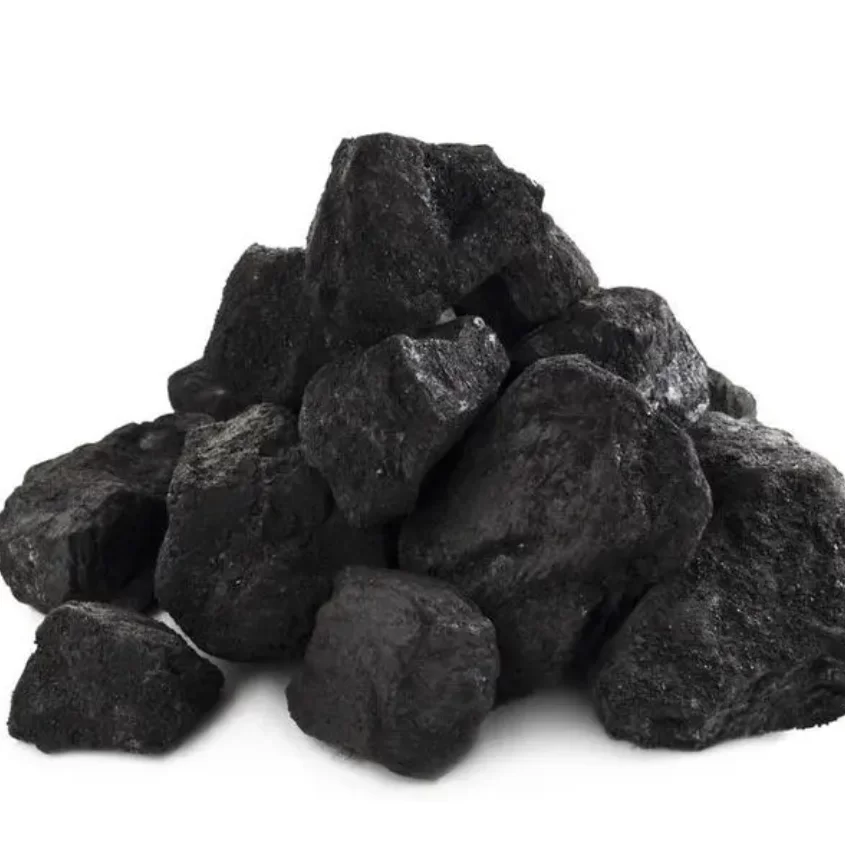
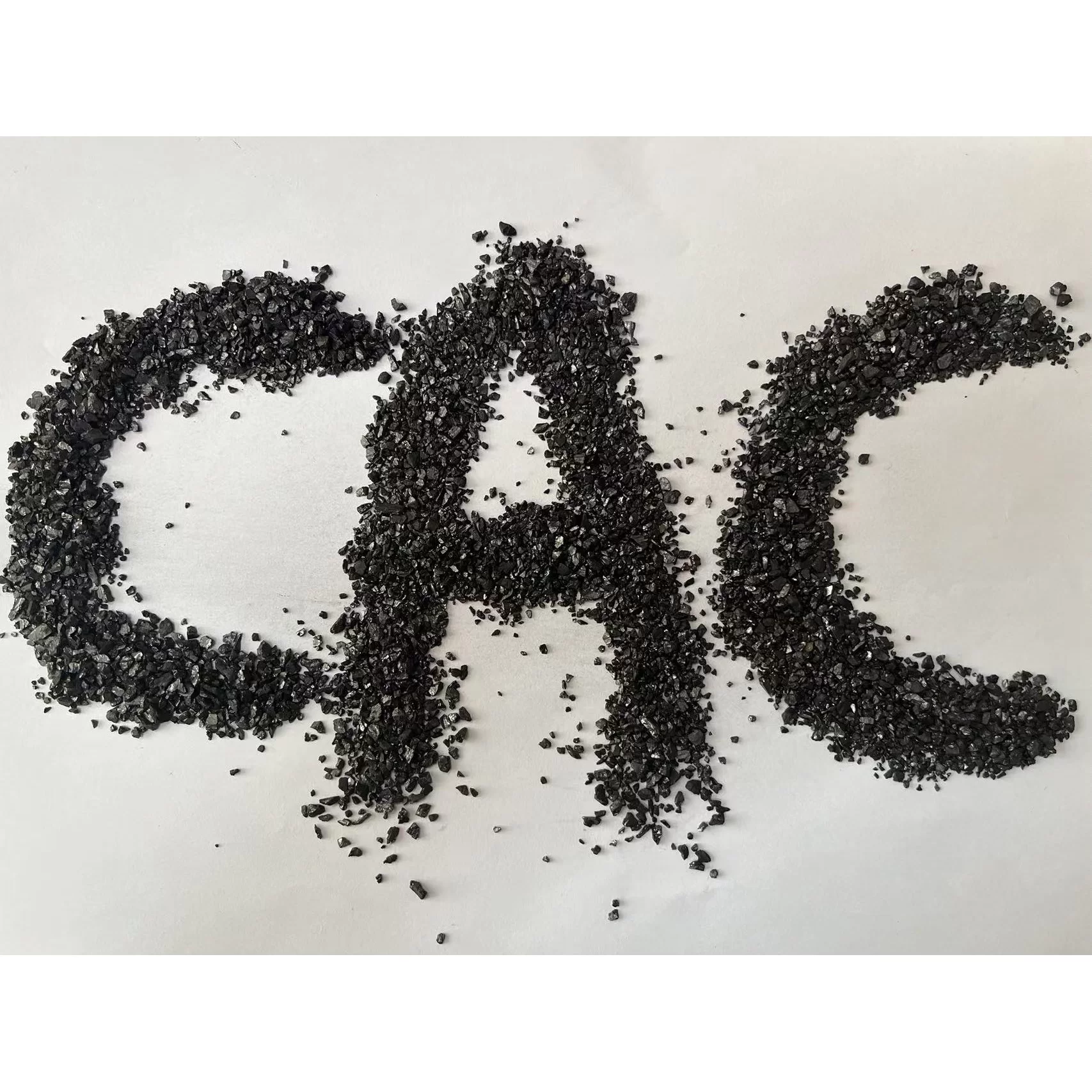
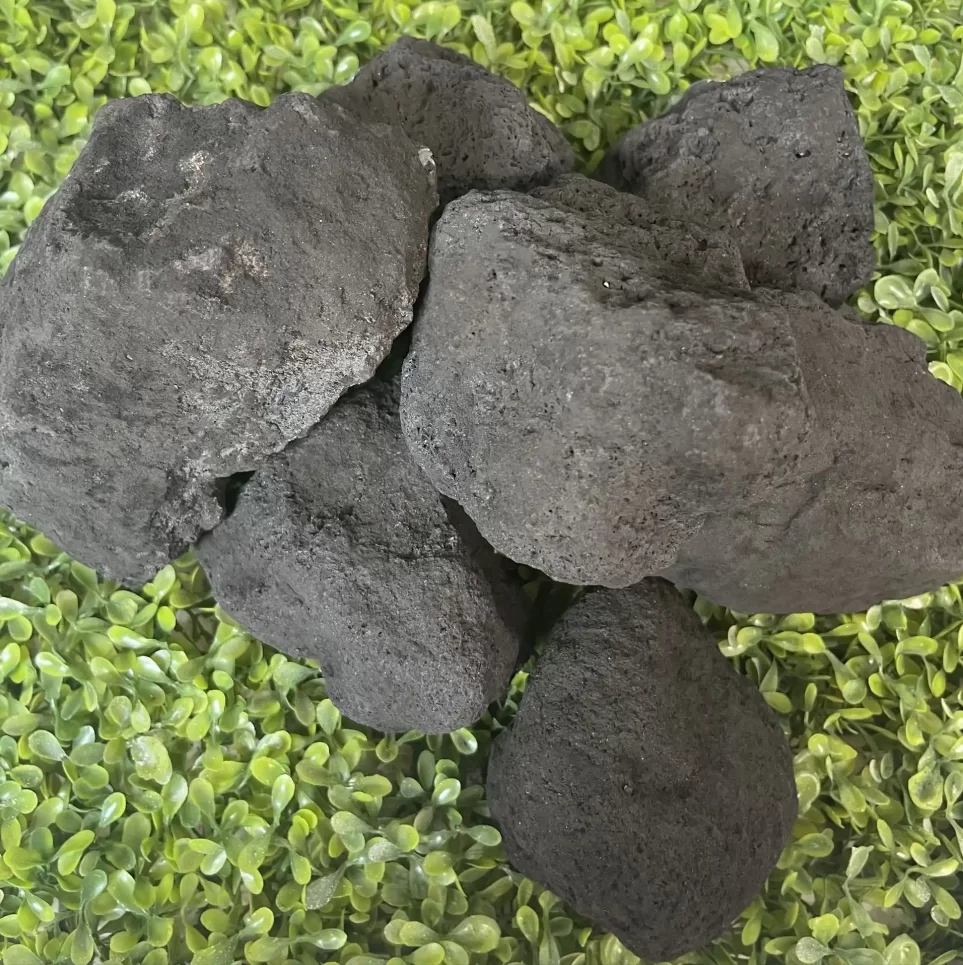
Recarburizers are carbon-rich materials added to molten iron or steel to increase the carbon content. Different types of recarburizers are available, each with its unique characteristics and suitable applications. Common types include graphite powder, calcined petroleum coke (CPC), and injection molding carbon. Graphite powder offers high purity and excellent carbon recovery, making it ideal for specialty steel production. CPC is a cost-effective option for general steelmaking, while injection molding carbon provides consistent particle size and shape for efficient blending. Understanding these differences is vital when choosing a recarburizer supplier who can advise on the best material for your specific steel grade and process.
Key Takeaway: The choice of recarburizer type significantly impacts steel quality, carbon recovery rate, and overall production costs.
Quality Control and Consistency: Essential Criteria for a Recarburizer Supplier
Consistent quality is paramount when sourcing recarburizers. Variations in carbon content, particle size, and impurity levels can negatively affect steel properties and process stability. A reputable recarburizer supplier will have rigorous quality control procedures in place, including raw material inspection, in-process testing, and final product analysis. Look for suppliers with certifications like ISO 9001, demonstrating their commitment to quality management systems. Detailed Certificates of Analysis (COA) should be provided with each shipment, outlining the specific chemical composition and physical properties of the material.
Logistics and Supply Chain Reliability
A consistent supply of recarburizer is crucial for uninterrupted steel production. Your recarburizer supplier should have a robust logistics network and the capacity to meet your demand, even during peak periods. Consider factors like lead times, transportation options, warehousing capabilities, and inventory management. Suppliers with strategically located warehouses can minimize shipping costs and delivery times. Furthermore, a supplier who offers flexible ordering options and proactive communication about potential supply chain disruptions is invaluable.
Comparing Top Recarburizer Suppliers: Dah Carbon vs. Competitors
When evaluating potential suppliers, it’s helpful to compare their offerings side-by-side. Here's a comparison of Dah Carbon with some common competitors:
Building a Long-Term Partnership with Your Recarburizer Supplier
Choosing a recarburizer supplier is not a one-time transaction; it's the start of a potential long-term partnership. Look for a supplier who is committed to understanding your specific needs, providing technical support, and continuously improving their products and services. Regular communication, collaborative problem-solving, and a focus on mutual success are hallmarks of a strong supplier relationship. Dah Carbon is dedicated to building these types of partnerships with our clients, providing tailored solutions and unwavering support.
Conclusion: Securing Your Steelmaking Future with the Right Partner
Selecting the right recarburizer supplier is a critical decision that directly impacts the quality, efficiency, and profitability of your steelmaking operations. By carefully considering factors like product range, quality control, logistics, and customer support, you can find a partner who will help you achieve your business goals.
Frequently Asked Questions (FAQs)
What is the typical lead time for recarburizer orders?
Lead times can vary depending on the type of recarburizer, the quantity ordered, and the supplier's location. Generally, a reliable supplier like Dah Carbon can deliver within 5-7 days for standard orders. However, it’s always best to confirm lead times with the supplier at the time of order placement, especially for large or customized orders. Factors like transportation availability and customs clearance can also influence delivery times, so proactive communication with your supplier is key.
What are the key quality control measures I should look for?
Essential quality control measures include raw material inspection, in-process testing of particle size and carbon content, and final product analysis with a Certificate of Analysis (COA). ISO 9001 certification is a strong indicator of a robust quality management system. You should also inquire about the supplier's procedures for handling non-conforming materials and their commitment to continuous improvement.
Can the supplier provide technical support for optimizing recarburizer usage?
Yes, a good supplier should offer technical support to help you optimize recarburizer usage for your specific steelmaking process. This may include advice on injection rates, blending techniques, and troubleshooting potential issues. Dah Carbon provides expert technical assistance to ensure our customers achieve the best possible results.
What packaging options are available for recarburizer?
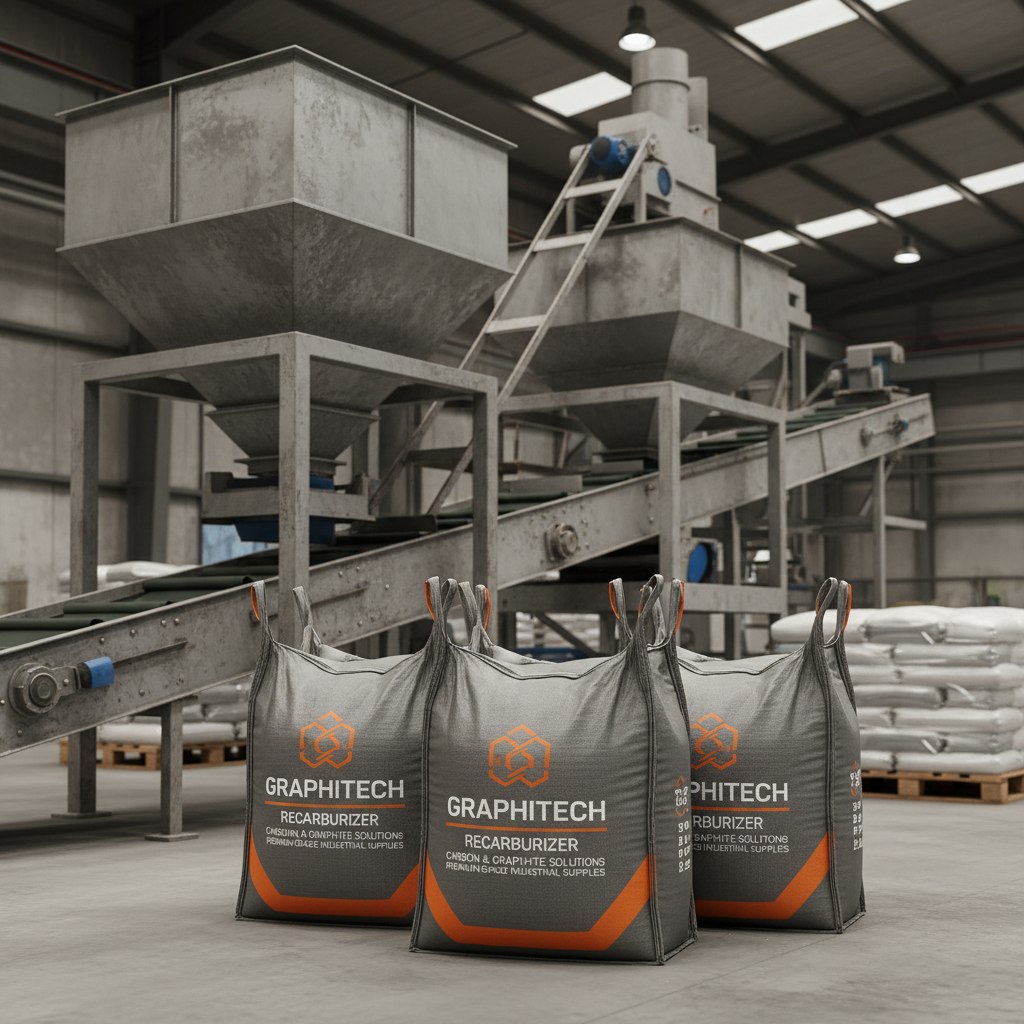
Recarburizer is typically packaged in durable bags, often with an inner liner to prevent moisture contamination. Common bag sizes range from 25kg to 1000kg. Some suppliers may offer customized packaging options to meet specific customer requirements. Proper packaging is crucial to protect the material during transportation and storage.