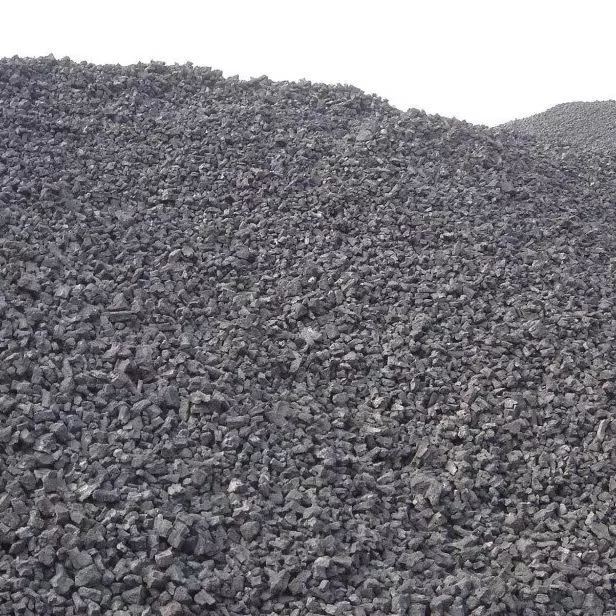
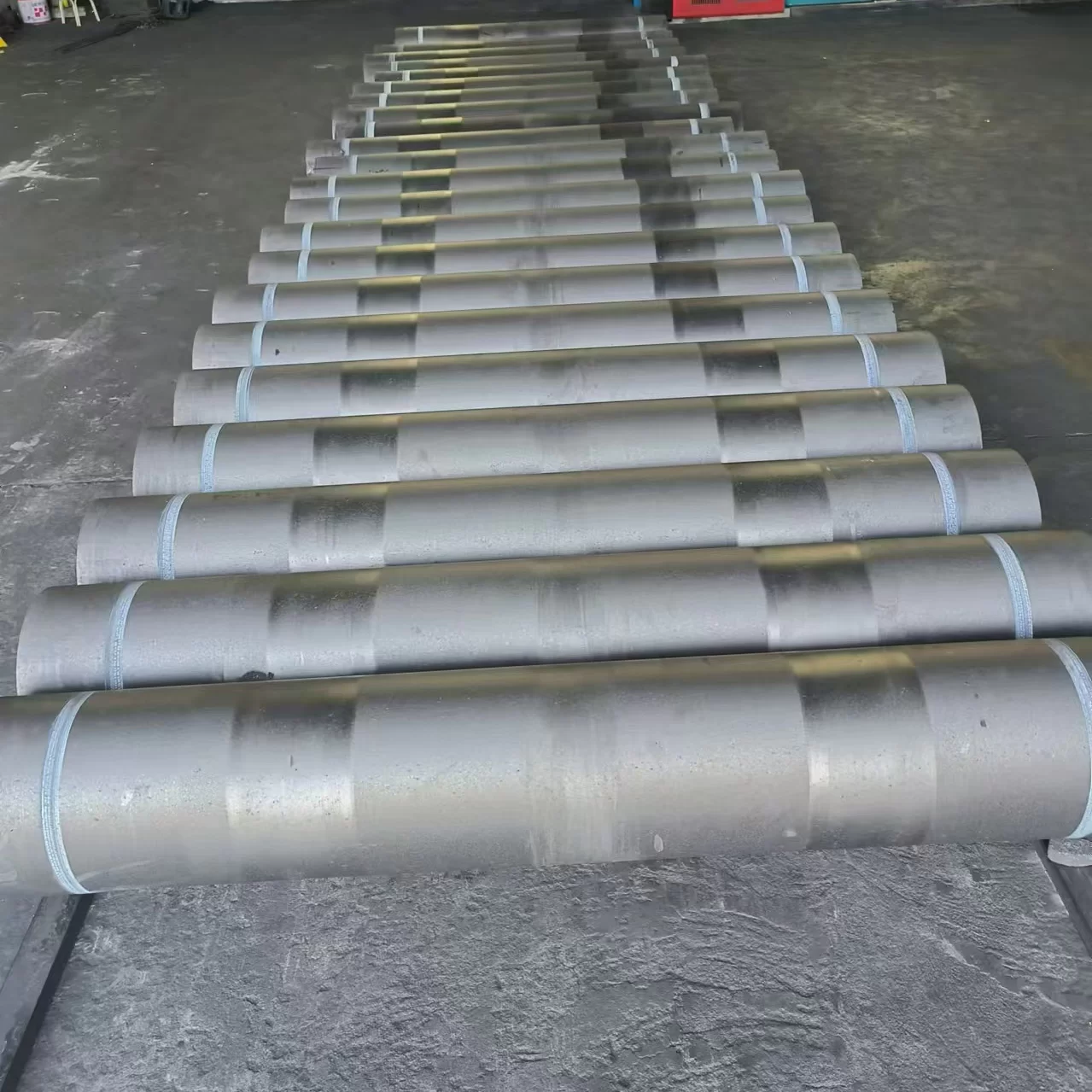
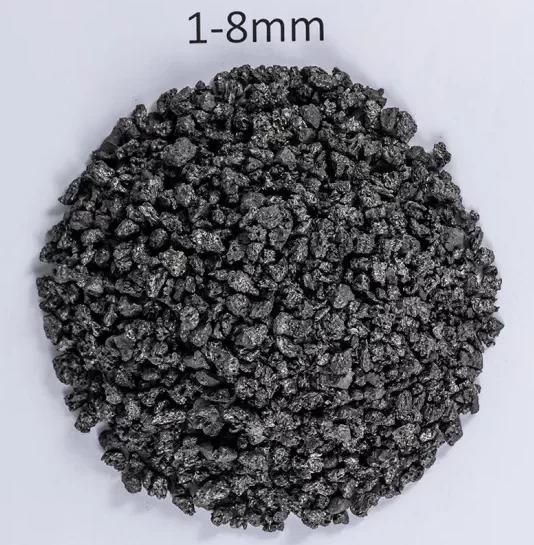
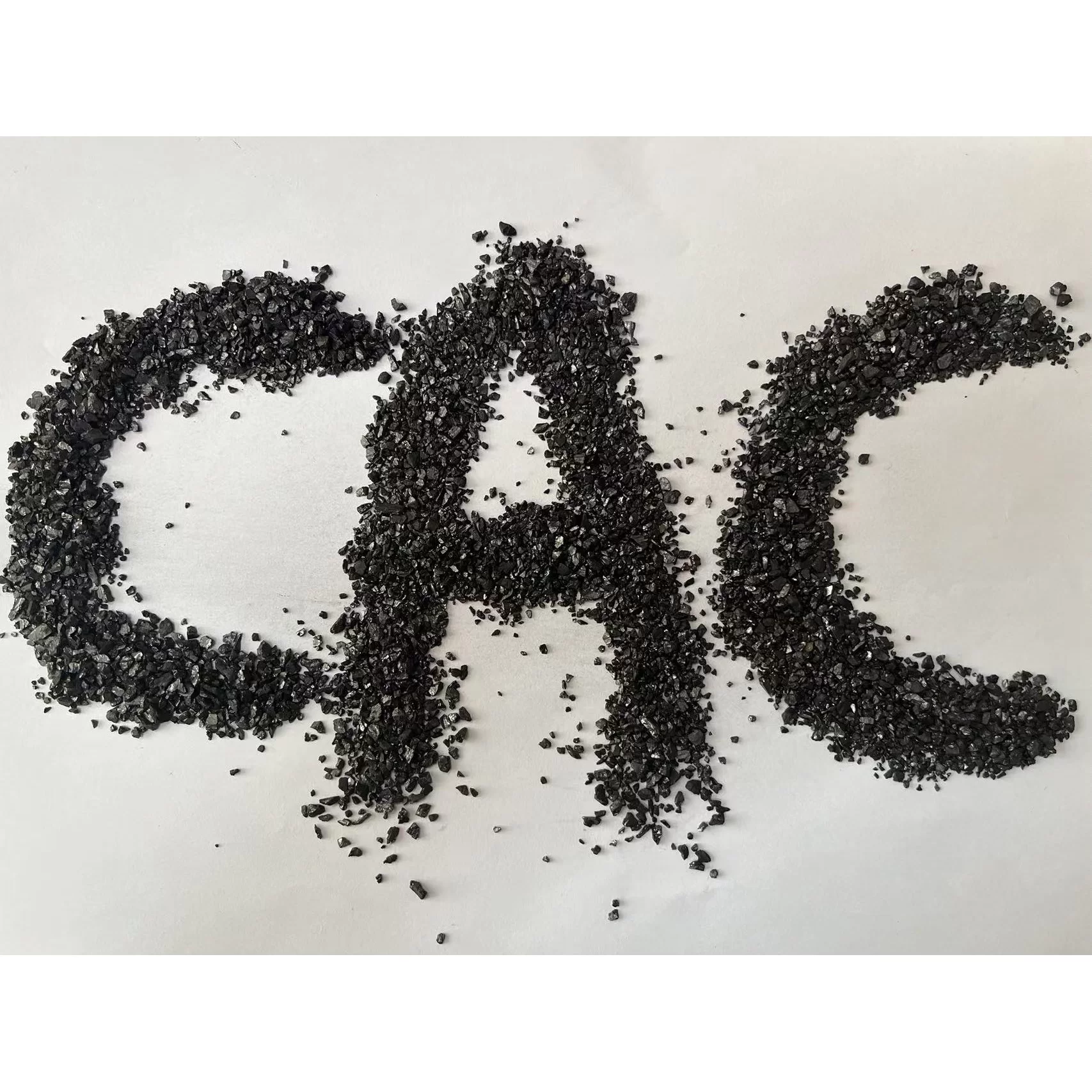
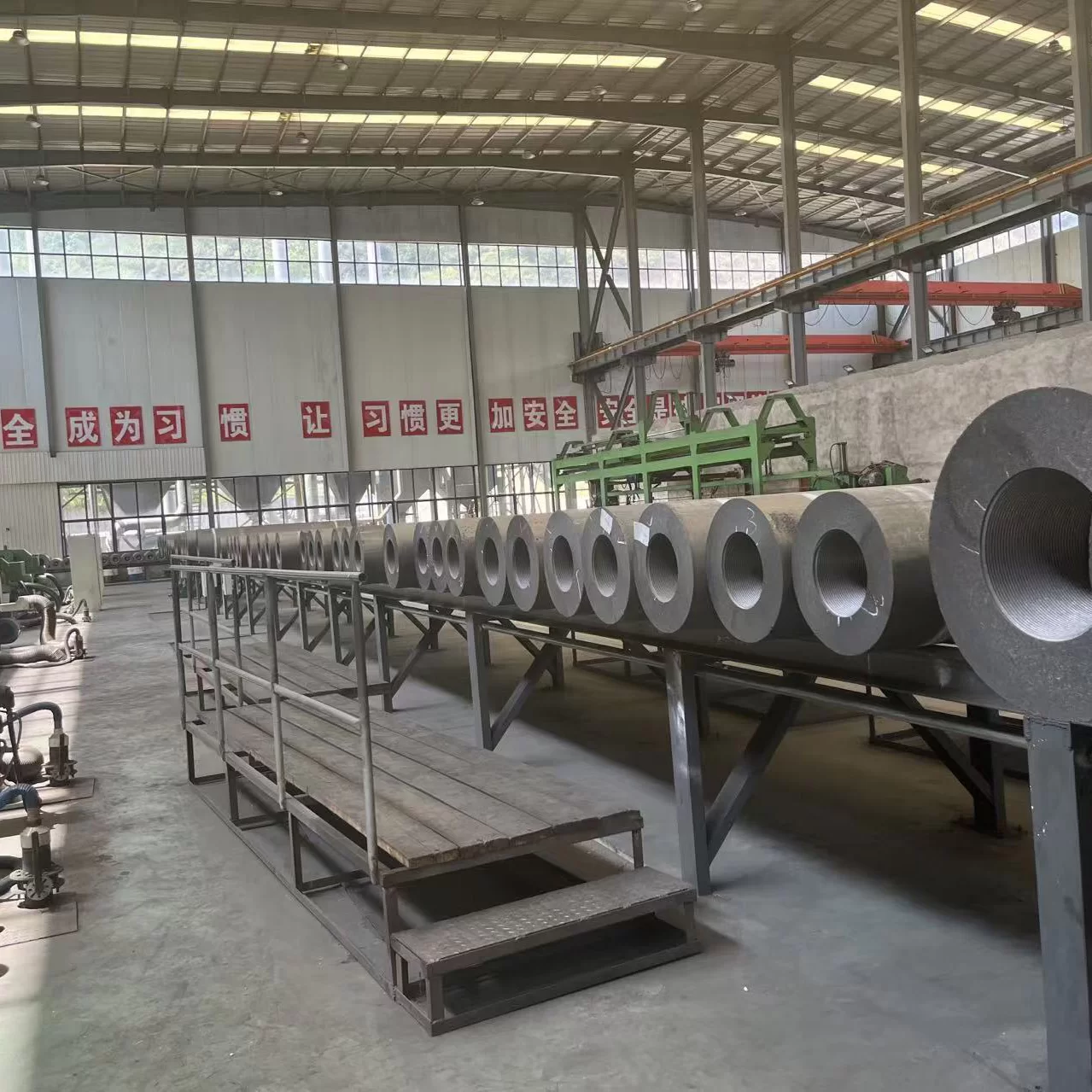
If you're hunting for graphite powder for sale in Southeast Asia,graphite powder,graphite dust, notice how the market has matured — quality controls are tighter, lead times shorter, and customization (particle size, purity, coating) is now table stakes. I’ve talked to buyers and plant managers across Vietnam, Thailand and Malaysia; many customers say turnaround and consistent particle-size distribution are the two deal-makers.
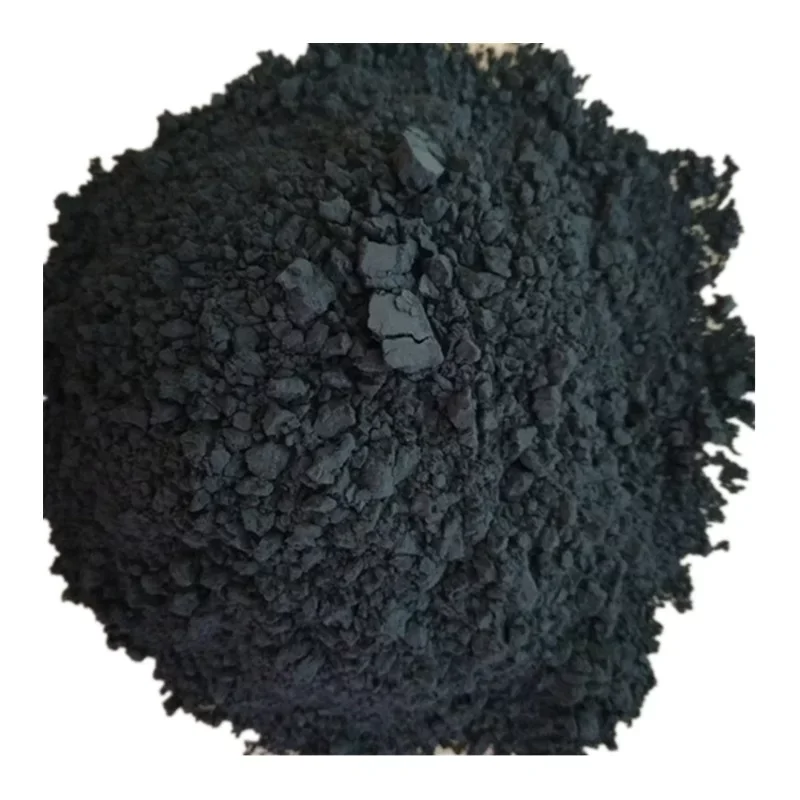
What artificial graphite powder is — quick tech snapshot
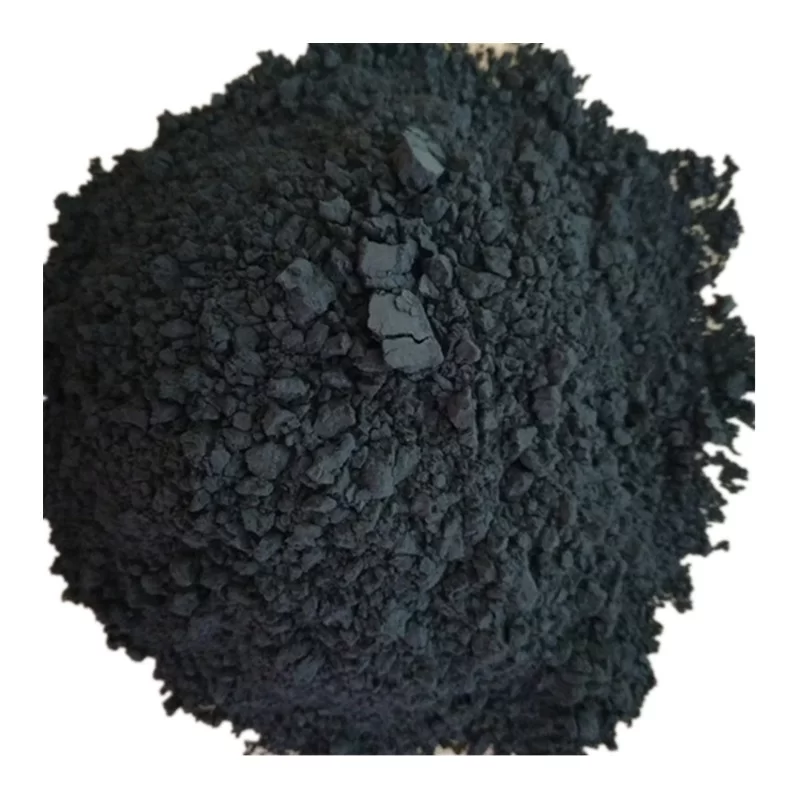
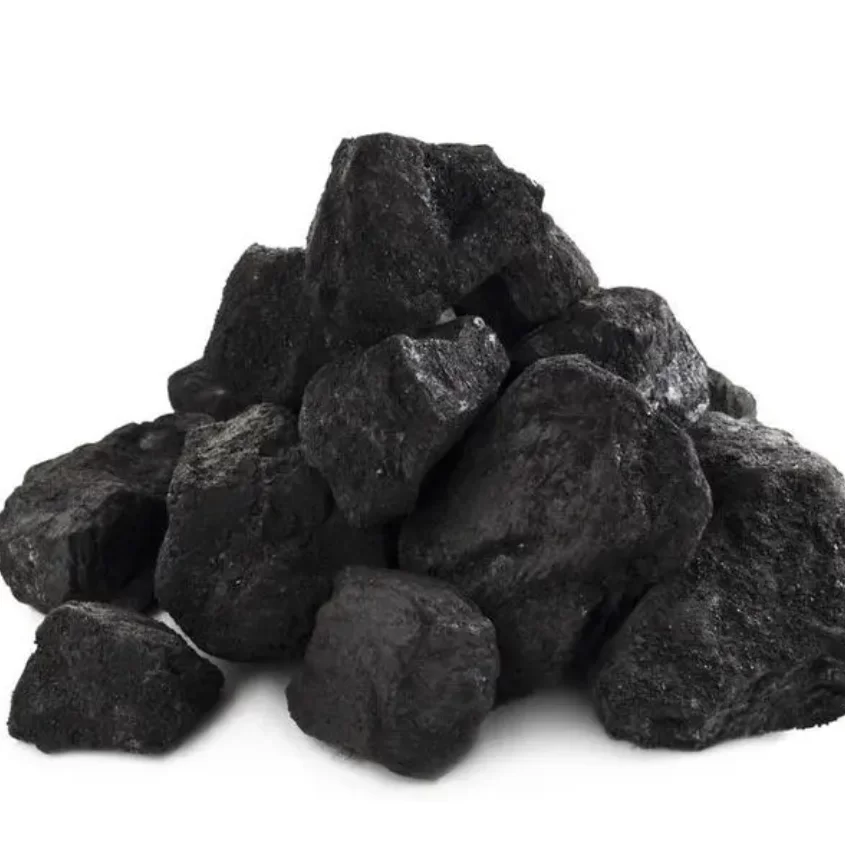
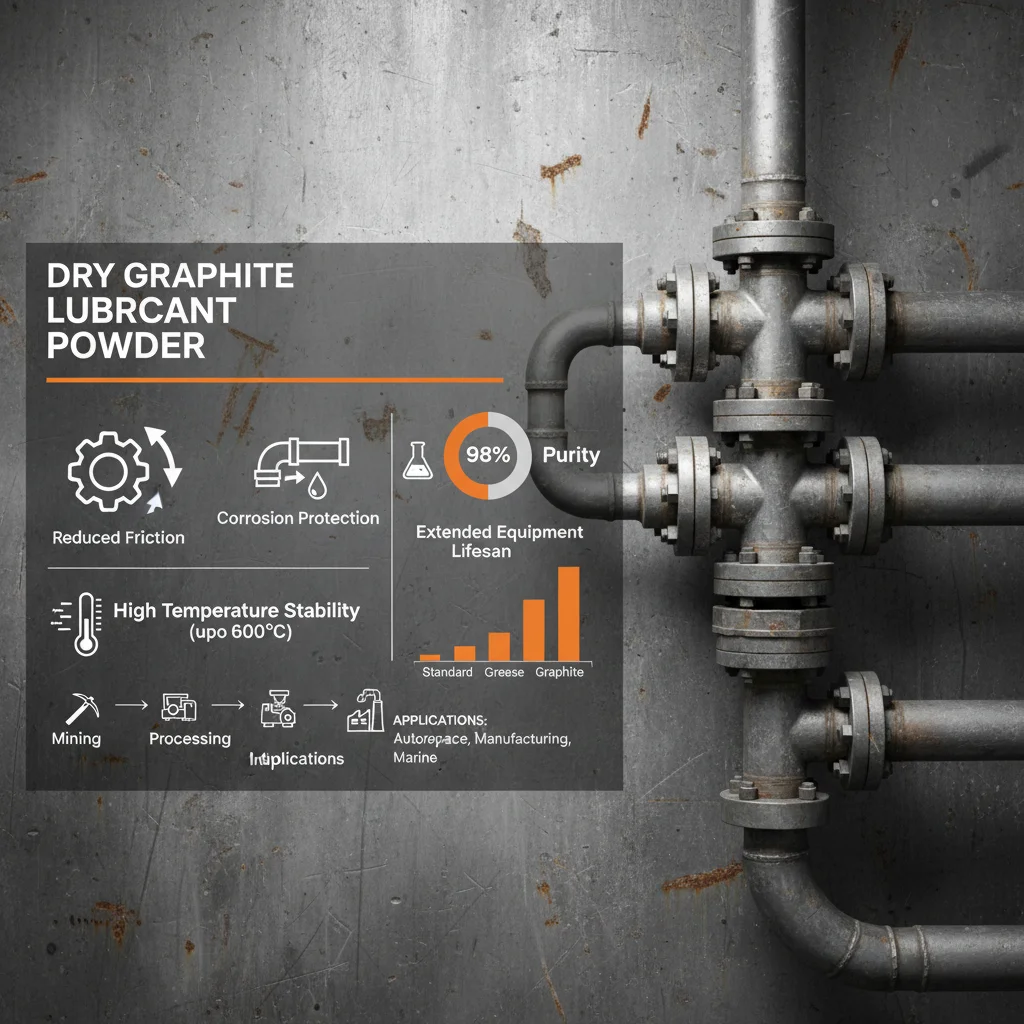
Artificial Graphite Powder (product: Artificial Graphite Powder) is a high-temperature, conductive material. Typical specs: hardness ≈1–2 (can rise to 3–5 vertically with impurities), specific gravity ≈1.9–2.3, melting point >3000 °C in oxygen-free conditions. At room temperature it's chemically stable and insoluble in water, dilute acids/bases and many organics — hence its broad industrial use as refractory, conductive, wear-resistant or lubricating material.
Product specification (example)
Parameter | Typical value / range |
Purity (carbon) | ≈ 92–99% (grade-dependent) |
Particle size (D50) | 0.5–50 μm (customizable, real-world use may vary) |
Specific gravity | ≈ 1.9–2.3 |
Hardness (Mohs) | 1–2 (vertical: up to 3–5) |
Typical uses | Refractories, electrodes, conductive fillers, lubricants |
Vendor comparison — a pragmatic snapshot
Vendor | Strengths | Lead time | Certs |
DAH Carbon | Consistent grades, flexible packing | ~2–4 weeks | ISO 9001, customer test reports |
Regional Supplier B | Competitive price, smaller batches | ~1–3 weeks | RoHS (select grades) |
Global Brand C | High purity, traceable supply | ~4–8 weeks | ISO 9001, REACH |
Process flow & quality controls
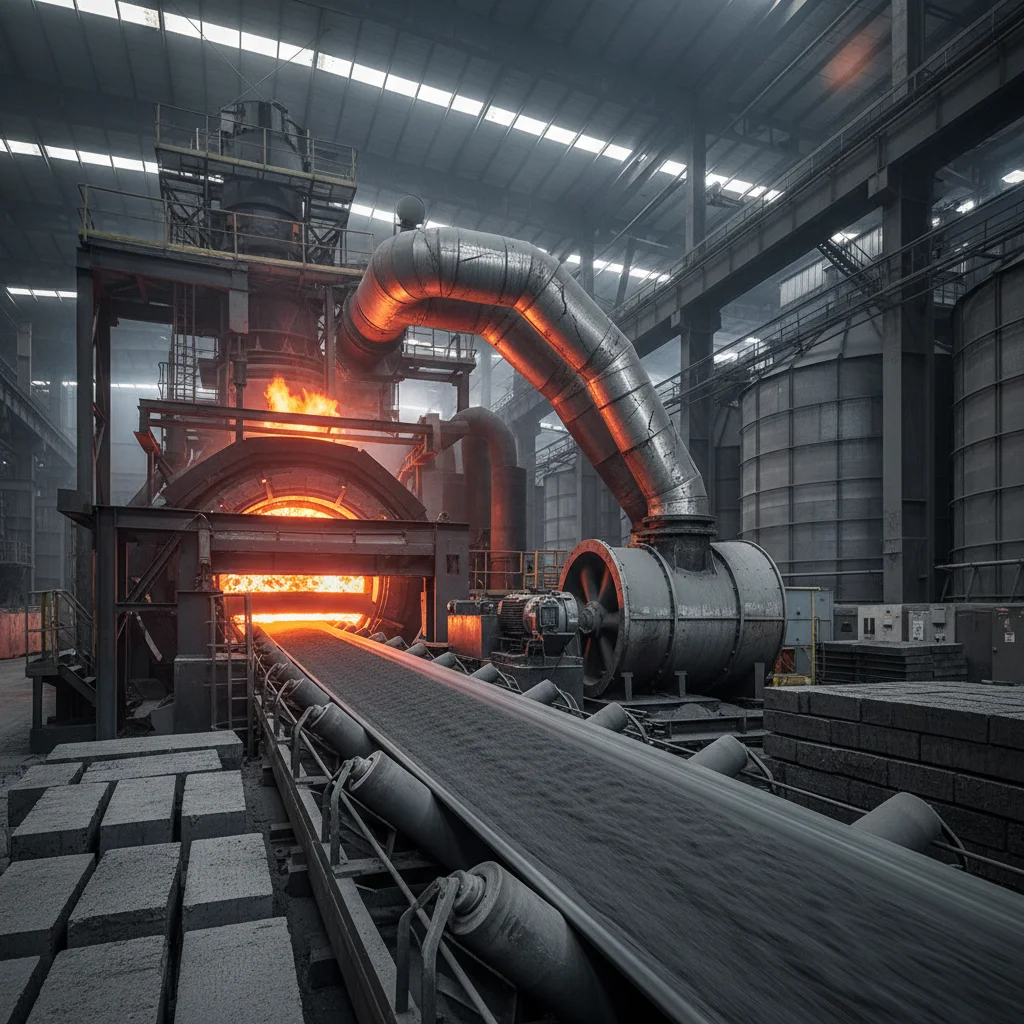
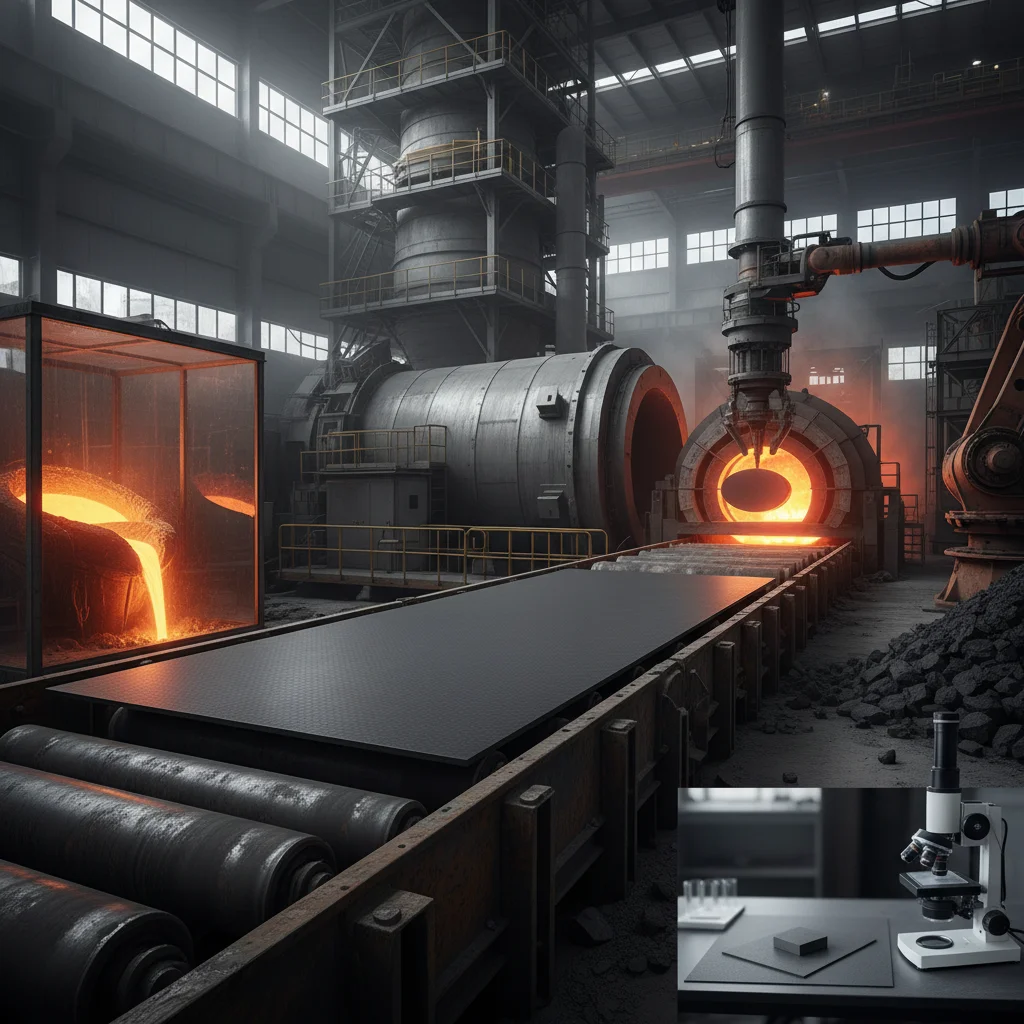
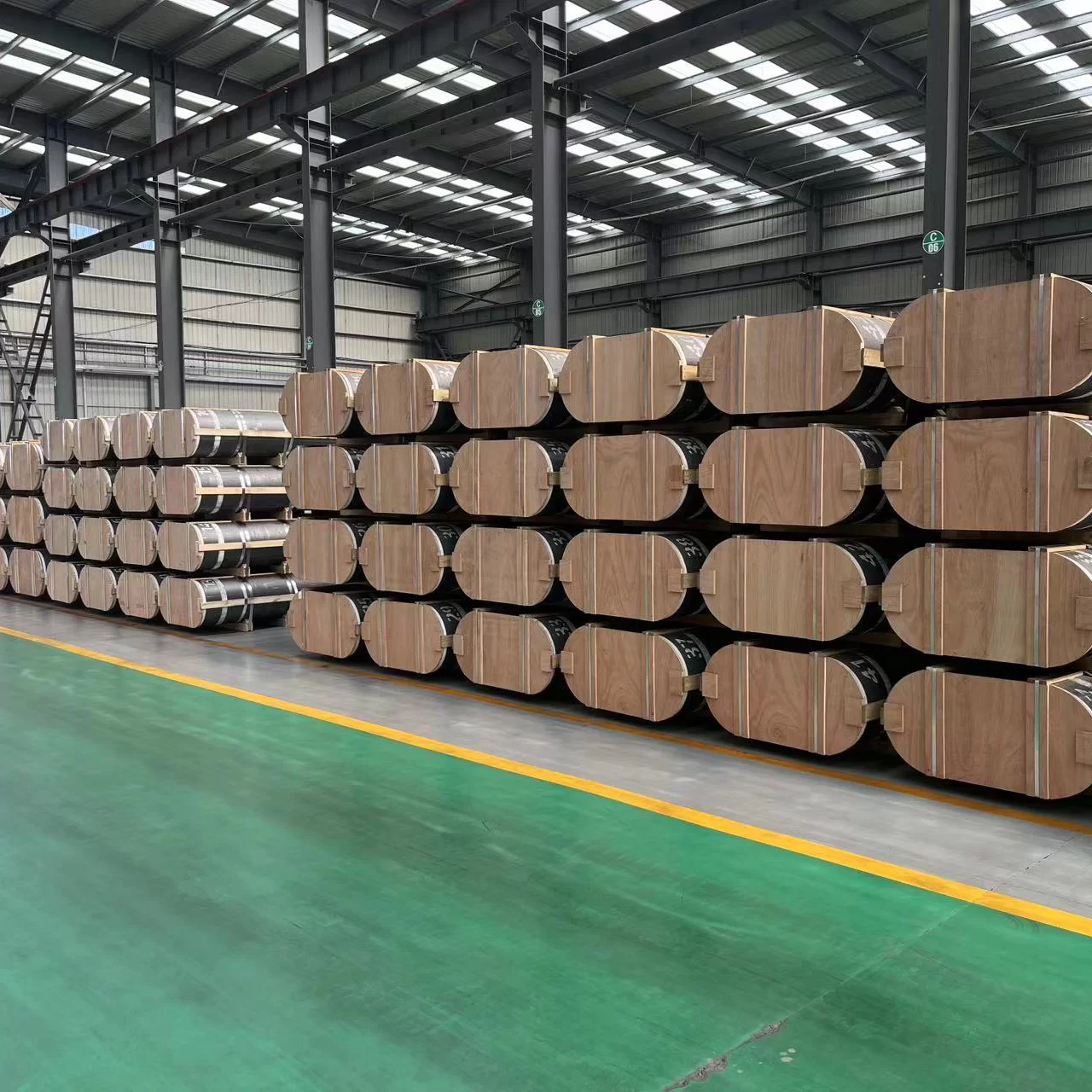
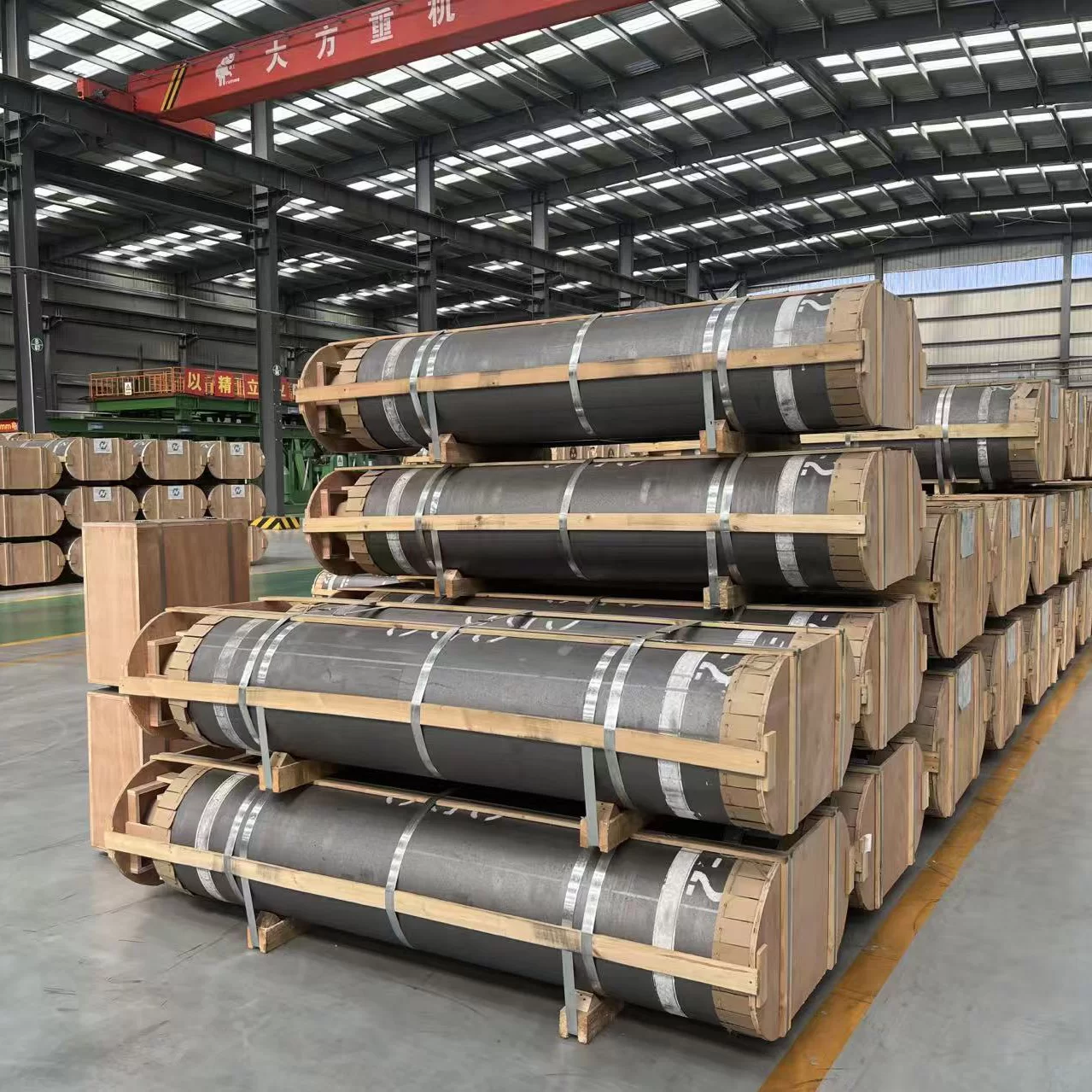
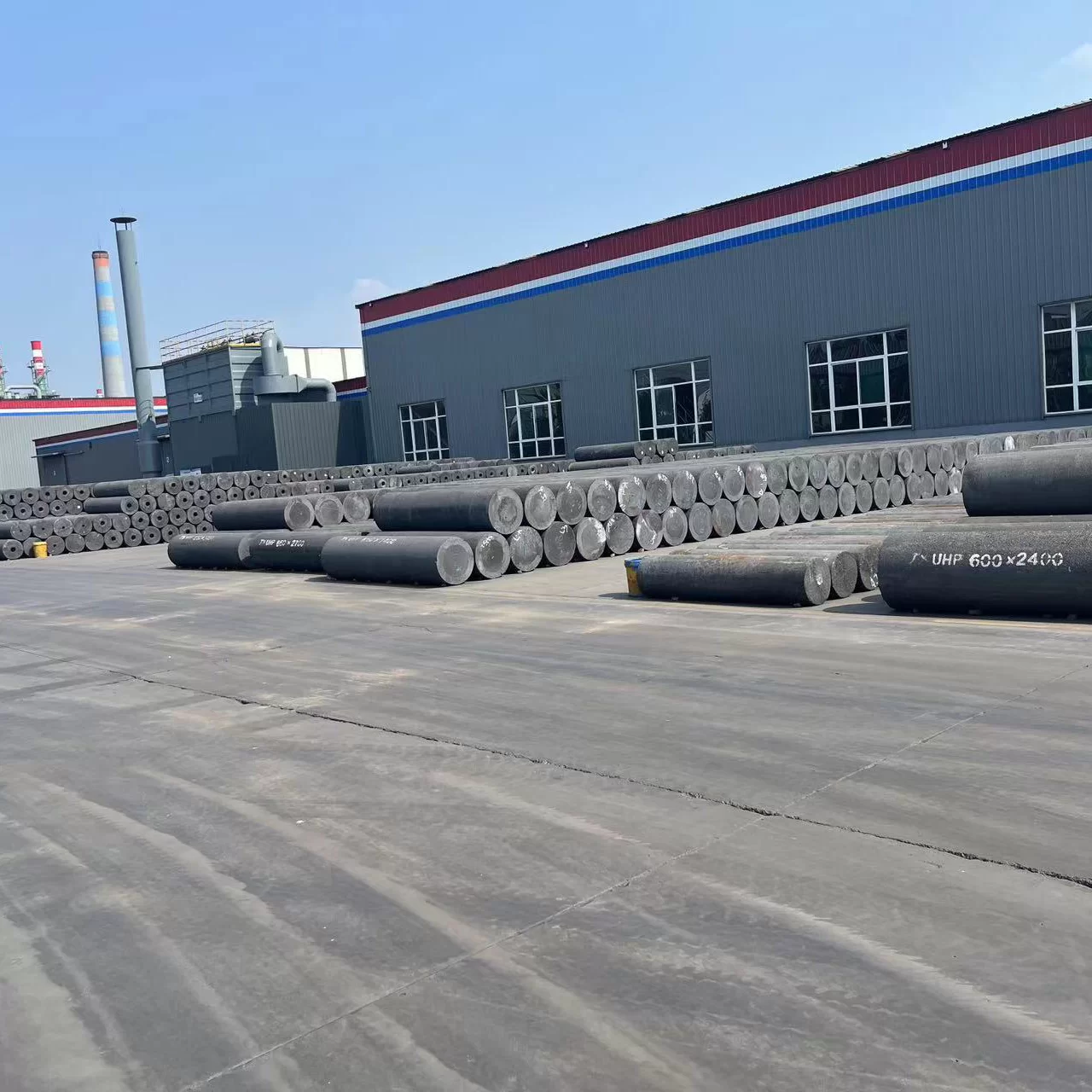
Typical production: feedstock selection → graphitization (high-temp furnace) → crushing → classification (air classifiers/jet milling) → coating (optional) → packing. Testing: particle-size distribution (laser diffraction per ISO methods), chemical analysis via ICP-OES, conductivity testing and loss-on-ignition. Service life depends on application — as a filler it’s effectively permanent; in lubricants or refractories, longevity is measured in years to decades under thermal cycling.
Applications, certifications & customer notes
Uses span electrodes, brake linings, metallurgical additives, conductive plastics, sealing compounds and high-temp gaskets. Manufacturers often request certificates like ISO 9001, REACH or RoHS declarations and lab reports showing particle-size and carbon content. Customer feedback commonly cites: "consistent conductivity," "low ash content good for electrodes," and "works well in polymer masterbatches" — surprisingly consistent praise, actually.
For procurement teams: request batch COA, ask about scatter in D10–D90 (not just D50), and confirm shipping/packing for hygroscopic or dusty grades. If you want fast samples, many suppliers will send 1–5 kg for testing.
Note: when discussing graphite powder for sale in Southeast Asia,graphite powder,graphite dust with vendors, clarify end-use and test-method expectations. Real-world performance may vary.
Short case study: a Malaysian electrode maker switched to a medium-grade artificial graphite powder and cut electrode resistance variance by ≈18% after optimizing D10–D90; they report longer furnace life and fewer rejects. Real results, I guess, but dependent on process controls.
1. DAH Carbon — product page: https://www.dahcarbon.com/product/artificial-graphite-powder.html
2. ISO standards overview (particle sizing & quality systems) — ISO.org
3. Industry test methods and lab analysis (ICP-OES, laser diffraction) — leading analytical labs' publications