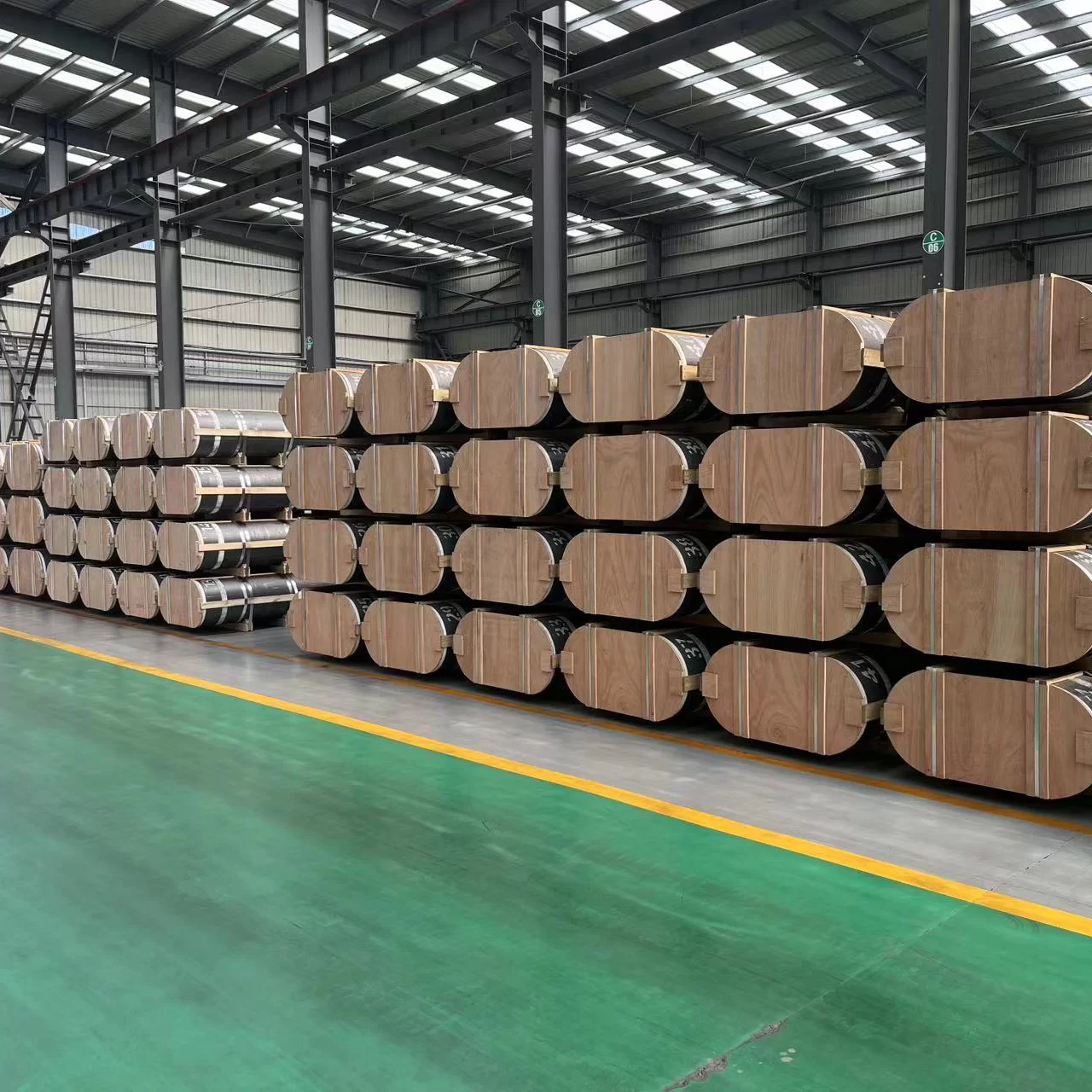
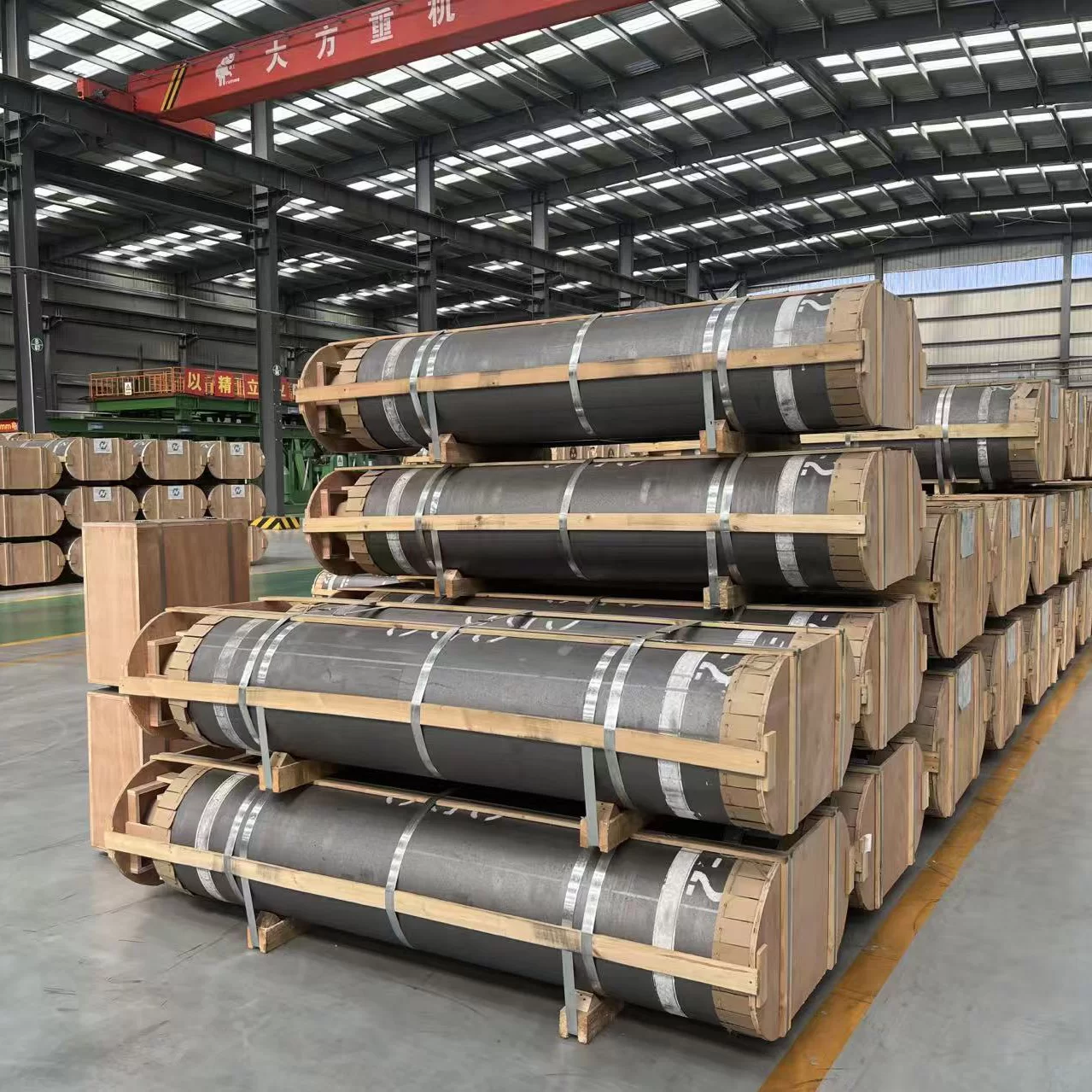
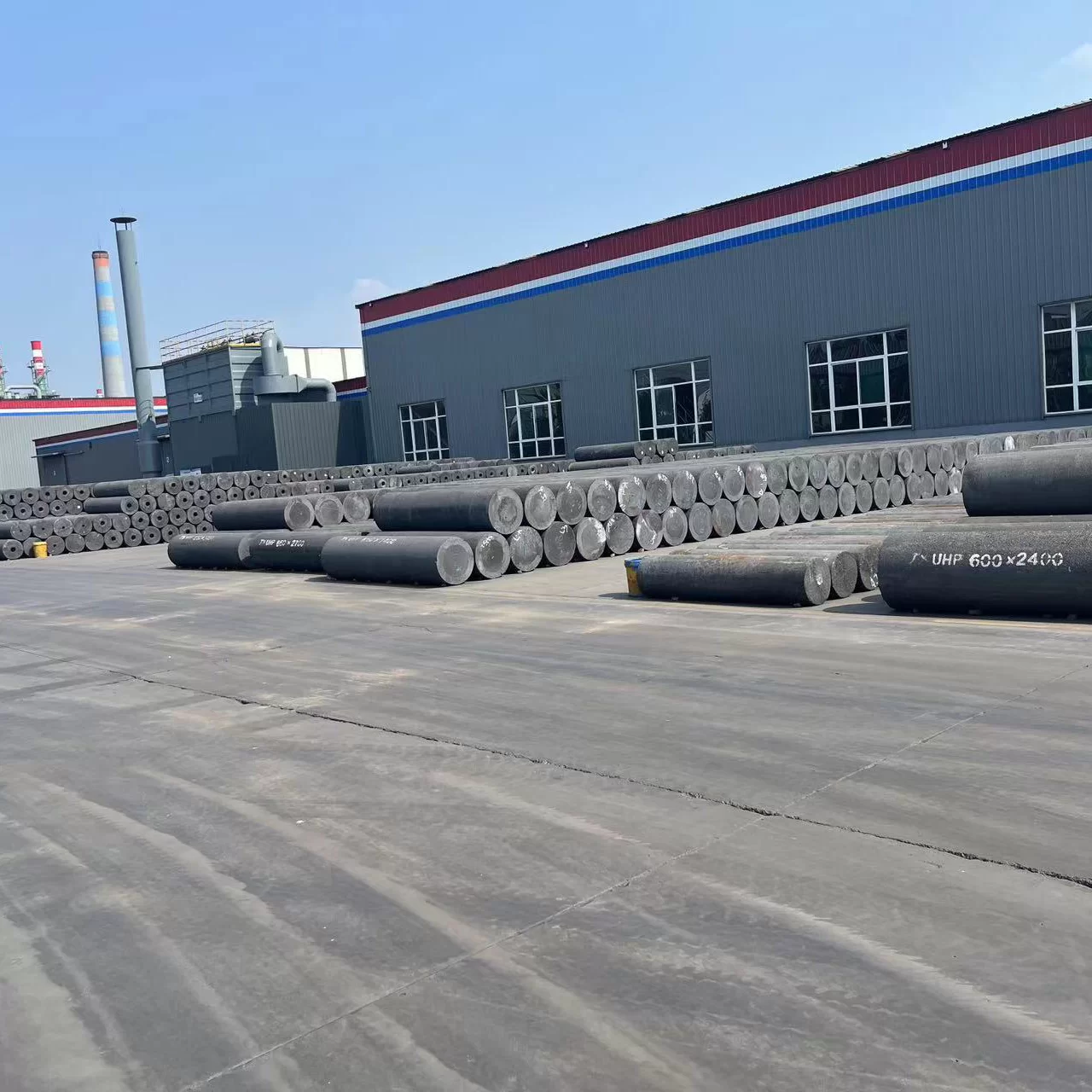
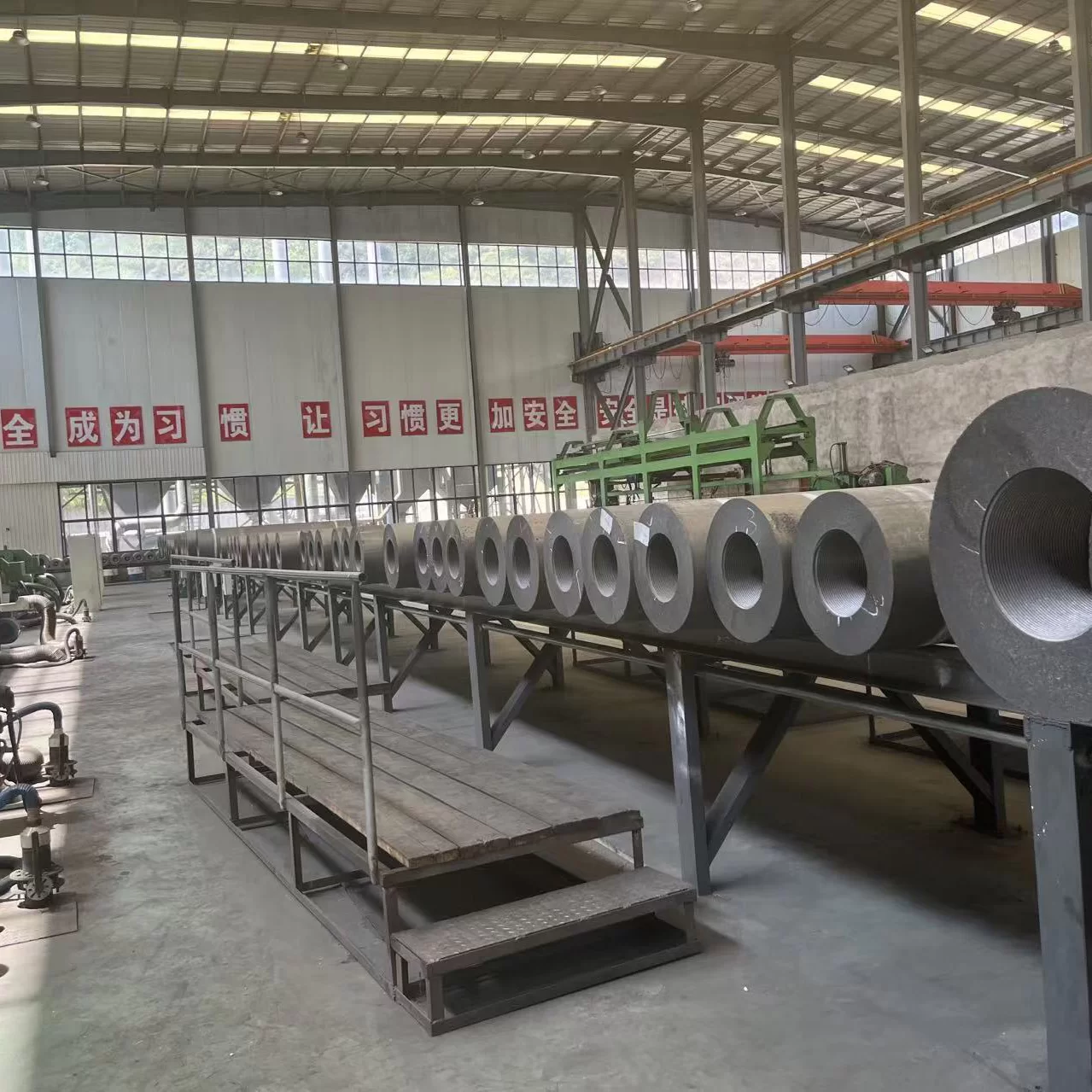
For immediate reference, the manufacturer's product page is here: graphite block for sale,graphite blocks in Middle East .
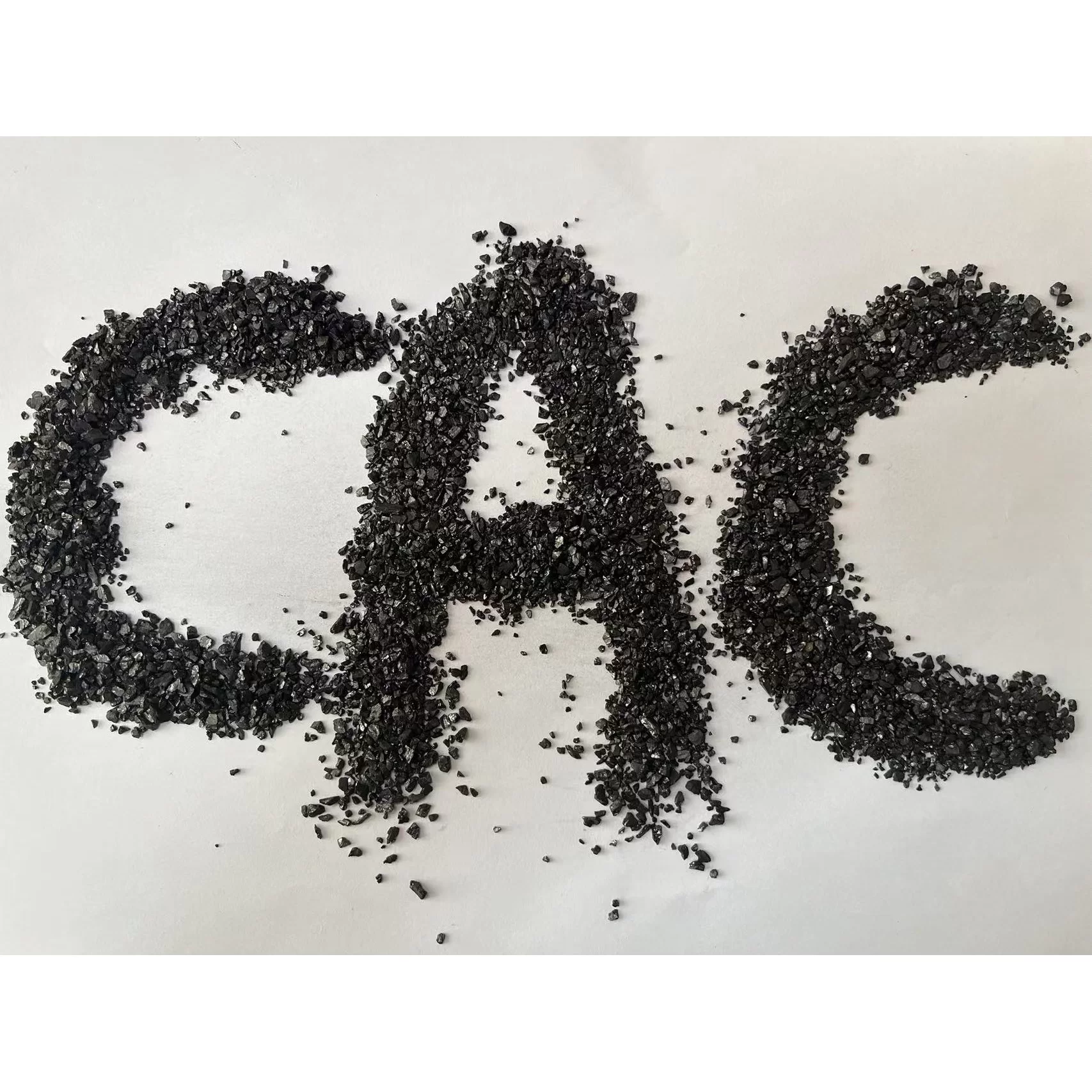
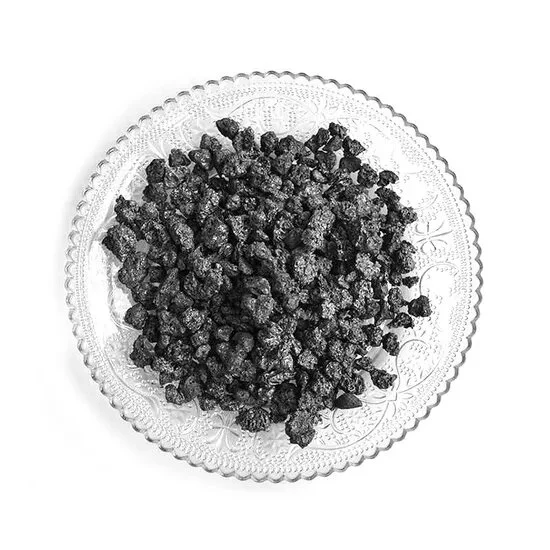
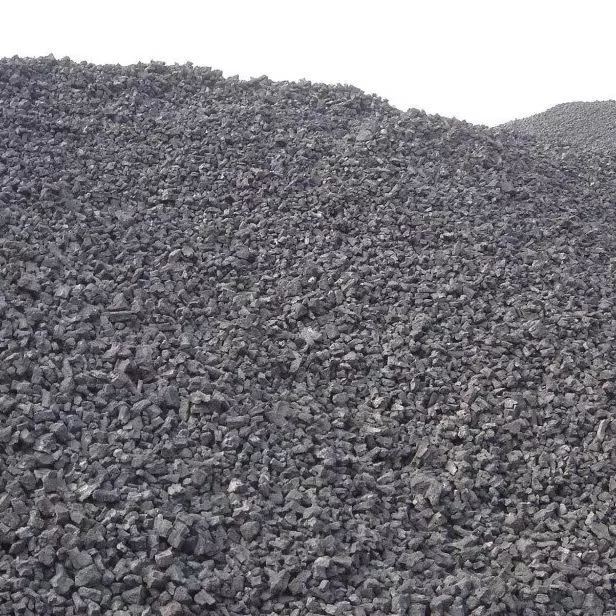
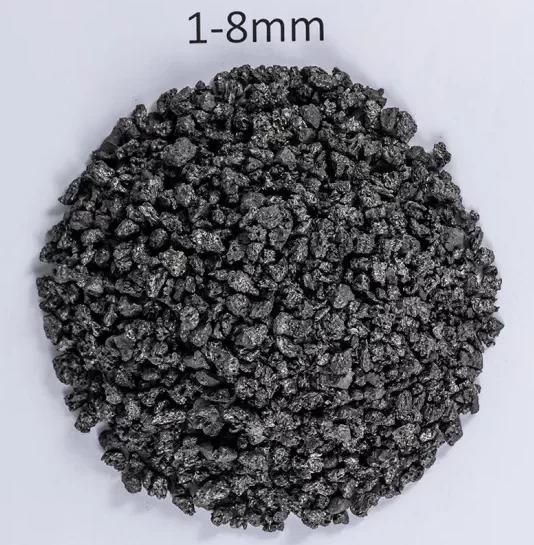
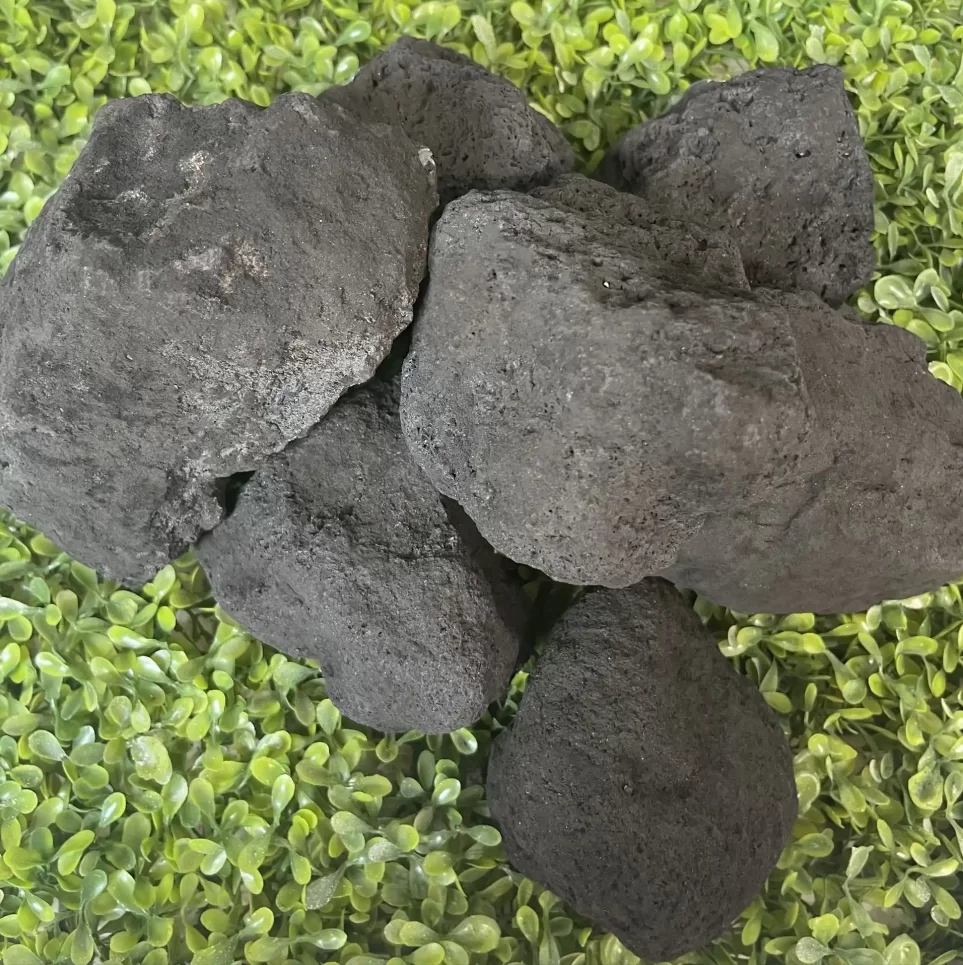
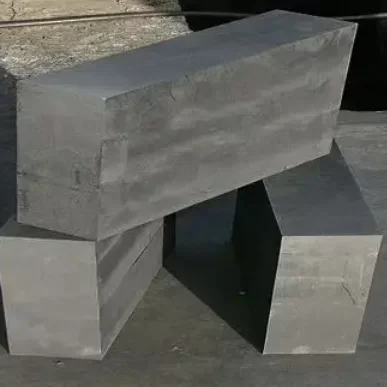
I’ve handled refractory supply chains for years and, to be honest, graphite blocks are one of those niche items every heavy-industry buyer learns to respect. They’re simple in concept but demanding in manufacture: coke, anthracite or natural graphite mixed with tar, shaped and heated in reducing flame to around 1450℃. The finished product typically has a carbon mass fraction of 88%–90% — DAH Carbon’s Graphite Carbon Block notes that directly.
Product snapshot
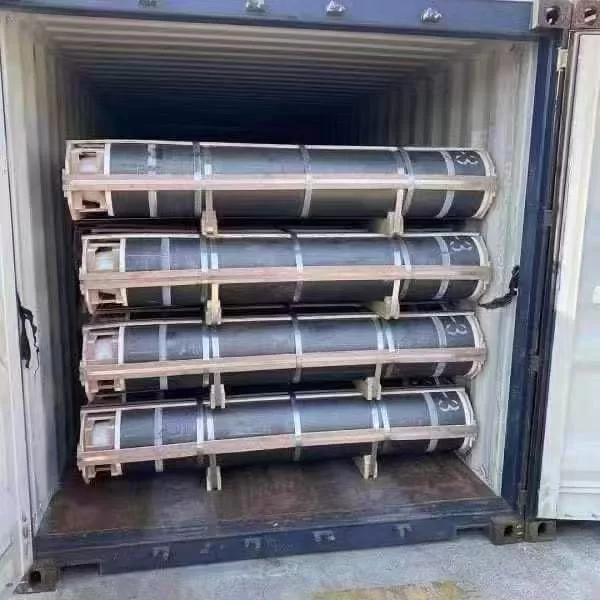
These blocks are used as electrodes, furnace linings, supports, thermal components and more across steel, metallurgy, glass and chemical plants — especially in the Middle East where high-temperature processing and petrochemical activity are common. Many customers say longevity and low ash content are the two headline metrics they care about.
Typical specifications (real-world may vary)
Parameter | Typical value | Notes |
Carbon mass fraction | ≈ 88%–90% | Manufacturer spec |
Bulk density | ≈ 1.6–1.9 g/cm³ | Depends on forming method |
Max service temp | ≈ 2000℃ (application dependent) | Oxidation limits apply |
Compressive strength | ≈ 40–120 MPa | Varies by grade |
Size range | Custom; blocks, billets, machinable pieces | Cut-to-size available |
Process flow — practical steps
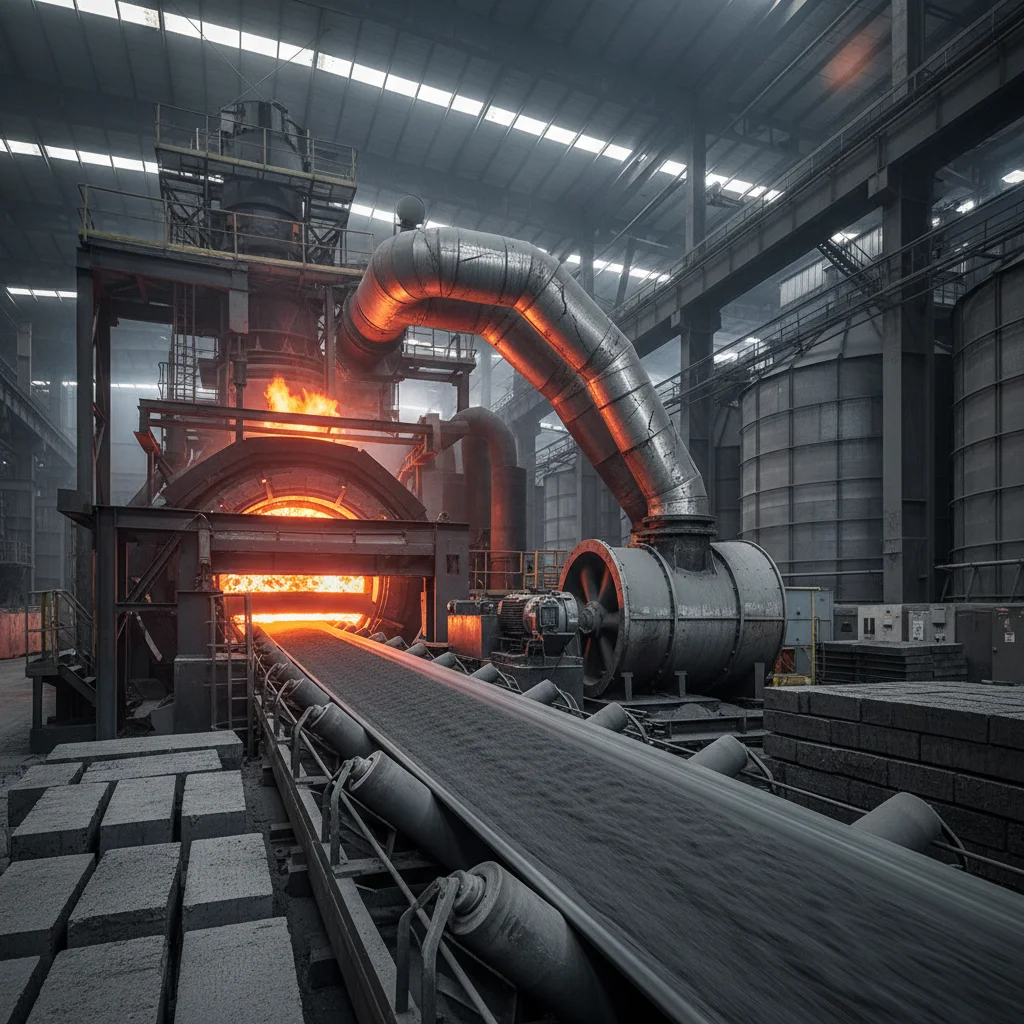
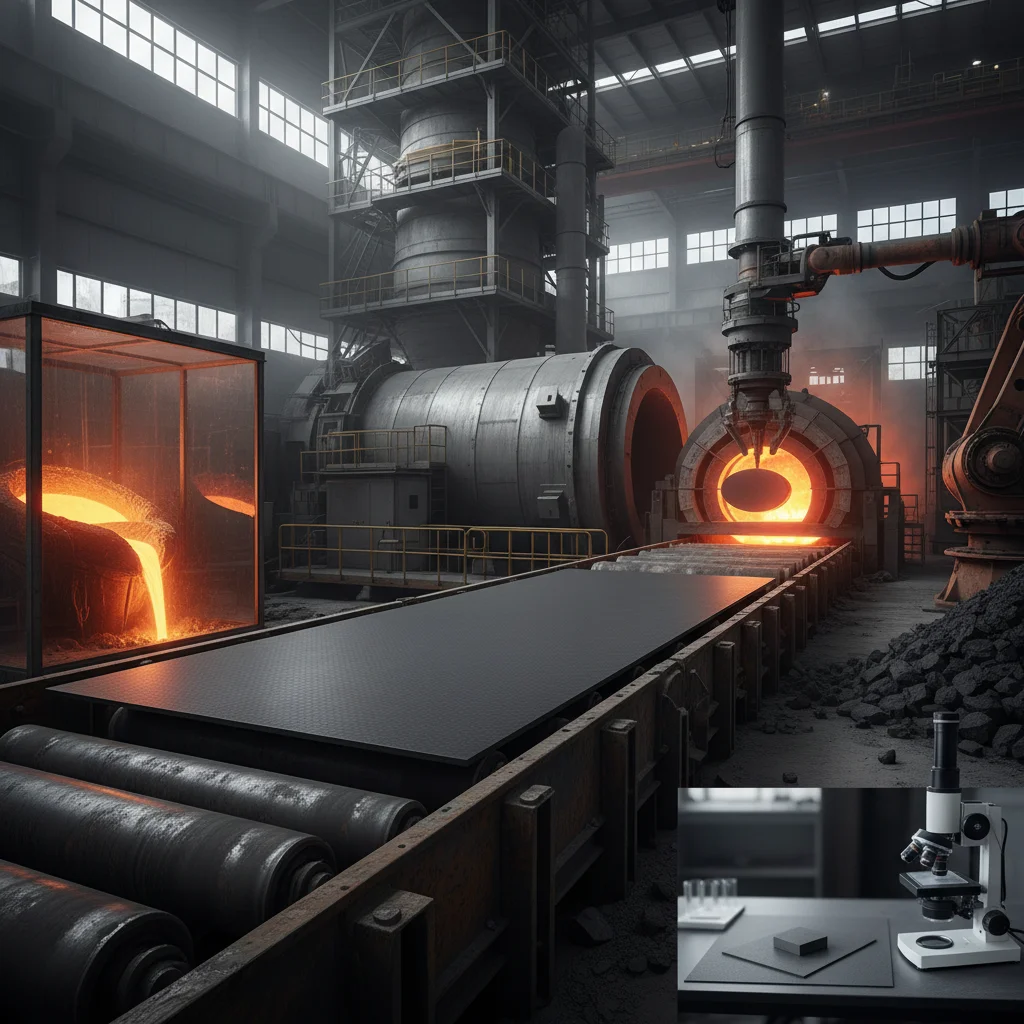
Raw material selection → crushing & screening of coke/anthracite → mixing with binder (tar) → forming (extrusion, vibratory pressing or isostatic pressing) → drying → carbonization in reducing atmosphere → thermal treatment up to ≈1450℃ → quality testing (density, strength, ash, resistivity, oxidation resistance) → machining & packing. Testing commonly follows in-house protocols aligned with industry norms (ASTM/ISO references often used for mechanical and chemical tests).
Vendor comparison — quick view
Vendor | Quality & specs | Lead time | Certs | Notes |
DAH Carbon | High; 88%–90% C | ≈2–6 weeks (varies) | ISO9001, other factory certs (typical) | Strong Middle East logistics |
Regional mill (example) | Mid-range | ≈1–4 weeks | Varies | Lower freight, limited sizes |
Applications, testing & lifetime
Uses include furnace fixtures, electrodes, conductive supports and chemical-resistant liners. Tests of interest: apparent density, compressive strength, ash content, electrical resistivity, and oxidation resistance under cyclic heat. Service life? It depends — in a non-oxidizing furnace a block can last years; in oxidizing, high-wear environments the life may be months. So, real-world use may vary.
If you’re sourcing in the Middle East, logistics and anti-oxidation coating options (to extend life in air) are important. Also, many engineers ask for custom machining — DAH and peers offer cut-to-size and tolerance control.
Final note: when you search for graphite block for sale,graphite blocks in Middle East, ask vendors for test certificates, batch traceability and machining samples. I know it’s a bit of a checklist, but that’s how you avoid surprises.
References
1. DAH Carbon — Graphite Carbon Block product page: https://www.dahcarbon.com/product/graphite-carbon-block.html
2. Industry standards & testing guidance: general ASTM and ISO documentation on carbon/refractory material testing and quality systems (search relevant ASTM/ISO documents for your application).