Brazil, as we all know, is a powerhouse of industry, particularly in sectors like steel and aluminum. But behind the scenes, powering much of this heavy manufacturing, are specialized materials that often fly under the radar. One such critical component, increasingly vital, is Graphitized Petroleum Coke in Brazil. To be honest, it's a fascinating corner of the market, and one that deserves a closer look.
Understanding GPC: The Transformation Process
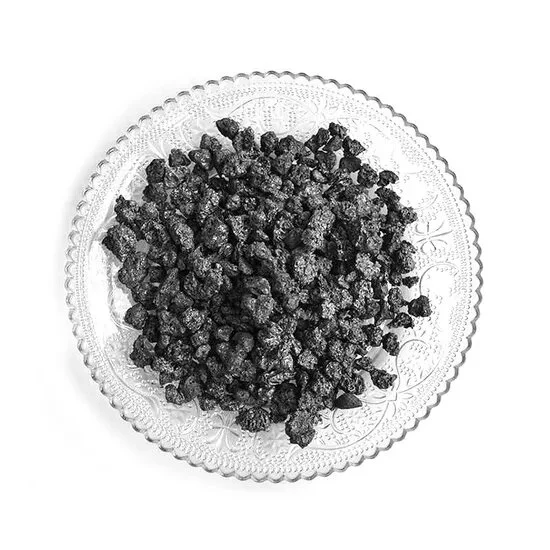
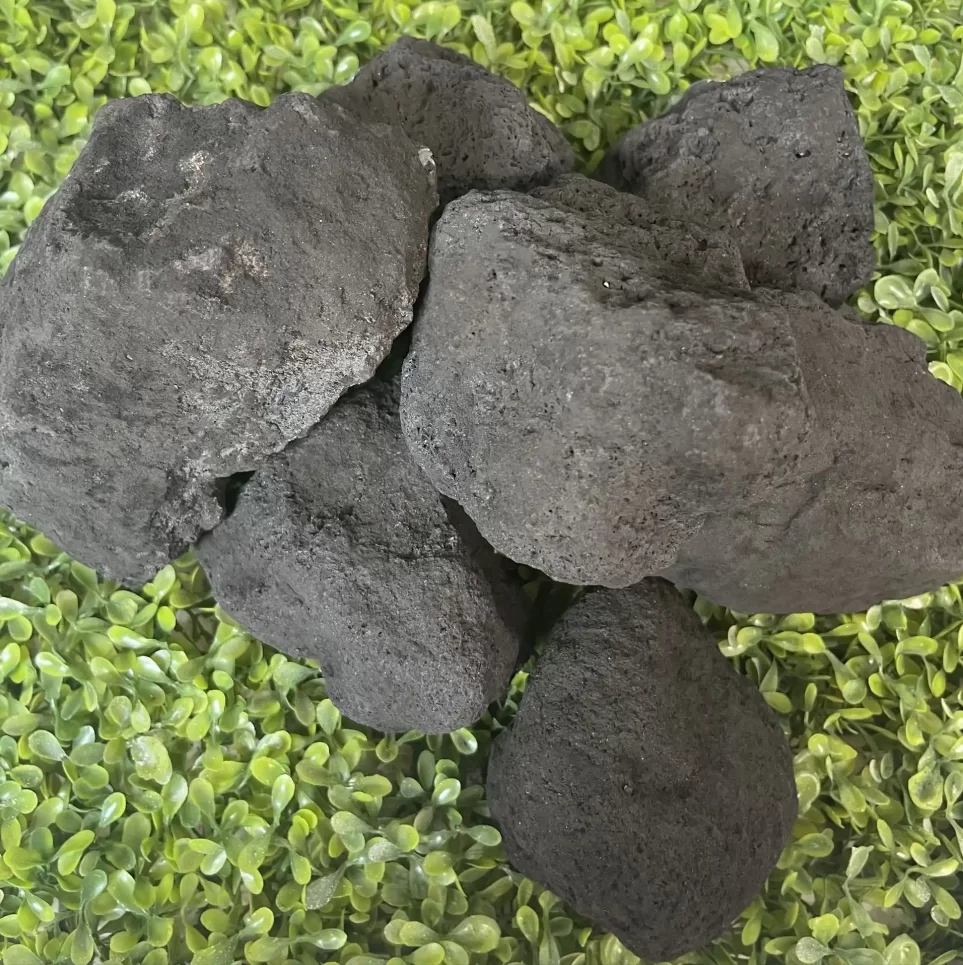
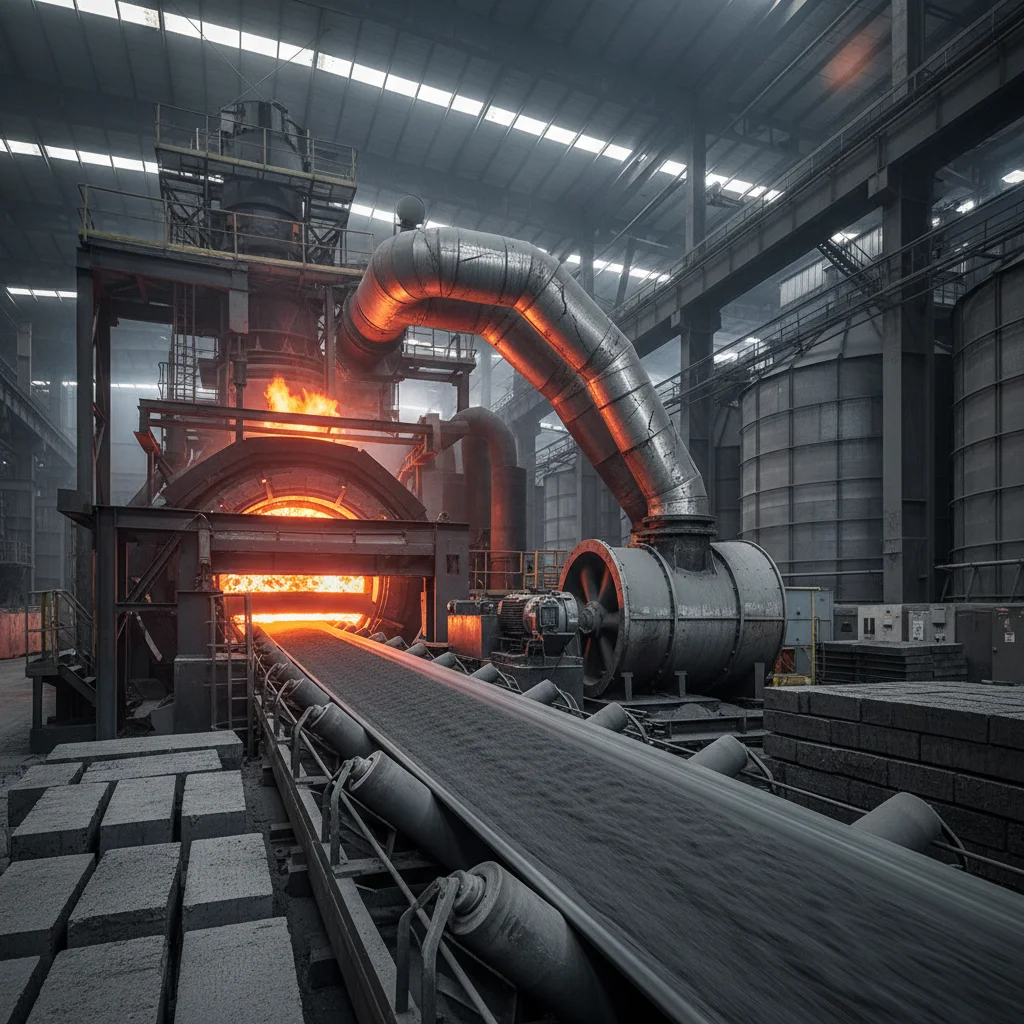
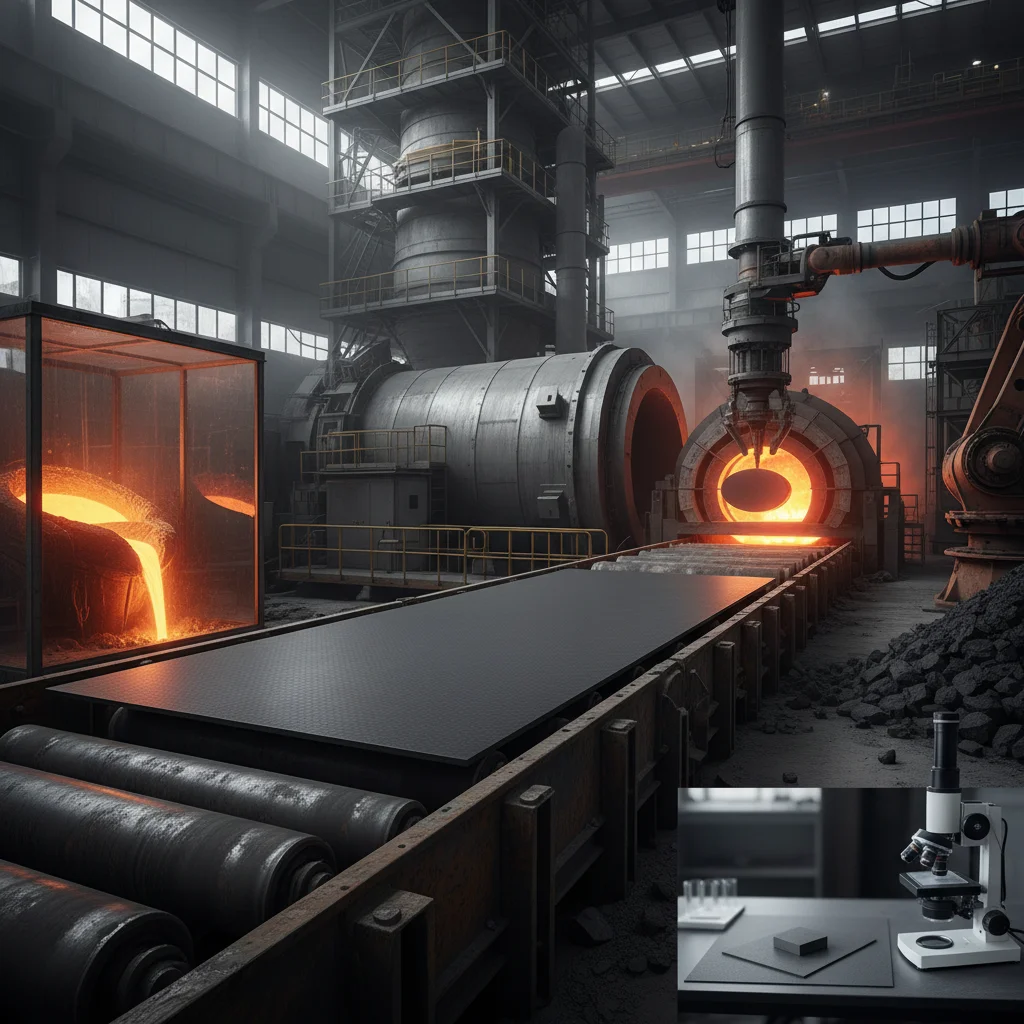
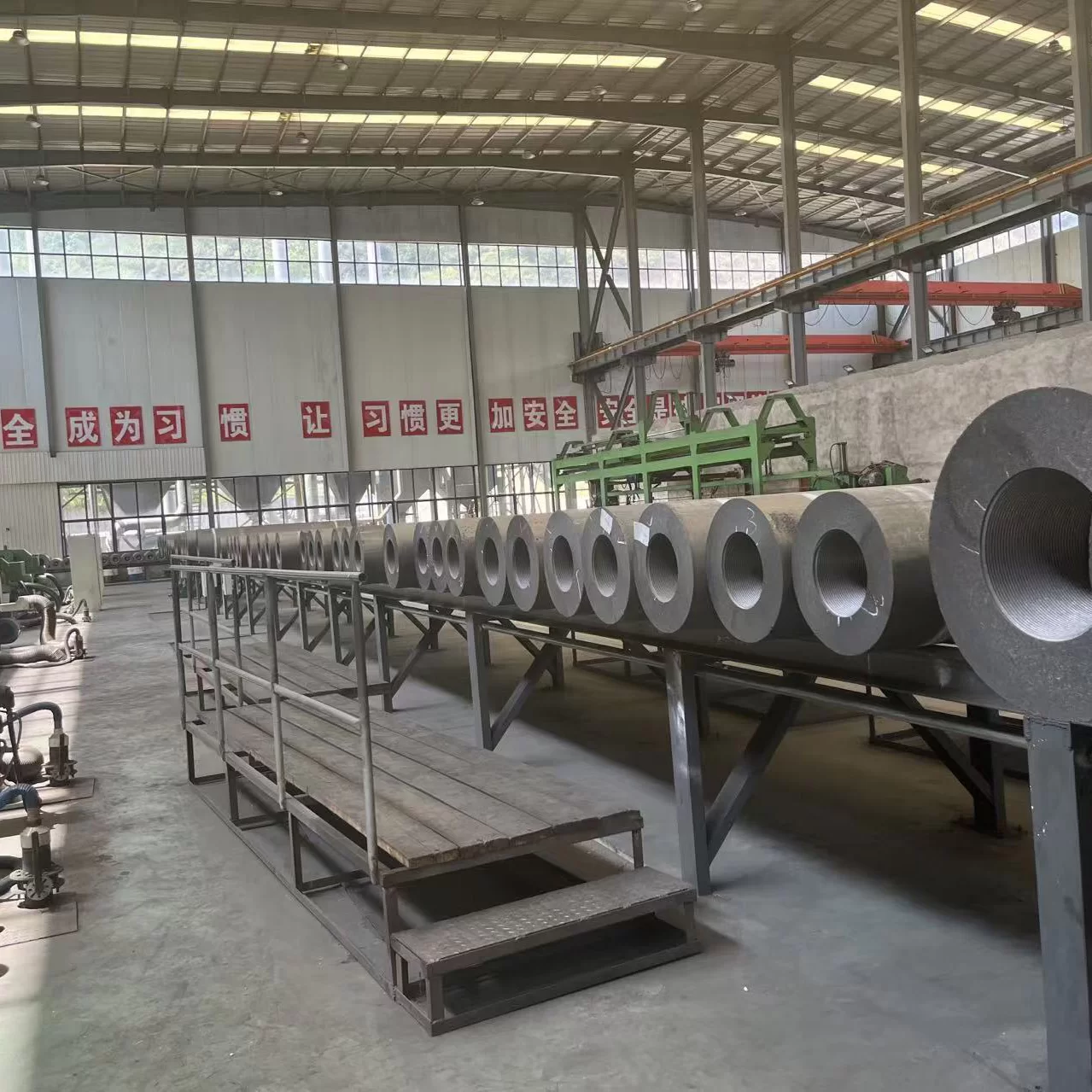
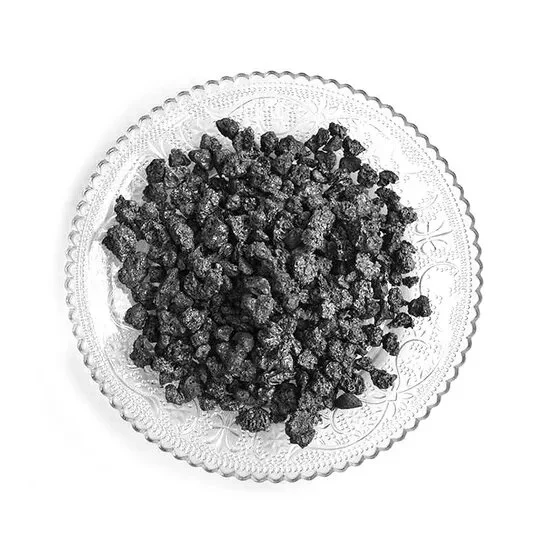
So, what exactly are we talking about here? Essentially, Graphitized Petroleum Coke in Brazil starts its life as regular petroleum coke. But the magic, or rather the science, happens in a graphitization furnace. Imagine cranking up the heat to an astonishing 3000 degrees Celsius! This extreme temperature takes the amorphous, somewhat chaotic carbon structure of petroleum coke and transforms it into a highly ordered, hexagonal lamellar crystalline carbon structure – basically, it turns petroleum coke into graphite. This process, often referred to as graphitization, gives us the "graphitized coke" we're discussing.
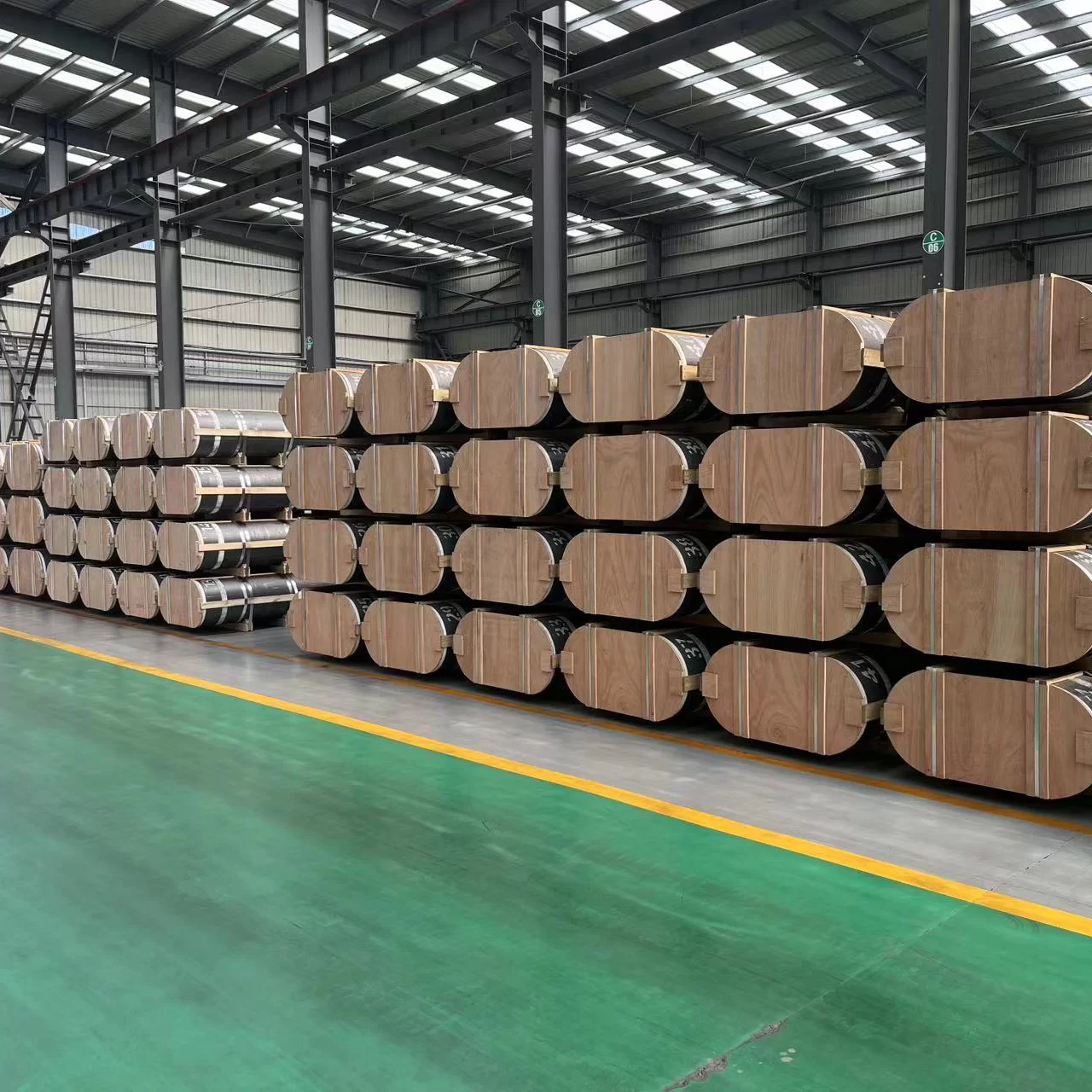
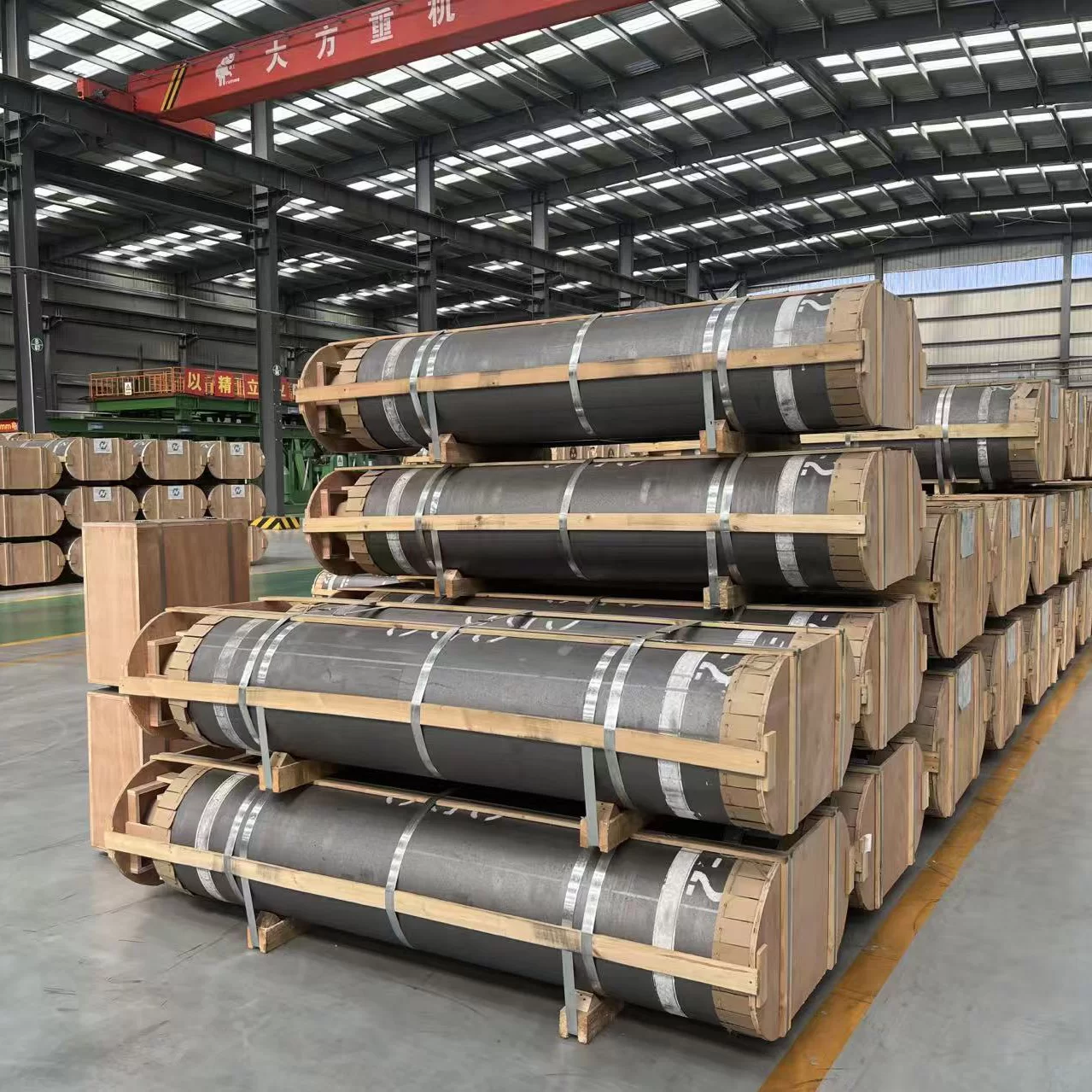
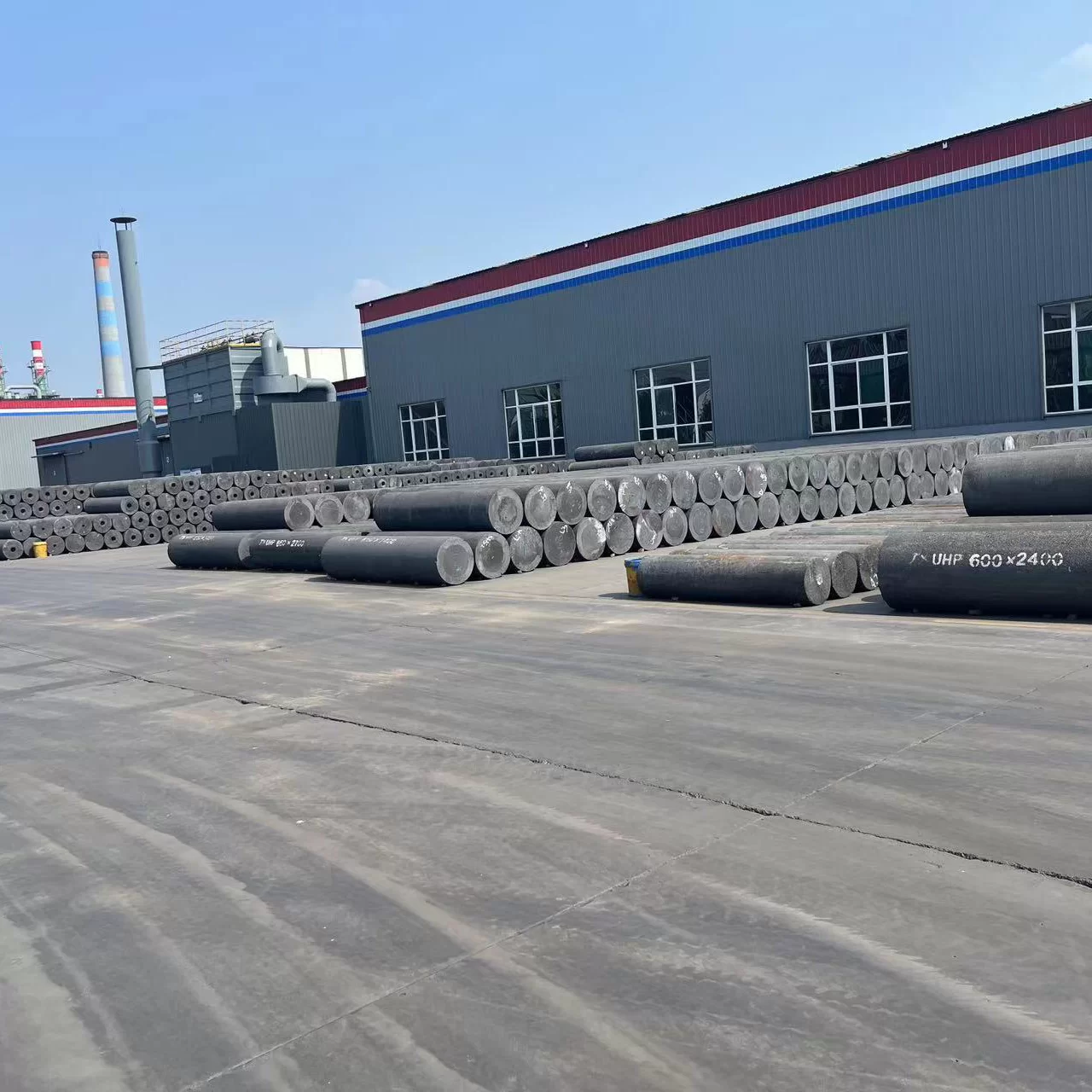
It's a meticulous method, requiring precise temperature control and specialized equipment. Post-graphitization, the material undergoes crushing, screening, and classification to achieve various particle sizes, from a fine powder to granular forms (0-50mm, for example), tailored to specific customer needs. Frankly, it’s a testament to material science and engineering.
Key Applications & Industry Impact in Brazil
The applications for Graphitized Petroleum Coke in Brazil are incredibly diverse, showing up in a lot of unexpected places within heavy industry. Here are a few prominent usage scenarios:
· Steel Making & Precision Casting: It's a fantastic carbon enhancer. Many steelmakers will tell you it's crucial for achieving the desired carbon content and mechanical properties, especially in special steel smelting.
· Foundry Industry: As a breeder and inoculant, GPC promotes graphite nucleation in iron solutions, improving the quality of ductile and grey cast iron. Customers often report a significant increase in V-shaped and VI-shaped graphite, leading to stronger, more reliable castings.
· Metallurgical Industry: It doubles as a reducing agent in various processes.
· Refractory Materials: Its high purity and thermal stability make it suitable for high-temperature applications.
· Aluminum Electrolysis: GPC is a key raw material for graphite cathodes in aluminum electrolysis cells, which is a big deal in Brazil's aluminum sector.
· Environmental Solutions: Surprisingly, it can even act as a heavy metal absorbent in wastewater treatment.
The advantages are pretty clear: high carbon content, minimal ash, sulfur, and phosphorus. For industries in Brazil, where quality and consistency are paramount, using a reliable GPC can dramatically reduce costs by optimizing other additives and improving final product integrity. I guess you could say it’s a silent hero of the industrial world.
Technical Specifications: What to Look For
When sourcing Graphitized Petroleum Coke in Brazil, the specs really matter. Here’s a typical snapshot of what you’d expect from high-quality material:
Parameter | Value (Typical) | Testing Standard |
Fixed Carbon | >98.5% | ASTM D3172 |
Sulfur Content | <0.05% | ASTM D4239 |
Ash Content | <0.5% | ASTM D3174 |
Volatile Matter | <0.5% | ASTM D3175 |
Moisture | <0.5% | ASTM D3173 |
Particle Size | Customizable (e.g., 1-5mm, 3-8mm) | ISO 3310-1 |
Note: Real-world use may vary slightly based on specific batches and testing methodologies. Always check current certificates of analysis.
Choosing Your Supplier: Navigating Graphitized Petroleum Coke Manufacturers
When it comes to sourcing, you'll find various graphitized petroleum coke manufacturers. However, consistency, quality control, and supply chain reliability are absolutely paramount, especially for Brazilian operations with tight production schedules. Here's a quick comparison to give you an idea of what to look for:
Feature | Established Supplier (e.g., Dah Carbon) | Smaller/Newer Supplier |
Quality Control | Stringent internal & third-party testing, certifications (ISO, SGS). | Varies, potentially less rigorous or consistent. |
Product Range & Customization | Wide range of particle sizes (0-50mm), low/medium sulfur options, custom solutions. | Often limited standard offerings, less flexibility. |
Supply Reliability | Robust supply chain, large inventory (e.g., ~5,000 tons/month), reliable delivery. | Potentially inconsistent stock, longer lead times. |
Technical Support | Dedicated team for application advice, troubleshooting. | Limited or no specialized support. |
Pricing Structure | Competitive for bulk, often better long-term value. | May seem cheaper upfront, but hidden costs (quality issues, delays) can add up. |
Many customers say that having a partner who can provide consistent quality, timely deliveries, and even tailored solutions for specific furnace types or casting requirements makes all the difference. It's not just about the product, it's about the ecosystem around it.
Case Study Snippet & Final Thoughts
Consider a major Brazilian foundry that switched to a high-purity GPC. They reported a 15% reduction in their inoculant usage while maintaining, or even improving, the nodularity of their ductile iron castings. This directly translated to significant cost savings and a more stable production process. It wasn't a magic bullet, of course, but a carefully optimized material choice. Frankly, this is where the real value of quality Graphitized Petroleum Coke in Brazil shines through.
The demand for high-quality carbon materials will only continue to grow as Brazil's industrial output expands and demands for higher performance and efficiency increase. Keeping an eye on the technical details and choosing the right suppliers will be crucial for companies looking to stay ahead.
References
1. Brazilian Steel Institute (Instituto Aço Brasil) - Industry reports and statistics.
2. ABAL (Associação Brasileira do Alumínio) - Market insights on aluminum production in Brazil.
3. ASTM International - Standards for carbon and graphite materials.