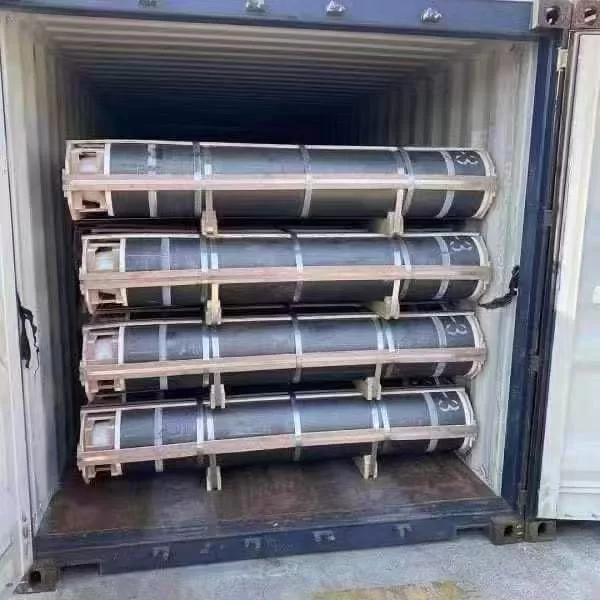
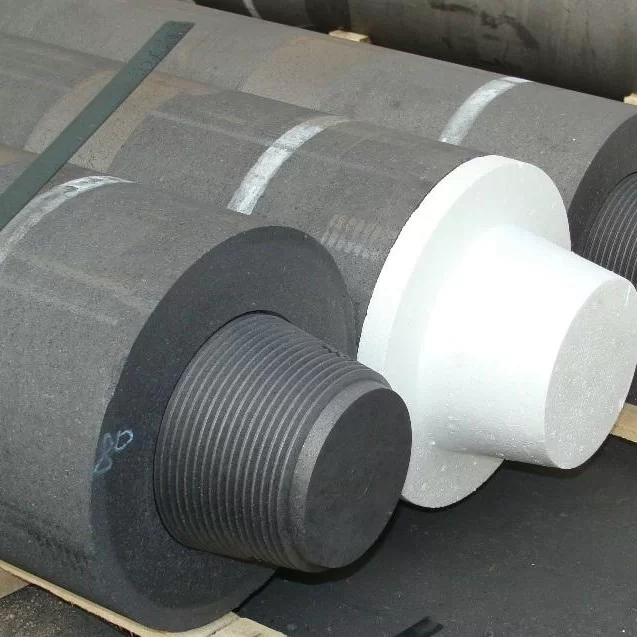
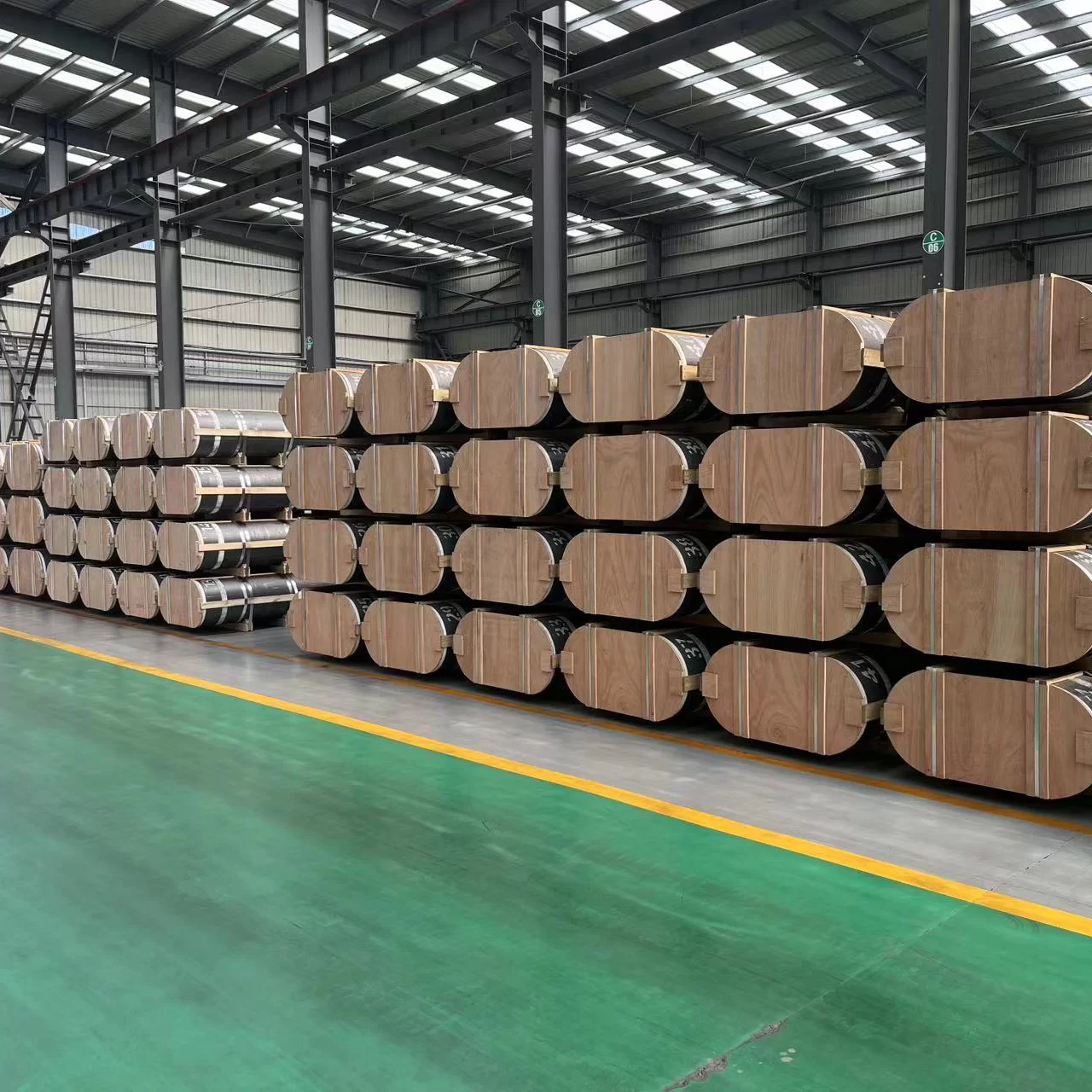
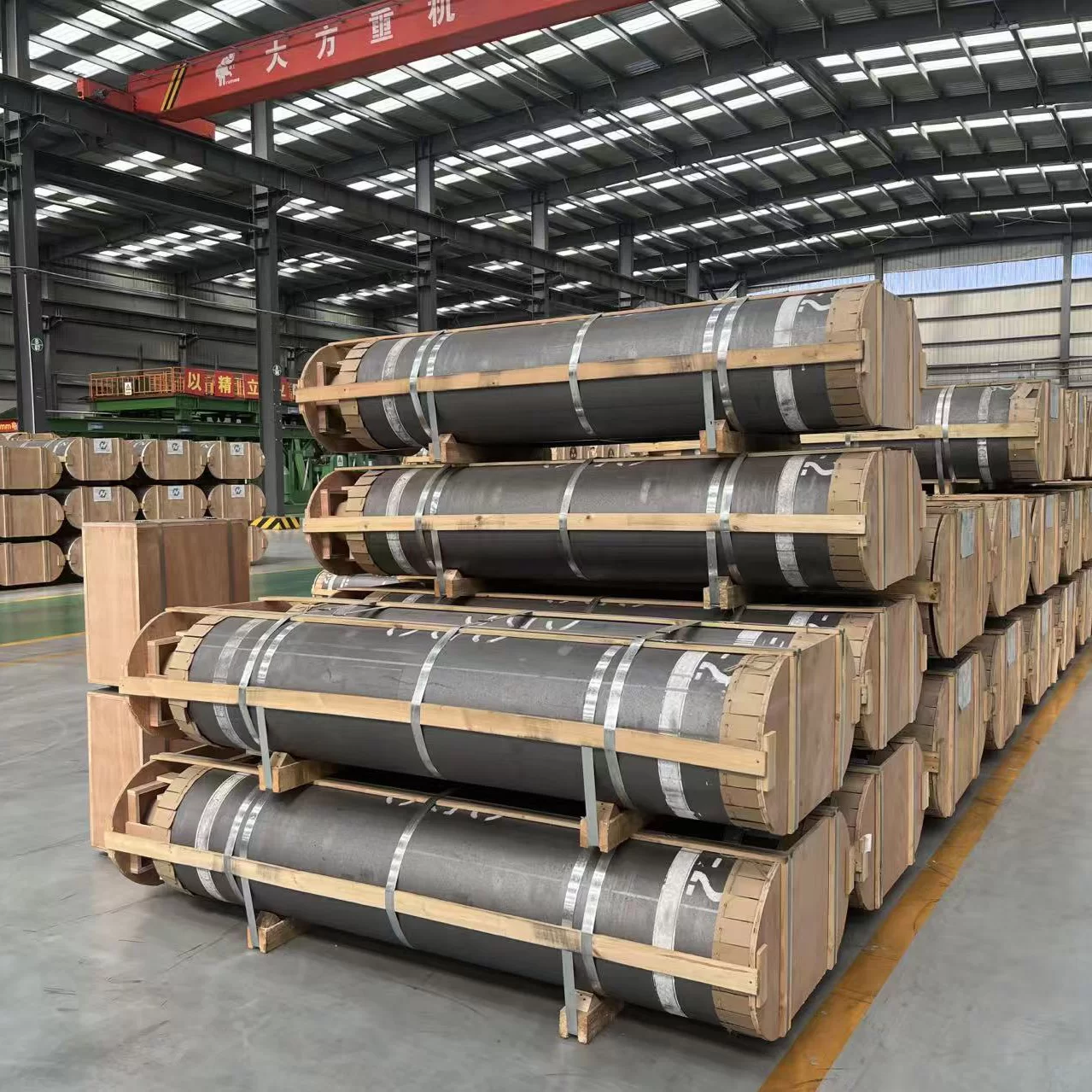
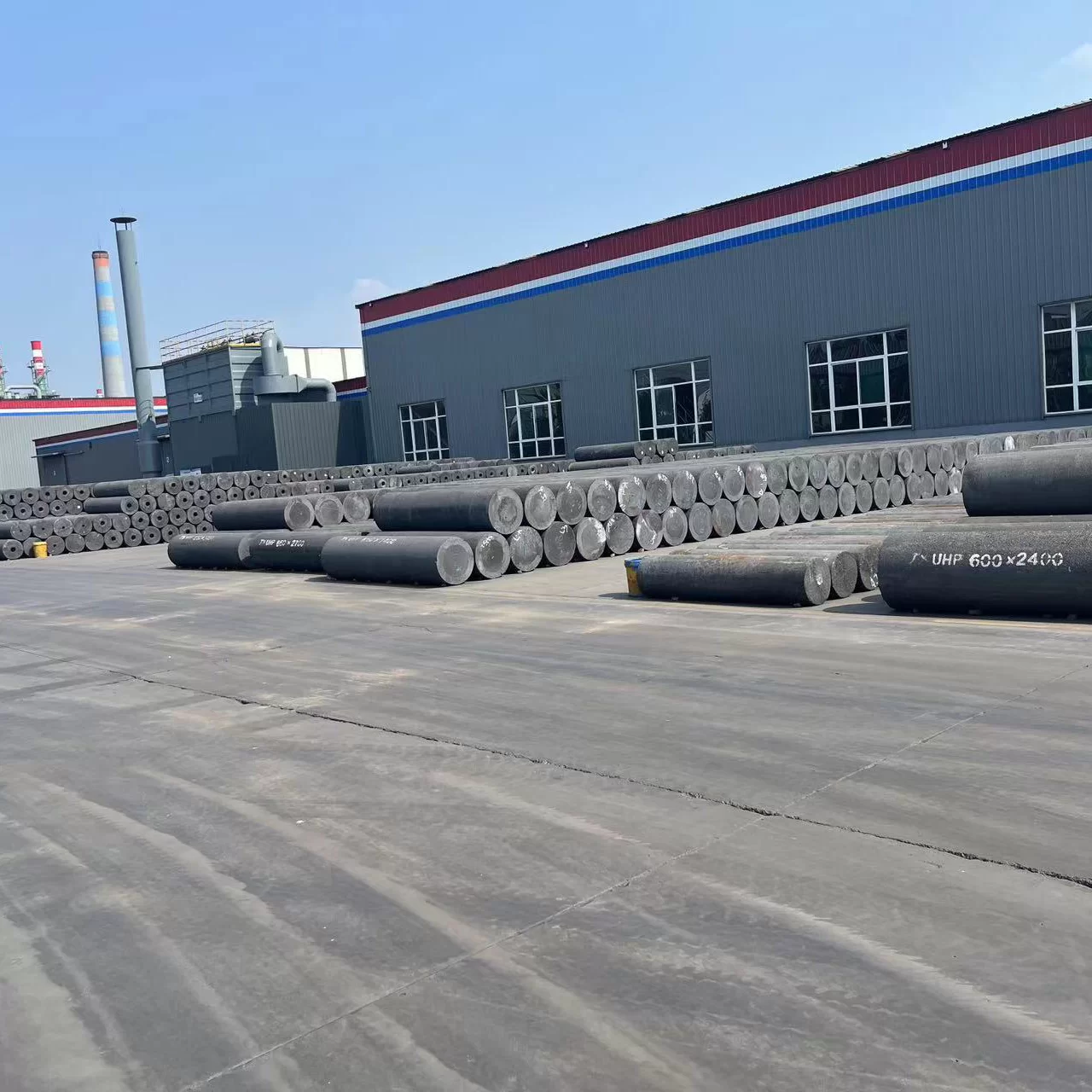
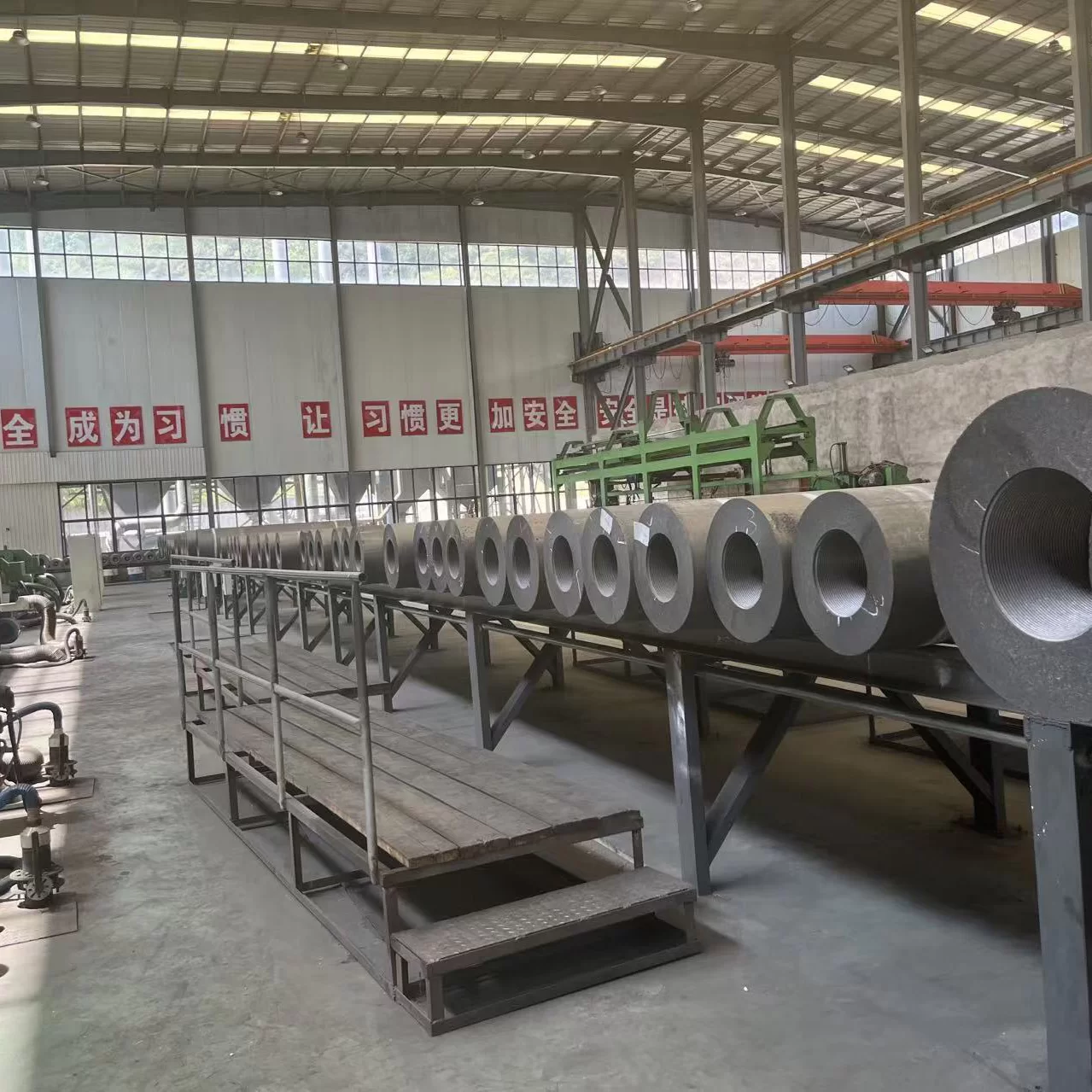
I've been keeping a close eye on Iran's steel industry for years now, and honestly, it's a fascinating landscape of innovation and strategic growth. One component that’s absolutely critical, yet often overlooked by the casual observer, is the graphite electrode. Specifically, the hp graphite electrode in Iran plays an indispensable role, powering the electric arc furnaces (EAFs) that are the very heart of modern steelmaking.
Industry Trends: A Nation Forging Its Own Path
To be honest, Iran’s steel sector is booming. With ambitious targets for increasing steel production, especially through the direct reduced iron (DRI) and EAF route, the demand for high-quality graphite electrodes has naturally surged. This isn't just about volume; it's about efficiency and sustainability. Manufacturers are constantly seeking electrodes that offer longer service life, better conductivity, and lower consumption rates. It's a competitive environment, and only the best materials make the cut.
Understanding HP Graphite Electrodes: The Technical Edge
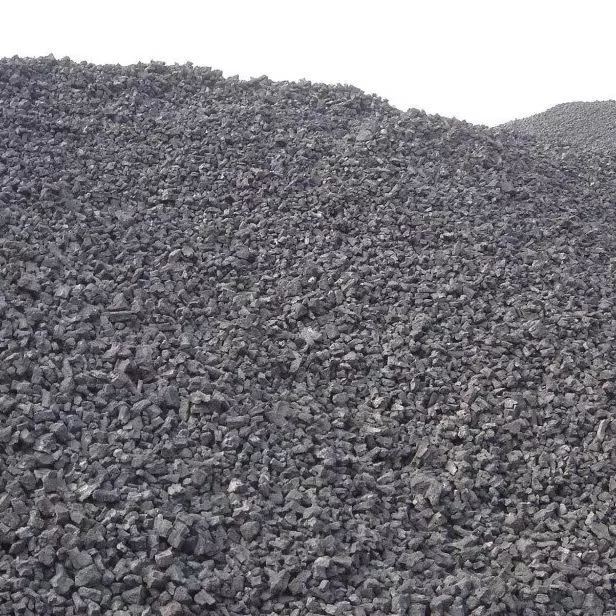
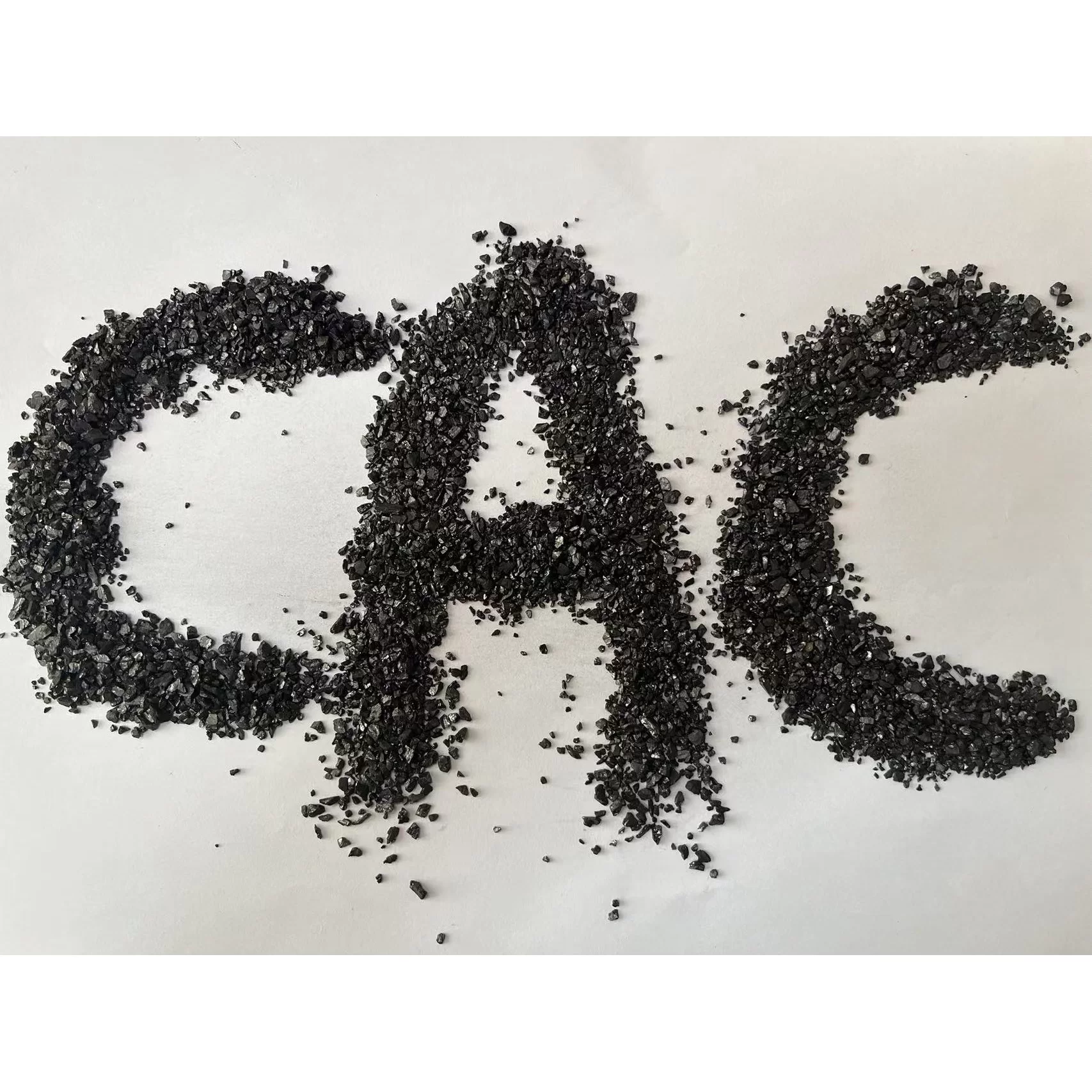
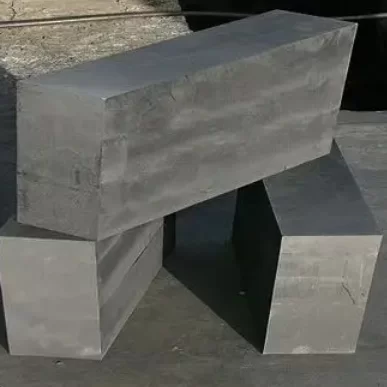
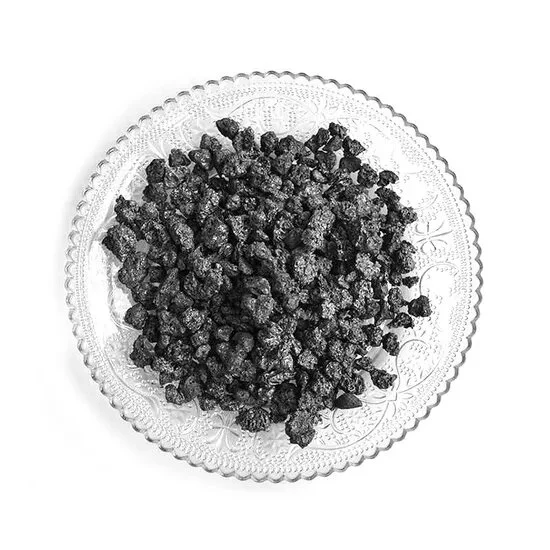
So, what exactly makes an hp graphite electrode in Iran so crucial? HP, or High Power, electrodes are engineered for electric arc furnaces that operate at higher current densities. This means they need exceptional electrical conductivity and mechanical strength to withstand the intense thermal and mechanical stresses within the furnace. They’re made from a carefully selected blend of high-quality low-ash materials, typically petroleum coke, needle coke, and coal pitch.
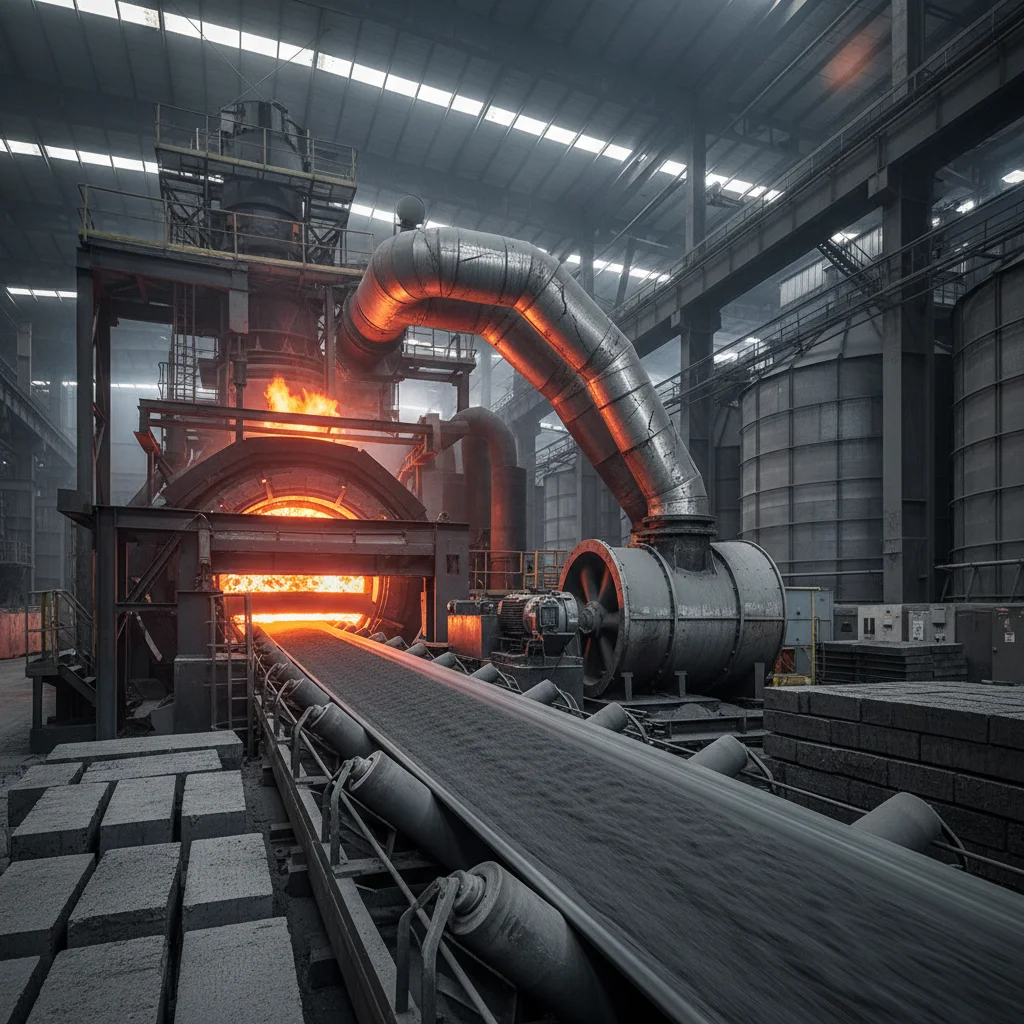
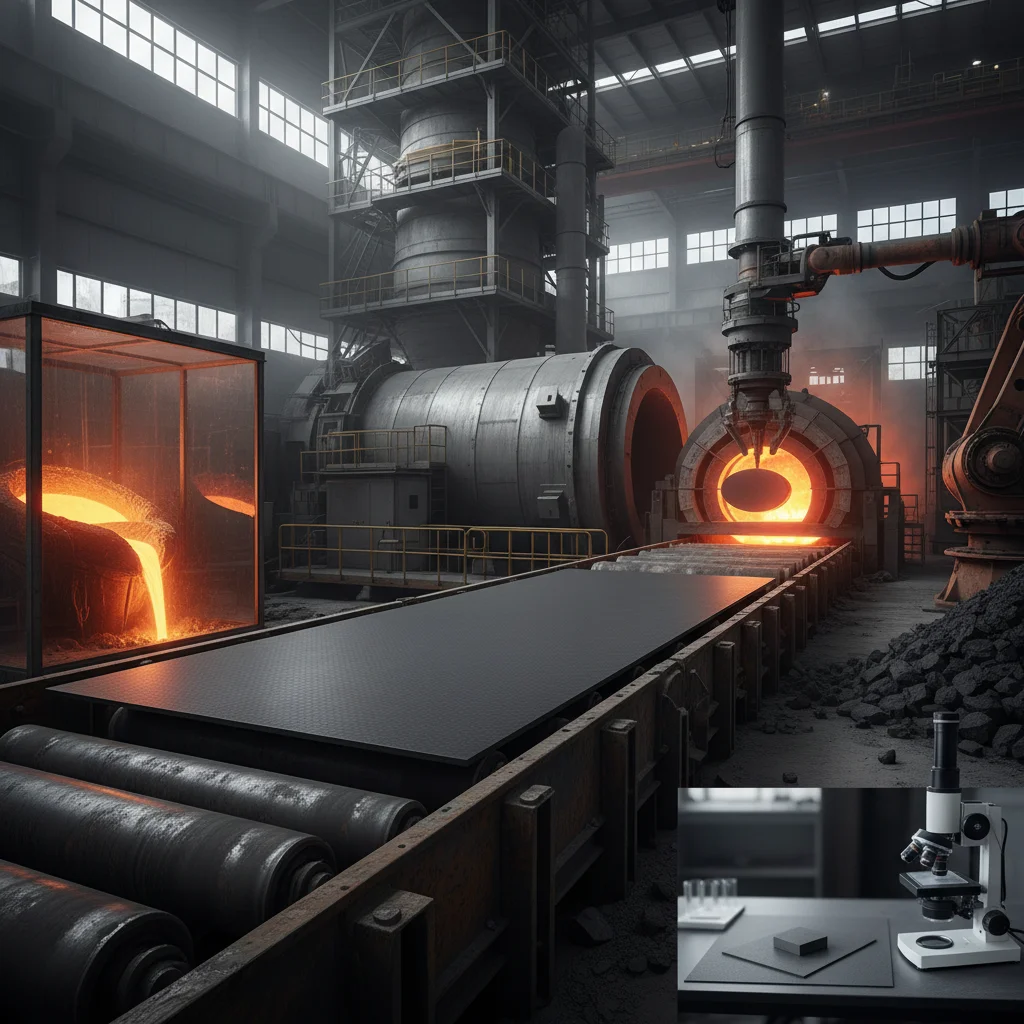
The manufacturing process itself is quite a journey, actually. It involves several precise stages:
1. Calcining: Raw materials are heat-treated to remove volatiles and improve density.
2. Burdening & Kneading: Materials are precisely mixed with coal pitch.
3. Forming: The mix is pressed into 'green' electrodes.
4. Baking: Electrodes are baked at high temperatures to carbonize the pitch.
5. Pressure Impregnation: Often, they are impregnated with pitch under pressure for increased density.
6. Graphitization: This is the magic step! Electrodes are heated to extremely high temperatures (around 2500-3000°C), transforming amorphous carbon into crystalline graphite. This gives them their superb conductivity.
7. Precision Machining: Finally, they are machined with CNC equipment to exact specifications, ensuring perfect fit and performance.
Key Advantages & Application Scenarios
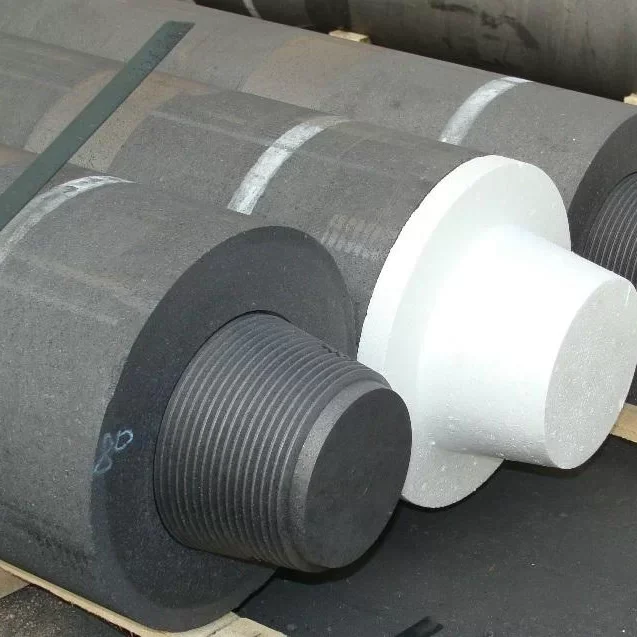
When we talk about the advantages of these electrodes, it's pretty clear why they're so sought after. Many customers say they appreciate the fast processing speed and lower production costs thanks to their efficiency. They boast low resistivity, good electrical conductivity, low ash content, and a really compact structure. What this means in practice is good anti-oxidation and high mechanical strength, crucial for a long service life.
You'll find hp graphite electrode in Iran being used extensively in LF (Ladle Furnace) and EAF (Electric Arc Furnace) operations for steelmaking. But their utility doesn’t stop there; they're also vital in the non-ferrous industry, and for producing silicon and phosphorus. Basically, if you need a reliable conductive material for an electric arc or smelting furnace, these are your go-to.
HP Graphite Electrode Specification (Example)
Characteristic | Value / Range |
Resistivity | ≈ 5.0 - 6.0 μΩm |
Bulk Density | ≥ 1.70 g/cm³ |
Flexural Strength | ≥ 12 MPa |
Ash Content | ≤ 0.3% |
Thermal Expansion (20-100°C) | ≈ 1.5 - 2.5 x 10⁻⁶ /°C |
Service Life | Longer than standard UHP (real-world use may vary) |
Vendor Comparison & Customization
Choosing a supplier for hp graphite electrode in Iran can be tricky. It's not just about the price tag, but reliability, consistency, and after-sales support. Many manufacturers, like the one whose product we are discussing, offer different sizes, including large diameters, to fit various furnace requirements. Customization in terms of length, diameter, and even specific mechanical properties is often available.
Hypothetical Vendor Comparison
Feature | Vendor A (e.g., Dah Carbon) | Vendor B (Competitor) |
Quality Certifications | ISO 9001, SGS | ISO 9001 |
Customization Options | Extensive (diameters, lengths) | Limited (standard sizes) |
Delivery Lead Time | Typically 3-4 weeks | Around 5-6 weeks |
Technical Support | Dedicated engineering team | Basic support |
Price Point | Competitive for quality | Slightly lower (might compromise on lifespan) |
Quality & Standards: The Backbone of Trust
When sourcing an hp graphite electrode in Iran, quality assurance is paramount. Look for suppliers who adhere to international standards (like ISO 9001 for quality management) and conduct rigorous testing. This includes material composition analysis, density measurements, electrical resistivity tests, and mechanical strength evaluations. Surprisingly, sometimes a slightly higher upfront cost for a certified, high-quality electrode can lead to significant savings in the long run due to reduced consumption and fewer furnace downtimes.
I guess the takeaway here is that while the market for hp graphite electrode in Iran is vibrant and growing, making informed choices based on technical specs, proven reliability, and robust quality standards is key. It's not just about a product; it's about enabling an entire industry to thrive efficiently.
Authoritative Citations
1. World Steel Association. (General information on global steel production and trends).
2. Iran Steel Market Analysis Reports. (Insights into Iran's specific steel industry landscape).
3. International Organization for Standardization (ISO). (Details on quality management standards like ISO 9001).