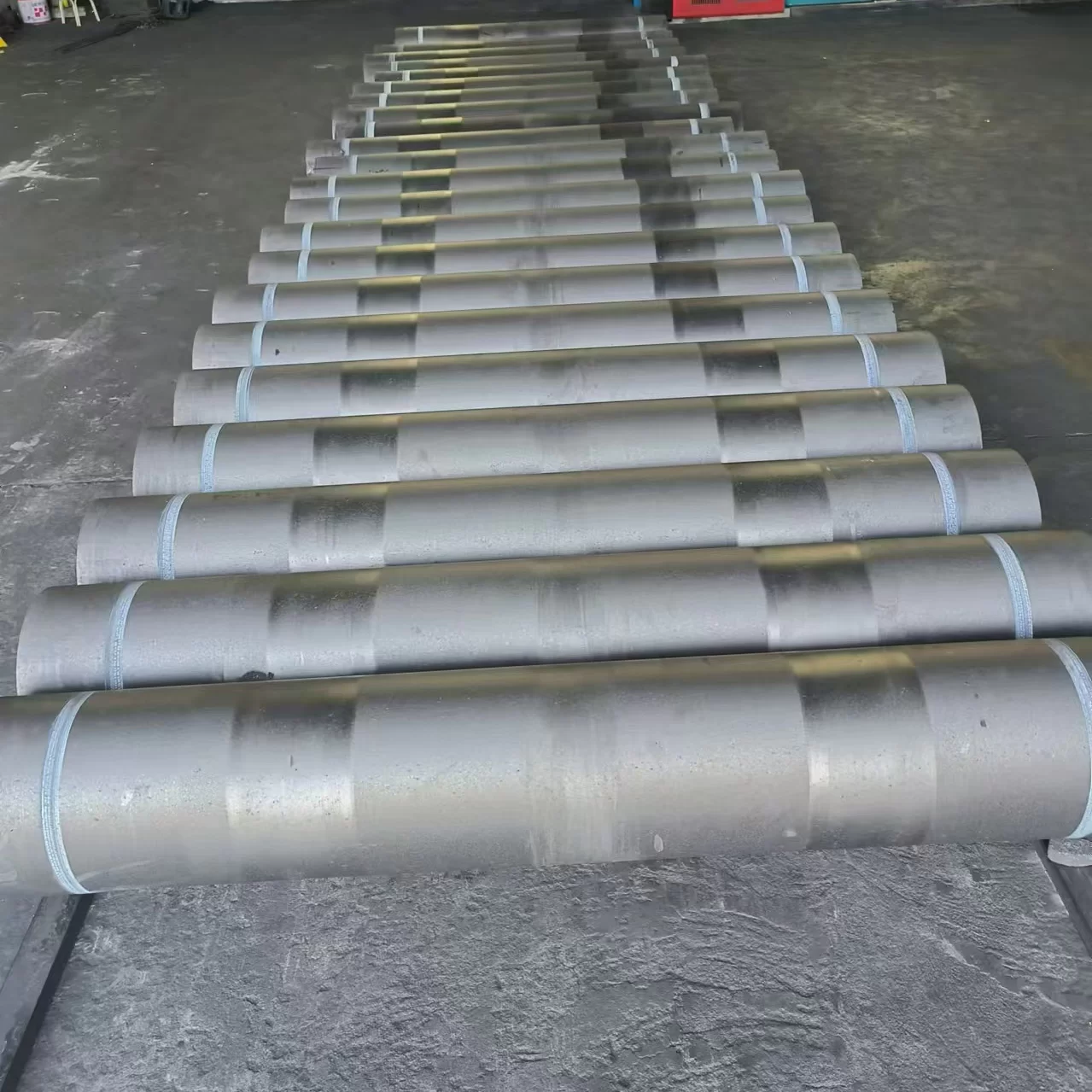
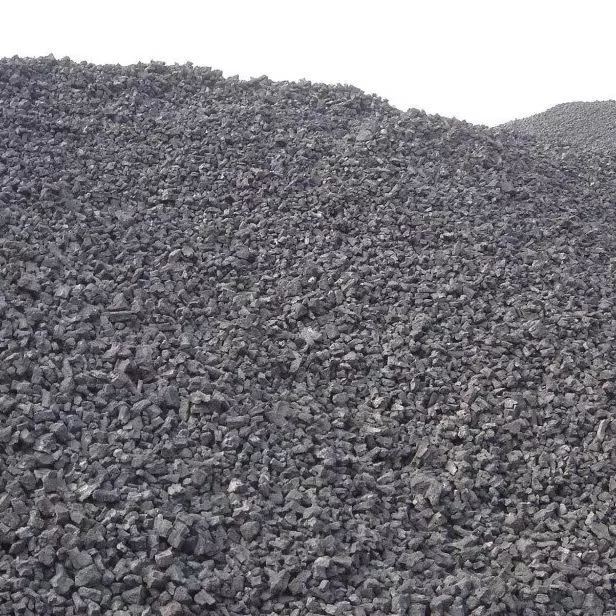
You know, in the vast world of industrial materials, some products just silently do their heavy lifting, rarely getting the spotlight they deserve. And to be honest, Graphitized Petroleum Coke (GPC) is definitely one of them. Often overlooked, this unassuming material actually plays a truly pivotal role across numerous critical industries. Let's dig a bit deeper into what makes GPC so indispensable, and perhaps, give it the recognition it's earned.
What Exactly is GPC and How's it Made?
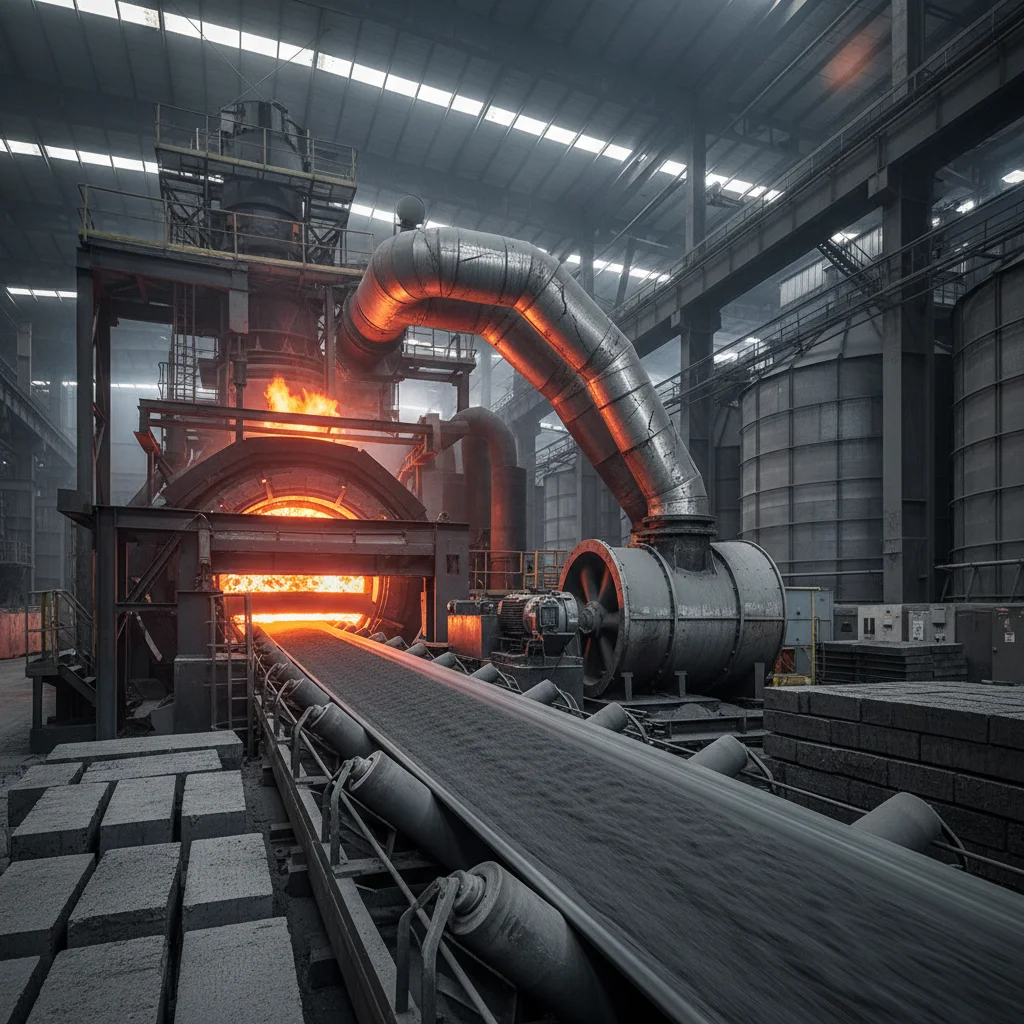
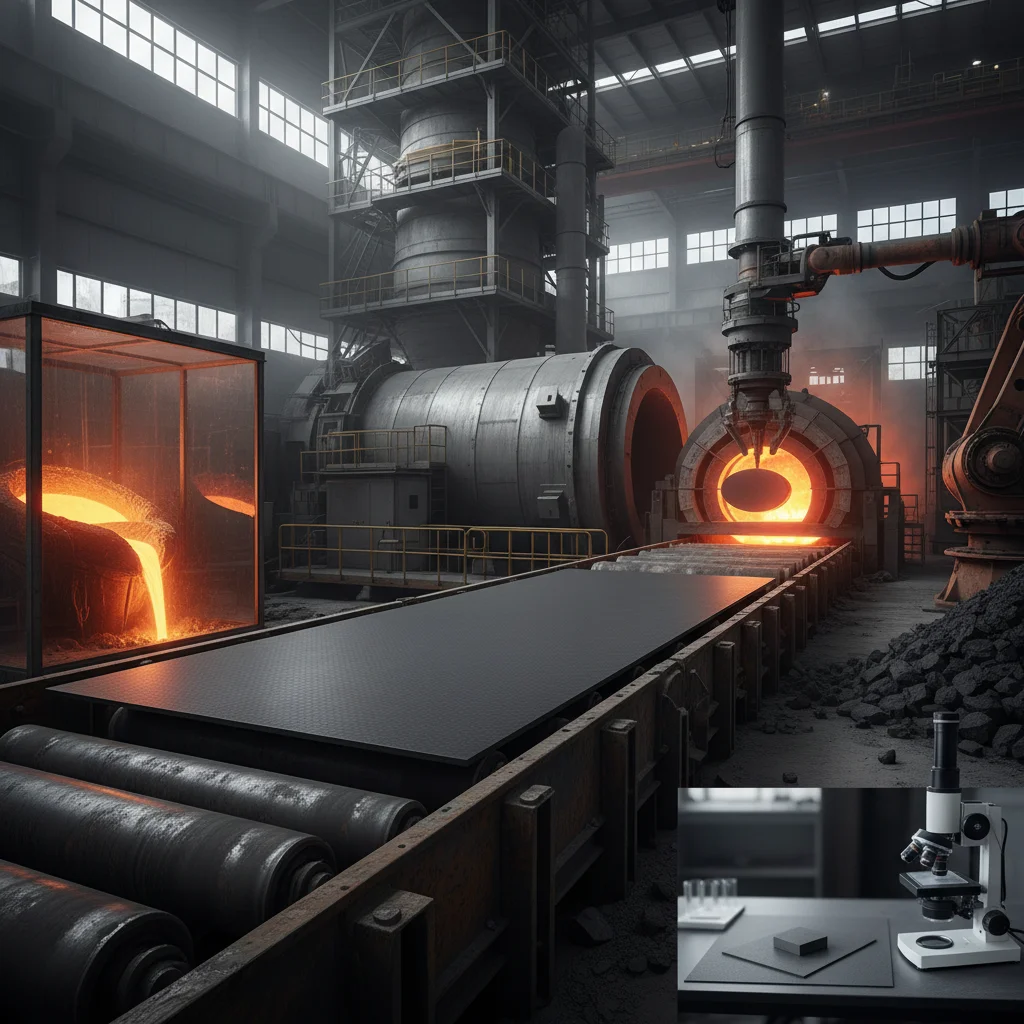
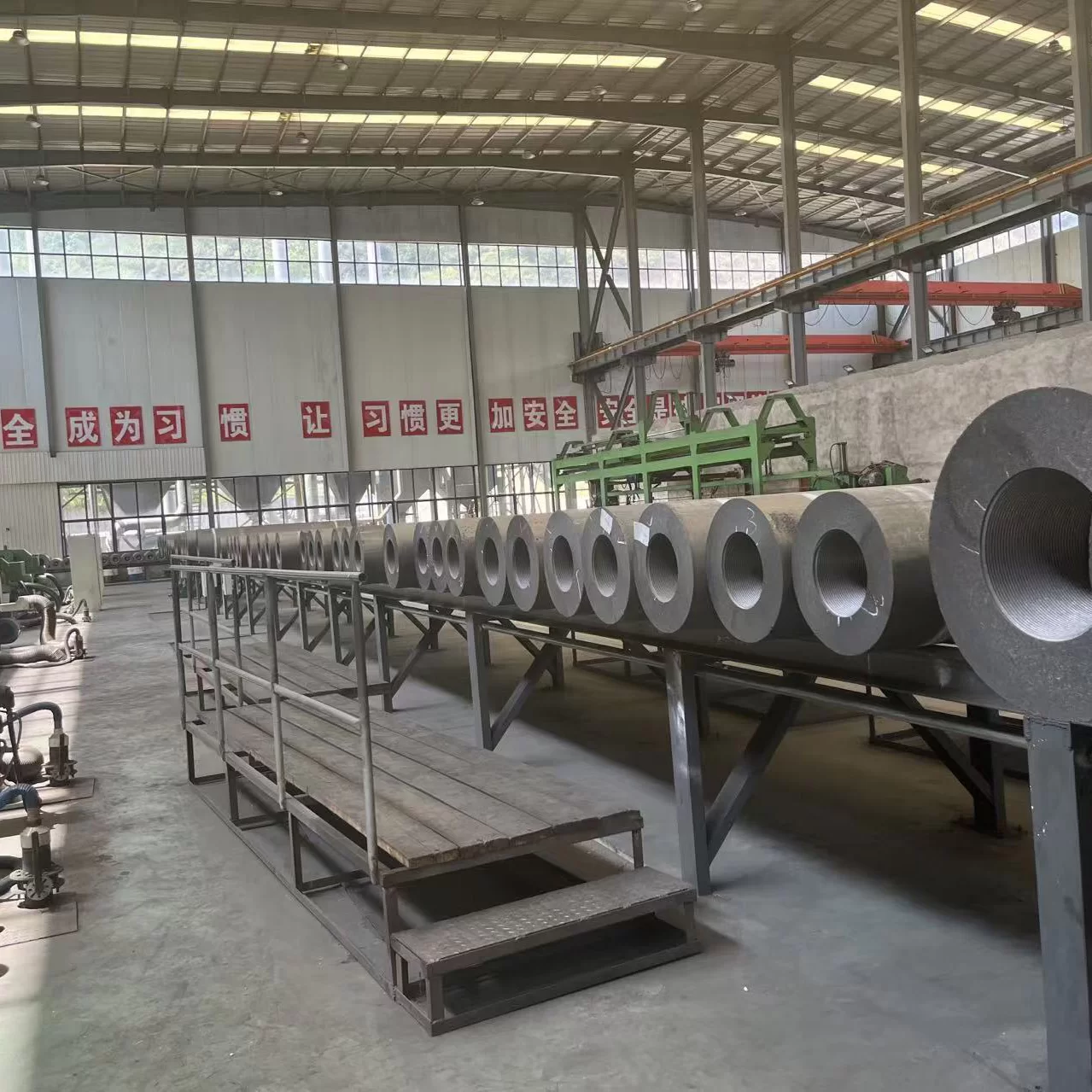
At its core, Graphitized Petroleum Coke is, well, petroleum coke that has undergone a remarkable transformation. Imagine taking regular petroleum coke – the stuff left over after refining crude oil – and pushing it through an extreme high-temperature journey. This is precisely what happens in a graphitization furnace, typically at temperatures soaring to around 3000 degrees Celsius, sometimes even higher. This intense heat isn't just for show; it's a critical process that converts the amorphous, somewhat chaotic carbon structure of petroleum coke into the highly ordered, hexagonal lamellar structure of crystalline graphite. It's a bit like turning a disordered pile of bricks into a perfectly constructed wall, I guess.
This "graphitisation" process, as it’s called, is what imbues GPC with its superior properties. It's not just a fancy name; it's a fundamental change that unlocks incredible potential. Materials, methods, and testing standards for GPC production are incredibly rigorous, often adhering to international benchmarks like ISO 9001 and specific metallurgical industry standards to ensure consistent quality and performance. The goal? A product with high carbon purity, low impurities, and excellent electrical conductivity – essential for its demanding applications.
Unpacking its Advantages: Why GPC Stands Out
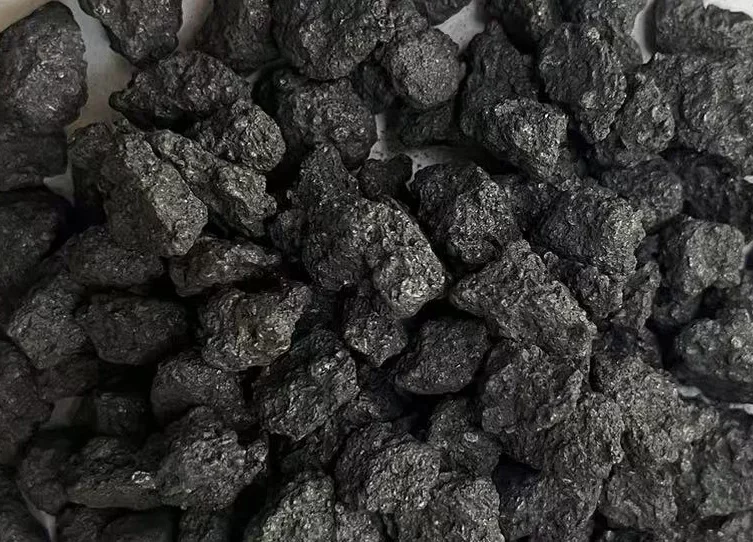
When you compare Graphitized Petroleum Coke to its predecessor, Calcined Petroleum Coke (CPC), the advantages really pop out. While CPC itself is a fantastic product, with low sulfur and medium sulfur options and various sizes from 1-3mm to 1-20mm readily available from many reputable suppliers (many customers say customization is key here), GPC takes things a step further.
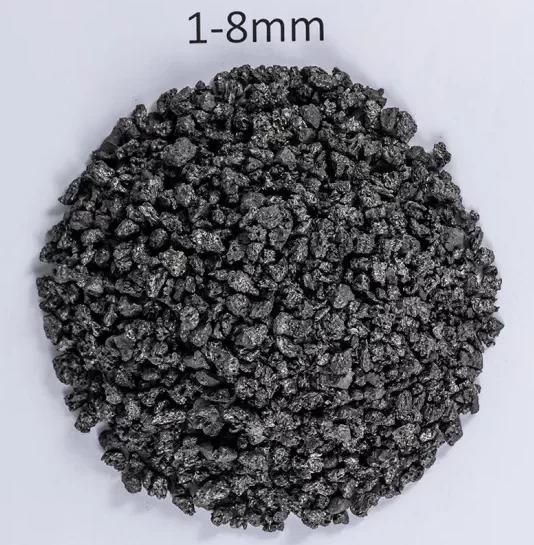
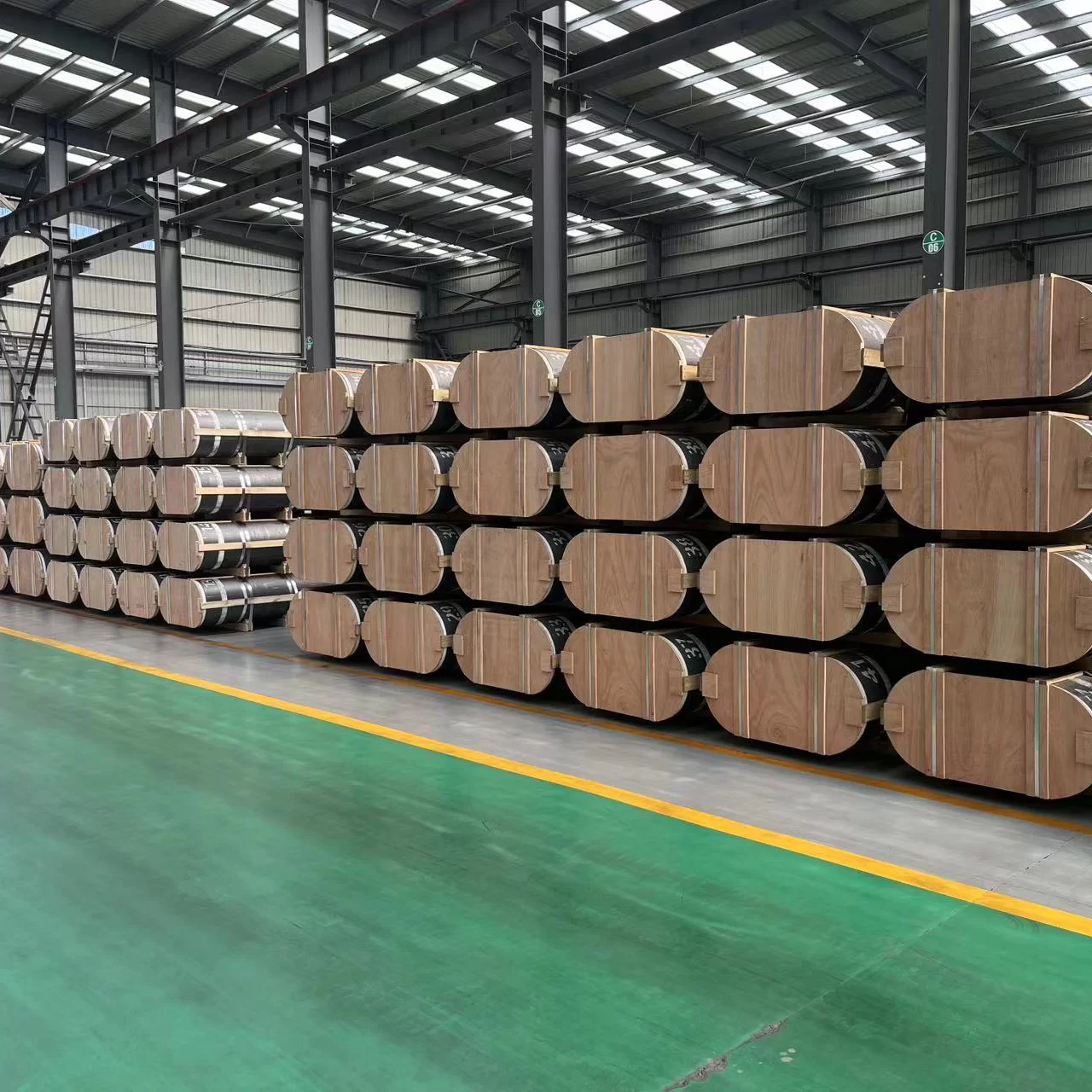
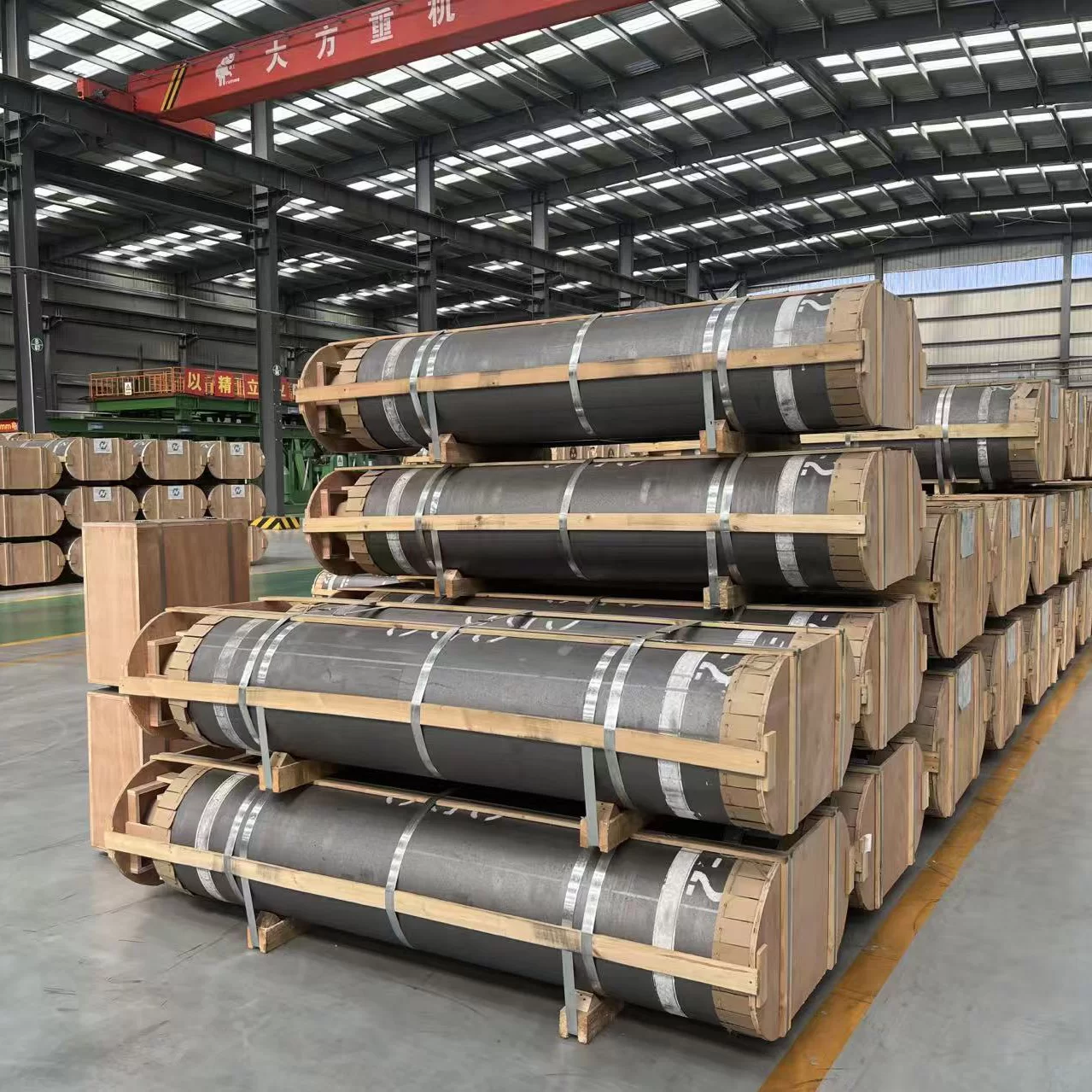
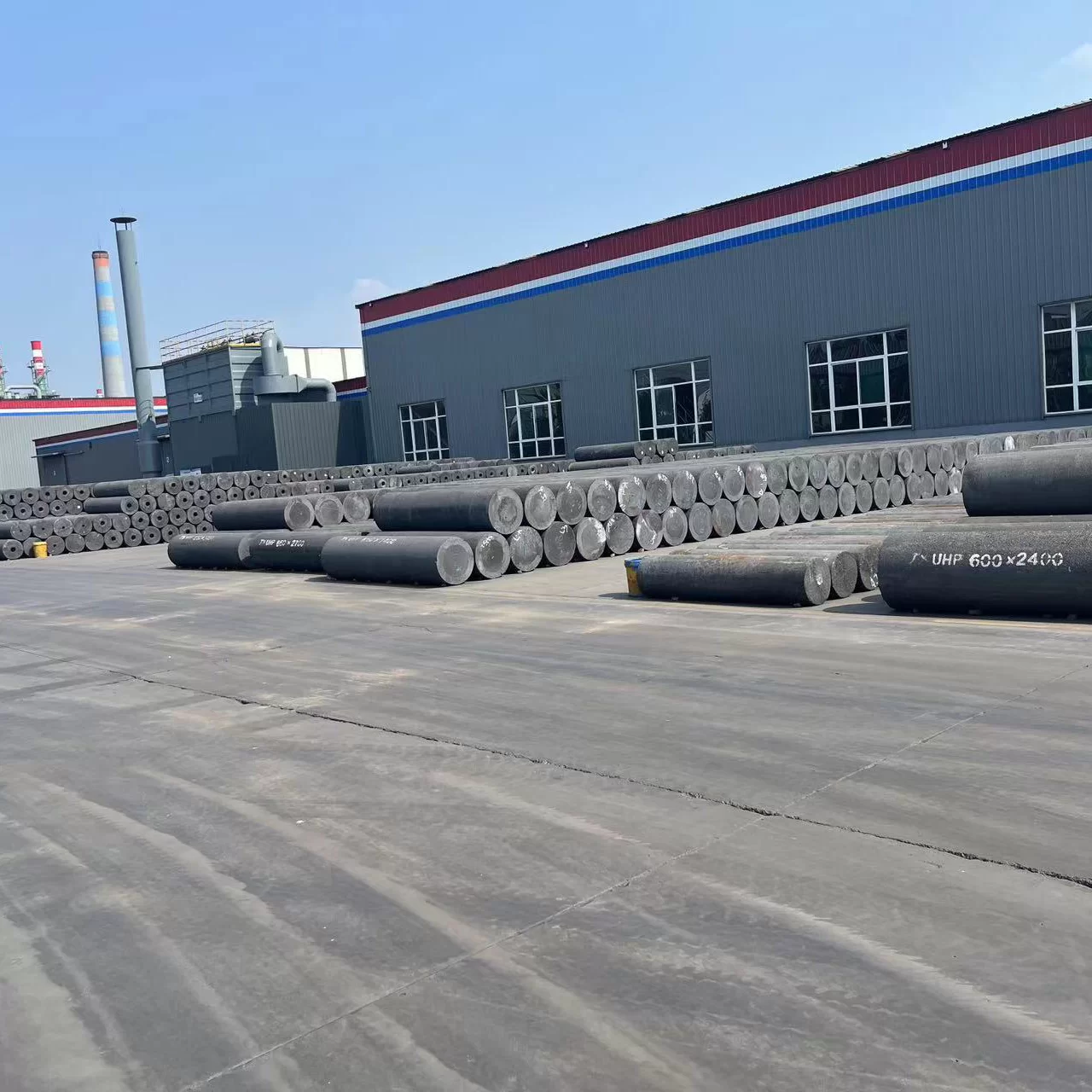
Our GPC, for instance, is meticulously crafted from calcined petroleum coke using a continuous graphitization process at those super high temperatures I mentioned earlier – at least 2600°C. Afterwards, it undergoes crushing, screening, and classification, allowing for a fantastic range of particle sizes from 0-50mm, truly tailored to customer specifications. This isn't just about particle size, though; it’s about what that graphitization does:
· Superior Purity: Much higher carbon content (often >98.5%) and incredibly low ash, sulfur, phosphorus, and nitrogen levels. This is critical for preventing defects in end products.
· Enhanced Crystallinity: The ordered structure means better electrical conductivity and thermal stability.
· Exceptional Mechanical Strength: It holds up well under intense conditions, which is crucial in metallurgy.
Applications: Where GPC Works its Magic
The application scenarios for Graphitized Petroleum Coke are surprisingly diverse, reaching into the very backbone of modern industry. Here’s where you'll find it making a significant impact:
· Steelmaking & Precision Casting (Carbon Raiser/Carburizer): This is probably its most common use. GPC acts as a vital carbon enhancer, helping to produce high-quality steel, cast iron, and various alloys. Its ability to promote graphite nucleation in molten iron, increase ductile iron amounts, and improve the microstructure of grey cast iron is, frankly, astounding. Through microstructure observation, we've found it significantly increases ferrite content without needing expensive pearlite stabilizers, and boosts the proportion of V-shaped and VI-shaped graphite. This means less reliance on costly nucleating agents for fine-tuning – a significant cost saving for foundries.
· Foundry Industry (Inoculant): Similarly, it's used as a breeder or inoculant to control and improve the graphite structure in castings.
· Metallurgical Industry (Reducing Agent): Its high carbon content and purity make it an excellent reducing agent in various metallurgical processes.
· Refractory Materials: Used in the production of high-temperature resistant materials.
· Aluminum Electrolysis Cells (Graphite Cathodes): A key raw material for graphite cathodes, which are essential in the aluminum smelting process.
· Environmental Applications: Surprisingly, GPC can even serve as a heavy metal absorbent in wastewater treatment.
· Plastic & Rubber Additive: Less common but still relevant, it can be used to enhance certain properties in these materials.
Technical Specifications (Typical Values)
Parameter | Typical Value (GPC) | Testing Standard |
Fixed Carbon | ≥ 98.5% | ASTM C561 / ISO 12985-1 |
Sulfur | ≤ 0.05% | ASTM C562 / ISO 12985-2 |
Ash | ≤ 0.5% | ASTM C561 / ISO 12985-1 |
Volatile Matter | ≤ 0.5% | ASTM D3175 |
Moisture | ≤ 0.5% | ASTM D3173 |
Nitrogen | ≤ 300 PPM | ASTM E1019 |
Particle Size | Custom (e.g., 0-1mm, 1-5mm, 3-8mm) | ISO 565 |
Navigating the Market: Finding the Right Graphitized Petroleum Coke Manufacturers
The market for Graphitized Petroleum Coke is quite competitive, with many reputable graphitized petroleum coke manufacturers vying for business. This is where customization and a strong supply chain really shine. When you're sourcing, it's not just about the numbers in the spec sheet; it's about reliability, consistency, and the ability to meet your specific operational needs. Many customers I've spoken with emphasize the importance of consistent quality and timely delivery for ensuring smooth production flows.
Vendor Comparison (Illustrative)
Feature/Service | Vendor A (e.g., Dahcarbon) | Typical Other Vendors |
GPC Purity (Fixed Carbon) | ≥ 98.5% | ≥ 98.0% (can vary) |
Custom Sizing | Yes (0-50mm range) | Limited (standard sizes) |
Monthly Supply Capacity | ≈ 5,000 tons (CPC & GPC) | Around 1,000-3,000 tons |
Certifications | ISO 9001, SGS Certified | Often ISO 9001, others may vary |
Lead Time | Efficient, reliable delivery | Real-world use may vary based on stock |
Speaking of customization, it's not just about particle size. Many leading GPC suppliers, like us, work closely with clients to fine-tune other properties, ensuring the Graphitized Petroleum Coke perfectly integrates into their specific processes, whether it's for special steel smelting or specific ductile and grey iron casting industries where stringent sulfur control is paramount. We've seen case studies where tailoring the GPC significantly reduced rejection rates for foundries, leading to substantial savings.
The Future and Service Life
The demand for high-purity carbon materials isn't going anywhere, especially with advancements in metallurgy and new applications emerging. The service life of Graphitized Petroleum Coke isn't about the product itself degrading, but rather its consistent performance within the industrial processes it supports. A high-quality GPC ensures extended refractory lining life, more efficient energy consumption in furnaces, and ultimately, a more durable and superior end product. That's a pretty strong argument for its continued importance, I'd say.
In conclusion, while GPC might not be the most glamorous material, its role is undeniably foundational. It’s the kind of unsung hero that, once you understand its process and impact, you realize how much we rely on it every single day.
Authoritative Citations
1. ASTM International. (2023). "Standard Test Methods for Carbon and Graphite Products." (Various standards like C561, C562, D3175, D3173, E1019 are relevant for GPC analysis).
2. ISO. (2020). "Carbonaceous materials for the production of aluminium -- Calcined coke -- Determination of selected characteristics." (Relevant for understanding the precursor material and some GPC properties).
3. Schroeder, H. (2018). "Graphite and Carbon in Industry." In: Handbook of Industrial Chemistry and Biotechnology. Springer, New York, NY.
4. ASM Handbook, Volume 15: Casting. (2008). "Carbon Control in Iron Casting." ASM International.