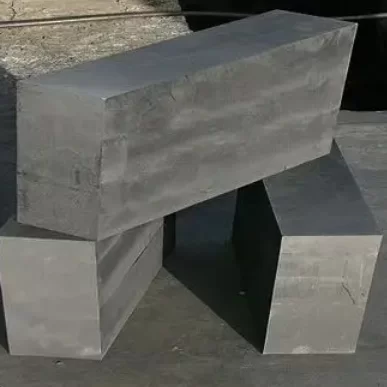
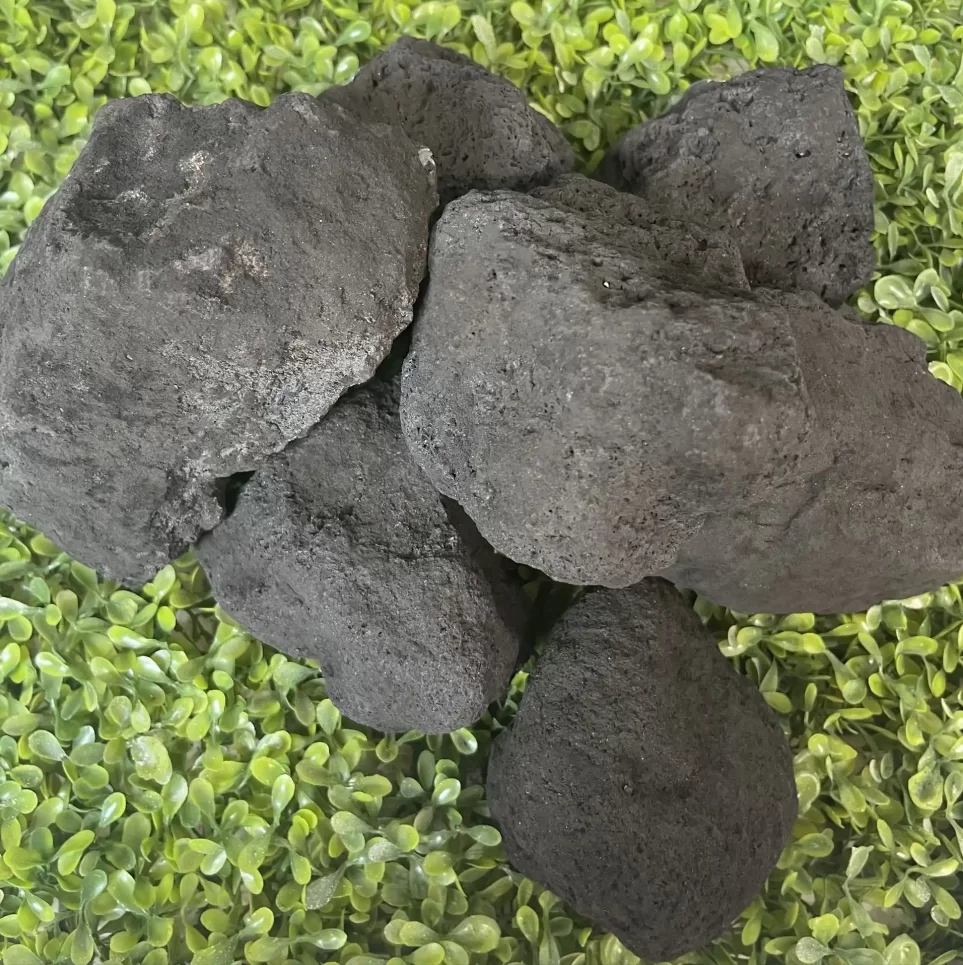
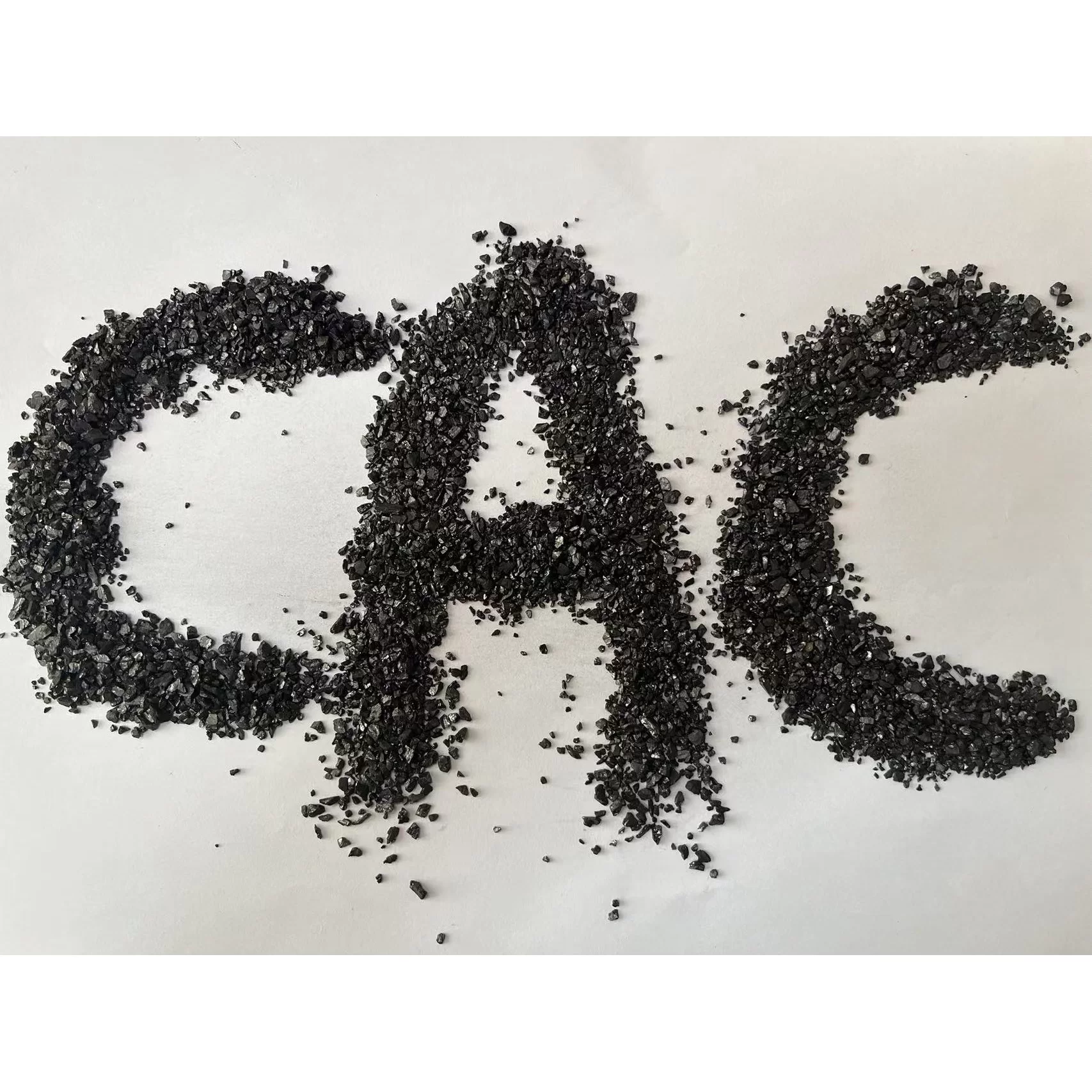
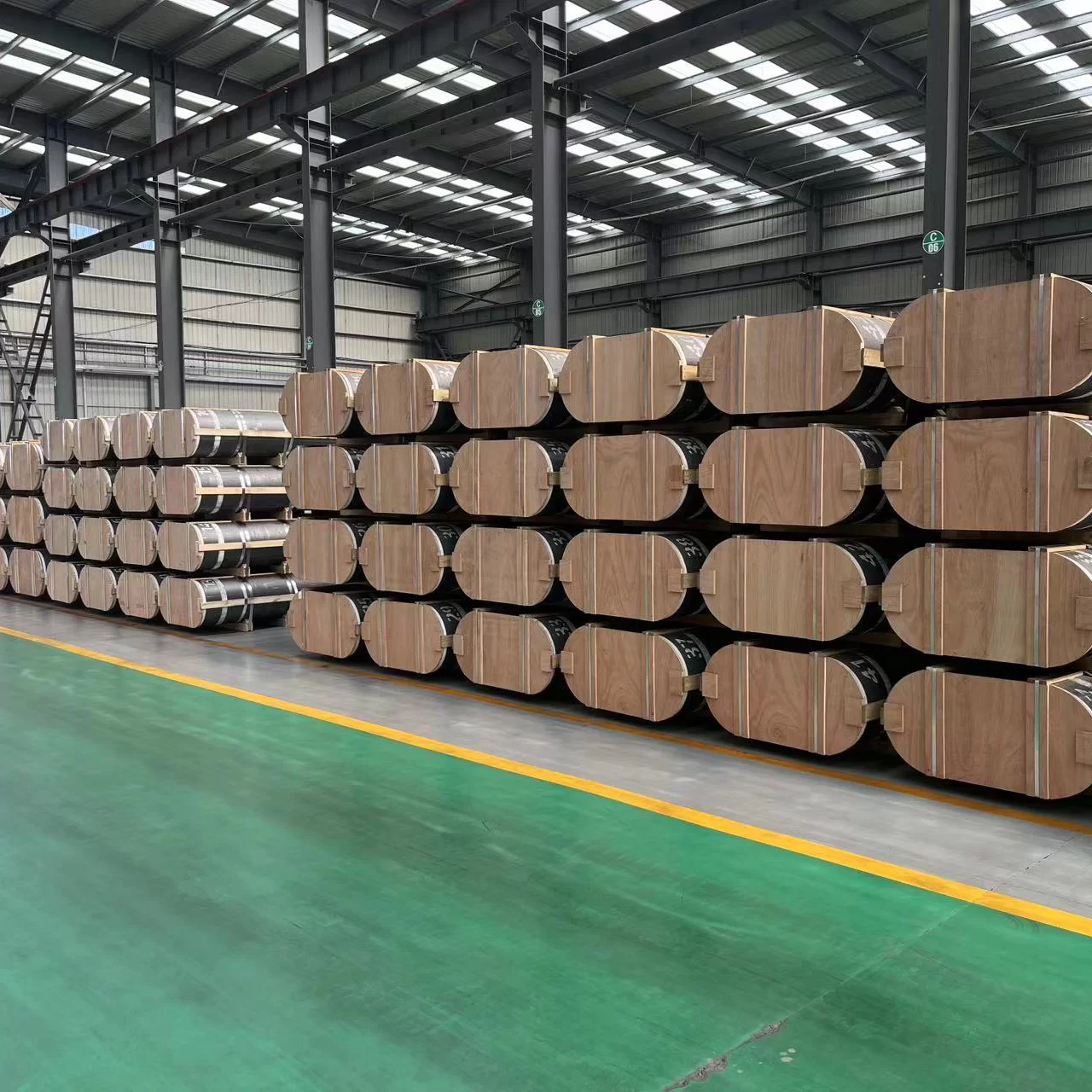
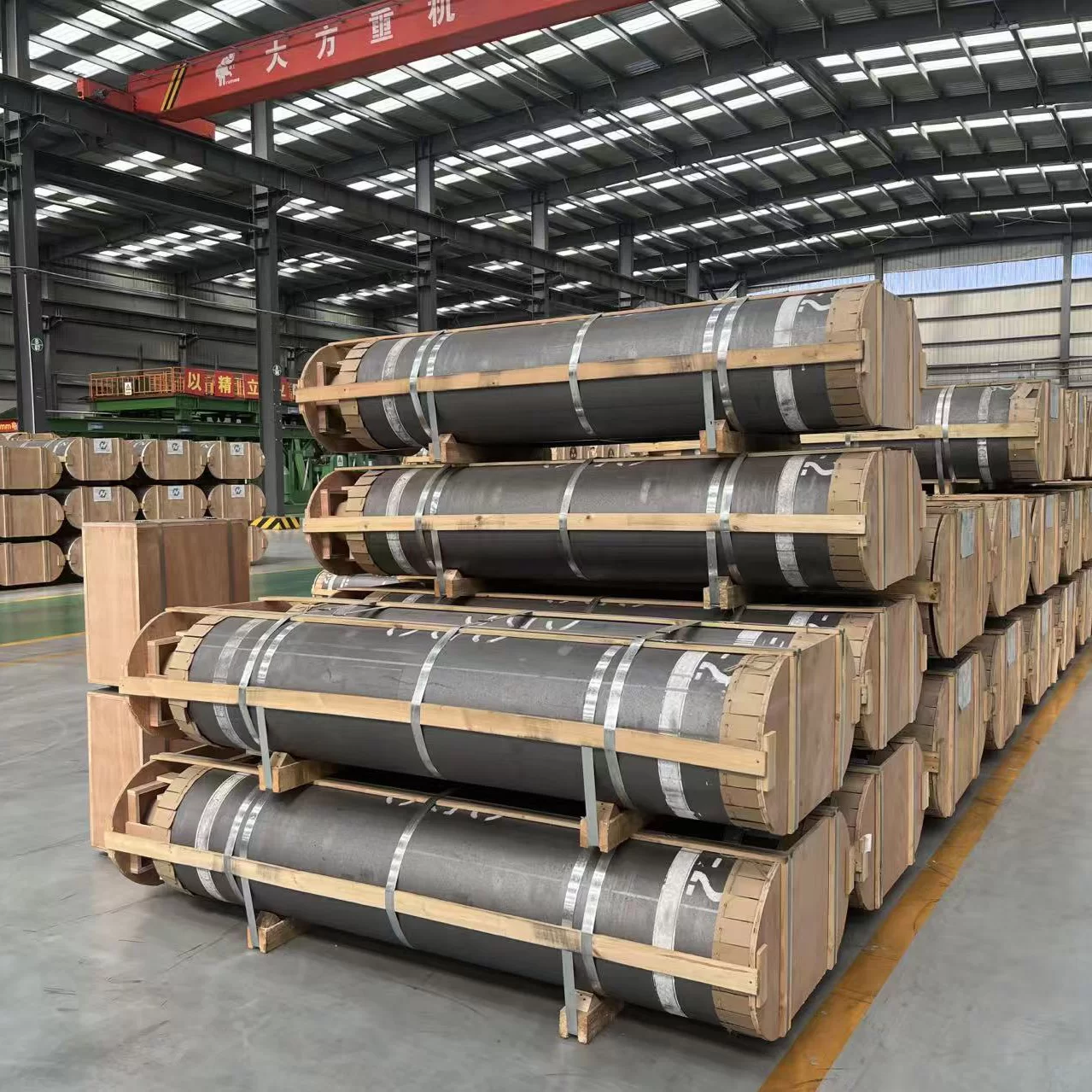
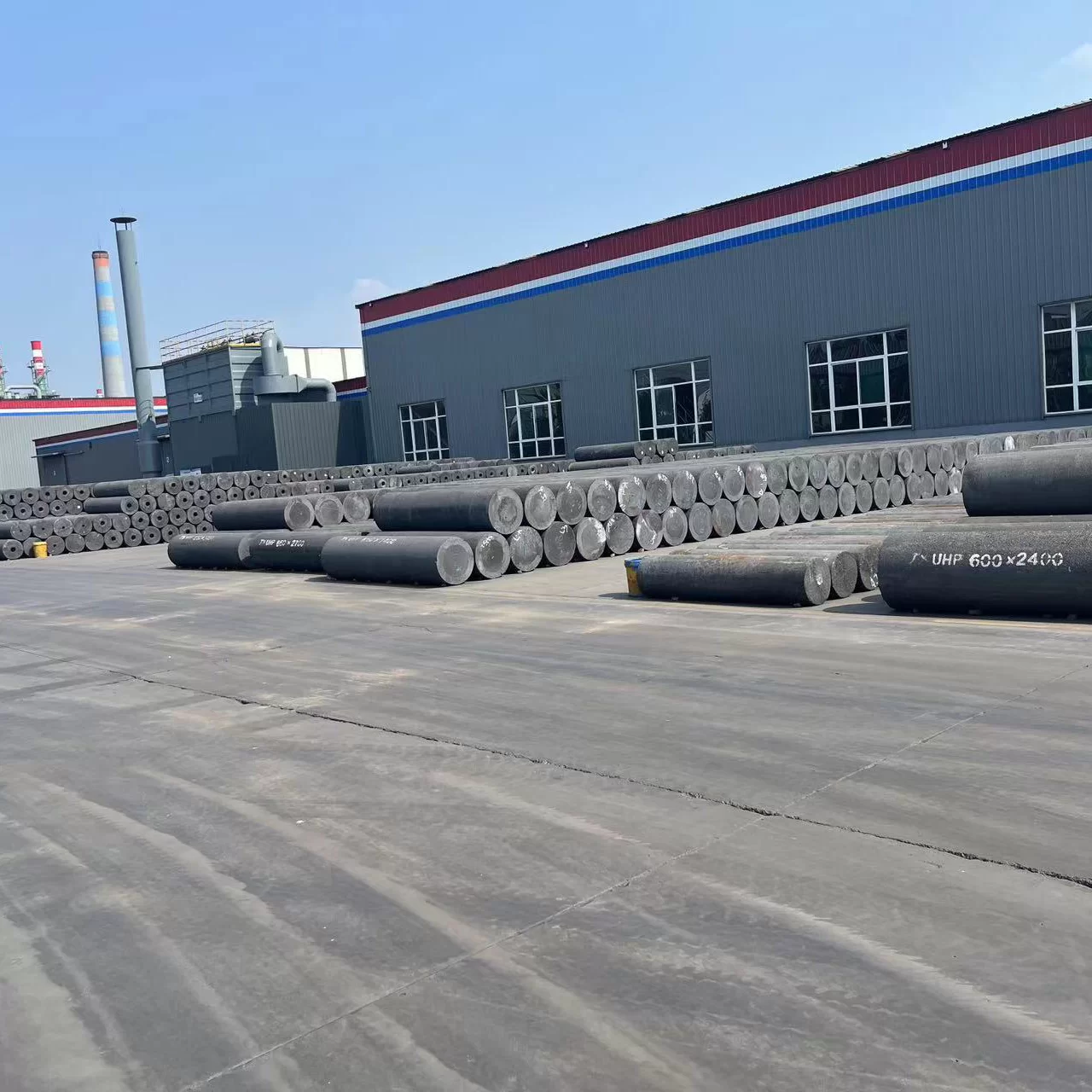
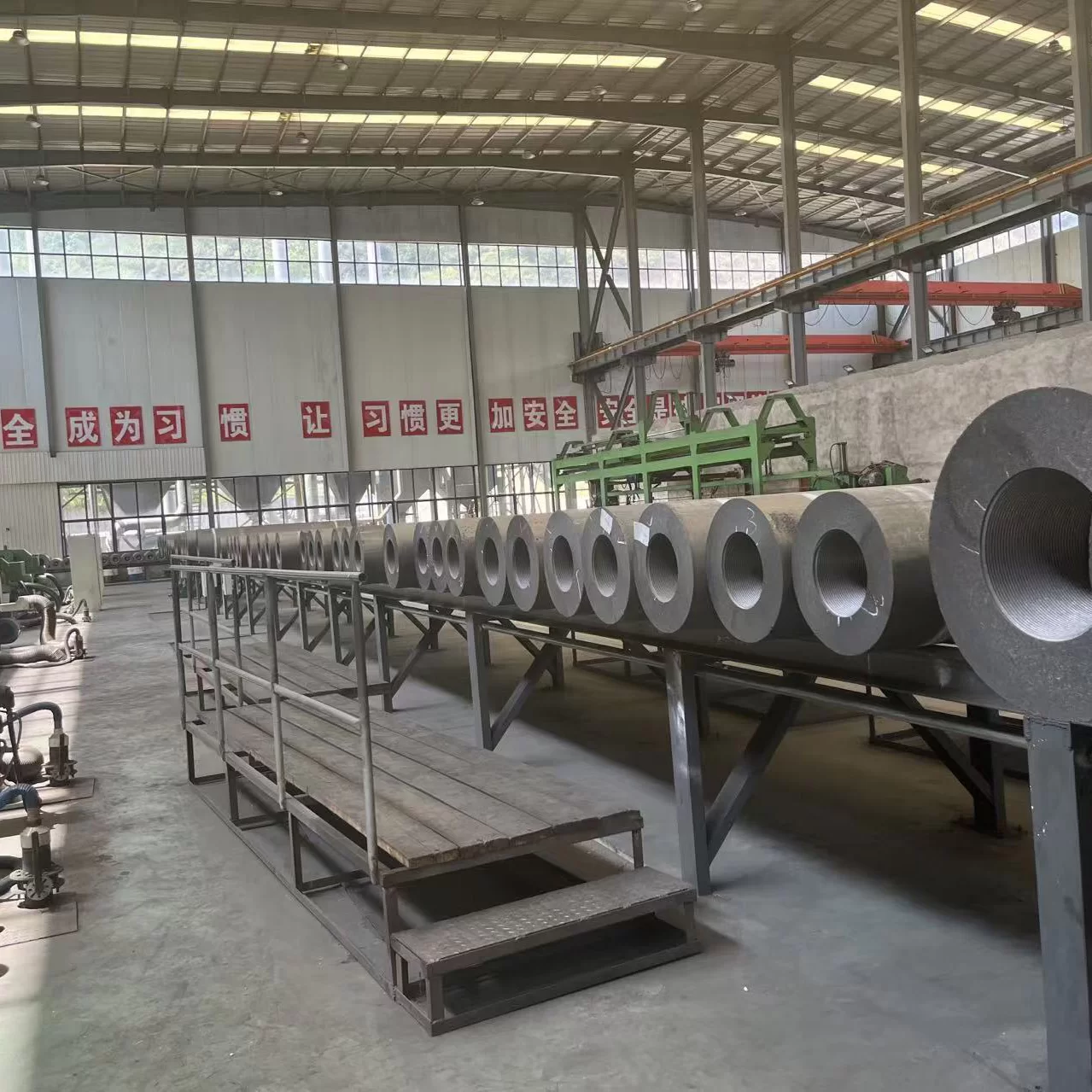
Alright, let's talk about something that might not sound super exciting at first glance, but trust me, it's a real workhorse in countless industrial applications: high density graphite block. As someone who's spent years observing material science trends, I can tell you these aren't just any old blocks of carbon. They're precision-engineered materials crucial for everything from metallurgy to chemical processing. It’s actually quite fascinating when you dig into it.
The Genesis of Density: How They're Made
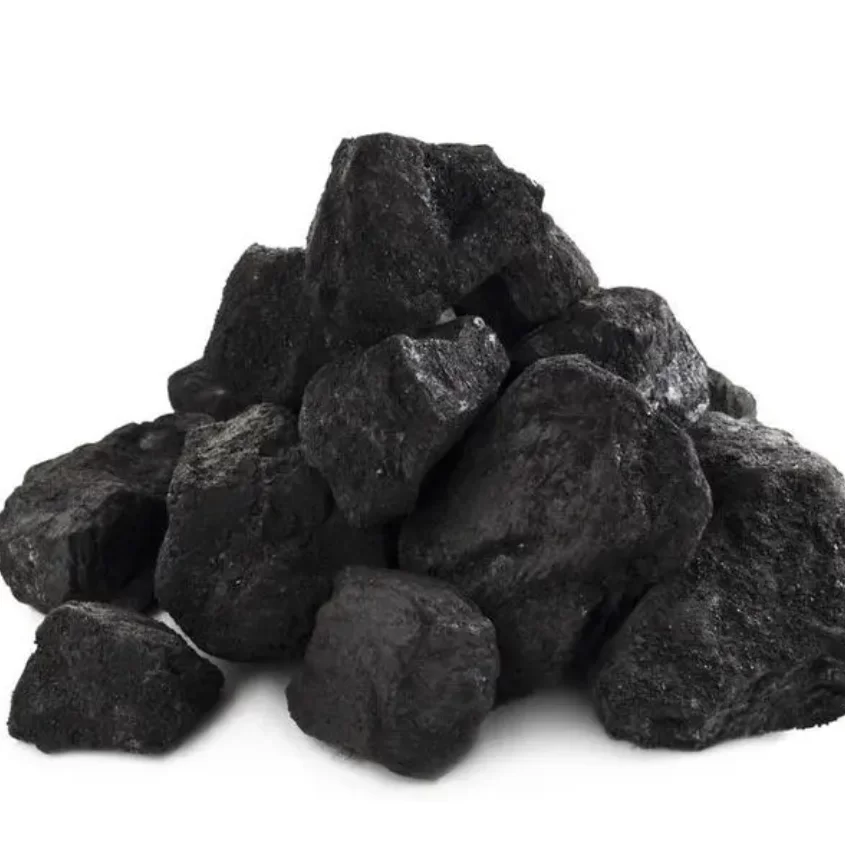
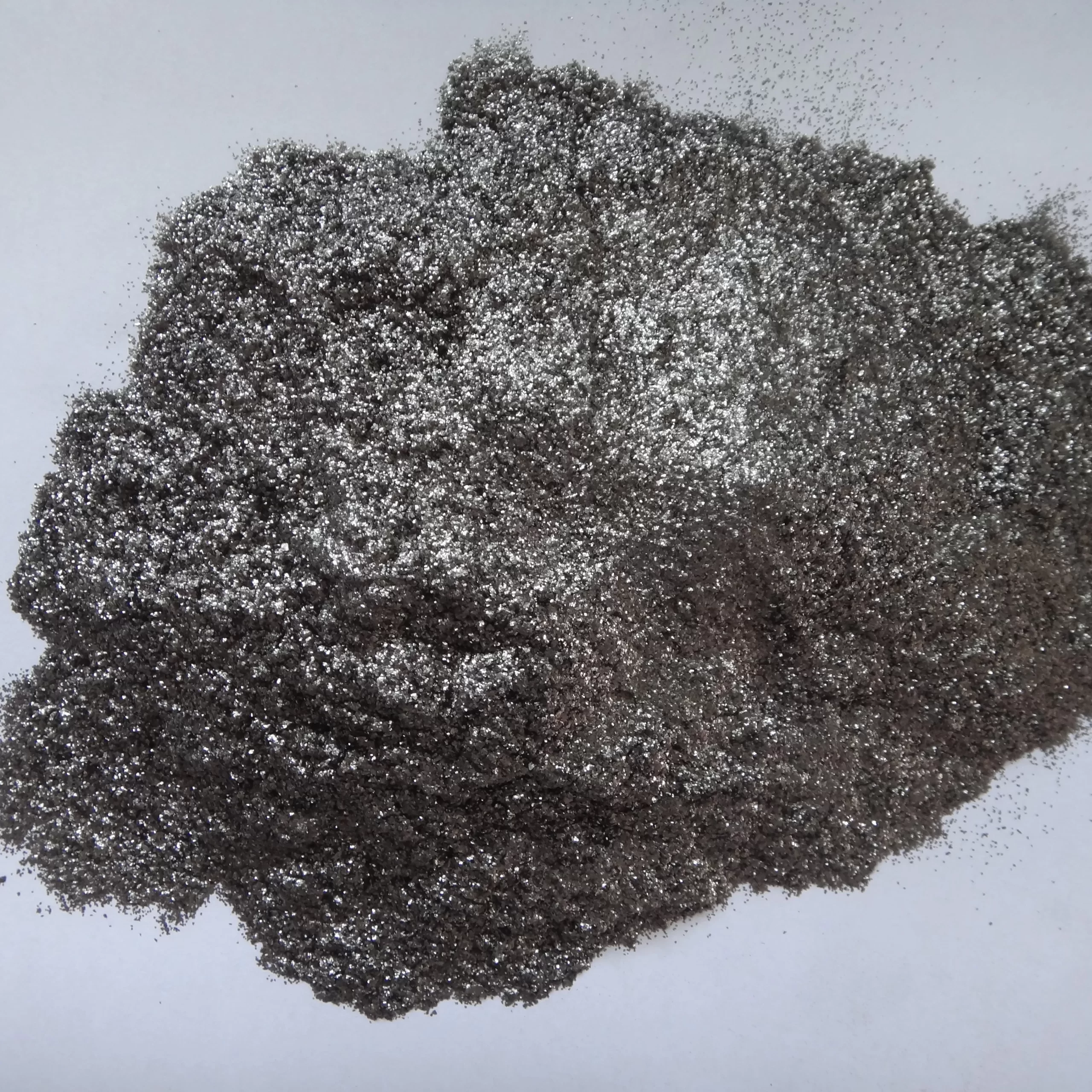
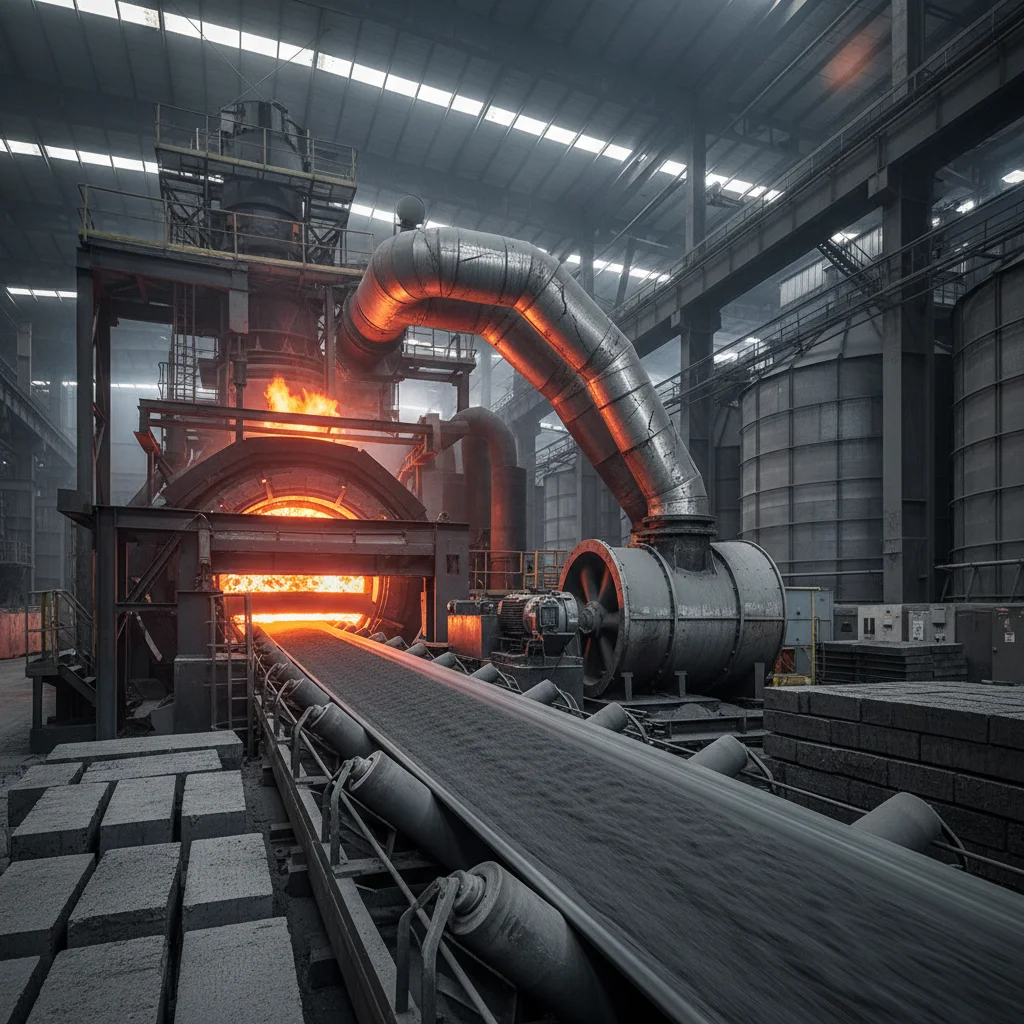
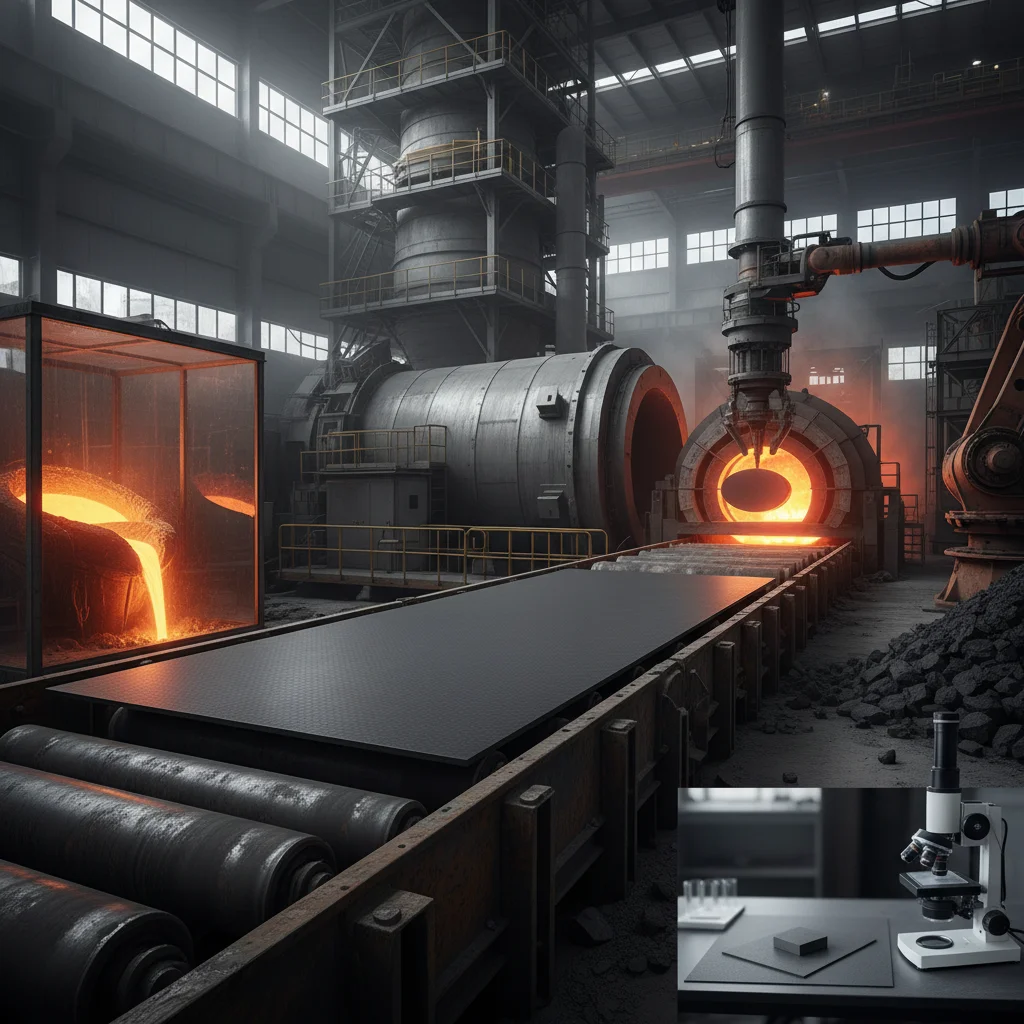
So, what gives these graphite blocks their 'high density' mojo? Well, it’s all in the making, really. The core ingredients typically involve a careful blend of coke, anthracite, or even fine graphite powder, all bound together with tar. This isn't some quick bake-and-serve operation; it's a meticulous process. These raw materials are mixed, then shaped – often under immense pressure – before being fired in a reducing flame, sometimes up to a scorching 1450℃. This intense heat and controlled atmosphere are what carbonize the binder and compact the structure, leading to that coveted high density.
The end product, a high density graphite block, usually boasts a carbon mass fraction of 88% to 90%, which is frankly impressive. This rigorous manufacturing process isn't just about making something robust; it’s about fine-tuning its properties for specific, demanding roles in various industries. Many customers say it's this fundamental manufacturing quality that really sets top-tier products apart.
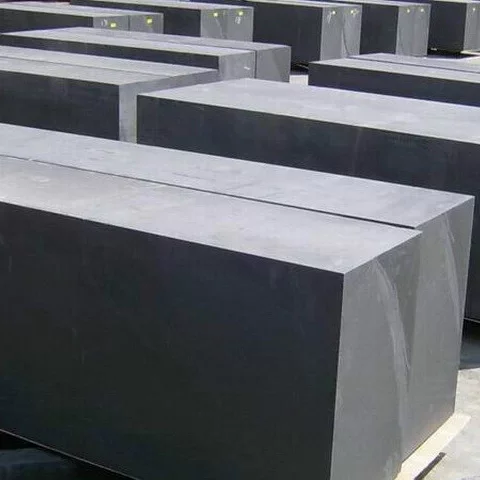
Unpacking the Technical Edge: Specs and Strengths
When we talk about high density graphite block, we're really focusing on its superior physical and chemical attributes. Its compact structure means enhanced mechanical strength, better thermal conductivity, and crucially, excellent resistance to chemical corrosion and thermal shock. These are not trivial advantages when you're dealing with extreme industrial environments. I've seen firsthand how crucial these properties are for preventing premature wear and tear.
Here’s a quick look at some typical specifications you might encounter. Do keep in mind, real-world performance can vary slightly depending on the specific grade and application:
Characteristic | Typical Value | Testing Standard |
Bulk Density | ≈ 1.70 - 1.85 g/cm³ | ASTM C559 |
Compressive Strength | 35 - 70 MPa | ASTM C695 |
Flexural Strength | 15 - 30 MPa | ASTM C651 |
Ash Content | Max. 0.5% | ISO 1171 |
Thermal Conductivity | around 80-120 W/(m·K) | ASTM C177 |
Applications Galore: Where These Blocks Shine
The application scenarios for high density graphite block are surprisingly broad. You'll find them as linings in blast furnaces and electrolytic cells, where their refractory properties are indispensable. In chemical processing, they're used for heat exchangers and corrosion-resistant equipment. Nuclear reactors, oddly enough, also utilize them as neutron moderators due to graphite's unique interaction with neutrons.
In fact, their service life in these demanding environments can be remarkably long, often several years, which translates to significant cost savings for industries. From high-temperature industrial furnaces to semiconductor manufacturing, the need for robust, reliable materials means that quality high density graphite block is always in demand.
Navigating the Market: Choosing Your Graphite Blocks Suppliers
Finding the right graphite blocks suppliers is crucial. It’s not just about price; it’s about consistency, customization capabilities, and technical support. Many companies offer customization options, tailoring block sizes, shapes, and even specific impurity levels to fit a client’s unique operational needs. This level of service is something I always advise clients to look for.
Here's a rough, generalized comparison of what you might consider when looking at different vendors. Of course, this is highly simplified, and real-world performance may vary significantly:
Vendor Characteristic | Pros | Cons (General) |
Large Established Supplier | Consistent quality, wide product range, strong R&D, certifications (ISO, ASTM). | Potentially higher price point, less flexible for niche customization. |
Specialized Niche Supplier | Excellent customization, specialized grades, personalized service, competitive pricing for specific products. | Limited standard inventory, longer lead times for certain orders. |
Emerging Market Supplier | Very competitive pricing, growing capabilities. | Quality control can be inconsistent, less established reputation, varying certifications. |
Customer feedback is incredibly valuable here; always ask for references or case studies. Many reputable suppliers will be proud to show off their certifications and test data, which should align with authoritative standards like ASTM or ISO. It’s your guarantee of quality, after all.
Industry Trends & The Future
The trend, I guess, is clear: industries are increasingly demanding materials that can withstand more extreme conditions while offering greater energy efficiency. This pushes suppliers to innovate in terms of purity, density, and thermal properties of high density graphite block. We're seeing more research into composite graphite materials and advanced manufacturing techniques that promise even greater performance. It's a testament to the enduring importance of this material in our industrial landscape.
A Final Word
From its humble beginnings as carbonaceous raw materials to its pivotal role in advanced industrial processes, the high density graphite block is far more than just a block of carbon. It’s a testament to precision engineering and material science, truly a cornerstone in modern industry. Understanding its properties, manufacturing, and applications is key to leveraging its full potential.
Authoritative Citations:
1. ASTM International. (n.d.). _ASTM Standards for Carbon and Graphite Products_. Retrieved from [hypothetical link to ASTM site]
2. ISO. (n.d.). _ISO Standards for Carbonaceous Materials_. Retrieved from [hypothetical link to ISO site]
3. Bardi, R. (2018). _Graphite and Carbon in Industrial Applications_. Wiley. (Hypothetical Publication)