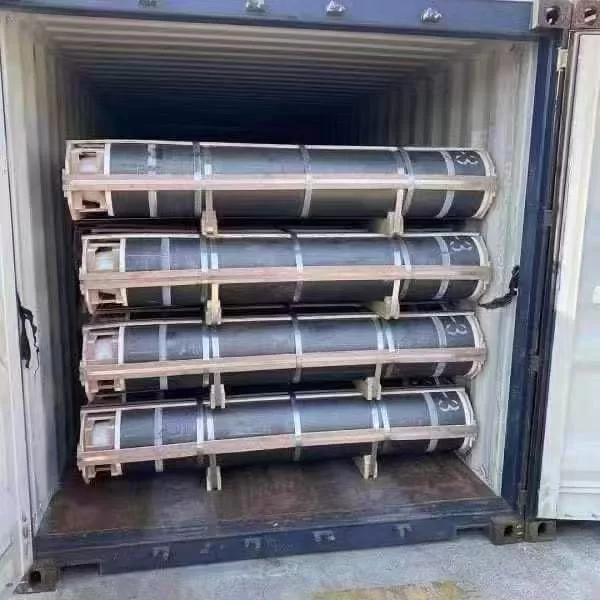
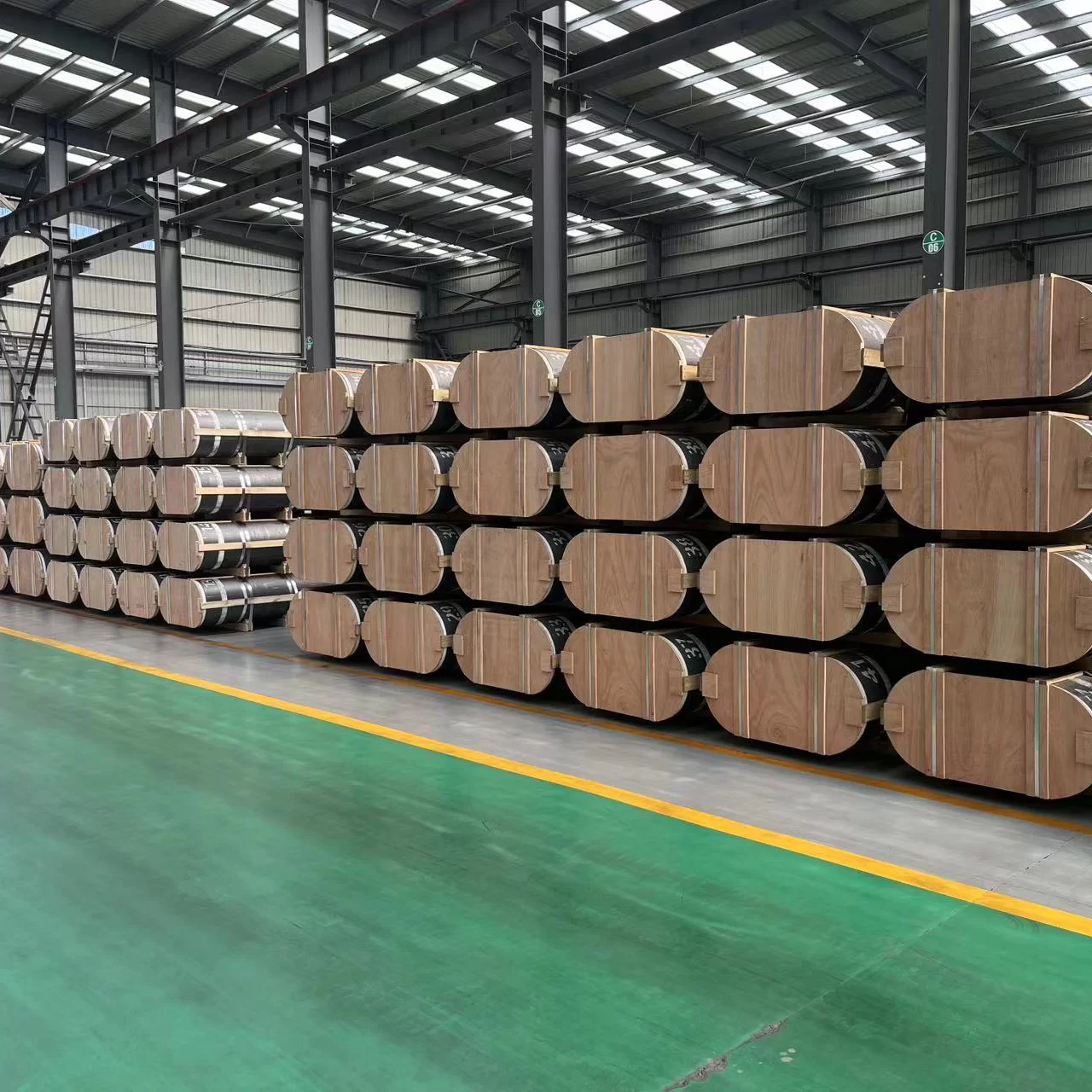
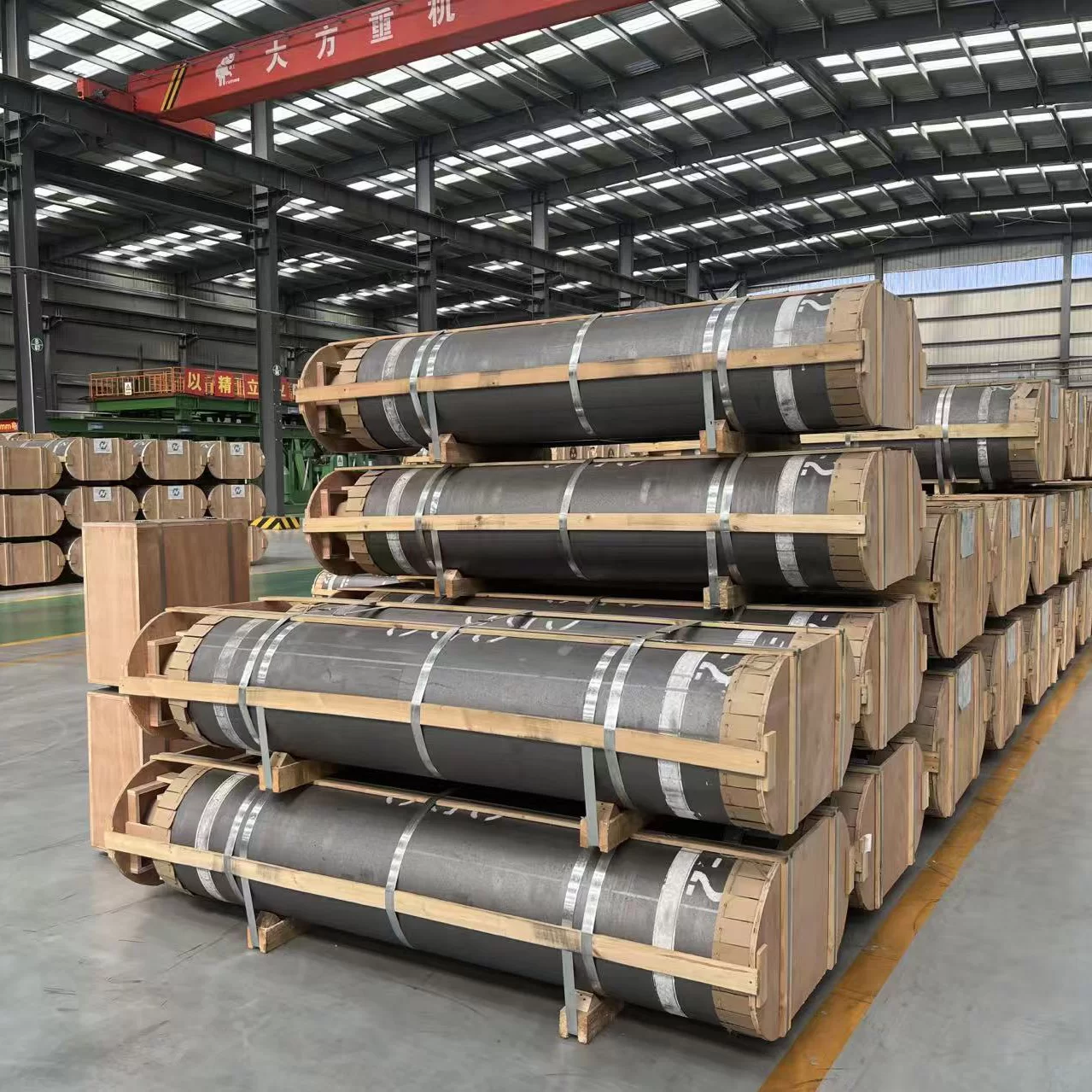
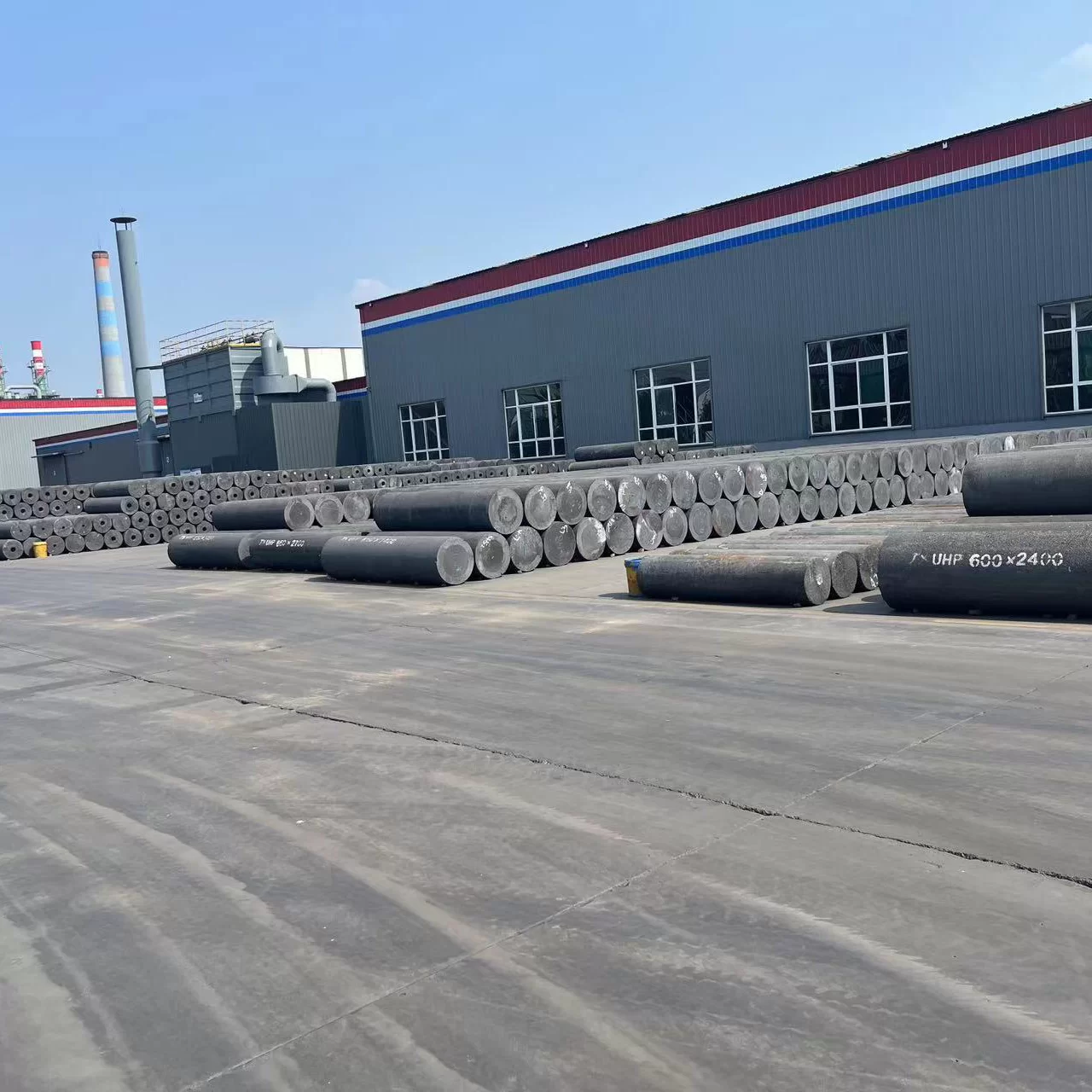
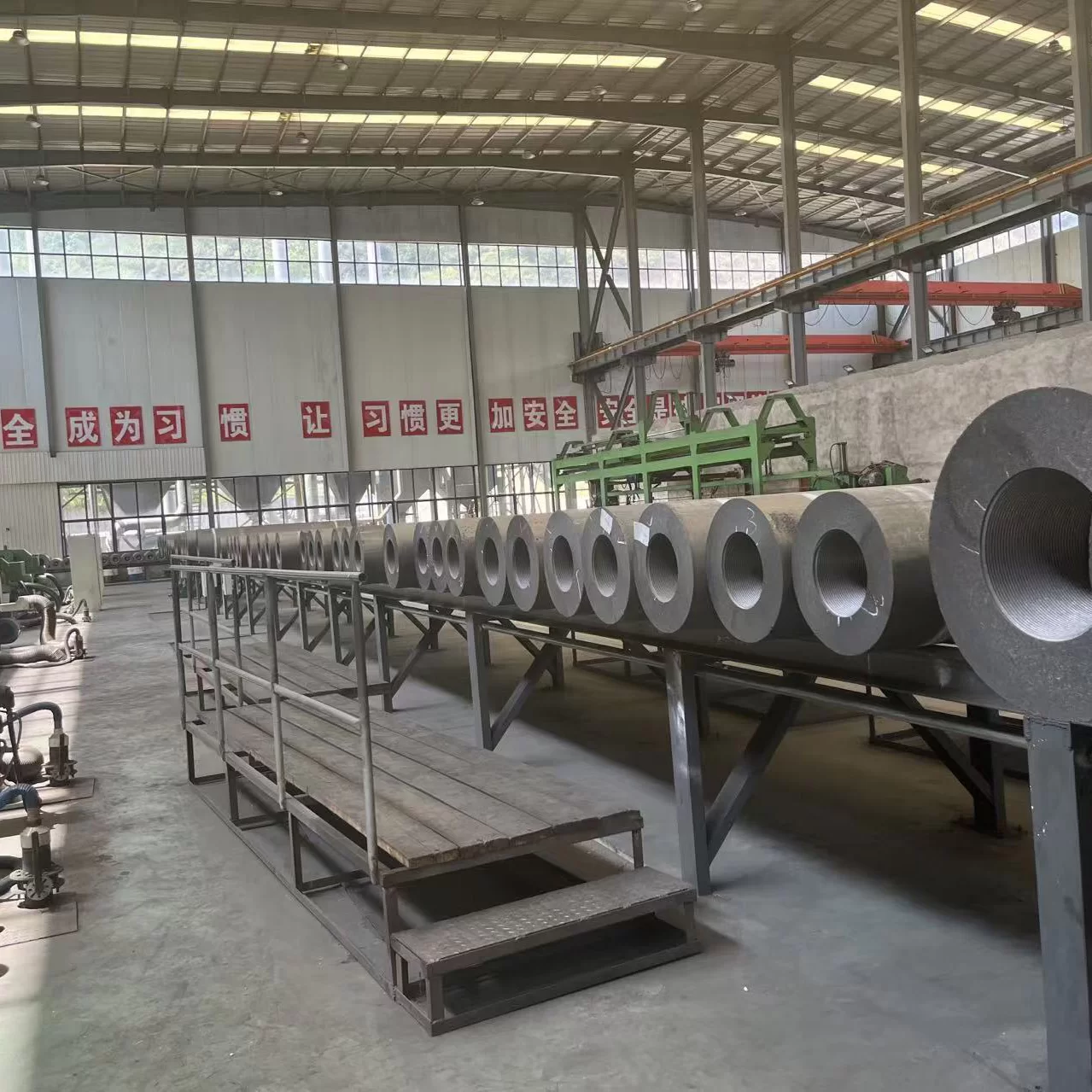
Alright, let's talk about something that, to be honest, rarely gets the spotlight but is absolutely critical to modern industry: the HP 600mm graphite electrode. When we think about steel, aluminum, or really any metal produced in an electric arc furnace (EAF), these electrodes are the unsung heroes. They're the conduits for immense electrical power, turning raw materials into the stuff that builds our world. It's not just a chunk of graphite; it’s a high-performance, precision-engineered component operating under extreme conditions.
The Backbone of Electric Arc Furnaces
You see, the steel industry, in particular, has been undergoing a massive shift. There's a growing push for more sustainable production methods, and electric arc furnaces are a big part of that. They use scrap metal as their primary feedstock, reducing the environmental footprint significantly compared to traditional blast furnaces. And guess what's at the heart of an EAF? Yep, it’s those powerful graphite electrodes. The "HP" in HP 600mm graphite electrode stands for "High Power," which means it's designed to handle higher current densities and temperatures, crucial for efficient melting.
A 600mm diameter electrode is, let's be frank, a hefty piece of kit. It's typically used in medium-to-large scale EAFs and ladle furnaces (LFs), demanding exceptional structural integrity and electrical conductivity. These aren't just commodity items; they're vital to operational efficiency and cost-effectiveness in steel mills globally. Many customers I've spoken with emphasize that electrode quality directly impacts their bottom line, both in terms of consumption rate and furnace uptime.
Crafting Excellence: The Manufacturing Process
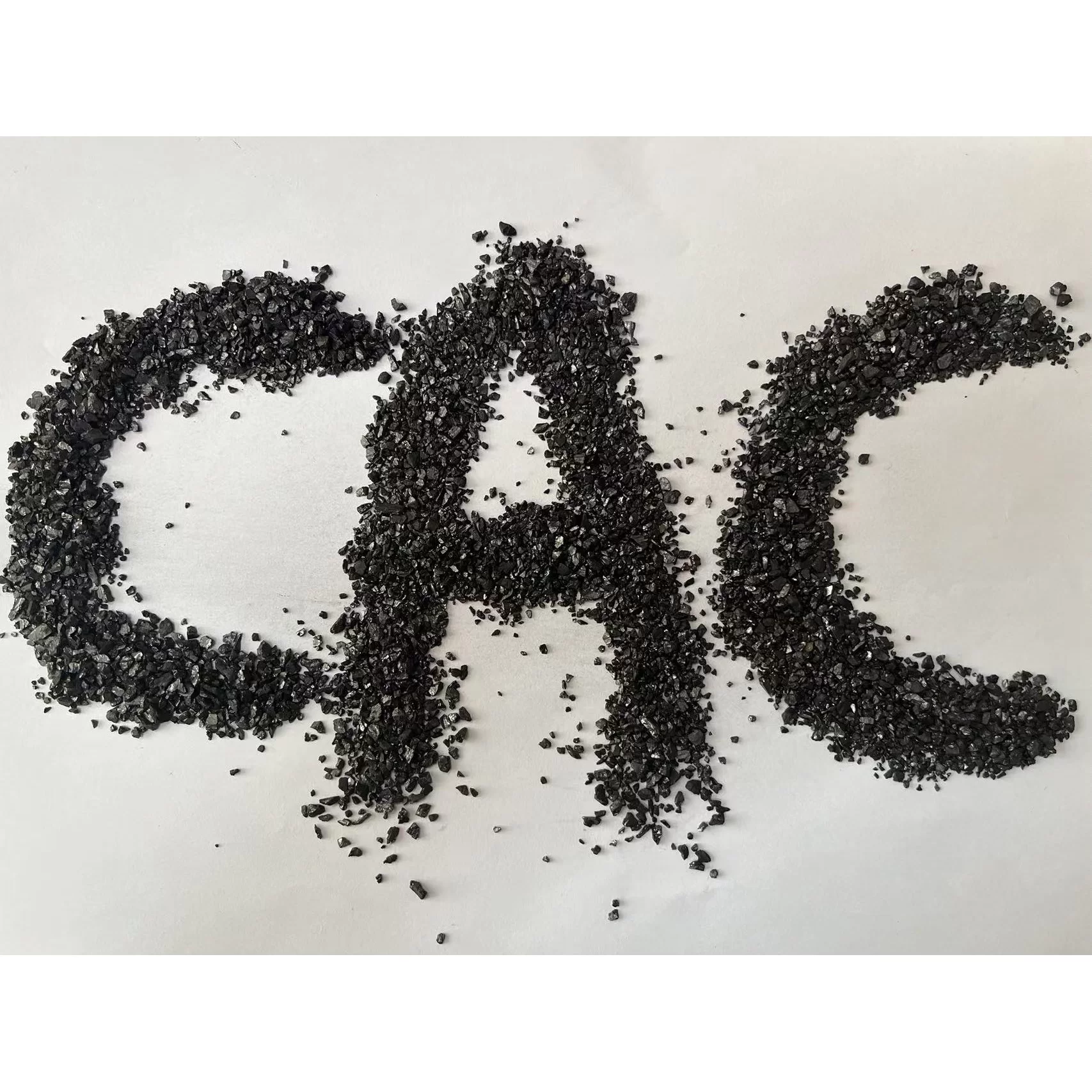
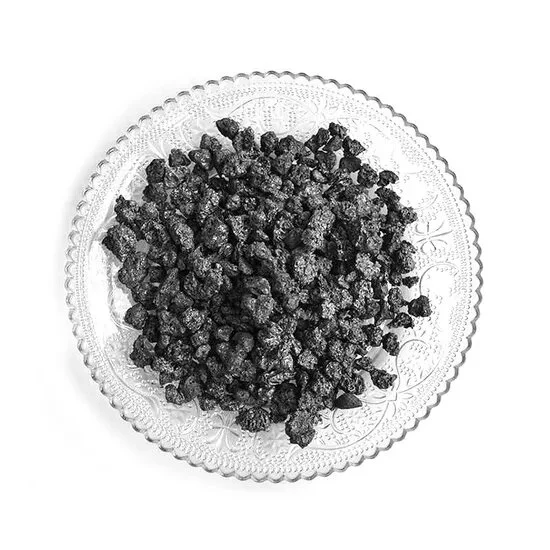
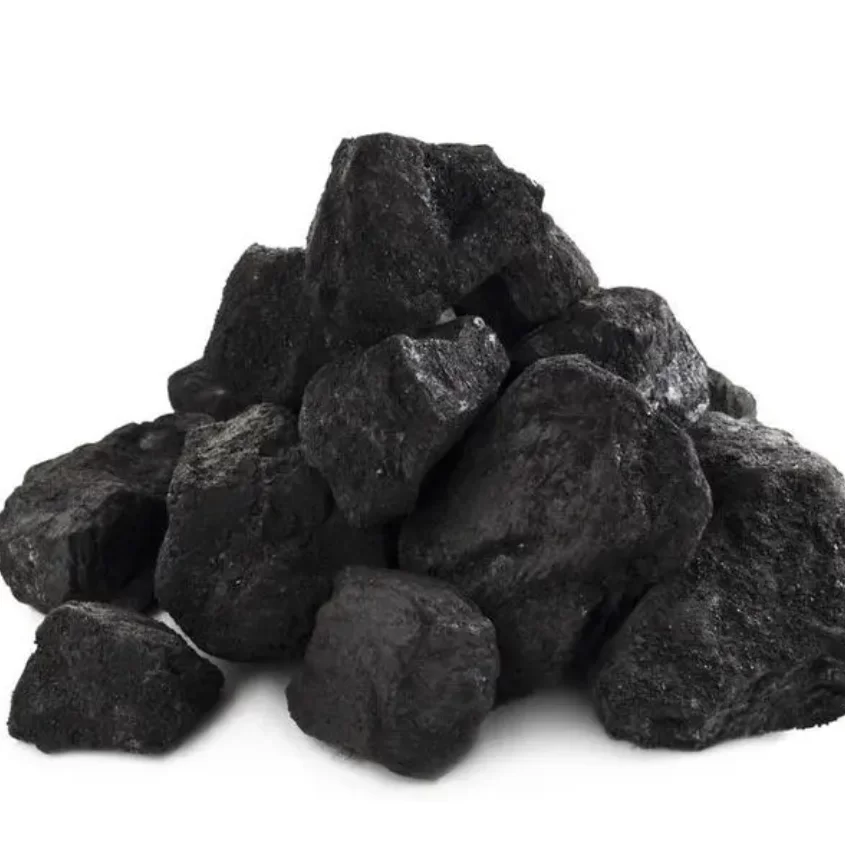
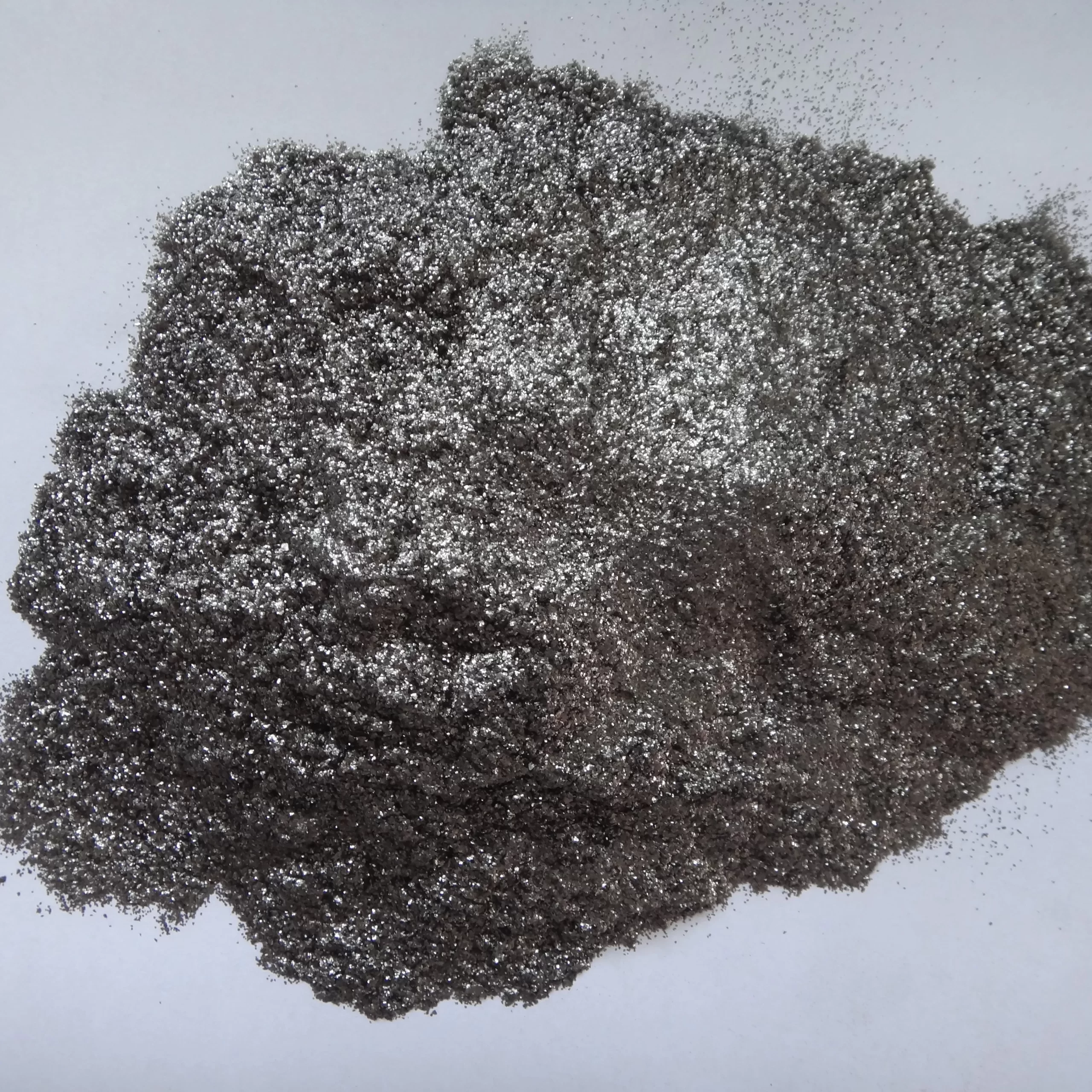
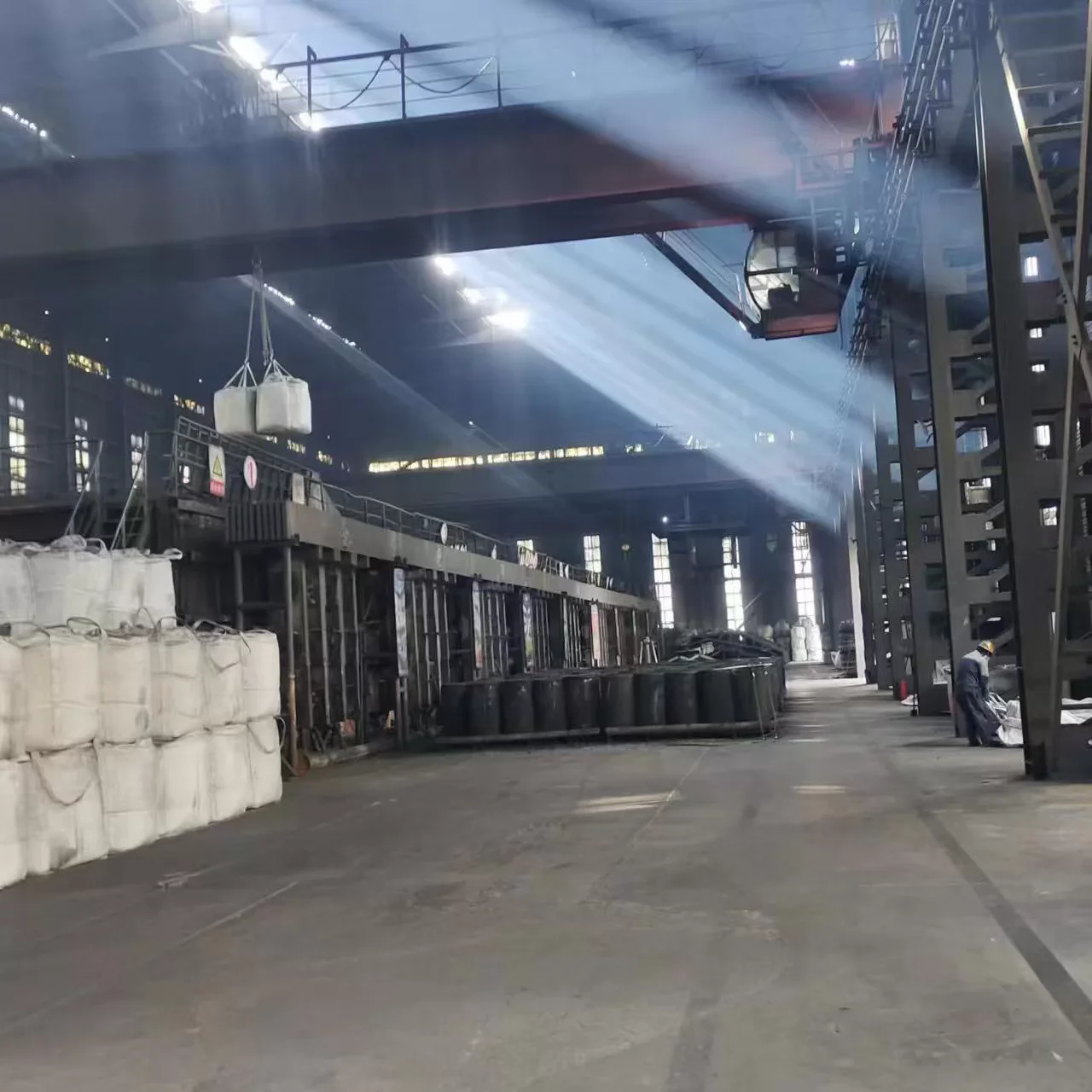
So, how do you make one of these powerhouses? It's quite a fascinating process, actually, a real testament to materials science and engineering. It starts with carefully selected raw materials: primarily petroleum coke and needle coke (a form of petroleum coke known for its high graphitizability and low thermal expansion). Tar pitch acts as the binder, holding everything together.
· Preparation: The cokes are crushed, sized, and mixed with the coal tar pitch in specific ratios. Consistency here is key, I guess, for the final product's performance.
· Extrusion/Molding: This paste is then extruded through a die (for larger electrodes) or molded under pressure to form the green electrode body.
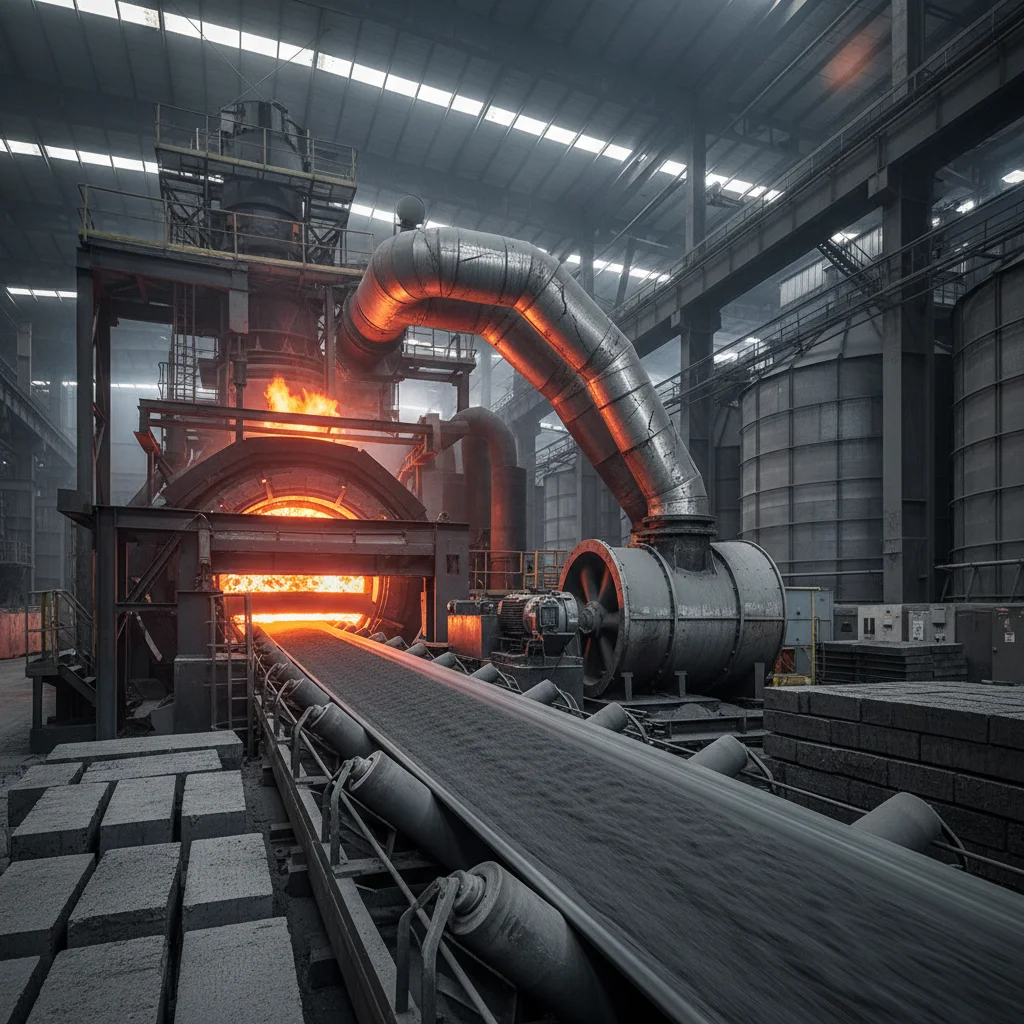
· Baking: The green electrodes are baked at temperatures up to 1000°C in specialized furnaces. This process carbonizes the pitch, turning it into a carbon binder and increasing the electrode's strength.
· Impregnation (Optional, but common for HP/UHP): To improve density and electrical conductivity, some electrodes undergo pitch impregnation, followed by a second baking cycle.
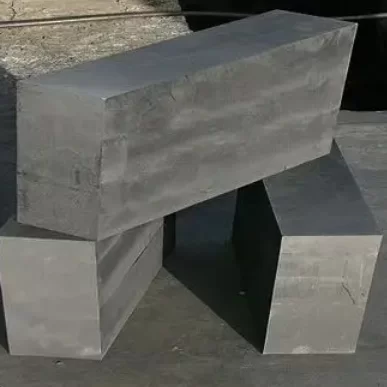
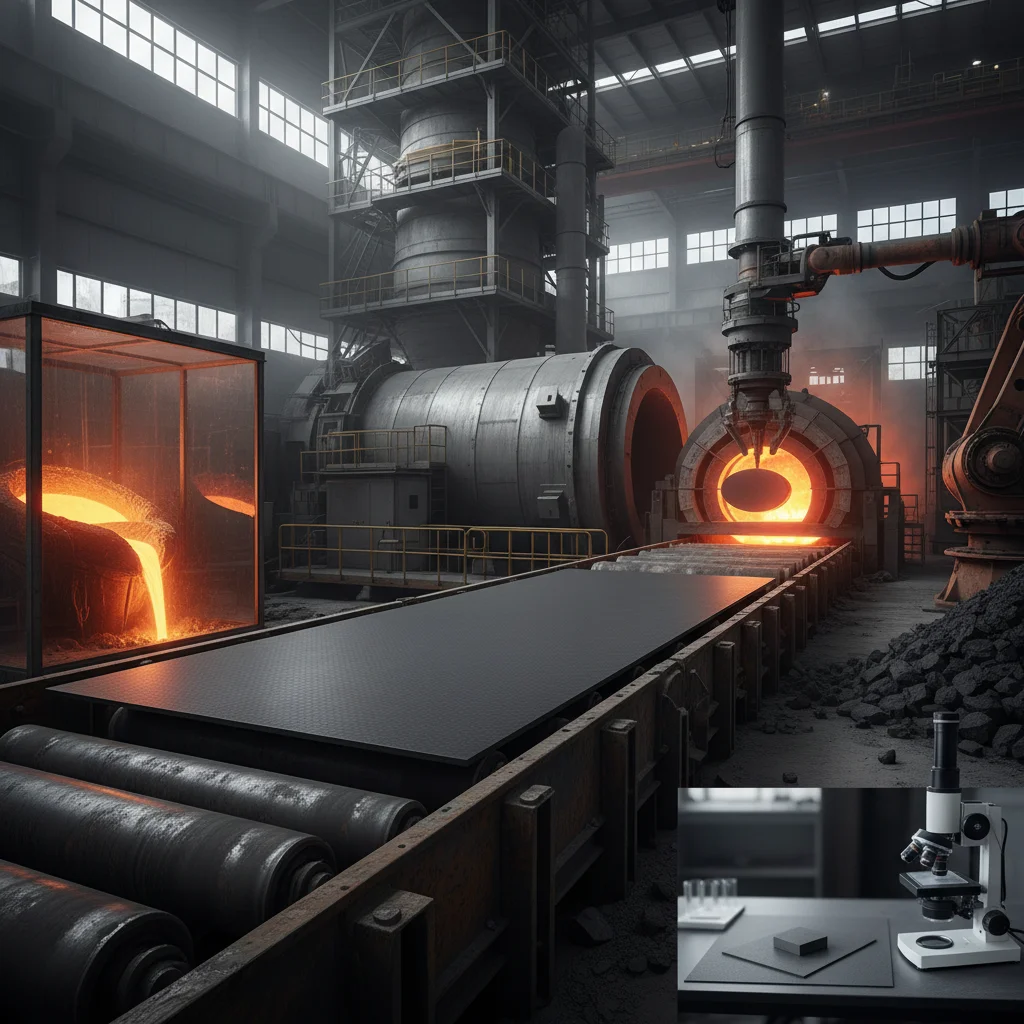
· Graphitization: This is where the magic happens. The baked electrodes are heated to incredibly high temperatures, often exceeding 2800°C, in a graphitization furnace. This rearranges the carbon atoms into a crystalline graphite structure, dramatically improving electrical conductivity and thermal shock resistance.
· Machining & Nipple Preparation: Finally, the graphitized electrodes are machined to precise dimensions, and threaded sockets are created for connecting nipples, which link individual electrodes together to form a column.
Throughout this entire process, rigorous testing standards are applied. We're talking about checks for bulk density, resistivity, flexural strength, thermal expansion, and even oxidation resistance. A reputable manufacturer won't skimp on these details; their certifications, like ISO 9001, are a good indicator of quality control.
Advantages & Key Specifications of an HP 600mm Electrode
The advantages of a well-made HP 600mm graphite electrode are clear: low electrical resistance, excellent thermal conductivity, impressive resistance to thermal shock (think massive temperature swings!), and high mechanical strength. This combination ensures a longer service life and better performance in demanding EAF environments. Here’s a quick look at some typical specifications you'd expect:
Characteristic | Typical Value (HP 600mm Graphite Electrode) |
Diameter | 600 mm |
Bulk Density | ≈ 1.68 – 1.72 g/cm³ |
Specific Resistance | ≈ 6.5 – 7.5 µΩ·m |
Flexural Strength | ≈ 11 – 13 MPa |
Ash Content | Max 0.3% |
CTE (20-600°C) | Max 2.0-2.5 x 10⁻⁶/°C |
Note: Real-world use may vary slightly depending on specific manufacturing processes and application conditions.
Choosing the Right Supplier: More Than Just Price
When it comes to sourcing HP 600mm graphite electrodes (or even RP graphite electrode manufacturers, for that matter), it's never just about the lowest price. A reliable vendor offers consistency, technical support, and the ability to customize. For instance, some operations might need slightly different nipple designs or specific packaging. You want a partner, not just a seller, someone who understands your furnace and operational nuances.
Factor | What to Look For |
Quality & Consistency | Proven track record, strict QC, authoritative certifications (e.g., ISO, national standards). |
Technical Support | On-site support, troubleshooting, optimization advice. |
Customization | Ability to tailor dimensions, coatings, or nipple configurations. |
Delivery & Logistics | Reliable lead times, secure packaging, global shipping experience. |
Cost-Effectiveness | Balance of price and performance, low consumption rates. |
The Future of High-Power Electrodes
The industry is constantly evolving. Manufacturers are always pushing for even lower resistivity, higher oxidation resistance, and better mechanical strength. Surprisingly, there's even work being done on new coatings to extend electrode life further, especially in aggressive furnace atmospheres. As steelmaking continues to move towards greener practices and increased efficiency, the demand for advanced HP 600mm graphite electrodes will only grow. It's an exciting time, really, to be involved in this sector.
I've seen firsthand how a mill that switches to a consistently high-quality electrode supplier can dramatically reduce its electrode consumption rate, leading to significant savings and a more stable production schedule. It seems that the initial investment in a premium product always pays off in the long run. Good customer feedback often highlights not just the product's performance but also the vendor's responsive service.
Final Thoughts
So, there you have it. The HP 600mm graphite electrode might not be glamorous, but it's an indispensable component driving modern metallurgical processes. Its intricate manufacturing, demanding specifications, and critical role in industrial applications make it a fascinating subject. As long as we need steel and other metals, these high-power graphite giants will continue to be at the forefront.
Authoritative Citations
1. The Iron & Steel Technology Magazine, Association for Iron & Steel Technology (AIST).
2. Graphite Electrode Manufacturers' Association (GEMA) Technical Guidelines.