Maximizing Industrial Efficiency with High-Quality Carbon Additive
In the modern landscape of metallurgy and materials science, the role of a carbon additive is indispensable. These specialized materials are engineered to optimize the chemical composition of alloys, enhance structural integrity, and improve the overall performance of industrial products. Whether used in steelmaking or the production of advanced ceramics, the right additive can mean the difference between a standard product and a high-performance industrial asset. This guide explores the technical nuances, applications, and selection criteria for premium carbon solutions to help manufacturers achieve superior results.

The Critical Role of Carbon Additive in Metallurgy
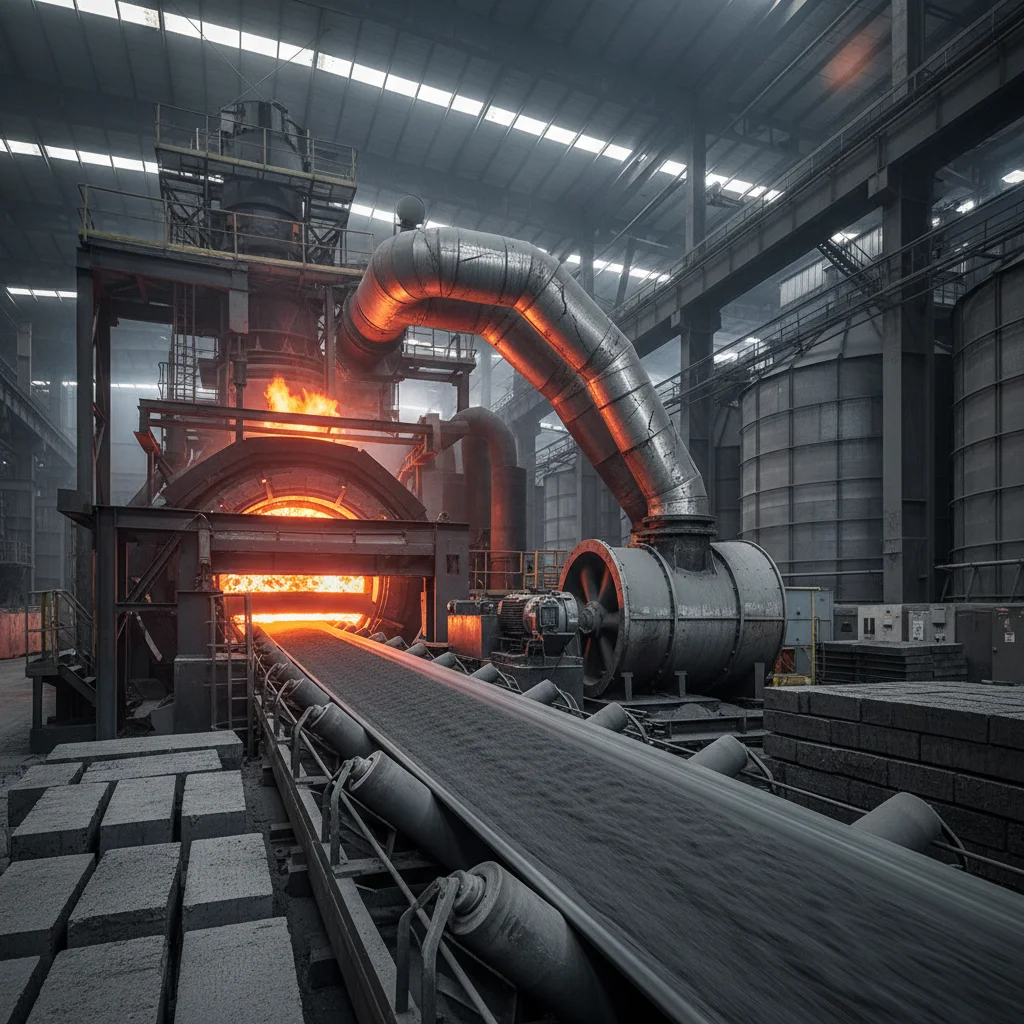
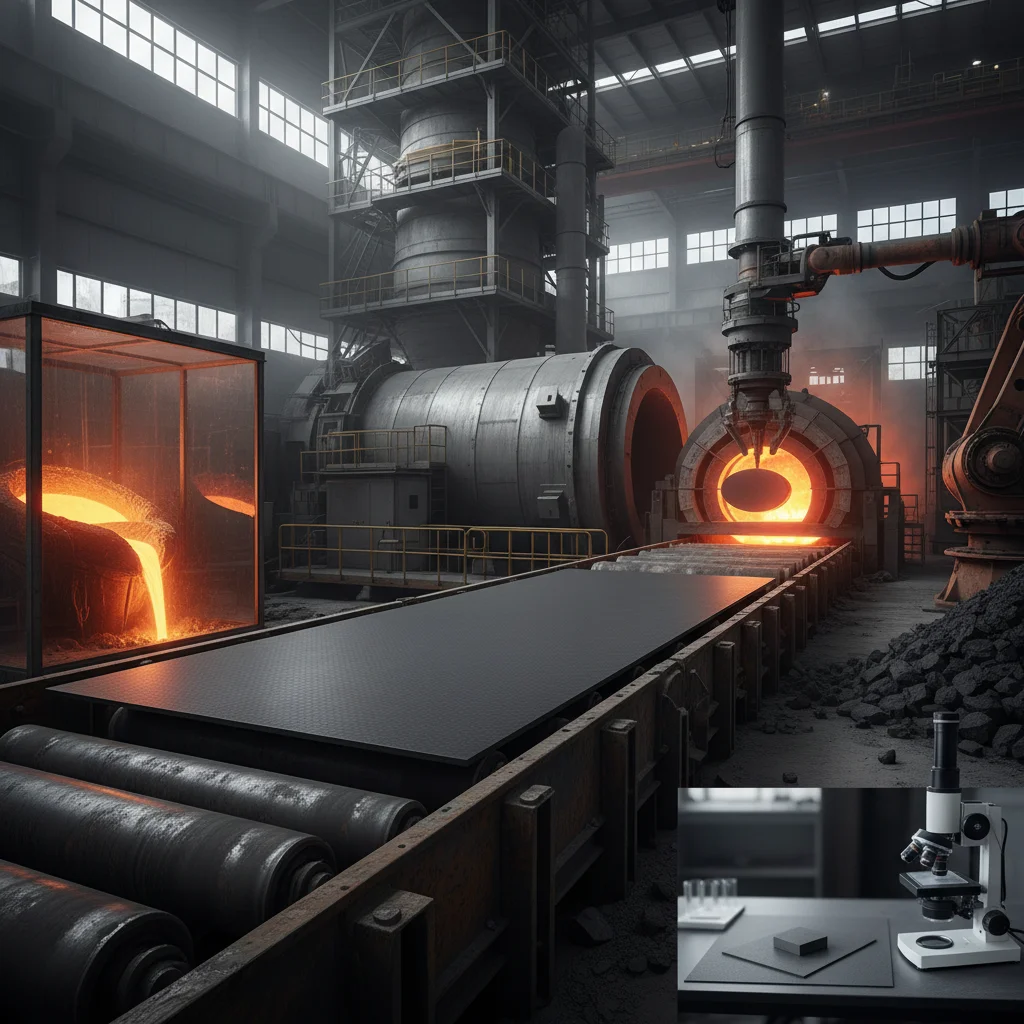
Carbon serves as the primary hardening agent in steel production. By introducing a precise amount of carbon additive, manufacturers can control the hardness, ductility, and tensile strength of the resulting metal. High-purity additives reduce the presence of impurities like sulfur and phosphorus, which can lead to brittleness and structural failure. Optimizing the carbon content allows for the creation of everything from flexible low-carbon steels for automotive frames to ultra-hard tool steels for industrial cutting equipment.
Industry Impact: Utilizing high-grade carbon recarburizers not only improves product quality but also reduces energy consumption during the smelting process by increasing reaction efficiency.
Comparing Different Types of Carbon Additives
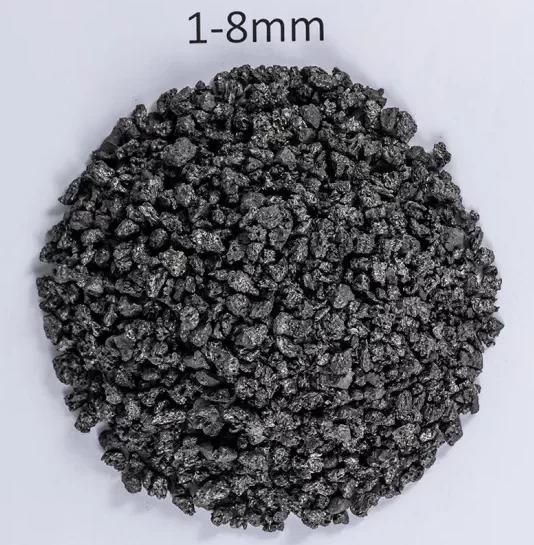
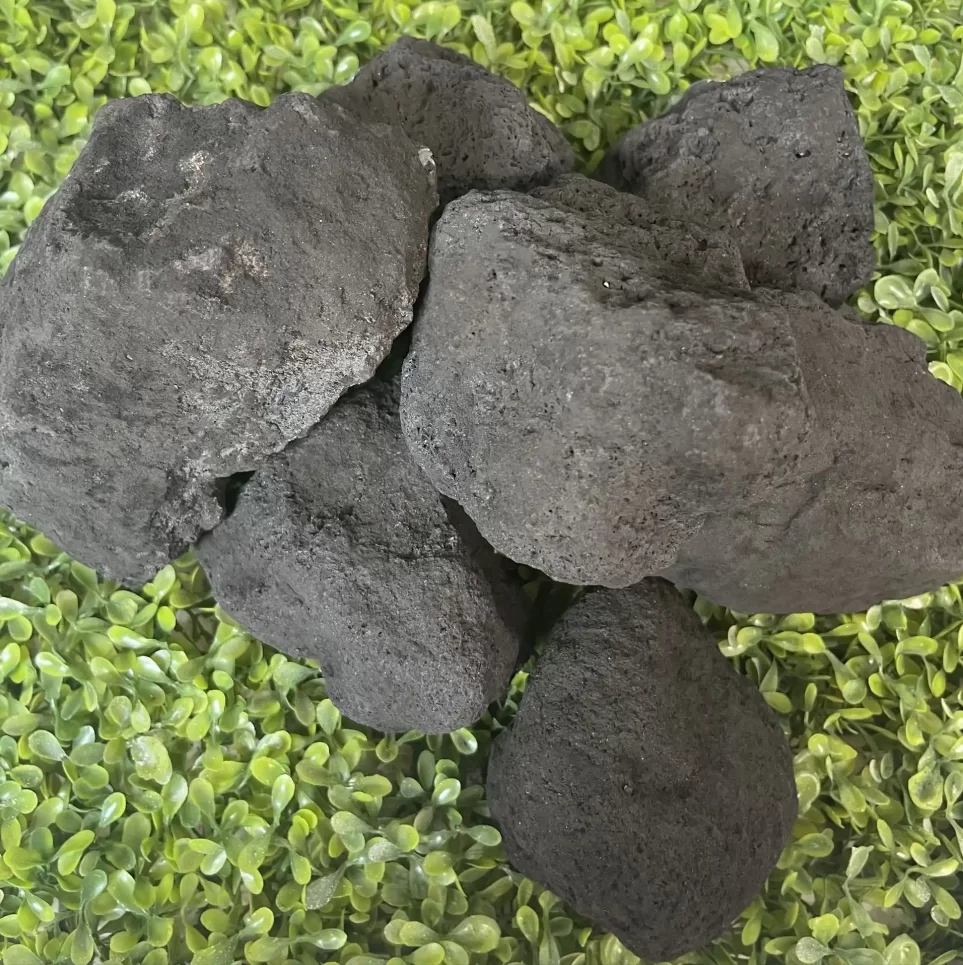
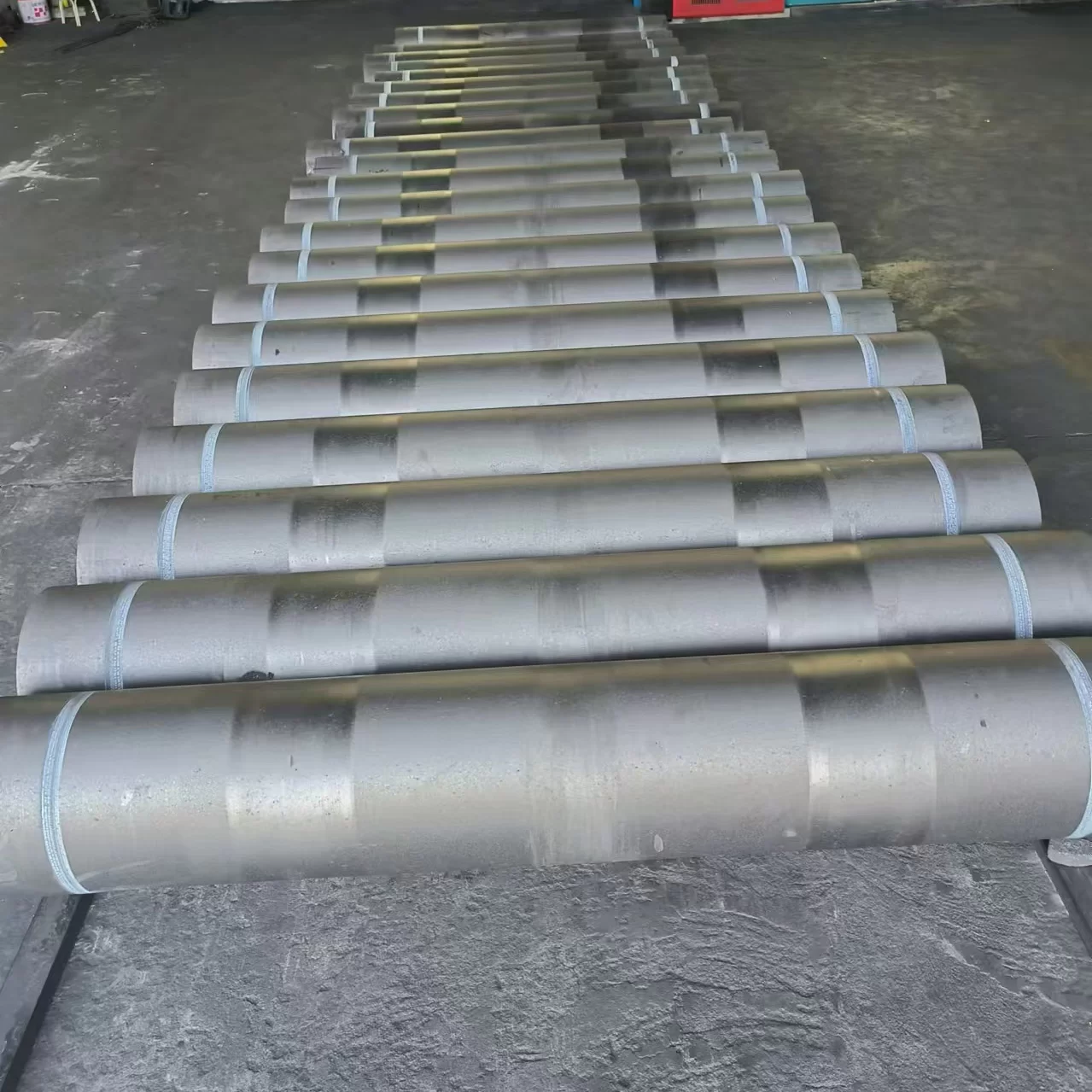
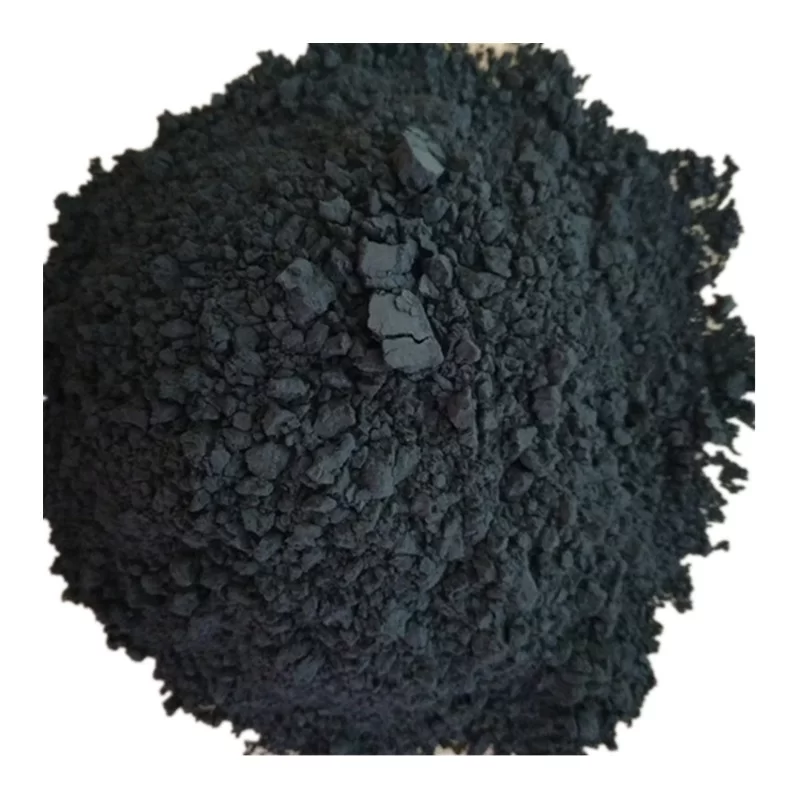
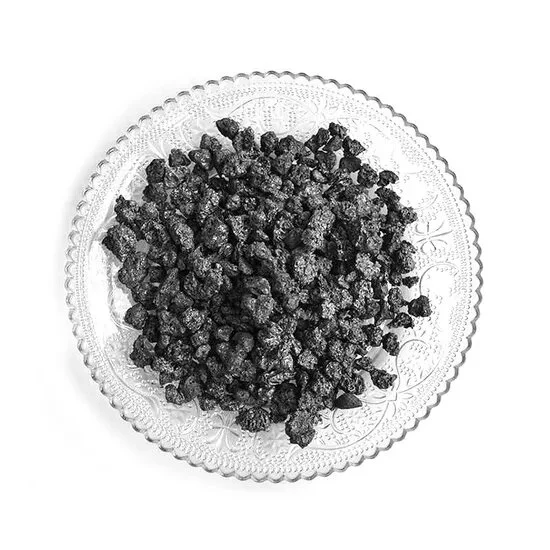
Not all carbon sources are created equal. Depending on the industrial requirement, manufacturers may choose between graphite, coke, or specialized carbon compounds. The choice of carbon additive depends on the desired reaction speed, purity levels, and cost-effectiveness. Graphite is often preferred for high-end applications due to its purity, while calcined petroleum coke is widely used for bulk recarburization in electric arc furnaces.
How to Optimize Carbon Additive Dosage
Precision is everything when dealing with carbon levels. Over-carbonization can lead to excessive brittleness, making the metal prone to cracking under stress. Conversely, under-carbonization results in a soft material that lacks the necessary wear resistance. To achieve the perfect balance, engineers must consider the base metal composition and the temperature of the melt. Using a high-quality carbon additive ensures a consistent carbon recovery rate, minimizing waste and reducing the need for repeated adjustments.
Environmental Impact and Sustainable Carbon Additive
As the global industry shifts toward "Green Steel" and sustainable manufacturing, the source of carbon additive has come under scrutiny. Modern producers are now focusing on reducing the volatile matter and ash content in their products. By utilizing higher purity carbon, factories can reduce the emission of harmful gases and decrease the amount of slag produced. This not only helps in meeting strict environmental regulations but also lowers the cost of waste management for the plant.
Technical Specifications of Premium Carbon Solutions
When sourcing materials, procurement managers should focus on specific technical parameters. The fixed carbon percentage is the most critical metric, as it determines the actual amount of carbon available for the alloy. Additionally, the grain size (mesh size) affects how quickly the additive dissolves into the melt. A consistent carbon additive specification ensures that the production line maintains a steady output without unexpected quality fluctuations.
Practical Applications Across Diverse Industries
The utility of a carbon additive extends far beyond simple steelmaking. In the automotive sector, it is used to create high-strength lightweight alloys for engine components. In the aerospace industry, ultra-pure carbon is essential for manufacturing carbon-carbon composites that can withstand extreme temperatures. Even in the construction industry, carbon-enhanced alloys are used to create reinforced bars that provide superior earthquake resistance. The versatility of carbon ensures that it remains a cornerstone of industrial evolution.
Conclusion: Elevating Quality with Precision Carbon
Selecting the right carbon additive is a strategic decision that impacts every stage of the production cycle, from energy costs to the final product's lifespan. By focusing on purity, precise dosage, and sustainable sourcing, manufacturers can significantly enhance their competitive edge in the global market. Investing in premium carbon solutions is not just about meeting specifications—it is about ensuring long-term structural reliability and industrial excellence.
Frequently Asked Questions (FAQs)
What is the primary purpose of using a carbon additive in steel?
The primary purpose is "recarburization," which is the process of adding carbon to molten iron or steel to achieve a specific carbon percentage. Carbon is the main element that determines the hardness and strength of steel. Without a precise carbon additive, the steel would be too soft for structural use or too brittle for machining. Proper additives ensure the balance between toughness and hardness, allowing for the creation of various steel grades suited for different engineering needs.
How does the purity of the additive affect the final product?
Purity is critical because impurities such as sulfur, phosphorus, and ash can introduce defects into the metal lattice. High sulfur levels, for example, can lead to "hot shortness," where the steel becomes brittle and cracks during hot working. A high-purity carbon additive minimizes these risks, ensuring a cleaner melt, reducing the need for expensive refining steps, and resulting in a product with superior fatigue resistance and a smoother surface finish.
Can different grain sizes of carbon additive change the reaction time?
Yes, grain size significantly impacts the dissolution rate. Finer powders have a larger surface-area-to-volume ratio, which allows them to react and dissolve into the molten metal much faster than large chunks. However, very fine powders can sometimes be lost to oxidation or "blow-out" due to gas evolution in the furnace. Therefore, selecting a carbon additive with a balanced mesh size is essential to maximize carbon recovery and maintain efficient production timelines.
What is the difference between carbon recovery and carbon content?
Carbon content refers to the percentage of carbon present in the raw carbon additive. Carbon recovery, however, is the actual percentage of that carbon that successfully dissolves into the melt. Not all carbon added to a furnace ends up in the steel; some is lost as CO or CO2 gas. High-quality additives are designed to maximize the recovery rate, meaning you need to add less material to achieve the target carbon level, thereby reducing costs and furnace slag.