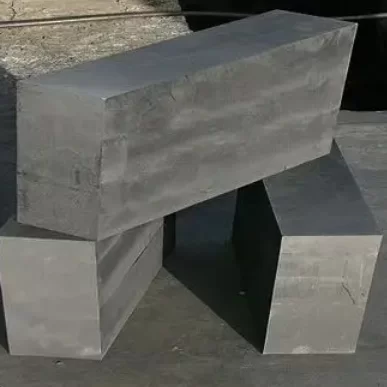
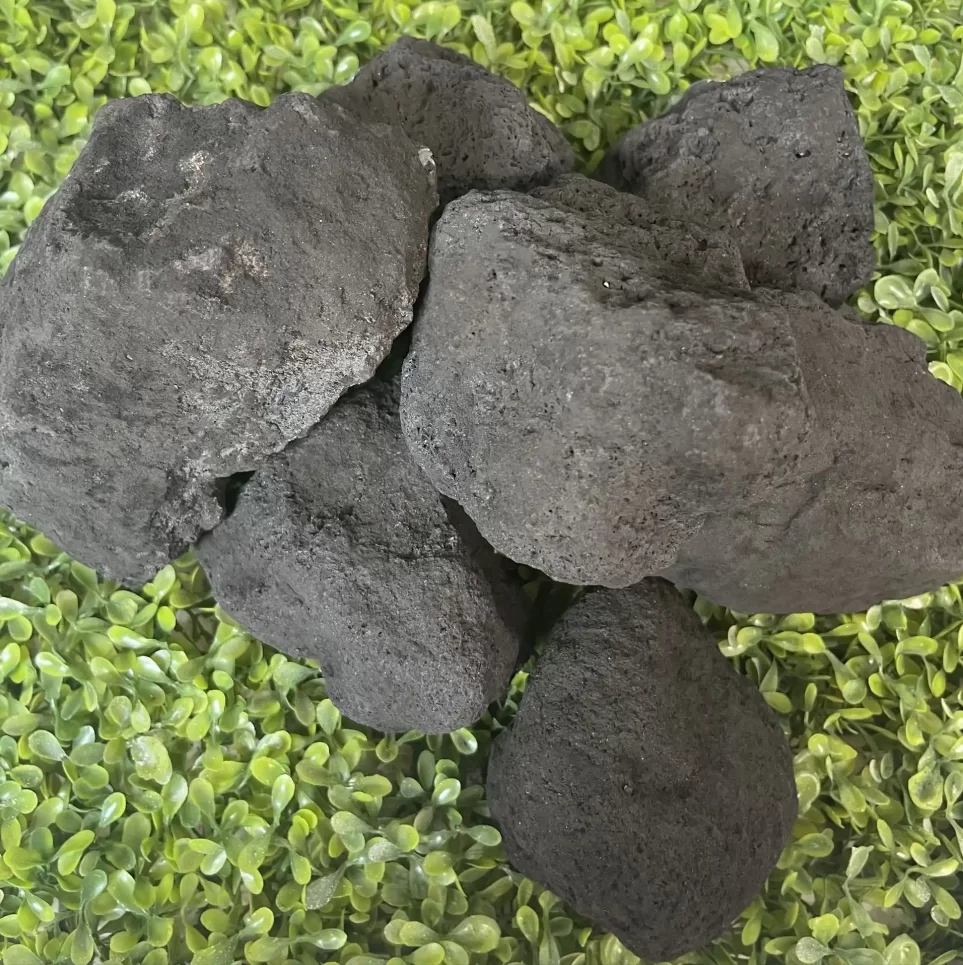
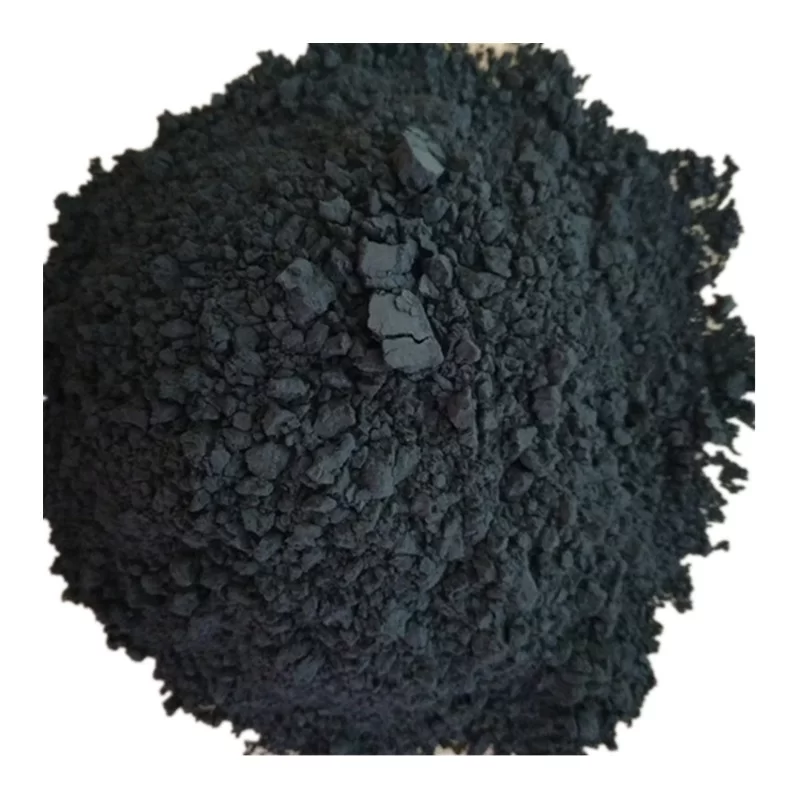
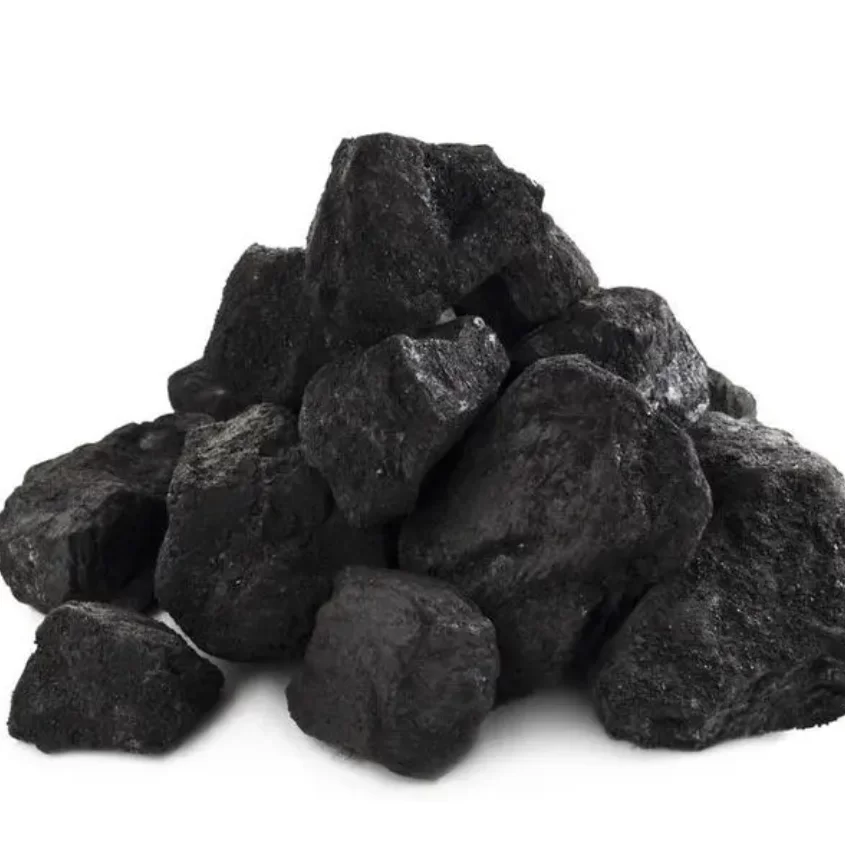
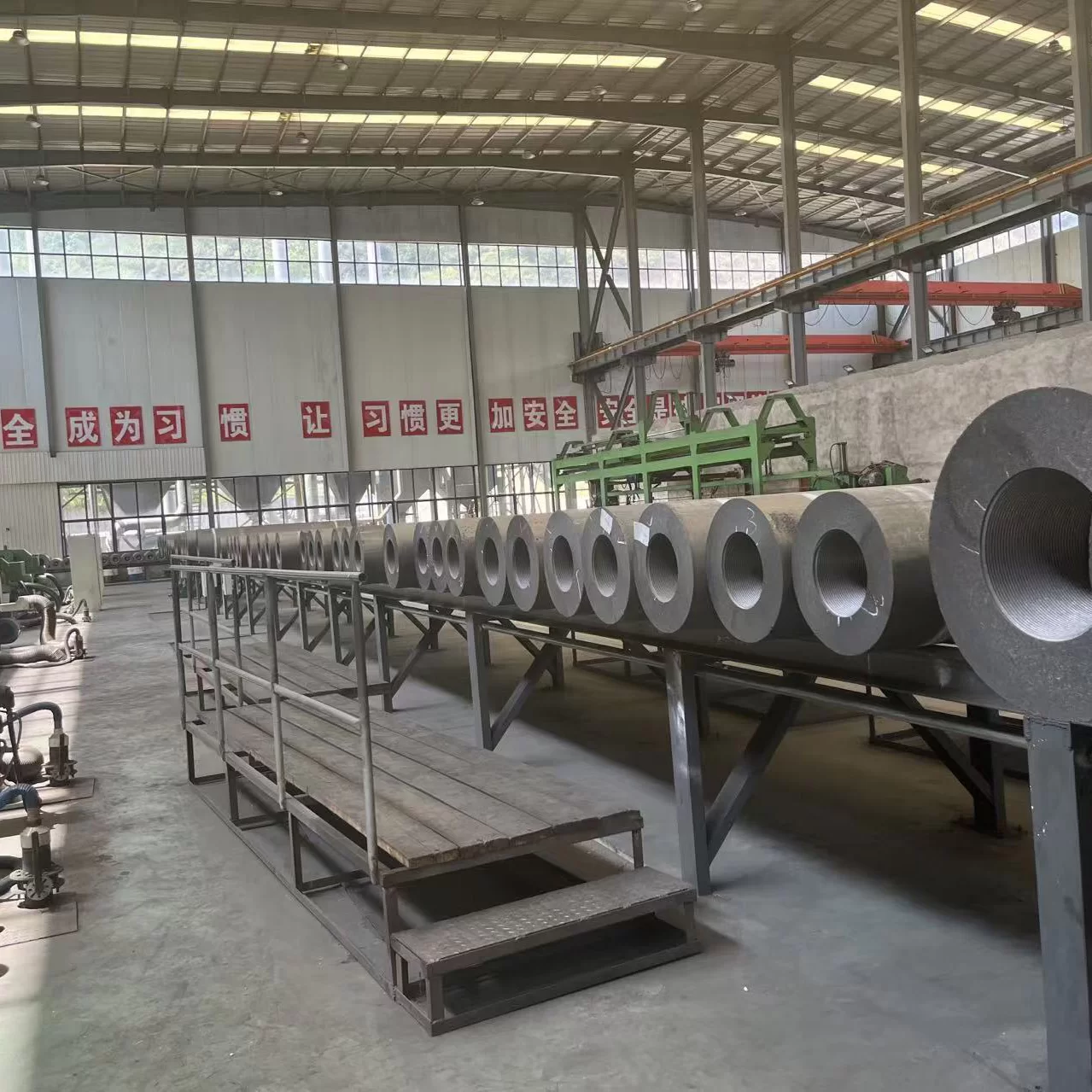
Graphitized Petroleum Coke: The Ultimate Guide to High-Performance Carbon
In the world of industrial carbon materials, Graphitized Petroleum Coke serves as a cornerstone for numerous high-tech applications. By subjecting petroleum coke to extreme temperatures, the amorphous carbon structure is transformed into a crystalline graphite structure, drastically enhancing its electrical conductivity and thermal stability. Whether it is used in the production of electrodes or as a specialized additive in metallurgy, the quality of the graphitization process determines the final performance of the end product. This guide explores the technical nuances, benefits, and industrial applications of this essential material.
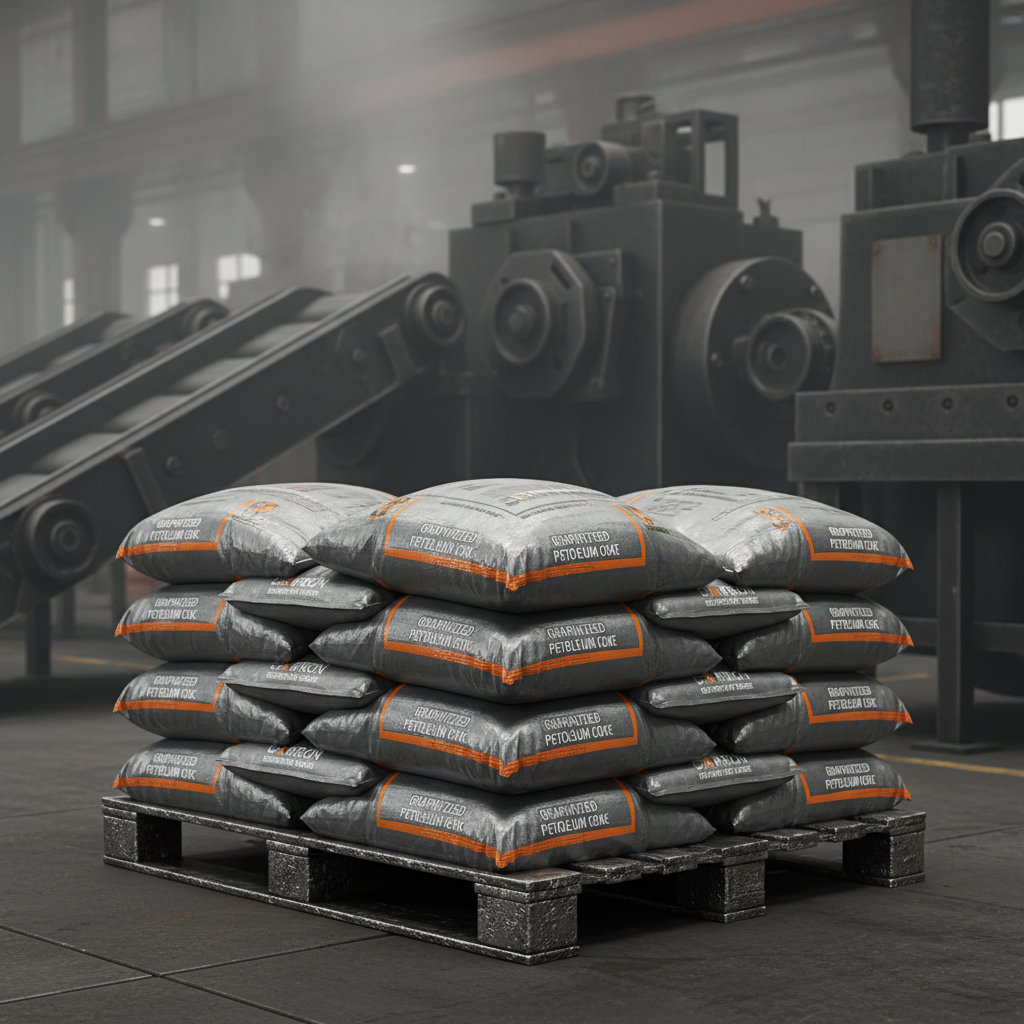
The Graphitization Process of Petroleum Coke
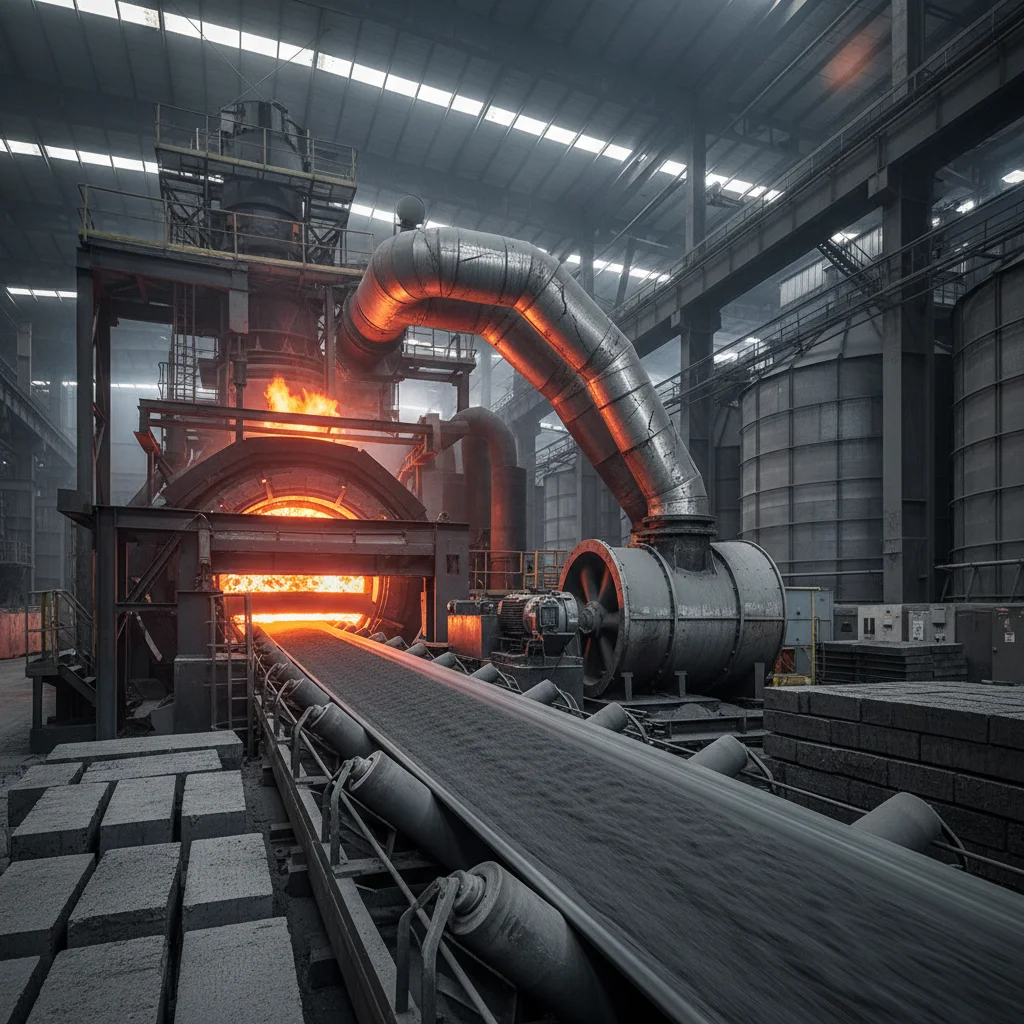
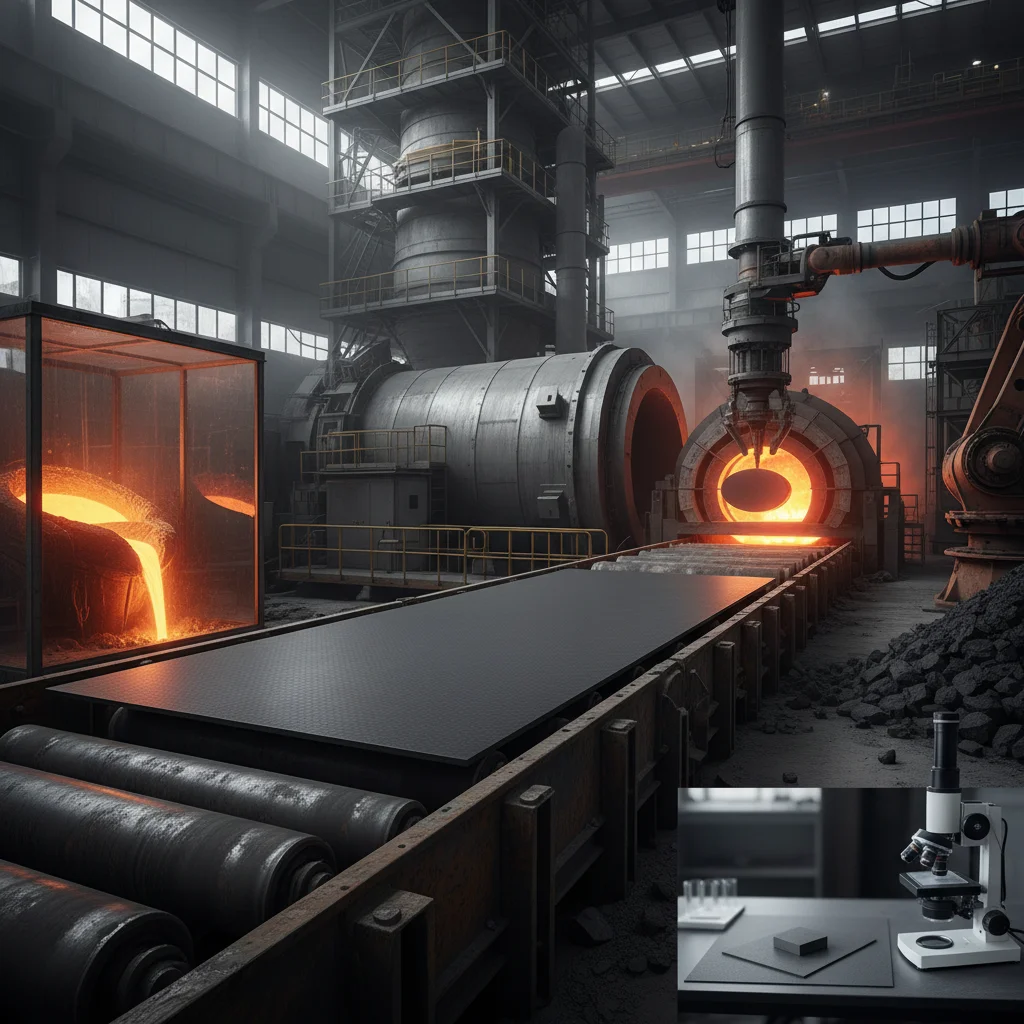
The transition from standard calcined petroleum coke to Graphitized Petroleum Coke occurs in high-temperature furnaces, typically reaching temperatures between 2,500°C and 3,000°C. During this stage, the carbon atoms rearrange themselves into hexagonal layers, creating a highly ordered structure. This structural evolution is critical because it reduces electrical resistivity and increases the material's resistance to chemical erosion. Precise temperature control and residence time are the two most vital factors in ensuring a uniform graphitization degree across the entire batch of material.
Technical Insight: The "Graphitization Degree" refers to the percentage of the carbon that has successfully converted to a graphite structure. A higher degree directly correlates to lower electrical resistivity and better thermal conductivity.
Key Advantages of Using Graphitized Petroleum Coke
Industries prefer Graphitized Petroleum Coke over raw coke due to its superior physical and chemical properties. The most notable advantage is its extreme thermal stability, allowing it to withstand rapid temperature fluctuations without cracking. Additionally, its high purity levels minimize contamination in smelting processes. The improved lubricity and conductivity make it an indispensable component in the manufacturing of high-quality graphite electrodes and carbon brushes, ensuring longer operational lifespans and higher energy efficiency.
Primary Performance Benefits:
• Significantly lower electrical resistivity for better current flow
• Enhanced resistance to oxidation and chemical corrosion
• Superior thermal shock resistance
• Higher density and lower porosity compared to standard coke
Comparing Graphitized vs. Calcined Petroleum Coke
Understanding the difference between these two forms of carbon is essential for procurement and engineering. While calcined coke is treated at lower temperatures to remove volatiles, Graphitized Petroleum Coke undergoes a total structural transformation. This results in a material that is not only more conductive but also more stable under the extreme electrical loads found in electric arc furnaces (EAF). The following table highlights the critical technical distinctions:
Industrial Applications of Graphitized Petroleum Coke
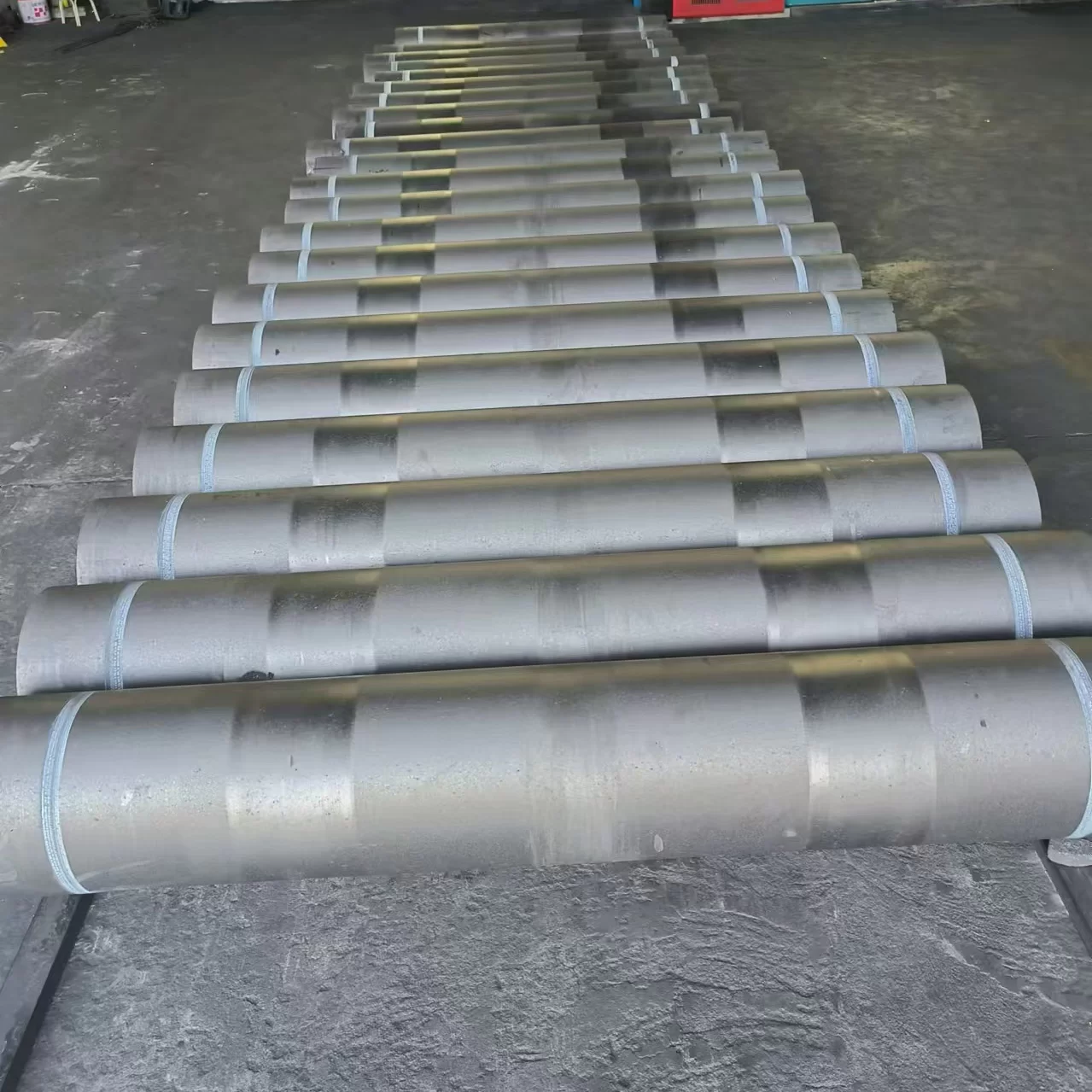
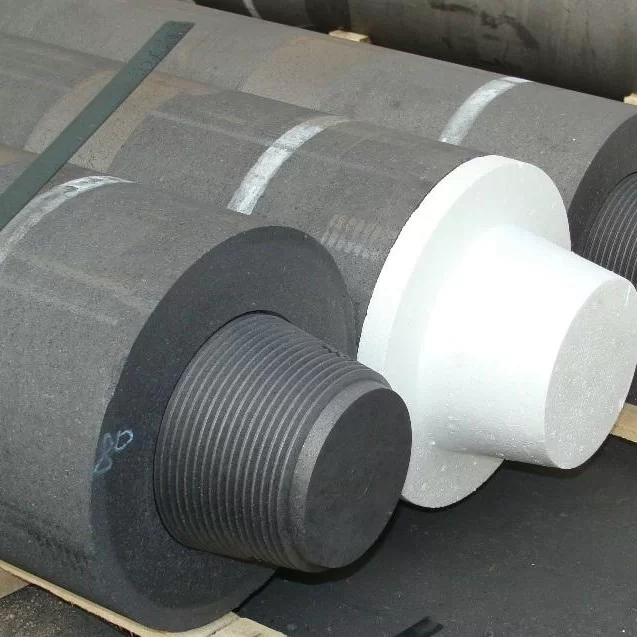
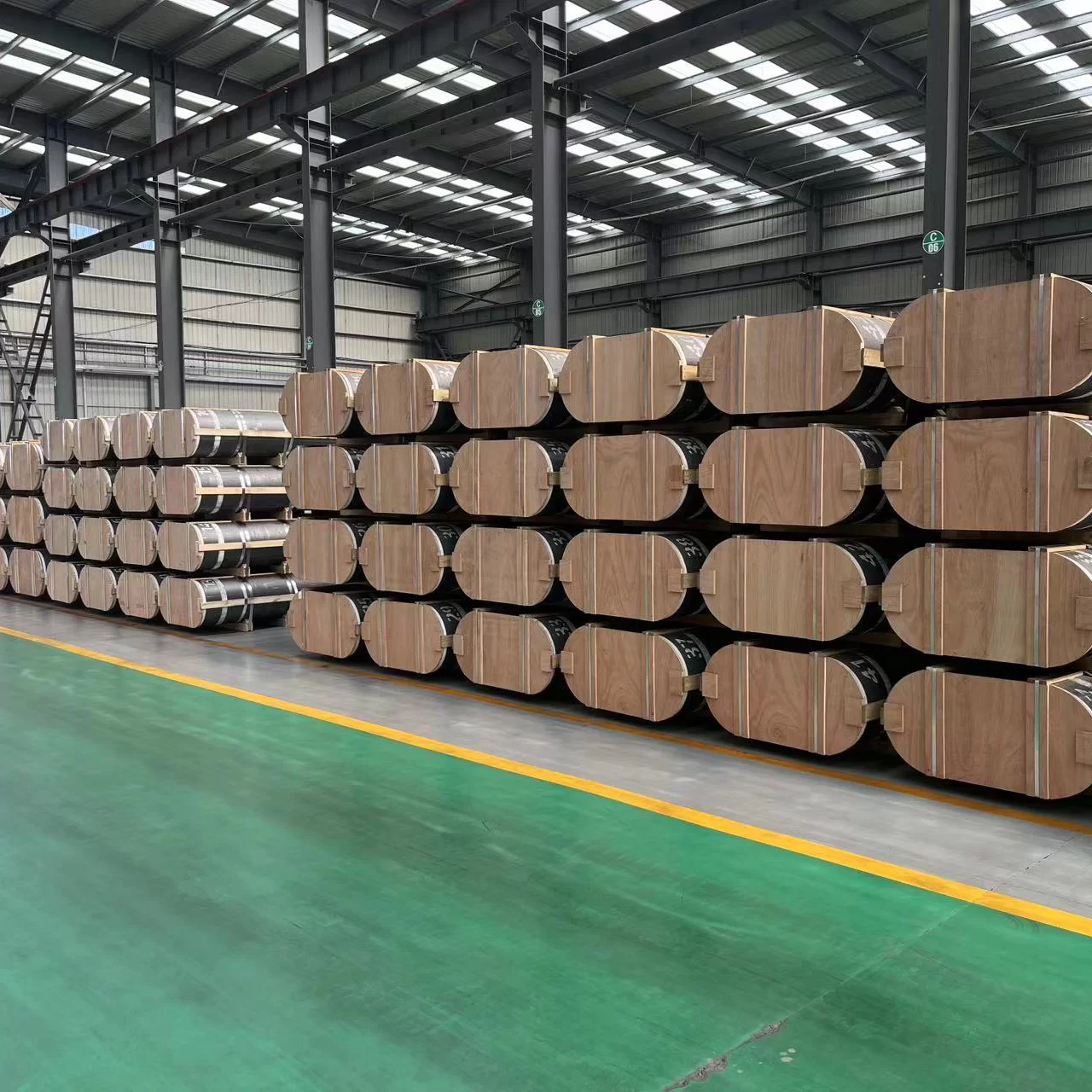
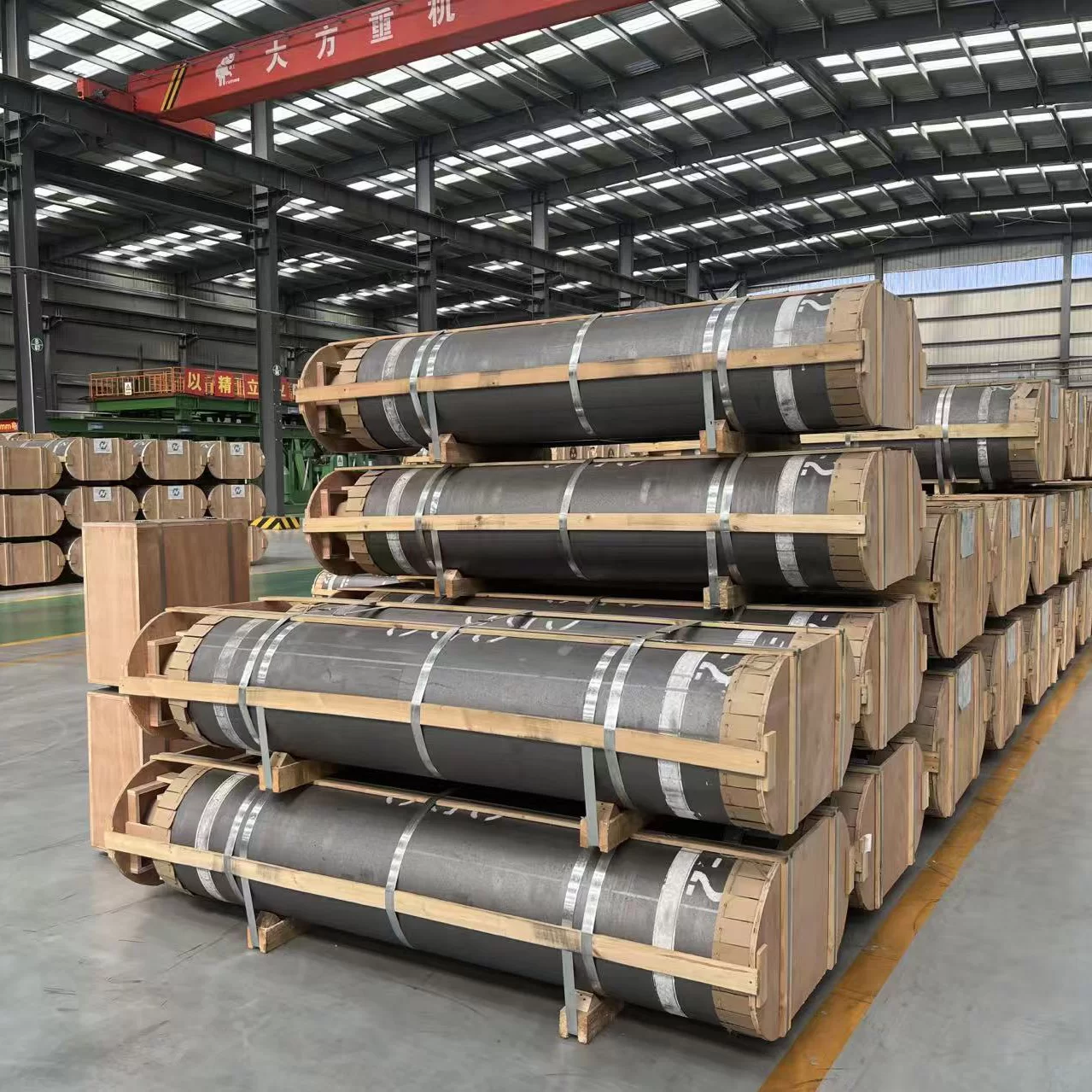
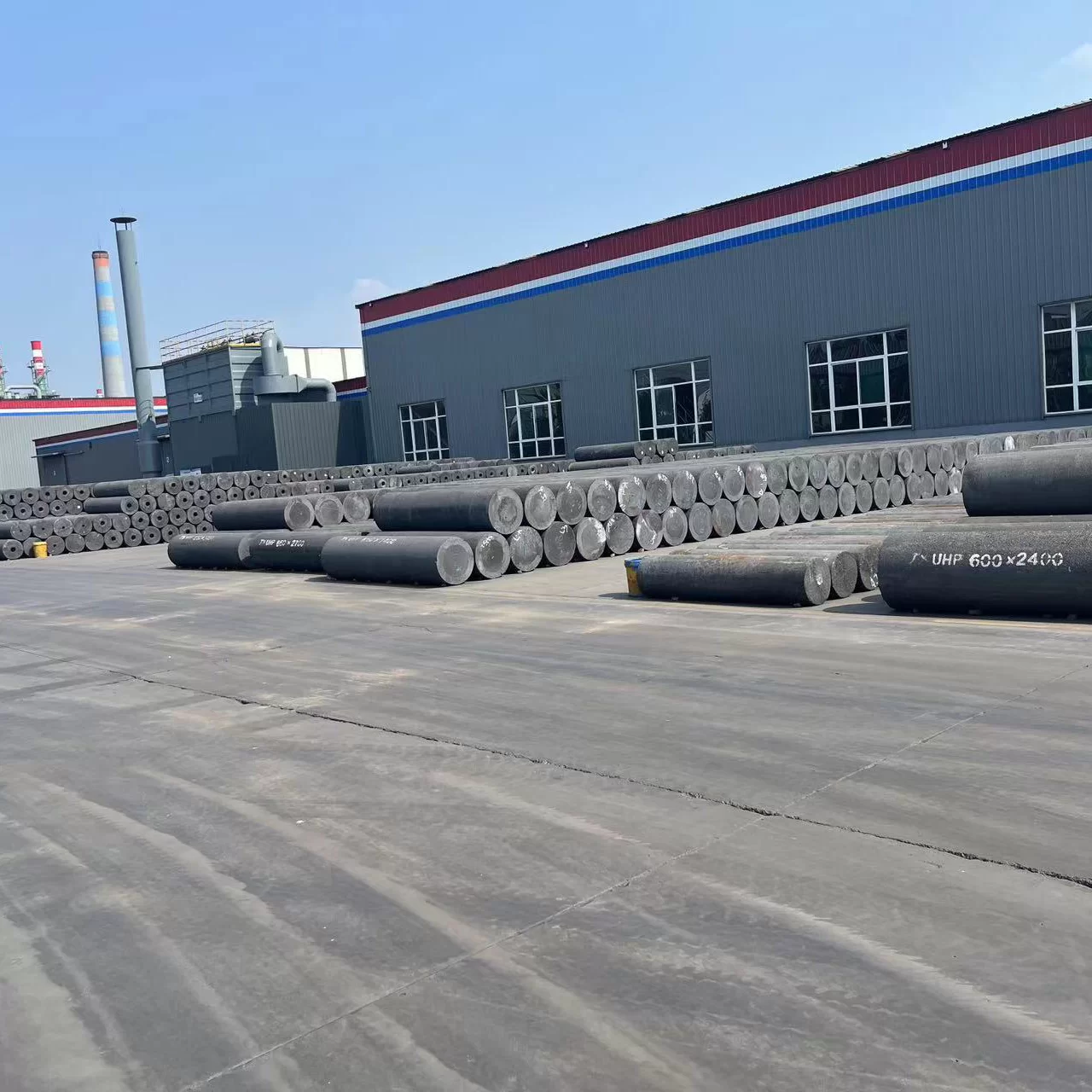
The versatility of Graphitized Petroleum Coke allows it to penetrate various sectors. In the steel industry, it is the primary raw material for UHP (Ultra-High Power) graphite electrodes. In the automotive sector, it is used in the production of carbon-carbon composites for high-performance braking systems. Additionally, it serves as a conductive additive in battery technology, helping to improve the electron transport efficiency in anodes. Its ability to remain stable under chemical stress also makes it a preferred choice for specialized crucibles and molds used in precious metal casting.
Product Specifications and Quality Control
To ensure the reliability of Graphitized Petroleum Coke, rigorous quality control standards are applied. Key metrics include the sulfur content, ash content, and the precise grain size distribution. For high-end applications, the sulfur level must be kept extremely low to prevent contamination of the final alloy or electrode. The following table outlines the typical technical specifications for premium-grade graphitized coke:
Sustainability and Future Trends in Carbon Production
As global industries shift toward greener practices, the production of Graphitized Petroleum Coke is evolving. New induction heating technologies are replacing older resistive furnaces to reduce energy consumption and CO2 emissions during the graphitization process. Furthermore, there is an increasing focus on utilizing recycled carbon sources to create a circular economy within the metallurgy sector. The future of this material lies in the balance between achieving ultra-high purity for electronics and implementing sustainable manufacturing processes.
Conclusion: Optimizing Industry with Graphitized Carbon
The transition to Graphitized Petroleum Coke represents a significant leap in material science, providing the electrical and thermal properties required for modern heavy industry. From enhancing the efficiency of steel production to powering the next generation of batteries, this material is an invisible yet vital force. By selecting high-purity, properly graphitized carbon, manufacturers can ensure higher product durability and operational cost savings. Invest in quality carbon to secure a competitive edge in industrial performance.
Frequently Asked Questions (FAQs)
What exactly is the difference between Petroleum Coke and Graphitized Coke?
Petroleum coke is a byproduct of the oil refining process, typically amorphous in structure. When it undergoes "graphitization"—heating to temperatures above 2,500°C—the carbon atoms rearrange into a crystalline graphite structure. This change transforms the material from a general carbon source into a high-conductivity, thermally stable material. While petroleum coke is used for basic fuels or anodes, graphitized coke is reserved for high-performance electrodes and specialized industrial components where electrical efficiency is critical.
How does the sulfur content affect the quality of Graphitized Petroleum Coke?
Sulfur is considered an impurity in high-grade carbon materials. High sulfur content can lead to the formation of unwanted sulfides during smelting or electrode production, which can weaken the structural integrity of the final product and contaminate the metal alloys being produced. Therefore, "Low-Sulfur" graphitized coke is highly prized in the industry because it ensures a cleaner chemical reaction and produces higher-purity steel and alloys, reducing the need for secondary refining steps.
Which industries rely most heavily on this material?
The primary consumer is the steel industry, specifically for the production of Ultra-High Power (UHP) graphite electrodes used in Electric Arc Furnaces. Beyond steel, the battery industry uses it for anode additives to improve charging speeds and conductivity. The aerospace and automotive sectors utilize it for carbon-carbon composites, particularly in high-friction environments like racing brakes. Additionally, the chemical and metallurgical industries use it for high-temperature crucibles and heat-resistant linings due to its exceptional thermal stability.
Can Graphitized Petroleum Coke be customized for specific needs?
Yes, customization is a standard part of the production process. Manufacturers can adjust the graphitization temperature to achieve a specific electrical resistivity level. Furthermore, the material can be processed into various grain sizes (from fine powders to large granules) depending on the application—such as whether it will be used as a binder additive or a primary structural component. By controlling the ash and sulfur levels, producers can create grades that meet the stringent requirements of the electronics or aerospace industries, which are available through the DAH Carbon website.