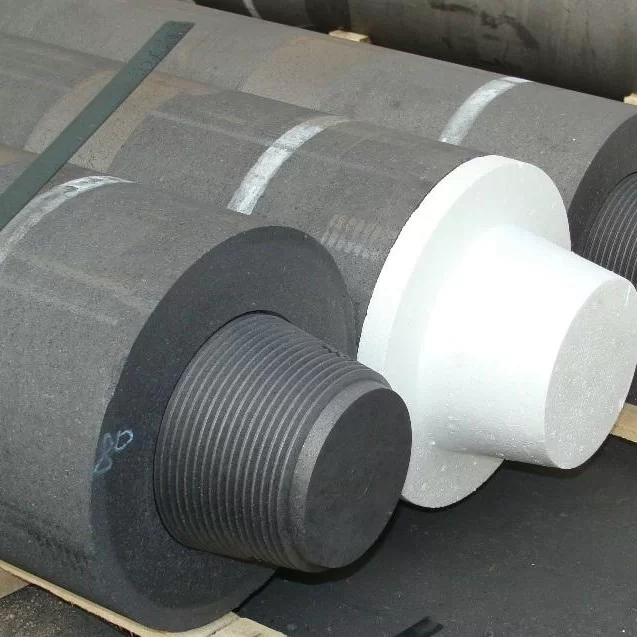
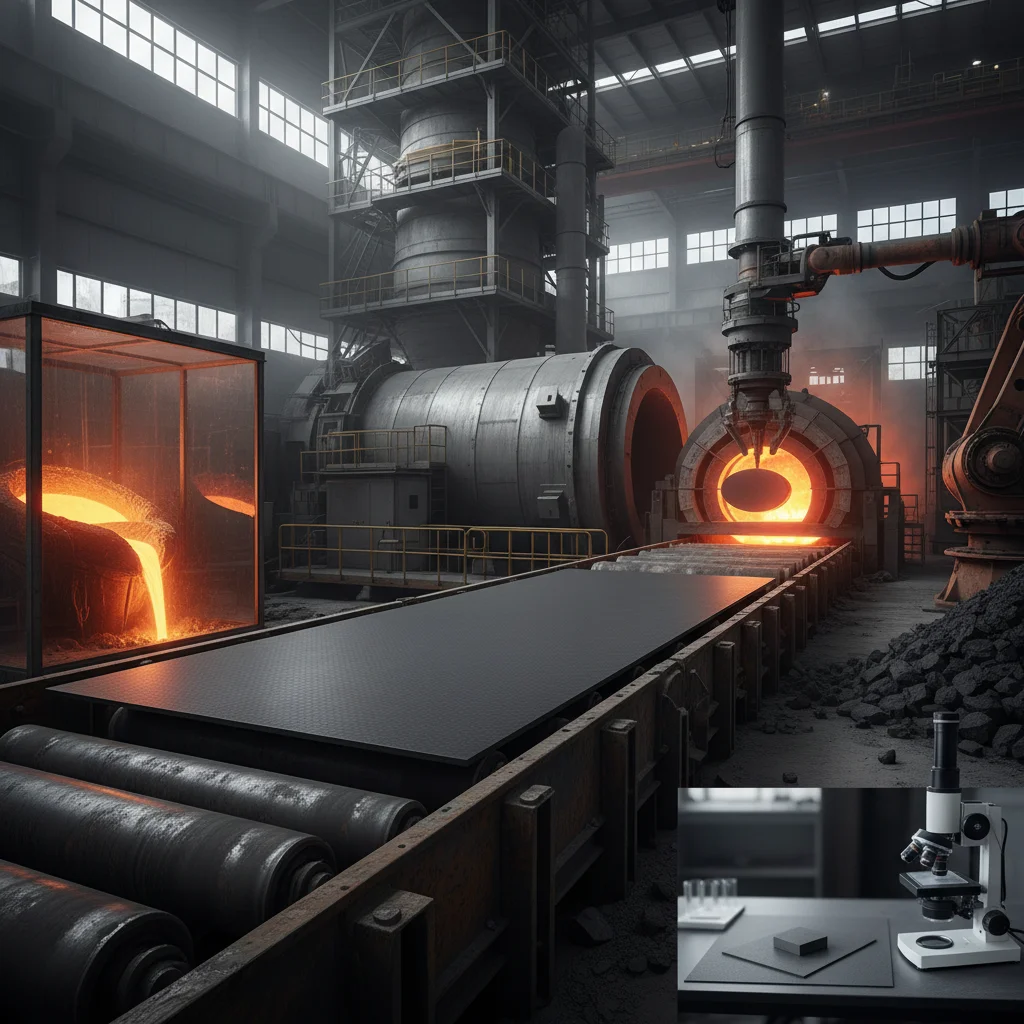
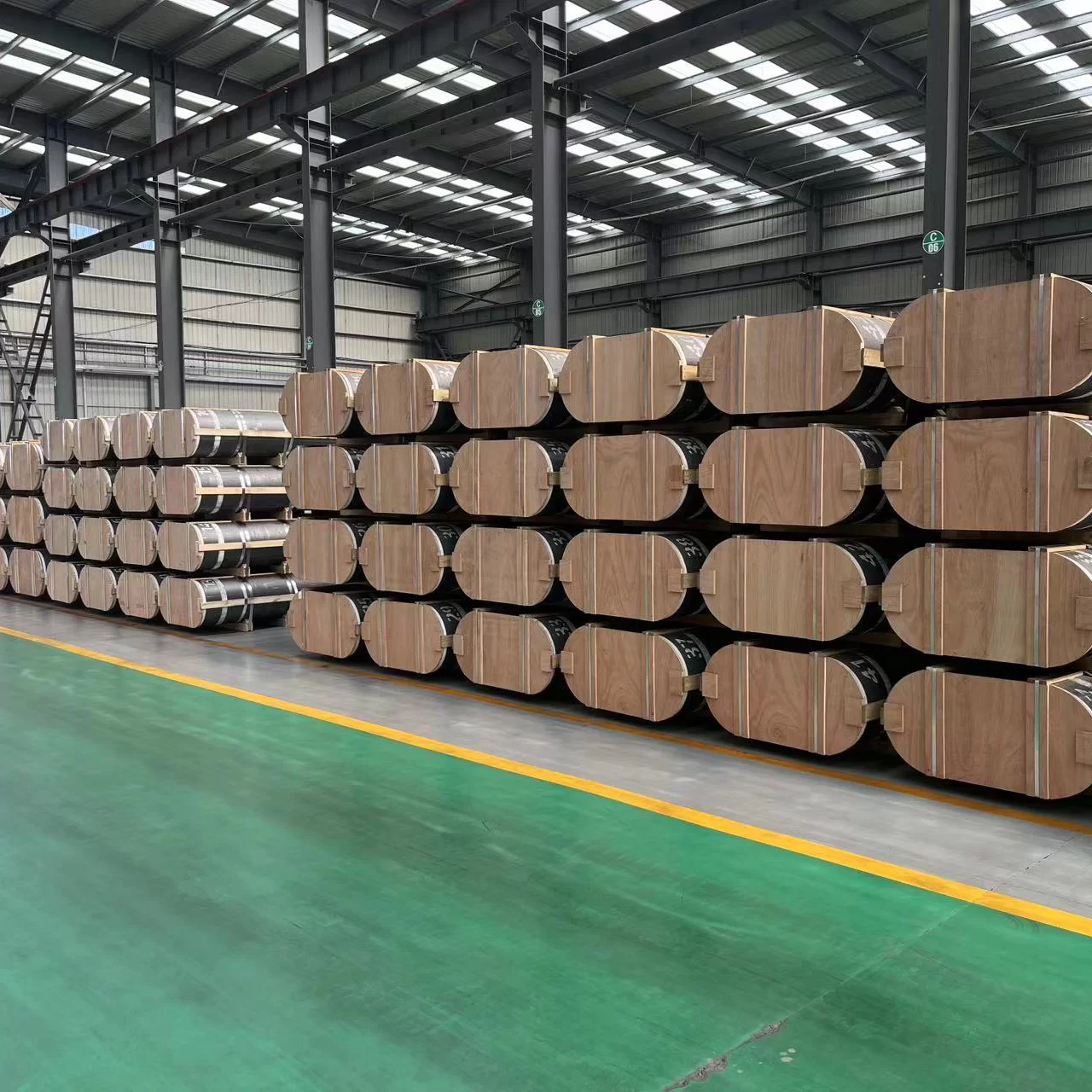
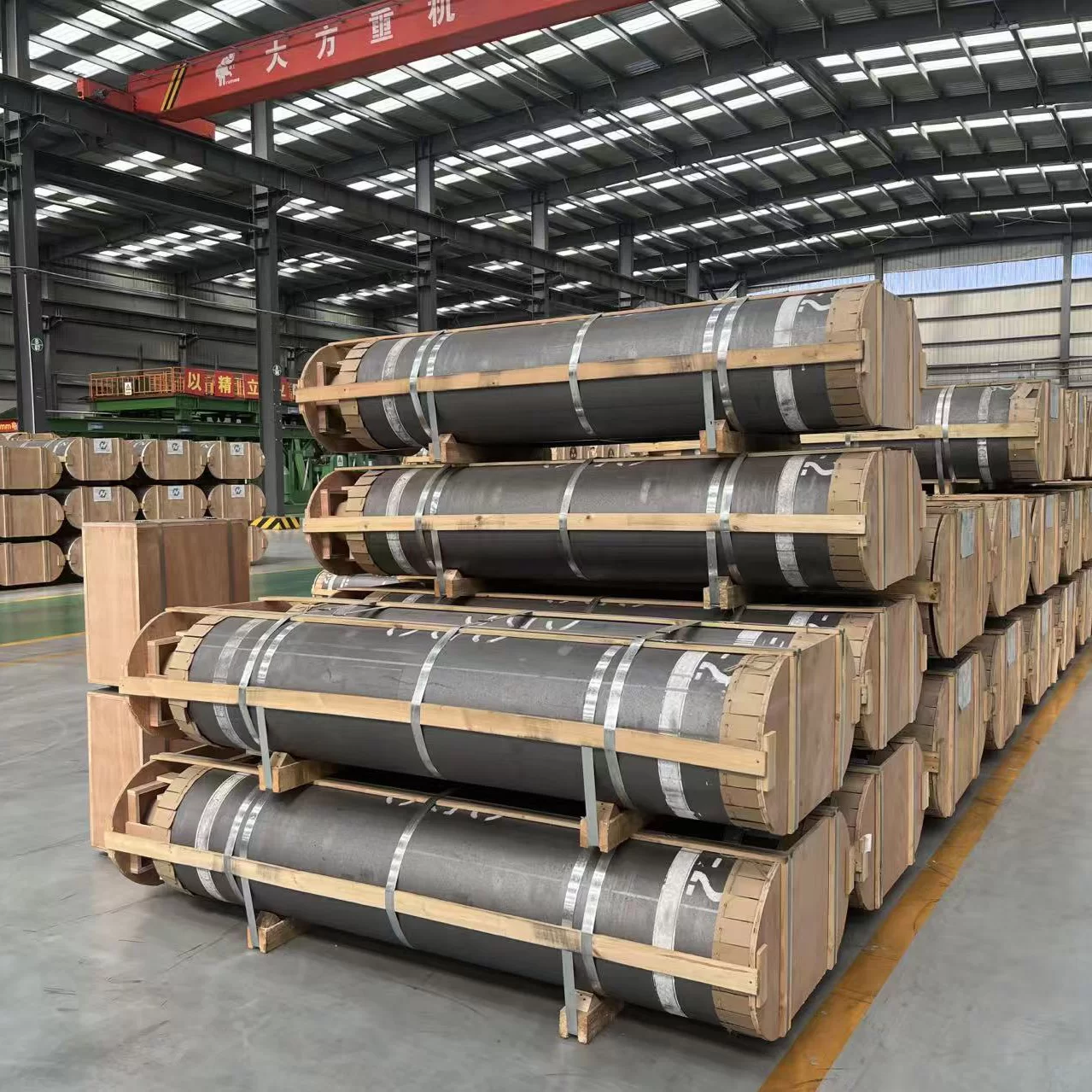
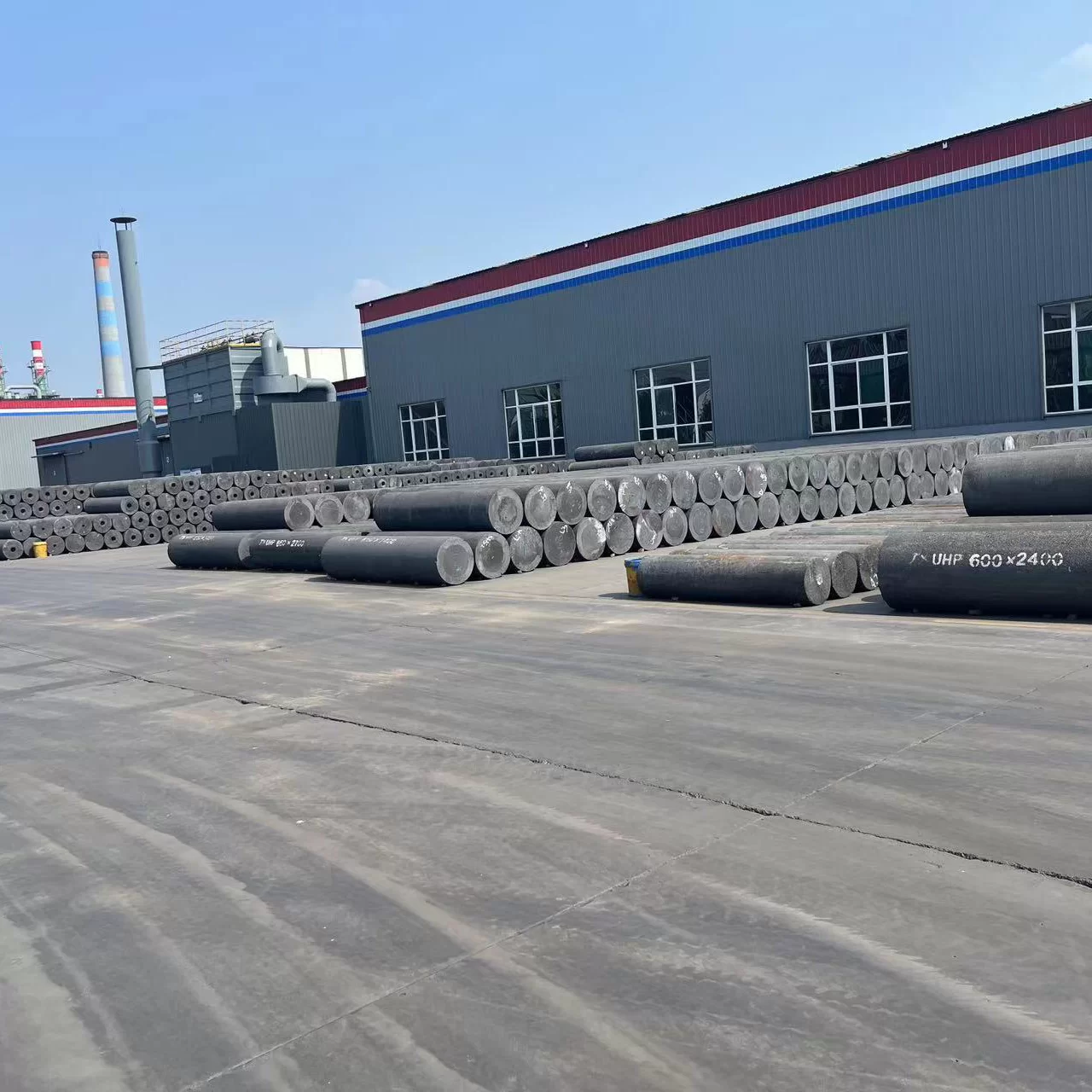
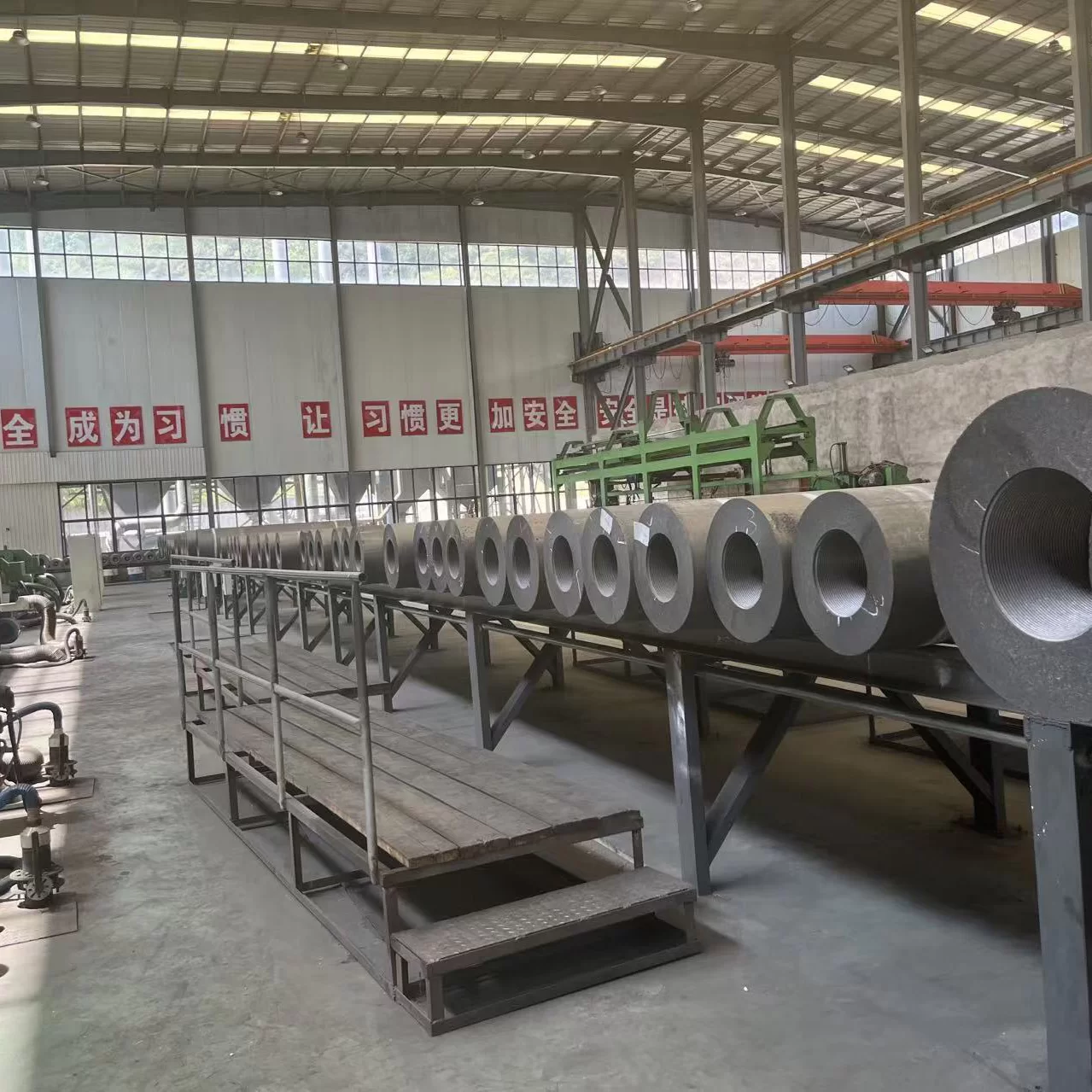
As someone who's spent years observing the intricacies of metallurgy, I can tell you that while the molten metal often gets all the glory, the real workhorse, the unsung hero if you will, is often found right at the heart of the operation. In a cupola furnace, that hero is undeniably the coke bed. It's more than just fuel; it's the very foundation of the melting process, a critical component that dictates everything from melt rate to metal quality.
Understanding the cupola furnace coke bed
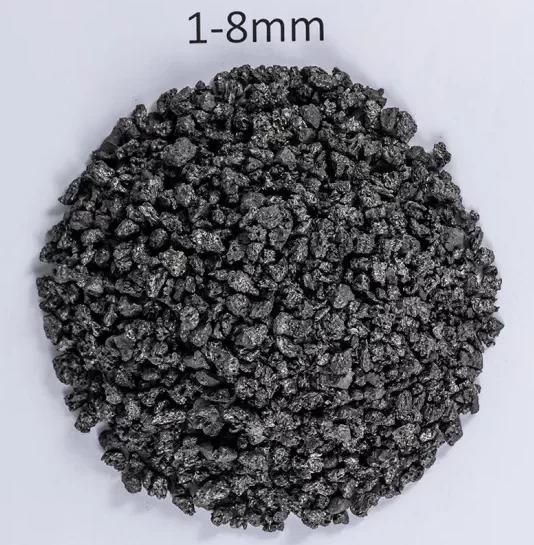
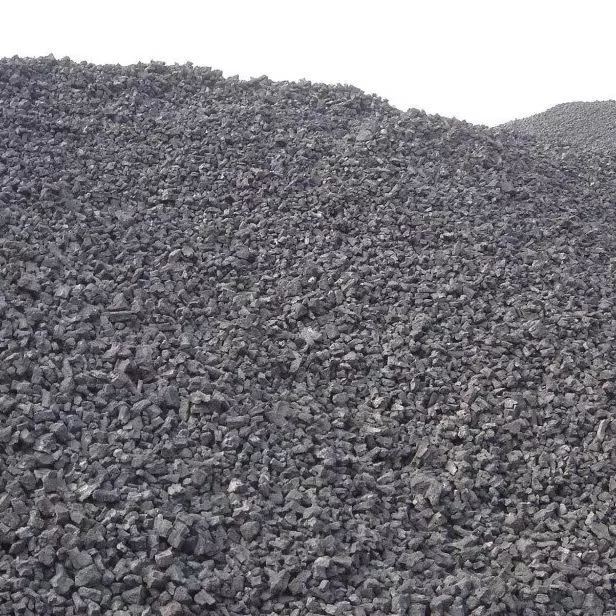
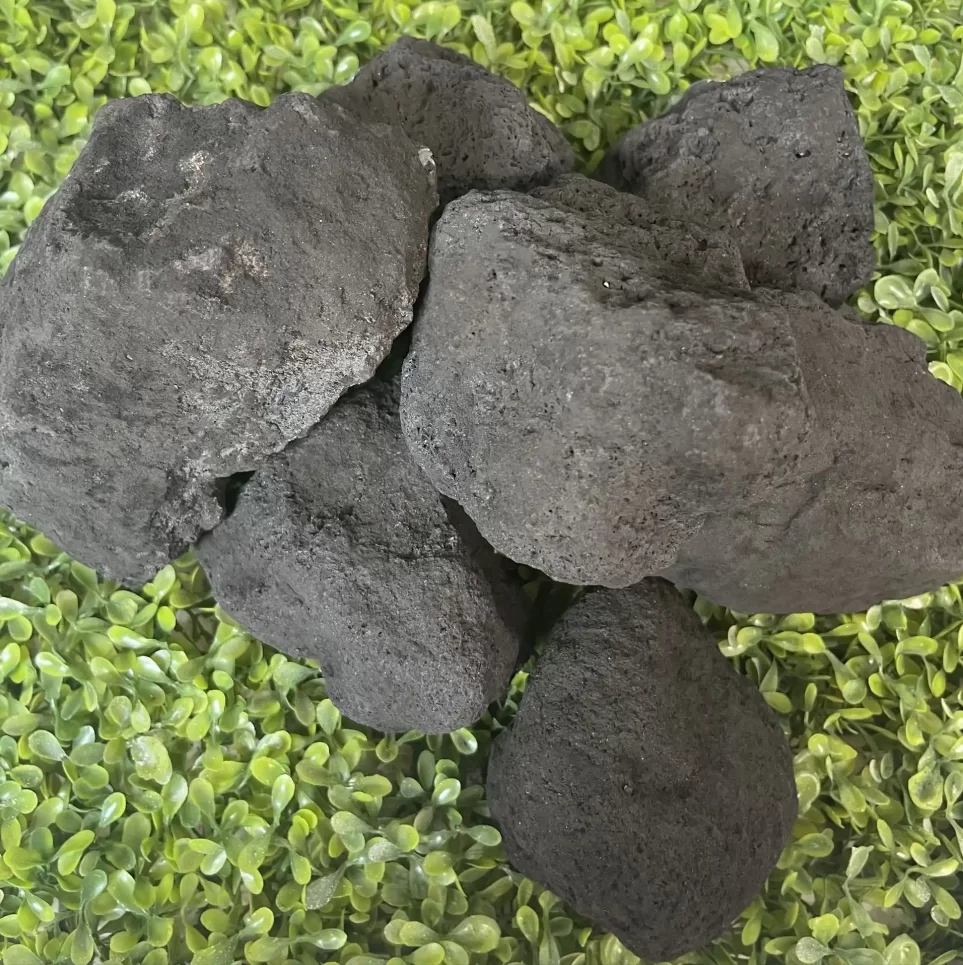
So, what exactly are we talking about here? Essentially, the cupola furnace coke bed refers to the layer of high-quality foundry coke situated at the bottom of the cupola furnace. This isn't just any old coke; it's specifically engineered to provide the intense heat necessary for melting iron and, crucially, to maintain its structural integrity under immense loads. Think of it as the engine room of the furnace, where the magic truly happens. Without a robust and reactive coke bed, your entire melting operation falls flat, literally.
To be honest, many people overlook its significance, but I've seen firsthand how a well-maintained coke bed can dramatically improve efficiency and reduce defects.
The Process Flow: From Raw Material to Molten Iron
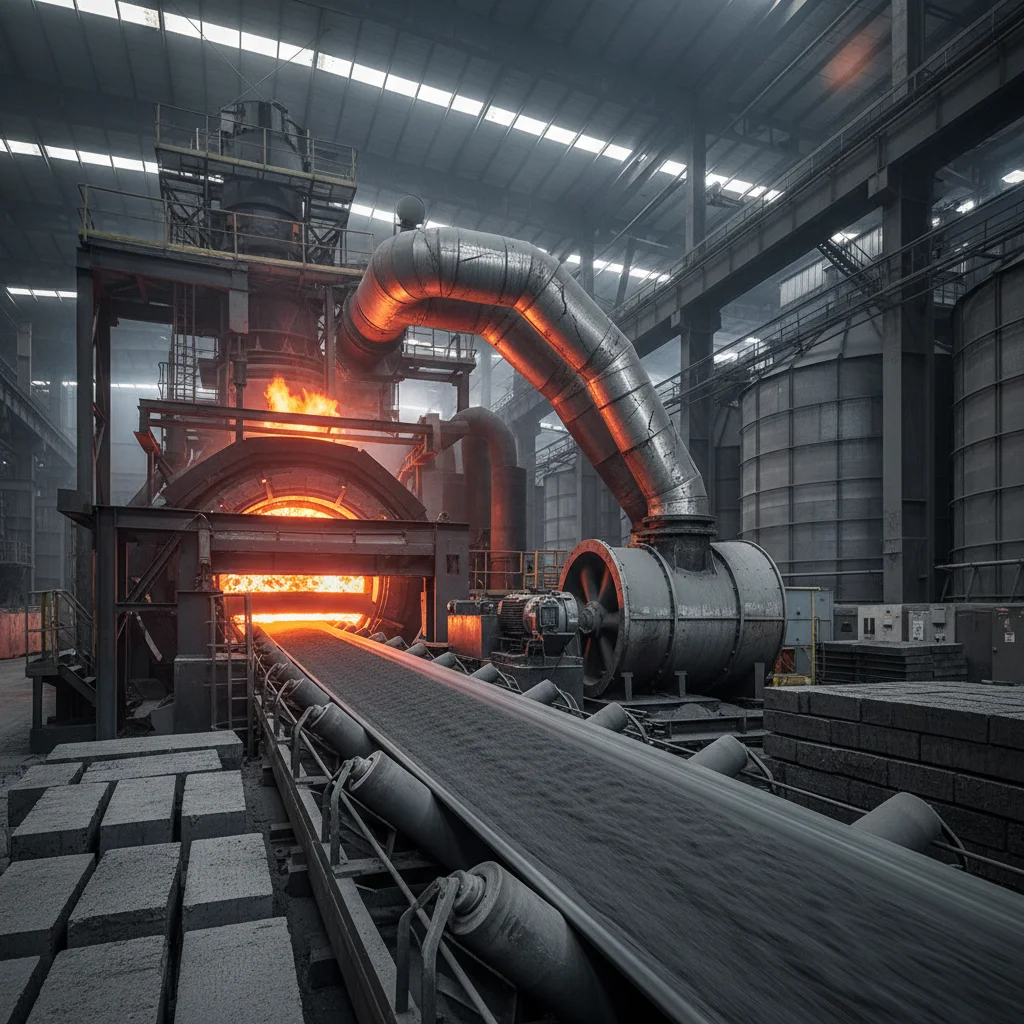
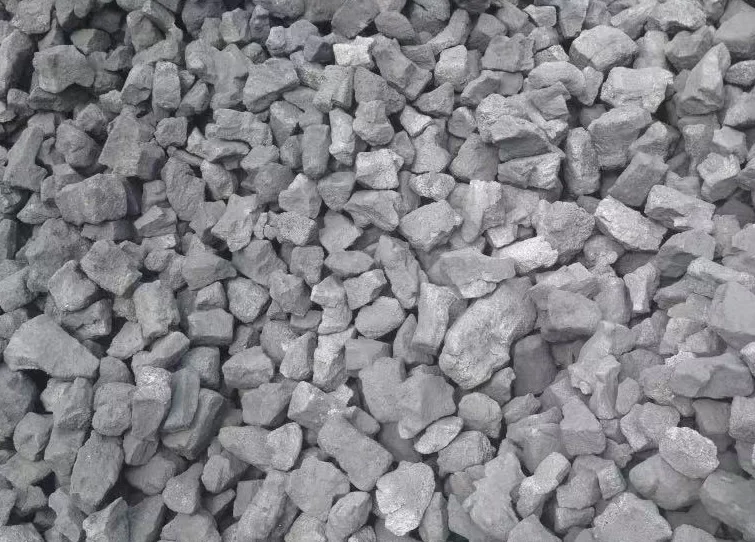
The life of a cupola furnace coke bed begins with high-quality foundry coke. This isn't a random selection; the coke needs specific characteristics. Once loaded, it's ignited, and the combustion creates a high-temperature zone. The raw materials – pig iron, scrap, flux – are then charged into the furnace from the top, gradually descending into this superheated region. As the coke burns, it generates heat to melt the metal and produces carbon monoxide, which acts as a reducing agent. Simultaneously, the coke column supports the entire charge, ensuring excellent air permeability for efficient combustion. This support structure is absolutely critical, as poor permeability can lead to uneven melting and inefficient operation.
Key Characteristics of Quality Foundry Coke
What separates good foundry coke from the rest? Well, it's all about a balance of properties. For a reliable cupola furnace coke bed, you need:
· Large Blocks: Ensures proper air circulation and stable support.
· Low Reactivity: Prevents premature burning, ensuring heat is sustained throughout the melting zone.
· Low Porosity: Higher density, meaning more carbon per unit volume, which translates to better energy efficiency.
· Sufficient Impact Strength & Crushing Strength: Crucial for bearing the weight of the metal charge without disintegrating.
· Low Ash & Sulfur Content: Minimizes impurities in the molten iron, which is vital for final product quality. Many customers, especially in high-end casting, emphasize this heavily.
Technical Specifications (Example: Premium Foundry Coke)
Let's look at some typical specifications you'd expect from a top-tier foundry coke, essential for an optimal cupola furnace coke bed:
Parameter | Typical Value | Testing Standard |
Fixed Carbon (min) | ≈ 86.0% | ASTM D3172 |
Ash Content (max) | ≈ 12.5% | ASTM D3174 |
Volatile Matter (max) | ≈ 1.5% | ASTM D3175 |
Sulfur Content (max) | ≈ 0.5% | ASTM D4239 |
Size Range | 80-180 mm (real-world use may vary) | ISO 1953 |
M25 (Abrasion, min) | ≈ 85% | ISO 556 |
M10 (Impact, max) | ≈ 7% | ISO 556 |
Applications & Industry Trends
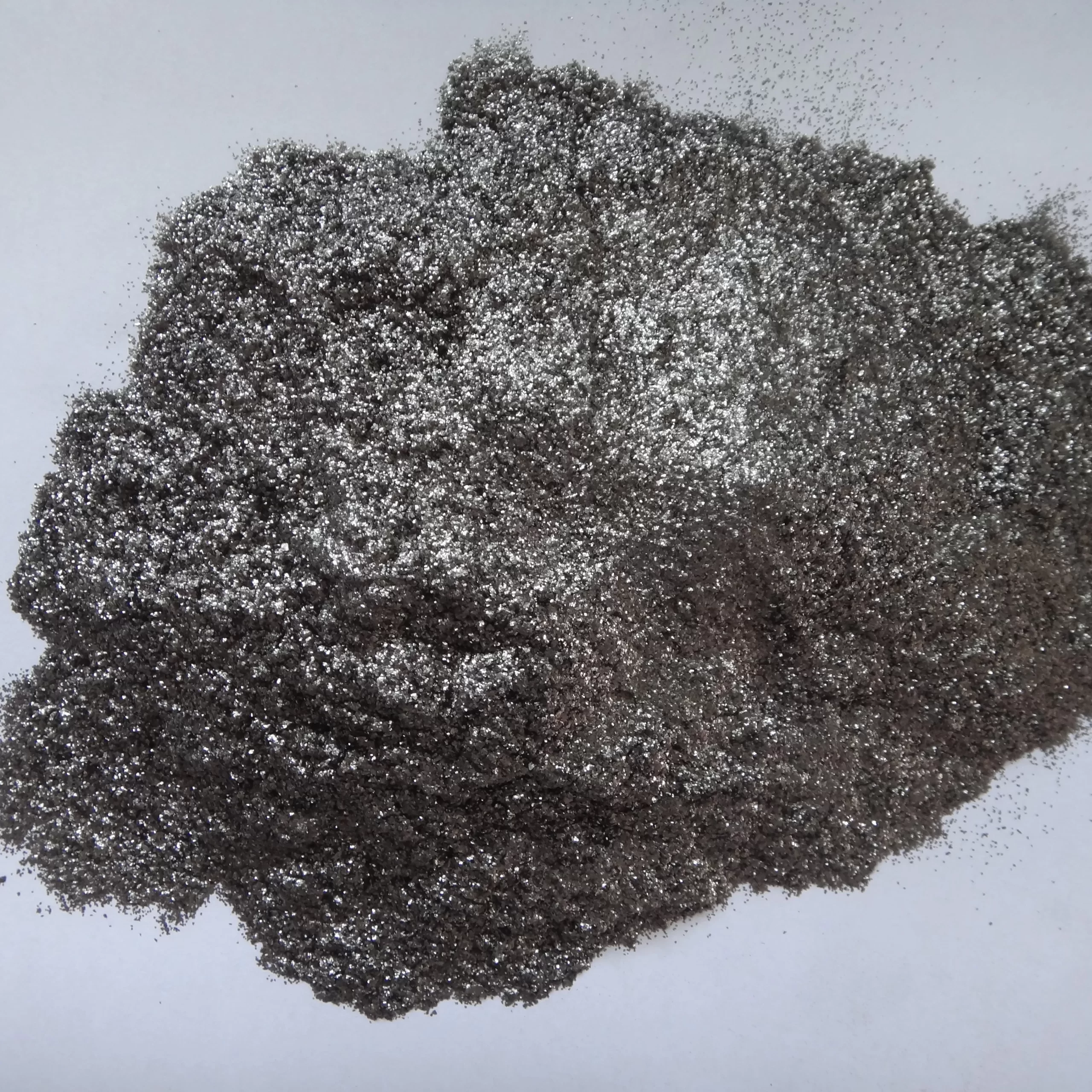
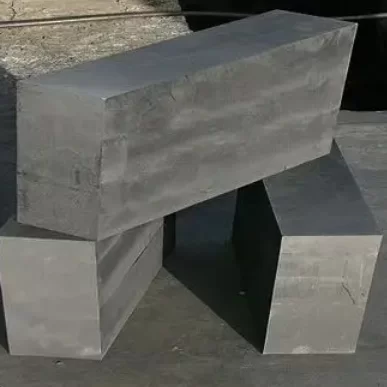
Foundry coke isn't just for general iron melting. Its specific properties make it invaluable across several industries. Beyond traditional iron foundries, it's used in steel making, as a carbon additive manufacture, and even in some chemical industries and refractories. The trend, I've noticed, is towards even lower sulfur content and consistent sizing, as demand for higher quality castings and specialized alloys grows. Customization options, therefore, are becoming increasingly important for suppliers to meet diverse needs.
Choosing Your Supplier: The Best Foundry Coke Suppliers
When it comes to sourcing, finding reliable foundry coke suppliers is paramount. It’s not just about price; it's about consistency, quality, and service. I guess you get what you pay for, right? Look for suppliers with a strong track record, robust quality control, and the ability to provide detailed test data and certifications (like ISO 9001).
Supplier Criteria | Premium Supplier (e.g., DahCarbon) | Standard Supplier |
Quality Consistency | Excellent, strict QC, certified | Varies, occasional inconsistencies |
Product Range/Customization | Wide range, custom sizing/specs possible | Limited standard options |
Technical Support | Dedicated team, process optimization advice | Basic product information only |
Certifications & Standards | ISO 9001, ASTM, industry-specific | May have basic certs or none |
Pricing | Competitive for value provided | Often lower initially, hidden costs possible |
Case Studies & Customer Feedback
In one notable instance, a client struggling with inconsistent melt temperatures and high scrap rates due to their previous coke supplier switched to a higher-grade foundry coke for their cupola furnace coke bed. The result? A staggering 15% reduction in energy consumption and a significant drop in casting defects within three months. This isn't just theory; it's real-world impact. Customers often praise suppliers who can provide stable quality, enabling them to hit their metallurgical targets consistently.
Conclusion
The cupola furnace coke bed is far more than just a lump of coal; it’s the pulsating heart of the cupola furnace, dictating efficiency, quality, and ultimately, profitability. Investing in high-quality foundry coke and partnering with reliable foundry coke suppliers isn't an expenditure; it's a strategic decision that pays dividends in operational excellence and superior product outcomes. Honestly, it's one of those foundational elements that, once optimized, makes everything else just a little bit easier.
Authoritative Citations:
1. American Foundry Society. "Cupola Melting Handbook." AFS Publications, 2018.
2. International Standards Organization (ISO). "ISO 556: Coke -- Determination of mechanical strength." (Latest Revision).
3. ASTM International. "Standard Test Methods for Proximate Analysis of Coal and Coke." ASTM D3172-19.
4. Journal of Foundry Technology. "Impact of Coke Quality on Cupola Furnace Performance." Vol. 45, No. 2, 2021.