Look, I’ve spent the last twenty years knee-deep in concrete dust and dodging rebar. I’ve seen a lot of ‘innovations’ come and go, mostly shiny things that look good on paper but fall apart the minute they hit a real construction site. What gets my attention now, and what's truly changing things, is the increasing reliance on robust, reliable power solutions. And that brings us to the nipple electrode – something that sounds simple, but is actually a critical piece in making a lot of these new technologies work, especially when you’re miles from the grid. We’re talking about on-site energy storage, efficient power transfer for welding, even the increasingly common use of drones for site inspection.
For years, we’ve been patching together temporary power setups – generators, extension cords, and a whole lot of hope. It’s messy, inefficient, and frankly, dangerous. The biggest problem is consistency. You need a stable power source to run modern equipment, especially the sensitive stuff. That’s where solutions leveraging the nipple electrode are stepping in. They allow for more precise control, better energy storage, and ultimately, a safer and more productive worksite.
It’s not about replacing the core infrastructure overnight. It’s about supplementing it with smarter, more adaptable systems. Think of it as adding a digital nervous system to a site that was previously running on gut instinct. And the nipple electrode is a key component in building that nervous system.
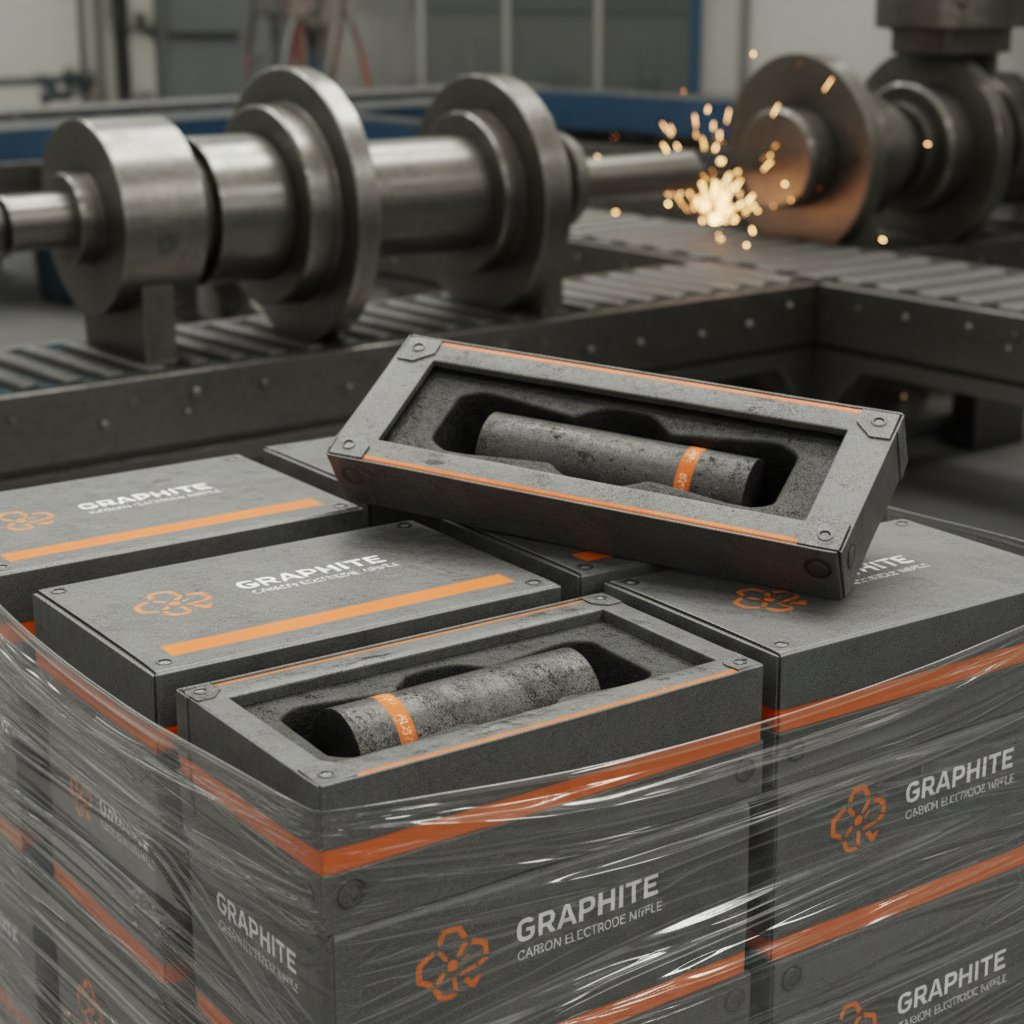
The Significance of nipple electrode in Modern Construction
The construction industry is undergoing a quiet revolution. We’re seeing more automation, more reliance on digital tools, and a push for sustainable practices. The nipple electrode, while often overlooked, is the backbone enabling a lot of this change. Think about electric welders, robotic arms, and even advanced site lighting. They all need a stable and efficient power source.
It’s about more than just convenience. It's about safety, reducing downtime, and improving the quality of the finished product. A consistent power supply means fewer welding defects, more precise robotic movements, and a more reliable overall operation.
Defining nipple electrode: A Practical Perspective
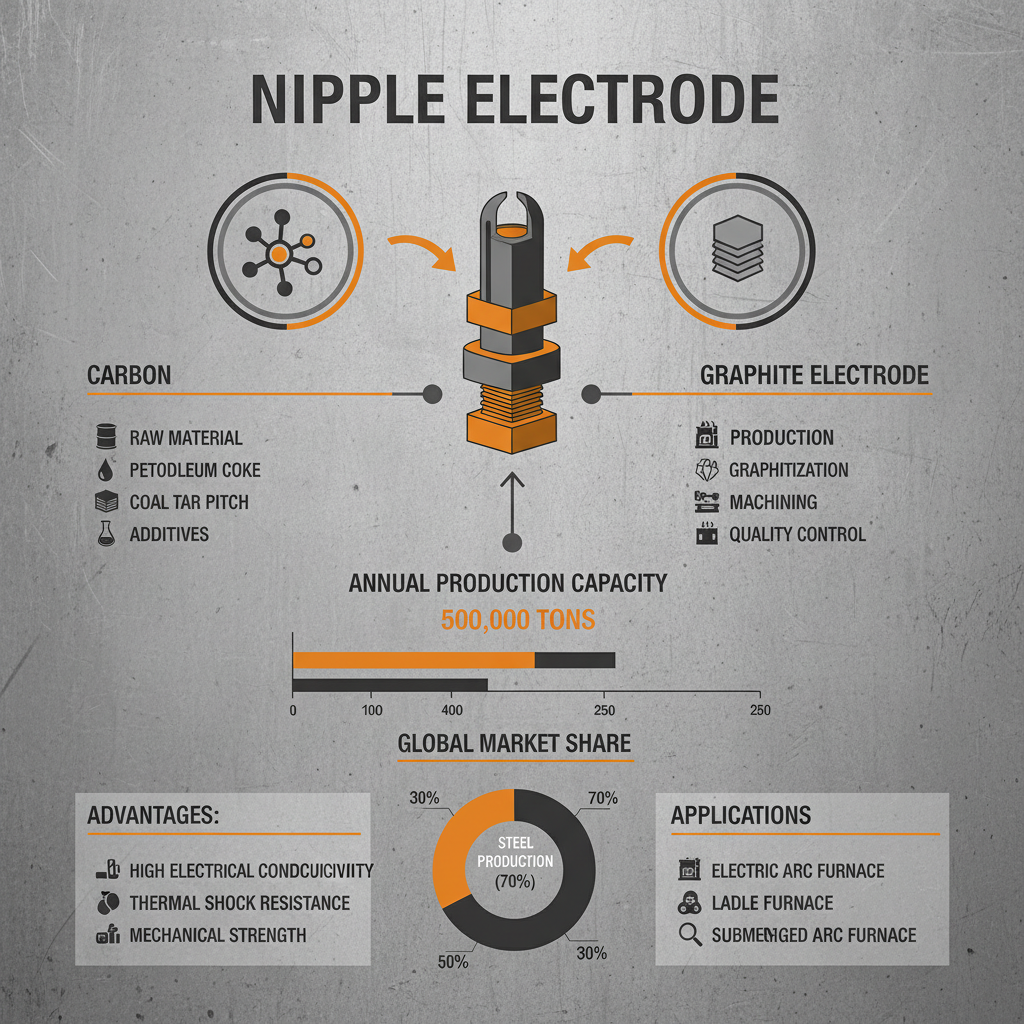
Let’s cut through the jargon. The nipple electrode, at its core, is an interface – a connection point for electrical current. But it’s the quality of that connection, and the materials used, that make all the difference. We're not talking about the cheap connectors you find in a big-box store; we're talking about precision-engineered components designed for heavy-duty use, able to withstand vibration, extreme temperatures, and constant wear and tear.
What’s changed recently is the increasing focus on optimizing these connections for specific applications. Different materials and designs are being developed to minimize resistance, maximize efficiency, and improve safety. This isn’t just about saving a few bucks on the electrical bill; it's about ensuring the long-term reliability of critical equipment.
From my perspective, having a dependable nipple electrode is like having a solid foundation for a building. If it's weak, everything else built on top of it will eventually suffer.
Core Components of Effective nipple electrode Systems
When we're talking about a complete nipple electrode system – and it's always about the system, not just the connector itself – several key factors come into play. First, material composition is critical. You need materials that can withstand corrosion, high temperatures, and repeated stress. Copper alloys are common, but specialized formulations are becoming increasingly popular.
Second, the design of the connection itself is paramount. The way the electrode interfaces with the wiring and the equipment it’s powering dictates the amount of resistance and the overall efficiency of the system. Look for designs that minimize contact points and maximize surface area. Third, robust insulation is vital for ensuring worker safety and preventing short circuits.
Finally, the overall system needs to be scalable and adaptable. A good system should be able to handle varying power demands and be easily integrated with existing infrastructure. It's not a one-size-fits-all situation, and a good supplier will work with you to design a solution tailored to your specific needs.
Global Applications of nipple electrode Technology
I've seen nipple electrode systems deployed in some incredibly challenging environments. From massive infrastructure projects in the Middle East, where heat and dust are constant battles, to offshore wind farms in the North Sea, where corrosion is a major concern. The need for reliable power is universal.
We’re seeing particularly strong adoption in countries investing heavily in renewable energy. These systems are essential for connecting solar and wind farms to the grid, as well as for powering remote monitoring and control systems. Even in disaster relief, where quickly establishing power for field hospitals and communication centers is critical, these technologies are proving invaluable.
nipple electrode Performance Comparison by Method
Advantages & Long-Term Value Proposition
Look, at the end of the day, construction is about the bottom line. But it’s also about doing things right. Investing in quality nipple electrode systems isn’t just about saving money on energy; it’s about reducing downtime, improving safety, and extending the lifespan of your equipment.
The long-term value is significant. Fewer repairs, increased productivity, and a safer work environment all contribute to a higher return on investment. Plus, the move towards more sustainable construction practices is driving demand for energy-efficient solutions, and these systems are a key part of that equation.
Future Trends and Innovations in nipple electrode Technology
We’re starting to see some really interesting developments in this space. Smart electrodes, with built-in sensors that can monitor performance and predict failures, are on the horizon. These will allow for proactive maintenance and prevent costly downtime.
Also, expect to see more advancements in materials science, with the development of even more durable and efficient connectors. And as the demand for wireless power transfer increases, we'll need to develop new nipple electrode solutions to support these technologies.
The trend is towards smarter, more integrated, and more sustainable power solutions, and the nipple electrode will be at the heart of it all.
Challenges and Solutions in nipple electrode Implementation
It’s not always smooth sailing. One of the biggest challenges is ensuring proper installation. A poorly installed nipple electrode can negate all the benefits of a high-quality system. That’s why training and certification are so important.
Another challenge is compatibility. Older equipment may not be designed to work with newer systems, requiring adapters or upgrades. And finally, cost can be a barrier, especially for smaller contractors. But the long-term benefits far outweigh the initial investment.
The key to overcoming these challenges is to work with experienced suppliers who can provide guidance and support throughout the entire process, from design and installation to maintenance and troubleshooting.
Summary of Common nipple electrode Issues and Solutions
| Issue Description |
Root Cause |
Severity (1-10) |
Recommended Solution |
| Corrosion of nipple electrode Contacts |
Exposure to harsh environmental conditions |
7 |
Use corrosion-resistant materials and protective coatings |
| Loose nipple electrode Connection |
Vibration or improper tightening |
8 |
Regularly inspect and retighten connections |
| Overheating of nipple electrode |
Excessive current draw or poor ventilation |
9 |
Ensure proper ventilation and use appropriately sized electrodes |
| Incompatible nipple electrode Design |
Mismatched standards or specifications |
6 |
Verify compatibility before installation |
| Insufficient Insulation on nipple electrode |
Damage or wear over time |
10 |
Replace damaged insulation immediately |
| Lack of Training on nipple electrode Installation |
Improper procedures and techniques |
5 |
Provide comprehensive training to all installers |
FAQS
Based on my experience, the top culprits are corrosion from exposure to the elements, mechanical stress from vibration and movement, and simply improper installation. Using the wrong type of electrode for the application, or failing to tighten connections properly, can lead to premature failure. Regularly inspecting and maintaining these connections is key.
You need to consider several factors. What’s the operating voltage and current? What’s the environment like – is it exposed to extreme temperatures, moisture, or corrosive chemicals? What type of equipment will it be connecting to? A good supplier will work with you to assess your specific needs and recommend the most appropriate electrode for the job.
Safety is paramount. Always disconnect power before working on any electrical connection. Use insulated tools and wear appropriate personal protective equipment. Ensure that all connections are properly grounded and that the insulation is intact. And never attempt to repair or modify an electrode yourself unless you’re a qualified electrician.
A high-quality electrode minimizes resistance, which translates to less energy loss and more efficient operation of your equipment. This can reduce your energy bills, improve productivity, and prevent costly downtime. A poor-quality electrode, on the other hand, can lead to overheating, voltage drops, and even equipment failure.
Absolutely. We’re seeing the development of ‘smart’ electrodes with built-in sensors that can monitor performance and predict failures. Wireless power transfer technologies are also gaining traction, which will require new types of electrode connections. Staying up-to-date on these advancements is crucial for maximizing efficiency and safety.
Regular visual inspections are a must. Look for signs of corrosion, damage to the insulation, or loose connections. Periodically test the resistance of the connections to ensure they’re operating efficiently. And remember to retighten connections as needed. A proactive maintenance schedule will significantly extend the lifespan of your system.
Conclusion
The nipple electrode might seem like a small component, but it's a critical piece of the puzzle when it comes to building a modern, efficient, and safe construction site. From enabling new technologies to improving reliability and reducing downtime, the benefits are clear. It’s about investing in quality, prioritizing safety, and embracing innovation.
Looking ahead, I expect to see even more advancements in this area, with the development of smarter, more durable, and more sustainable electrode solutions. If you’re serious about improving your construction operations, don’t overlook the importance of a robust and reliable nipple electrode system. For more information and to explore solutions tailored to your specific needs, visit our website: www.dahcarbon.com