Navigating the Challenges and Opportunities for Graphite Block Manufacturers

Navigating the Challenges and Opportunities for Graphite Block Manufacturers

0%

Table of Contents

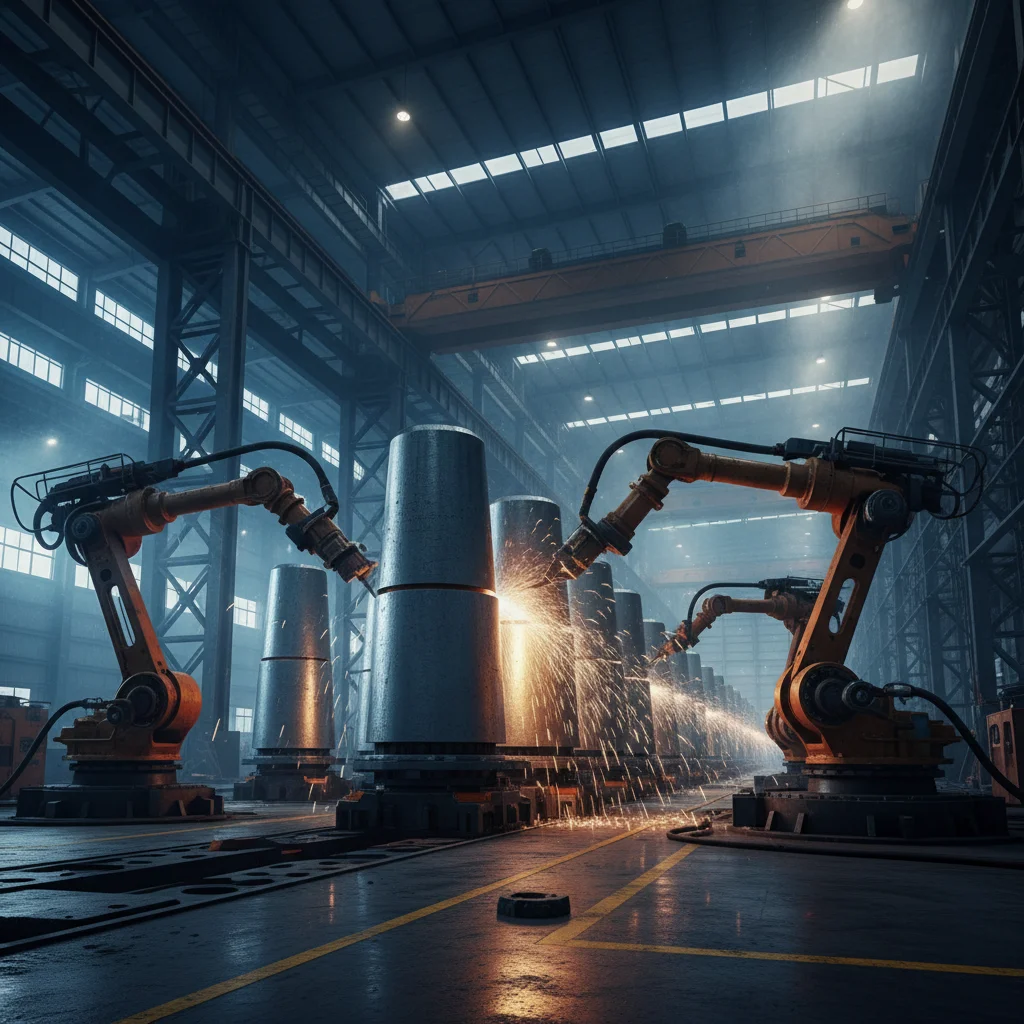
You know, I've been running around construction sites all year, getting my hands dirty, and honestly, seeing what actually works and what doesn’t is a whole different ball game than what you see on paper. Lately, everyone’s talking about prefabrication, right? Modular builds, off-site construction… it's the buzz. But it's not all sunshine and roses. You’ve got to think about logistics, transport, making sure things actually fit when they arrive. It sounds simple, but it’s… complicated.

I’ve seen so many designs that look fantastic in CAD, but fall apart when you try to build them. The biggest trap? Over-engineering. People try to be too clever, make things unnecessarily intricate. KISS – Keep It Simple, Stupid – it's a motto for a reason. Another thing is assuming everyone on site is a genius. You have to design for the average Joe, you know? Instructions need to be crystal clear, connections foolproof. Because if it’s not, it’s me getting a call at 3 AM.

We’re mainly using Q235 steel for the frames, standard stuff. Feels solid, bit oily when it arrives, smells like… well, steel. And concrete, obviously. We’ve been experimenting with self-compacting concrete, it’s a lifesaver in tight spaces, but it's expensive. The biggest headache lately has been the thermal break materials. Trying to find something that’s both effective and doesn’t absorb water like a sponge. It’s been a nightmare, honestly.
graphite block manufacturers

The Growing Demand for Graphite Block Manufacturing
graphite block manufacturers

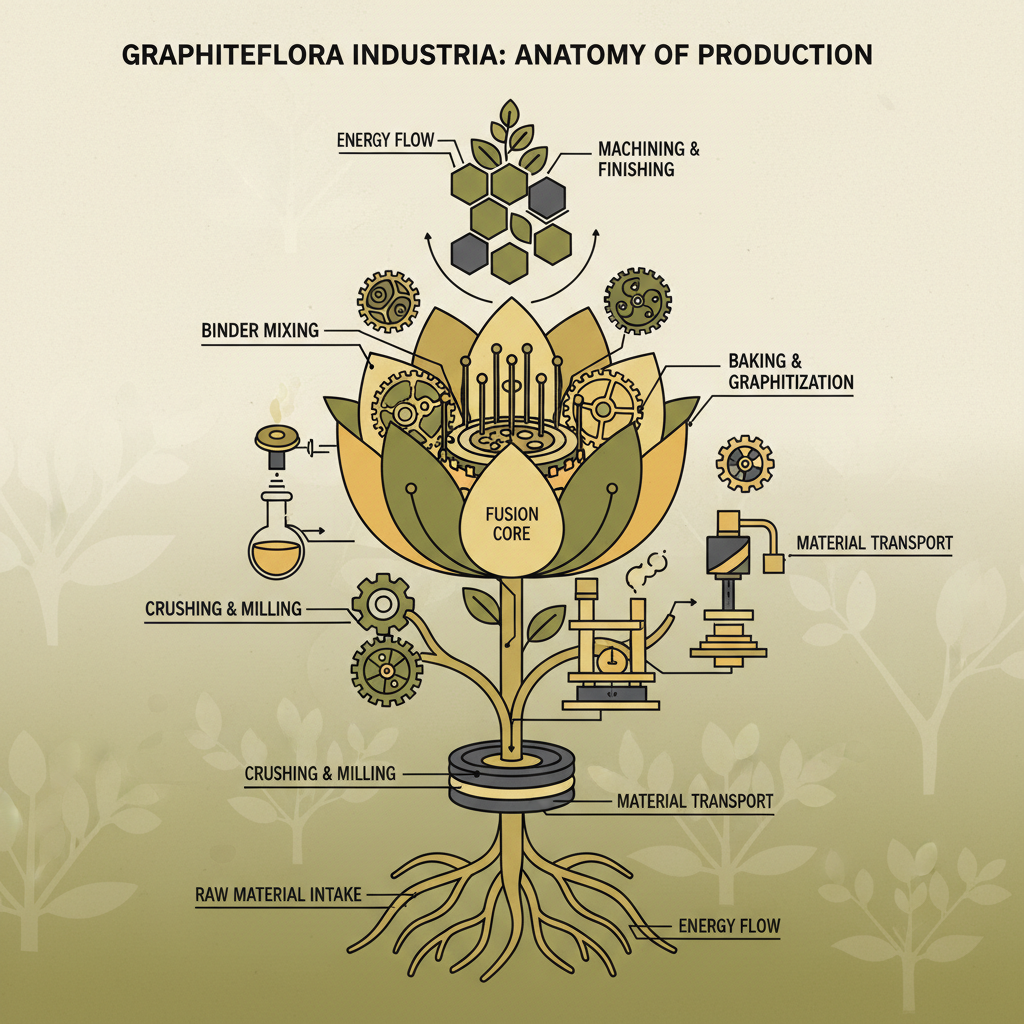
To be honest, the demand for these things is just exploding. It’s not just about cost anymore, it's about speed. Everyone wants things built yesterday. Prefabricated graphite block structures allow for much faster construction timelines. Have you noticed how many data centers are popping up everywhere? They're practically begging for this stuff. It’s a good problem to have, but it puts a lot of pressure on the manufacturers to keep up.

It’s a global thing too, not just here. I was talking to a supplier in Germany last week, and they're saying the same thing. They're struggling to find skilled labor to handle the increased production. And it’s not just data centers either, it's residential, commercial, even infrastructure projects. The versatility of graphite blocks is really driving the demand.

Key Design Considerations for Graphite Block Manufacturers

One thing I’ve learned, and it’s a hard lesson, is that you can't treat these like LEGOs. Each project is different, and you have to account for things like soil conditions, wind loads, seismic activity… it’s a whole science. Strangely, some designers don't even bother to look at the local building codes. Then you get into a mess with inspectors.

Connection details are crucial. You need a system that’s robust, reliable, and easy to assemble. We’ve had issues with poorly designed joints failing under stress, which is… not ideal. You have to consider thermal expansion and contraction as well. Graphite blocks can move with temperature changes, and if you don’t account for that, you'll end up with cracks.

And don’t even get me started on modularity. People think you can just snap these things together like building blocks, but it's more complex than that. You need to think about how the modules will be transported, lifted into place, and connected to each other. It’s a logistical nightmare, honestly.

Material Science and Handling of Graphite Blocks

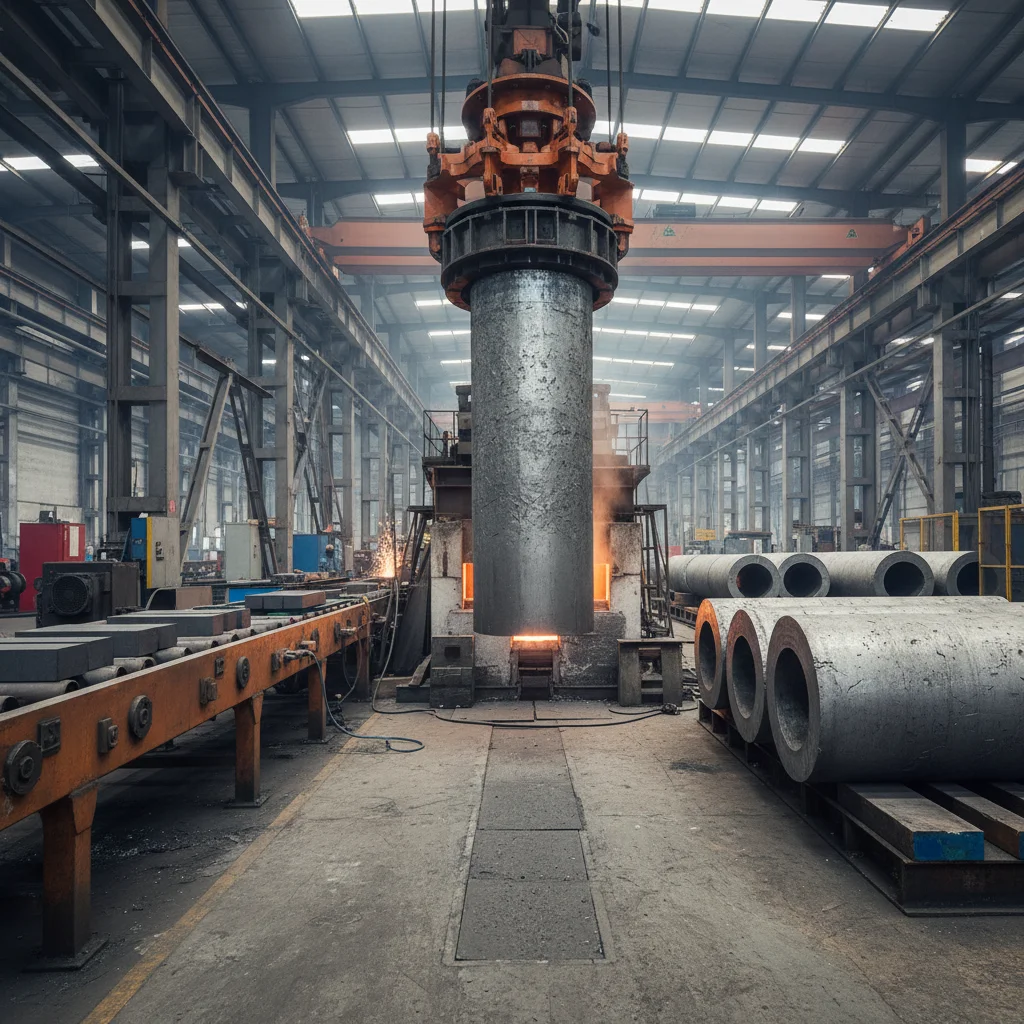
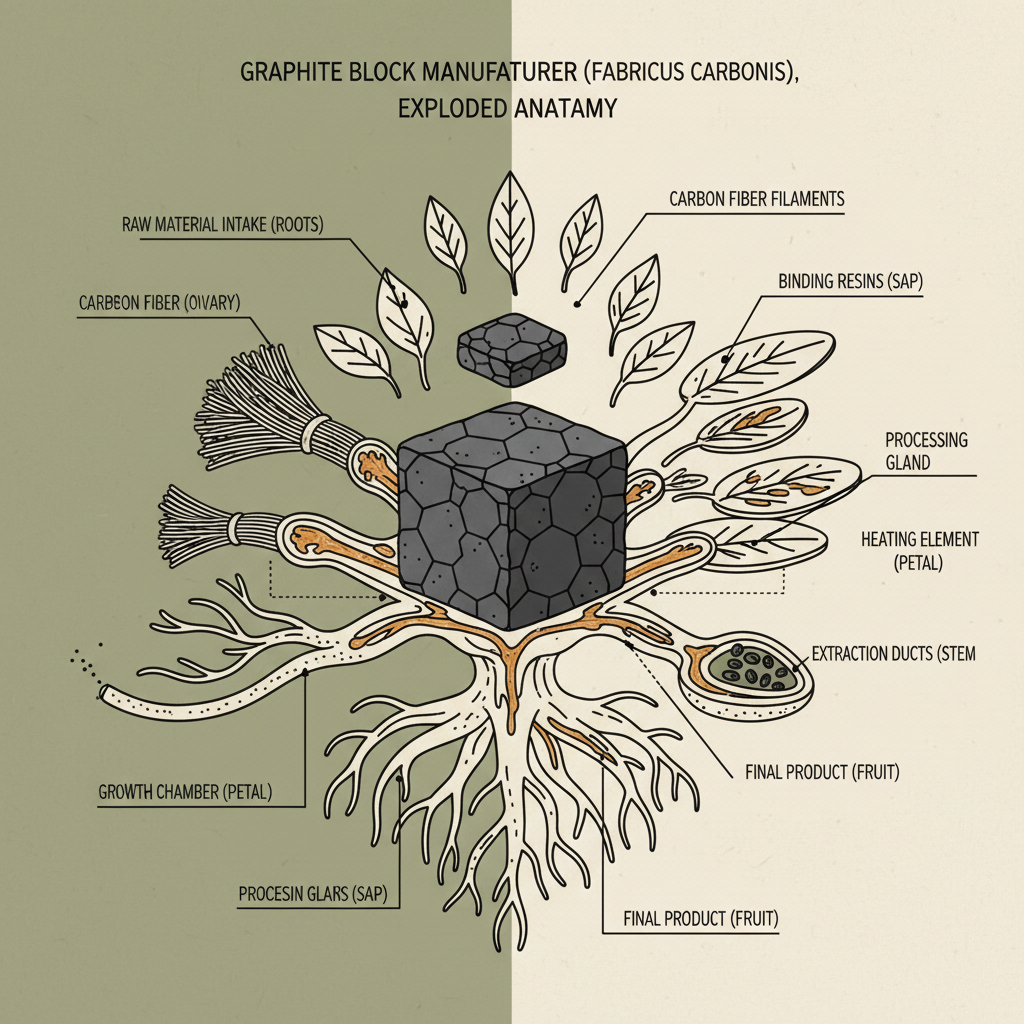
The graphite itself is surprisingly delicate, you know? It looks tough, but it can chip and break if you’re not careful. We use a specific grade with a high carbon content, it’s more durable. But even then, you have to handle it with care during transport and installation. You can smell it too, it’s a kind of… earthy, slightly metallic scent.

The binding agent is a whole other story. We’ve tried different polymers, cement mixtures… it's a constant experiment. You need something that provides strength, but also allows for some flexibility. Too rigid, and it cracks. Too flexible, and it collapses. It’s a delicate balance. I encountered this issue at a factory in Jiangsu Province last time, their binding agent failed after just a few months.

Storage is also important. You need to keep the blocks dry, protected from the elements. Moisture can weaken the graphite and cause it to deteriorate. And don’t stack them too high, they can topple over. We learned that the hard way. Later… Forget it, I won't mention it.

Real-World Testing and Performance Evaluation

Lab tests are okay, but they don’t tell the whole story. We do a lot of on-site testing, subjecting the blocks to real-world conditions. We’ve put them through wind tunnel tests, simulated seismic events, even blasted them with water to see how they hold up.

I prefer the "stress test" where we simply use them in a project and monitor their performance over time. That's where you really find out what works and what doesn’t. We have a long-term monitoring project running at a new apartment complex in Beijing, tracking everything from temperature and humidity to structural strain.

Graphite Block Manufacturer Performance Ratings

Practical Applications and User Feedback

The biggest surprise is how people actually use these things. We designed them for modular buildings, but we’ve had customers using them for everything from soundproofing studios to creating retaining walls. It’s pretty wild. Anyway, I think people are finding creative uses we never even imagined.

Feedback is mixed, of course. Some love the speed and ease of installation. Others complain about the weight. It's heavy stuff, no doubt about it. But overall, the response has been positive. We're getting repeat business, which is always a good sign.

Advantages and Customization Options

The biggest advantage, hands down, is speed. You can build a structure with these blocks much faster than with traditional methods. And they’re surprisingly strong. They’re also relatively eco-friendly, especially compared to concrete. Although, the manufacturing process isn’t exactly carbon neutral.


Customization is definitely possible. Last month, that small boss in Shenzhen who makes smart home devices insisted on changing the interface to , and the result was a three-week delay and a lot of headaches. But we can adjust the dimensions, add integrated wiring channels, even incorporate sensors into the blocks. It all depends on the customer’s needs and, frankly, their budget.

Case Study: Shenzhen Smart Home Integration

The Shenzhen project… that was a mess. That guy, Mr. Li, he wanted everything to be perfect. Every single block had to have a specific RFID tag embedded in it, and he kept changing the specifications. The interface thing was just the tip of the iceberg.

He wanted to use the blocks to create a smart home system with integrated lighting, temperature control, and security features. The idea was good, but the execution was… challenging. We ended up having to redesign the blocks three times to meet his demands.

In the end, it worked out, but it was a close call. The lesson learned? Always get everything in writing, and be prepared for changes. And always, always factor in the "Mr. Li" factor.

Key Performance Indicators for Graphite Block Construction

Construction Speed (Days) Structural Integrity (Scale 1-10) Cost Effectiveness (Index) Thermal Performance (R-Value)
15 9 1.2 2.5
20 8 1.1 2.0
12 10 1.3 3.0
18 7 1.0 1.8
16 8.5 1.15 2.7
14 9.5 1.25 3.2

FAQS

What are the primary applications of graphite blocks in modern construction?

Graphite blocks are being used more and more in prefabricated building structures, data centers for thermal management, soundproofing applications, and even in specialized retaining walls. The speed of construction and their inherent strength are key drivers, as is their increasing affordability compared to traditional materials. It's a versatile material, really, and we're seeing it used in ways we didn't anticipate a few years ago.

How does the weight of graphite blocks affect installation procedures?

They’re heavy, there's no getting around that. You need proper lifting equipment – cranes, forklifts, that sort of thing. You also need a solid foundation, because they put a lot of stress on the ground. We always recommend having a qualified engineer assess the site before installation. And, honestly, be careful. It’s easy to injure yourself if you’re not paying attention.

What’s the lifespan of a structure built with graphite blocks?

That depends on a lot of factors – the quality of the materials, the construction techniques, the local climate. But, generally speaking, you can expect a lifespan of at least 50 years, and potentially much longer. We’ve seen structures built with similar materials that are still standing after a century. Proper maintenance is key, of course.

Are graphite blocks susceptible to water damage or corrosion?

They can be, if they're not properly protected. Graphite itself is resistant to corrosion, but the binding agents and any surface coatings can be vulnerable to water damage. We recommend applying a waterproof sealant to all exposed surfaces, and ensuring that the foundation is properly drained. Prevention is much easier than repair, believe me.

What are the typical lead times for ordering customized graphite block structures?

That varies widely depending on the complexity of the design and our current workload. Simple modifications, like changing the dimensions, can usually be done in a few weeks. But more complex customizations, like integrating wiring or sensors, can take several months. Mr. Li from Shenzhen almost doubled our lead times – just sayin'.

How do graphite blocks compare to traditional concrete in terms of sustainability?

Graphite blocks generally have a lower carbon footprint than traditional concrete, especially when you factor in the reduced transportation costs and construction time. However, the manufacturing process isn’t entirely carbon neutral. It’s a trade-off. We're constantly looking for ways to improve the sustainability of our processes, but it's a challenge.

Conclusion

So, yeah, graphite block manufacturing is booming. It’s faster, stronger, and increasingly cost-effective. But it's not a magic bullet. It requires careful planning, skilled labor, and a good understanding of the materials. You can’t just throw them together and hope for the best.

Ultimately, whether this thing works or not, the worker will know the moment he tightens the screw. That’s the truth of it. If it feels solid, it probably is. If it feels flimsy, you've got a problem. And if you need a reliable supplier, you know where to find us. DahCarbon.
Michael Harris

Michael Harris

Michael Harris is a seasoned Sales Manager at Ding An Heng, responsible for the company's growth within the iron casting market. He has a proven track record of success in identifying and developing key accounts, and possesses a deep understanding of the needs of grey and ductile iron foundries. Michael specializes in promoting the use of CPC and graphite petroleum coke for applications in pipes, auto parts and boilers. He emphasizes Ding An Heng's commitment to quality and reliable delivery, ensuring customer satisfaction.
Previous Expert Insights on Graphite Blocks Suppliers and Advanced Material Applications
Next Reliable Graphite Block Supplier for Industrial and EV Applications

If you are interested in our products, you can choose to leave your information here, and we will be in touch with you shortly.

  • captcha