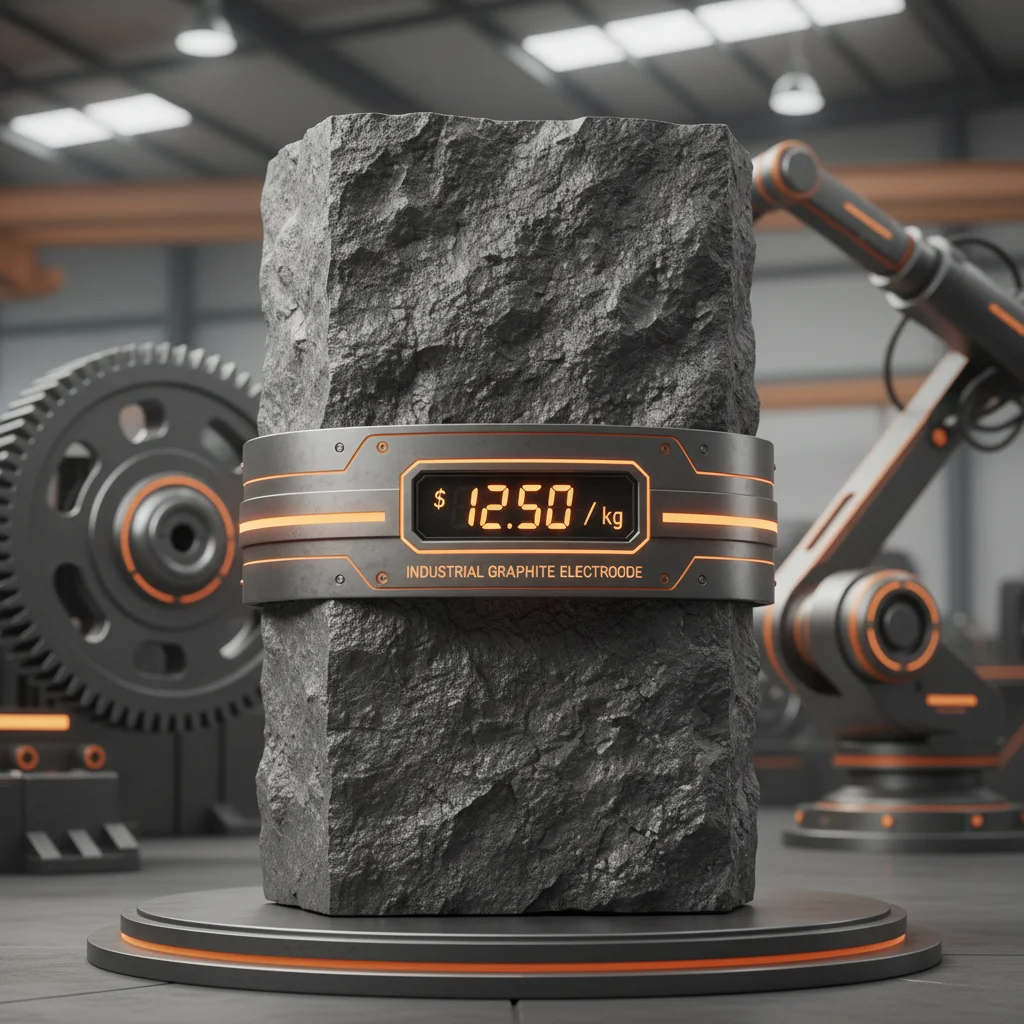
Graphite electrode producers are critical components in the steelmaking industry, playing a vital role in electric arc furnaces (EAFs). These producers manufacture high-quality electrodes that withstand extreme temperatures and conduct substantial electrical currents, enabling the efficient melting of scrap metal into new steel. The global demand for steel, driven by infrastructure development, automotive production, and construction, directly impacts the necessity for reliable and consistent graphite electrode supply.
The performance of graphite electrodes directly influences the efficiency and cost-effectiveness of steel production. Improvements in electrode quality – focusing on factors like low electrical resistivity, high mechanical strength, and reduced consumption rates – are continually sought to optimize EAF operations. Consequently, graphite electrode producers invest heavily in research and development, exploring new materials and manufacturing processes.
The geopolitical landscape and fluctuations in raw material prices (particularly natural graphite) pose significant challenges to graphite electrode producers. Maintaining a stable supply chain and adapting to evolving environmental regulations are crucial for sustained success in this dynamic market. The industry is also increasingly focused on sustainable practices, including recycling and reducing carbon footprint.
Introduction to graphite electrode producers
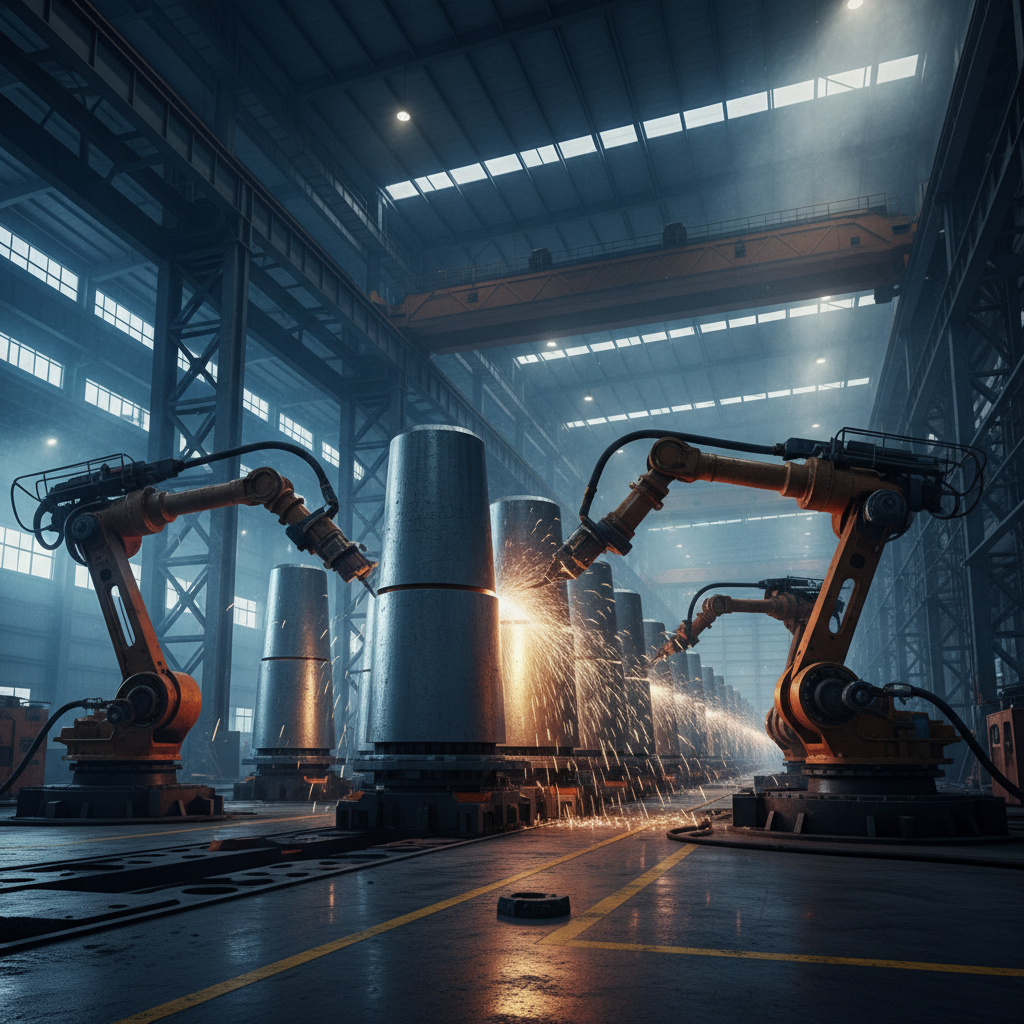
Graphite electrode producers are specialized manufacturers who create the consumable carbon electrodes used in electric arc furnaces for steelmaking. Their primary function is to melt scrap steel and other raw materials into liquid steel. The quality and performance of these electrodes directly impact the efficiency, cost, and environmental footprint of the steel production process.
The role of these producers is becoming increasingly important as the global demand for steel continues to rise, particularly with the growing emphasis on sustainable steelmaking practices using electric arc furnaces instead of traditional blast furnaces. Therefore, the innovations and advancements driven by graphite electrode producers are crucial for the future of the steel industry.
Global Significance and Industry Context
The steel industry is a cornerstone of the global economy, with production totaling over 1.8 billion metric tons annually. A significant and growing portion of this steel is produced using electric arc furnaces (EAFs), which rely heavily on graphite electrodes. Key steel-producing regions like China, India, the United States, and Europe are major consumers of these electrodes. The demand for graphite electrode producers closely follows the cyclical nature of the steel market.
Global events, such as trade wars, economic downturns, and geopolitical instability, can dramatically affect both steel demand and the supply chain of raw materials necessary for electrode production (namely, natural graphite, petroleum coke, and pitch). This volatility creates significant challenges for graphite electrode producers, requiring them to implement robust risk management strategies.
According to the World Steel Association, EAF steel production accounted for approximately 40% of global steel output in 2022, and this share is projected to increase in the coming years due to the environmental benefits and operational flexibility of EAF technology. This growth trajectory directly translates into increased demand for high-quality graphite electrodes.
Defining graphite electrode producers
Graphite electrode producers are companies specializing in the manufacturing of carbon-based electrodes used to conduct electricity and melt materials within electric arc furnaces. They utilize a complex process involving the calcination of petroleum coke, the blending with pitch as a binder, molding, baking, graphitization, and final machining to achieve the necessary physical and electrical properties.
These producers don't just create electrodes; they provide a critical link in the steel production chain. Their products are essential for converting scrap metal into new steel, contributing to a circular economy and reducing the reliance on virgin iron ore. The efficiency and durability of these electrodes have a substantial impact on the cost and environmental performance of steel mills.
The role of these producers extends beyond simple manufacturing. Many engage in research and development to improve electrode performance, reduce consumption rates, and explore alternative materials and manufacturing techniques. They also often provide technical support and services to steel mills to optimize electrode usage and troubleshoot operational issues.
Key Characteristics of High-Quality Electrodes
The effectiveness of graphite electrodes hinges on several key characteristics. Firstly, low electrical resistivity is crucial for minimizing energy loss during the melting process and reducing overall production costs. Secondly, high mechanical strength is vital to withstand the immense physical stresses within the EAF.
Low consumption rate is another critical factor. Electrodes gradually erode during use, and a lower consumption rate translates directly into lower operating expenses for steel mills. Furthermore, thermal shock resistance is essential to prevent cracking and failure due to rapid temperature fluctuations.
Electrode Performance Metrics Comparison
Applications in Steel Production and Beyond
The primary application of graphite electrodes remains within electric arc furnaces (EAFs) for steel production. These furnaces utilize the electrodes to melt scrap metal, direct reduced iron (DRI), and other ferrous materials, forming liquid steel. Graphite electrode producers cater specifically to the diverse needs of EAF steel mills, offering various electrode sizes and grades.
Beyond steelmaking, graphite electrodes find niche applications in other industrial processes requiring high-temperature electrical resistance. This includes applications within the production of ferroalloys (such as silicon metal and manganese metal), and certain types of chemical reactions requiring controlled heating.
Advantages of Utilizing Advanced Electrodes
Employing high-performance graphite electrodes offers a multitude of advantages for steel producers. Reduced electrode consumption directly translates to lower operating costs, as fewer electrodes need to be replaced over time. Improved electrical conductivity enhances the efficiency of the EAF process, lowering energy consumption and reducing carbon emissions.
Furthermore, advanced electrodes contribute to improved steel quality. Consistent arc stability, facilitated by high-quality electrodes, leads to more uniform melting and a lower risk of impurities in the final steel product. The enhanced reliability of these electrodes also minimizes downtime, boosting overall production throughput.
Future Trends and Innovations for Producers
The future of graphite electrode production is focused on sustainability and technological advancement. Graphite electrode producers are actively researching alternative raw materials, including bio-based binders, to reduce reliance on petroleum coke and lower carbon footprints. The development of advanced coating technologies is also a key area of focus, aiming to further reduce electrode consumption and improve performance.
Digitalization and automation are also transforming the industry. Smart electrodes equipped with sensors and data analytics capabilities are emerging, allowing real-time monitoring of electrode condition and optimization of EAF operations. Furthermore, innovations in graphitization processes are driving the production of electrodes with enhanced physical and electrical properties.
FAQS
The lifespan of a graphite electrode is influenced by several key factors including the operating conditions of the electric arc furnace, the quality of the electrode material, the current density, and the steel grade being produced. Higher currents, impure feedstocks, and frequent temperature fluctuations generally reduce electrode life. Regular monitoring and optimization of these factors can significantly extend electrode usage.
Different graphite electrode grades possess varying levels of impurities and physical properties. Lower-grade electrodes can introduce undesirable elements into the molten steel, potentially compromising its mechanical properties and chemical composition. Higher-grade electrodes, with reduced impurity levels, contribute to cleaner steel and improved overall quality.
Graphite electrode production can have environmental impacts related to raw material sourcing (natural graphite mining), energy consumption during manufacturing, and the disposal of spent electrodes. Producers are increasingly adopting sustainable practices, such as using recycled materials, improving energy efficiency, and developing environmentally friendly electrode disposal methods.
The price of graphite electrodes is subject to fluctuations influenced by several factors, including the cost of raw materials (petroleum coke, pitch, graphite), energy prices, supply and demand dynamics in the steel industry, and geopolitical events. Periods of high steel demand and limited electrode supply typically drive prices upward.
The coating on a graphite electrode plays a crucial role in protecting the electrode from oxidation and thermal shock. It slows down the electrode's consumption rate, minimizes impurities entering the steel melt, and improves overall performance. Different coating formulations offer varying levels of protection and are tailored to specific steelmaking processes.
Spent graphite electrodes can be recycled and repurposed for various applications. Common recycling methods include crushing and using the material as a carbon raiser in steelmaking, as a recarburizer in foundries, or as a soil amendment in agriculture. Responsible recycling practices minimize waste and conserve valuable resources.
Conclusion
In conclusion, graphite electrode producers are indispensable to the global steelmaking industry, providing the essential components that enable efficient and cost-effective steel production. The industry is evolving rapidly, driven by a need for sustainable practices, technological innovation, and a commitment to delivering high-performance products. The increasing reliance on EAFs signifies the continued importance of these producers.
Looking ahead, graphite electrode producers who invest in research and development, embrace digitalization, and prioritize environmental responsibility will be best positioned to thrive in a dynamic and competitive market. Their contributions are vital not only to the steel industry but also to the broader goal of creating a more sustainable and resilient global economy.