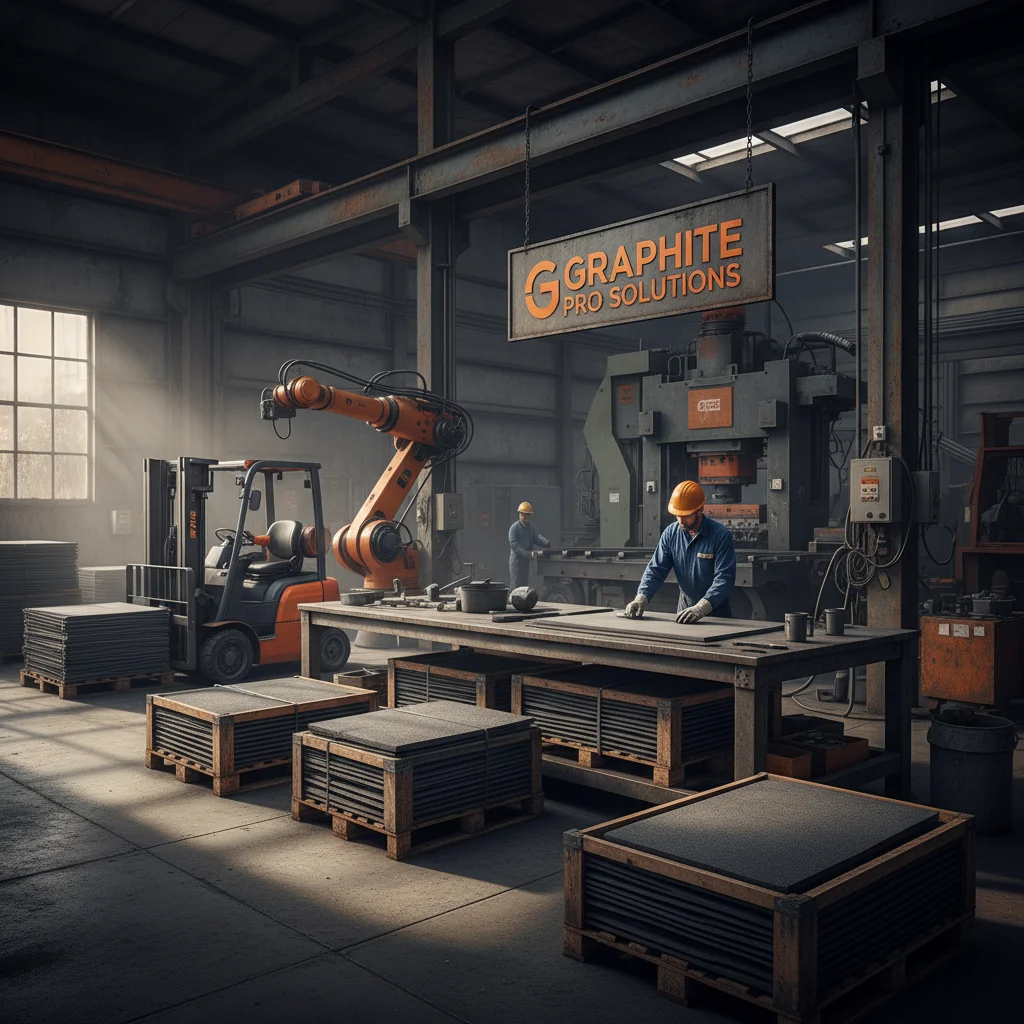
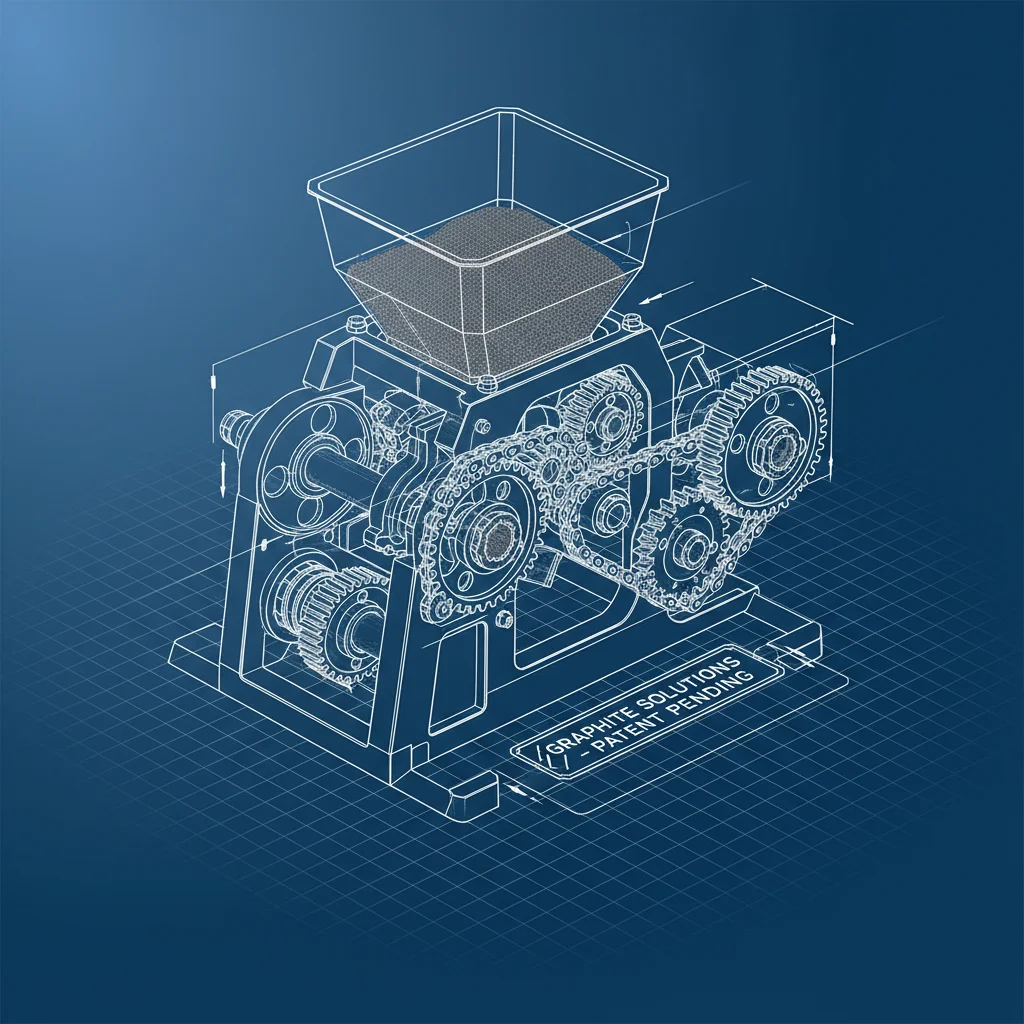
Advanced Artificial Graphite Manufacturer for Energy Storage and EV Applications

Advanced Artificial Graphite Manufacturer for Energy Storage and EV Applications

0%

Table of Contents

Artificial Graphite manufacturer plays a critical role in modern industry, extending beyond simple carbon material production. It’s a meticulously engineered form of carbon crucial for advancements in energy storage, particularly in lithium-ion batteries for electric vehicles and renewable energy systems. The demand for high-quality artificial graphite is soaring, driven by the global shift towards sustainable technologies and the need for efficient energy solutions. Understanding the nuances of its production, properties, and applications is essential for anyone involved in materials science, engineering, or the burgeoning green technology sector.

The increasing reliance on electric vehicles (EVs) and grid-scale energy storage directly correlates with the demand for consistently produced, high-performance artificial graphite. This reliance has created a critical need for reliable Artificial Graphite manufacturers who can meet stringent quality standards and scale production to meet global demand. Concerns around the ethical sourcing of natural graphite, along with its inconsistent quality, further drive the adoption of artificial alternatives.

Therefore, exploring the capabilities and innovations within artificial graphite manufacturing is no longer solely a technical exercise; it’s a vital component in addressing global challenges related to energy independence, sustainability, and technological advancement. The sector’s ability to adapt and innovate will significantly shape the future of energy and materials.
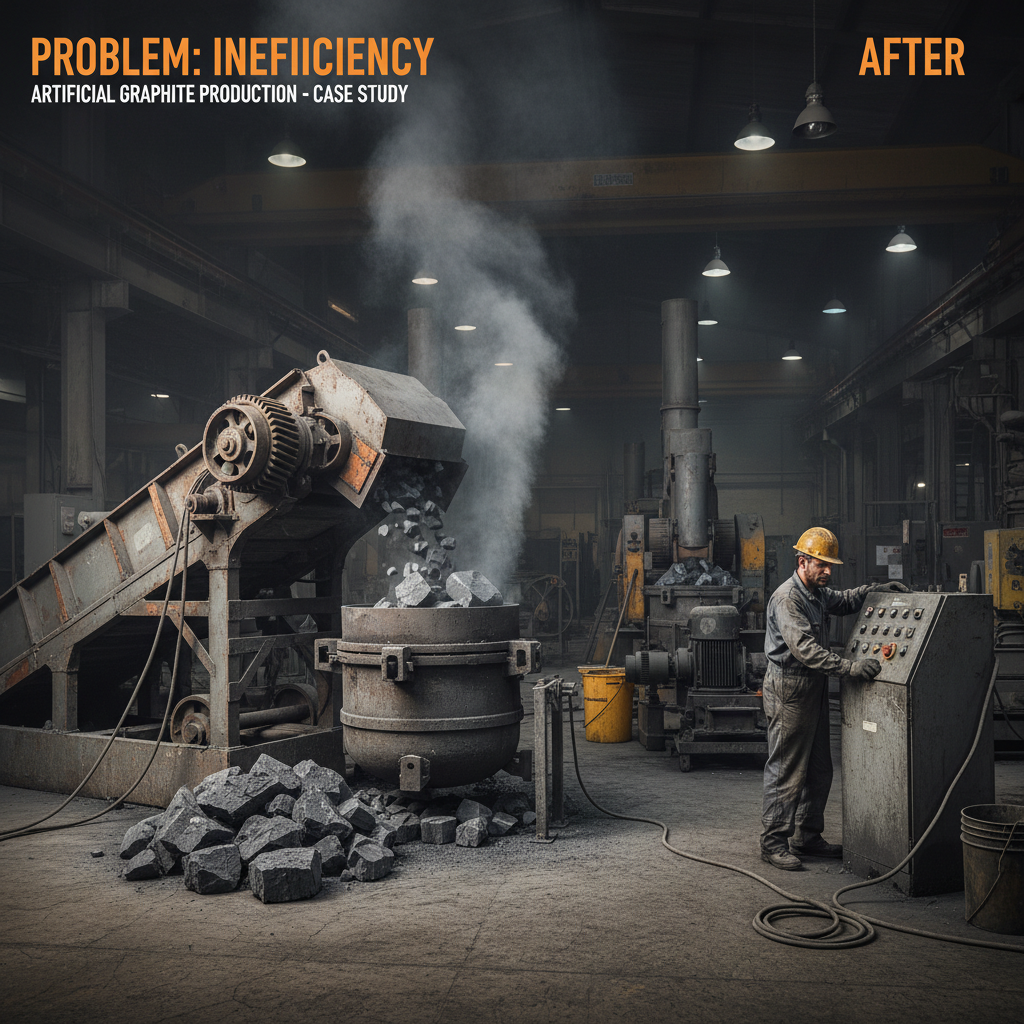
Artificial Graphite manufacturer

The Global Significance of Artificial Graphite manufacturer
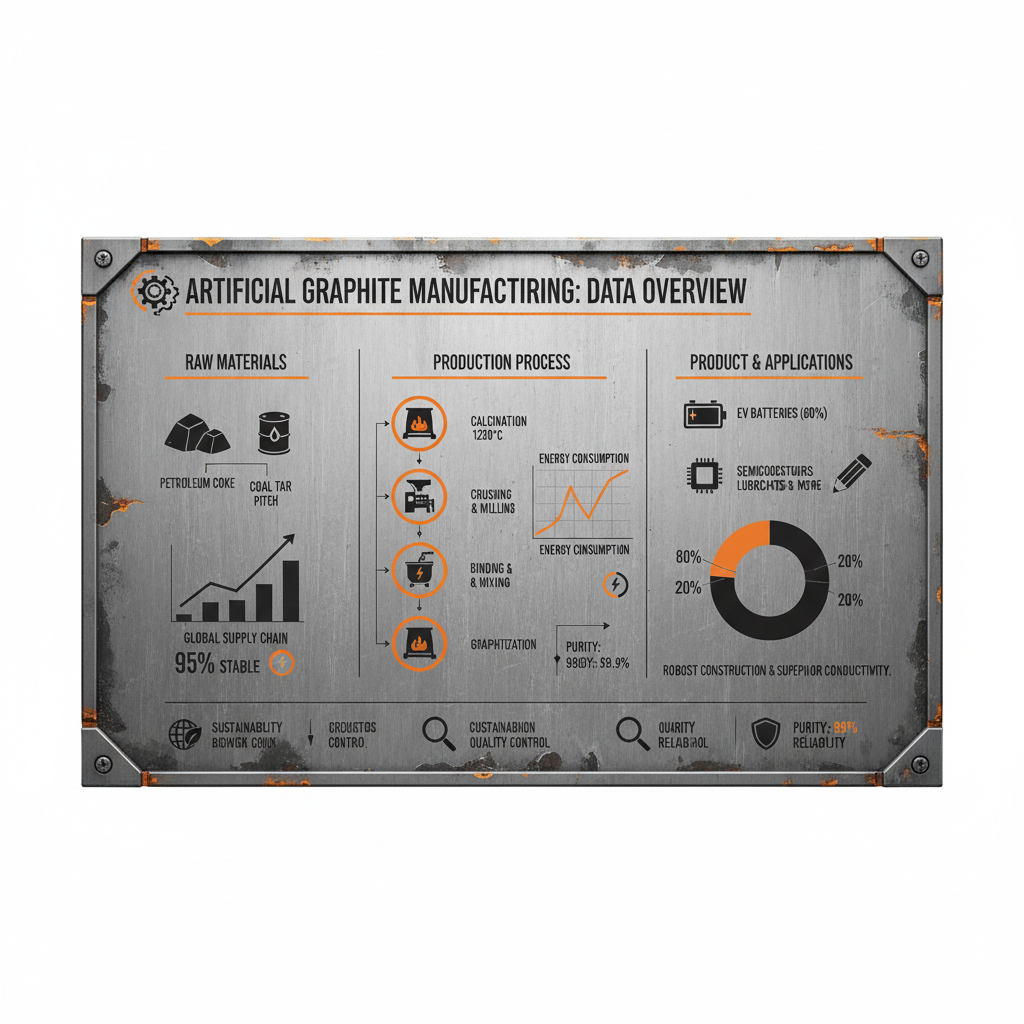
Artificial Graphite manufacturer

The global artificial graphite market is currently experiencing rapid growth, fueled by the demand for lithium-ion batteries. Reports from organizations like the International Energy Agency (IEA) predict exponential growth in EV adoption, which directly translates to increased graphite demand. China currently dominates the artificial graphite production landscape, accounting for a significant percentage of global output, but other regions are actively investing in expanding their manufacturing capabilities.

A key challenge facing the industry is ensuring the sustainable and ethical sourcing of raw materials used in artificial graphite production. While avoiding the issues associated with natural graphite mining, the process still requires careful consideration of energy consumption and waste management. Reliable Artificial Graphite manufacturers are prioritizing these factors, driving innovation in environmentally responsible production techniques.

Defining Artificial Graphite manufacturer

Artificial graphite isn’t simply a ‘synthetic’ version of natural graphite; it’s a meticulously engineered carbon material produced through the high-temperature treatment of carbonaceous precursors, such as petroleum coke, coal tar pitch, or biomass-derived materials. This process, known as graphitization, alters the crystalline structure of the precursor, resulting in a material with exceptional thermal and electrical conductivity, high strength, and chemical inertness.

Unlike natural graphite, artificial graphite offers greater control over particle size, purity, and morphology, allowing manufacturers to tailor the material’s properties to specific applications. This control is critical for optimizing battery performance, ensuring consistency, and meeting the evolving demands of various industries.

Essentially, artificial graphite is a sophisticated material designed to enhance performance and reliability in demanding applications, moving beyond the limitations inherent in naturally occurring graphite sources.

Core Components of Artificial Graphite Production

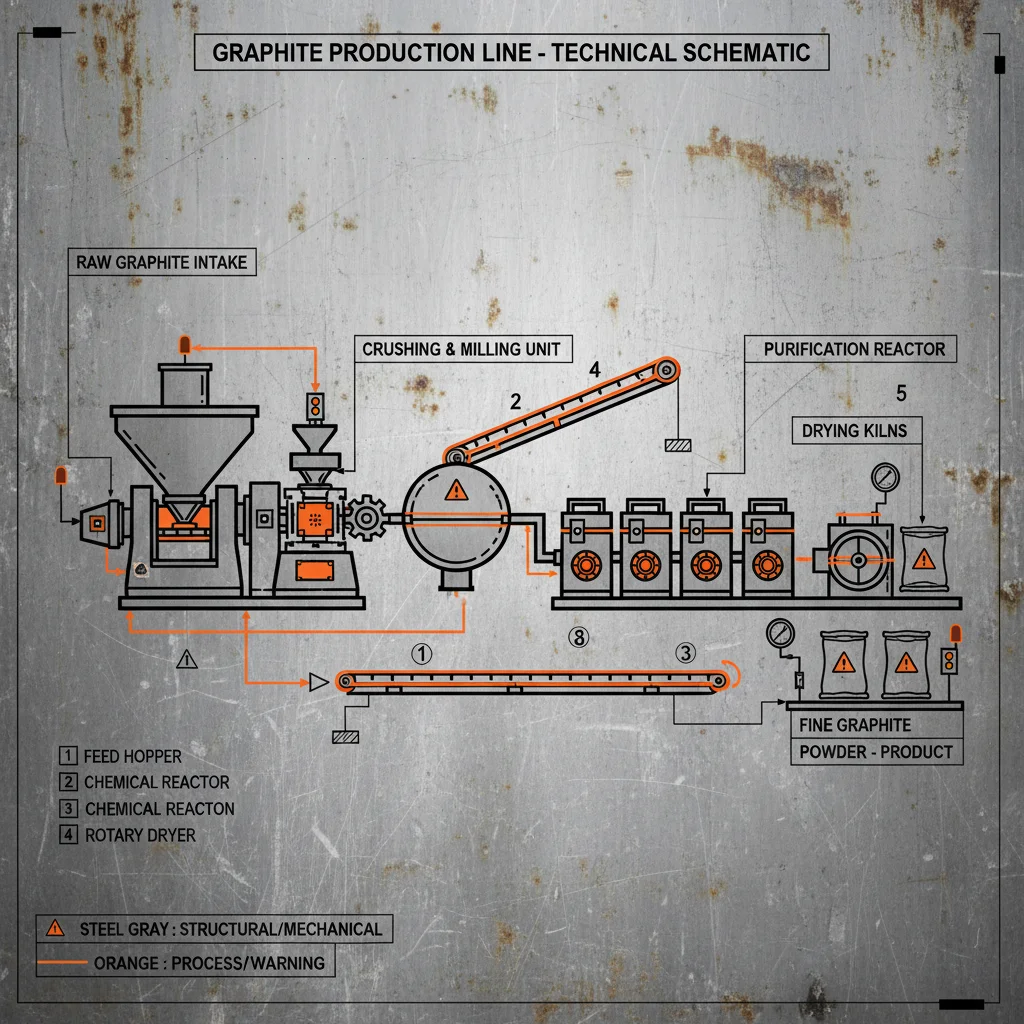
The production of high-quality artificial graphite involves several critical stages, beginning with the selection of a suitable carbon precursor. The quality and characteristics of the precursor heavily influence the final product's properties. Petroleum coke, derived from oil refining, is a common choice due to its high carbon content and low impurity levels.

Following precursor selection, the material undergoes calcination – a pre-treatment process that removes volatile compounds and increases the carbon content. This is then followed by graphitization, typically conducted in electric resistance furnaces at temperatures exceeding 2,500°C. Precise temperature control and atmospheric conditions during graphitization are essential for achieving the desired crystalline structure and properties.

Finally, the graphitized material is subjected to purification, milling, and classification processes to achieve the desired particle size distribution and remove any remaining impurities. This final stage is crucial for ensuring consistency and maximizing performance in the intended application. Expert Artificial Graphite manufacturers meticulously control each stage of production to deliver a superior product.

Key Performance Indicators of Artificial Graphite manufacturer

Assessing the quality of artificial graphite relies on several key performance indicators (KPIs). Particle size distribution is paramount, directly impacting battery electrode density and performance. Tap density – the mass of graphite per unit volume – influences energy density.

Furthermore, impurity levels (ash content, sulfur content, metallic contaminants) must be minimized to prevent adverse effects on battery life and stability. Surface area and pore structure also play a crucial role in lithium-ion diffusion and overall electrochemical performance.

Artificial Graphite Quality Metrics

Real-World Applications and Industries Served

The primary application of artificial graphite is in the production of lithium-ion battery anodes. This accounts for the vast majority of global demand. However, its versatility extends to other areas, including refractories (high-temperature resistant materials), lubricants, conductive fillers in plastics, and brake linings.

Industries benefiting from artificial graphite include the electric vehicle (EV) sector, energy storage systems (ESS) for renewable energy, electronics manufacturing, metallurgy, and the aerospace industry. Geographical demand is concentrated in regions with significant EV and battery manufacturing capacity, such as China, Europe, and North America.

Advantages and Long-Term Value Proposition

Compared to natural graphite, artificial graphite offers several compelling advantages. Its consistent quality and tailored properties enable optimized battery performance, leading to increased range and lifespan for EVs. The controlled manufacturing process also allows for better scalability and supply chain security, reducing reliance on potentially unstable natural graphite sources.

From a sustainability standpoint, artificial graphite production can utilize recycled carbon sources, minimizing environmental impact. Long-term, the value proposition lies in its contribution to a cleaner energy future, coupled with the enhanced performance and reliability it delivers across a wide range of applications.

Investing in high-quality artificial graphite is not simply a material choice; it’s an investment in innovation, sustainability, and long-term technological progress.

Future Trends and Innovation in Artificial Graphite manufacturer

Several exciting trends are shaping the future of artificial graphite manufacturing. Research is focused on developing new precursors from renewable biomass sources, reducing the carbon footprint of production. Advanced graphitization techniques, such as microwave-assisted heating, are being explored to enhance efficiency and control.

Furthermore, surface modification technologies are being employed to improve lithium-ion diffusion and enhance battery performance. Digitalization and automation are also playing an increasingly important role, enabling precise process control and improved quality assurance. Expect further integration of AI and machine learning for optimization.

These innovations will solidify artificial graphite’s position as a critical material for the energy transition and unlock even greater potential in diverse applications.

Analysis of Factors Influencing the Performance of Artificial Graphite

Precursor Material Graphitization Temperature (°C) Impurity Levels (ppm) Electrochemical Performance (Capacity Retention %)
Petroleum Coke 2800 15 92
Coal Tar Pitch 3000 25 88
Biomass-Derived Carbon 2600 30 90
Petroleum Coke (Purified) 2900 5 95
Coal Tar Pitch (Treated) 3100 18 91
Biomass-Derived Carbon (Enhanced) 2700 20 93

FAQS

What are the key differences between artificial and natural graphite for battery applications?

Artificial graphite offers superior consistency in particle size, purity, and morphology compared to natural graphite. This allows for better control over battery performance characteristics, like capacity and cycle life. Natural graphite can contain impurities that impact performance, and its supply chain can be less reliable. Artificial graphite enables tailored material properties for specific battery needs, an advantage natural graphite lacks.

How does the choice of precursor material impact the quality of artificial graphite?

The precursor material significantly influences the final properties of artificial graphite. Petroleum coke generally yields high-quality graphite due to its high carbon content and low impurity levels. Coal tar pitch is more affordable but often requires extensive purification. Emerging precursors, like biomass-derived carbon, offer sustainable alternatives but may require advanced processing to achieve comparable performance. Artificial Graphite manufacturers carefully select their precursors based on desired characteristics.

What is the environmental impact of artificial graphite production?

Artificial graphite production can have environmental impacts related to energy consumption during graphitization and the handling of precursor materials. However, it generally avoids the environmental concerns associated with natural graphite mining, such as habitat destruction and water pollution. Utilizing recycled carbon sources and implementing energy-efficient processes can further minimize the environmental footprint.

How is artificial graphite purified after graphitization?

Purification typically involves acid treatment to remove metallic impurities, followed by water washing and drying. Advanced techniques like selective oxidation are also employed to remove residual carbonaceous matter. Stringent quality control measures are essential to ensure the purity of the final product and prevent contamination that could degrade battery performance.

What is the typical lifespan of a battery using artificial graphite anodes?

The lifespan of a battery with artificial graphite anodes depends on several factors, including battery chemistry, operating conditions, and cycling regime. However, artificial graphite typically contributes to a longer cycle life compared to batteries using lower-quality graphite materials. High-performance batteries utilizing optimized artificial graphite can exceed 1,000 charge-discharge cycles with minimal capacity fade.

How are advancements in surface modification improving artificial graphite performance?

Surface modification techniques, such as coating with carbonaceous materials or incorporating heteroatoms (nitrogen, oxygen), enhance lithium-ion diffusion and improve the electrochemical stability of the anode. These modifications create more active sites for lithium-ion intercalation, boosting capacity and reducing impedance. Innovations in surface chemistry are crucial for maximizing the performance of artificial graphite in next-generation battery technologies.

Conclusion

Artificial Graphite manufacturer represents a cornerstone of the evolving energy landscape, providing a vital material for battery technologies that are driving the transition to sustainable power. Its unique properties – controlled purity, tailored morphology, and consistent performance – make it an indispensable component in electric vehicles, energy storage systems, and numerous other applications. The ability of manufacturers to refine production processes and embrace innovative precursors is critical for meeting the growing global demand.

Looking ahead, continued investment in research and development, coupled with a commitment to sustainable practices, will unlock even greater potential for artificial graphite. We encourage you to explore the possibilities and discover how Artificial Graphite manufacturer can contribute to a cleaner, more efficient future.
Robert Miller

Robert Miller

Robert Miller serves as the Senior Metallurgical Engineer at Ding An Heng New Material Technology Co., Ltd. With over 15 years of experience in the steelmaking industry, Robert specializes in the optimization of carburization processes. He holds a PhD in Materials Science and is a frequent contributor to industry publications on the effective use of recarburizers. Robert joined Ding An Heng to enhance product development and ensure consistent quality in the company’s range of graphite and carbon materials. He's currently leading a research project focused on improving the efficiency of GPC in electric arc furnaces, leveraging Ding An Heng’s 60,000-ton annual capacity.
Previous Exploring Leading Synthetic Graphite Manufacturers and Market Trends
Next Selecting a Reliable Artificial Graphite supplier for Modern Industries

If you are interested in our products, you can choose to leave your information here, and we will be in touch with you shortly.

  • captcha