

Synthetic graphite manufacturers are pivotal in supplying a crucial material for a diverse range of modern industries, from electric vehicle batteries to advanced ceramics. The global demand for graphite, particularly the synthetic variety, is experiencing significant growth driven by the energy transition and technological advancements. Understanding the capabilities, production processes, and future trends surrounding these manufacturers is essential for businesses, researchers, and policymakers alike.
The importance of reliable synthetic graphite manufacturers lies in their ability to provide consistently high-quality materials tailored to specific application requirements. Unlike natural graphite, synthetic graphite offers greater purity, controlled particle size, and customizable properties. This is increasingly critical for applications demanding high performance and consistent results. synthetic graphite manufacturers are at the forefront of meeting these demands.
These manufacturers play a vital role in enabling the development and deployment of key technologies. Their impact extends beyond simply supplying a raw material; they contribute to innovation, sustainability, and economic growth by supporting industries critical to a low-carbon future. This makes understanding the landscape of synthetic graphite manufacturers strategically important on a global scale.
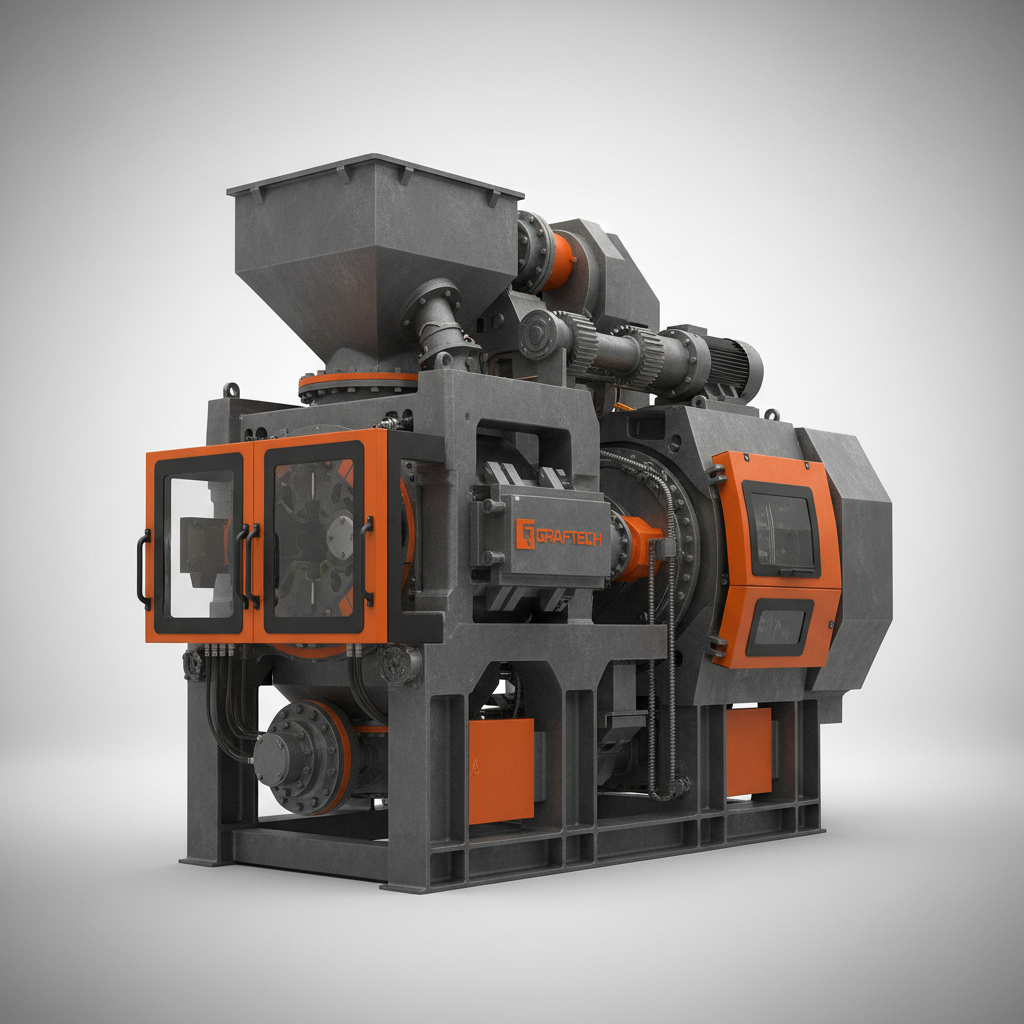
The Core of Synthetic Graphite Manufacturing
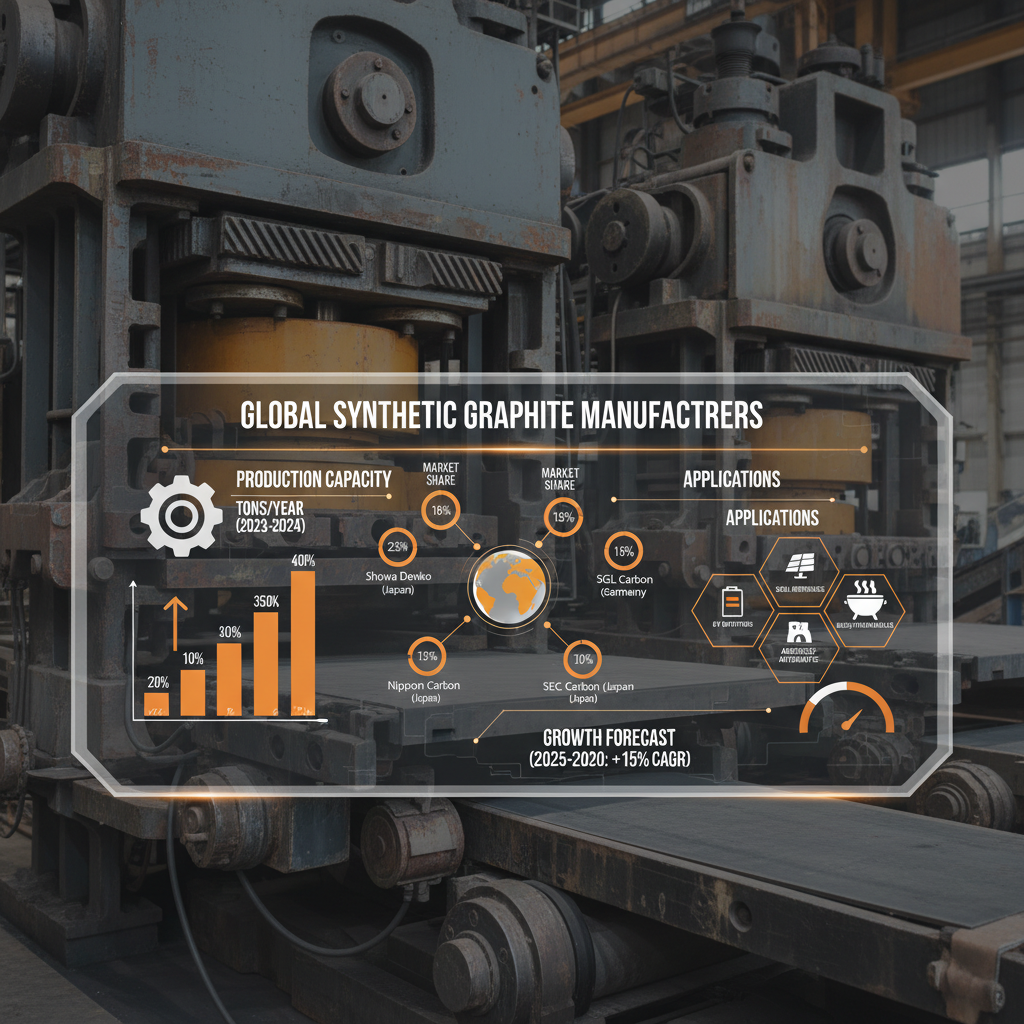
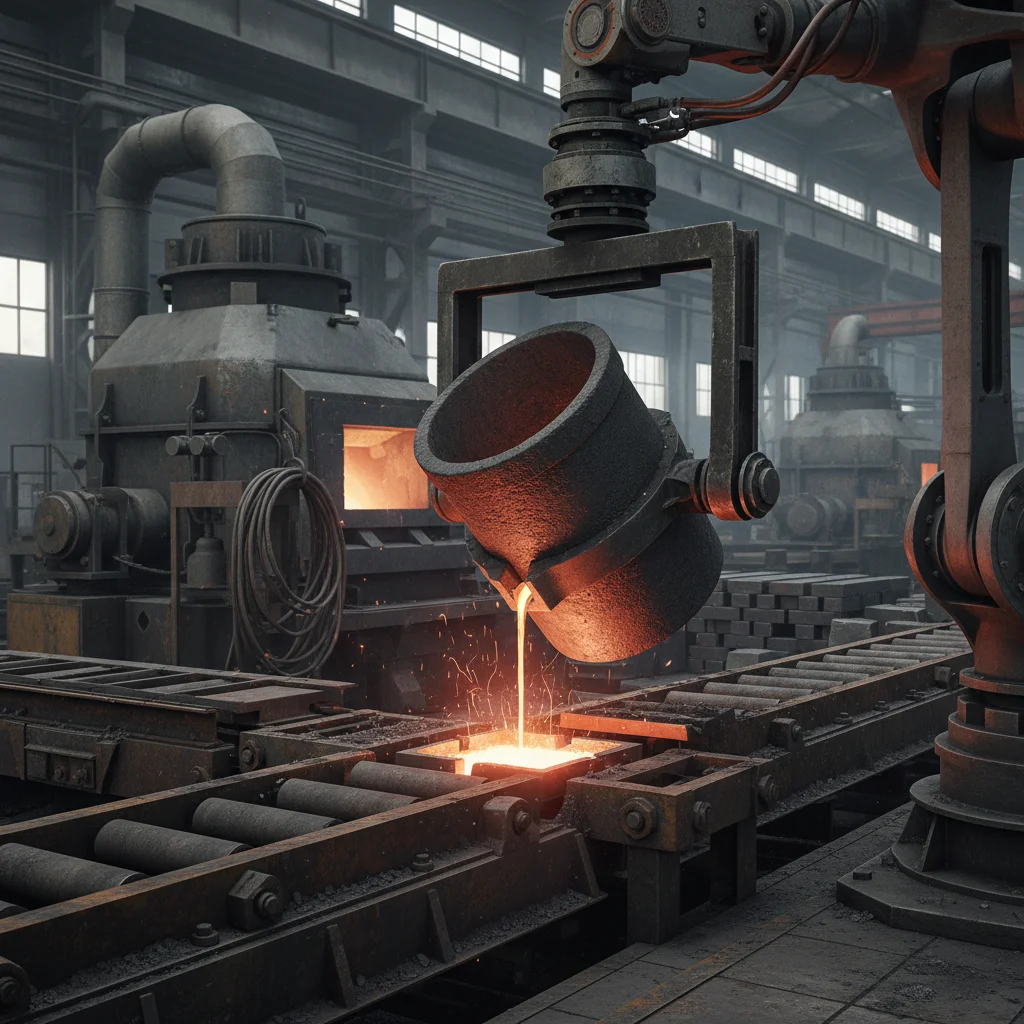
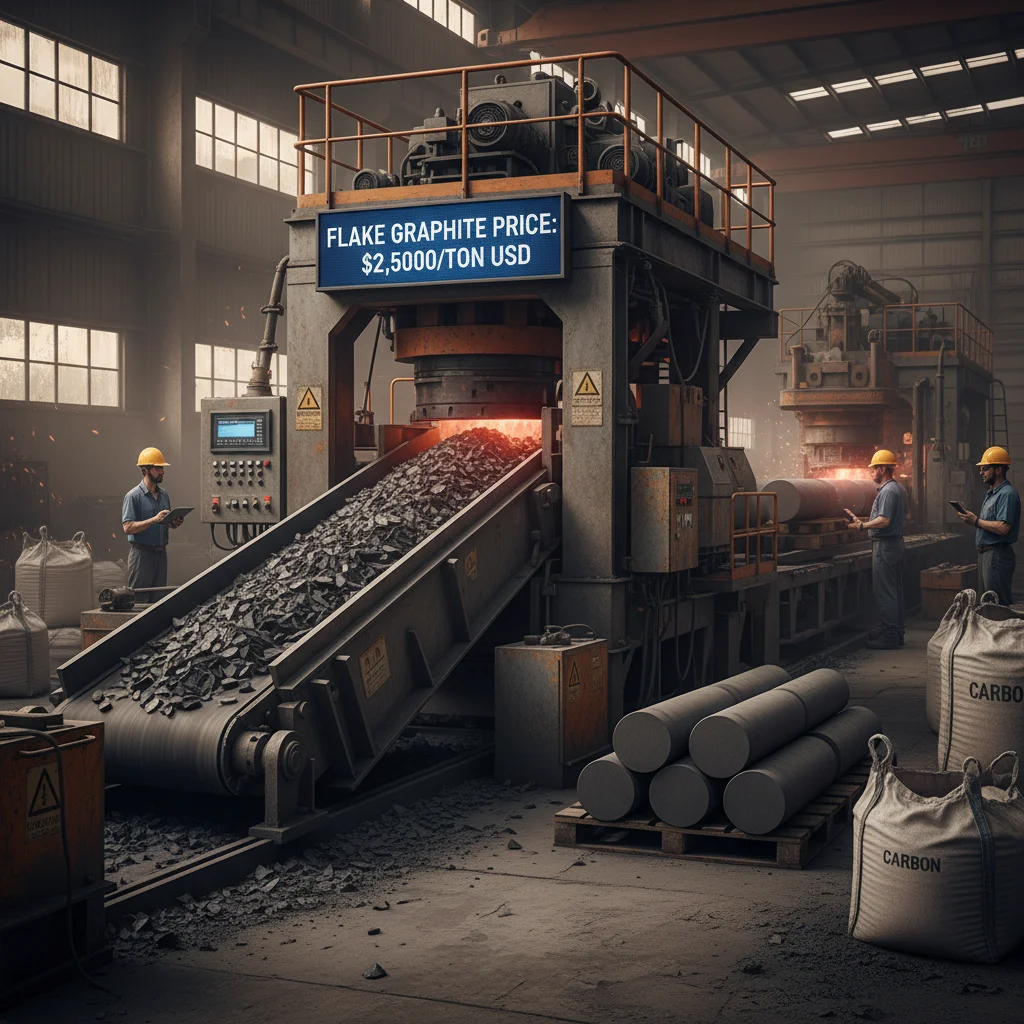
The process of creating synthetic graphite relies on the high-temperature treatment of carbonaceous materials, most commonly petroleum coke or coal tar pitch. These materials undergo graphitization, a process that transforms amorphous carbon into the crystalline structure of graphite. Synthetic graphite manufacturers meticulously control this process to achieve desired characteristics.
The key lies in optimizing parameters like temperature, heating rates, and residence time. Different manufacturers employ variations in their techniques, leading to graphite with diverse properties—influencing its suitability for specific applications. Sophisticated quality control measures are integral to ensure consistent performance and adherence to industry standards.
FAQS
Synthetic graphite offers superior purity and more consistent particle size compared to natural graphite. This results in improved battery cycle life, higher energy density, and better charging/discharging rates. The controllable properties of synthetic graphite allow for optimization tailored to specific battery chemistries and performance requirements.
Many manufacturers are implementing sustainable practices such as utilizing renewable energy sources, optimizing graphitization processes to reduce energy consumption, and exploring alternative carbon feedstocks like recycled materials and biomass. They are also investing in carbon capture technologies to minimize their carbon footprint and comply with increasingly stringent environmental regulations.
Reputable manufacturers employ rigorous quality control throughout the entire production process, from raw material sourcing to final product testing. This includes techniques like X-ray diffraction, Raman spectroscopy, and particle size analysis to ensure consistency in crystal structure, purity, and morphology. They also maintain strict adherence to industry standards like ISO 9001.
Lead times for custom synthetic graphite can vary significantly depending on the complexity of the specifications, the quantity ordered, and the manufacturer’s current production schedule. Typically, lead times range from 4 to 12 weeks. It’s essential to engage with the manufacturer early in the design process to discuss requirements and establish a realistic timeline.
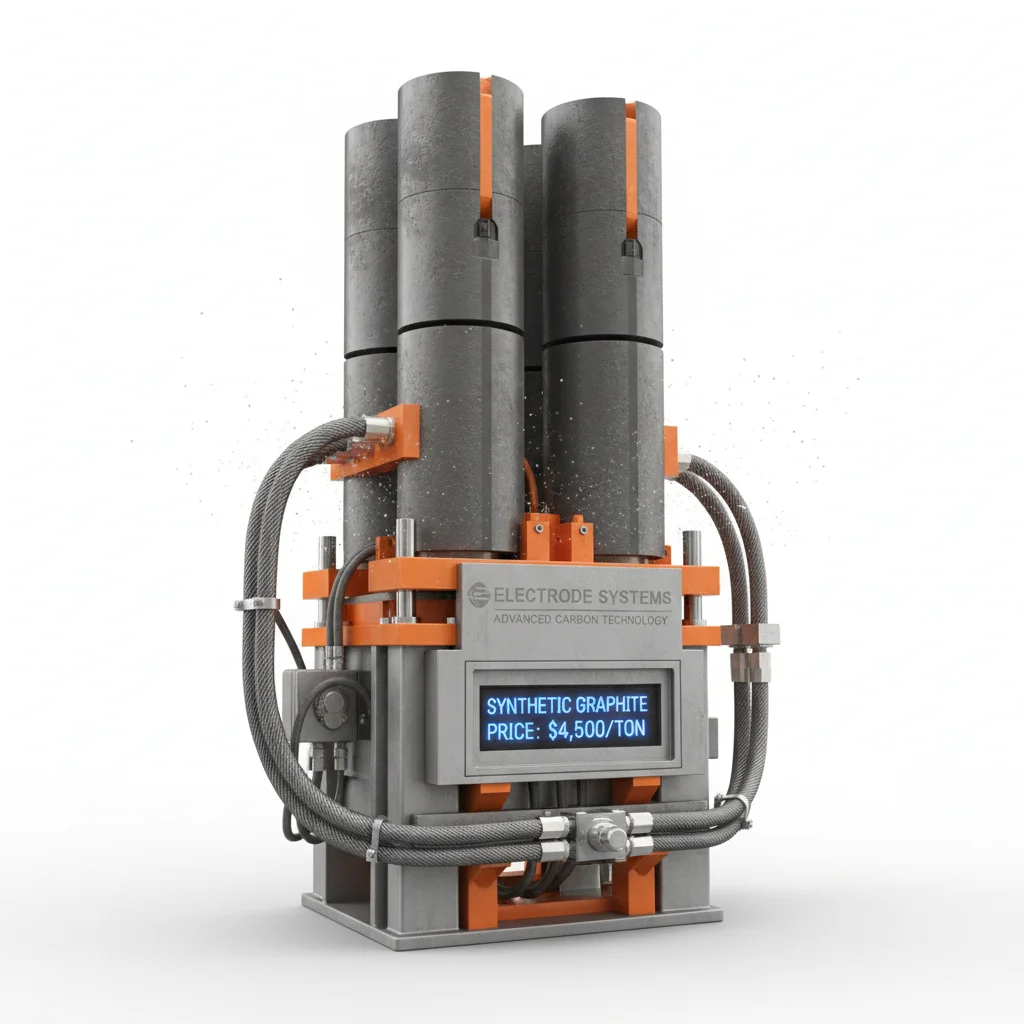
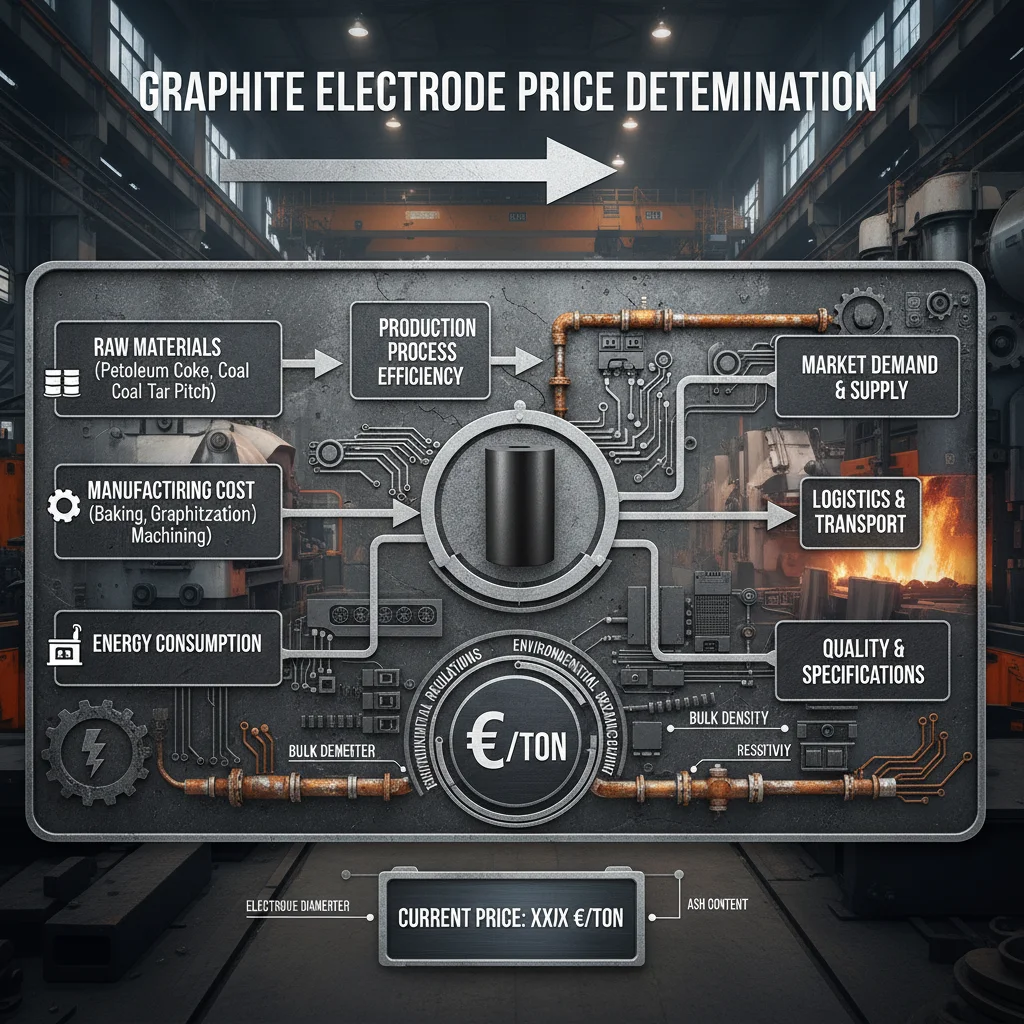
The price of synthetic graphite is influenced by several factors, including the purity level, particle size distribution, production volume, and the overall market demand. Prices can also vary depending on the specific carbon feedstock used and the manufacturing process employed. Negotiating long-term contracts can often secure more favorable pricing.
Key trends include the development of higher-performance graphite materials for advanced battery technologies like solid-state batteries, the adoption of more sustainable manufacturing practices, and the increasing demand for customized graphite solutions tailored to specific applications. Digitalization and AI-driven process optimization will also play a crucial role in improving efficiency and quality.
Conclusion
In summary, synthetic graphite manufacturers are critical enablers of technological advancements in energy storage, materials science, and numerous industrial applications. Their ability to produce high-quality, customizable graphite materials is essential for meeting the growing demand for sustainable and high-performance solutions. The sector’s future hinges on innovation, sustainability, and responsiveness to evolving market needs.
Looking ahead, continued investment in research and development, coupled with a commitment to responsible manufacturing practices, will be crucial for synthetic graphite manufacturers to maintain their leadership position. Embracing digitalization and exploring alternative carbon sources will further enhance their resilience and contribute to a more sustainable future. Visit our website at www.dahcarbon.com to learn more about our offerings.

Ethan Turner
Ethan is the Marketing Director at Cangzhou Jiujiang, focusing on expanding the brand's presence in North America. With over a decade of experience in outdoor apparel marketing, Ethan leverages his knowledge to promote the company’s PU rainwear, emphasizing its BSCI and GRS certifications.


