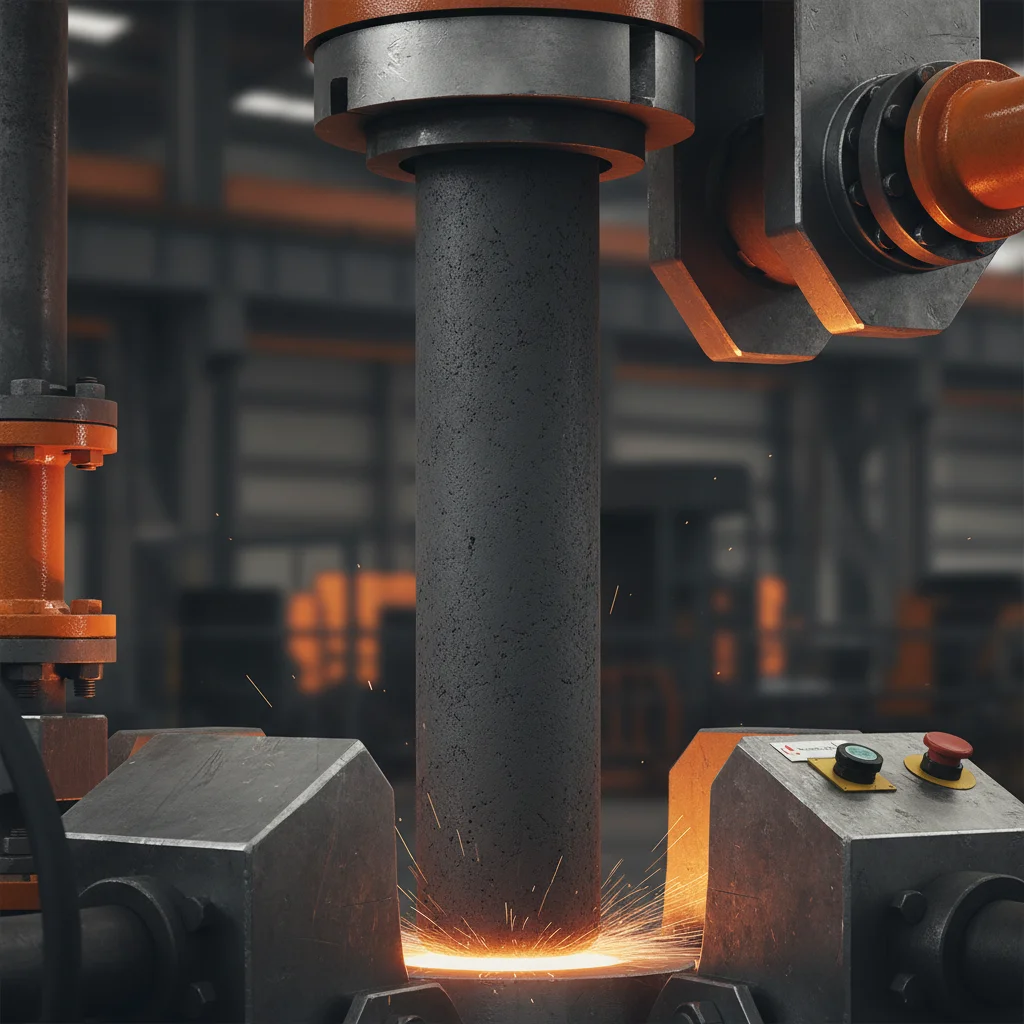
Artificial Graphite supplier plays a pivotal role in numerous modern industries, from lithium-ion batteries powering electric vehicles to advanced materials utilized in aerospace engineering. As demand for these applications surges globally, understanding the nuances of artificial graphite production, quality control, and supply chain management becomes increasingly crucial. The global artificial graphite market is experiencing significant growth, driven by the escalating adoption of electric vehicles and energy storage systems. Investing in knowledge regarding reliable Artificial Graphite supplier is therefore essential for businesses and researchers alike.
The importance of a consistent and high-quality Artificial Graphite supplier extends beyond technological advancements; it’s intrinsically linked to economic viability and environmental sustainability. Fluctuations in supply or inconsistencies in material properties can disrupt entire production lines and compromise product performance. Furthermore, responsible sourcing and environmentally sound manufacturing practices are paramount concerns in today’s market, making the selection of a reputable Artificial Graphite supplier a strategic imperative.
Ultimately, understanding the characteristics, applications, and future trends associated with artificial graphite is critical for innovation and maintaining a competitive edge in an evolving global landscape. Choosing the right Artificial Graphite supplier can be the key to unlocking breakthroughs and achieving long-term success in diverse sectors.
The Significance of Artificial Graphite supplier
The contemporary industrial landscape relies heavily on specialized materials, and artificial graphite stands out as a crucial component across a wide spectrum of applications. A reliable Artificial Graphite supplier is therefore indispensable for ensuring consistent production and high-performance outcomes in various industries.
Securing a stable and reputable Artificial Graphite supplier isn't merely about procurement; it's about fostering a long-term partnership built on trust, quality, and innovation. The ability to consistently access high-grade artificial graphite directly influences a company's capacity to meet market demands and maintain its competitive edge.
Understanding Artificial Graphite Supply
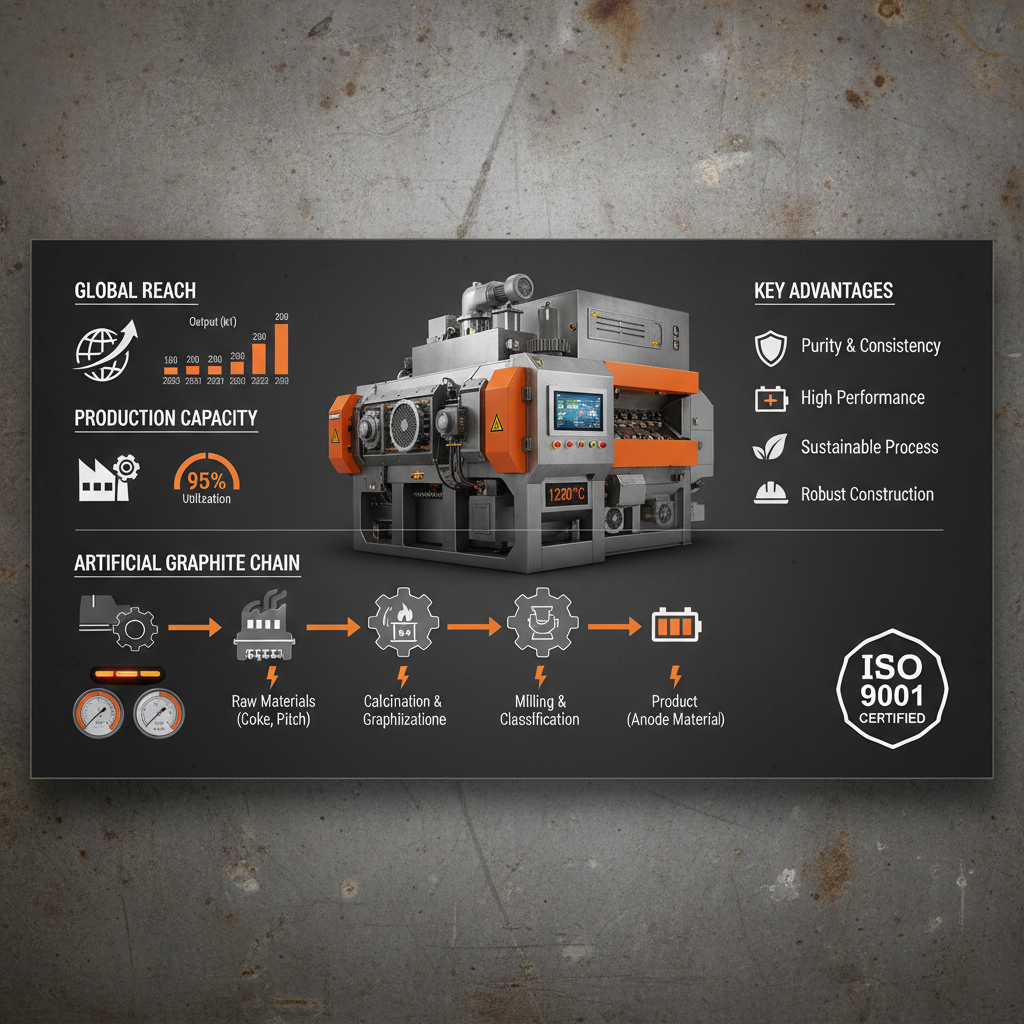
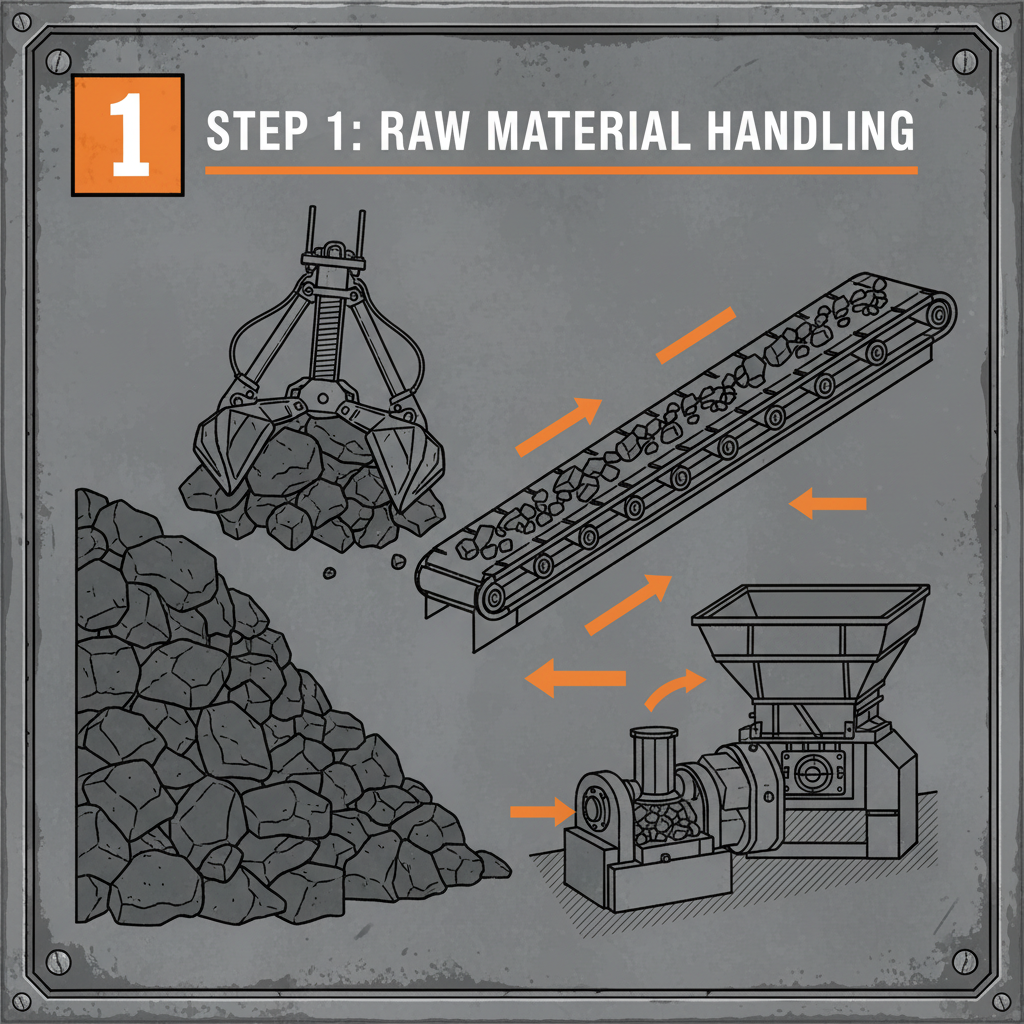
The supply chain for artificial graphite is a complex network involving raw material sourcing, processing, purification, and finally, delivery to end-users. A capable Artificial Graphite supplier will possess a thorough understanding of each stage, ensuring traceability and quality control throughout the entire process. Raw materials, typically petroleum coke or coal tar pitch, are sourced globally, making supply chain resilience a critical factor.
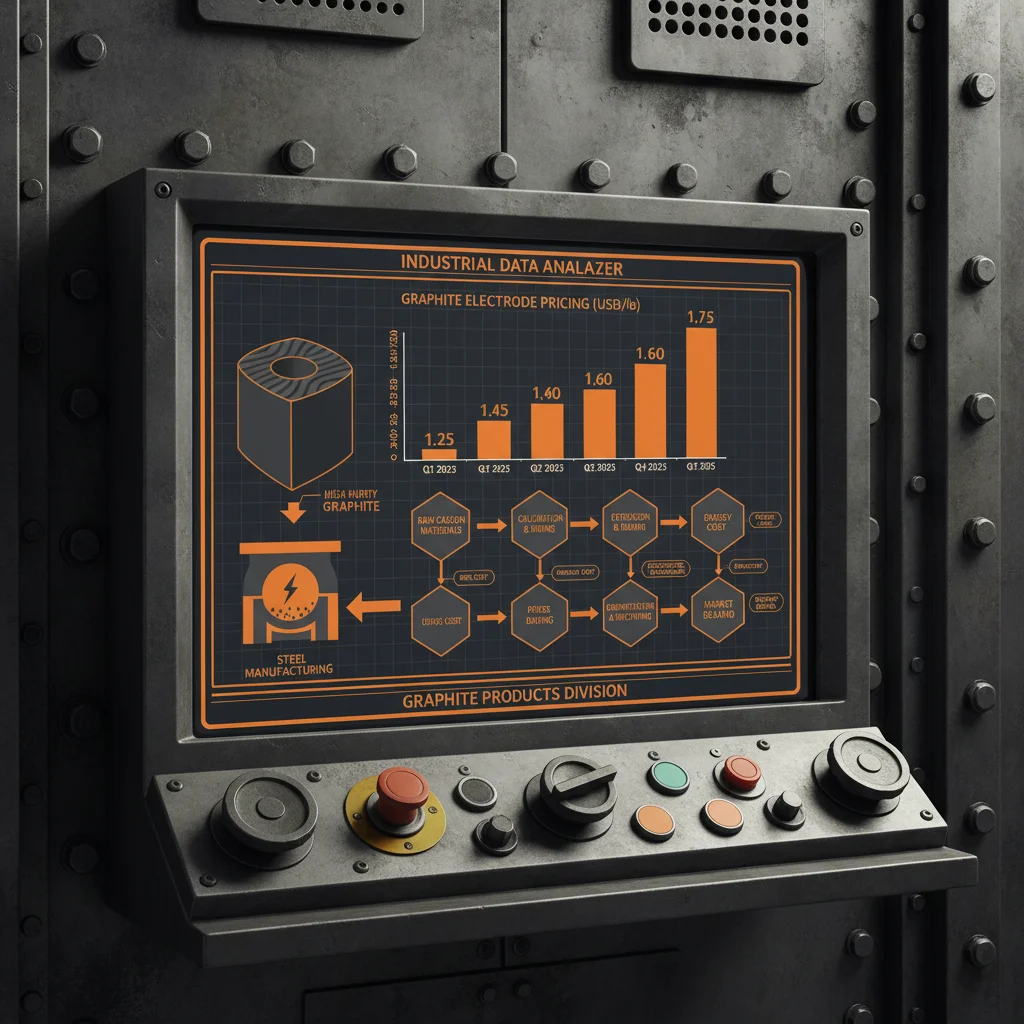
Geopolitical factors, environmental regulations, and transportation logistics all contribute to the complexity of artificial graphite supply. Distruptions at any point in the chain can lead to price volatility and supply shortages. Therefore, choosing a supplier with diversified sourcing strategies and robust risk management protocols is crucial.
A modern Artificial Graphite supplier will prioritize sustainable sourcing practices and transparency, offering clients a clear understanding of the origin and environmental impact of their materials. This commitment to responsible supply is increasingly valued by businesses and consumers alike.
Key Components of an Artificial Graphite supplier
A successful Artificial Graphite supplier is built upon several key components, beginning with robust manufacturing capabilities. This includes state-of-the-art equipment, skilled personnel, and stringent quality control procedures at every stage of production.
Equally important is a commitment to research and development. Continuous innovation in graphite processing techniques, material properties, and application-specific solutions is essential for maintaining a competitive edge. The best suppliers actively collaborate with their clients to develop custom graphite formulations tailored to their unique needs.
Finally, a responsive and reliable customer service team is crucial. Effective communication, timely delivery, and proactive problem-solving are hallmarks of a dependable Artificial Graphite supplier. Building strong, long-term relationships with clients is a priority.
Global Applications of Artificial Graphite supplier
The applications of artificial graphite are incredibly diverse, spanning numerous industries. A major area is lithium-ion battery production, where it’s used as an anode material due to its excellent electrical conductivity and stability. This is driving significant demand from the electric vehicle and energy storage sectors.
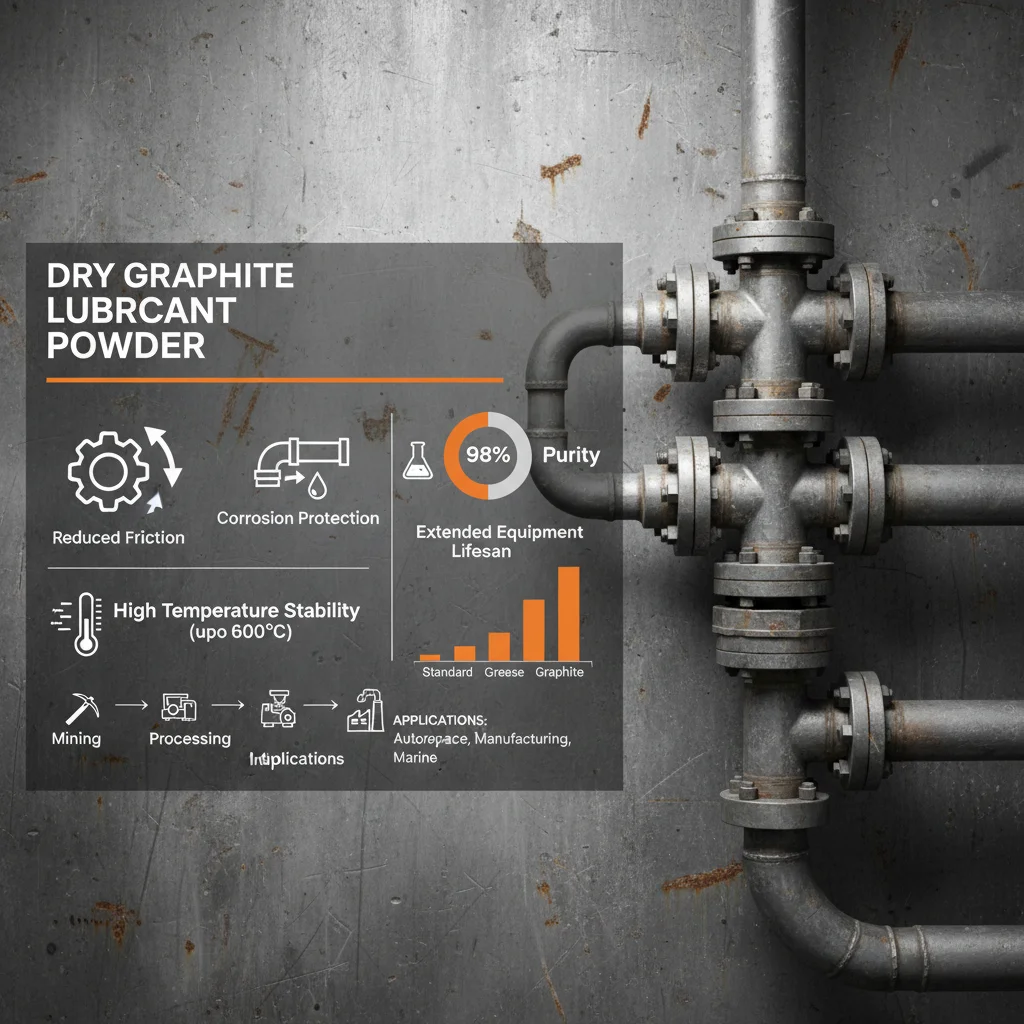
Beyond batteries, artificial graphite finds use in refractories, lubricants, conductive brushes, and powder metallurgy. The aerospace industry leverages its high strength-to-weight ratio and thermal stability in various components. In the steel industry, it acts as a carbon raiser and lubricant.
Artificial Graphite Supplier Application Distribution
Advantages of Choosing a Quality Artificial Graphite supplier
Selecting a high-quality Artificial Graphite supplier translates to numerous benefits for businesses. Consistent material properties ensure predictable performance in manufacturing processes, minimizing waste and maximizing efficiency.
Furthermore, reliable suppliers adhere to rigorous quality control standards and provide detailed material certifications, reducing the risk of product failures and enhancing overall product reliability. This leads to increased customer satisfaction and brand reputation.
Future Trends in Artificial Graphite Supply
The future of artificial graphite supply is inextricably linked to advancements in battery technology and the growth of the electric vehicle market. We can expect to see increased demand for higher-purity graphite with tailored particle sizes and surface properties.
Sustainability will become an even more prominent factor, with greater emphasis on eco-friendly production processes and the use of recycled materials. Digitalization and supply chain transparency, enabled by technologies like blockchain, will also play a significant role.
Moreover, research into alternative graphite sources and innovative processing techniques, like those offered by a forward-thinking Artificial Graphite supplier, will be crucial for meeting future demand and ensuring supply chain resilience.
Challenges and Solutions in Artificial Graphite Sourcing
Sourcing artificial graphite isn’t without its challenges. Price volatility, geopolitical risks, and environmental concerns pose ongoing difficulties. Maintaining consistent quality control across a complex supply chain is also a significant hurdle.
One solution is to diversify sourcing options, reducing reliance on single suppliers or regions. Investing in long-term contracts with reputable Artificial Graphite supplier can provide price stability and supply security.
Implementing robust quality assurance programs, including regular audits and independent testing, is essential for mitigating risks and ensuring material integrity. Embracing sustainable sourcing practices and promoting transparency throughout the supply chain are also critical steps.
Key Factors for Evaluating Artificial Graphite Suppliers
| Supplier Reputation |
Material Quality |
Supply Chain Reliability |
Pricing & Contract Terms |
| Years in operation, customer testimonials, industry recognition. |
Purity levels, particle size distribution, consistency, certifications. |
Sourcing diversity, logistics capabilities, inventory management, responsiveness. |
Competitive pricing, payment terms, contract length, escalation clauses. |
| Proven track record of delivering on commitments and resolving issues efficiently. |
Detailed material data sheets, independent laboratory testing reports. |
Ability to handle large volumes and adapt to changing demands. |
Transparency in pricing structure and willingness to negotiate favorable terms. |
| Positive relationships with industry partners and regulatory bodies. |
Conformance to international standards (e.g., ISO 9001). |
Proactive communication regarding potential disruptions. |
Flexible contract options to accommodate evolving business needs. |
| Demonstrated commitment to ethical and sustainable business practices. |
Customization options to meet specific application requirements. |
Efficient order processing and on-time delivery. |
Long-term supply agreements for price stability. |
| Strong technical support and expertise to assist with material selection and application. |
Consistent material performance batch-to-batch. |
Geographic proximity to minimize transportation costs and lead times. |
Volume discounts and tiered pricing structures. |
| Proactive risk management and contingency planning. |
Minimal impurities and contaminants. |
Real-time tracking and visibility of shipments. |
Clear and concise contract language. |
FAQS
When selecting an Artificial Graphite supplier, prioritize factors like material purity, consistency, particle size, price, supply chain reliability, and the supplier’s commitment to quality control. Look for certifications like ISO 9001 and inquire about their sourcing practices. A responsive customer support team is also vital. Choosing the correct Artificial Graphite supplier is a key step.
Supply chain transparency is crucial as it allows you to trace the origin of the raw materials and understand the entire production process. This ensures accountability and minimizes the risk of encountering impurities or inconsistencies in the final product. A transparent Artificial Graphite supplier demonstrates a commitment to quality and ethical sourcing.
The primary drivers of demand for artificial graphite are lithium-ion batteries (for electric vehicles and energy storage), refractories, lubricants, conductive brushes, and powder metallurgy. The burgeoning electric vehicle market is significantly boosting demand, requiring high-quality, consistent materials from specialized Artificial Graphite supplier.
Lead times can vary depending on the quantity ordered, the supplier’s inventory levels, and shipping logistics. Generally, standard orders may have a lead time of 2-4 weeks. Larger, customized orders may require longer lead times. A reliable Artificial Graphite supplier will provide accurate lead time estimates and keep you informed of any delays.
Clearly communicate your specific requirements (purity, particle size, etc.) to the supplier upfront. Request a Certificate of Analysis (COA) for each batch to verify its properties. Conduct independent testing if necessary. Choosing an experienced Artificial Graphite supplier with a robust quality control system is also crucial.
Look for suppliers committed to responsible sourcing of raw materials, minimizing their environmental footprint through efficient production processes, and adhering to environmental regulations. Inquire about their waste management practices and their efforts to reduce carbon emissions. A sustainable Artificial Graphite supplier aligns with long-term environmental goals.
Conclusion
In conclusion, the selection of a reliable and high-quality Artificial Graphite supplier is paramount for businesses across a multitude of industries. The key takeaways emphasize the importance of understanding the complexities of the supply chain, prioritizing material quality and consistency, and embracing sustainability. A strategic partnership with a reputable supplier can unlock significant advantages, driving innovation, enhancing product performance, and fostering long-term success.
Looking ahead, staying informed about emerging trends in graphite technology and proactively adapting to evolving market demands will be crucial. We encourage you to thoroughly evaluate potential suppliers, prioritize transparency and collaboration, and invest in building strong, mutually beneficial relationships. For all your artificial graphite needs, visit our website: www.dahcarbon.com.