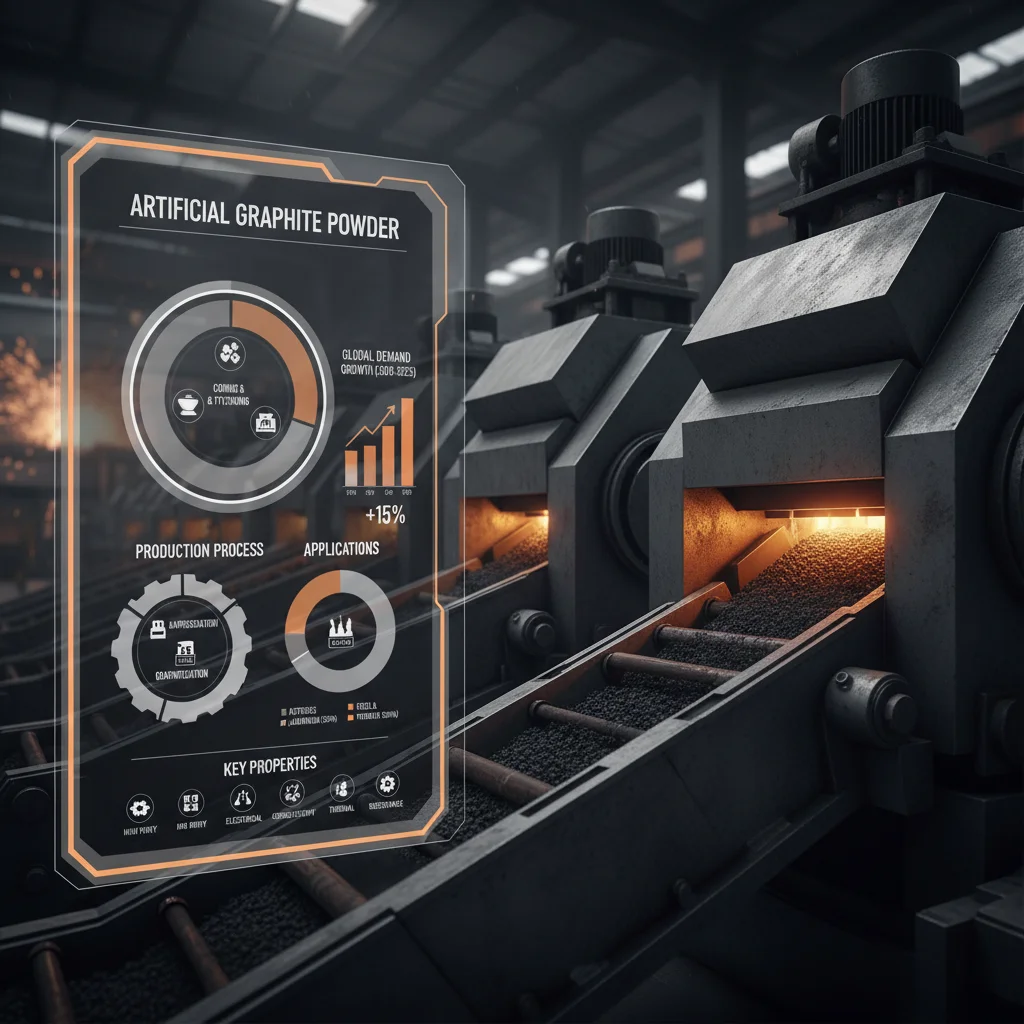
Artificial Graphite manufacturer plays a critical role in modern industry, extending beyond simple carbon material production. It’s a meticulously engineered form of carbon crucial for advancements in energy storage, particularly in lithium-ion batteries for electric vehicles and renewable energy systems. The demand for high-quality artificial graphite is soaring, driven by the global shift towards sustainable technologies and the need for efficient energy solutions. Understanding the nuances of its production, properties, and applications is essential for anyone involved in materials science, engineering, or the burgeoning green technology sector.
The increasing reliance on electric vehicles (EVs) and grid-scale energy storage directly correlates with the demand for consistently produced, high-performance artificial graphite. This reliance has created a critical need for reliable Artificial Graphite manufacturers who can meet stringent quality standards and scale production to meet global demand. Concerns around the ethical sourcing of natural graphite, along with its inconsistent quality, further drive the adoption of artificial alternatives.
Therefore, exploring the capabilities and innovations within artificial graphite manufacturing is no longer solely a technical exercise; it’s a vital component in addressing global challenges related to energy independence, sustainability, and technological advancement. The sector’s ability to adapt and innovate will significantly shape the future of energy and materials.
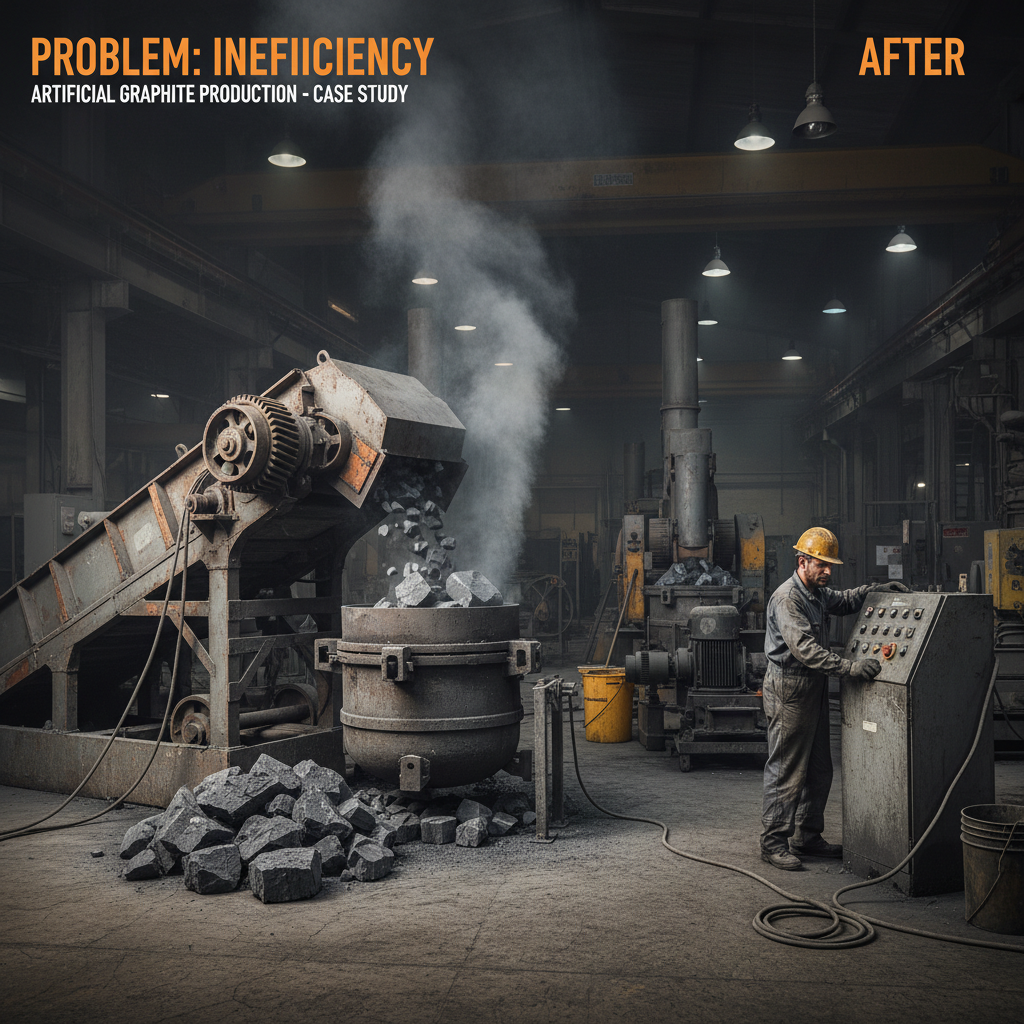
The Global Significance of Artificial Graphite manufacturer
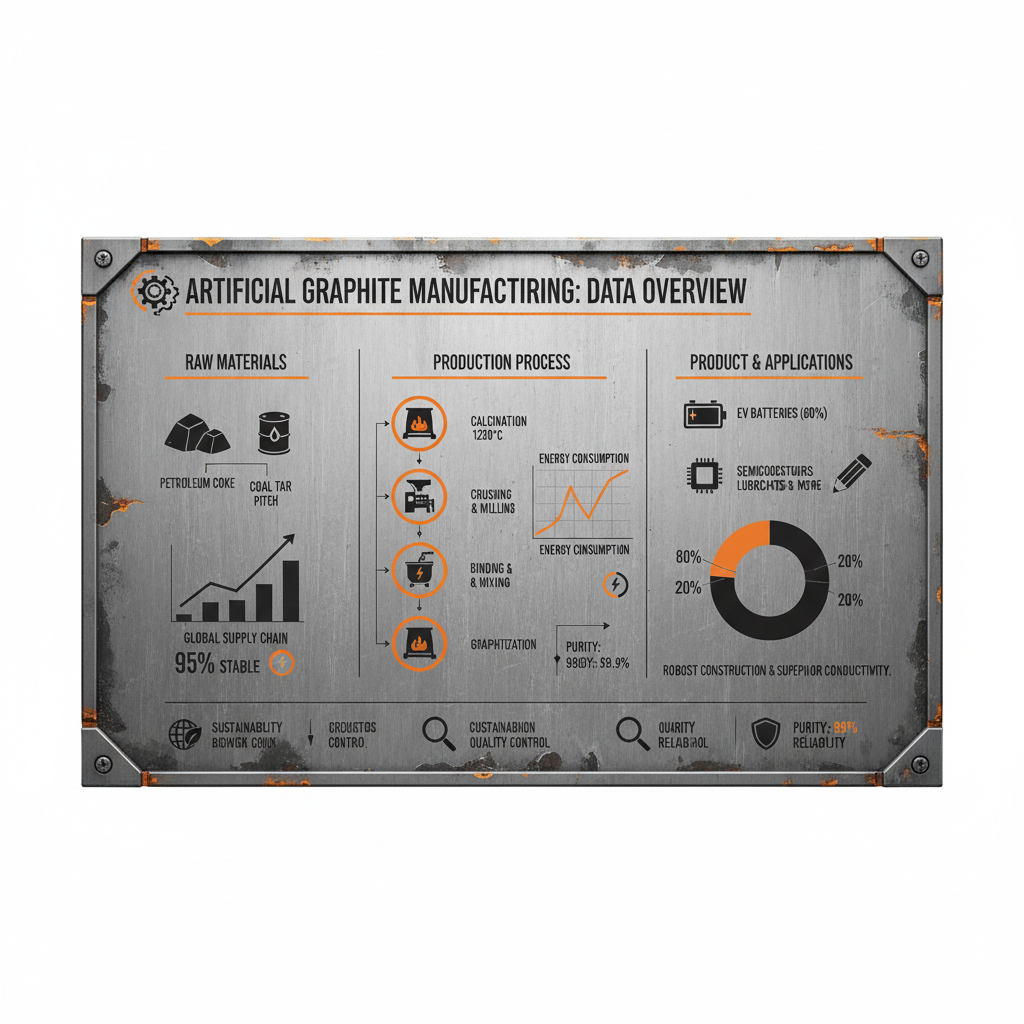
The global artificial graphite market is currently experiencing rapid growth, fueled by the demand for lithium-ion batteries. Reports from organizations like the International Energy Agency (IEA) predict exponential growth in EV adoption, which directly translates to increased graphite demand. China currently dominates the artificial graphite production landscape, accounting for a significant percentage of global output, but other regions are actively investing in expanding their manufacturing capabilities.
A key challenge facing the industry is ensuring the sustainable and ethical sourcing of raw materials used in artificial graphite production. While avoiding the issues associated with natural graphite mining, the process still requires careful consideration of energy consumption and waste management. Reliable Artificial Graphite manufacturers are prioritizing these factors, driving innovation in environmentally responsible production techniques.
FAQS
Artificial graphite offers superior consistency in particle size, purity, and morphology compared to natural graphite. This allows for better control over battery performance characteristics, like capacity and cycle life. Natural graphite can contain impurities that impact performance, and its supply chain can be less reliable. Artificial graphite enables tailored material properties for specific battery needs, an advantage natural graphite lacks.
The precursor material significantly influences the final properties of artificial graphite. Petroleum coke generally yields high-quality graphite due to its high carbon content and low impurity levels. Coal tar pitch is more affordable but often requires extensive purification. Emerging precursors, like biomass-derived carbon, offer sustainable alternatives but may require advanced processing to achieve comparable performance. Artificial Graphite manufacturers carefully select their precursors based on desired characteristics.
Artificial graphite production can have environmental impacts related to energy consumption during graphitization and the handling of precursor materials. However, it generally avoids the environmental concerns associated with natural graphite mining, such as habitat destruction and water pollution. Utilizing recycled carbon sources and implementing energy-efficient processes can further minimize the environmental footprint.
Purification typically involves acid treatment to remove metallic impurities, followed by water washing and drying. Advanced techniques like selective oxidation are also employed to remove residual carbonaceous matter. Stringent quality control measures are essential to ensure the purity of the final product and prevent contamination that could degrade battery performance.
The lifespan of a battery with artificial graphite anodes depends on several factors, including battery chemistry, operating conditions, and cycling regime. However, artificial graphite typically contributes to a longer cycle life compared to batteries using lower-quality graphite materials. High-performance batteries utilizing optimized artificial graphite can exceed 1,000 charge-discharge cycles with minimal capacity fade.
Surface modification techniques, such as coating with carbonaceous materials or incorporating heteroatoms (nitrogen, oxygen), enhance lithium-ion diffusion and improve the electrochemical stability of the anode. These modifications create more active sites for lithium-ion intercalation, boosting capacity and reducing impedance. Innovations in surface chemistry are crucial for maximizing the performance of artificial graphite in next-generation battery technologies.
Conclusion
Artificial Graphite manufacturer represents a cornerstone of the evolving energy landscape, providing a vital material for battery technologies that are driving the transition to sustainable power. Its unique properties – controlled purity, tailored morphology, and consistent performance – make it an indispensable component in electric vehicles, energy storage systems, and numerous other applications. The ability of manufacturers to refine production processes and embrace innovative precursors is critical for meeting the growing global demand.
Looking ahead, continued investment in research and development, coupled with a commitment to sustainable practices, will unlock even greater potential for artificial graphite. We encourage you to explore the possibilities and discover how Artificial Graphite manufacturer can contribute to a cleaner, more efficient future.