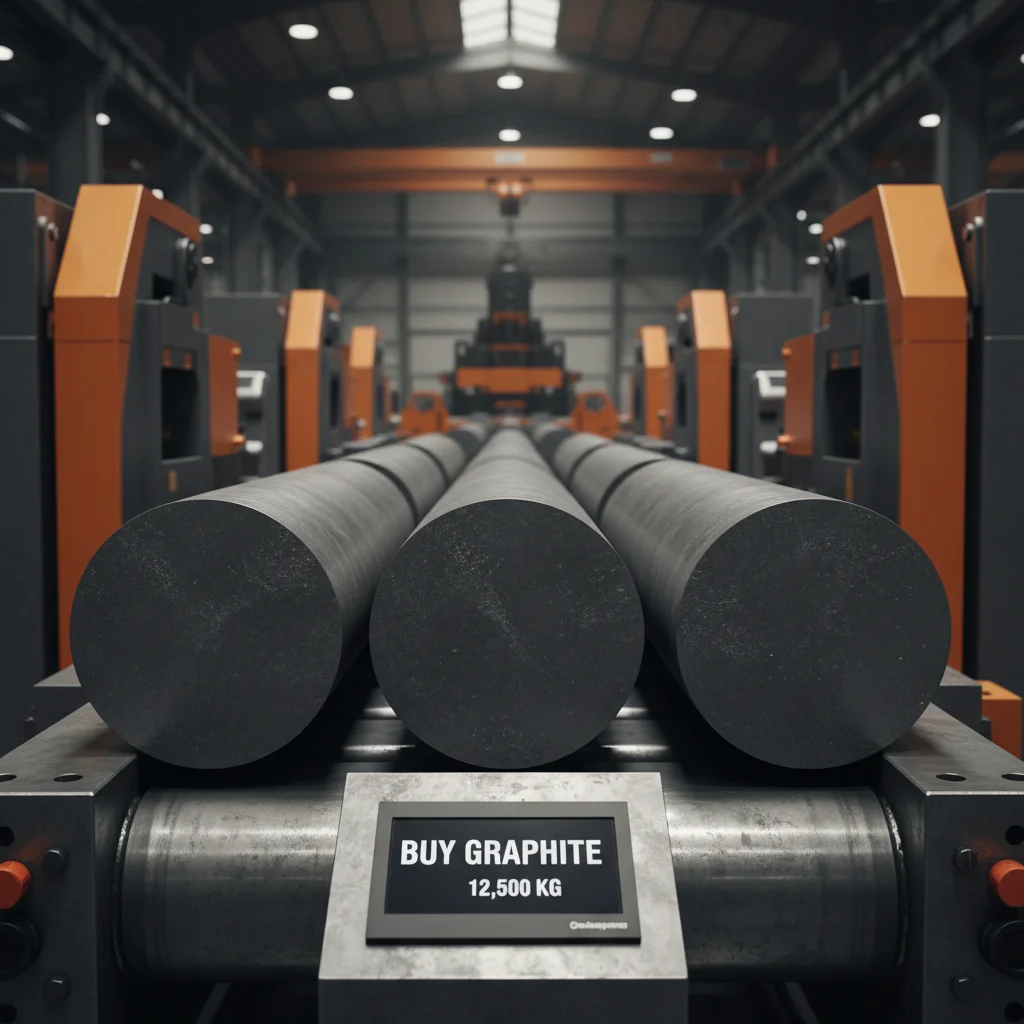
Graphite suppliers play a crucial role in modern industry, serving as the backbone for a wide range of applications from electric vehicle batteries to lubricants and refractories. The global demand for graphite is steadily increasing, driven by the expanding EV market and the growing need for advanced materials. Understanding the landscape of graphite suppliers, their capabilities, and the factors influencing supply chains is essential for businesses and researchers alike.
The importance of reliable graphite suppliers extends beyond economic considerations. Geopolitical factors, responsible sourcing practices, and the environmental impact of graphite production are becoming increasingly important. A stable and ethically sourced supply of graphite is critical for sustaining technological advancements and achieving sustainability goals. The ability to identify and partner with reputable graphite suppliers is therefore a strategic imperative.
Effectively navigating the complexities of the graphite supply chain requires a thorough understanding of different graphite types, processing methods, and the geographic distribution of resources. This knowledge empowers informed decision-making, mitigates risks, and fosters innovation across various industries reliant on this versatile material.
The Global Landscape of graphite suppliers
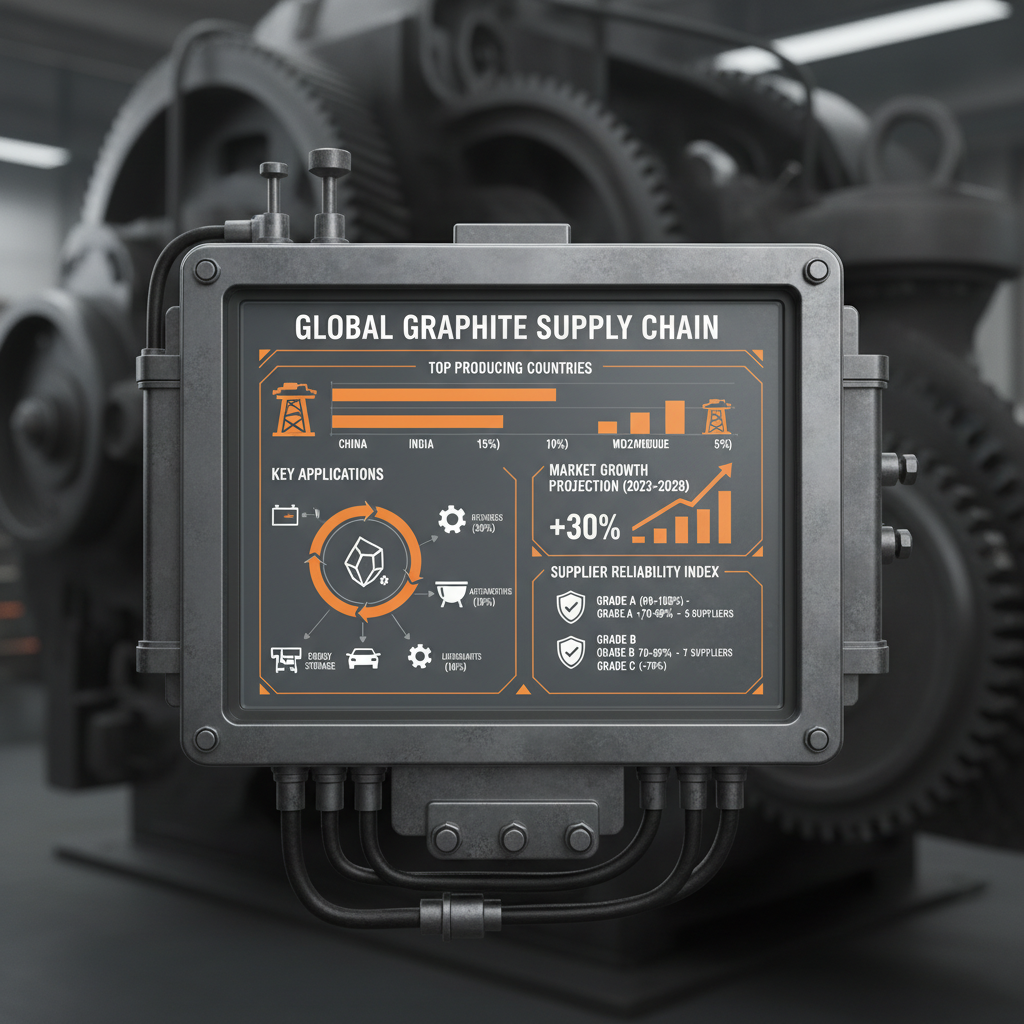
The global graphite market is dominated by a few key regions, with China being the largest producer and exporter. Other significant graphite-producing countries include Brazil, Mozambique, and Madagascar. The concentration of production in these areas highlights the importance of understanding geopolitical risks and supply chain vulnerabilities. A diversified network of graphite suppliers is vital for ensuring business continuity and mitigating potential disruptions.
According to the United States Geological Survey (USGS), global graphite production reached approximately 1.2 million metric tons in 2022. Demand is primarily fueled by the lithium-ion battery sector, representing a substantial and rapidly growing portion of the overall graphite market. Selecting the right graphite supplier requires consideration of not just price but also the quality, consistency, and sustainability of their products and practices.
Defining graphite suppliers and Their Role
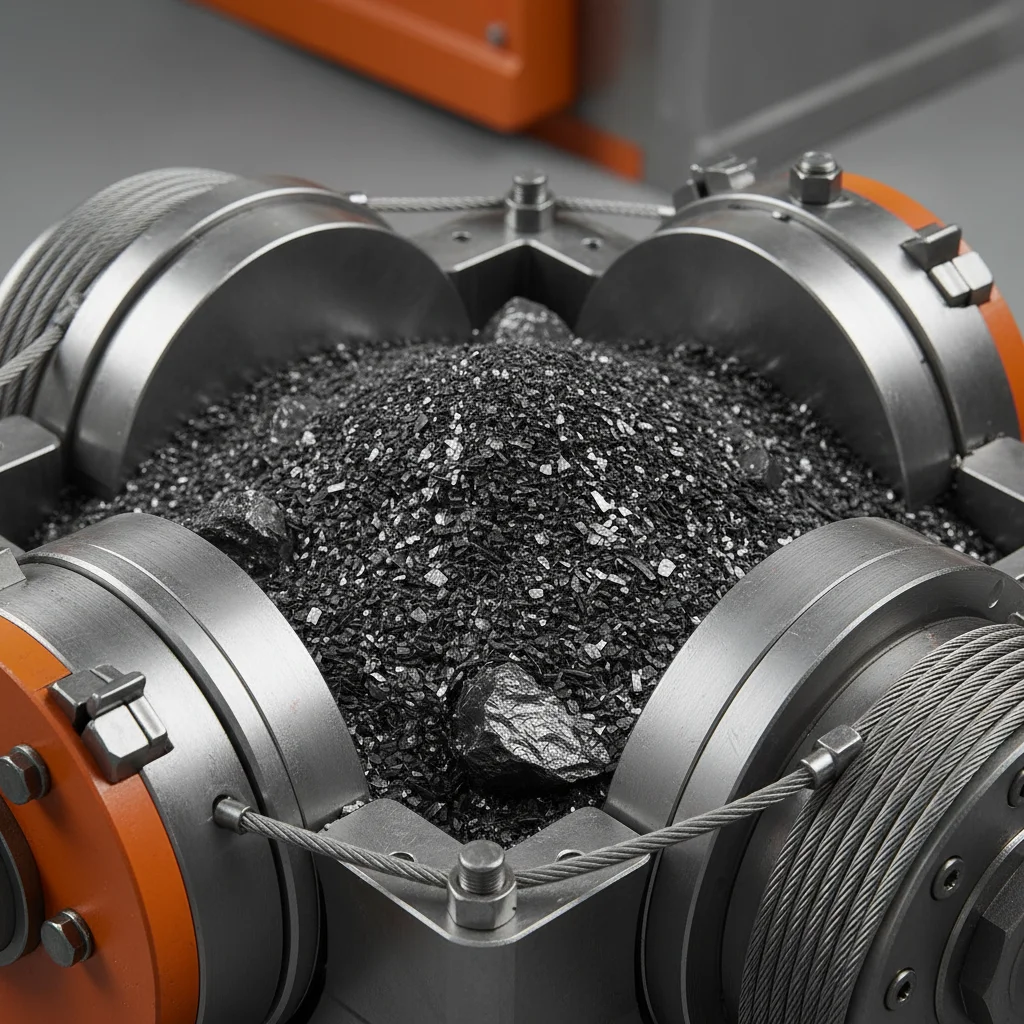
Graphite suppliers are companies involved in the mining, processing, and distribution of graphite – a crystalline form of carbon. These suppliers can range from large multinational corporations that control the entire value chain, from mining to refining, to smaller, specialized companies focusing on specific graphite products or applications. Their primary role is to provide graphite materials in various forms (flake, spherical, powder, etc.) to meet the diverse needs of industries.
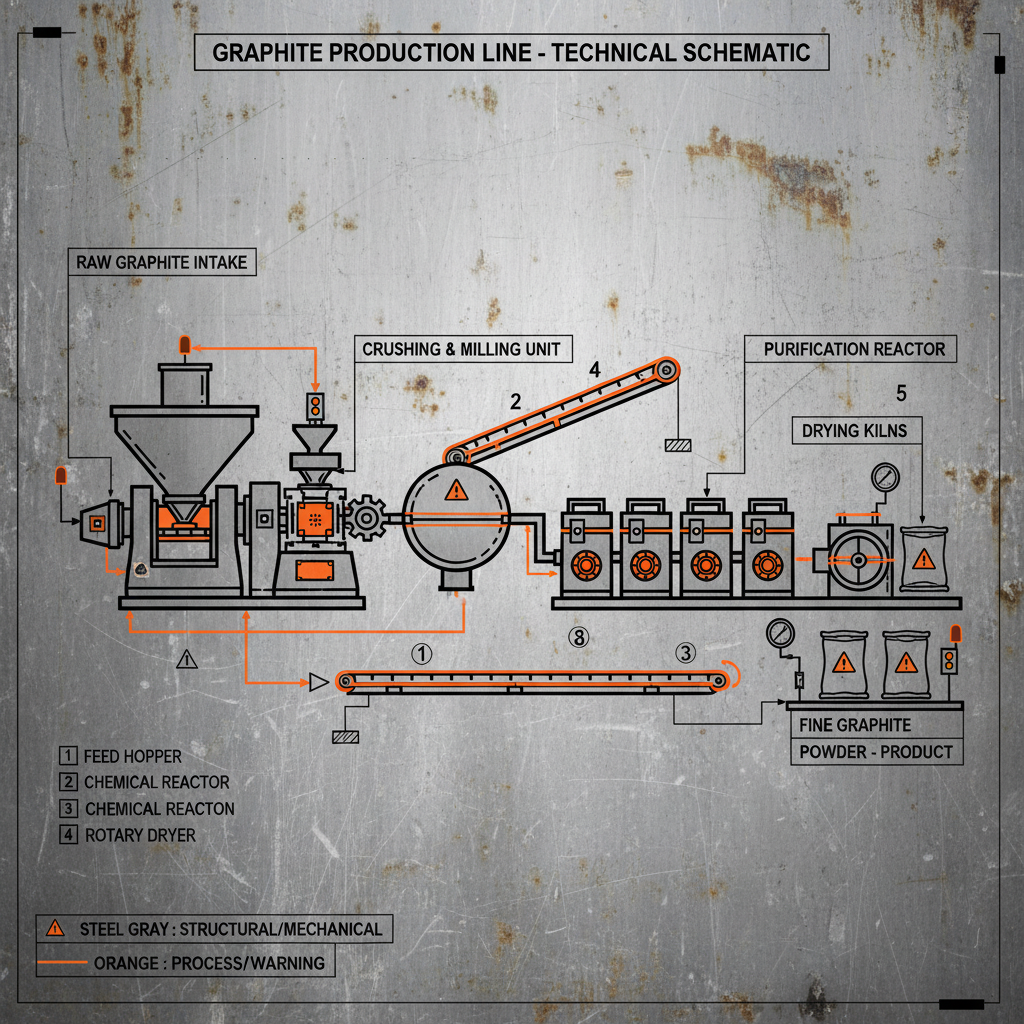
The process often involves extracting graphite ore, followed by beneficiation to increase the graphite content, and then refining to achieve the desired purity and particle size. Different graphite types, like natural flake graphite and synthetic graphite, require different processing techniques, making supplier expertise critical. Reliable graphite suppliers understand these nuances and can provide tailored solutions.
Ultimately, graphite suppliers bridge the gap between raw material extraction and the production of advanced materials and technologies that power modern life. Their performance directly impacts the quality, efficiency, and sustainability of the industries they serve, making their selection a strategic decision for any organization reliant on graphite.
Key Characteristics of Effective graphite suppliers
Effective graphite suppliers possess several key characteristics. First and foremost is a consistent commitment to quality control. This includes rigorous testing and analysis to ensure that the graphite meets specified purity levels, particle size distributions, and other critical parameters. They offer certifications and documentation to demonstrate compliance with industry standards.
Secondly, a strong logistical infrastructure is crucial. Graphite suppliers need to be able to efficiently and reliably deliver products to customers worldwide, managing transportation, warehousing, and inventory effectively. Timely delivery is paramount for maintaining production schedules and avoiding costly delays.
Thirdly, a dedication to sustainability and ethical sourcing is increasingly important. Responsible graphite suppliers prioritize environmental protection, fair labor practices, and transparency in their supply chains. Customers are actively seeking suppliers who demonstrate a commitment to these values.
Graphite Suppliers: Quality and Consistency
Quality and consistency are paramount when selecting graphite suppliers. Variations in graphite properties can significantly impact the performance of end products, especially in demanding applications like batteries and advanced composites. A reliable supplier provides graphite with uniform characteristics, batch after batch.
Factors contributing to quality include the source of the graphite ore, the processing techniques employed, and the level of quality control throughout the supply chain. Advanced analytical methods, such as X-ray diffraction and Raman spectroscopy, are used to characterize graphite materials and ensure they meet specific requirements.
Quality Metrics Comparison of graphite suppliers
Global Applications and Industries Served by graphite suppliers
Graphite's unique properties – high electrical conductivity, thermal stability, and lubricity – make it essential across a broad spectrum of industries. The largest and fastest-growing application is in lithium-ion batteries, powering electric vehicles, portable electronics, and energy storage systems. The demand from battery manufacturers is the primary driver for increased reliance on dependable graphite suppliers.
Other significant applications include steelmaking (as a carbon raiser and lubricant), refractories (for high-temperature applications), lubricants (for reducing friction and wear), and advanced materials like carbon fiber composites. Industries benefiting from graphite include automotive, aerospace, electronics, metallurgy, and chemical processing.
The Advantages of Partnering with Reputable graphite suppliers
Partnering with reputable graphite suppliers offers numerous advantages. These include access to high-quality materials, consistent supply, technical expertise, and customized solutions. Reliable suppliers can also provide valuable insights into market trends, regulatory changes, and emerging technologies.
A strong supplier relationship can reduce risks, improve efficiency, and foster innovation. By collaborating with a knowledgeable graphite supplier, companies can optimize their processes, enhance product performance, and gain a competitive edge in their respective markets.
Furthermore, choosing a supplier committed to sustainability and ethical sourcing aligns with growing consumer demand for responsible products and practices.
Future Trends and Challenges for graphite suppliers
The graphite industry faces several key trends and challenges. The increasing demand for EV batteries will continue to drive growth, but also requires suppliers to scale up production and invest in sustainable mining and processing technologies. Ensuring a stable and ethically sourced supply of graphite is crucial.
The development of new graphite materials, such as graphene and expanded graphite, presents both opportunities and challenges. Suppliers will need to adapt their capabilities to meet the evolving needs of these emerging markets. Digitalization and automation are also transforming the industry, improving efficiency and traceability.
Finally, geopolitical factors and trade policies can significantly impact graphite supply chains. Suppliers must proactively manage these risks and diversify their sourcing strategies to ensure business continuity.
Summary of Future Trends and Challenges for graphite suppliers
| Trend/Challenge |
Impact on Suppliers |
Severity (1-10) |
Mitigation Strategy |
| Increasing EV Battery Demand |
Requires significant capacity expansion and investment. |
9 |
Strategic partnerships, investment in new mines and processing facilities. |
| Sustainability Concerns |
Pressure to adopt environmentally friendly mining and processing practices. |
8 |
Implementation of circular economy principles, investment in green technologies. |
| Geopolitical Risks |
Supply chain disruptions due to political instability or trade restrictions. |
7 |
Diversification of sourcing, establishment of regional supply hubs. |
| New Graphite Material Development (Graphene) |
Need to adapt production processes to meet new material specifications. |
6 |
R&D investment, collaboration with material science institutions. |
| Price Volatility |
Fluctuating prices impact profitability and contract negotiations. |
5 |
Long-term contracts, hedging strategies, cost optimization. |
| Increasing Regulatory Scrutiny |
Compliance with environmental and labor regulations. |
7 |
Proactive compliance programs, transparent reporting. |
FAQS
When selecting a graphite supplier, prioritize quality consistency, production capacity, and logistical capabilities. Also, assess their commitment to sustainability, ethical sourcing, and compliance with relevant industry standards. A supplier's technical expertise and ability to provide customized solutions are crucial, as well as their financial stability and long-term reliability.
Graphite mining can have environmental impacts, including habitat destruction, water pollution, and carbon emissions. Responsible graphite suppliers implement sustainable mining practices, minimize waste, and invest in environmental remediation efforts. Looking for suppliers with certifications demonstrating a commitment to environmental stewardship is a key consideration.
The primary types of graphite are natural flake graphite, synthetic graphite, and amorphous graphite. Natural flake graphite is mined from the earth and offers good conductivity and thermal stability. Synthetic graphite is manufactured from carbonaceous materials and often exhibits higher purity. Amorphous graphite is less crystalline and typically used in lubricants and refractories.
Request detailed specifications and quality certifications from your supplier. Conduct your own testing and analysis to verify that the graphite meets your requirements. Establish clear quality control procedures and maintain open communication with your supplier to address any concerns promptly. Regular audits of the supplier's facilities can also provide assurance.
Graphite prices are influenced by several factors, including demand from the EV battery market, supply chain disruptions, and geopolitical events. Currently, prices are generally trending upward due to increasing demand and limited supply. Long-term contracts and strategic sourcing can help mitigate price volatility.
Customized graphite solutions cater precisely to your application’s unique requirements. Benefits include optimized performance, reduced material waste, and the potential for innovative product development. Suppliers offering customization demonstrate a deeper understanding of graphite’s properties and can collaborate effectively to achieve superior results.
Conclusion
In conclusion, navigating the landscape of graphite suppliers requires a strategic approach. The selection of a reliable partner is paramount for ensuring consistent access to high-quality materials, mitigating risks, and fostering innovation. By prioritizing quality, sustainability, and ethical sourcing, businesses can build resilient supply chains and capitalize on the growing opportunities in this dynamic market.
Looking ahead, the graphite industry is poised for continued growth, driven by the demand for EV batteries and advanced materials. Investing in research and development, embracing digitalization, and fostering collaboration across the value chain will be essential for success. For more information on securing high-quality graphite solutions, visit our website at www.dahcarbon.com.