High Quality Graphite Crucibles Suppliers for Industrial Applications

High Quality Graphite Crucibles Suppliers for Industrial Applications

0%

Table of Contents

You know, these days everyone's talking about miniaturization, right? Like, everything has to be smaller, lighter. Seems like the engineers are all obsessed with squeezing more power into less space. I’ve been on sites where they’re trying to cram components in that just… don’t fit. To be honest, it’s a bit of a headache. But it's the trend, and we gotta keep up, I guess.

What people often overlook, though, is the practical side. They design something beautiful on a computer, but have they actually tried to assemble it with greasy hands in the pouring rain? I’ve seen so many designs where the connector is in a place you can barely reach, or the screws are too small, or the whole thing just falls apart if you look at it wrong. It's frustrating, to say the least.

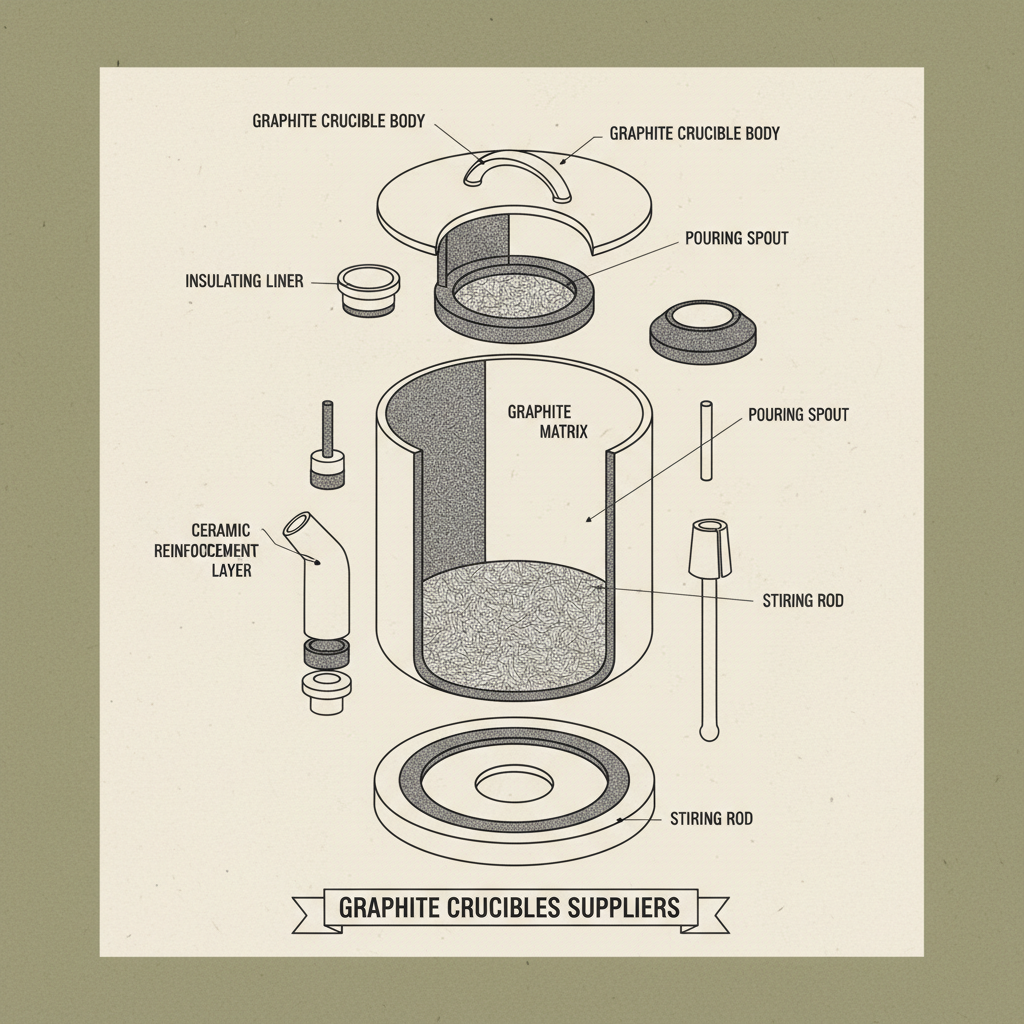
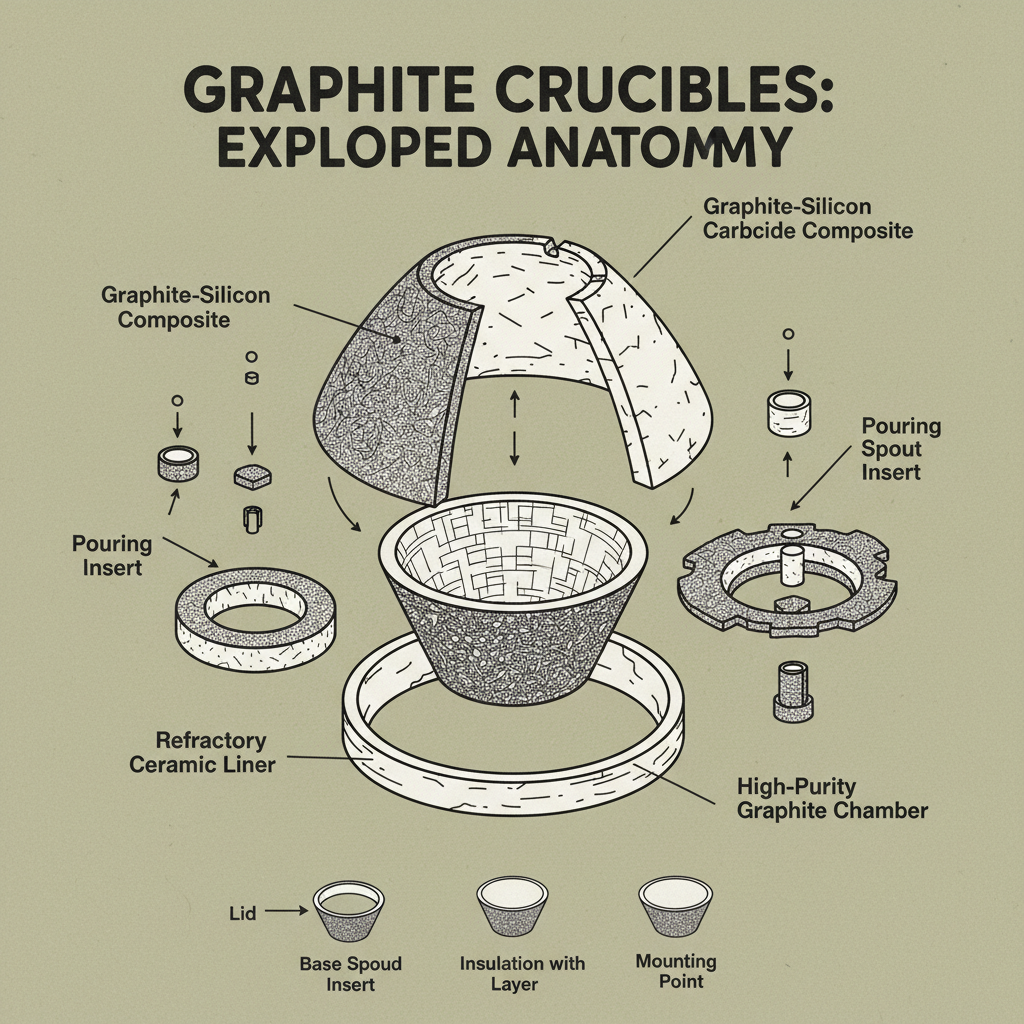
We mostly use high-purity graphite for these crucibles, naturally. Not the cheap stuff, oh no. You can smell the difference, honestly. That cheap graphite smells… off. Kind of dusty and metallic. The good stuff, it’s almost sweet, if that makes sense. And it feels dense, solid. You can really feel the quality when you handle it. We source a lot from graphite crucibles suppliers - they've been pretty reliable.
graphite crucibles suppliers

Industry Trends and Design Pitfalls

graphite crucibles suppliers

Have you noticed everyone wants “smart” crucibles now? With sensors and whatnot. It’s… a lot. It adds cost, complexity, and another thing that can break. Strangel,y I encountered this at a steel mill last time, they were complaining about the extra downtime. It's not always about the features, sometimes it's about reliability. We have to balance innovation with what's actually useful on the shop floor.

And the tolerance levels! People expect tighter and tighter tolerances these days. Which is fine, in theory. But when you’re dealing with high temperatures and corrosive materials, things expand and contract. You design for a perfect fit at room temperature, and it’s a disaster when it's red hot. Anyway, I think understanding material science is key here.

Materials: Graphite and Beyond

Graphite, obviously, is the workhorse. But there’s different grades, you know? Isotropic, fine-grained, coarse-grained… it all matters. The isotropic stuff is great for even heating, but it's expensive. The fine-grained stuff holds up better to thermal shock. We also play with silicon carbide sometimes, for really extreme temperatures. That stuff… it’s brittle. You gotta handle it carefully.

And then there’s the binders. That’s where things get tricky. Some binders off-gas at high temperatures, which can contaminate the melt. Others weaken the structure. It’s a constant balancing act. Graphite crucibles suppliers are a good source for information on different binder options, but you still have to test it yourself.

Honestly, the feel of the material is a big tell. You can tell a good crucible just by picking it up. It's got weight, it's solid, and it doesn't feel like it's going to crumble in your hand. It's like judging a good piece of wood for building - you just know.

Real-World Testing and Quality Control

Lab tests are fine, I guess. Thermal shock resistance, corrosion resistance, load-bearing capacity… we do all that. But the real test is on the shop floor. We send samples to our customers and have them run them through their processes. That’s where you find out if something really works.

I once had a customer who was melting titanium. Titanium is a beast. It’s incredibly reactive. The first batch of crucibles we sent him failed almost immediately. Turns out, there was a microscopic crack in the lining that allowed the titanium to seep in and react with the graphite. It was a nightmare. Later... Forget it, I won't mention it.

We also do visual inspections, of course. Looking for cracks, porosity, anything that looks off. But honestly, sometimes the defects are so small you need a magnifying glass and a trained eye. It takes years to develop that kind of skill.

How Users Actually Use Graphite Crucibles

You’d think people would follow the instructions, right? Like, preheat the crucible slowly, don’t overfill it, use the right type of tongs. But they don’t. They rush things. They overload the crucible. They use whatever scrap metal they can find as tongs. It's always something.

And the cleaning! People often forget to clean the crucible properly after each use. That residue builds up, causes uneven heating, and eventually leads to failure. I've seen crucibles that haven't been cleaned in months. It's… not pretty.

Advantages, Disadvantages, and Customization

The biggest advantage of graphite crucibles is their high temperature resistance, obviously. They can handle temperatures that most other materials can’t. They’re also relatively inexpensive, compared to other options like ceramic or platinum. That said, they’re brittle. They can crack easily if you’re not careful.

We do a lot of customization. Different sizes, different shapes, different linings. I had a customer last year, a jeweler, who wanted a crucible with a custom spout for pouring molten gold. It was a bit of a challenge, but we got it done. Graphite crucibles suppliers can handle most requests.

Graphite Crucible Performance Characteristics

A Customer Story from Shenzhen

Last month, that small boss in Shenzhen who makes smart home devices insisted on changing the interface to for the crucible heating system. Said it was “more modern.” We warned him it would require a complete redesign of the power supply, but he wouldn’t listen. He wanted it compact, sleek, and .

Turns out, the connector couldn’t handle the amperage. It overheated and melted during the first test run. He was furious. Had to scrap the whole batch. A costly lesson, I think. He finally relented and went back to the original design.

It just goes to show you, sometimes sticking with what works is the best option. Don't fix what ain’t broken.

Material Performance Metrics

We are constantly looking at these key factors, and honestly, it’s never a straightforward answer. It's a mix of science and gut feeling, after years on the sites.

Evaluating the performance of a crucible is complex. It’s not just about the melting point. The rate of heating and cooling is critical, as is the composition of the melt.

Here’s a quick and dirty breakdown of what we look at, scribbled down like I would on a site report:

Key Crucible Performance Indicators

Crucible Type Thermal Stability (1-10) Corrosion Resistance (1-10) Average Lifespan (Melts)
Standard Graphite 7 6 50-75
Isotropic Graphite 9 7 75-100
Silicon Carbide 8 8 25-50
Graphite w/ ZrO2 Lining 8 9 100+
Coarse-Grained Graphite 6 5 40-60
Fine-Grained Graphite 7 6 60-80

FAQS

What are the most common causes of graphite crucible failure?

The usual suspects are thermal shock – heating or cooling too quickly – mechanical damage during handling, and chemical attack from the molten material. Sometimes it's just a bad batch of graphite, honestly. We've seen crucibles crack just from the stress of repeated heating and cooling cycles, and that's where lining materials can help extend lifespan.

How important is the crucible's grain size?

Grain size matters a lot. Finer-grained graphite is more resistant to thermal shock, but it’s also more expensive. Coarser-grained graphite is cheaper but can crack more easily. It depends on the application – for something that's going to be cycled through rapid temperature changes, you'll want the finer grain.

Can graphite crucibles be repaired if they crack?

Generally, no. Once a crucible cracks, its structural integrity is compromised. A small crack might be manageable for a short time, but it will likely get worse. Attempting to repair it is often more trouble than it's worth, and could lead to a catastrophic failure during use. It's usually best to replace it.

What safety precautions should be taken when handling graphite crucibles?

Always wear appropriate personal protective equipment – gloves, safety glasses, and a dust mask. Graphite dust can be irritating to the lungs. Handle the crucibles carefully to avoid dropping or damaging them. And, of course, be extremely careful when working with molten materials. Hot crucibles can cause severe burns.

What is the typical lead time for custom graphite crucible orders?

Lead times vary depending on the complexity of the order and our current workload. A standard crucible is usually a couple of weeks. A highly customized crucible, with a unique shape or lining, can take a month or more. It's always best to plan ahead and give us plenty of time.

How do I properly store graphite crucibles to prevent damage?

Store crucibles in a dry, well-ventilated area, away from direct sunlight and moisture. Avoid stacking them directly on top of each other – use a pallet or some other form of support. This prevents cracking and chipping during storage. A little care goes a long way in extending their lifespan.

Conclusion

So, yeah, graphite crucibles. Seem simple enough, right? But there’s a lot that goes into making a good one. From the choice of materials to the testing procedures to the little things like proper handling and storage, it's a surprisingly complex process. Understanding these nuances can save you a lot of headaches and money in the long run.

Ultimately, whether this thing works or not, the worker will know the moment he tightens the screw. That’s the bottom line. If it feels right, sounds right, and holds up under pressure, it’s a good crucible. If not, well… back to the drawing board. For any questions or to discuss your specific needs, visit us at www.dahcarbon.com.
Michael Harris

Michael Harris

Michael Harris is a seasoned Sales Manager at Ding An Heng, responsible for the company's growth within the iron casting market. He has a proven track record of success in identifying and developing key accounts, and possesses a deep understanding of the needs of grey and ductile iron foundries. Michael specializes in promoting the use of CPC and graphite petroleum coke for applications in pipes, auto parts and boilers. He emphasizes Ding An Heng's commitment to quality and reliable delivery, ensuring customer satisfaction.
Previous Navigating the Landscape of High Performance Graphite Tube Suppliers
Next Expert Insights on Graphite Blocks Suppliers and Advanced Material Applications

If you are interested in our products, you can choose to leave your information here, and we will be in touch with you shortly.

  • captcha