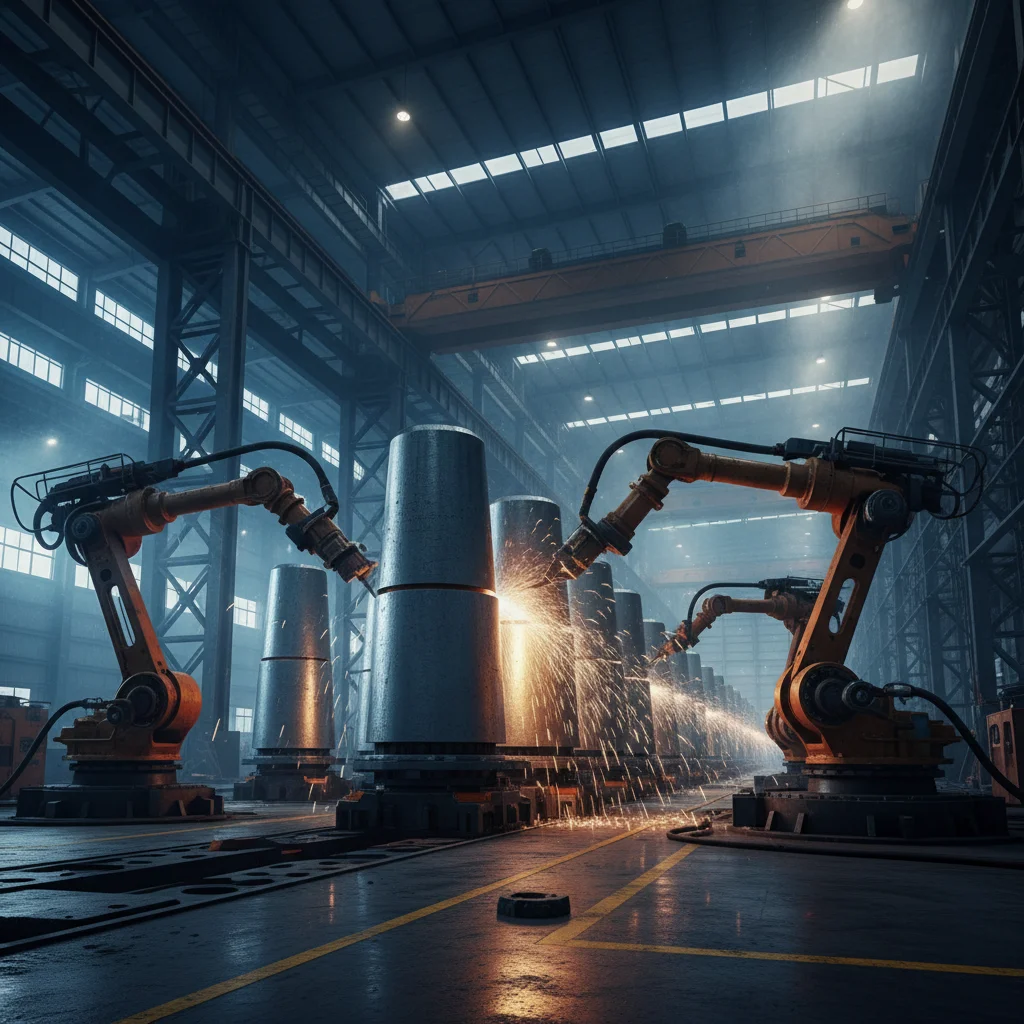
Exploring the Landscape of Leading Synthetic Graphite Companies and Innovations

Exploring the Landscape of Leading Synthetic Graphite Companies and Innovations

0%

Table of Contents

Synthetic graphite companies are pivotal in modern materials science, driving innovation across diverse sectors like electric vehicles, energy storage, and high-performance industrial applications. These companies specialize in the production of synthetic graphite, a meticulously engineered carbon material offering superior purity, controlled particle size, and consistent quality compared to natural graphite. The increasing demand for high-performance batteries, particularly for electric vehicles, has significantly elevated the importance of synthetic graphite companies globally.

The global landscape of synthetic graphite production is becoming increasingly competitive, with significant investments being made in research and development to improve manufacturing processes and material properties. The industry is responding to growing concerns about sustainable sourcing and environmental impact, leading to exploration of more eco-friendly production methods and the potential for recycling graphite materials. Understanding the capabilities and innovations within these companies is crucial for navigating the evolving energy and materials markets.

Ultimately, synthetic graphite companies are key enablers of the transition to a more sustainable and technologically advanced future. Their contributions extend beyond simply supplying a raw material; they are shaping the performance, lifespan, and safety of critical technologies that power our world.
synthetic graphite companies

The Importance of Synthetic Graphite Companies
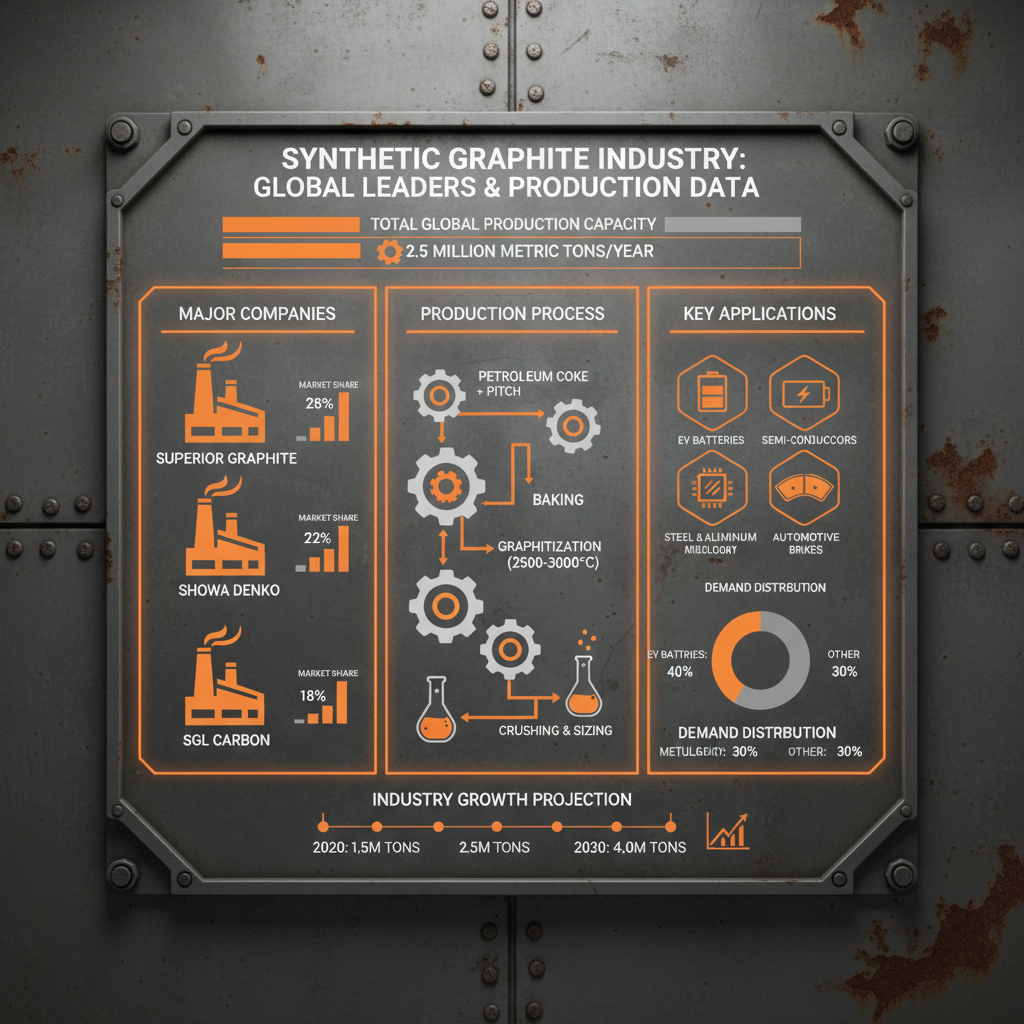
synthetic graphite companies

Synthetic graphite companies are becoming increasingly critical in the supply chain for advanced materials. Their ability to precisely control the properties of graphite – particle size, purity, morphology – allows for customized solutions tailored to specific application needs. This level of control is often unattainable with naturally sourced graphite, making synthetic graphite essential for demanding industries like lithium-ion battery manufacturing.

The focus of many synthetic graphite companies is now shifting towards more sustainable and efficient production methods, including reducing energy consumption and minimizing environmental impact. This is driven by both regulatory pressures and increasing demand from environmentally conscious consumers and industries.

Global Context and Industry Relevance

The global graphite market is experiencing significant growth, fueled by the burgeoning electric vehicle (EV) industry and the rising demand for energy storage solutions. According to a recent report by the United Nations, global EV sales increased by over 40% in 2022, driving demand for lithium-ion batteries and, consequently, graphite. Synthetic graphite currently accounts for a significant portion of the graphite used in EV batteries, and this share is expected to increase in the coming years.

The reliance on a limited number of natural graphite-producing countries presents geopolitical risks to the supply chain. Synthetic graphite companies offer a geographically diverse alternative, reducing dependence on specific regions and enhancing supply chain resilience. Furthermore, concerns about the environmental and social impacts of natural graphite mining are pushing manufacturers towards synthetic alternatives.

The World Bank highlights the importance of investing in sustainable materials production to support global efforts to mitigate climate change. Synthetic graphite, when produced using renewable energy sources, can contribute to a lower carbon footprint compared to traditional manufacturing processes and mining operations.

Defining Synthetic Graphite Companies

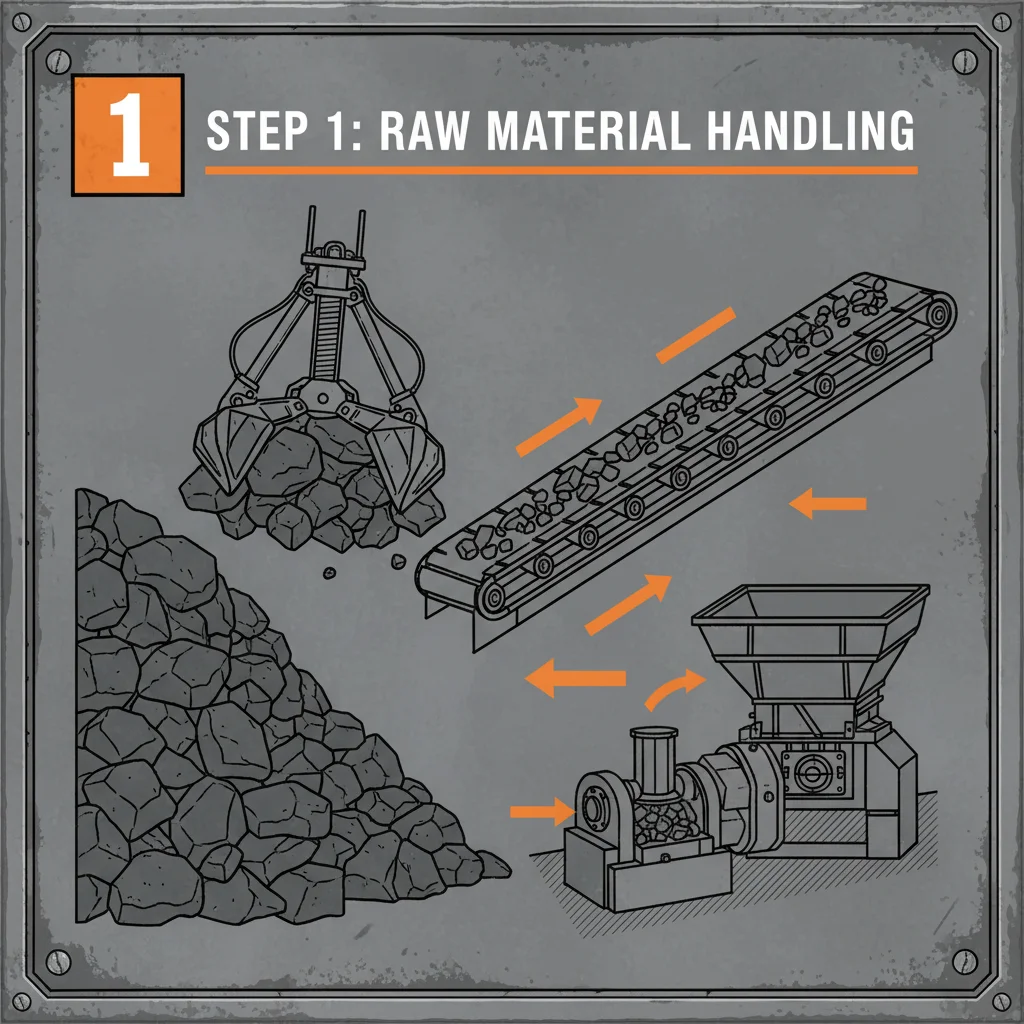
Synthetic graphite companies are organizations that specialize in the manufacturing of synthetic graphite through controlled carbonization and graphitization processes. Unlike natural graphite, which is mined from geological deposits, synthetic graphite is created from carbon-based feedstocks, typically petroleum coke or coal tar pitch. These feedstocks undergo high-temperature treatment to transform them into a highly ordered crystalline structure – graphite.

The key differentiating factor for these companies lies in their ability to engineer the properties of the graphite material, controlling parameters like particle size distribution, surface area, and purity. This allows them to produce graphite tailored to meet the specific requirements of various applications, ranging from lithium-ion battery anodes to brake linings and lubricants.

These companies play a crucial role in supporting various industries by providing a reliable and consistent supply of high-quality graphite. Their manufacturing processes often involve sophisticated quality control measures to ensure the material meets stringent performance standards.

Key Characteristics of Synthetic Graphite

Synthetic graphite distinguishes itself from its natural counterpart through several key characteristics. Firstly, its high purity is a major advantage, as it minimizes unwanted impurities that can negatively impact performance in applications like batteries. Secondly, controlled particle size and morphology allow for optimized packing density and electrochemical properties.

Consistent quality is another defining feature. Synthetic graphite production allows for tighter control over the manufacturing process, leading to more uniform material properties from batch to batch. Tailorability allows companies to customize graphite for specific applications, optimizing performance characteristics. Finally, lower impurity levels contribute to enhanced electrochemical stability and longevity in battery applications.

Comparison of Synthetic Graphite Properties

Applications Across Industries

Synthetic graphite finds widespread application in the lithium-ion battery industry, serving as a key component in the anode. Its high conductivity and stable structure enhance battery performance, increasing energy density and cycle life. Beyond batteries, synthetic graphite is utilized in the production of refractories for high-temperature applications, friction materials for brakes and clutches, and as a lubricant in various industrial processes.

These materials are crucial for the automotive sector, powering electric and hybrid vehicles. They are also vital to the aerospace industry, where lightweight and high-strength materials are paramount. Moreover, they find applications in metallurgy, where synthetic graphite acts as a carbon raiser and crucible lining material.

Benefits and Long-Term Value

The advantages of utilizing synthetic graphite are numerous. Economically, while initial costs might be higher than natural graphite, the superior performance and longevity often translate to a lower total cost of ownership. Environmentally, responsible synthetic graphite companies prioritize sustainable feedstock sourcing and implement processes to minimize emissions.

From a technological standpoint, the ability to tailor the material to specific application needs unlocks innovation and enhances performance. This leads to safer, more reliable, and more efficient products. Socially, supporting synthetic graphite production promotes the development of advanced materials industries and creates skilled employment opportunities.

Future Trends and Innovation

The future of synthetic graphite is closely linked to advancements in battery technology and sustainable materials science. Research and development are focused on enhancing the performance of synthetic graphite anodes, including increasing energy density and improving fast-charging capabilities. Innovations in feedstock sourcing, utilizing bio-based carbon materials, are gaining traction.

Furthermore, digital transformation and automation are being implemented within synthetic graphite manufacturing facilities to optimize production processes, improve quality control, and reduce costs. The integration of artificial intelligence and machine learning is poised to accelerate these advancements.

The development of solid-state batteries may also drive further demand for customized synthetic graphite materials tailored to these new battery architectures.

FAQS

What are the key differences between synthetic and natural graphite?

Synthetic graphite is manufactured, offering higher purity, controlled particle size, and consistent quality compared to natural graphite, which is mined. Synthetic graphite allows for tailored properties to meet specific application needs, a level of control often unattainable with natural sources. This makes it ideal for demanding applications like lithium-ion batteries where consistency and performance are critical.

How does the production process of synthetic graphite impact its environmental footprint?

The production process can have a significant environmental impact. However, responsible synthetic graphite companies are investing in sustainable feedstock sourcing (exploring bio-based alternatives) and implementing processes to minimize emissions and energy consumption. Utilizing renewable energy sources in the manufacturing process further reduces the carbon footprint.

What is the typical lifespan of a battery using synthetic graphite anodes?

The lifespan of a battery using synthetic graphite anodes varies depending on several factors, including usage patterns, charging cycles, and battery chemistry. However, synthetic graphite generally contributes to a longer cycle life compared to batteries using lower-quality graphite materials. Typically, a battery with a synthetic graphite anode can withstand 500-1000 charge/discharge cycles before significant degradation occurs.

What are the primary applications driving demand for synthetic graphite?

The largest driver of demand is the lithium-ion battery industry, particularly for electric vehicles and energy storage systems. Beyond batteries, significant demand comes from refractories used in high-temperature applications, friction materials for brakes, lubricants, and specialized industrial applications where purity and controlled properties are essential.

How do synthetic graphite companies ensure quality control in their products?

Synthetic graphite companies employ rigorous quality control measures throughout the manufacturing process, including raw material inspection, in-process monitoring of key parameters (particle size, purity, morphology), and final product testing. Techniques like X-ray diffraction, Raman spectroscopy, and scanning electron microscopy are used to characterize the material’s properties and ensure they meet stringent specifications.

What are the future cost trends expected for synthetic graphite?

Cost trends are expected to be influenced by feedstock prices, manufacturing efficiency, and demand. While initial costs may be higher than natural graphite, advancements in production technologies and economies of scale are expected to drive down the cost of synthetic graphite over time. The increasing focus on sustainability and ethical sourcing may also contribute to a premium for high-quality synthetic graphite.

Conclusion

Synthetic graphite companies are essential drivers of innovation in a wide range of industries, particularly those focused on energy storage and advanced materials. Their ability to produce highly customized, high-purity graphite is crucial for optimizing the performance of lithium-ion batteries, refractories, lubricants, and numerous other critical applications. The industry’s commitment to sustainable sourcing and production methods is vital for addressing environmental concerns and ensuring long-term viability.

Looking ahead, continued investment in research and development, coupled with the adoption of advanced manufacturing techniques, will be key to unlocking the full potential of synthetic graphite. By embracing digital transformation and prioritizing sustainability, synthetic graphite companies will play a pivotal role in shaping a cleaner, more efficient, and technologically advanced future.
Kevin Wilson

Kevin Wilson

Kevin Wilson is a Logistics and Supply Chain Manager for Ding An Heng, specializing in managing the efficient transport of materials across Southeast Asia, the Middle East, Europe, and Africa. With over eight years of experience in international logistics, he is adept at navigating complex supply chains and ensuring timely delivery to customers. Kevin is focused on building robust relationships with transportation partners, optimizing routes, and minimizing disruptions. He's a vital component of Ding An Heng’s ability to consistently meet global demand.
Previous Navigating the Landscape of Graphite Suppliers for Modern Industries
Next Graphite Electrode Price Analysis Impacting Global Steel Production Costs

If you are interested in our products, you can choose to leave your information here, and we will be in touch with you shortly.

  • captcha