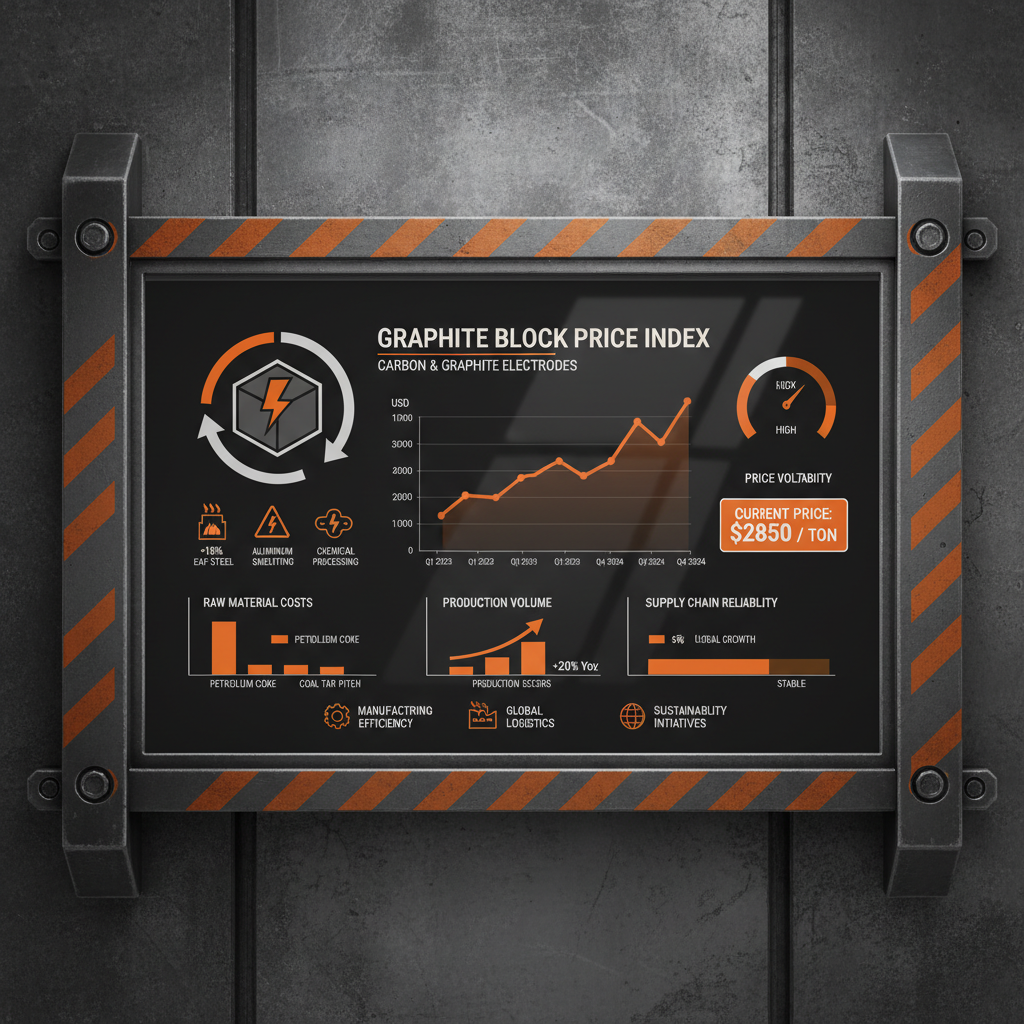
The graphite block price – it’s more than just a number on a spreadsheet. It's the heartbeat of countless industries, from steelmaking and lithium-ion batteries to advanced refractories and even lubrication. We're talking about a material fundamental to modern life, and understanding its price fluctuations is critical for anyone involved in manufacturing, infrastructure, or new energy technologies. For years, I’ve been on sites watching projects stall or accelerate based solely on the cost of key materials like graphite. It directly impacts budgets, timelines, and ultimately, the viability of entire projects.
What’s really driven the recent volatility? Geopolitical factors, particularly supply chain disruptions coming out of China and the increased demand from the EV battery market. I've seen firsthand how a seemingly small percentage increase in graphite block price can throw a whole cost projection off. It’s not just about the initial purchase, it's the knock-on effects – increased shipping costs, potential sourcing delays, and the constant need to re-evaluate alternative materials.
But it’s also not a simple supply-and-demand equation. The quality of graphite varies enormously, impacting its suitability for specific applications and, naturally, the price. Understanding those nuances - the flake size, carbon content, impurities – that’s where the real expertise comes in, and that understanding is vital for making informed purchasing decisions. You can’t just chase the lowest price; you need to consider performance and reliability.
The Global Significance of graphite block price
The global graphite market, and by extension, the graphite block price, is undergoing a significant transformation. According to a 2023 report by the US Geological Survey, global graphite production reached approximately 1.2 million metric tons. This isn’t just about numbers; it’s about the strategic importance of graphite. As demand for electric vehicles and energy storage systems continues to surge, the demand for graphite—a critical component in lithium-ion batteries—is projected to increase exponentially. Understanding the factors that influence graphite block price is no longer just a concern for materials managers, but a strategic imperative for entire industries.
The vulnerability of the graphite supply chain has become increasingly apparent. China currently dominates graphite mining and processing, accounting for over 65% of global production. This concentration creates geopolitical risks and exposes industries to potential disruptions. Recent trade tensions and environmental regulations in China have already caused price spikes and supply shortages, highlighting the need for diversification and investment in alternative sourcing options. I've been on sites where projects were literally put on hold waiting for graphite shipments.
Defining graphite block price and Its Industrial Relevance
graphite block price, simply put, is the cost per unit of graphite material processed into blocks for various industrial applications. This price isn't monolithic; it's heavily influenced by graphite grade (natural vs. synthetic), particle size, purity levels, and the form it takes – flakes, powder, or blocks. We're talking about a price range that can fluctuate dramatically, from a few dollars per kilogram for low-grade material to upwards of $30 per kilogram for high-purity, specialized graphite.
Its relevance stems from graphite’s unique combination of properties: high conductivity, excellent thermal stability, chemical inertness, and lubricity. These properties make it essential in everything from refractories for high-temperature furnaces to electrodes in steelmaking, lubricants in machinery, and the anodes in lithium-ion batteries. Without graphite, many of the technologies we rely on daily simply wouldn’t exist.
More than just a raw material cost, graphite block price represents a significant component of the total cost of ownership for many products. Optimizing this cost is vital for maintaining competitiveness, especially in industries with tight margins. It impacts everything from R&D budgets to manufacturing efficiency and, ultimately, the final price consumers pay.
Key Factors Influencing graphite block price
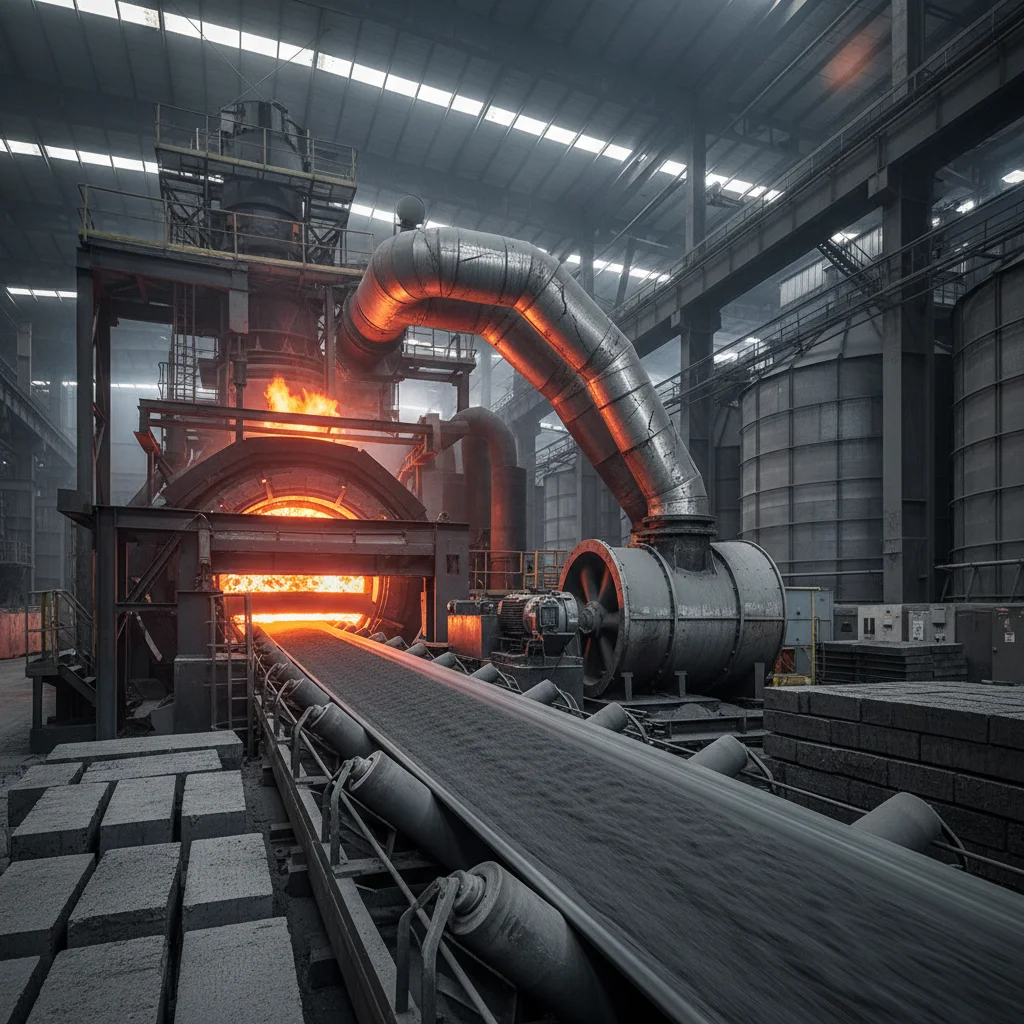
Several factors contribute to fluctuations in graphite block price. Firstly, raw material availability and mining costs are primary drivers. Geological conditions, mining depth, and labor costs all play a role. Secondly, processing costs, including purification, micronization, and shaping into blocks, significantly impact the final price. High-purity graphite requires more intensive and expensive processing.
Transportation and logistics are also crucial. Graphite is often mined in remote locations, and shipping costs can add a substantial premium, especially during periods of high demand or geopolitical instability. Finally, market demand, driven by the EV revolution and other emerging applications, has the most immediate and significant impact. I've personally seen prices spike when a major battery manufacturer locked in a long-term supply contract.
Don’t underestimate the impact of environmental regulations. Increasingly stringent environmental standards are raising the costs of mining and processing graphite, particularly in China, where most of the world's supply originates. Companies need to factor in these compliance costs when budgeting for graphite.
Global Applications of graphite block price
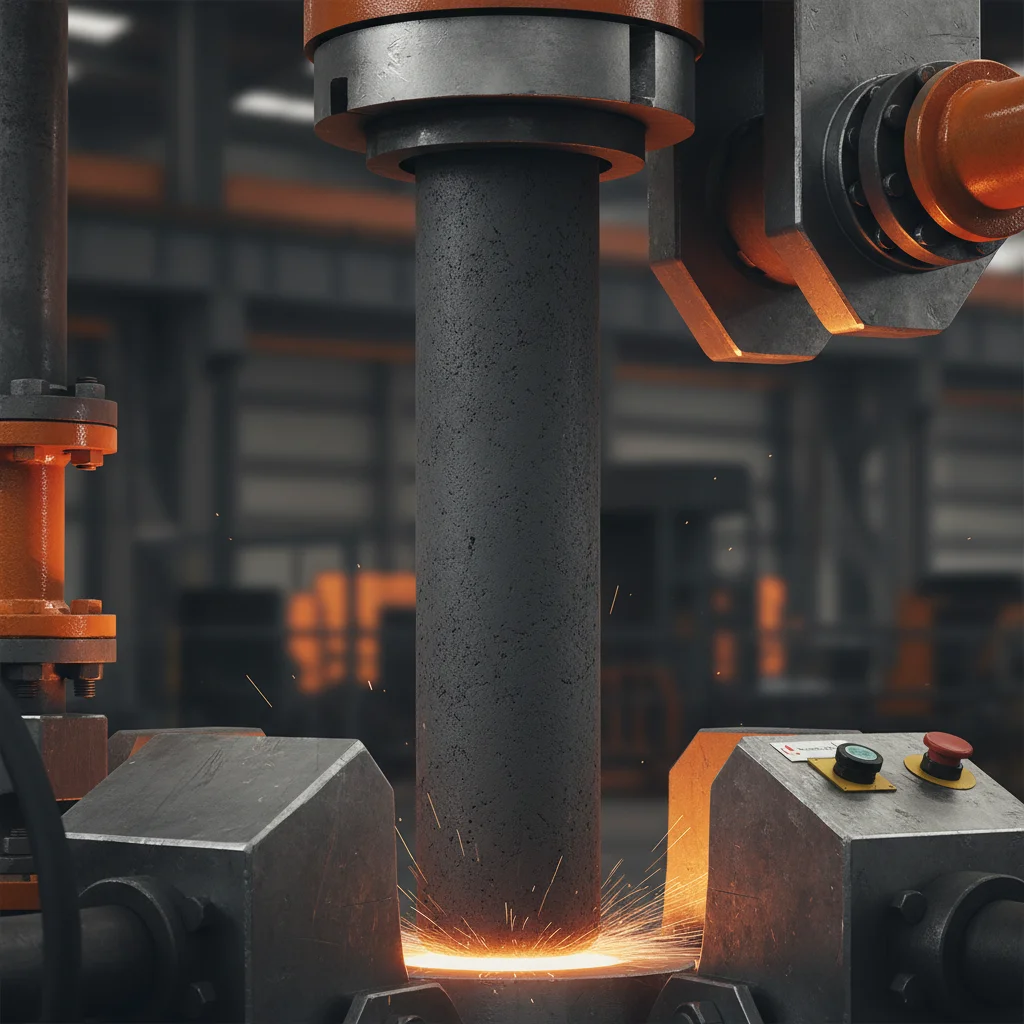
The applications of graphite, and therefore the impact of its price, are incredibly diverse. Steelmaking is a major consumer, utilizing graphite electrodes for electric arc furnaces. Refractory materials, used to line high-temperature furnaces in various industries, rely heavily on graphite for its thermal resistance. I've spent months on steel mill sites, and the cost of electrodes is a constant point of discussion.
The burgeoning electric vehicle (EV) market is driving unprecedented demand for graphite as a key component in lithium-ion battery anodes. This demand is concentrated in regions with significant EV production, such as China, Europe, and North America. However, we’re also seeing increased use in energy storage systems for renewable energy sources, creating further demand.
graphite block price Impact by Application
Advantages and Long-Term Value of Optimized graphite block price Management
Effectively managing graphite block price isn't just about finding the cheapest supplier; it’s about building a resilient supply chain and mitigating risk. Diversifying sourcing, establishing long-term contracts with reliable partners, and investing in forecasting tools are all crucial steps. These strategies can shield your business from price volatility and ensure a consistent supply of this critical material.
The long-term value extends beyond cost savings. By prioritizing quality and sustainability in your graphite sourcing, you can enhance product performance, reduce environmental impact, and build a stronger brand reputation. Consumers are increasingly demanding ethically sourced materials, and a commitment to responsible sourcing can provide a significant competitive advantage.
Future Trends and Innovations Impacting graphite block price
We're seeing a lot of innovation in graphite processing, including new purification techniques and the development of synthetic graphite alternatives. These advancements could potentially reduce reliance on natural graphite and mitigate supply chain risks. I’ve been watching some promising developments in graphite recycling from spent lithium-ion batteries – that could be a game-changer.
Furthermore, advancements in battery technology, such as silicon-graphite anodes, are also impacting demand. These new anode materials require different graphite specifications, which could lead to changes in pricing and sourcing strategies. The industry is constantly evolving, and staying ahead of these trends is essential.
The push for a circular economy will also play a role. Developing efficient recycling processes for graphite from end-of-life batteries will not only reduce waste but also create a secondary supply source, potentially lowering graphite block price in the long run.
Challenges and Solutions in graphite block price Forecasting
Accurately forecasting graphite block price is notoriously difficult. The market is subject to numerous unpredictable factors, including geopolitical events, changes in government regulations, and technological breakthroughs. Relying solely on historical data is rarely sufficient.
One solution is to leverage advanced data analytics and machine learning algorithms to identify correlations and predict future price movements. Combining this with expert market intelligence and on-the-ground insights from mining and processing facilities can provide a more accurate picture.
Another key challenge is transparency in the graphite supply chain. Improving traceability and data sharing can help to reduce price manipulation and ensure fair market practices. Collaboration between industry stakeholders, governments, and research institutions is crucial for addressing these challenges and building a more stable and predictable graphite market.
Core Considerations for Graphite Block Price Analysis
| Graphite Type |
Geopolitical Risk |
Demand Sector |
Price Volatility (1-10) |
| Natural Flake Graphite |
High (China Dependence) |
EV Batteries |
8 |
| Synthetic Graphite |
Moderate (Energy Costs) |
Steelmaking |
6 |
| High-Purity Graphite |
Moderate (Processing Complexity) |
Energy Storage |
7 |
| Coarse-Grained Graphite |
Low |
Refractories |
4 |
| Expanded Graphite |
Low |
Fire Retardants |
5 |
| Micronized Graphite |
Moderate (Processing Costs) |
Lubricants |
6 |
FAQS
The primary drivers are increased demand from the EV battery sector, coupled with supply chain disruptions, particularly those originating in China. Geopolitical tensions, stricter environmental regulations in major producing regions, and rising transportation costs also contribute significantly. It's a complex equation, but those are the main levers at play right now.
Diversifying your sourcing is key. Don't rely solely on one supplier or one geographic region. Establishing long-term contracts with multiple vendors can help lock in prices, but be sure to include clauses that address unforeseen circumstances. Also, consider strategic stockpiling, but balance that against storage costs and the risk of obsolescence.
Natural graphite is mined directly from the earth, while synthetic graphite is produced from petroleum or coal. Synthetic graphite generally offers higher purity and more consistent properties, but it's also typically more expensive to produce. Natural graphite tends to be cheaper, but quality can vary significantly. The price difference depends on the specific grade and application.
Absolutely. Innovations in graphite recycling, particularly from spent lithium-ion batteries, have the potential to create a secondary supply source and lower prices. Also, advancements in purification techniques and the development of new graphite composites are constantly reshaping the market. Keep an eye on silicon-graphite anode technology, too.
Graphite purity is critically important, particularly for applications like battery anodes and semiconductors. Higher purity graphite commands a premium price, as it requires more intensive and costly processing. However, for some applications like refractories, lower purity graphite may be sufficient, resulting in a lower price point.
Several resources are available. Industry reports from organizations like the US Geological Survey and Roskill are a good starting point. Also, consider subscribing to market research services that specialize in graphite and battery materials. Networking with industry experts and attending relevant conferences can provide valuable insights.
Conclusion
Understanding graphite block price is no longer a back-office function; it’s a strategic necessity. From the explosive growth of the EV market to the ongoing need for resilient industrial materials, graphite remains a critical component in countless applications. Managing price volatility, diversifying sourcing, and staying abreast of emerging technologies are all essential for long-term success.
Looking ahead, the graphite market is poised for continued growth and innovation. Investing in sustainable sourcing practices, supporting research into recycling technologies, and fostering collaboration across the supply chain will be crucial for ensuring a stable and secure graphite supply for the future. For more information and to discuss your specific graphite sourcing needs, visit our website: graphite block price.