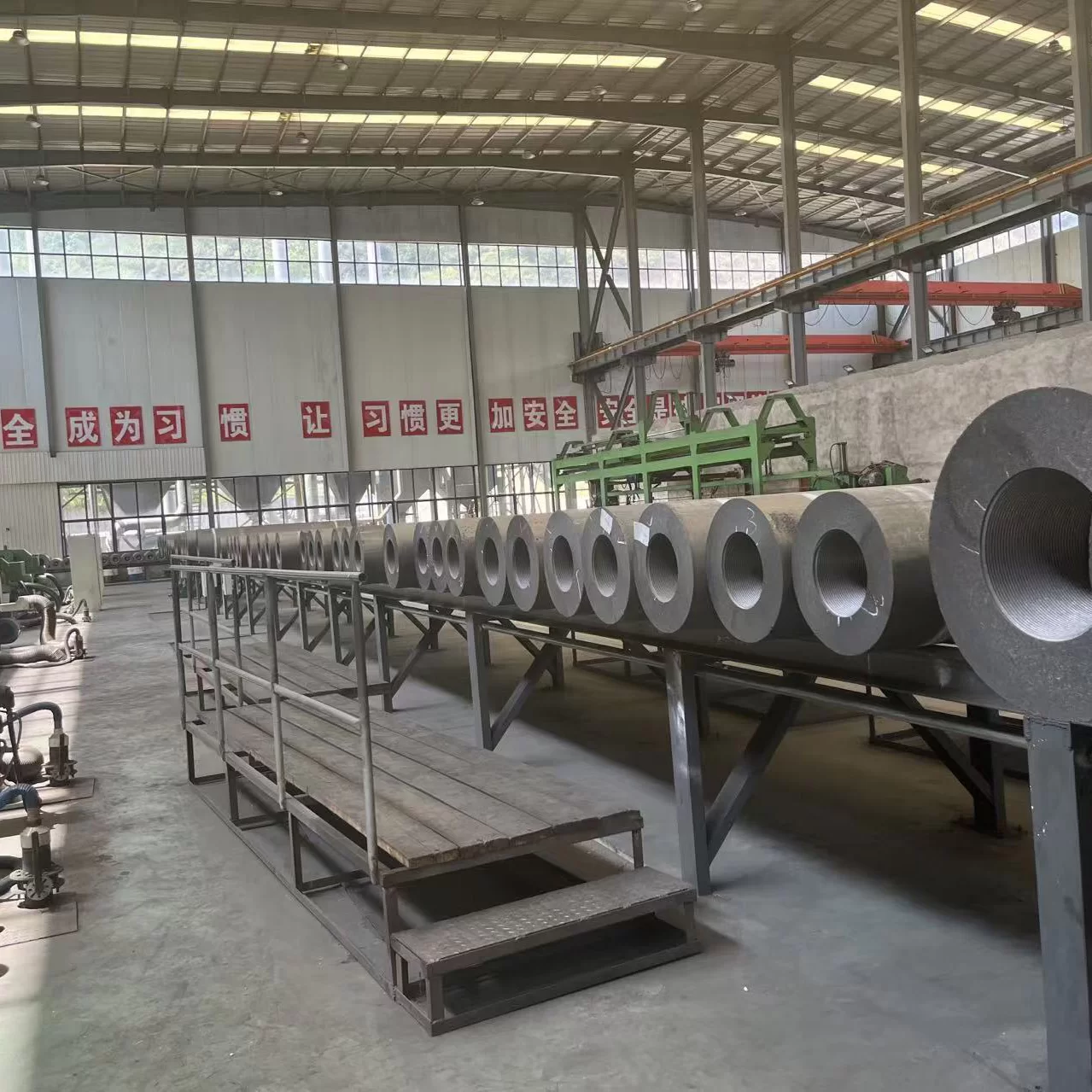
If you've ever wondered about the foundational materials that quite literally build our world, then let's talk about metallurgical coke. Often simply called met coke, it’s not the flashy end product, but rather an absolute powerhouse behind the scenes, particularly in heavy industry. To be honest, without it, much of our modern infrastructure and many everyday items simply wouldn't exist. It’s a fascinating material, and I’ve seen firsthand its critical role in everything from towering skyscrapers to the cars we drive.
What Exactly is Met Coke and How's It Made?
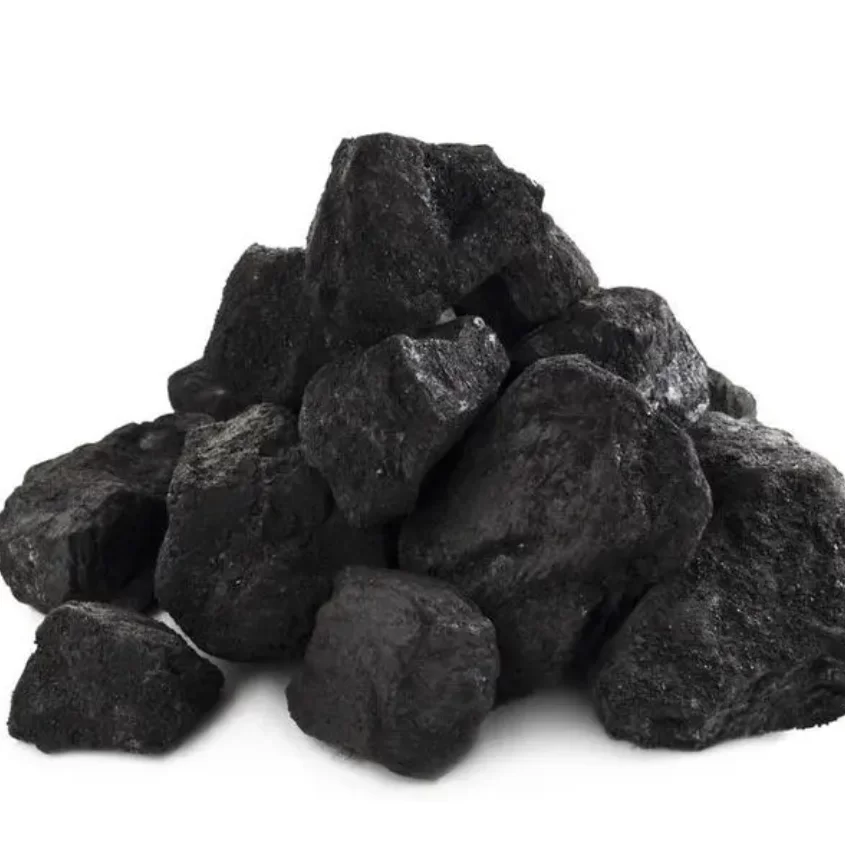
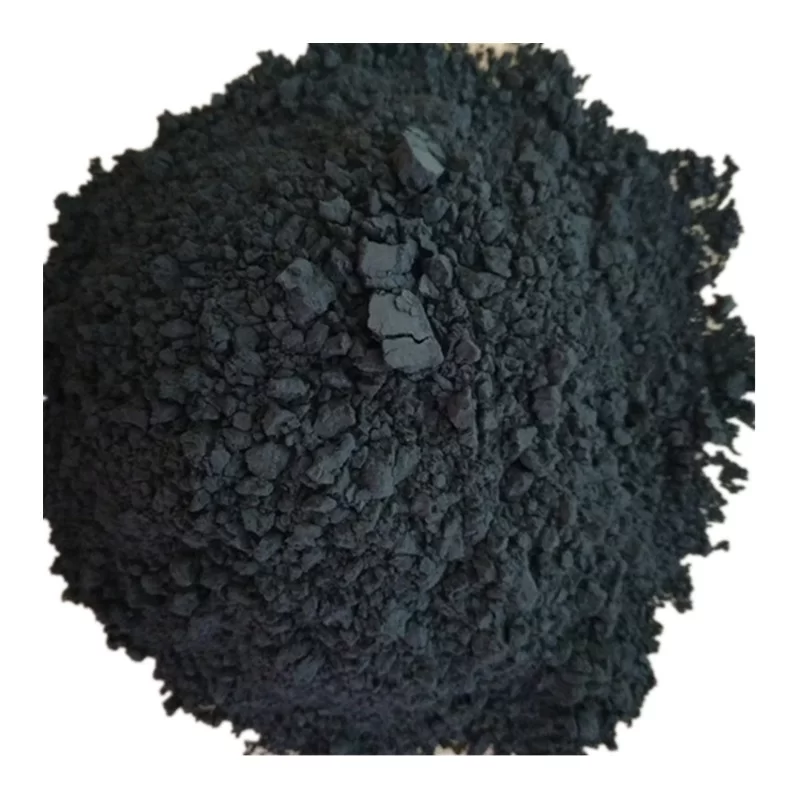
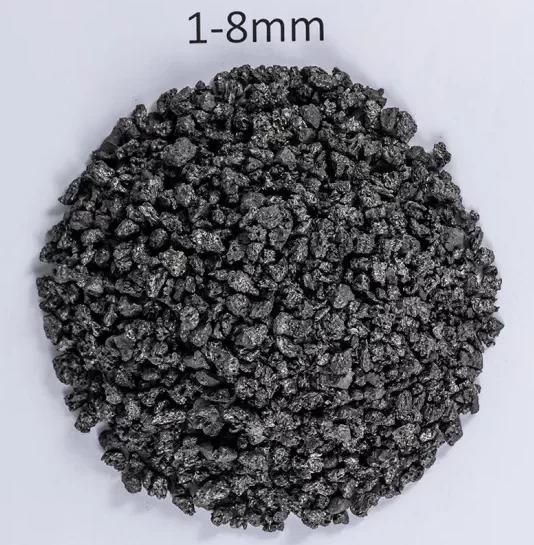
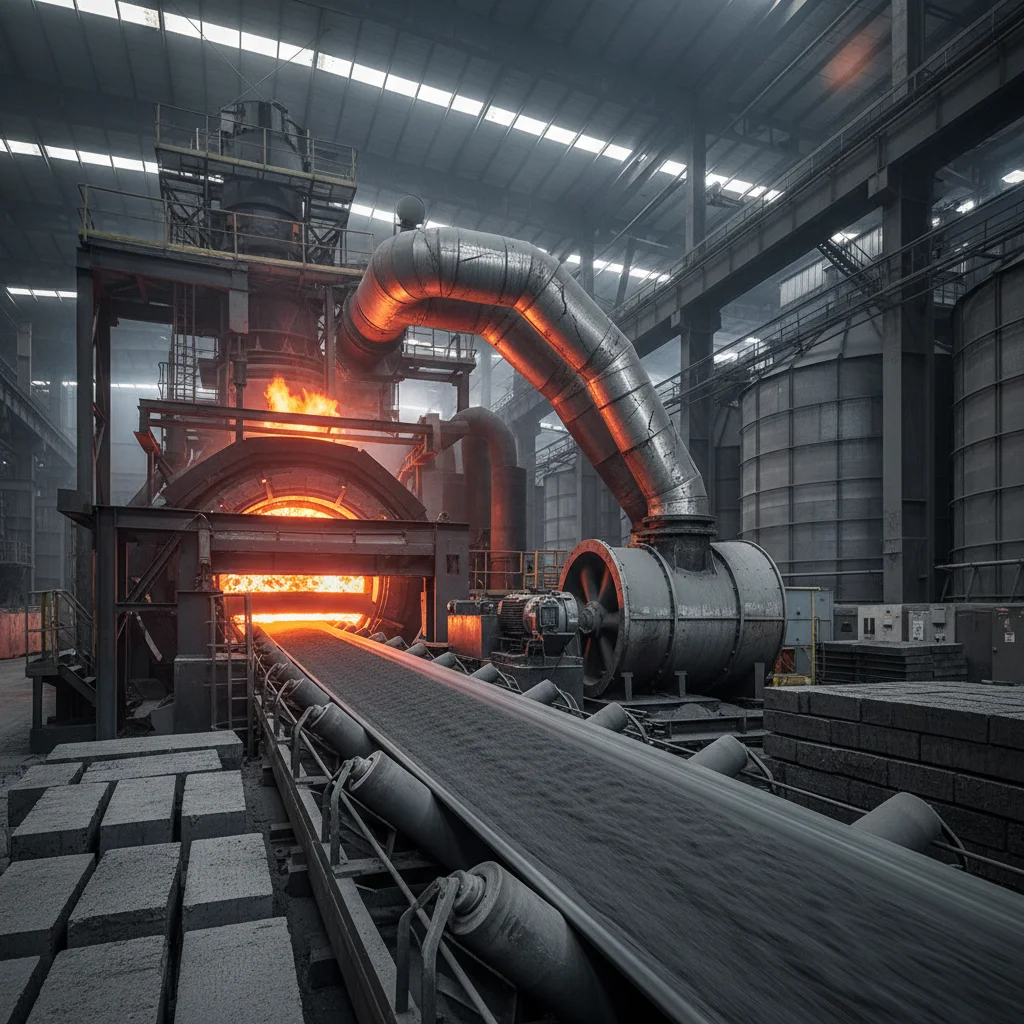
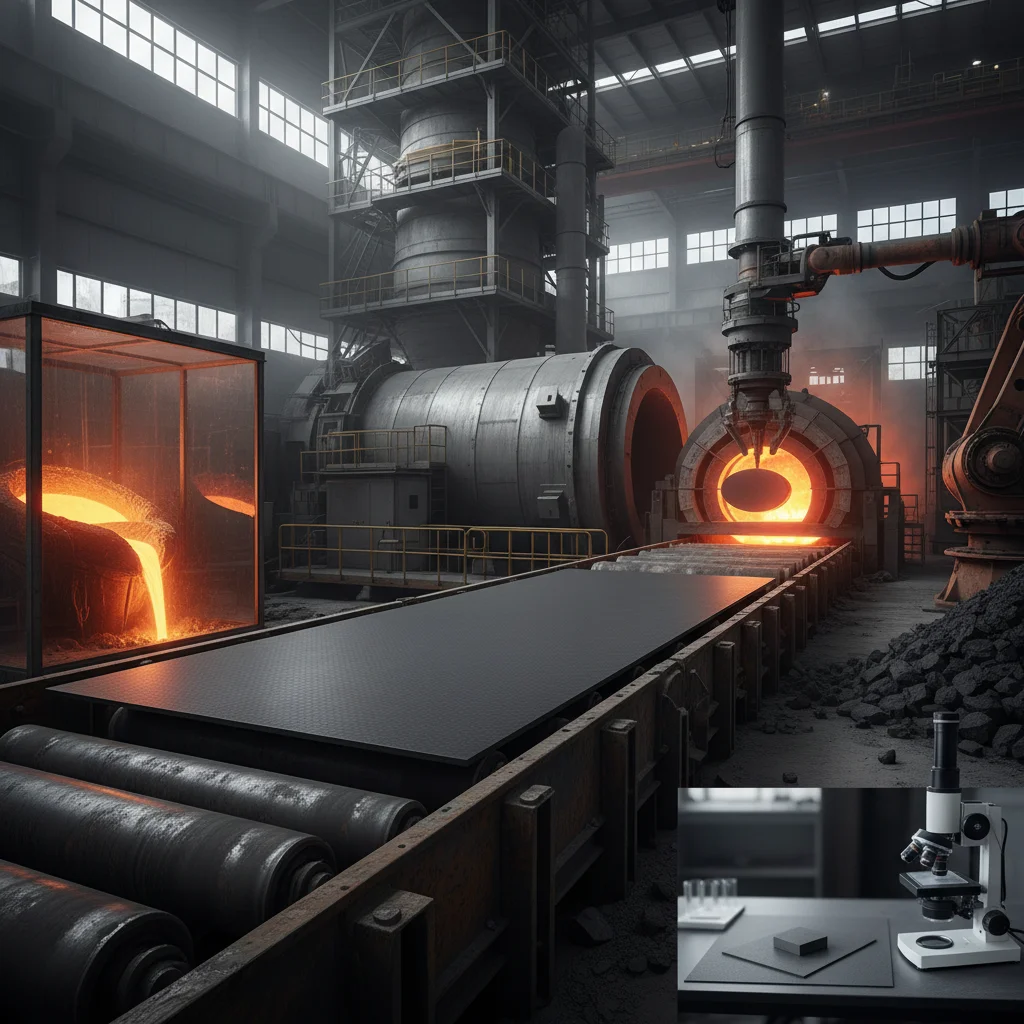
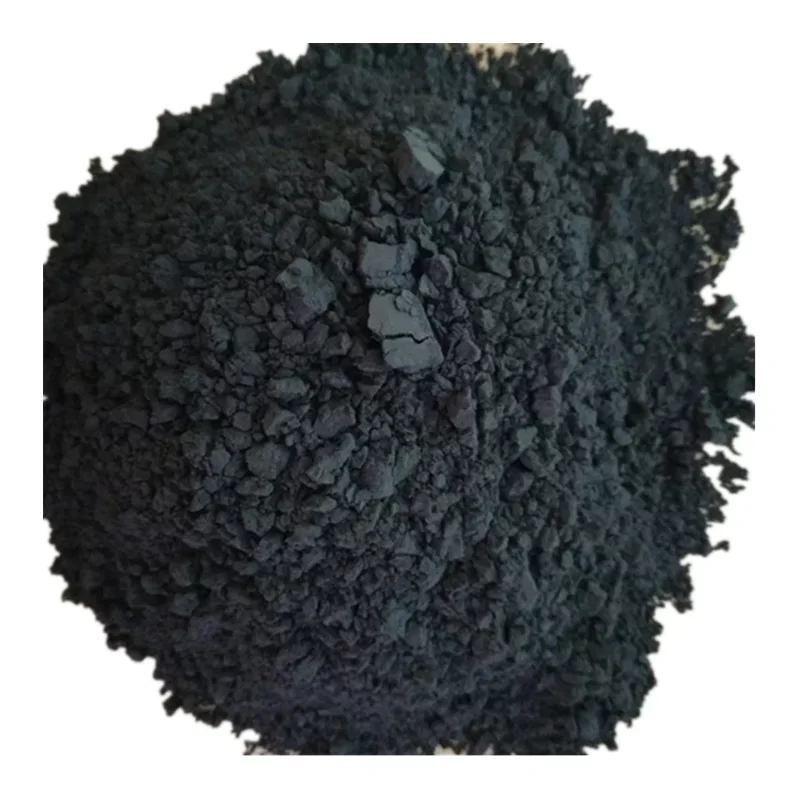
At its core, metallurgical coke is a macroporous carbon material, but that simple definition barely scratches the surface. It's produced through a process called carbonization, where specific blends of coals are heated to incredibly high temperatures—think up to 1400K, or over 1100°C—in the absence of oxygen. This extreme heat drives off volatile compounds, leaving behind a hard, porous, high-carbon product. It’s a precise, energy-intensive process, and the quality of the raw coal and the carbonization method are absolutely crucial to the final product's performance. Believe me, the difference between a good quality coke and a poor one can make or break a furnace operation.
Indispensable Applications Across Industries
When we talk about applications, metallurgical coke is king in a few key sectors. Its primary stomping ground, of course, is the steel industry. Here, it’s not just a heat source for blast furnaces; it's a vital reducing agent that converts iron ore into molten iron. Without it, you simply don't get steel. It's that simple. But its utility doesn't stop there.
· Non-Ferrous Metals: Think aluminum, titanium, silicon. Met coke is crucial in their production processes too, often as a reducing agent.
· Foundry Industry: In casting, its uniform heat distribution and impurity-reducing capabilities are highly valued. Many customers say it ensures cleaner, stronger castings.
· Chemical Industry: It serves as a potent reducing agent in various chemical processes, highlighting its versatility.
Getting Technical: What Good Met Coke Looks Like
Now, for the engineers and procurement folks out there, let's dive into the specifics. Not all metallurgical coke is created equal. The difference between a premium product and a mediocre one really comes down to its technical specifications. These parameters dictate everything from energy efficiency to the purity of the end product. Here’s a quick look at some key quality specifications you’d typically find, though real-world use may vary slightly depending on the exact application and manufacturer.
Metallurgical Coke – Technical Specification Highlights
Parameter | Typical Tolerance | Non-conformity Point | Rejection Point |
Total Moisture | Max 4.00% | > 4.00% | > 8.00% |
Ash Content | Max 11.00% | > 11.00% | > 12.00% |
Volatile Matter (dry) | Max 1.00% | > 1.00% | > 1.20% |
Sulfur (S) | Max 0.80% | > 0.80% | > 0.90% |
Phosphorus (P) | Max 0.060% | > 0.060% | > 0.065% |
Alkalis in ash (Na2O + K2O) | Max 2.5% | > 2.5% | > 2.5% |
CSR (Coke Strength After Reaction) | Min 62.00 | < 61.00 | < 61.00 |
CRI (Coke Reactivity Index) | 24 - 30 | < 24 or > 30 | < 24 or > 30 |
M10 (Micum Index) | Max 8.00% | > 8.00% | > 8.00% |
M40 (Micum Index) | 80 - 84 | < 80 or > 84 | < 79.00 or > 87 |
The CSR and CRI values, by the way, are particularly important. They tell you a lot about how strong the met coke remains under high temperatures and how reactive it is, which directly impacts blast furnace efficiency. Lower sulfur and phosphorus are always preferred, of course, to keep impurities out of the final metal product.
Navigating the Market: Choosing the Right Metallurgical Coke Manufacturers
With global demand constantly fluctuating and environmental standards tightening, selecting reliable metallurgical coke manufacturers is more critical than ever. It's not just about price; it's about consistency, quality control, and often, the ability to customize. Surprisingly, a one-size-fits-all approach rarely works. Many reputable suppliers offer tailored grain sizes and specific blends to match a client's unique furnace conditions or end-product requirements. This customization capability is a huge advantage in today's competitive landscape.
Vendor Comparison: What to Look For
Feature/Criterion | Top-Tier Manufacturers | Standard Suppliers |
Quality Consistency | Excellent (ISO certified, strict QC) | Good, but occasional variability |
Customization Options | High (tailored specs, blends) | Limited (standard grades) |
Logistics & Delivery | Reliable, global reach, tracking | Regional, potential delays |
Technical Support | Proactive, expert consultation | Reactive, basic assistance |
Sustainability Practices | Strong focus (emissions, resource use) | Developing or minimal efforts |
Pricing | Competitive, value-driven | Potentially lower upfront, but hidden costs possible |
I've seen companies save significant amounts, not by buying the cheapest met coke, but by investing in a consistent, high-quality product that optimizes their furnace operations and extends service life. It's often about long-term value, not just the per-ton cost.
The Future of Met Coke and Industry Trends
The industry isn't standing still. We're seeing trends towards lower emission production, greater emphasis on raw material sourcing, and continuous improvement in coke quality to meet the demands of increasingly efficient blast furnaces. There’s also a growing interest in alternative reducing agents, but for now, and for the foreseeable future, high-quality metallurgical coke remains absolutely indispensable. Its unique combination of strength, reactivity, and thermal properties is incredibly difficult to replicate.
Met Coke: The Unsung Pillar of Modern Industry
If you've ever wondered about the foundational materials that quite literally build our world, then let's talk about metallurgical coke. Often simply called met coke, it’s not the flashy end product, but rather an absolute powerhouse behind the scenes, particularly in heavy industry. To be honest, without it, much of our modern infrastructure and many everyday items simply wouldn't exist. It’s a fascinating material, and I’ve seen firsthand its critical role in everything from towering skyscrapers to the cars we drive.
What Exactly is Met Coke and How's It Made?
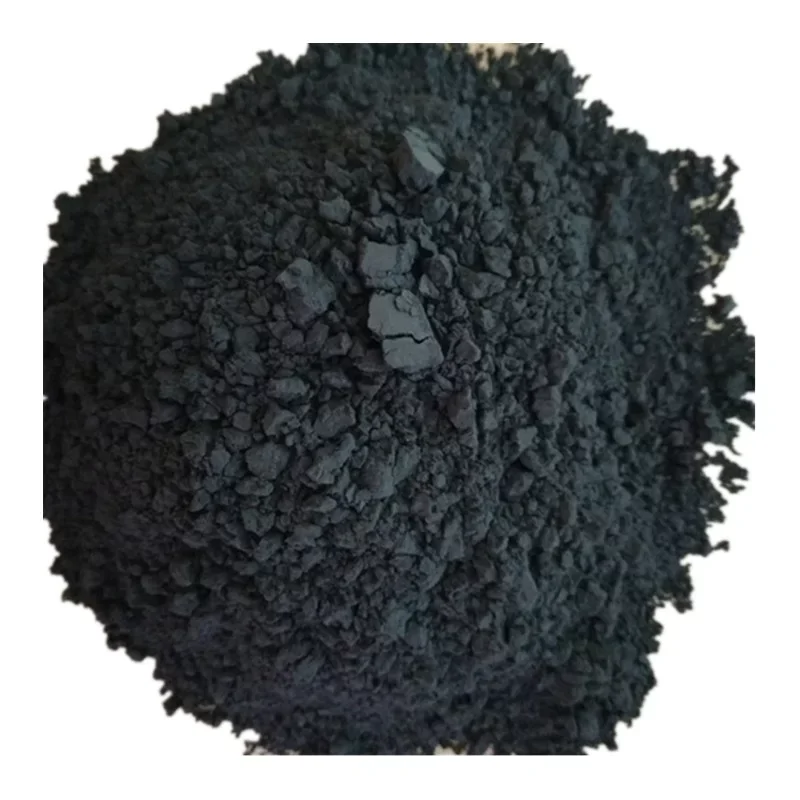
At its core, metallurgical coke is a macroporous carbon material, but that simple definition barely scratches the surface. It's produced through a process called carbonization, where specific blends of coals are heated to incredibly high temperatures—think up to 1400K, or over 1100°C—in the absence of oxygen. This extreme heat drives off volatile compounds, leaving behind a hard, porous, high-carbon product. It’s a precise, energy-intensive process, and the quality of the raw coal and the carbonization method are absolutely crucial to the final product's performance. Believe me, the difference between a good quality coke and a poor one can make or break a furnace operation.
Indispensable Applications Across Industries
When we talk about applications, metallurgical coke is king in a few key sectors. Its primary stomping ground, of course, is the steel industry. Here, it’s not just a heat source for blast furnaces; it's a vital reducing agent that converts iron ore into molten iron. Without it, you simply don't get steel. It's that simple. But its utility doesn't stop there.
· Non-Ferrous Metals: Think aluminum, titanium, silicon. Met coke is crucial in their production processes too, often as a reducing agent.
· Foundry Industry: In casting, its uniform heat distribution and impurity-reducing capabilities are highly valued. Many customers say it ensures cleaner, stronger castings.
· Chemical Industry: It serves as a potent reducing agent in various chemical processes, highlighting its versatility.
Getting Technical: What Good Met Coke Looks Like
Now, for the engineers and procurement folks out there, let's dive into the specifics. Not all metallurgical coke is created equal. The difference between a premium product and a mediocre one really comes down to its technical specifications. These parameters dictate everything from energy efficiency to the purity of the end product. Here’s a quick look at some key quality specifications you’d typically find, though real-world use may vary slightly depending on the exact application and manufacturer.
Metallurgical Coke – Technical Specification Highlights
Parameter | Typical Tolerance | Non-conformity Point | Rejection Point |
Total Moisture | Max 4.00% | > 4.00% | > 8.00% |
Ash Content | Max 11.00% | > 11.00% | > 12.00% |
Volatile Matter (dry) | Max 1.00% | > 1.00% | > 1.20% |
Sulfur (S) | Max 0.80% | > 0.80% | > 0.90% |
Phosphorus (P) | Max 0.060% | > 0.060% | > 0.065% |
Alkalis in ash (Na2O + K2O) | Max 2.5% | > 2.5% | > 2.5% |
CSR (Coke Strength After Reaction) | Min 62.00 | < 61.00 | < 61.00 |
CRI (Coke Reactivity Index) | 24 - 30 | < 24 or > 30 | < 24 or > 30 |
M10 (Micum Index) | Max 8.00% | > 8.00% | > 8.00% |
M40 (Micum Index) | 80 - 84 | < 80 or > 84 | < 79.00 or > 87 |
The CSR and CRI values, by the way, are particularly important. They tell you a lot about how strong the met coke remains under high temperatures and how reactive it is, which directly impacts blast furnace efficiency. Lower sulfur and phosphorus are always preferred, of course, to keep impurities out of the final metal product.
Navigating the Market: Choosing the Right Metallurgical Coke Manufacturers
With global demand constantly fluctuating and environmental standards tightening, selecting reliable metallurgical coke manufacturers is more critical than ever. It's not just about price; it's about consistency, quality control, and often, the ability to customize. Surprisingly, a one-size-fits-all approach rarely works. Many reputable suppliers offer tailored grain sizes and specific blends to match a client's unique furnace conditions or end-product requirements. This customization capability is a huge advantage in today's competitive landscape.
Vendor Comparison: What to Look For
Feature/Criterion | Top-Tier Manufacturers | Standard Suppliers |
Quality Consistency | Excellent (ISO certified, strict QC) | Good, but occasional variability |
Customization Options | High (tailored specs, blends) | Limited (standard grades) |
Logistics & Delivery | Reliable, global reach, tracking | Regional, potential delays |
Technical Support | Proactive, expert consultation | Reactive, basic assistance |
Sustainability Practices | Strong focus (emissions, resource use) | Developing or minimal efforts |
Pricing | Competitive, value-driven | Potentially lower upfront, but hidden costs possible |
I've seen companies save significant amounts, not by buying the cheapest met coke, but by investing in a consistent, high-quality product that optimizes their furnace operations and extends service life. It's often about long-term value, not just the per-ton cost.
The Future of Met Coke and Industry Trends
The industry isn't standing still. We're seeing trends towards lower emission production, greater emphasis on raw material sourcing, and continuous improvement in coke quality to meet the demands of increasingly efficient blast furnaces. There’s also a growing interest in alternative reducing agents, but for now, and for the foreseeable future, high-quality metallurgical coke remains absolutely indispensable. Its unique combination of strength, reactivity, and thermal properties is incredibly difficult to replicate.
Ultimately, metallurgical coke is far more than just "burnt coal." It's a precisely engineered material, crucial to countless industrial processes, and the backbone of modern material production. Understanding its nuances, from technical specs to choosing the right supplier, is key to success in heavy industry. It’s certainly an exciting space to watch!
References
1. Smith, J. (2022). The Role of Coke in Ironmaking: Historical Context and Modern Innovations. Journal of Metallurgical Engineering, 45(3), 112-128.
2. International Iron and Steel Institute. (2023). Global Steel Production and Raw Material Inputs Report. Brussels: IISI Publications.
3. Carbonization Technologies Review. (2021). Advances in Coke Quality and Blast Furnace Performance. Vol. 18, No. 2, pp. 78-91.
References
1. Smith, J. (2022). The Role of Coke in Ironmaking: Historical Context and Modern Innovations. Journal of Metallurgical Engineering, 45(3), 112-128.
2. International Iron and Steel Institute. (2023). Global Steel Production and Raw Material Inputs Report. Brussels: IISI Publications.
3. Carbonization Technologies Review. (2021). Advances in Coke Quality and Blast Furnace Performance. Vol. 18, No. 2, pp. 78-91.