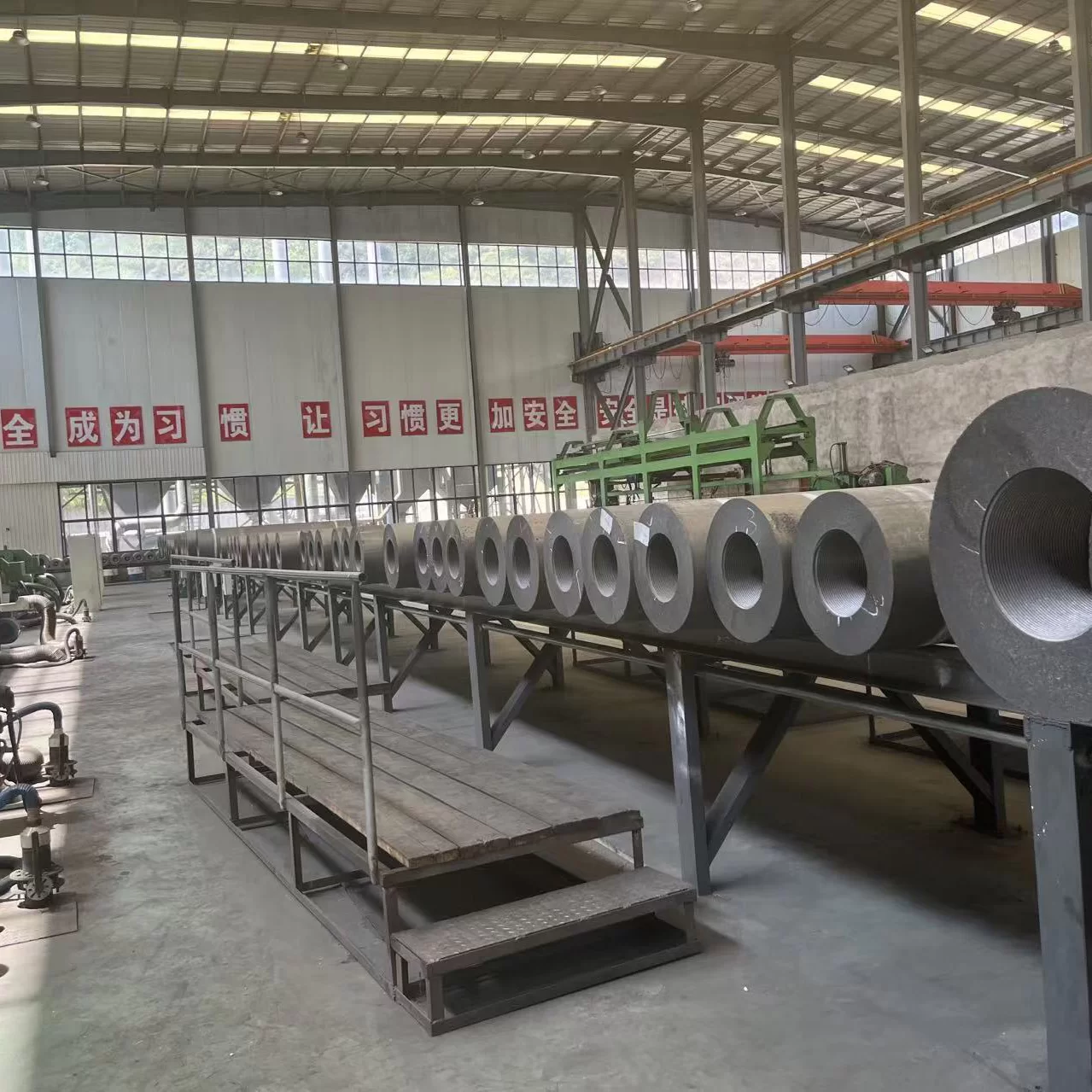
As someone who's spent a fair bit of time observing the ins and outs of industrial manufacturing, I can tell you that certain components, though perhaps not glamorous, are absolutely critical. Today, we're diving into one such unsung hero: the HP 100mm graphite electrode. It might sound highly specific, and frankly, it is! But its role in high-temperature applications, particularly in the metals industry, is simply indispensable.
What Exactly Are We Talking About?
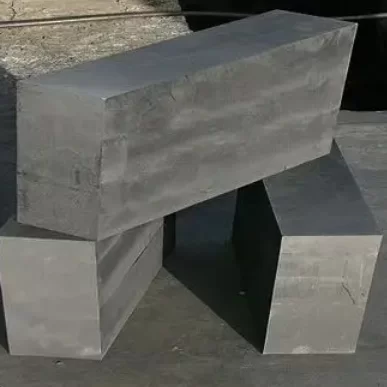
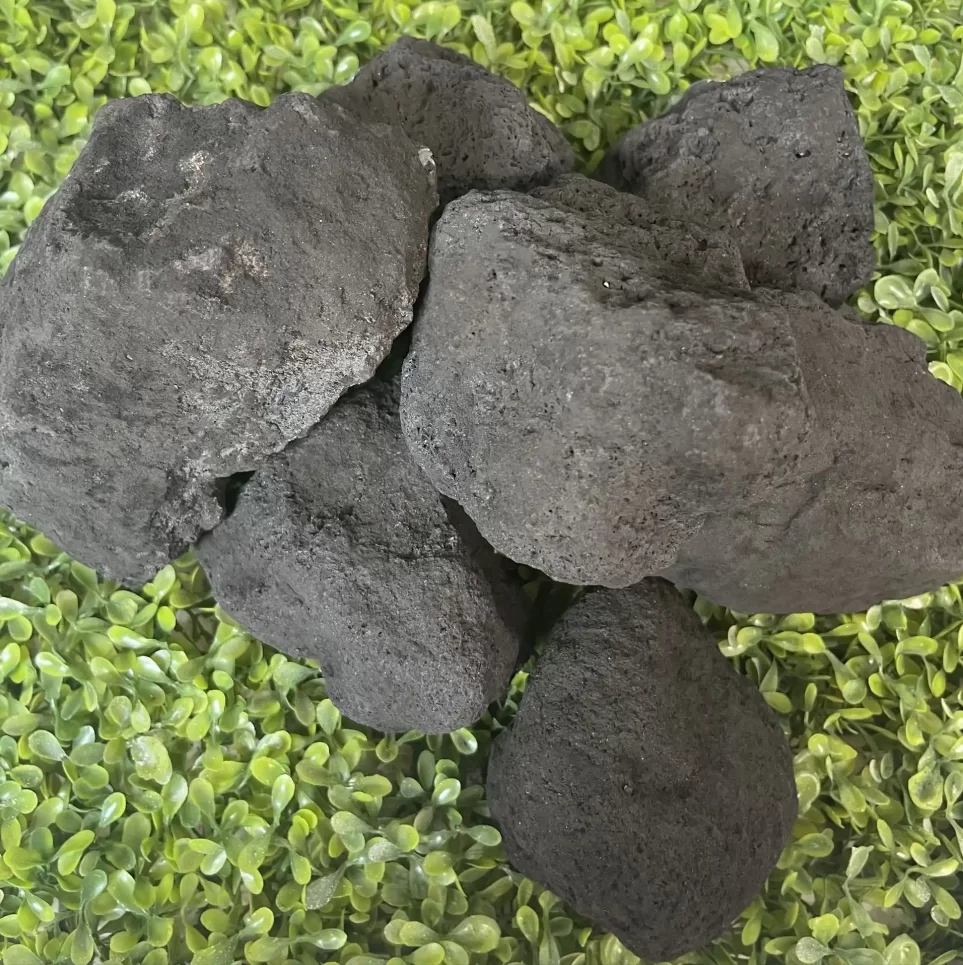
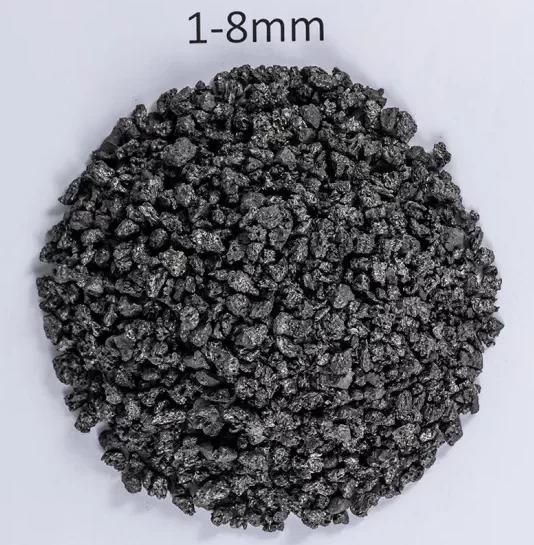
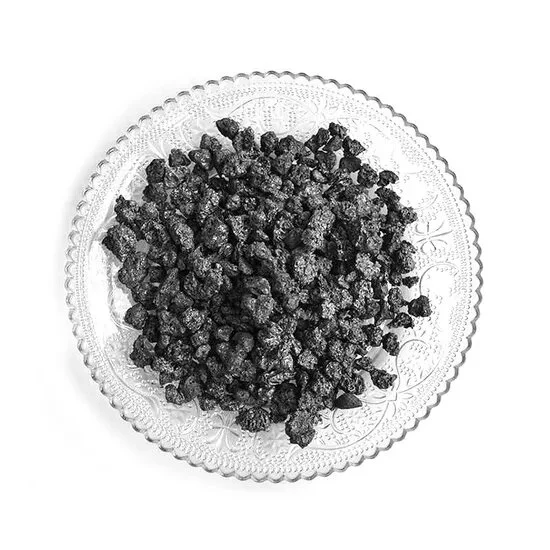
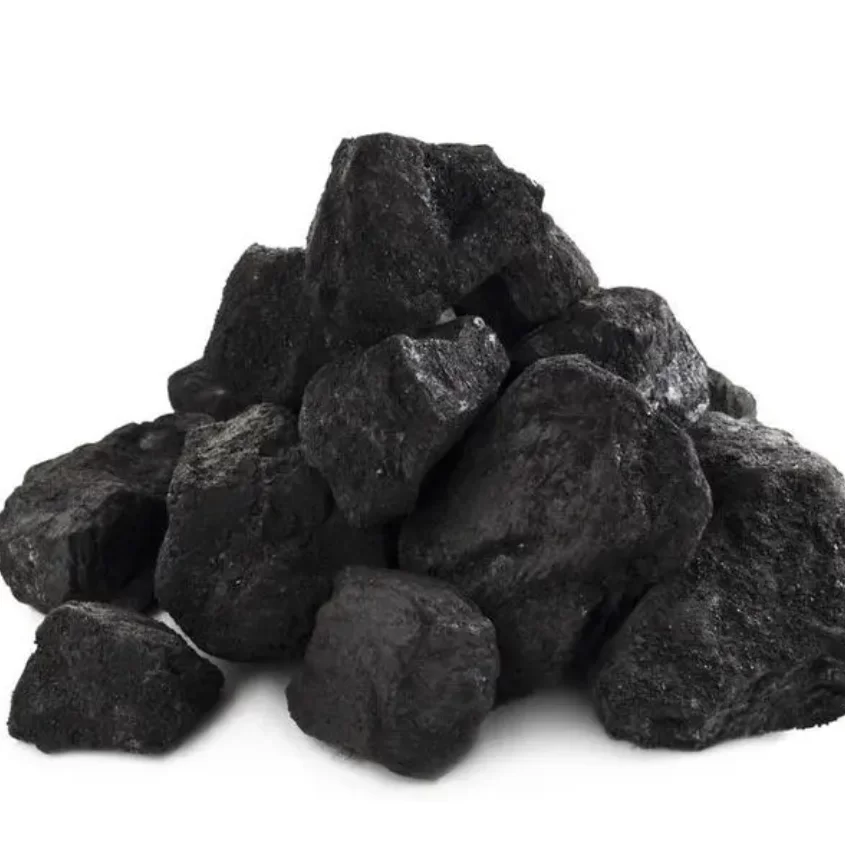
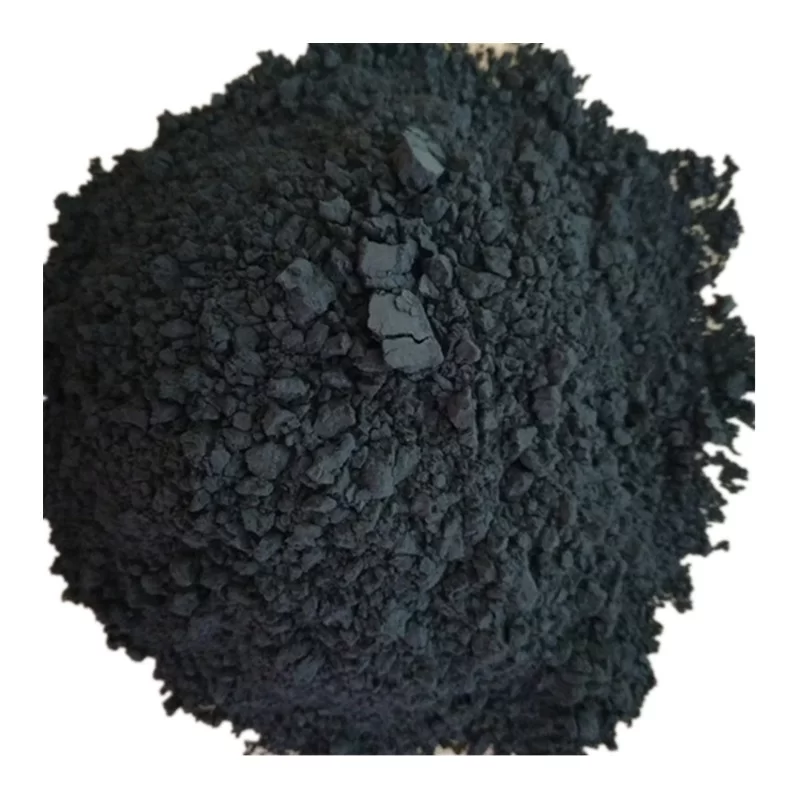
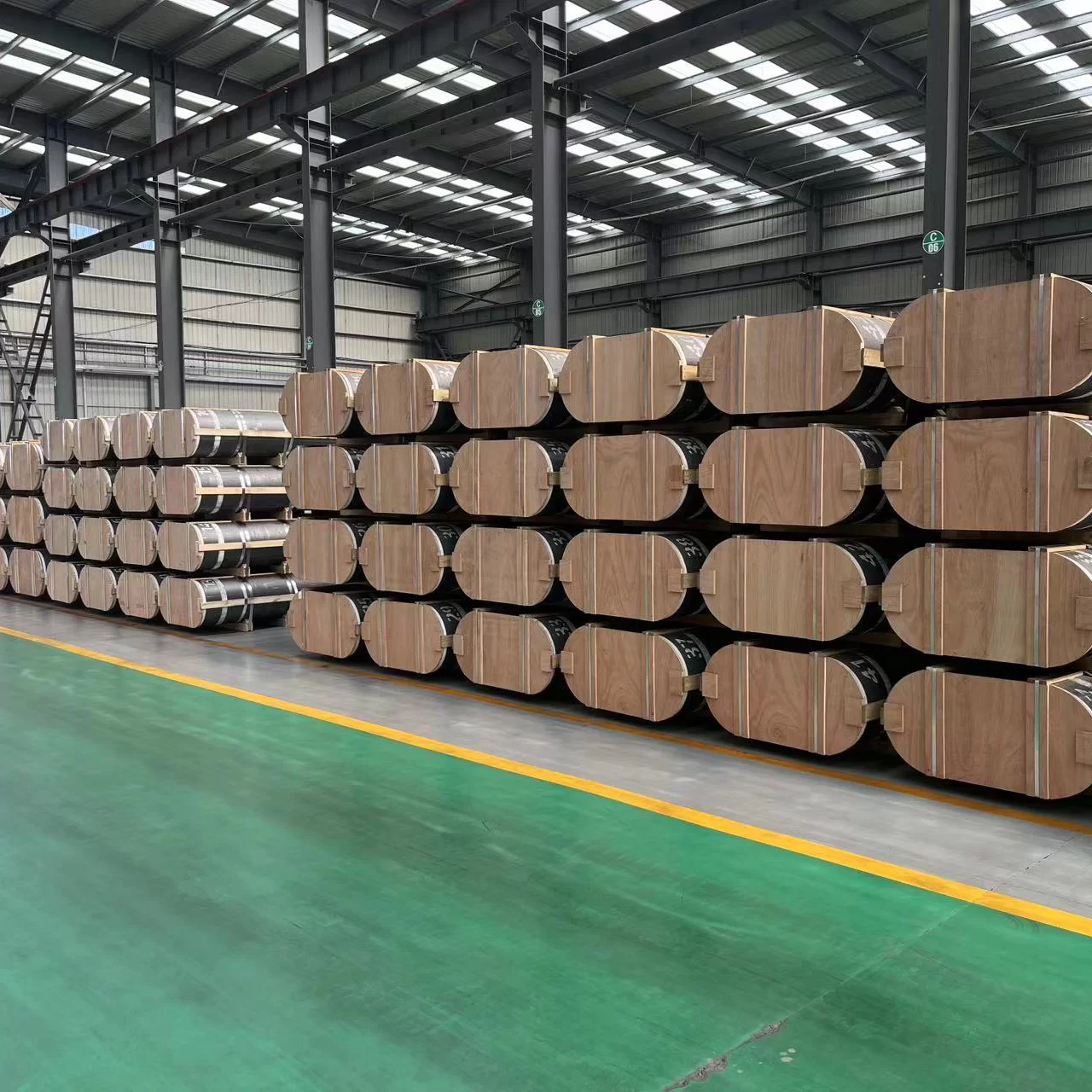
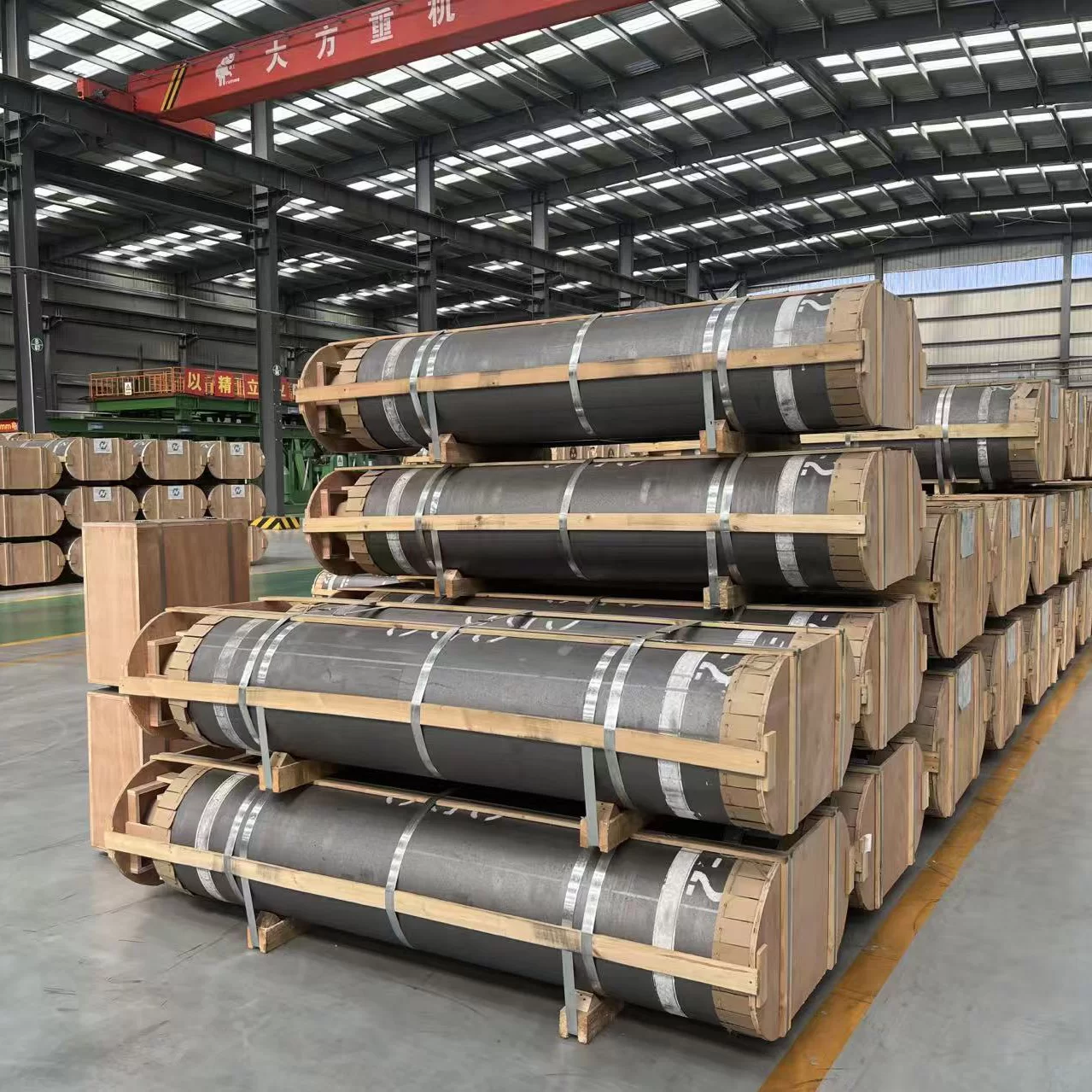
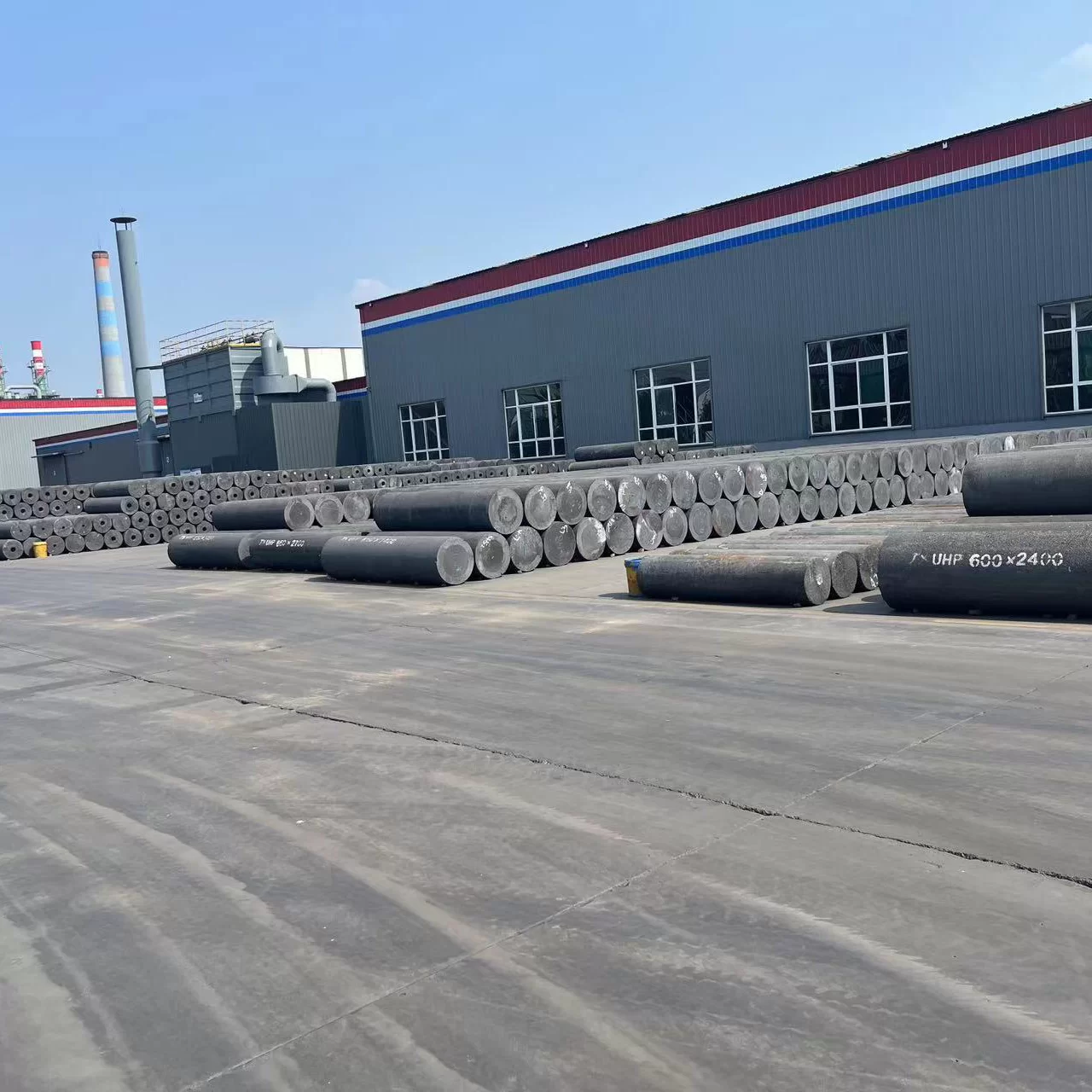
So, what is a HP 100mm graphite electrode? Essentially, it’s a highly conductive carbon material designed to channel massive amounts of electrical energy into an arc furnace, melting down scrap metal or other raw materials. "HP" stands for High Power, indicating its capability to handle significant current densities. The "100mm" refers to its diameter, a common size for specific furnace types. These electrodes are made primarily from petroleum coke and tar coke, bound together with coal tar pitch, and then subjected to incredibly high temperatures to transform them into graphite. It’s quite a fascinating transformation, really.
The "Why Now?": Industry Trends and Growing Demand
In recent years, the push for more efficient steel production, along with the growth of ferroalloy industries, has really put the spotlight on advanced electrode technologies. Electric Arc Furnaces (EAFs) are becoming increasingly popular for their flexibility and lower carbon footprint compared to traditional blast furnaces. This trend directly fuels the demand for high-quality electrodes, and the HP 100mm graphite electrode, with its robust characteristics, fits right into this evolving landscape. Many customers I've spoken with are looking for reliability and consistency above all else, and that's precisely where these electrodes deliver.
Under the Hood: Technical Specifications
Let's get a bit technical, shall we? The performance of an HP 100mm graphite electrode is defined by several key parameters. We're talking about things like low electrical resistance, excellent thermal conductivity, and a remarkable ability to withstand extreme thermal shock. Oh, and mechanical strength is crucial too – you don't want these things breaking mid-melt! Here’s a quick overview of what you'd typically expect:
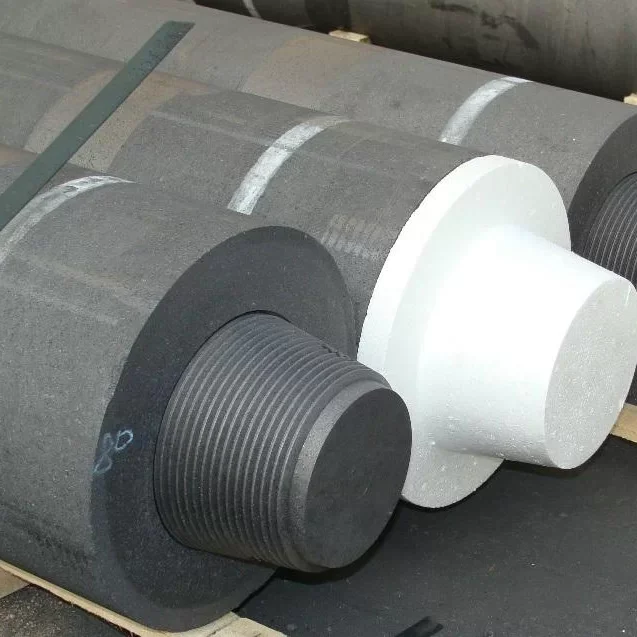
Typical Specifications for HP 100mm Graphite Electrode | |
Parameter | Value (Approximate) |
Diameter | 100 mm (4 inches) |
Bulk Density | ≈1.70 - 1.74 g/cm³ |
Electrical Resistivity | around 6.0 - 7.0 µΩ·m |
Flexural Strength | ≥ 10.0 MPa |
Ash Content | ≤ 0.3% |
Coefficient of Thermal Expansion (CTE) | ≈1.0 - 1.5 x 10⁻⁶ /℃ |
The Making Of: A Glimpse into the Production Process
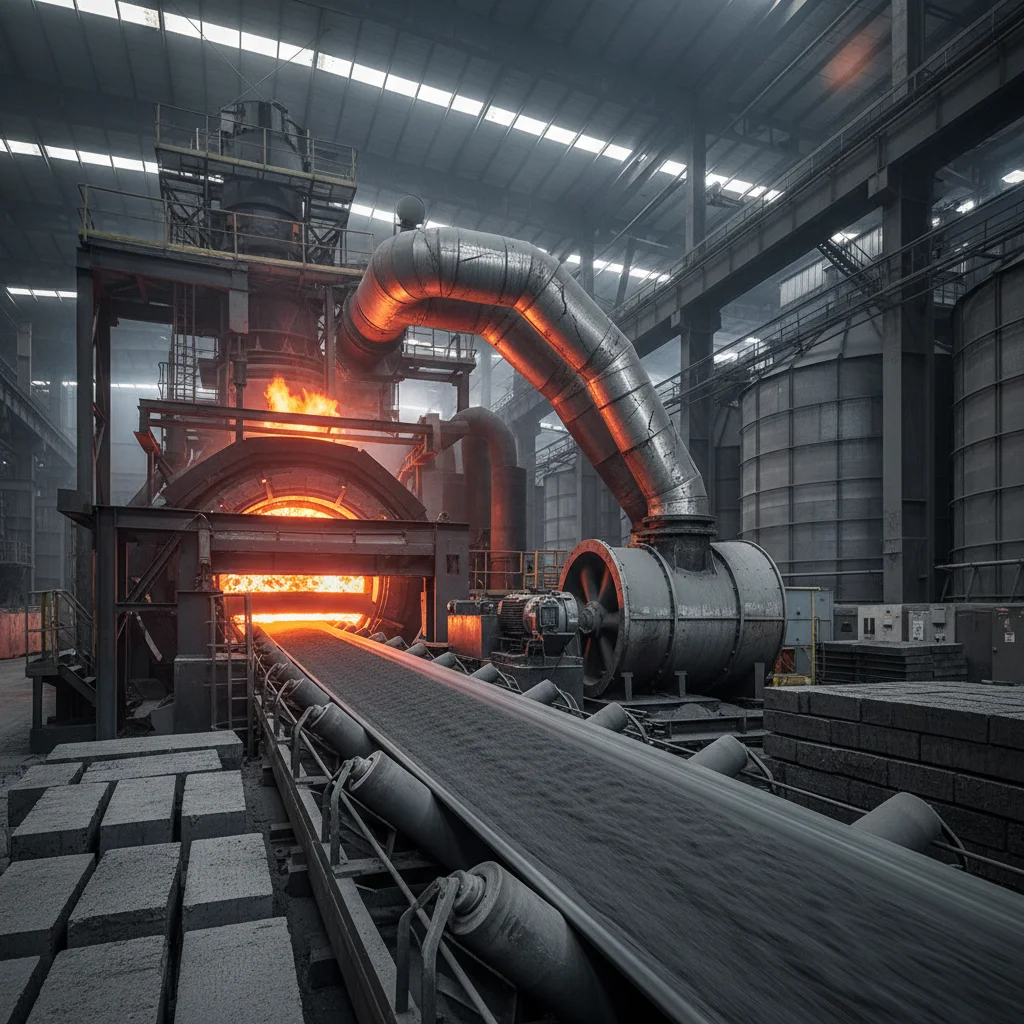
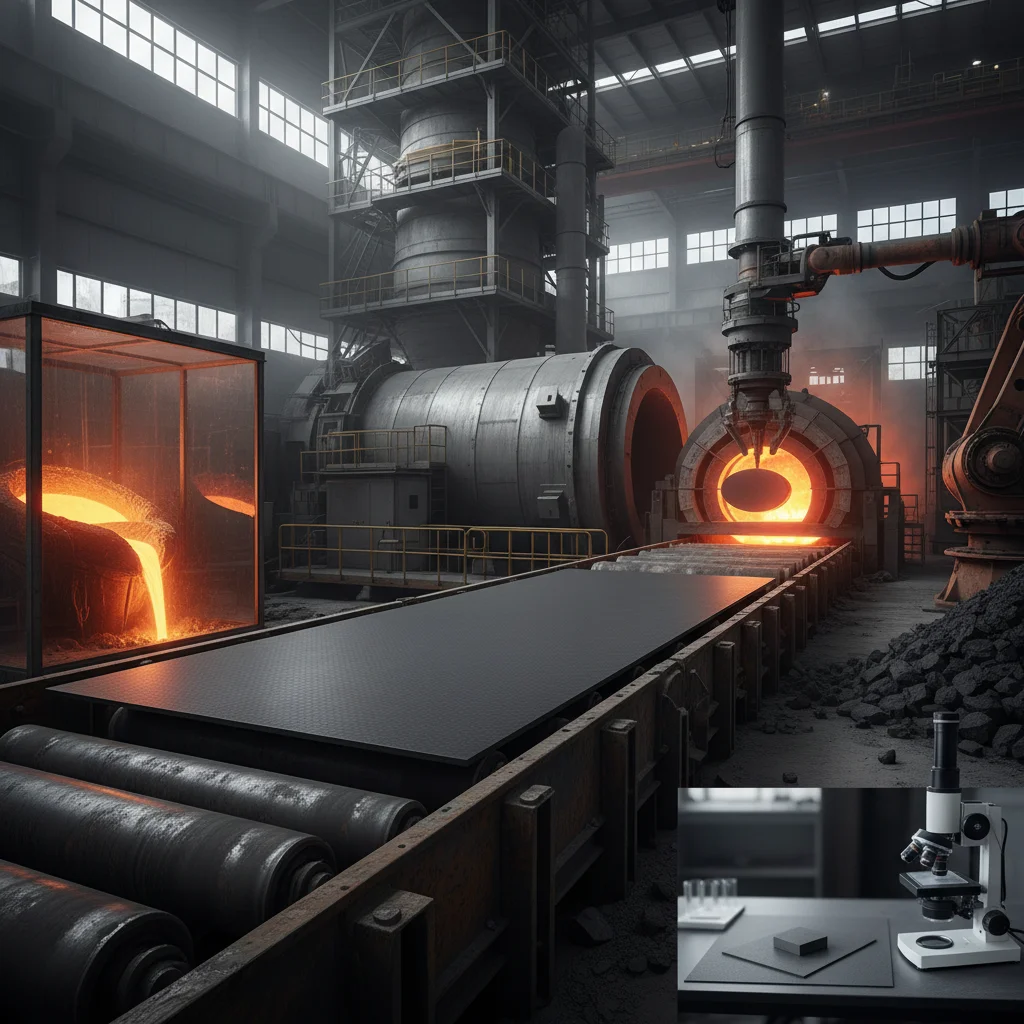
Crafting a high-performance electrode like the HP 100mm graphite electrode is quite a meticulous process. It starts with the right raw materials: high-quality petroleum coke and coal tar pitch. These are carefully mixed, molded under pressure, then baked at high temperatures to carbonize the binder. The real magic, though, happens during graphitization, where the carbon structure is transformed into crystalline graphite at temperatures exceeding 2800°C. This is where it gains its incredible conductivity and thermal stability. Throughout, rigorous testing, adhering to standards like ASTM or JIS, ensures consistency and a predictable service life, which can vary significantly depending on furnace conditions but is always a key factor for operators.
Where It Shines: Application Scenarios & Advantages
Given its properties, the primary stomping ground for a HP 100mm graphite electrode is the Electric Arc Furnace (EAF) in steel mills. They're also widely used in ladle furnaces (LFs) for refining steel and in various other industrial furnaces for melting ferroalloys or other metals. The advantages are clear: superior electrical conductivity reduces energy loss, high resistance to thermal shock minimizes cracking and spalling, and its mechanical strength ensures it can withstand the harsh, dynamic environment of a furnace. Ultimately, this translates to improved melting efficiency, reduced downtime, and, crucially, lower operational costs.
Finding the Right Partner: Vendor Comparison
When you’re sourcing something as critical as a HP 100mm graphite electrode, choosing the right manufacturer is paramount. It’s not just about the price; it’s about consistent quality, technical support, and the ability to customize. There are many hp graphite electrode manufacturers out there, and frankly, quality can vary. It’s wise to look at their track record, certifications, and what kind of technical support they offer.
Evaluating HP Graphite Electrode Manufacturers | ||
Criterion | Manufacturer A (Example) | Manufacturer B (Example) |
Certifications | ISO 9001, CE | ISO 9001, ASTM-compliant |
Customization Options | Limited | Extensive (size, nipple type) |
Technical Support | Standard (online/phone) | On-site support available |
Lead Time (Approx.) | 4-6 weeks | 3-5 weeks |
Customization and Real-World Impact
One often overlooked aspect is customization. While 100mm is a standard size, real-world usage may vary slightly, and some facilities require specific lengths or nipple configurations. Good manufacturers, like Dahcarbon, usually offer this flexibility. Customer feedback consistently highlights the importance of reliable performance and consistent quality, which is backed by authoritative standards and robust internal testing data. I’ve seen case studies where switching to a higher-grade HP 100mm graphite electrode significantly reduced electrode consumption and energy costs – tangible benefits, right?
Final Thoughts
In conclusion, the HP 100mm graphite electrode is far more than just a piece of carbon; it's a precisely engineered component vital for modern metallurgical processes. Its continuous evolution, driven by industry demands for efficiency and sustainability, ensures its central role for years to come. As we move forward, I guess we’ll see even more innovations in materials and manufacturing techniques to push the boundaries of what these electrodes can do.
Authoritative References
1. ASTM International. "Standard Specification for Graphite Electrodes." ASTM D6974.
2. Japan Industrial Standards (JIS). "Graphite Electrodes for Electric Arc Furnaces." JIS R7201.
3. The World Steel Association. "Electric Arc Furnace Steelmaking." worldsteel.org.
4. Carbon and Graphite Materials for Advanced Technologies. Edited by J. M. D. Tascon. Springer, 2013.