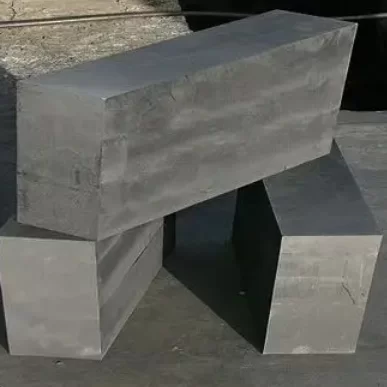
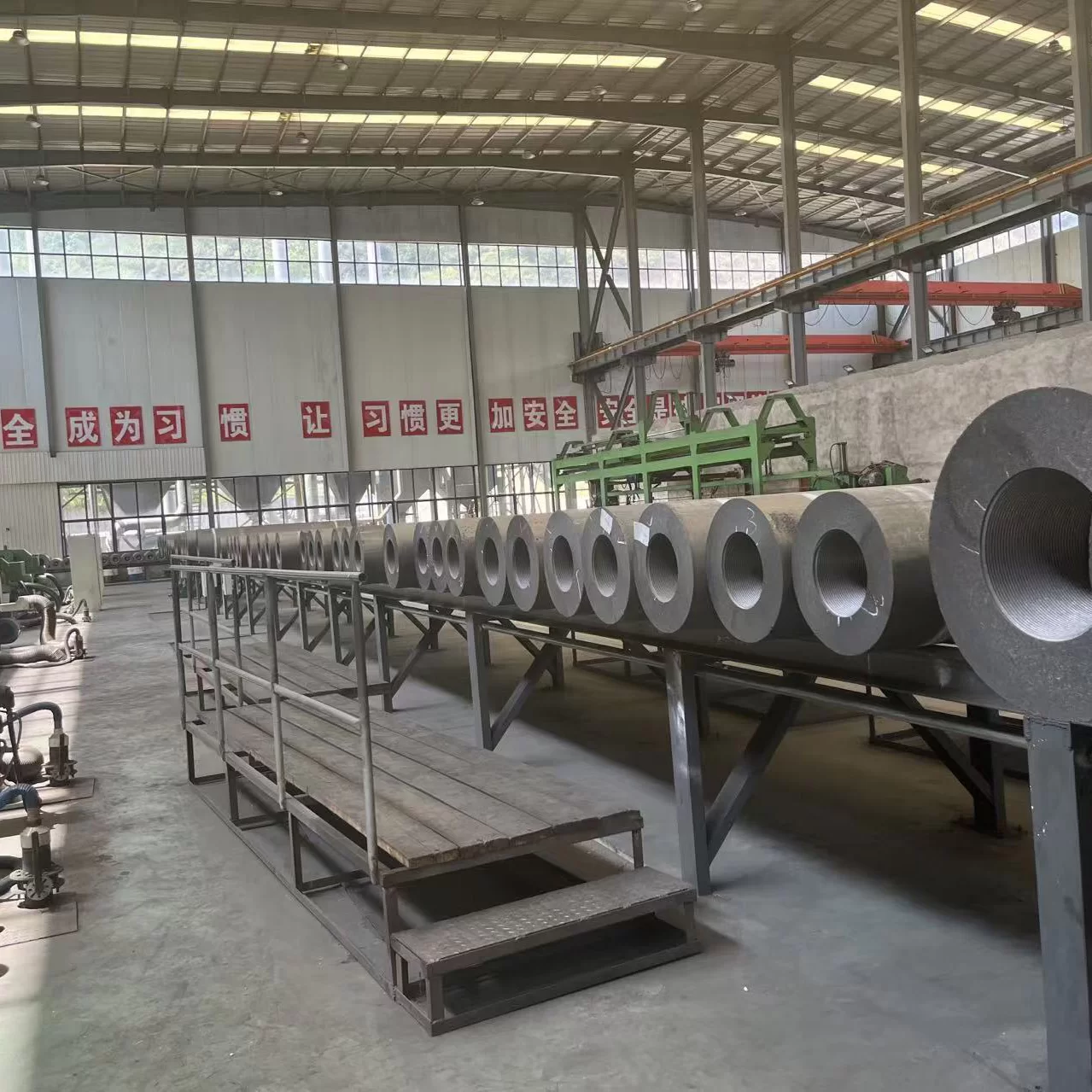
Let's be honest, in the world of metallurgy, few things are as critical yet often overlooked as the humble Recarburizer. Think of it as the secret ingredient, the silent workhorse that ensures your steel and cast iron products meet the stringent quality standards modern industries demand. Without it, achieving precise carbon levels – which, I guess, is pretty fundamental – would be an absolute nightmare, leading to all sorts of metallurgical headaches from poor strength to inconsistent casting.
Navigating Current Industry Trends
Believe it or not, even something as foundational as Recarburizer is evolving with the times. We're seeing a significant shift towards higher purity materials. Customers, frankly, are no longer content with "good enough." They want low sulfur, low nitrogen, and consistent carbon recovery, driven by tighter environmental regulations and the need for superior, defect-free metal products. Energy efficiency in production is also a big talking point; manufacturers are looking for products that perform optimally without excessive energy input during the melting process. It's all about balancing performance, cost, and environmental footprint these days.
The Genesis of Quality: Raw Materials & Process Flow
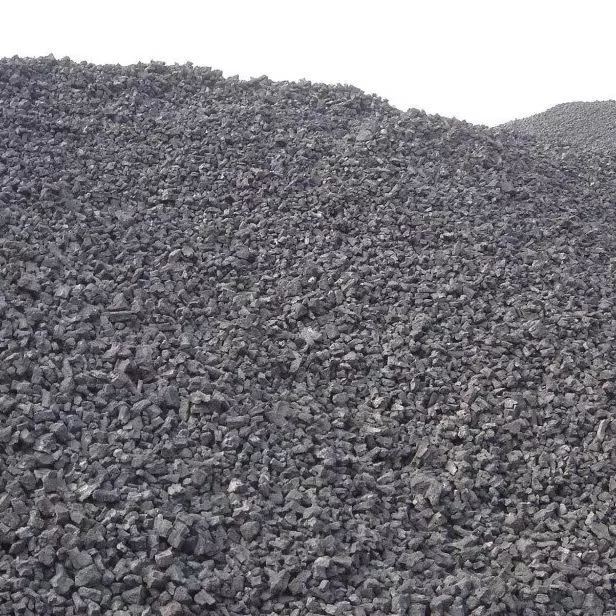
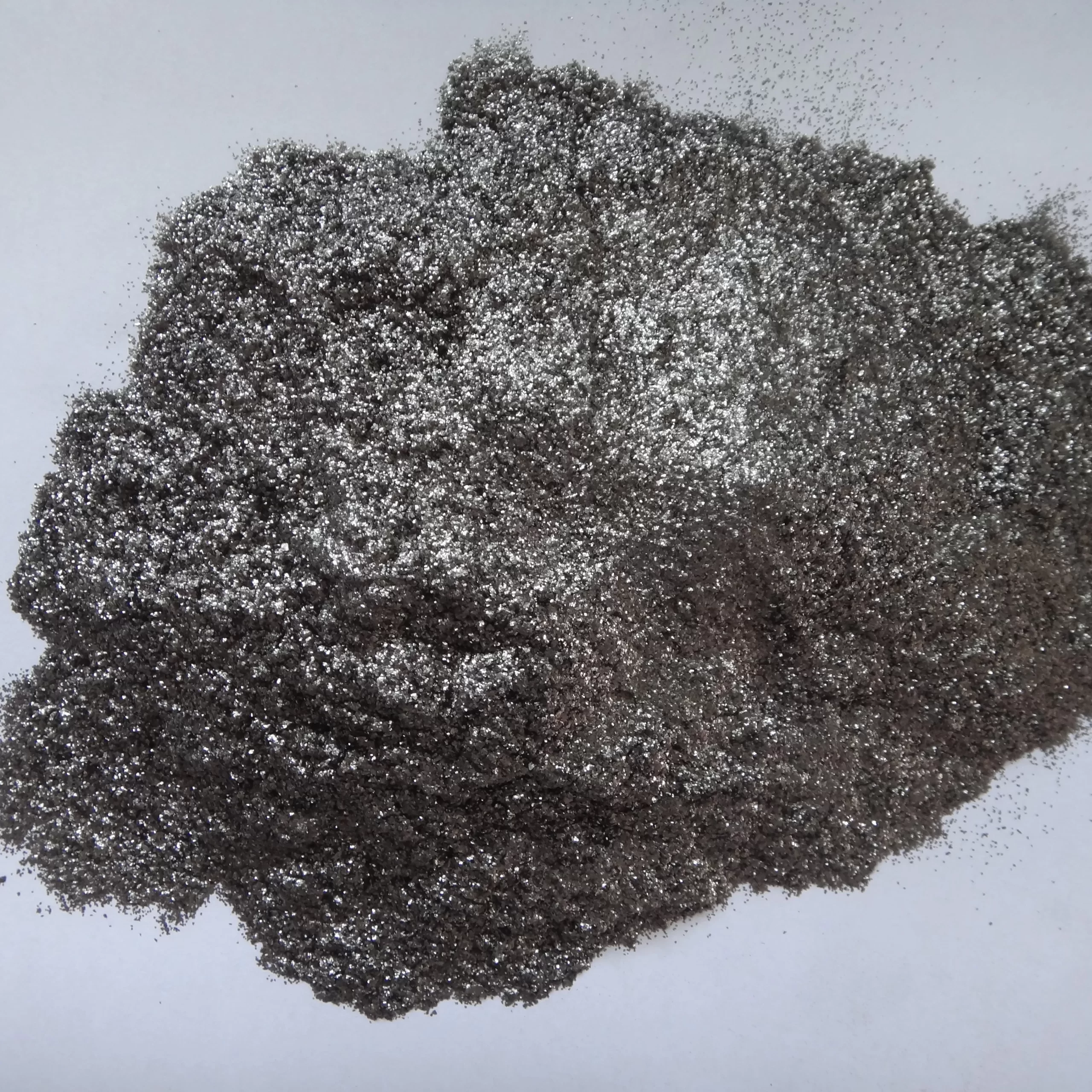
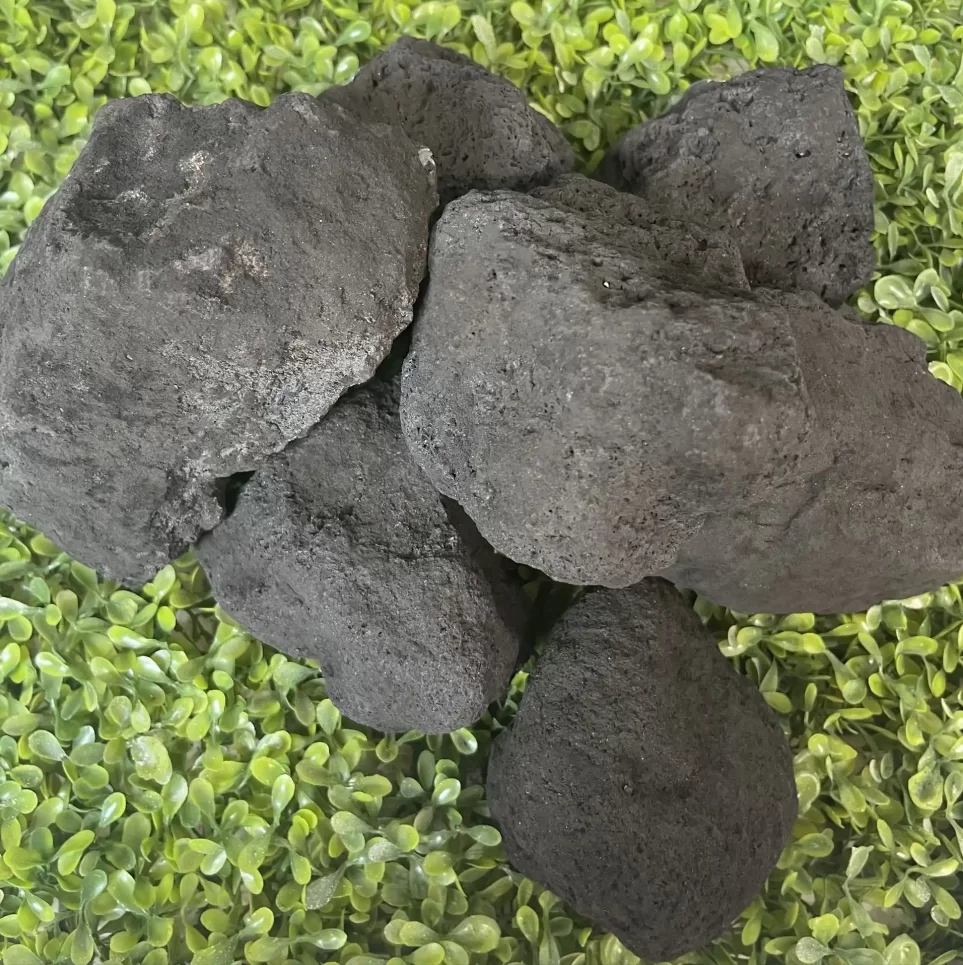
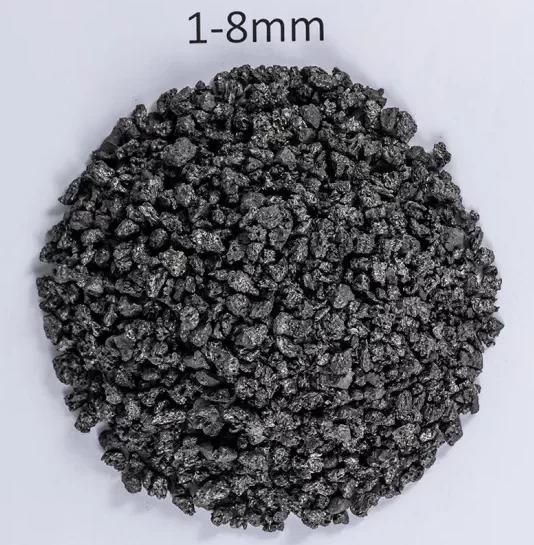
So, what actually goes into making a top-tier Recarburizer? Well, it typically starts with high-quality carbonaceous materials. Historically, and still very much today, we're talking about petroleum coke, natural graphite, and perhaps most notably, anthracite coal. The magic, however, truly happens in the processing. Take, for instance, Calcined Anthracite Coal – a fantastic example of a premium Recarburizer.
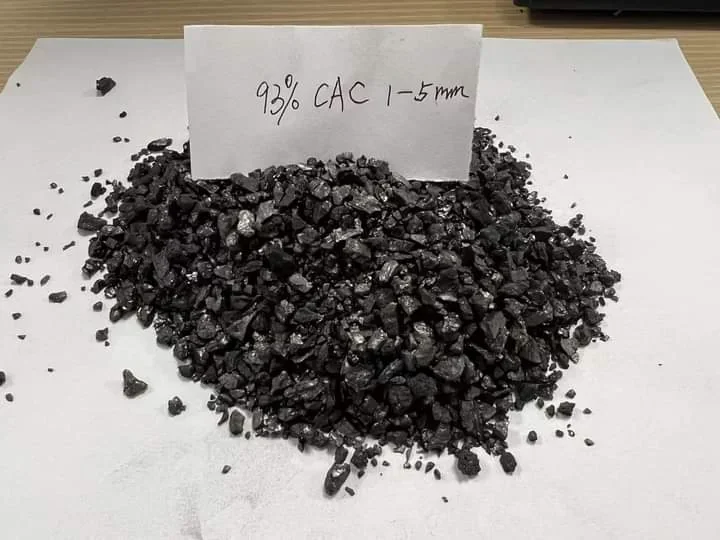
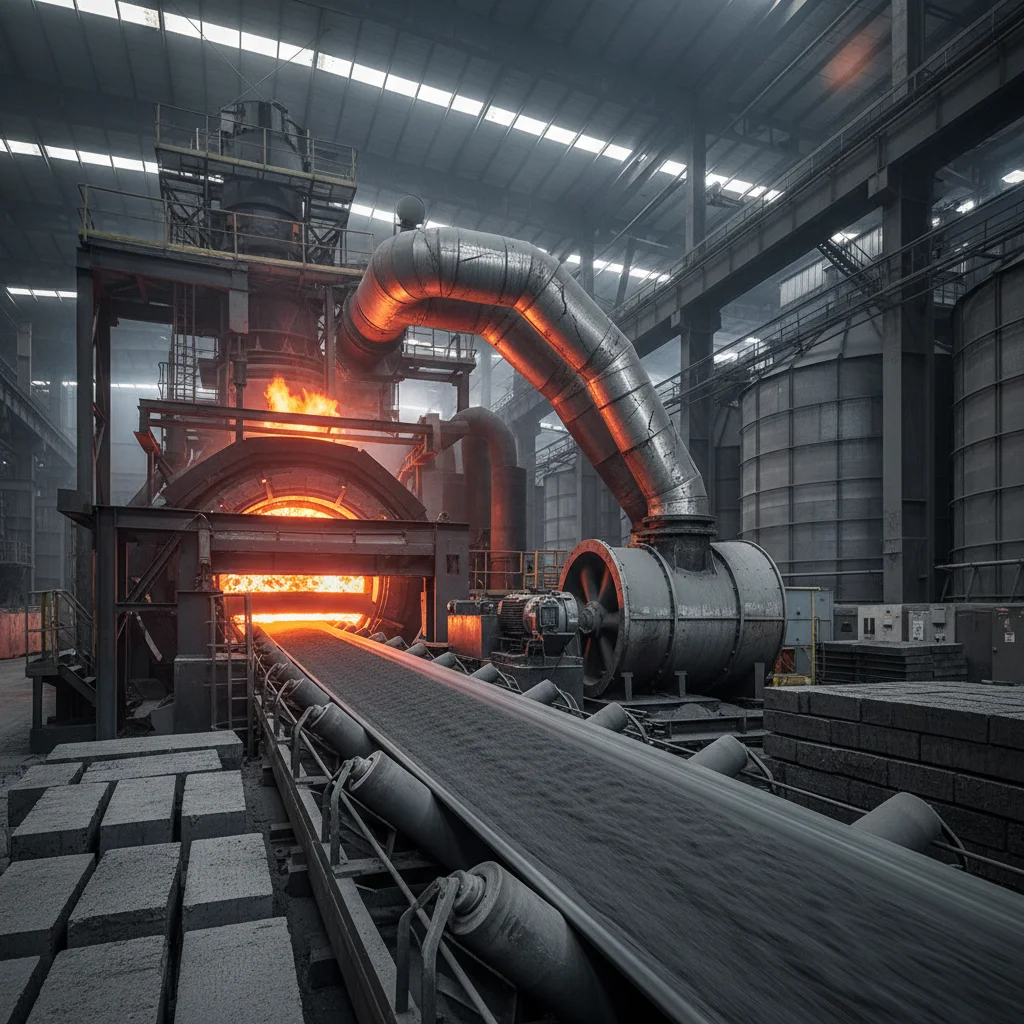
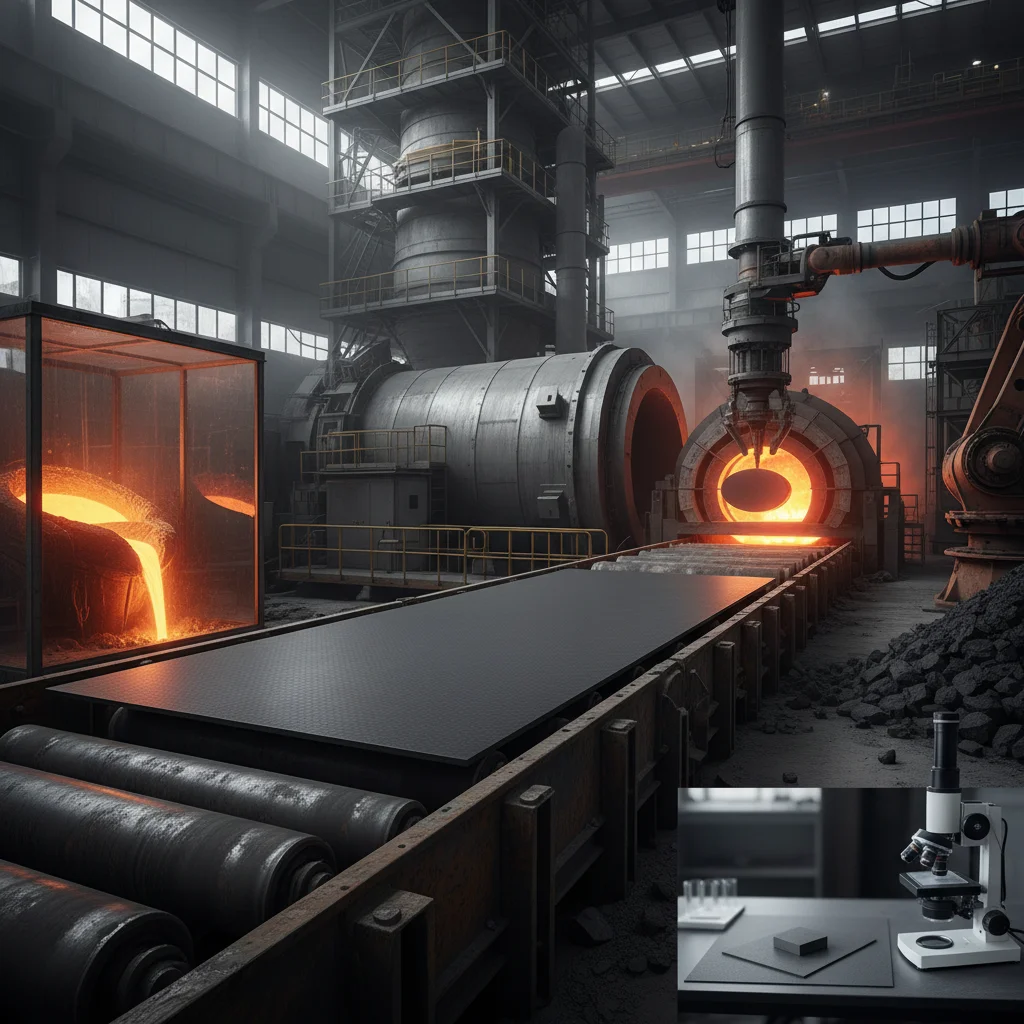
The process for Calcined Anthracite Coal begins with carefully selected anthracite. This raw material then undergoes intense high-temperature calcination, typically in a DC electric calciner at temperatures ranging from 800 to 1200℃. This controlled heating is absolutely crucial. It efficiently eliminates moisture and volatile matter, significantly improves density, enhances electrical conductivity, and crucially, strengthens mechanical integrity and anti-oxidation properties. The result? A material with low ash, low resistivity, low sulfur, and high fixed carbon – truly ideal for carbon additive applications.
Key Technical Specifications for Calcined Anthracite Coal
When selecting a Recarburizer like Calcined Anthracite Coal, a glance at the specifications is non-negotiable. Here's what you'd typically look for:
Parameter | Value (Typical) | Notes |
Fixed Carbon (FC) | >90% - 95% | Higher is better for carbon recovery. |
Ash Content | <5% - 8% | Minimizes slag formation, around 0.5% for high-end uses. |
Volatile Matter (VM) | <0.5% - 1% | Low VM means less gas evolution, more stable. |
Sulfur (S) | <0.3% - 0.5% | Crucial for steels; lower means fewer defects. |
Density | ≈1.4 g/cm³ | Important for consistent melting behavior. |
Particle Size | Customizable (e.g., 1-5mm, 3-8mm) | Optimized for specific furnace types. |
Where Recarburizer Shines: Application Scenarios
The utility of a good Recarburizer spans a wide array of industries. In steelmaking, particularly electric arc furnaces (EAFs), it's used to adjust carbon content to precise levels for different steel grades. For foundries, it's absolutely vital for producing various types of cast iron – grey iron, ductile iron, malleable iron – where accurate carbon equivalent control is paramount to prevent issues like chill formation and ensure proper graphitization. It seems that even brake lining manufacturers utilize certain grades to enhance friction and wear characteristics. The service life, frankly, is measured by its performance in the melt – how quickly and efficiently it dissolves and recovers carbon, which can dramatically impact furnace uptime and energy consumption.
Choosing Your Supplier: Beyond the Price Tag
When it comes to sourcing Recarburizer, don't just jump at the lowest price, please. Quality, consistency, and supplier reliability are key. Many customers say that a good vendor offers not just product but also technical support and customization. Here’s a quick glance at what to consider:
Aspect | Key Considerations |
Product Purity | Fixed Carbon, Ash, Sulfur, Volatile Matter percentages. |
Consistency | Batch-to-batch uniformity is crucial for process control. |
Customization | Ability to provide specific particle sizes, packaging, or blends. |
Technical Support | Availability of metallurgists or specialists for troubleshooting. |
Certifications | ISO, REACH, or other relevant quality/environmental standards. |
Logistics | Reliable delivery, packaging options (e.g., bulk bags, small sacks). |
From what I've seen, real-world use may vary significantly between vendors, so always ask for samples and run your own trials. A great example of customization is a foundry needing a particular fine-grained Recarburizer for ladle addition to ensure rapid dissolution and minimal temperature loss – a good vendor can tailor that. I've heard stories where a switch to a higher-quality, albeit slightly more expensive, Recarburizer actually saved a client money due to fewer rejected castings and reduced processing time. It’s all about total cost of ownership, isn't it?
Authoritative Standards & Certifications
For any serious producer, adherence to standards is non-negotiable. Look for suppliers whose products meet international standards like ASTM and ISO. These certifications aren't just fancy pieces of paper; they signify a commitment to consistent quality control, from raw material sourcing through to the final product. Test data should always be available, showcasing fixed carbon, ash, sulfur, and volatile matter content, often backed by independent laboratory analysis.
Final Thoughts
Ultimately, a superior Recarburizer isn't just a commodity; it's a strategic investment in the quality and efficiency of your metallurgical operations. Understanding its nuances, from raw material origins to final application, empowers you to make informed decisions that impact your bottom line and product reputation. Don't underestimate the power of pure carbon!
References
1. ASTM International. (n.d.). ASTM D3172-13 Standard Practice for Proximate Analysis of Coal and Coke.
2. ISO (International Organization for Standardization). (n.d.). ISO 9001 Quality Management Systems.
3. Smith, J. (2022). Carbon Additives in Ferrous Metallurgy: Principles and Applications. Metallurgical Publishing House.
4. Jones, A. (2021). Foundry Practice and Technology. Castings Today Journal, Vol. 15, No. 3, pp. 45-52.