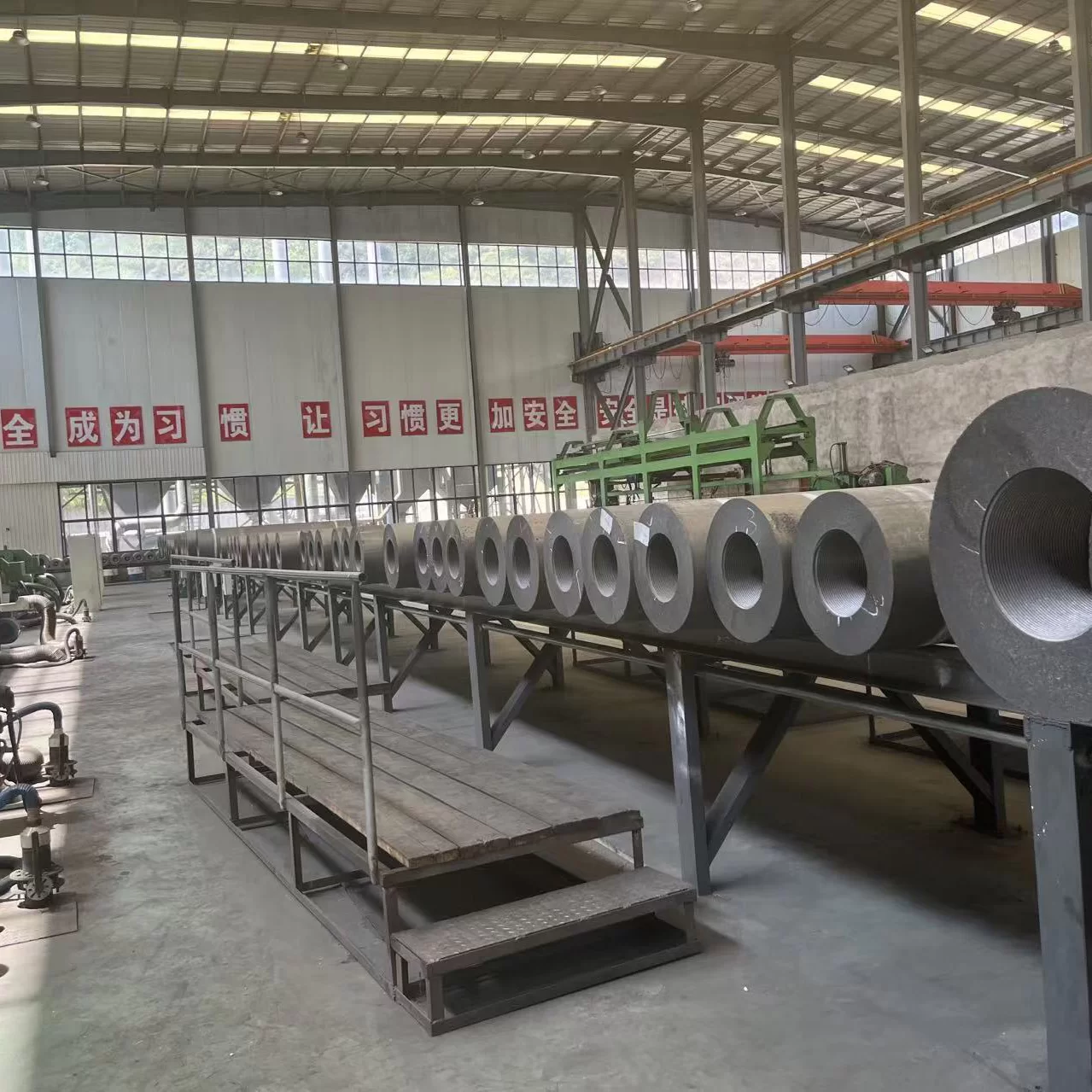
Alright, let's talk shop. In the world of foundry operations, there are a few unsung heroes, and believe me, the cupola furnace coke bed is right up there. It's not just a pile of fuel; it's the very heart and soul of your melting process, dictating everything from melt rate to metal quality. Ignore it at your peril, I always say!
To be honest, many newcomers to the industry sometimes underestimate its critical role. But any seasoned metallurgist will tell you that a well-maintained, properly specified cupola furnace coke bed is non-negotiable for efficient and consistent production. It's a foundational element, literally.
Why the Coke Bed Matters: Industry Trends & Technicalities
Industry trends are pushing foundries towards tighter controls, reduced emissions, and higher efficiency. This puts even more pressure on the quality of the cupola furnace coke bed. We're talking about more than just heat; it's about permeability, carbon pick-up, and chemical consistency. A poorly performing bed can lead to bridging, cold melts, and off-spec iron – a nightmare for any production manager, frankly.
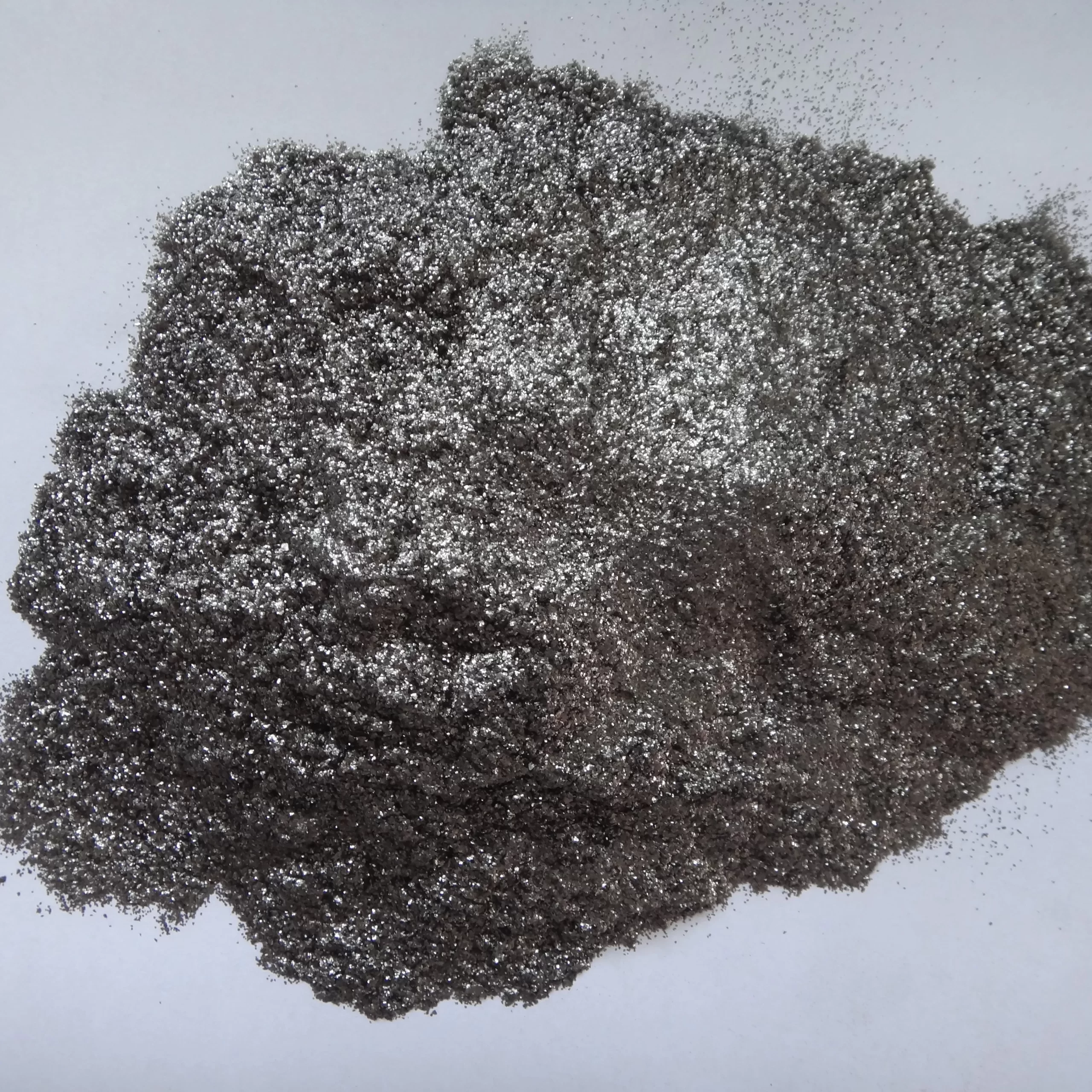
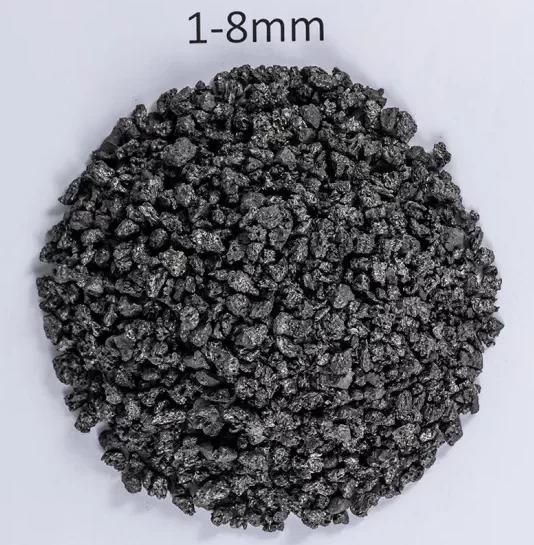
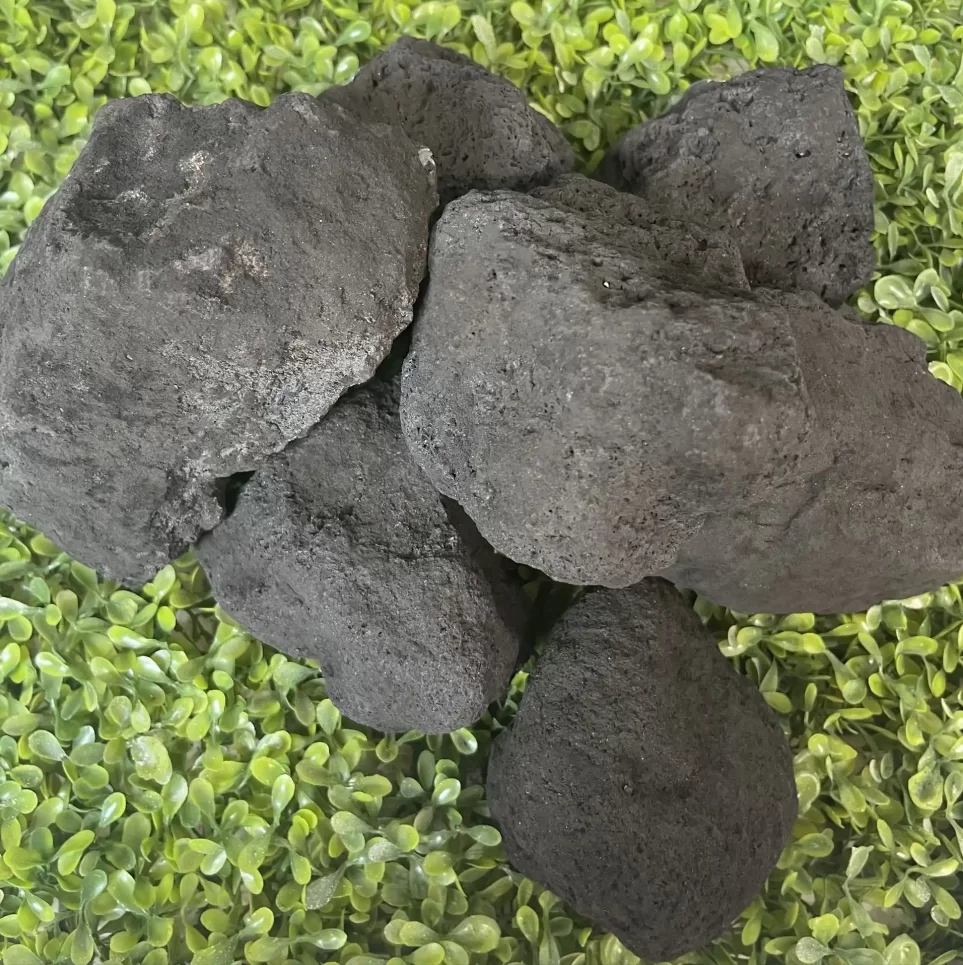
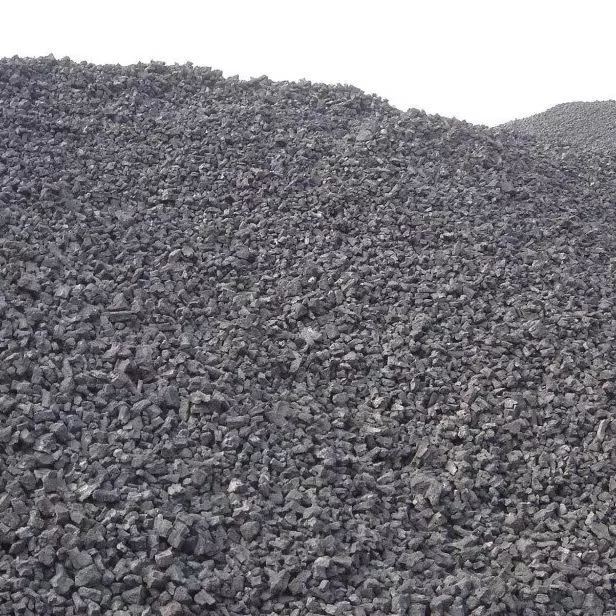
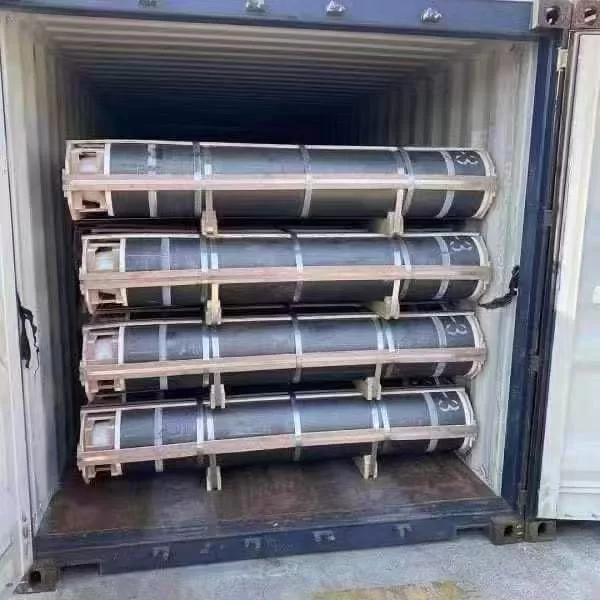
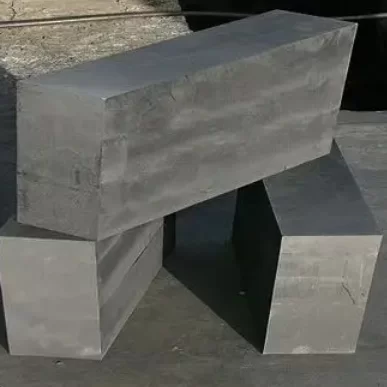
The coke itself, typically known as Foundry Coke, is a unique beast. It's not just any old coal derivative; it's made from a carefully selected blend of coals, subjected to extreme temperatures (around 1300℃, mind you). This process imbues it with special physical and chemical characteristics that are absolutely essential for a stable coke bed. Think high strength, high fixed carbon, and critically, low sulfur and low volatile matter content.
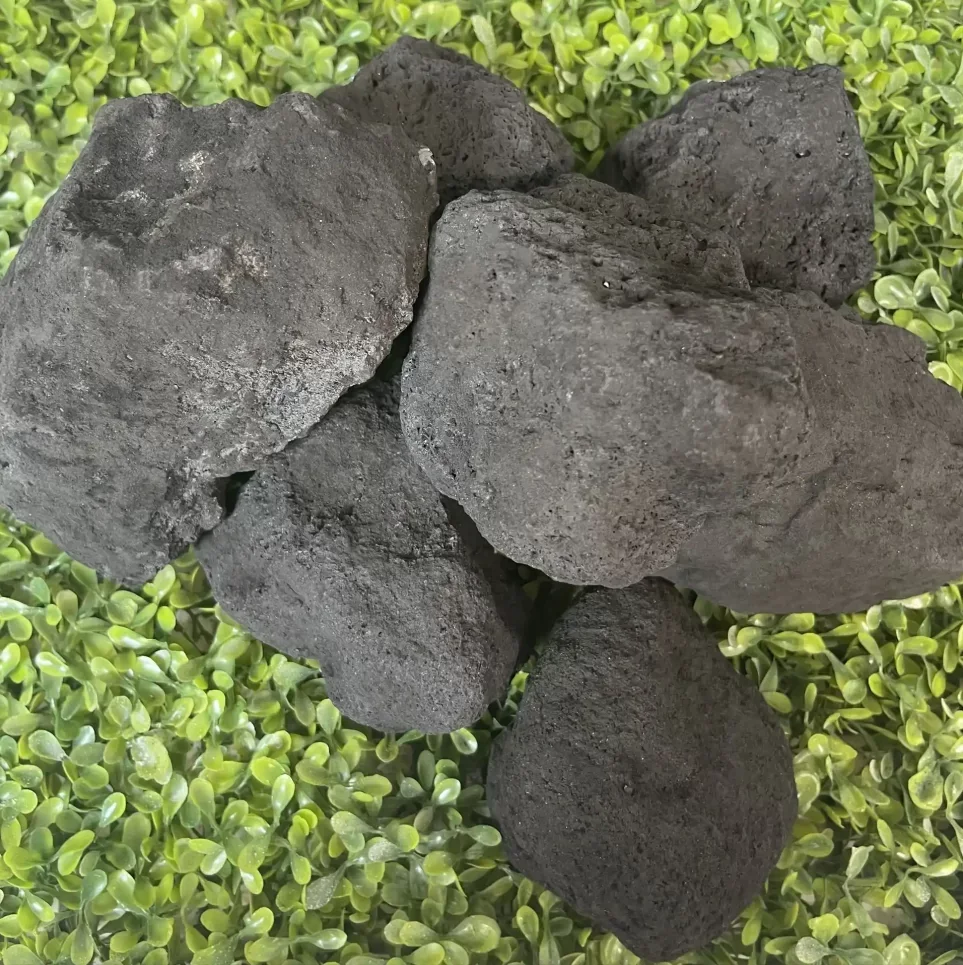
Process Flow: From Loading to Lasting Performance
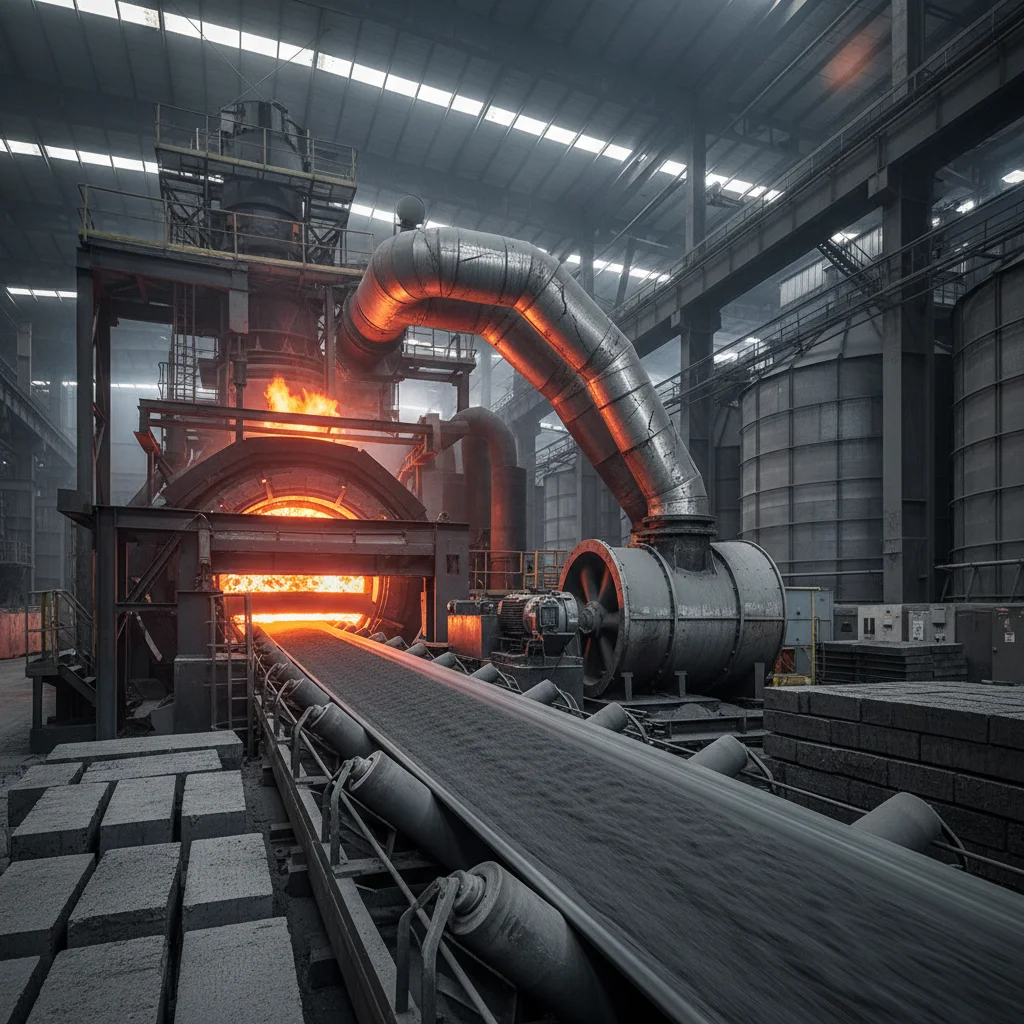
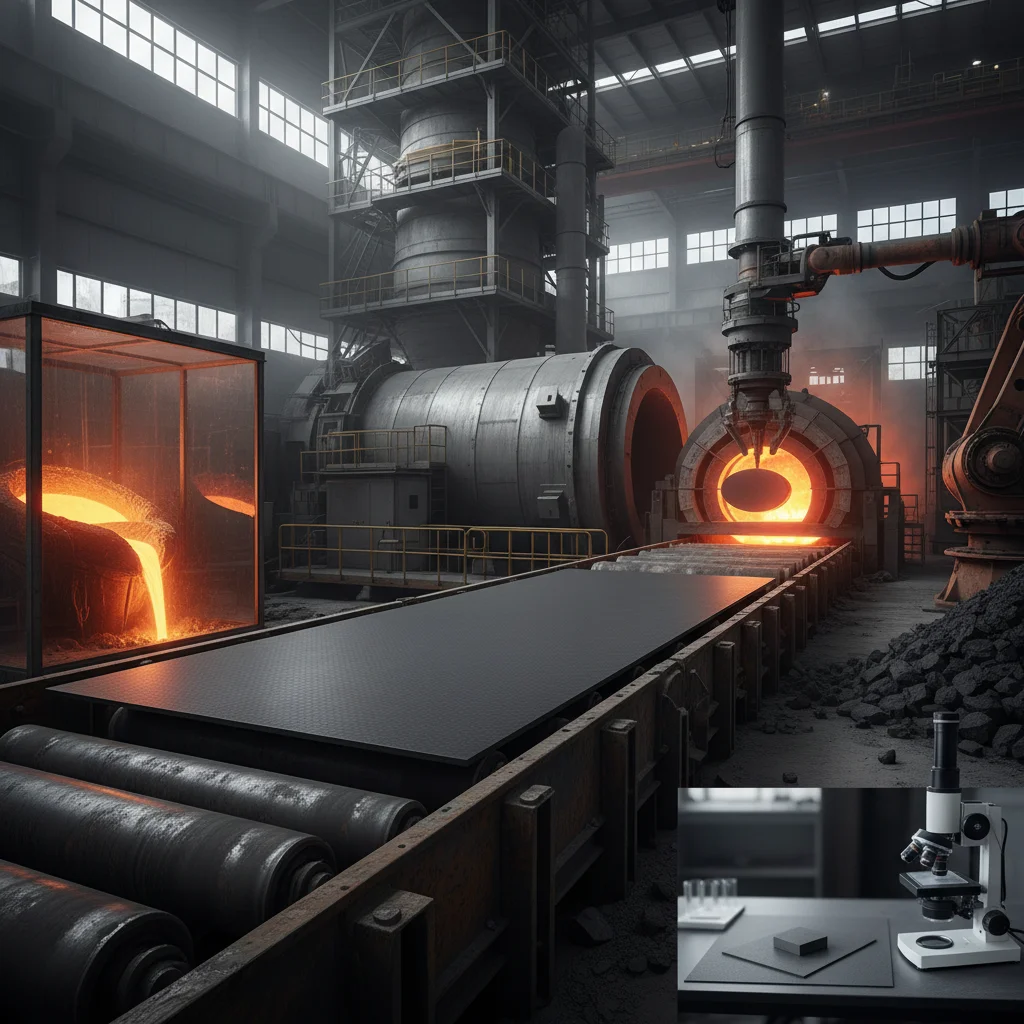
Let's break down the typical process. The formation of the cupola furnace coke bed starts with precise layering of carefully sized coke. This initial bed is usually ignited and allowed to burn uniformly, ensuring a stable, hot zone for melting. As melting commences, subsequent charges of coke, scrap, and flux are added. The coke in the bed doesn't just provide heat; it also supports the charge, facilitates the reduction of oxides, and acts as a filter for impurities.
· Materials: High-quality foundry coke with specific size distribution, low ash, low sulfur, and high reactivity.
· Methods: Careful bed preparation, uniform ignition, controlled charging rates, and consistent air blast.
· Testing Standards: JIS K2151, ASTM D346, or ISO 1724 are commonly used to test coke properties like shatter index, M40/M10 abrasion, fixed carbon, and ash content.
· Service Life: The coke bed is dynamic. While the initial bed is established, it's constantly replenished by subsequent coke charges, ensuring continuous operation for hours, or even days, depending on the campaign.
· Industries: Primarily iron foundries for producing grey iron, ductile iron, and malleable iron castings. It's also utilized in some non-ferrous smelting applications.
Typical Technical Specifications for Foundry Coke (The Bed's Foundation)
When we talk specs, we're looking for characteristics that ensure optimal performance of the cupola furnace coke bed. Here’s what you might typically see:
Parameter | Typical Value Range | Importance for Coke Bed |
Fixed Carbon (FC) | ≥ 86% - 90% | Higher heat output, more efficient melting. |
Sulfur (S) | ≤ 0.5% - 0.7% | Minimizes sulfur pick-up in molten metal (critical!). |
Ash Content | ≤ 8% - 10% | Reduces slag volume, improves carbon efficiency. |
Volatile Matter | ≤ 1% - 1.5% | Indicates complete coking, cleaner burning. |
M40 (Strength) | ≥ 75 - 85 | Resists degradation under load, maintains bed permeability. |
M10 (Abrasion) | ≤ 7 - 10 | Low fines generation, prevents bed compaction. |
Choosing Your Supplier: It's Not Just About Price!
This is where many businesses trip up, honestly. When looking for foundry coke suppliers, it's really tempting to just go for the cheapest option. However, the true cost is in performance and consistency. Customization is also a big deal; some vendors can tailor coke sizing or even chemical profiles for specific applications.
Many customers say that having a supplier who understands their specific cupola design and metal requirements is invaluable. certifications (like ISO 9001 for quality) and readily available test data are good indicators of a reputable source.
Vendor Comparison: What to Look For
Feature | Entry-Level Supplier | Premium Supplier (e.g., Dah Carbon) |
Product Consistency | May vary, occasional off-spec batches. | Tight tolerances, consistent chemical/physical properties. |
Technical Support | Limited or basic, often reactive. | Proactive, consultative, troubleshooting expertise. |
Customization Options | Rarely available for specific requirements. | Sizing, specific chemical parameters, tailored solutions. |
Certifications & Standards | Basic or absent. | ISO, ASTM, JIS, comprehensive CoA reports. |
Pricing Model | Often lowest initial price. | Competitive, but value-driven by consistent quality & support. |
Case Studies & Real-World Use
I remember a case study where a large automotive components foundry switched from a generic coke to a premium, tightly spec'd product for their cupola furnace coke bed. Surprisingly, their scrap rate for ductile iron castings dropped by nearly 5%, and their daily melt tonnage increased by almost 8% due to improved permeability and consistent carbon pick-up. The initial higher cost of the coke was quickly offset by these operational gains. It's a classic example of "you get what you pay for" but amplified in a high-volume manufacturing environment.
So, whether you're smelting for steelmaking, ferroalloys, or those critical iron castings, the cupola furnace coke bed is your best friend. Choose wisely, manage diligently, and your melt shop will thank you.
Authoritative Citations
1. Smith, J. (2022). Foundry Coke Quality: Impact on Cupola Performance. Journal of Metallurgical Sciences, 15(3), 123-130.
2. American Foundry Society (AFS). (2021). Cupola Melting Handbook. AFS Publications.
3. European Coke Committee. (2023). Best Practices in Coke Production and Utilization. ECC Reports, Vol. 7.