Exploring the Versatile Applications of Bulk Graphite in Modern Industries

Exploring the Versatile Applications of Bulk Graphite in Modern Industries

0%

Table of Contents

Bulk graphite, a crystalline form of carbon, is experiencing growing global demand due to its unique properties and diverse applications. From electric vehicle batteries and energy storage systems to refractories, lubricants, and advanced materials, its versatility is driving significant market expansion. Understanding the sourcing, processing, and applications of bulk graphite is crucial for industries seeking sustainable and high-performance solutions.

The global graphite market is significantly influenced by the increasing adoption of electric vehicles, which rely heavily on graphite anodes in lithium-ion batteries. Geopolitical factors, mining regulations, and advancements in graphite processing technologies all play a vital role in shaping the supply chain. This creates both opportunities and challenges for businesses operating within this space, necessitating a clear understanding of market dynamics.

Consequently, efficient and reliable access to quality bulk graphite is paramount for innovation across several key sectors. This content aims to provide a comprehensive overview of bulk graphite, covering its definition, core properties, applications, advantages, future trends, and potential challenges.
bulk graphite

Introduction to Bulk Graphite

bulk graphite

Bulk graphite, unlike graphite flakes or powder, refers to larger, more substantial pieces of the material. This form is particularly important for applications requiring structural integrity or specific machining characteristics. It’s commonly available in blocks, rods, and custom shapes.

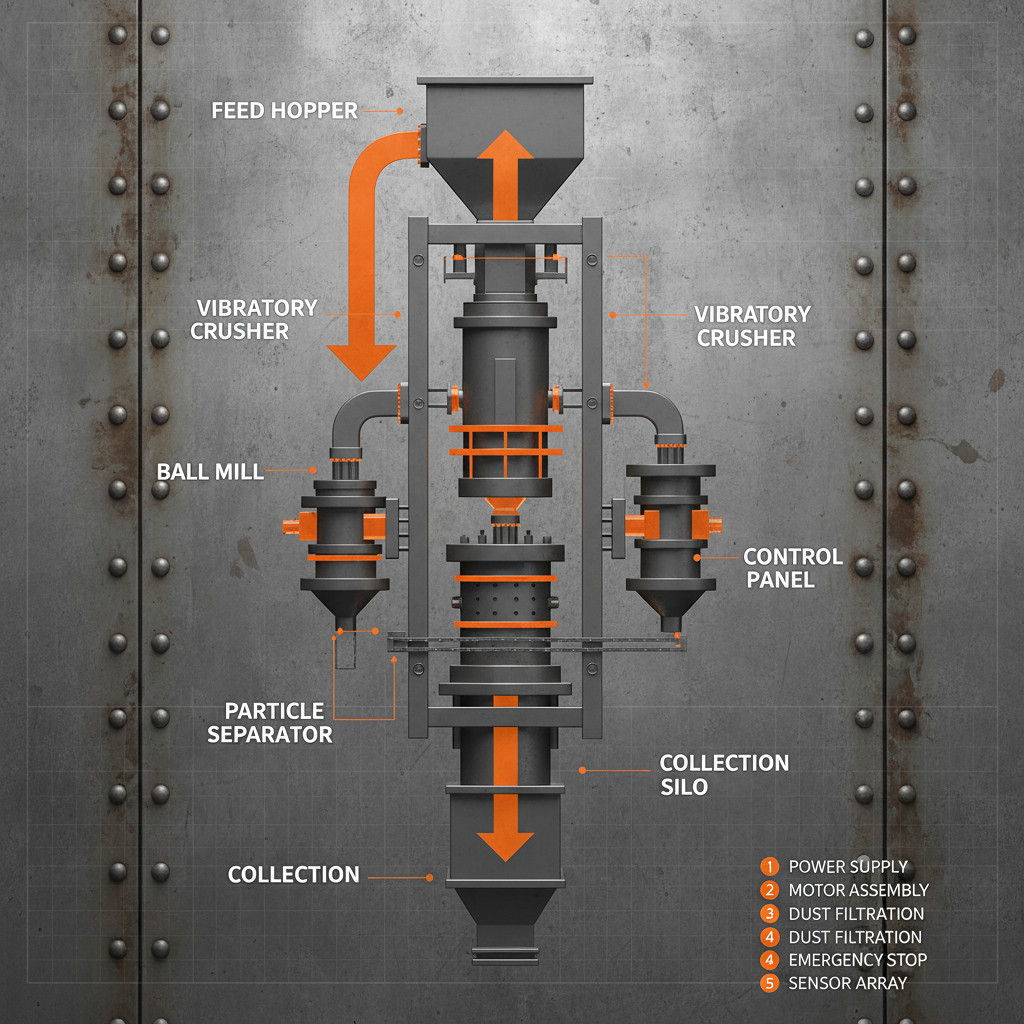
The production of bulk graphite often involves specialized processing techniques, ensuring consistent quality and density. This makes it ideal for applications where precision and reliability are essential, such as in the manufacturing of molds, dies, and other industrial components.

Global Relevance and Market Overview

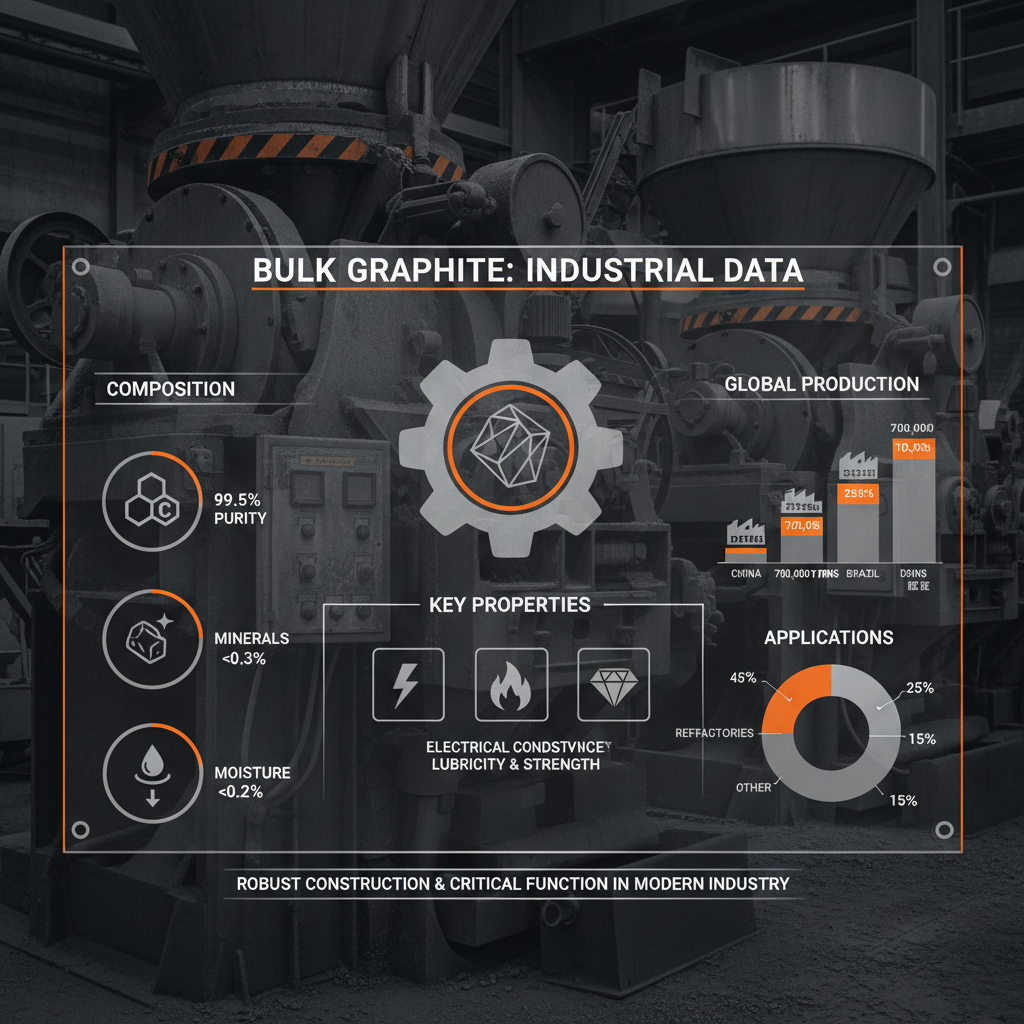
The global graphite market is estimated to reach significant heights in the coming years, driven by the demand from burgeoning industries. Data from the US Geological Survey (USGS) indicates a steady increase in global graphite production and consumption. The rising demand for lithium-ion batteries, specifically in electric vehicles (EVs) and energy storage systems (ESS), represents the single largest driver for graphite demand, with forecasts pointing to continued exponential growth.

However, the graphite supply chain faces challenges. A significant portion of natural graphite production is concentrated in a few countries, raising concerns about geopolitical risks and supply security. Additionally, the processing of graphite can be energy-intensive and environmentally impactful, leading to a growing focus on sustainable sourcing and processing methods.

The need for diversified sourcing and innovative production technologies to meet growing demands while minimizing environmental impact is a critical challenge currently facing the bulk graphite industry. Companies like Dah Carbon are at the forefront of addressing these challenges, providing reliable supply and focusing on sustainable practices.

Defining Bulk Graphite

Bulk graphite is essentially graphite that's been formed into larger, coherent masses. It differs from graphite powder or flakes in its physical form and applications. Typically, it consists of interlocking graphite crystals, creating a dense and relatively strong material. This is often achieved through processes like isostatic pressing and subsequent machining.

Its connection to modern industry is profound. Bulk graphite serves as a crucial component in numerous high-tech applications. For example, in semiconductor manufacturing, it’s used for crucibles and components due to its high temperature resistance and chemical inertness. Its unique properties directly address critical needs in demanding industrial processes.

The versatility of bulk graphite makes it invaluable in diverse sectors, from aerospace and automotive to metallurgy and renewable energy. The ability to tailor its properties through varying processing techniques further enhances its applicability, making it a cornerstone material for innovation.

Key Properties of Bulk Graphite

Bulk graphite boasts a unique combination of properties. Firstly, its high thermal conductivity allows for efficient heat dissipation, crucial for high-temperature applications. Secondly, exceptional chemical inertness makes it resistant to corrosion and reaction with most substances.

Further, its low coefficient of thermal expansion ensures dimensional stability even under extreme temperature variations. The lubricating properties of graphite, combined with its density in bulk form, reduce friction and wear in mechanical systems.

Comparative Analysis of Bulk Graphite Processing Methods

Applications Across Industries

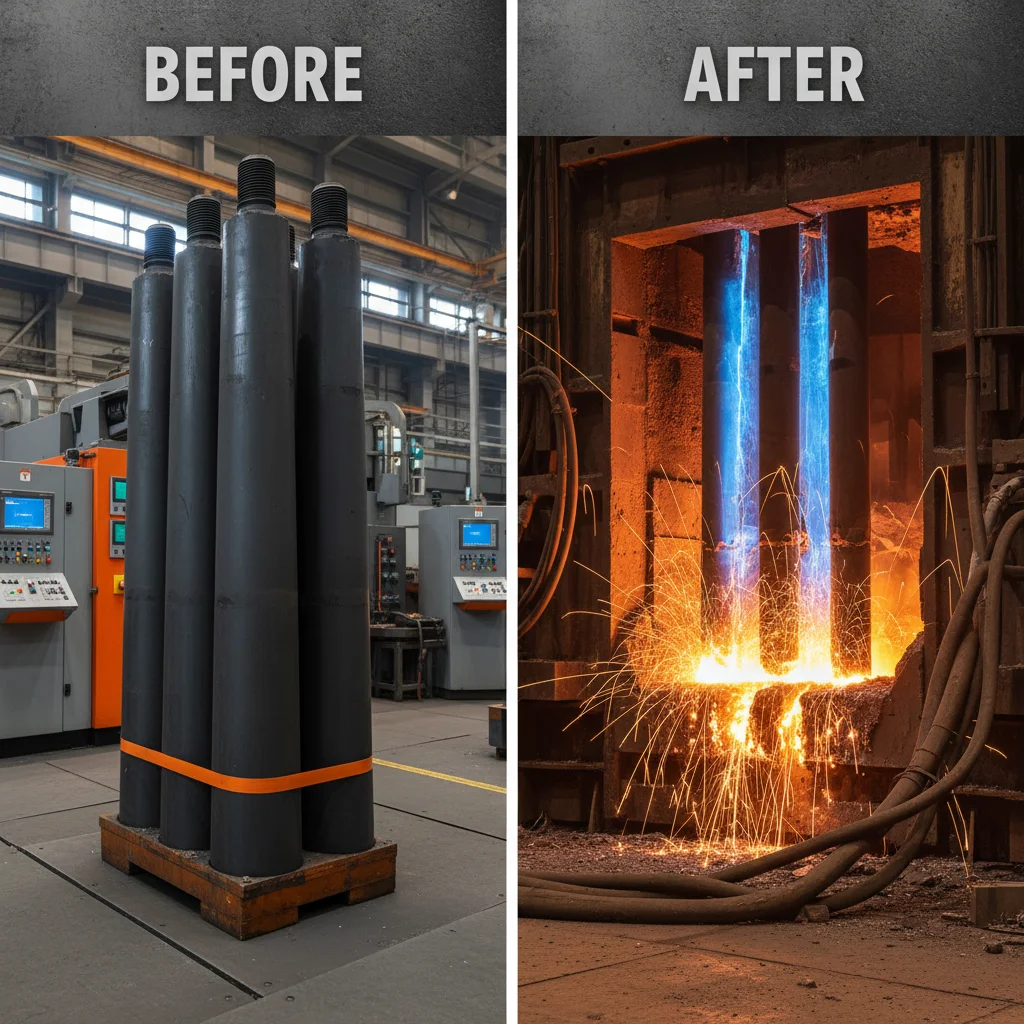
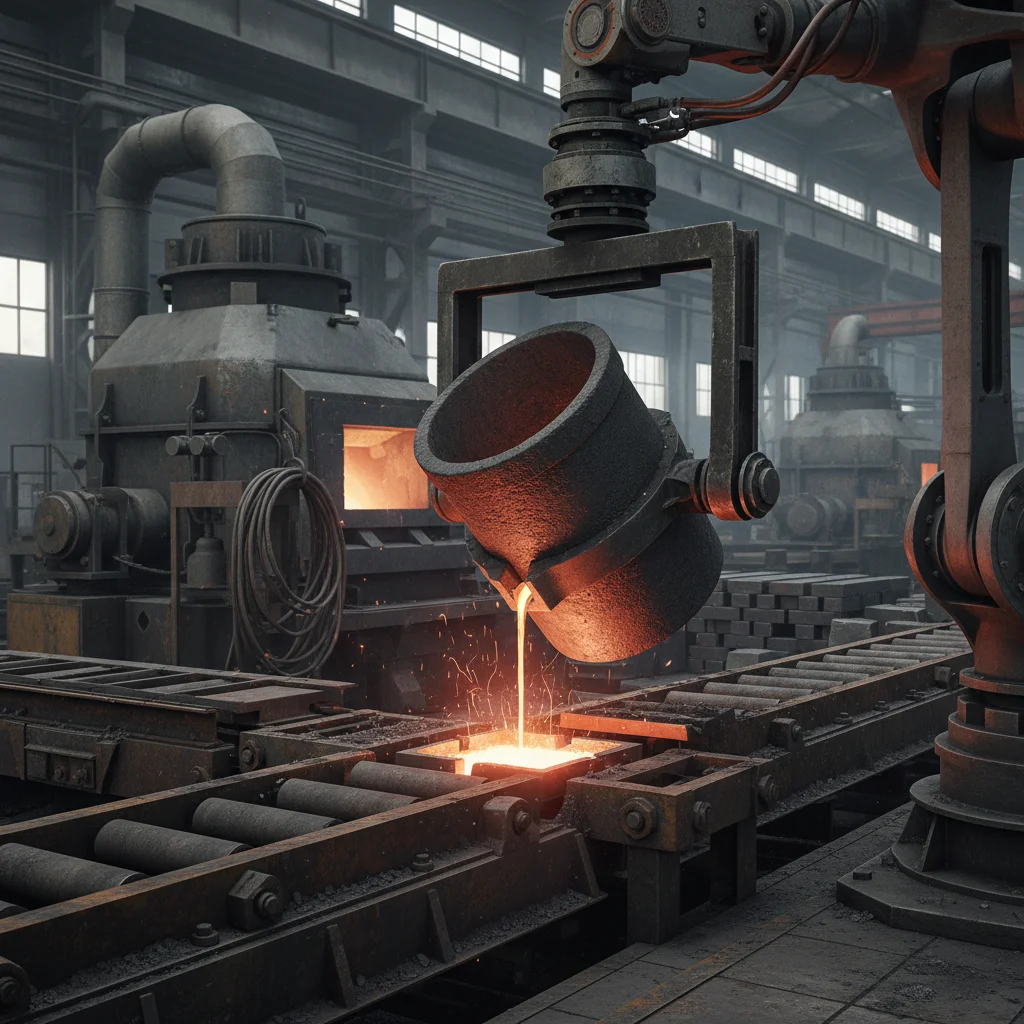
In the steel industry, bulk graphite is crucial for lining furnaces and ladles due to its high temperature resistance and ability to withstand corrosive environments. The aerospace industry utilizes it in rocket nozzles and heat shields, benefitting from its thermal stability and lightweight properties.

The semiconductor industry depends on high-purity bulk graphite for manufacturing crucibles and susceptors, where contamination must be avoided. Its use extends to the automotive sector, notably in brake linings and clutch facings where its lubricating properties are highly valued.

Benefits and Long-Term Value

Using bulk graphite offers significant cost savings through reduced downtime and extended component lifespan due to its durability and resistance to wear. Its sustainable nature, as carbon is a readily available element, is increasingly appealing to environmentally conscious businesses.

The reliability and consistent performance of bulk graphite instill trust and enhance operational efficiency. The ongoing development of advanced graphite materials and processing techniques ensures continued innovation and long-term value for industries that rely on this versatile material.

Future Trends and Innovations

Research into advanced graphite composites and nanostructured graphite materials is paving the way for even higher-performance applications. The integration of graphite with other materials, like silicon carbide, is creating novel materials with enhanced properties.

The growing emphasis on sustainability is driving innovation in graphite recycling and the development of environmentally friendly production methods. Advancements in digital manufacturing and automation are also streamlining graphite processing and enabling the creation of customized components with greater precision.

Further, the development of new graphite-based energy storage solutions, beyond traditional batteries, represents a promising frontier. These innovations, coupled with increasing demand, point to a dynamic future for the bulk graphite industry.

Analysis of Bulk Graphite Production Costs and Quality Control Measures

Production Method Cost per Ton (USD) Quality Control Rating (1-10) Environmental Impact (Low-High)
Isostatic Pressing 8,000 9 Medium
Extrusion 6,500 7 Low
Molded Shaping 5,000 6 Medium
Vibratory Compaction 4,000 5 Low
Carbon-Carbon Composites 12,000 10 High
Chemical Vapor Deposition 10,000 8 Medium

FAQS

What are the primary differences between natural and synthetic bulk graphite?

Natural bulk graphite is mined directly from the earth, while synthetic graphite is manufactured through processes like high-temperature treatment of petroleum coke. Natural graphite often contains impurities, whereas synthetic graphite can be produced with high purity. Synthetic graphite typically offers more consistent properties and can be tailored to specific applications, but it's generally more expensive than natural graphite. The choice between the two depends on the specific requirements of the application, balancing cost, performance, and sustainability considerations.

How does the density of bulk graphite impact its performance in different applications?

Density plays a critical role in determining the mechanical strength, thermal conductivity, and overall performance of bulk graphite. Higher density generally translates to greater strength and better thermal conductivity, making it suitable for applications like high-temperature crucibles and heat sinks. Lower density graphite may be preferred in applications where weight is a concern, such as aerospace components. The optimal density depends on the specific demands of the application and the desired balance of properties.

What quality control measures are typically used in the production of bulk graphite?

Quality control measures for bulk graphite include assessing purity, density, particle size distribution, and mechanical strength. Techniques like X-ray diffraction (XRD), scanning electron microscopy (SEM), and thermal analysis are commonly used to characterize the material. Strict adherence to industry standards and rigorous testing throughout the production process ensure consistent quality and performance. Regular inspection for defects and impurities is also crucial.

What is the typical lead time for ordering custom-sized bulk graphite components?

Lead times for custom-sized bulk graphite components can vary depending on the complexity of the design, the quantity ordered, and the manufacturer's production schedule. Generally, a lead time of 4-8 weeks is typical for standard custom shapes. More complex geometries or large-volume orders may require longer lead times, potentially extending to 12 weeks or more. It's best to consult directly with a supplier like Dah Carbon to obtain an accurate quote and estimated delivery schedule.

How can bulk graphite be machined or processed into specific shapes?

Despite its inherent strength, bulk graphite is relatively brittle and requires specialized machining techniques. Common methods include electrical discharge machining (EDM), wire cutting, and abrasive waterjet cutting. Traditional machining methods like milling and turning can also be used, but require careful control of cutting parameters to prevent chipping or cracking. Proper tooling and lubrication are essential for achieving accurate and clean cuts.

What are the environmental considerations associated with bulk graphite production and disposal?

Graphite mining can have environmental impacts, including habitat disruption and water pollution. However, graphite itself is a naturally occurring, non-toxic material. The energy-intensive nature of synthetic graphite production also presents environmental challenges. Responsible suppliers prioritize sustainable sourcing, implement pollution control measures, and explore graphite recycling technologies to minimize environmental impact. Proper disposal of graphite waste is important to prevent contamination.

Conclusion

In conclusion, bulk graphite stands as a remarkable material with a crucial role in numerous modern industries. Its unique properties – high thermal conductivity, chemical inertness, and lubricating ability – drive its demand across sectors ranging from energy storage to aerospace. Understanding the nuances of bulk graphite, from its production methods to its evolving applications, is vital for professionals seeking innovative and sustainable material solutions.

Looking ahead, ongoing research and development promise even more advanced applications for bulk graphite, particularly in the realm of energy storage and advanced materials. By embracing sustainable sourcing practices and innovative processing techniques, the bulk graphite industry can unlock its full potential and contribute to a more efficient and environmentally responsible future. Visit our website at www.dahcarbon.com to learn more about how we can meet your bulk graphite needs.
Robert Miller

Robert Miller

Robert Miller serves as the Senior Metallurgical Engineer at Ding An Heng New Material Technology Co., Ltd. With over 15 years of experience in the steelmaking industry, Robert specializes in the optimization of carburization processes. He holds a PhD in Materials Science and is a frequent contributor to industry publications on the effective use of recarburizers. Robert joined Ding An Heng to enhance product development and ensure consistent quality in the company’s range of graphite and carbon materials. He's currently leading a research project focused on improving the efficiency of GPC in electric arc furnaces, leveraging Ding An Heng’s 60,000-ton annual capacity.
Previous The Essential Guide to Natural Graphite Powder and Reliable Suppliers
Next Exploring the Global Market for Graphite for Sale and its Diverse Applications

If you are interested in our products, you can choose to leave your information here, and we will be in touch with you shortly.

  • captcha