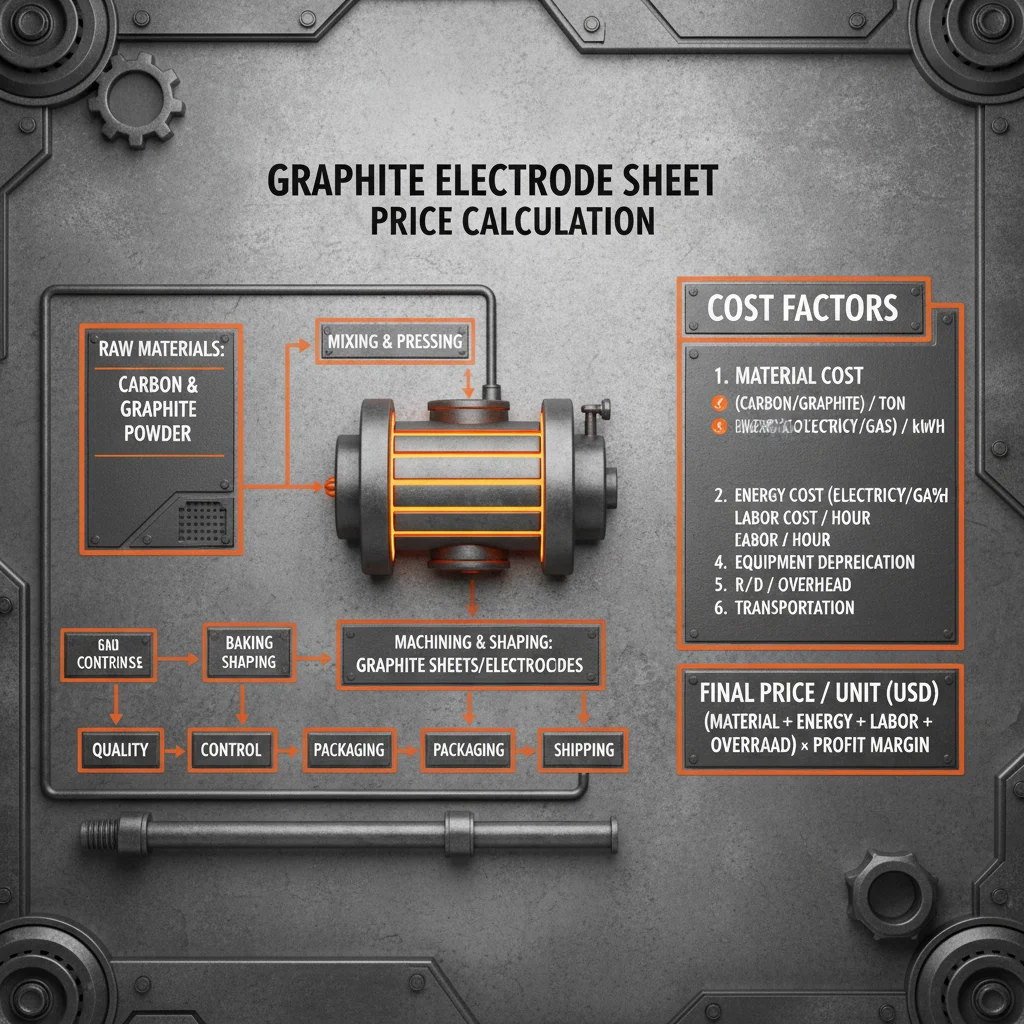
Exploring the Versatility and Global Significance of Graphite Materials

Exploring the Versatility and Global Significance of Graphite Materials

0%

Table of Contents

Graphite, a naturally occurring form of crystalline carbon, is a material of immense global significance. From the simple pencil lead we used as children to the cutting-edge batteries powering our electric vehicles, graphite’s versatility is remarkable. Its unique properties – high conductivity, thermal stability, and lubricity – make it indispensable in a vast range of industries, influencing everything from manufacturing and construction to aerospace and renewable energy. Understanding graphite isn't merely an academic exercise; it’s crucial for navigating the evolving landscape of modern technology and sustainable development.

The global graphite market is experiencing substantial growth, driven by the increasing demand for lithium-ion batteries, particularly in the electric vehicle (EV) and energy storage sectors. According to data from the United States Geological Survey, global graphite production in 2022 exceeded 30 million metric tons. China dominates both graphite mining and processing, accounting for over 60% of global production. This concentration presents both opportunities and challenges, including supply chain vulnerabilities and geopolitical considerations. Addressing these challenges through diversification of supply and responsible sourcing is paramount.

Graphite's importance extends beyond industrial applications. Its role in creating more efficient and sustainable energy solutions is central to global efforts to combat climate change. Furthermore, ongoing research into graphene – a single-layer form of graphite – promises revolutionary advancements in materials science, with potential applications ranging from water filtration to biomedical engineering.
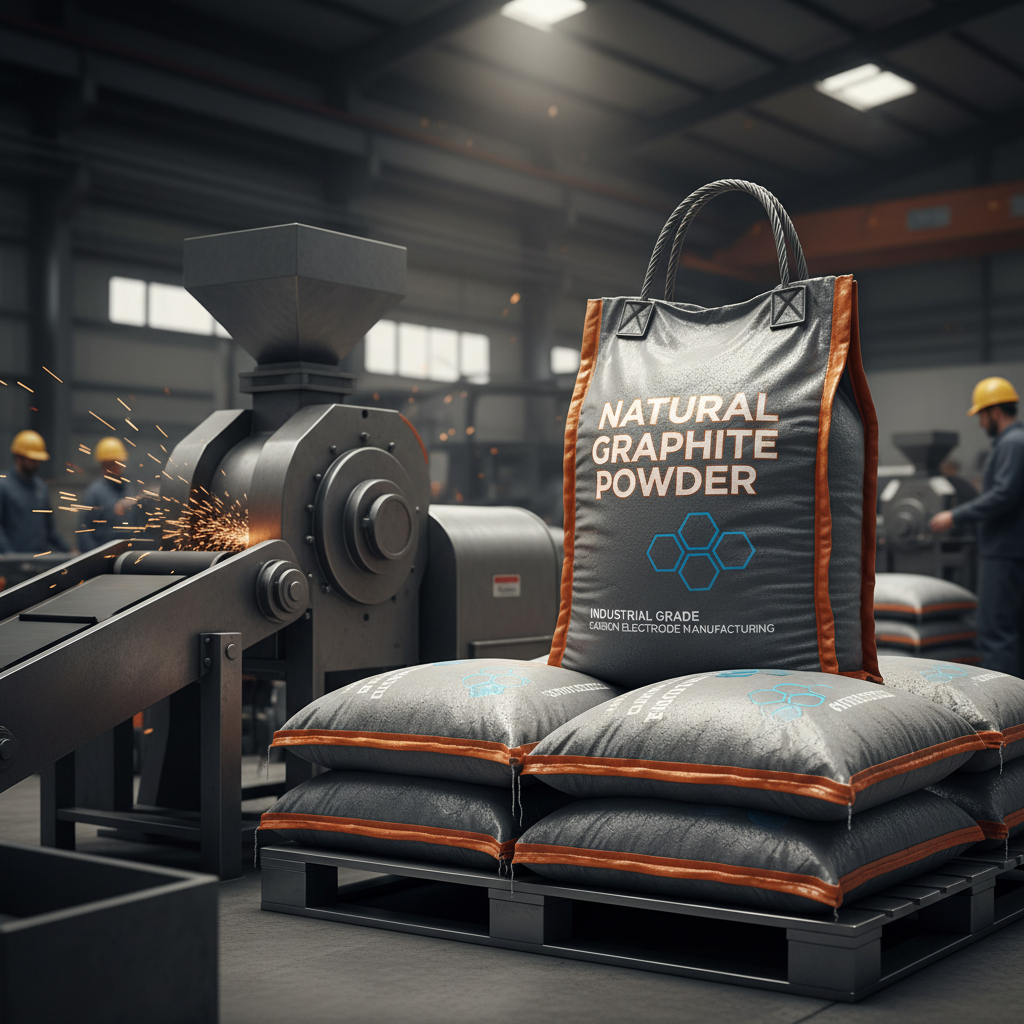
graphite

Introduction to Graphite

graphite

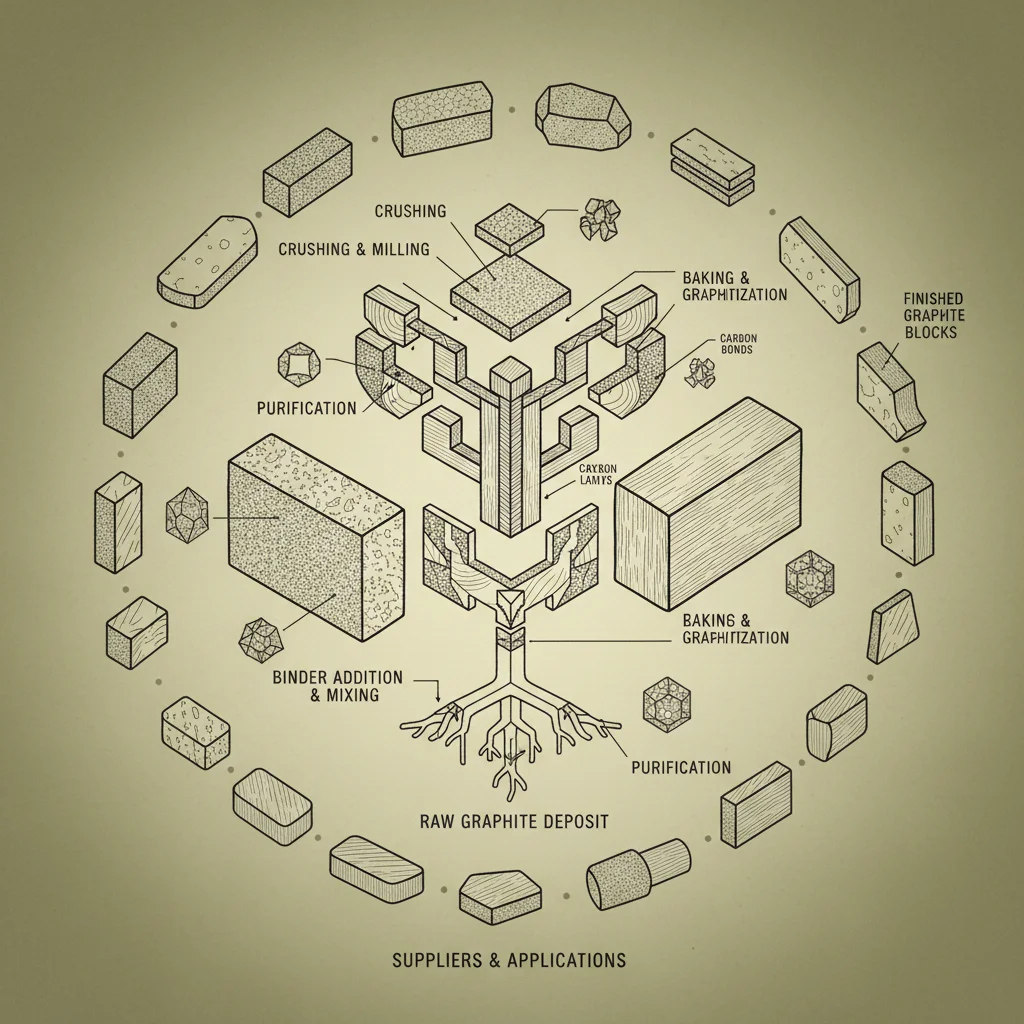
Graphite is a crystalline allotrope of carbon, distinguished by its layered structure. This structure is the key to its unique properties, allowing planes of atoms to easily slide over one another, creating its characteristic softness and lubricity. It’s found in both natural and synthetic forms, with various grades available depending on purity and particle size. Graphite is vital in a multitude of technological processes.

The demand for high-purity graphite is surging, particularly in sectors like battery production and advanced materials. Sustainable sourcing and innovative processing techniques are becoming increasingly crucial as the world transitions towards cleaner energy solutions and a more circular economy. Understanding the nuances of graphite production and utilization is essential for industry professionals and policymakers alike.

Defining Graphite's Essence

Simply put, graphite is a form of carbon where atoms are arranged in a hexagonal lattice. This arrangement results in layers that are weakly bonded, allowing them to easily separate. This is why graphite feels slippery and is used as a lubricant. While often associated with pencil lead, it’s important to note that pencil 'lead' is actually a mixture of graphite and clay.

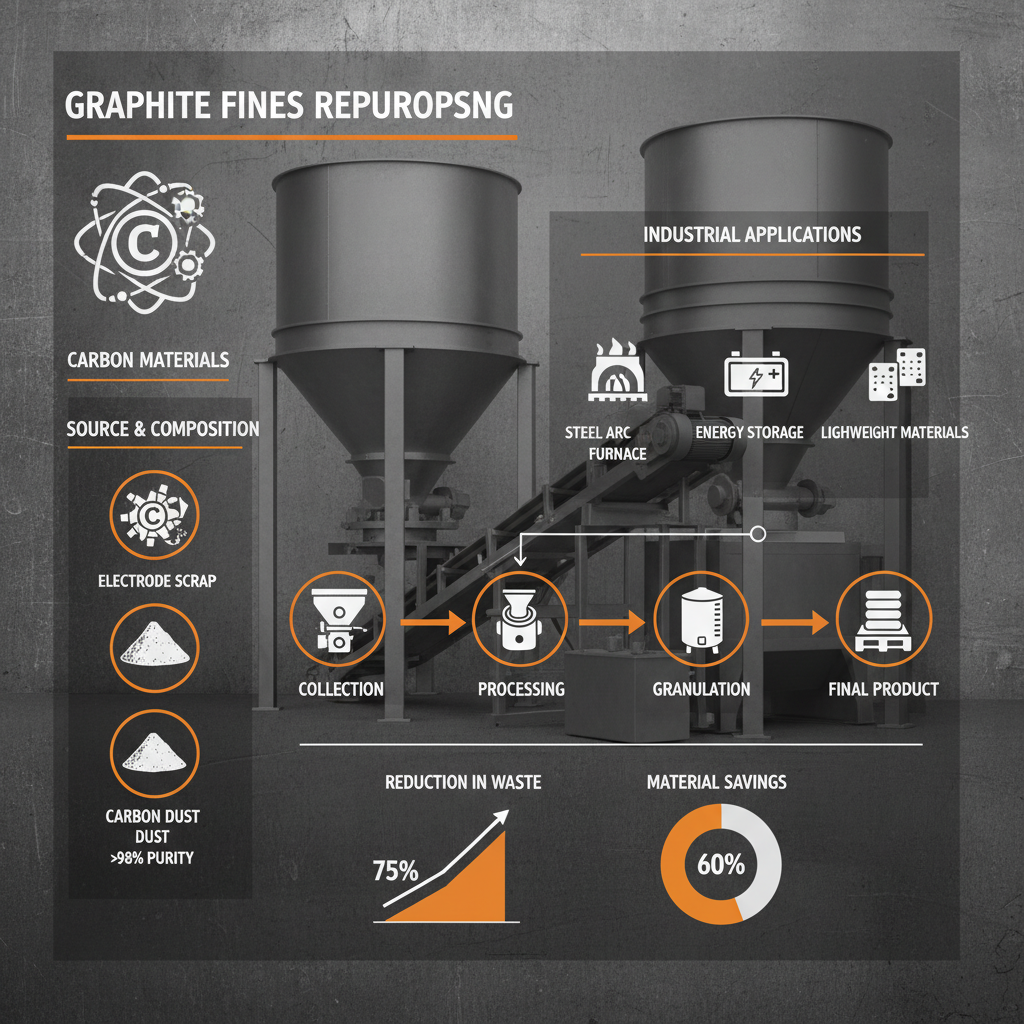
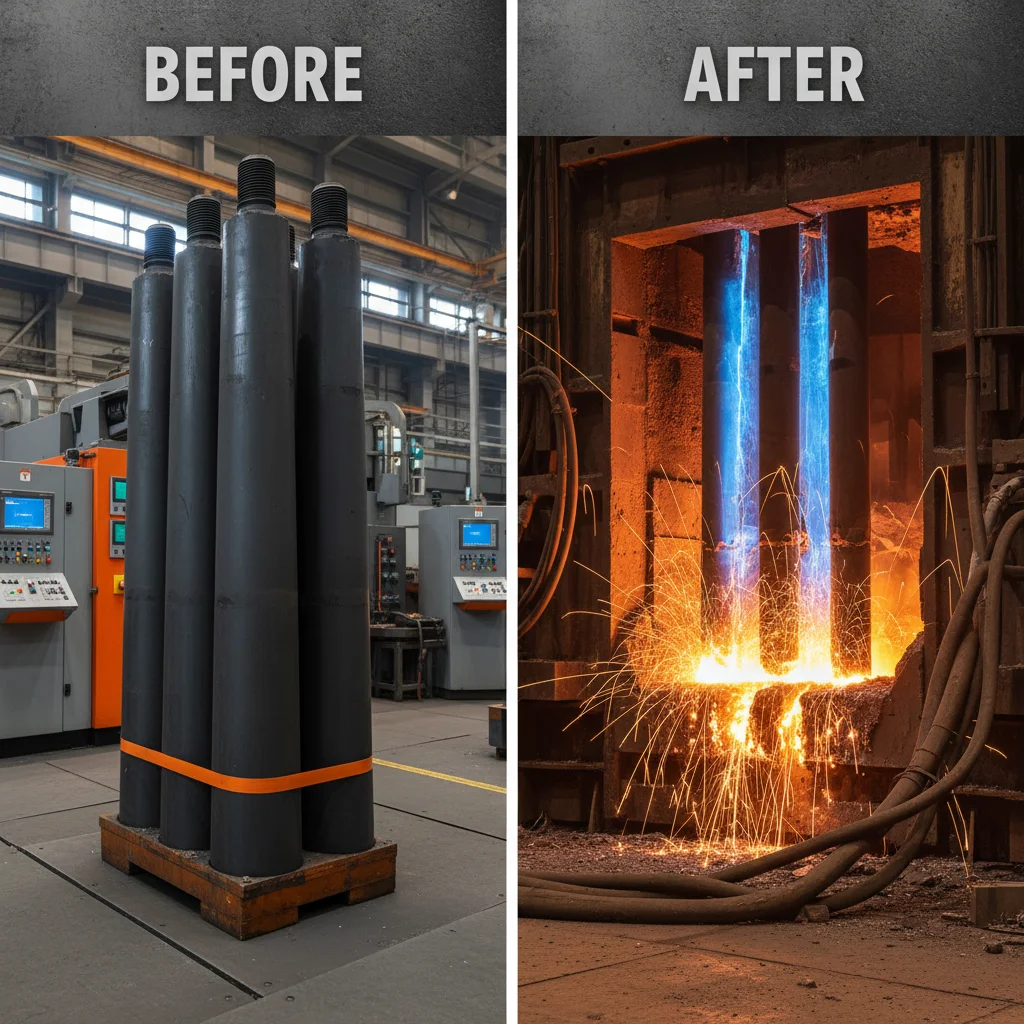
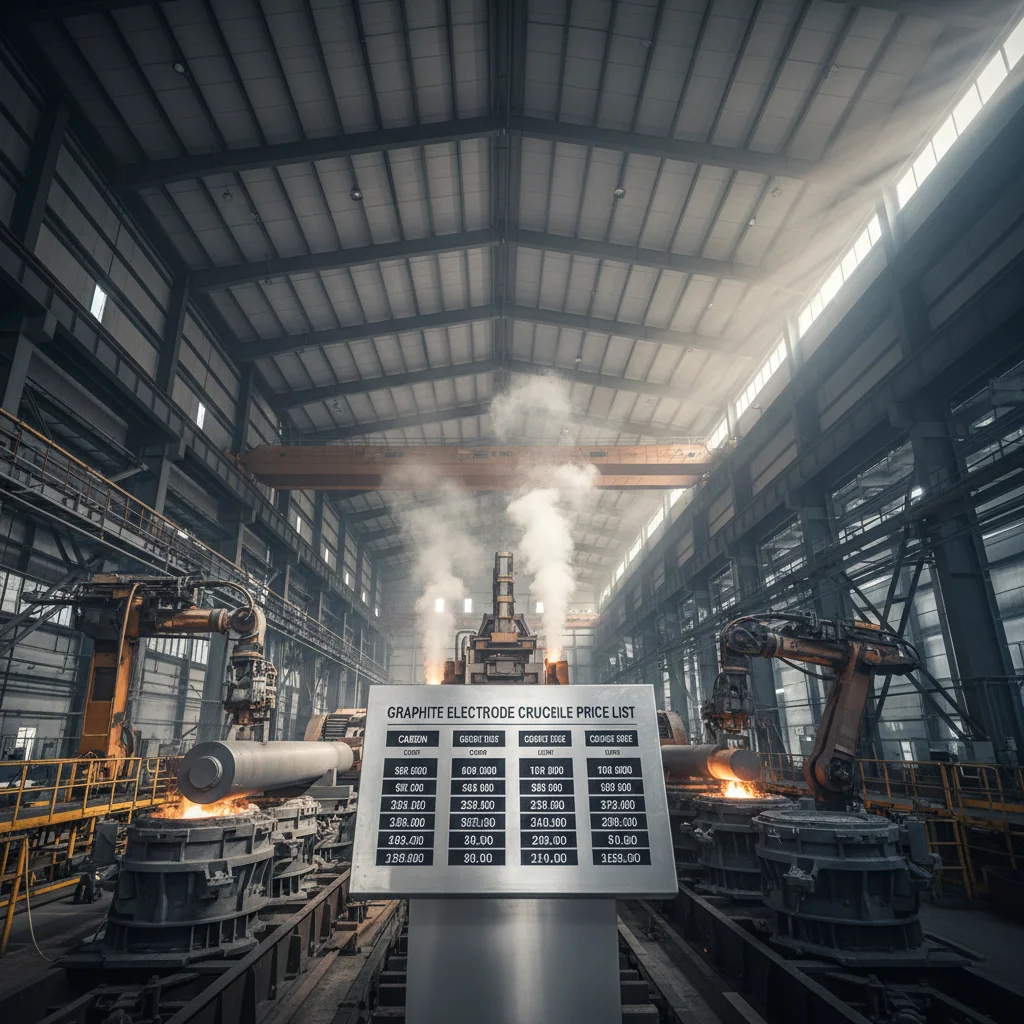
The connection to modern industry is profound. Graphite's electrical conductivity makes it a crucial component in electrodes for arc furnaces used in steelmaking. Its chemical inertness makes it ideal for crucibles used in melting metals. And, critically, it's the primary anode material in lithium-ion batteries, powering everything from smartphones to electric cars.

The availability and properties of graphite directly impact our ability to address global challenges. The transition to electric vehicles, for instance, hinges on securing a reliable and ethically sourced supply of high-quality graphite. Research into graphene, derived from graphite, promises revolutionary advancements in fields like energy storage, water purification, and composite materials, offering potential solutions to pressing environmental and societal concerns.

Core Characteristics of Graphite

Durability is a key characteristic of graphite. Its strong carbon-carbon bonds make it resistant to wear and corrosion, ensuring longevity in demanding applications. This resilience translates to reduced maintenance costs and increased reliability in industrial processes.

Electrical Conductivity is paramount. Graphite is a good conductor of electricity, making it an essential component in electrodes, batteries, and various electronic devices. The layered structure allows electrons to move freely, enabling efficient current flow.

Thermal Stability allows graphite to withstand high temperatures without significant degradation. This property makes it invaluable in applications like furnace linings, molds for metal casting, and heat shields in aerospace engineering. It remains stable even in extreme thermal conditions, maintaining its structural integrity.

Applications Across Industries

Graphite's applications are incredibly diverse. In the automotive industry, it’s vital for brake linings, clutch facings, and, increasingly, in lithium-ion battery anodes. The aerospace sector utilizes graphite composites for lightweight and high-strength components. Steelmaking relies on graphite electrodes to generate the intense heat required for melting raw materials.

The energy sector is perhaps the most rapidly growing consumer of graphite, driven by the demand for lithium-ion batteries in electric vehicles and grid-scale energy storage systems. Regions like China, Europe, and North America are investing heavily in battery manufacturing, leading to a corresponding surge in graphite demand.

Graphite Application Breakdown by Industry

Advantages and Long-Term Value

The cost-effectiveness of graphite, particularly natural flake graphite, makes it a compelling material choice for many applications. Compared to alternative materials with similar properties, graphite often offers a more economical solution without sacrificing performance. This is crucial for industries operating on tight margins.

Sustainability is becoming increasingly important. While graphite mining has environmental impacts, ongoing research into responsible sourcing practices and graphite recycling technologies is mitigating these concerns. The crucial role graphite plays in enabling renewable energy technologies – particularly energy storage – further enhances its long-term value proposition.

Emerging Trends in Graphite Technology

The development of graphene, a single-layer sheet of graphite, is revolutionizing materials science. Graphene’s exceptional strength, conductivity, and flexibility open doors to a wide range of applications, from advanced composites to flexible electronics and high-performance sensors.

Another significant trend is the focus on improving the performance of graphite anodes in lithium-ion batteries. Research is underway to enhance energy density, charging speeds, and cycle life through innovations in graphite processing and surface modification techniques. This will be pivotal in the adoption of EVs.

Challenges and Sustainable Solutions

A significant challenge is the geographical concentration of graphite production, with China dominating the supply chain. This creates vulnerabilities to geopolitical disruptions and price fluctuations. Diversifying graphite sources and developing domestic production capabilities are essential for ensuring supply chain security.

Environmental concerns associated with graphite mining and processing are also a major challenge. Implementing sustainable mining practices, reducing waste generation, and investing in graphite recycling technologies are crucial for minimizing the environmental footprint.

Furthermore, the purification of graphite to achieve the high levels of purity required for battery applications can be energy-intensive and costly. Developing more efficient and environmentally friendly purification methods is a key research priority.

Key Graphite Sustainability Metrics

Mining Method Environmental Impact Score (1-10) Recyclability Potential Cost Efficiency Rating (1-10)
Open Pit Mining 7 Moderate 8
Underground Mining 5 Low 6
Flotation Processing 6 High 7
Purification via Chemical Treatment 4 Moderate 5
Microwave-Assisted Graphite Exfoliation 8 High 6
Bioleaching (using microorganisms) 9 High 4

FAQS

What are the main types of graphite available on the market?

Graphite broadly falls into three main categories: natural flake graphite, synthetic graphite, and expanded graphite. Natural flake graphite is mined from the earth and is valued for its purity and large flake size, making it ideal for battery applications. Synthetic graphite is manufactured from petroleum coke and offers consistent properties and high purity. Expanded graphite is produced by intercalating acids between the graphite layers, increasing its volume and making it suitable for applications like fire retardants.

How does the purity of graphite impact its performance in batteries?

The purity of graphite is critically important for battery performance. Impurities can reduce the battery's energy density, cycle life, and charging speed. High-purity graphite allows for more efficient ion transport and minimizes unwanted side reactions, resulting in a more reliable and long-lasting battery. Battery-grade graphite typically requires a carbon content of over 99.5%.

What are the environmental concerns associated with graphite mining?

Graphite mining can have several environmental impacts, including habitat destruction, water pollution, and greenhouse gas emissions. Open-pit mining, in particular, can lead to significant land disturbance. Processing graphite often involves the use of chemicals that can contaminate water sources if not managed properly. Sustainable mining practices, such as land reclamation and water treatment, are crucial for mitigating these impacts.

Is graphite a critical mineral, and what are the implications of supply chain dependence?

Yes, graphite is increasingly recognized as a critical mineral due to its essential role in clean energy technologies, particularly lithium-ion batteries. The heavy reliance on a single country, China, for graphite supply creates vulnerabilities to geopolitical disruptions and price volatility. Diversifying supply chains and investing in domestic graphite production are key strategies for ensuring access to this vital resource.

What is graphene, and how does it relate to graphite?

Graphene is a single-layer sheet of graphite, essentially a two-dimensional material. It possesses exceptional properties such as high strength, conductivity, and flexibility. Graphene is derived from graphite through various exfoliation techniques. While still in the development phase, graphene holds immense potential for applications in electronics, composites, energy storage, and more.

Can graphite be recycled, and what are the current recycling technologies?

Yes, graphite can be recycled from spent lithium-ion batteries, although the process is complex and costly. Current recycling technologies include pyrometallurgical processes (high-temperature smelting) and hydrometallurgical processes (chemical leaching). Direct recycling methods, which aim to recover graphite without significant chemical alteration, are also being developed and show promise for improving sustainability.

Conclusion

Graphite, a seemingly simple material, is profoundly interconnected with the most significant technological and environmental challenges of our time. From powering the electric vehicle revolution to enabling advancements in energy storage and materials science, its properties and versatility are unparalleled. A deeper understanding of graphite’s characteristics, applications, and sustainable sourcing is crucial for navigating a future increasingly reliant on this essential element.

Looking ahead, continued investment in research and development, coupled with responsible mining practices and robust recycling initiatives, will unlock graphite’s full potential. We encourage you to explore our comprehensive range of graphite products and solutions, and to join us in building a more sustainable and innovative future.

Michael Harris

Michael Harris

Michael Harris is a seasoned Sales Manager at Ding An Heng, responsible for the company's growth within the iron casting market. He has a proven track record of success in identifying and developing key accounts, and possesses a deep understanding of the needs of grey and ductile iron foundries. Michael specializes in promoting the use of CPC and graphite petroleum coke for applications in pipes, auto parts and boilers. He emphasizes Ding An Heng's commitment to quality and reliable delivery, ensuring customer satisfaction.
Previous Advancements in Graphite Products for Modern Industrial Applications
Next Unleashing Graphite's Potential Power.

If you are interested in our products, you can choose to leave your information here, and we will be in touch with you shortly.

  • captcha