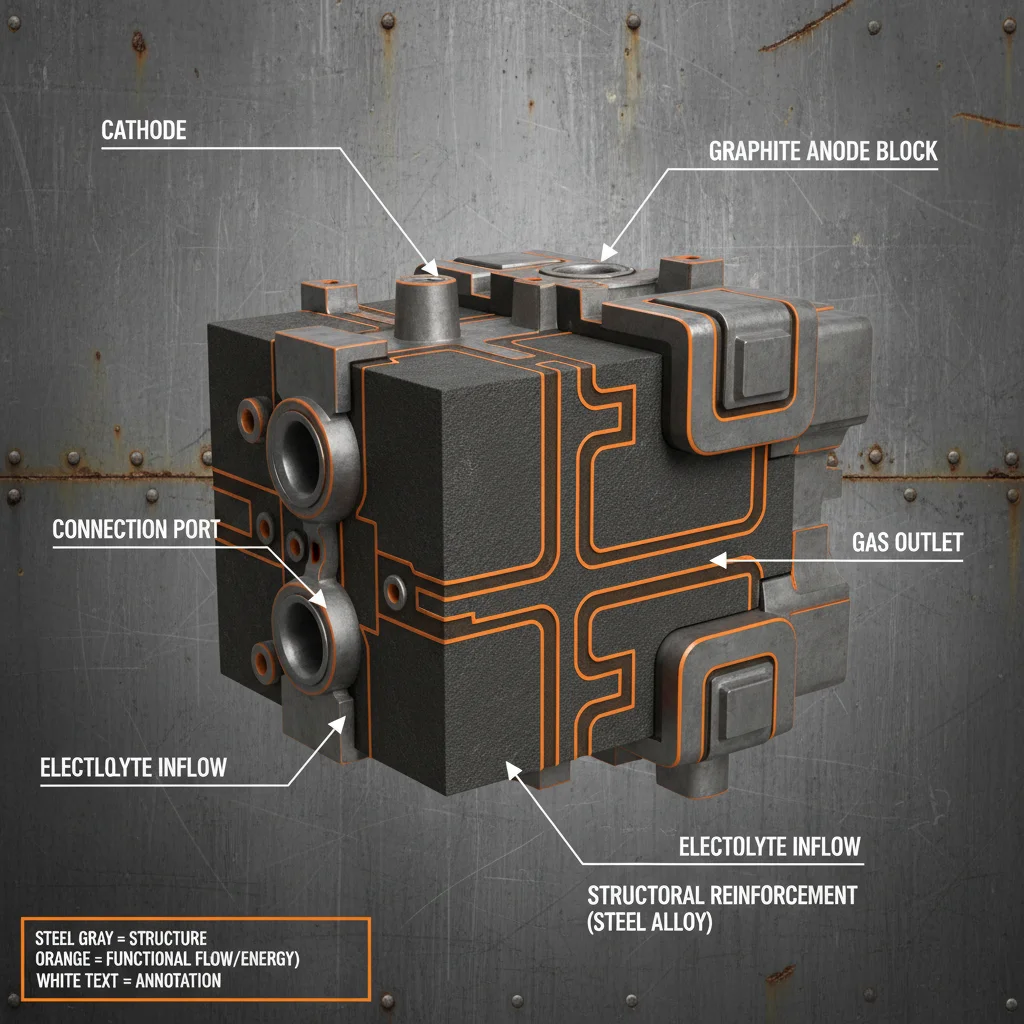
In the demanding world of high-temperature metallurgy and chemical processing, the graphite crucible stands as a cornerstone of thermal efficiency. These specialized vessels are engineered to withstand extreme thermal shock while maintaining structural integrity, making them indispensable for melting precious metals, alloying, and purifying materials. By leveraging the unique properties of carbon, industries can achieve precise temperature control and minimize contamination in their melts.
Global industrial demand for high-purity carbon products has surged as the electronics and aerospace sectors require more refined materials. The ability of a graphite crucible to operate in inert atmospheres and resist oxidation at elevated temperatures solves a critical engineering challenge: how to melt metals without the vessel itself reacting with the charge. This stability ensures that the final product maintains the exact chemical composition required by ISO standards.
Understanding the nuances of graphite grade, density, and surface treatment is essential for any procurement manager or plant engineer. Choosing the right graphite crucible not only extends the lifespan of the equipment but also significantly reduces operational downtime and energy waste. This guide explores the technical depth and commercial value of these essential carbon components in modern manufacturing.
Global Relevance of Graphite Crucible
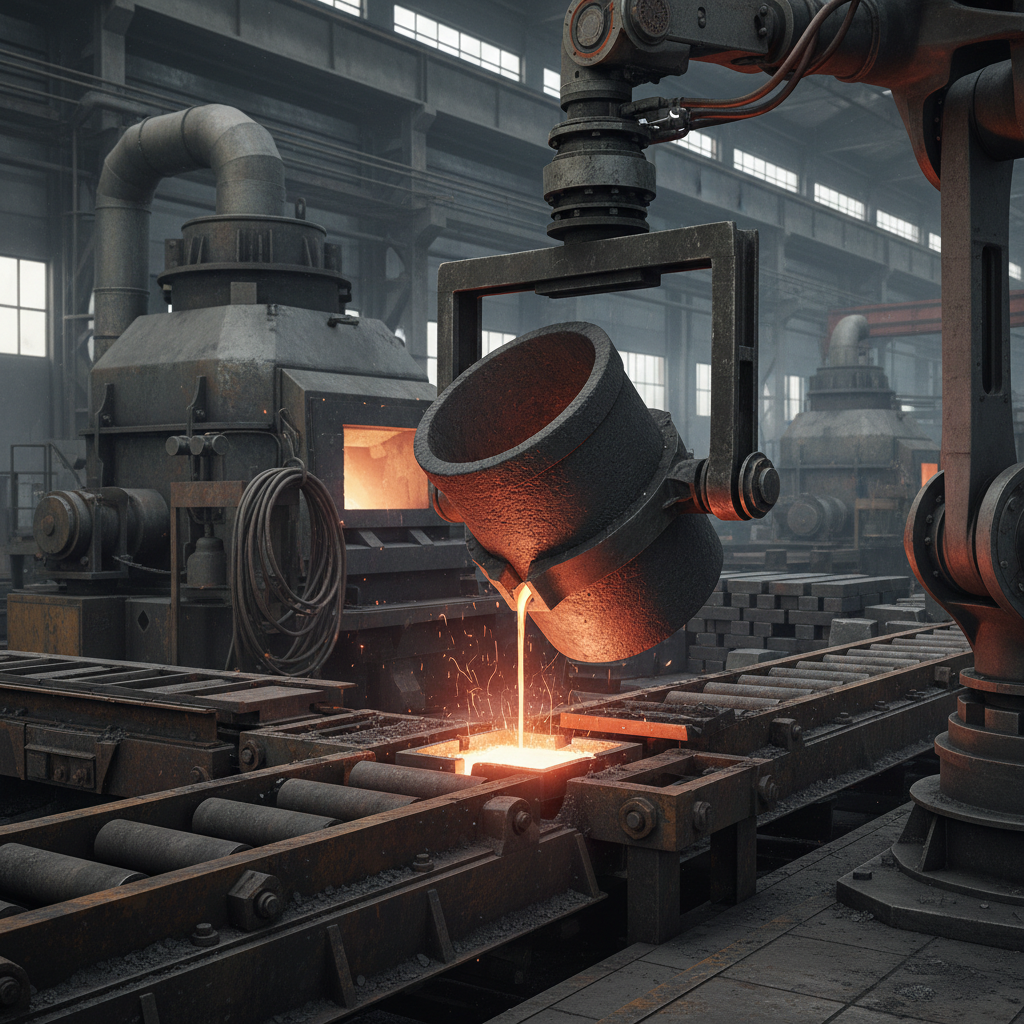
The global metallurgical landscape relies heavily on the stability of carbon-based containment. As nations strive for higher purity in semiconductor materials and lightweight alloys for EVs, the graphite crucible has transitioned from a simple tool to a high-precision engineering component. Statistics from international trade reports indicate a steady rise in the demand for isostatically pressed graphite, which offers superior uniformity over traditional extruded versions.
Beyond simple melting, these crucibles are pivotal in the synthesis of advanced ceramics and the production of synthetic diamonds. By providing a stable thermal environment, they enable chemical reactions that would be impossible in metal or ceramic vessels. This global reliance underscores the need for a consistent supply of high-grade Carbon Coke and Graphite Blocks to feed the manufacturing pipeline.
Defining the Modern Graphite Crucible
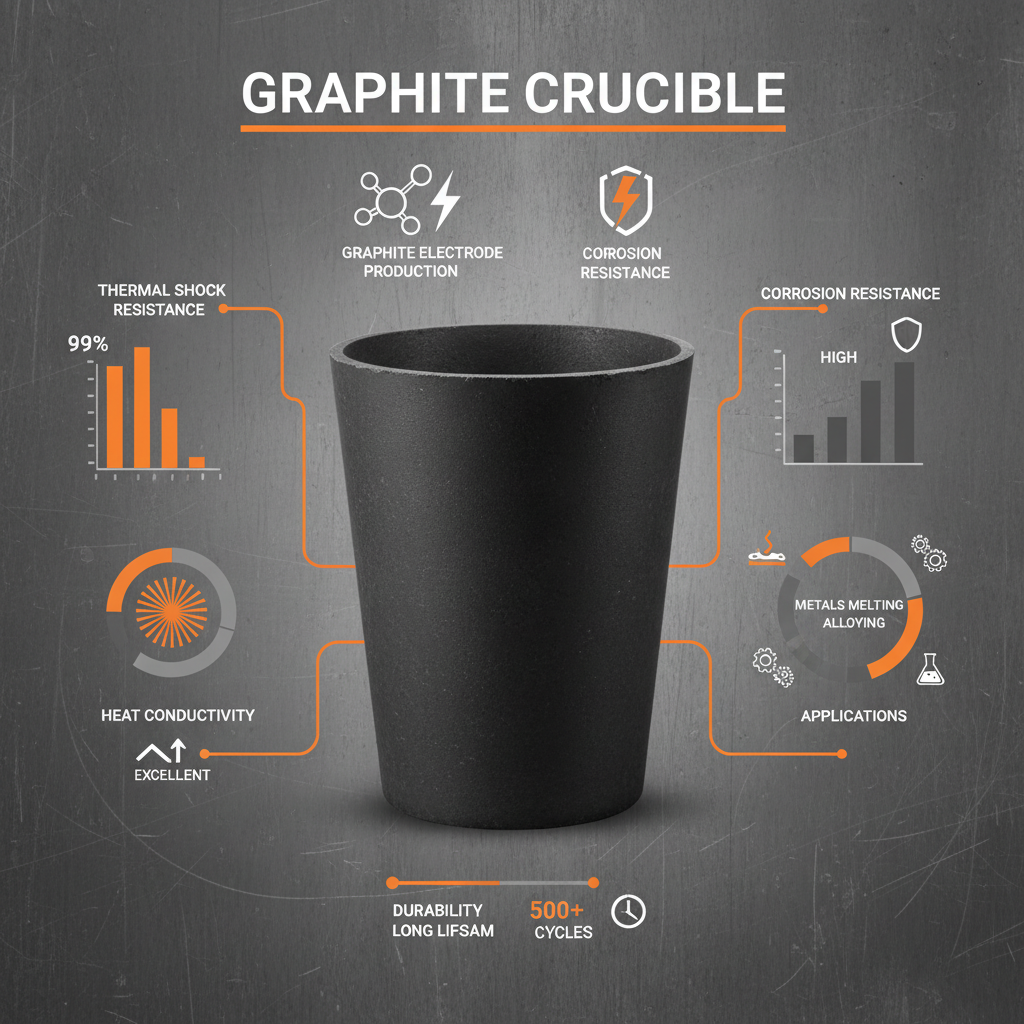
At its core, a graphite crucible is a high-temperature vessel made from high-purity graphite, designed to hold and melt materials at temperatures often exceeding 3,000°C in non-oxidizing environments. Unlike ceramic crucibles, graphite possesses an extraordinary level of thermal conductivity and a low coefficient of thermal expansion, which prevents the vessel from cracking during rapid heating or cooling cycles.
In modern industrial contexts, these tools are more than just "pots." They are engineered systems. Whether they are used in a small-scale jewelry studio or a massive industrial smelting plant, the graphite's ability to remain inert when in contact with molten gold, silver, and copper is what defines its utility. This chemical neutrality is the primary reason graphite is preferred over other refractory materials.
Furthermore, the connection to modern humanitarian and infrastructure needs is evident in the production of critical components for green energy. From silicon purification for solar panels to the casting of high-strength parts for wind turbines, the graphite crucible acts as the primary catalyst for material transformation in the transition to a sustainable global economy.
Core Components of Thermal Performance
The durability of a graphite crucible is primarily determined by its grain structure and density. High-density graphite prevents the penetration of molten metal into the walls of the crucible, which would otherwise lead to premature failure and contamination of the melt. This structural integrity is achieved through precise control during the graphitization process.
Thermal conductivity is another critical factor. A high-performance graphite crucible ensures that heat is distributed evenly across the entire volume of the melt. This eliminates "cold spots" and reduces the energy required to reach the melting point, directly impacting the cost-efficiency of the smelting operation.
Finally, the scalability of the production process allows these crucibles to be manufactured in diverse shapes and sizes. Whether it is a small crucible for laboratory research or a massive vessel for industrial Graphite Electrode production, the ability to customize the wall thickness and taper ensures that each graphite crucible is optimized for its specific thermal load and pouring requirements.
Industrial Applications and Use Cases
The application of the graphite crucible spans across diverse sectors. In the aerospace industry, they are used to melt superalloys that can withstand extreme jet engine temperatures. In the electronics sector, they facilitate the growth of high-purity crystals. Even in remote industrial zones in Southeast Asia and Africa, these crucibles are used for the local refining of precious metals, providing a reliable means of production where advanced furnace infrastructure might be limited.
Furthermore, these vessels are critical in the production of Recarburizers, where precise carbon addition is necessary to achieve specific steel grades. By using a graphite-based containment system, manufacturers can ensure a controlled interaction between the carbon source and the molten metal, resulting in a more homogeneous product.
Comparative Efficiency of Graphite Crucible Variants
Long-Term Value and Sustainability
The long-term value of investing in a premium graphite crucible extends beyond the immediate melt. High-quality graphite reduces the frequency of crucible failure, which means fewer production halts and lower labor costs for replacement. From a logical standpoint, the energy efficiency gained through superior thermal conductivity reduces the carbon footprint of the melting process itself.
From an emotional and trust-based angle, the reliability of a crucible is a matter of safety. A catastrophic failure of a vessel containing molten metal at 1,500°C is a severe industrial hazard. By utilizing certified, high-density graphite products, plant managers ensure the dignity and safety of their workforce, fostering a culture of innovation and trust within the facility.
Future Innovations in Carbon Technology
The future of the graphite crucible is being shaped by advancements in material science, specifically the integration of nano-carbon additives. These innovations aim to create "ultra-dense" graphite that is virtually impermeable to molten metals, potentially doubling the lifespan of the vessel. As automation and AI-driven furnaces become standard, crucibles are being designed with integrated sensor ports to monitor melt temperature in real-time.
Sustainability is also driving a shift toward recycled graphite. By reprocessing waste Graphite Powder and Carbon Coke into new crucibles, the industry is moving toward a circular economy. This reduces the environmental impact of graphite mining and lowers the cost of entry for smaller manufacturers.
Moreover, the rise of green hydrogen in metallurgy is prompting the development of crucibles that can withstand the specific chemical environments associated with hydrogen-based reduction. These next-generation graphite crucible designs will be essential for the "Green Steel" revolution, ensuring that the transition to carbon-neutral manufacturing is technically feasible.
Overcoming Operational Challenges
Despite their advantages, graphite crucible users often face the challenge of oxidation. At high temperatures in the presence of oxygen, graphite can slowly "burn off," thinning the walls of the vessel. To solve this, many industries are now employing specialized silicon carbide (SiC) coatings or using protective inert gas shrouds to shield the graphite from the air.
Another common limitation is the risk of thermal shock during the initial heating phase. To overcome this, expert operators implement a staged pre-heating protocol, allowing the graphite crucible to expand gradually. This professional approach significantly reduces the likelihood of stress fractures and extends the operational life of the equipment.
Lastly, the issue of contamination from impurities within the graphite itself can be addressed through the use of high-purity "grade A" carbon. By selecting materials with lower ash content and precise grain distribution, manufacturers can ensure that the purity of their molten metal remains uncompromised, meeting the strictest international quality standards.
Comparative Analysis of Graphite Crucible Maintenance and Life Cycles
| Crucible Material Grade |
Avg. Lifespan (Cycles) |
Oxidation Resistance |
Maintenance Level |
| Standard Extruded |
50 - 100 |
Moderate (4/10) |
High |
| Isostatically Pressed |
200 - 400 |
High (8/10) |
Low |
| SiC Coated |
300 - 500 |
Ultra (10/10) |
Moderate |
| High-Purity Grade |
150 - 300 |
Moderate (6/10) |
Low |
| Composite Carbon |
100 - 200 |
Moderate (5/10) |
Moderate |
| Industrial Grade |
80 - 150 |
Low (3/10) |
High |
FAQS
Isostatic graphite crucibles are manufactured using uniform pressure from all directions, resulting in a consistent grain structure and density throughout the vessel. Extruded crucibles often have directional grain patterns, making them more prone to leakage and uneven wear. The isostatic process ensures higher mechanical strength and better resistance to thermal shock.
To prevent oxidation, you can use a silicon carbide (SiC) coating on the exterior of the crucible or operate within an inert gas environment (such as Argon). Additionally, avoiding sudden temperature spikes and ensuring the crucible is properly seated in the furnace can minimize air exposure and prolong the lifespan of the carbon material.
While excellent for gold, silver, copper, and aluminum, graphite is not suitable for metals that react strongly with carbon, such as certain iron-based alloys where carbon pick-up must be strictly avoided. Always verify the chemical compatibility of the metal with graphite to ensure the purity of the final melt.
Lifespan varies wildly based on the material grade and the metal being melted. Standard extruded crucibles may last 50-100 cycles, while high-end isostatic or coated versions can exceed 400 cycles. Regular inspection for wall thinning and surface cracks is essential to determine when a replacement is necessary.
Yes, compared to many ceramic alternatives, graphite is highly energy-efficient due to its superior thermal conductivity, reducing the total energy required for heating. Furthermore, the industry is increasingly adopting recycled graphite powder to create new crucibles, lowering the overall environmental footprint of carbon production.
Graphite is brittle and susceptible to impact damage. Crucibles should be stored in padded containers and transported using shock-absorbent materials. It is also important to keep them in a dry environment to prevent the absorption of moisture, which can cause "spitting" or explosions upon the first heating cycle.
Conclusion
In summary, the graphite crucible remains an irreplaceable asset in the world of high-temperature manufacturing. From its exceptional thermal conductivity and chemical inertness to the specialized isostatic pressing techniques that ensure durability, these carbon vessels enable the production of the high-purity metals and alloys that drive modern technology. By understanding the relationship between graphite density, oxidation resistance, and thermal management, industrial operators can maximize their efficiency and ensure a safe working environment.
Looking ahead, the integration of sustainable recycling practices and nano-material enhancements will continue to push the boundaries of what carbon products can achieve. For companies seeking to optimize their smelting processes and reduce operational costs, investing in high-grade graphite solutions is not just a technical choice, but a strategic business decision. To explore the best carbon solutions for your specific industrial needs, visit our website: www.dahcarbon.com