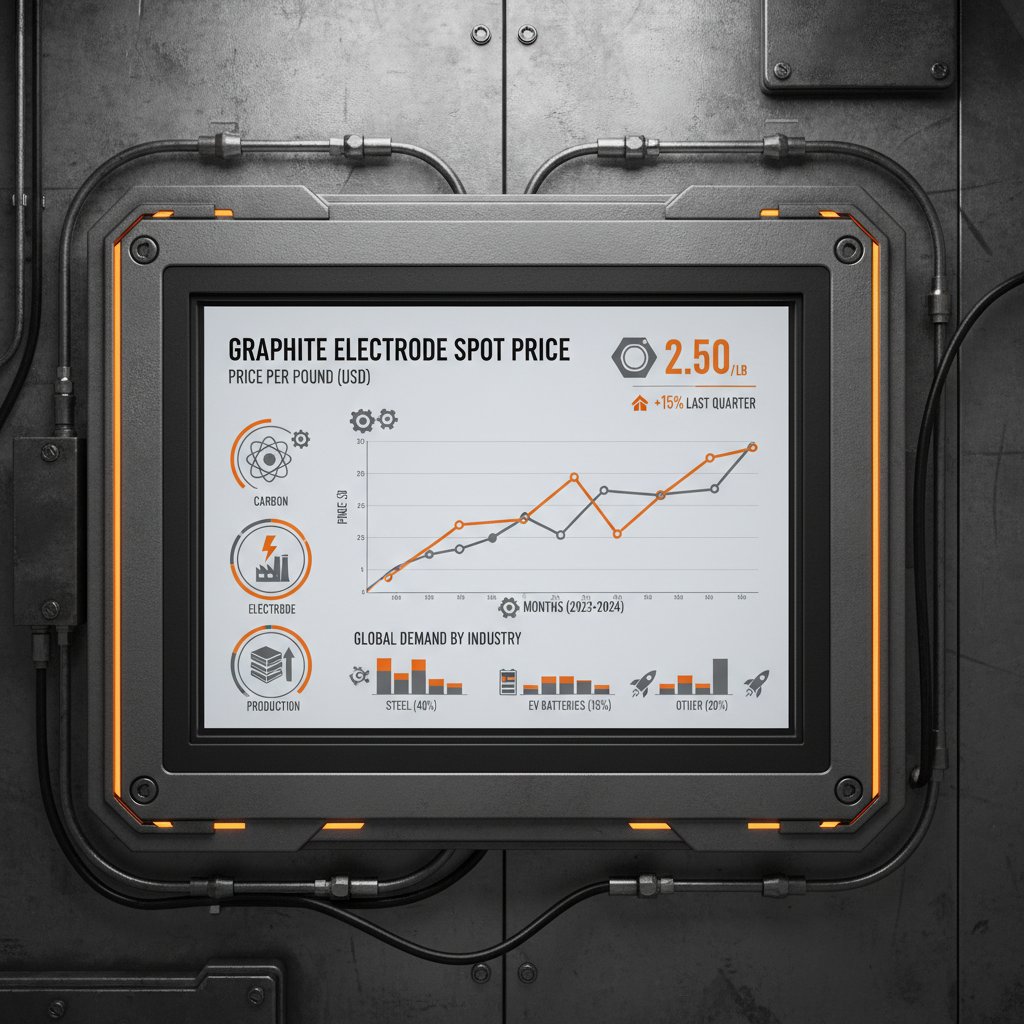
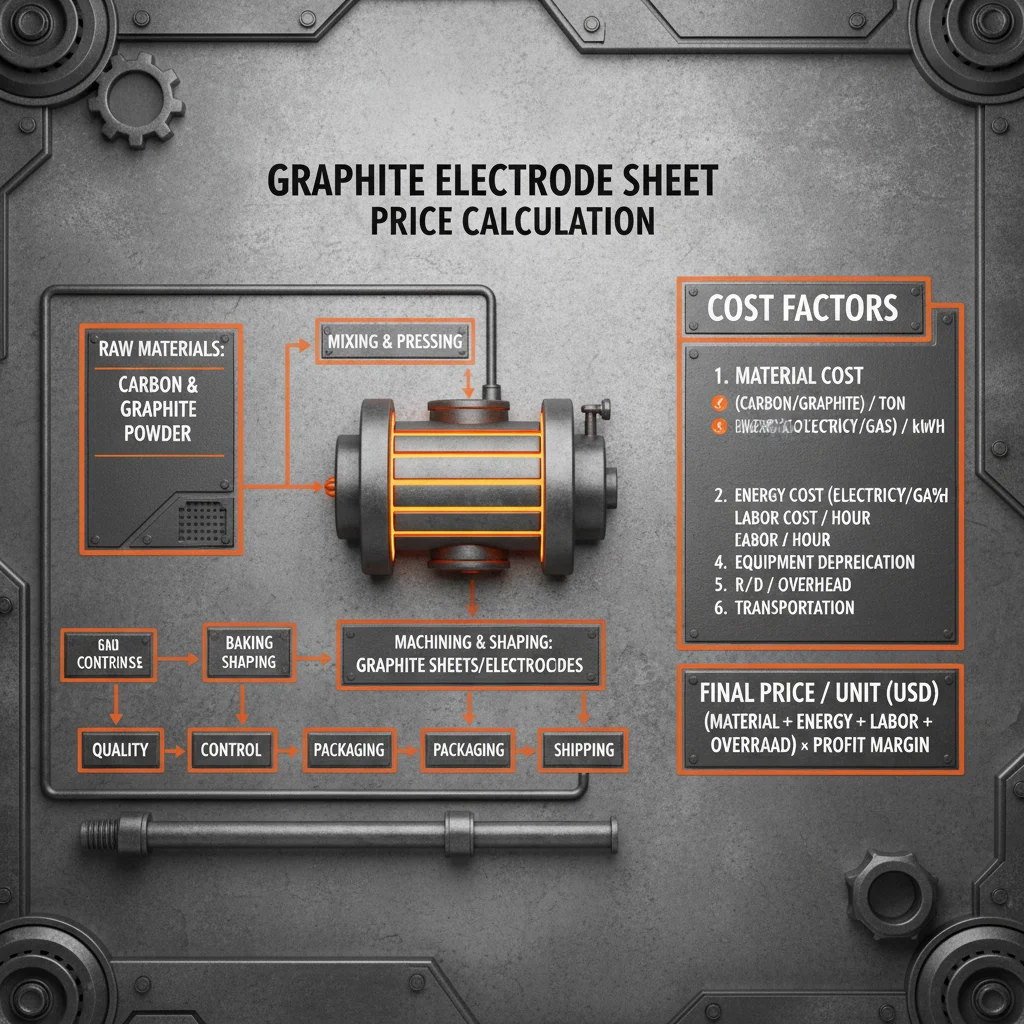
Understanding the current price of graphite per pound is critical for stakeholders across the metallurgical and energy sectors. As a foundational material for everything from industrial electrodes to advanced battery anodes, the cost volatility of graphite directly impacts the operational overhead of steel mills and the scalability of green energy technologies.
The global market for carbon products is currently navigating a complex intersection of supply chain constraints and skyrocketing demand. When procurement managers analyze the price of graphite per pound, they aren't just looking at a number, but at a reflection of mining output in key regions, purity levels of the processed material, and the geopolitical stability of exporting nations.
By mastering the drivers behind these pricing fluctuations, companies can better optimize their procurement strategies for Carbon Coke, Graphite Blocks, and Recarburizers. This guide provides a comprehensive breakdown of how the price of graphite per pound is determined and how to navigate the market to ensure long-term cost efficiency and material reliability.
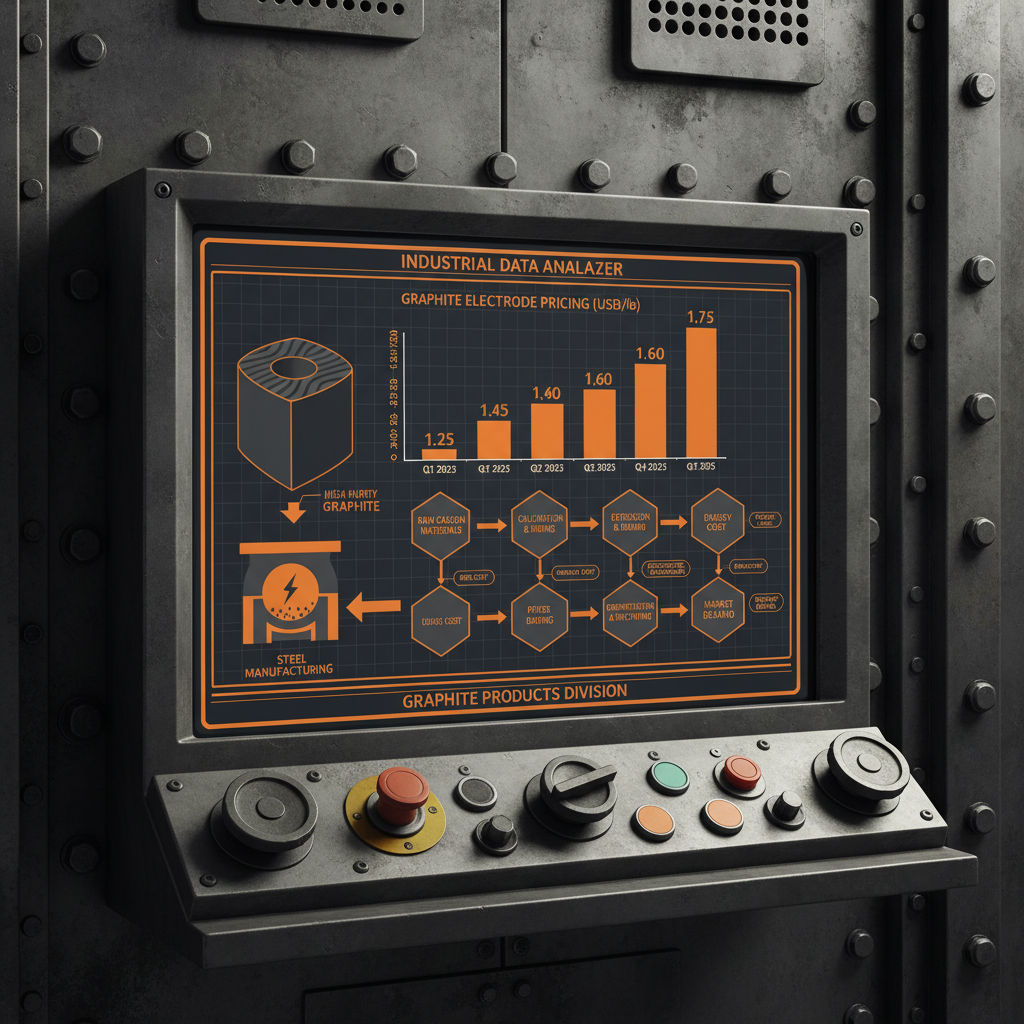
Global Market Dynamics of Graphite Pricing
The global landscape for the price of graphite per pound is heavily influenced by the concentration of raw material reserves. With a significant portion of the world's natural flake graphite originating from a few key geographic hubs, any shift in trade policy or mining regulation can lead to immediate price spikes. This interdependence creates a volatile environment for manufacturers of Graphite Electrodes and Carbon Coke.
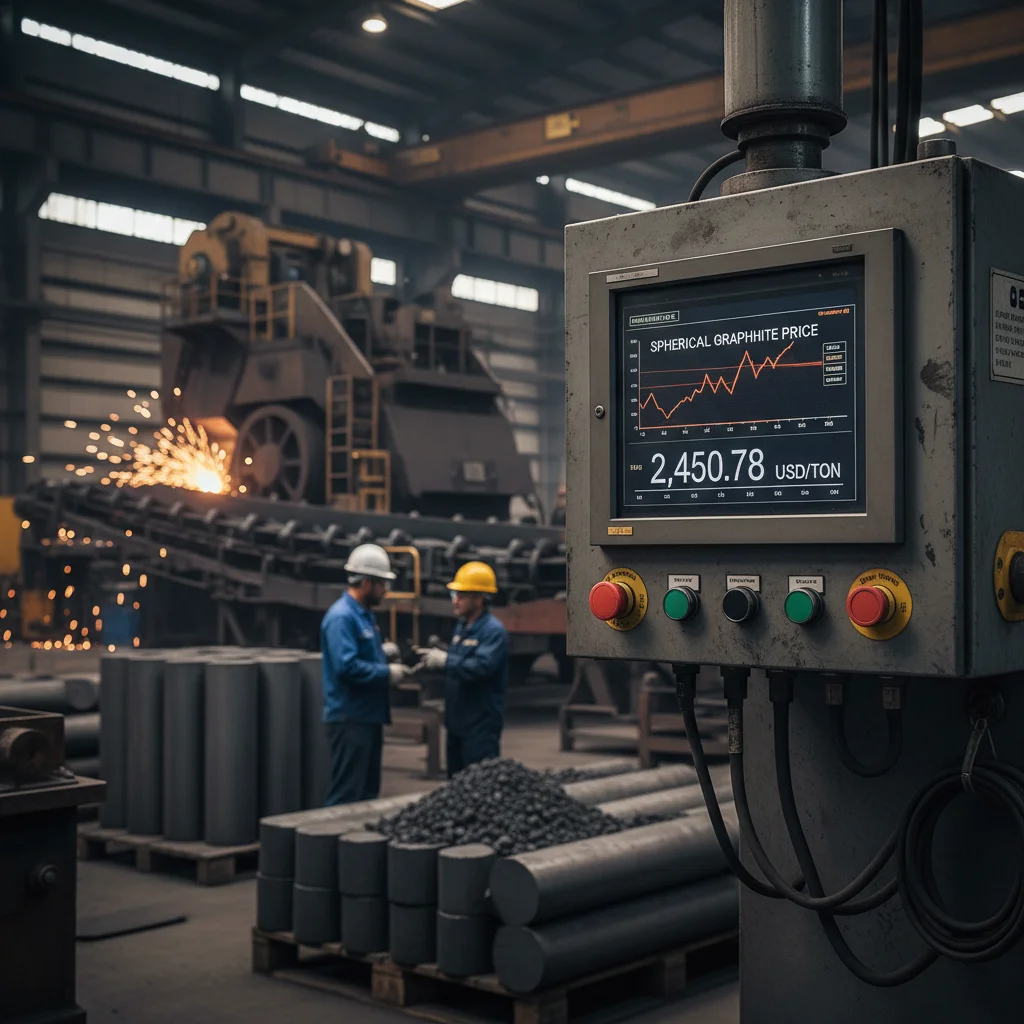
Furthermore, the surge in Electric Vehicle (EV) production has shifted the demand curve. While industrial graphite was previously dominated by the steel industry, the need for high-purity spherical graphite for anodes has introduced a premium pricing tier. This shift means that the price of graphite per pound is no longer a monolithic figure but a spectrum based on the end-use application.
Technical Definitions of Graphite Valuation
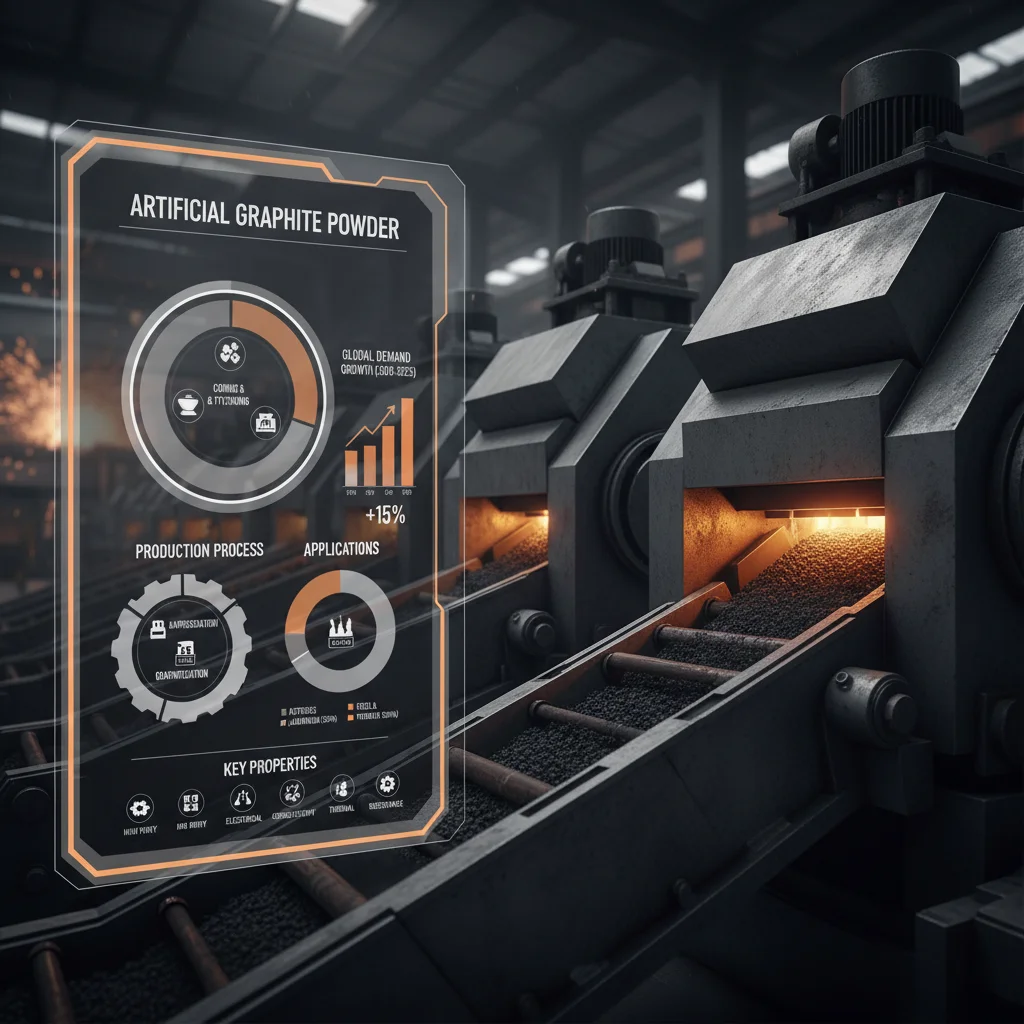
When we discuss the price of graphite per pound, we are referring to the market value of carbon in a crystalline form, typically categorized by its origin: natural flake, amorphous, or synthetic. Natural graphite is mined and purified, whereas synthetic graphite is produced through the graphitization of petroleum coke at extreme temperatures. The energy-intensive nature of synthetic production often results in a higher price per pound compared to natural varieties.
In commercial contracts, the price of graphite per pound is rarely a flat rate; it is usually adjusted based on purity percentages (e.g., 94% vs 99.9% carbon content). For industrial users, the "effective price" includes the cost of processing the material into usable forms like Graphite Powder or Recarburizers, which add value through specific particle size distributions and chemical consistency.
Understanding this valuation is crucial because a lower price per pound does not always equate to lower costs. For instance, low-purity graphite may lead to higher slag formation in a furnace, increasing overall production costs. Therefore, the industry evaluates the price of graphite per pound against the performance metrics of the final industrial application.
Core Factors Influencing Cost per Pound
One of the primary drivers of the price of graphite per pound is the purity level. High-purity graphite requires rigorous chemical leaching or thermal treatment to remove impurities like sulfur and ash. The more intensive the purification process, the higher the cost per unit of weight.
Energy costs play a pivotal role in determining the price of graphite per pound, particularly for synthetic graphite. The process of heating carbon to over 2,500°C requires massive amounts of electricity. Consequently, fluctuations in global energy markets are almost immediately reflected in the pricing of Graphite Blocks and Electrodes.
Logistics and supply chain resilience also impact the final price of graphite per pound. Because graphite is often transported over long distances from mine to refinery to factory, shipping costs and import tariffs can add a significant premium to the base material cost, making localized sourcing a strategic advantage.
Industrial Applications and Pricing Tiers
The application of graphite determines which pricing bracket a buyer falls into. For example, Recarburizers used in the steel industry prioritize a consistent carbon increase over extreme purity, allowing for a more competitive price of graphite per pound. In contrast, Graphite Electrodes used in Electric Arc Furnaces (EAF) require high mechanical strength and electrical conductivity, commanding a premium.
Similarly, Graphite Powder used in lubricants or molds is priced based on mesh size and fluidity. The precision required for specialized industrial powders increases the processing cost, thereby raising the price of graphite per pound for these specific niches.
Industrial Grade Impact on Price of Graphite per Pound
Long-Term Value and Sustainability
Investing in high-quality graphite, even at a slightly higher price of graphite per pound, often yields better long-term value. High-density Graphite Blocks, for instance, offer superior wear resistance, which reduces the frequency of replacements and minimizes downtime in industrial furnaces.
From a sustainability perspective, the industry is moving toward "green graphite." This involves reducing the chemical footprint of the purification process. While this shift may initially increase the price of graphite per pound due to R&D costs, it ensures compliance with tightening environmental regulations and appeals to ESG-conscious investors.
Future Innovations in Graphite Production
The future of the price of graphite per pound will be shaped by the development of synthetic alternatives and advanced recycling techniques. The ability to recover graphite from spent Li-ion batteries could create a secondary supply stream, potentially stabilizing prices and reducing the reliance on primary mining.
Furthermore, digitalization in the manufacturing of Graphite Electrodes is allowing for "precision graphitization." By using AI to optimize the heating cycles, producers can reduce energy waste, which may eventually lower the overall price of graphite per pound for the end consumer.
Automation in the processing of Carbon Coke and Recarburizers is also reducing labor costs. As these efficiencies scale, we can expect the price of graphite per pound to become more predictable, shifting from a volatile commodity model to a more stable industrial material model.
Overcoming Market Challenges and Volatility
One of the biggest challenges for procurement officers is the unpredictability of the price of graphite per pound. To mitigate this, many firms are moving away from spot-market purchasing and entering into long-term supply agreements. These contracts lock in prices, providing budget certainty for large-scale projects.
Another solution involves diversifying the material portfolio. By utilizing a mix of natural and synthetic graphite based on the specific requirements of each product line, companies can hedge against price spikes in any single category of the price of graphite per pound.
Finally, increasing technical expertise in-house allows companies to optimize their material usage. When an engineer can reduce the amount of graphite needed for a process without sacrificing quality, the impact of an increasing price of graphite per pound is significantly diminished.
Comparative Analysis of Graphite Material Cost Factors
| Material Type |
Purity Level |
Energy Intensity |
Price per Pound Index |
| Natural Flake |
Medium to High |
Low |
3-5 |
| Synthetic Graphite |
Very High |
Very High |
8-10 |
| Recarburizer |
Low to Medium |
Medium |
2-4 |
| Graphite Powder |
Medium |
Medium |
5-7 |
| Electrodes |
High |
High |
7-9 |
| Specialty Blocks |
High |
High |
6-8 |
FAQS
Price variations are primarily driven by the purity of the graphite, the method of production (natural vs. synthetic), and the geographical location of the source. Suppliers with integrated mining and refining capabilities often offer more competitive pricing than those who rely on third-party raw materials.
Synthetic graphite requires heating to temperatures above 2,500°C. Since electricity is a major cost component in this process, any increase in power utility rates leads to a direct increase in the price of graphite per pound for synthetic products like high-grade electrodes.
While the price of graphite per pound is the standard unit for comparison, bulk tonnage purchases typically trigger volume discounts. For industrial operations using recarburizers or graphite powder, tonnage contracts are significantly more cost-effective than small-batch poundage ordering.
The demand for battery-grade graphite has created a new price floor. While the "boom" has caused volatility, it has also incentivized new mining projects and synthetic production facilities, which may eventually stabilize the price of graphite per pound through increased global supply.
Carbon Coke is generally more affordable as it has lower purity and structural consistency than graphite. Pure graphite undergoes an additional process of graphitization, which aligns the carbon atoms into sheets, adding significant value and increasing the price per pound.
Monitor three key indicators: the global price of electricity, export quotas from major producing nations (like China), and the quarterly production targets of major EV manufacturers. These factors usually provide a leading indicator for price movements.
Conclusion
Navigating the complexities of the price of graphite per pound requires a deep understanding of both the technical properties of the material and the global economic forces at play. From the energy-intensive creation of synthetic electrodes to the strategic mining of natural flakes, every step in the value chain influences the final cost. By focusing on purity, energy efficiency, and long-term supply contracts, industrial users can protect their margins from market volatility.
As we look toward a future defined by green energy and advanced metallurgy, the strategic importance of graphite will only grow. We recommend that procurement managers move beyond simple price-per-pound comparisons and instead evaluate the "total cost of ownership," including material longevity and process efficiency. For high-quality carbon and graphite solutions, visit our website: www.dahcarbon.com.